What That Means for Doors
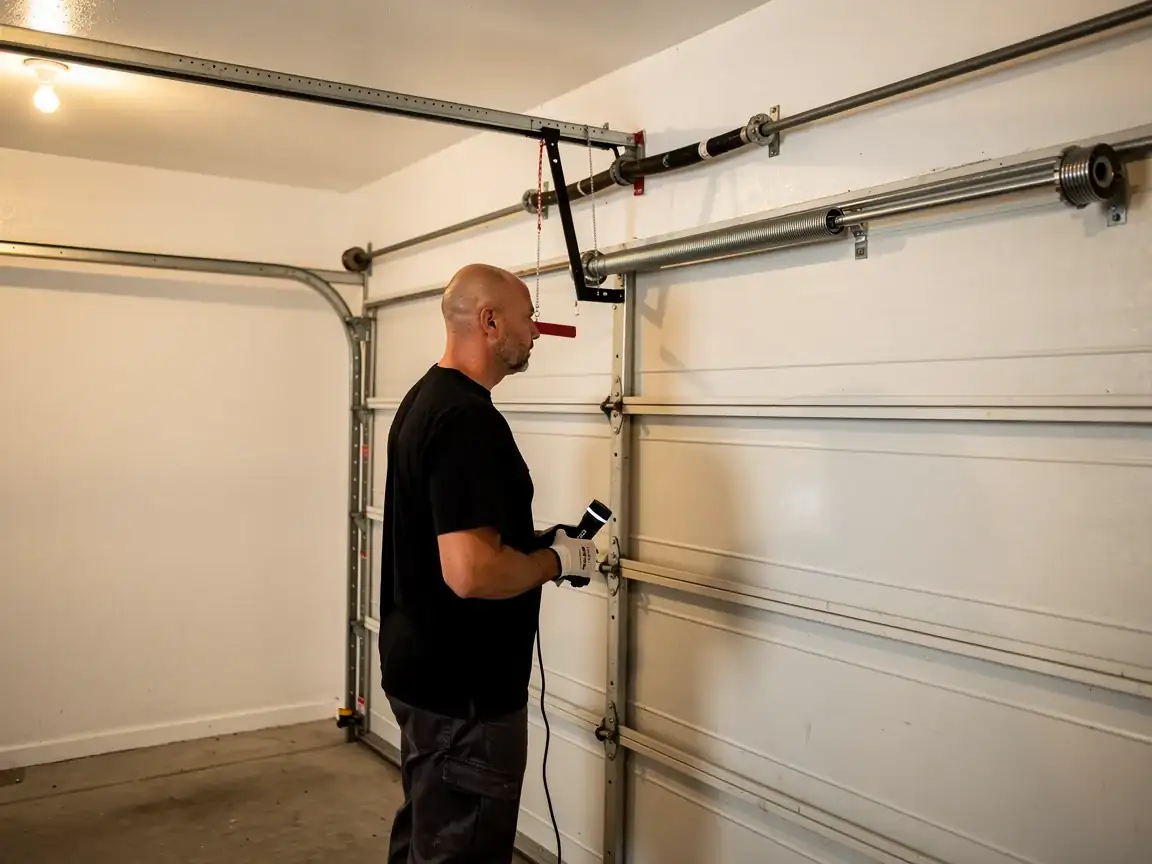
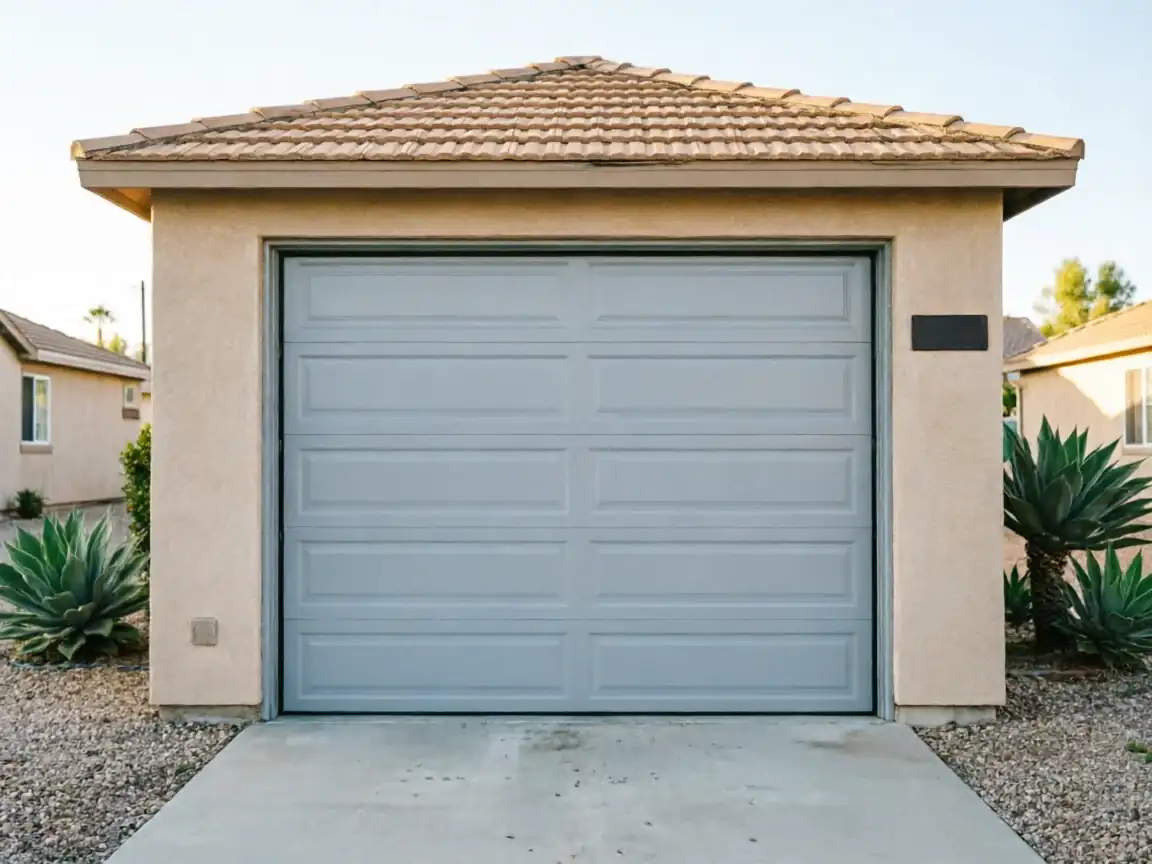
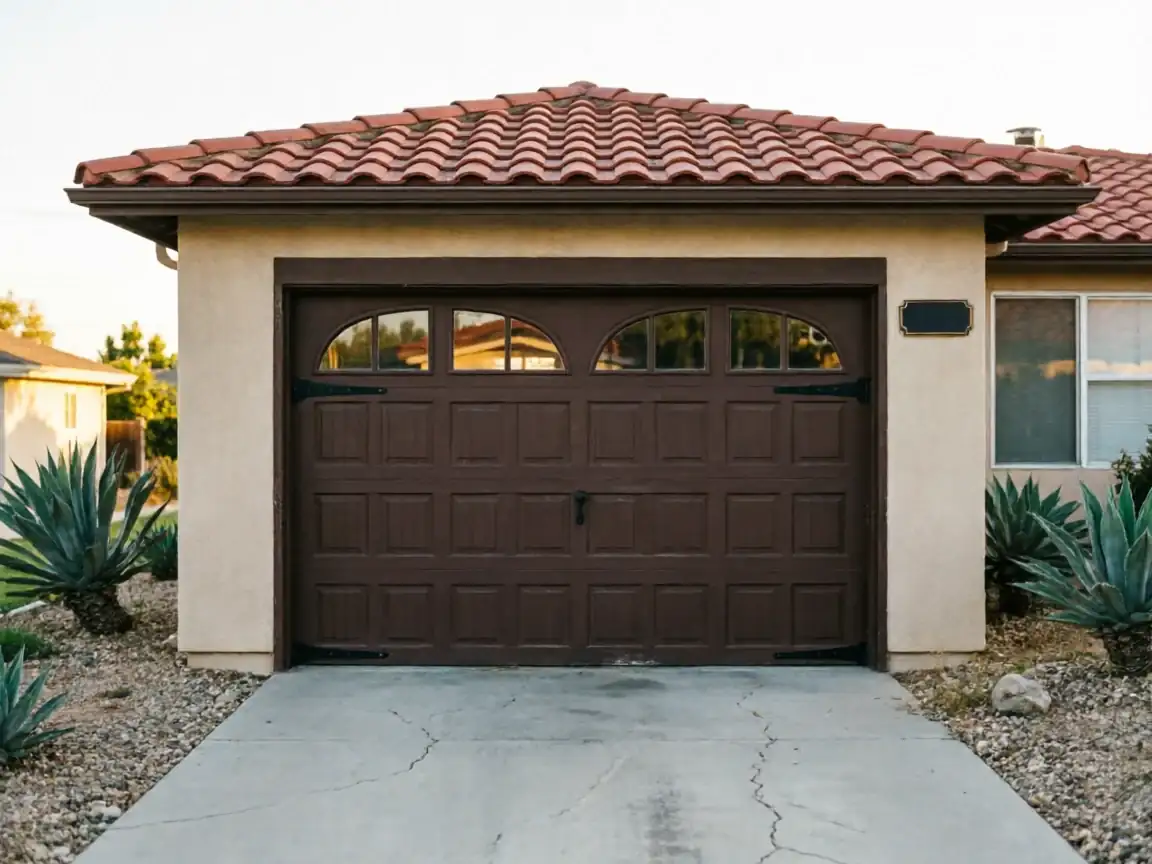
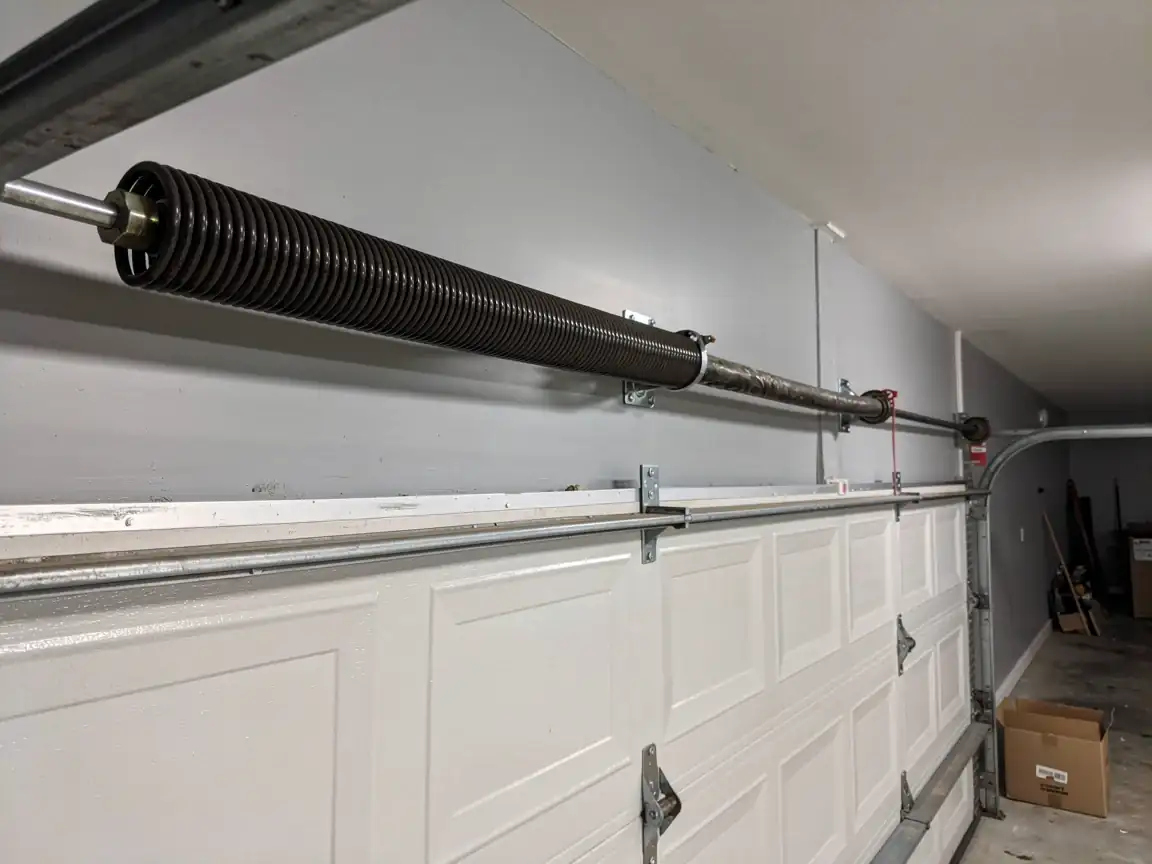
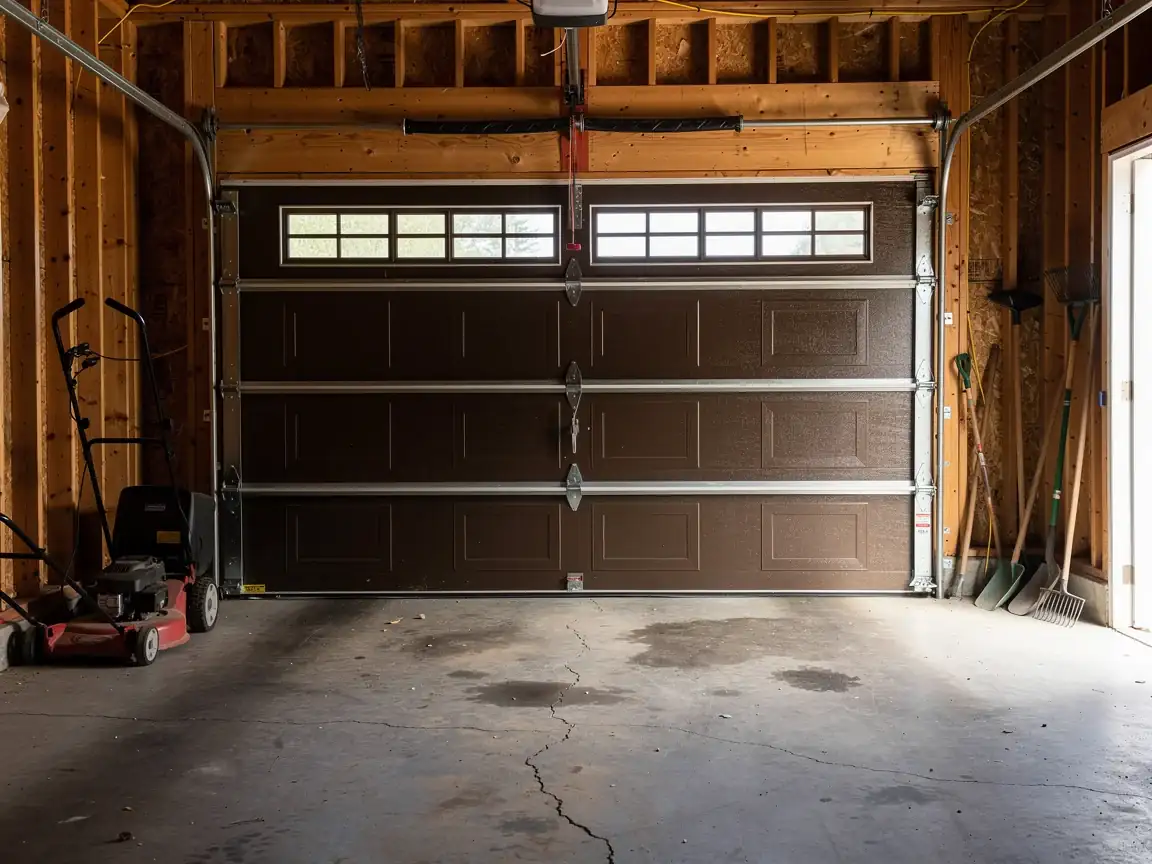
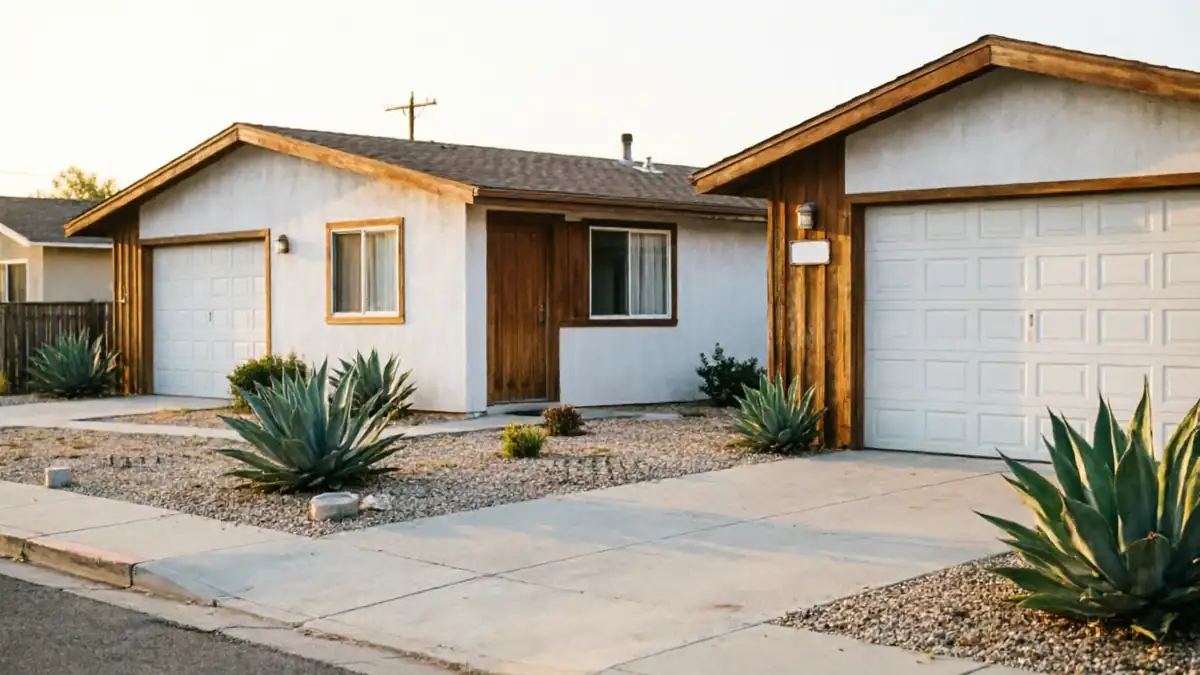
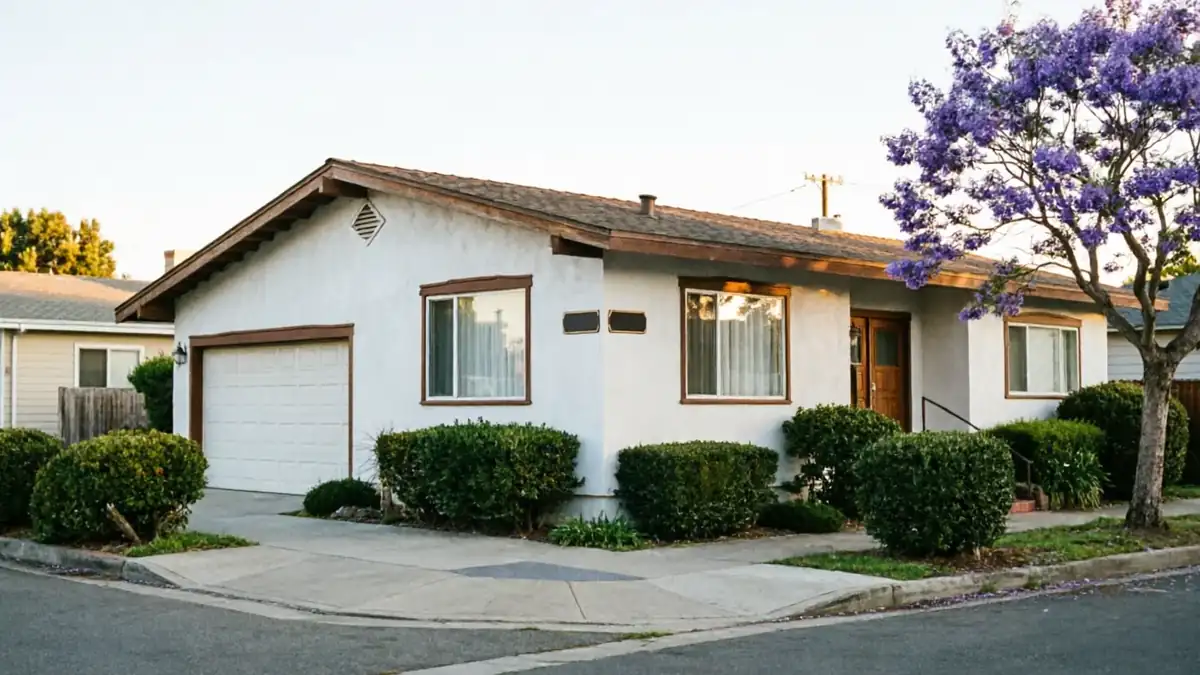
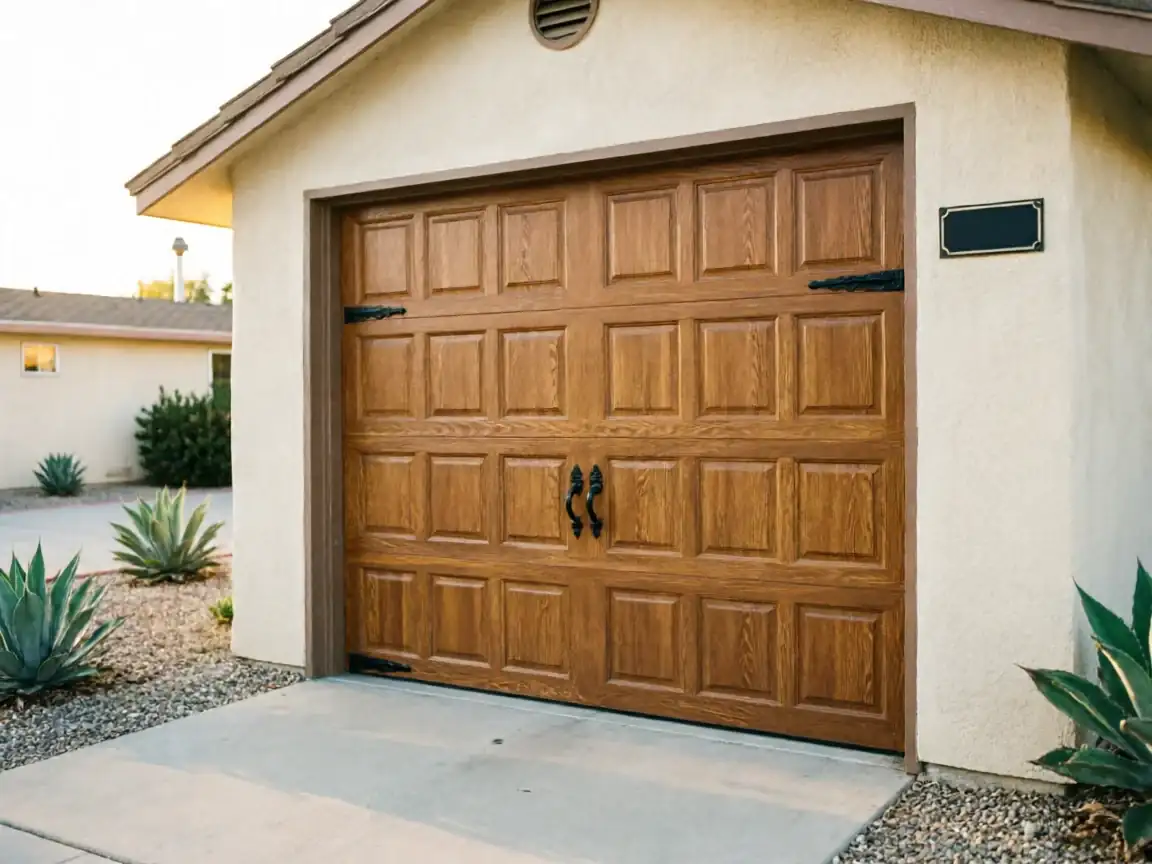
Penn Valley's housing stock runs a median year built of 1977, and that number matters more than the address does. A door from that era is usually steel or wood panel, hung on a single torsion bar or, on the older end, still running extension springs over the top of the track instead of beside it. Openers from that vintage are chain-drive, often rewired at least once, and the hardware underneath has had decades to wear the galvanizing thin. The region sits in a mild climate with occasional freeze nights, which isn't brutal, but it's enough to stiffen old grease on a torsion bearing or tighten a cable that's already fraying. We see a lot of doors here where the spring is original or close to it, and the failure isn't dramatic - it's a slow loss of balance that finally snaps a cable. One thing we won't do is patch an old extension-spring setup that's missing containment cables; if it's not safe, we tell you it needs the torsion upgrade, not a quick fix.
The Split Between Old and New
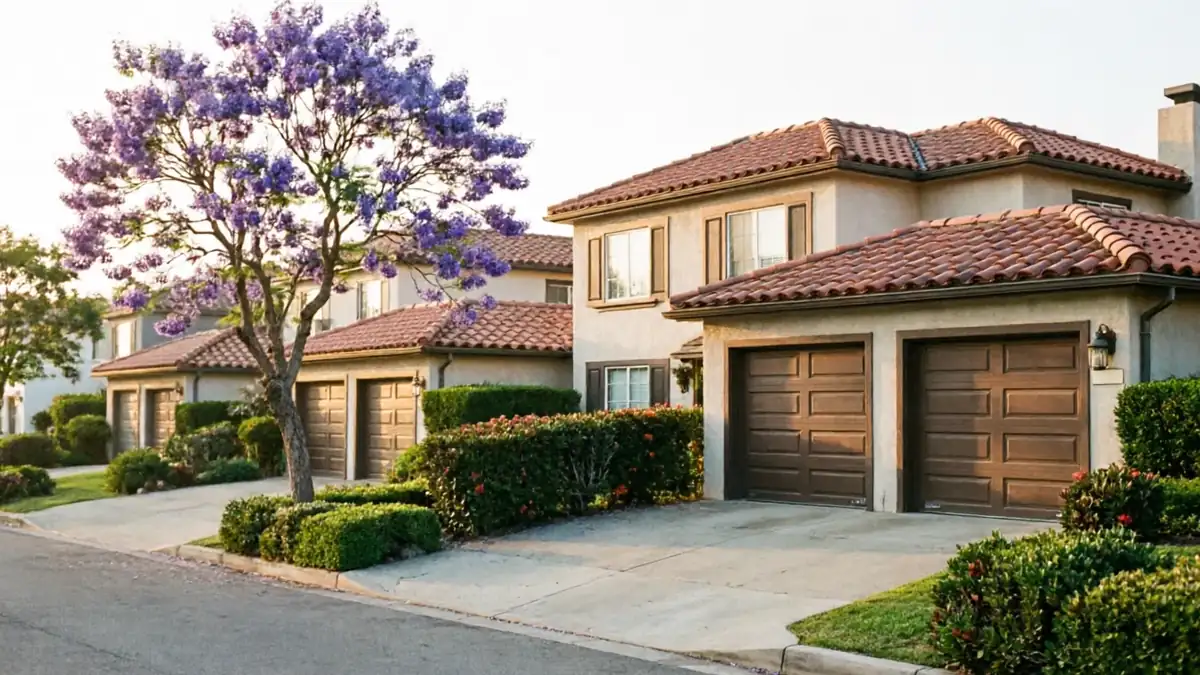
Penn Valley counts about 537 households, a small slice next to the roughly 9,353 owner-occupied houses spread across the wider service area. Most of what's here went up in the same stretch as the area median - 1977 - so you don't get the mix of eras you'd find in a town with a lot of recent subdivision. What you do get is a income gap worth naming plainly: median household income here runs $62,966, well under the broader area's $91,135. That number shows up in real decisions. A lot of Penn Valley calls end with a repair - new rollers, a cable, a spring swap - rather than a full door replacement, because the existing door still has life in it and the budget math favors fixing over swapping. We're not going to talk anyone into a new door and opener when the old one just needs its hardware brought up to spec. That said, a handful of these doors are past the point where parts are worth sourcing, and on those we'll say so instead of stringing out a repair that won't hold.
What Was Built Here
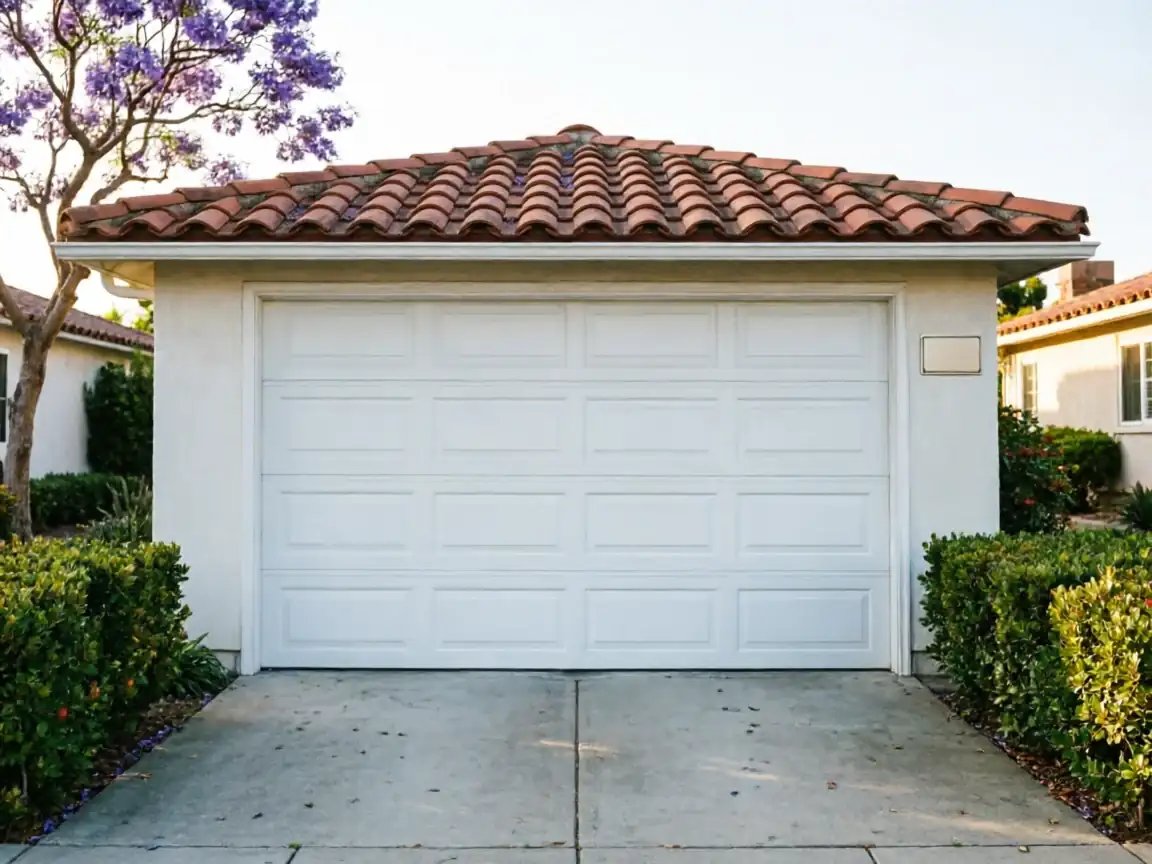
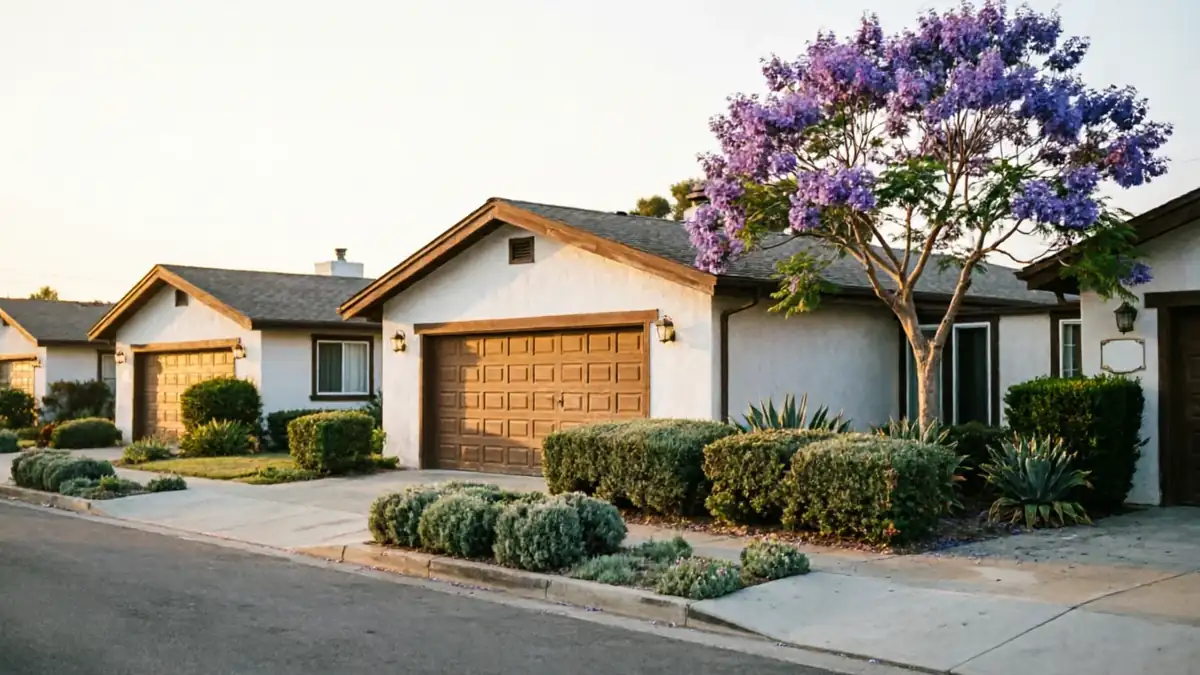
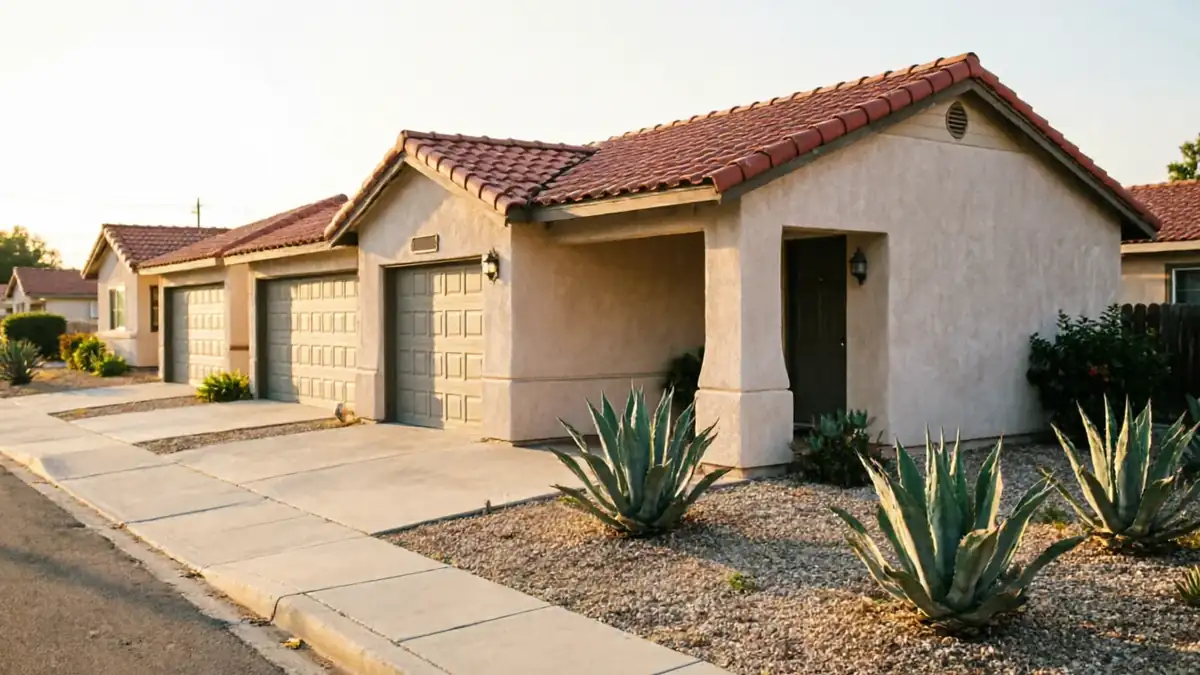
Across the wider service area, houses went up mostly between 1938 and 1984, with a median build year of 1977 - and that 1977 figure lines up almost exactly with what you find in Penn Valley itself. The broader area breaks into 15 named communities, and most of the garage stock across them dates to the 1960s and 70s construction push, not the earlier or later years at the edges of that range. What that means on a job site is pretty consistent: panel doors sized for the garages of that era, torsion or extension spring setups depending on when a given street was framed, and openers that have usually been swapped at least once since the house was built. It's not a town full of brand-new sectional doors with high-cycle springs, and it's not a town of pre-war one-piece doors either. It sits in that long mid-century stretch where the hardware is older than most owners realize but not so old that parts are impossible to find.