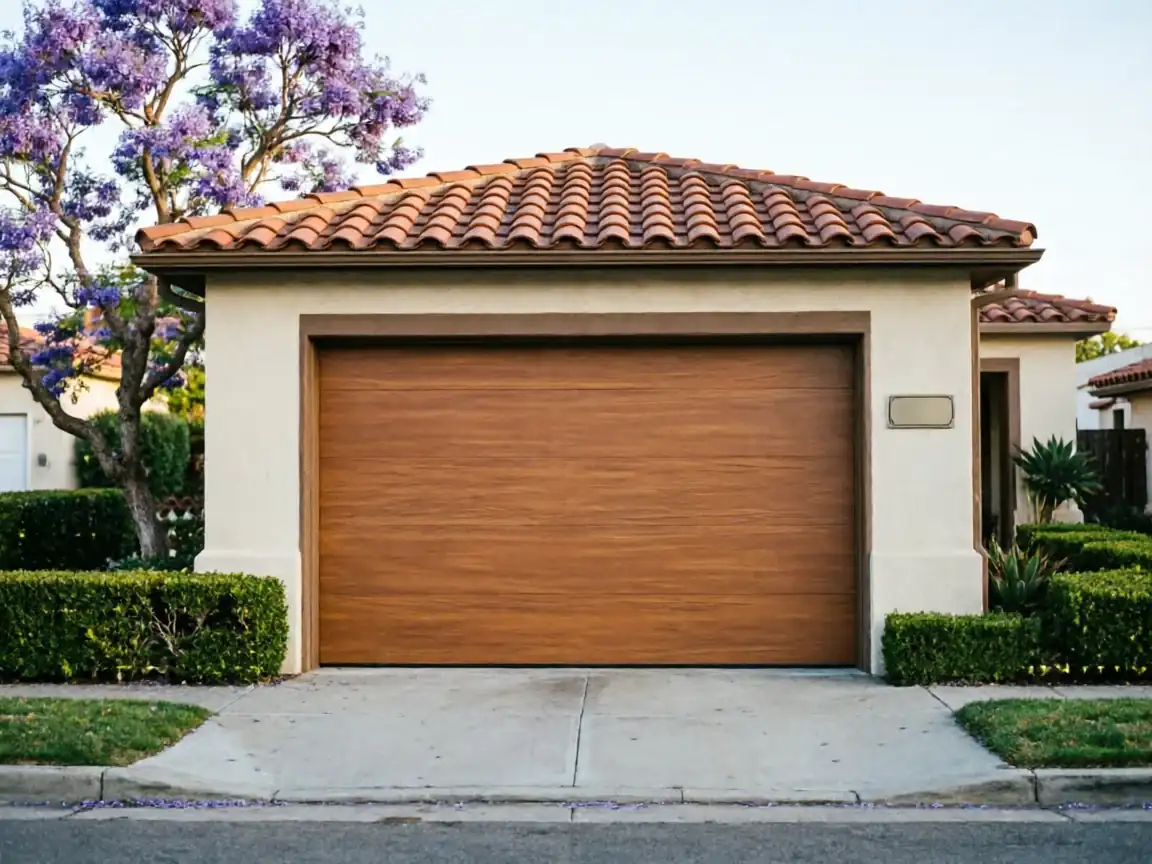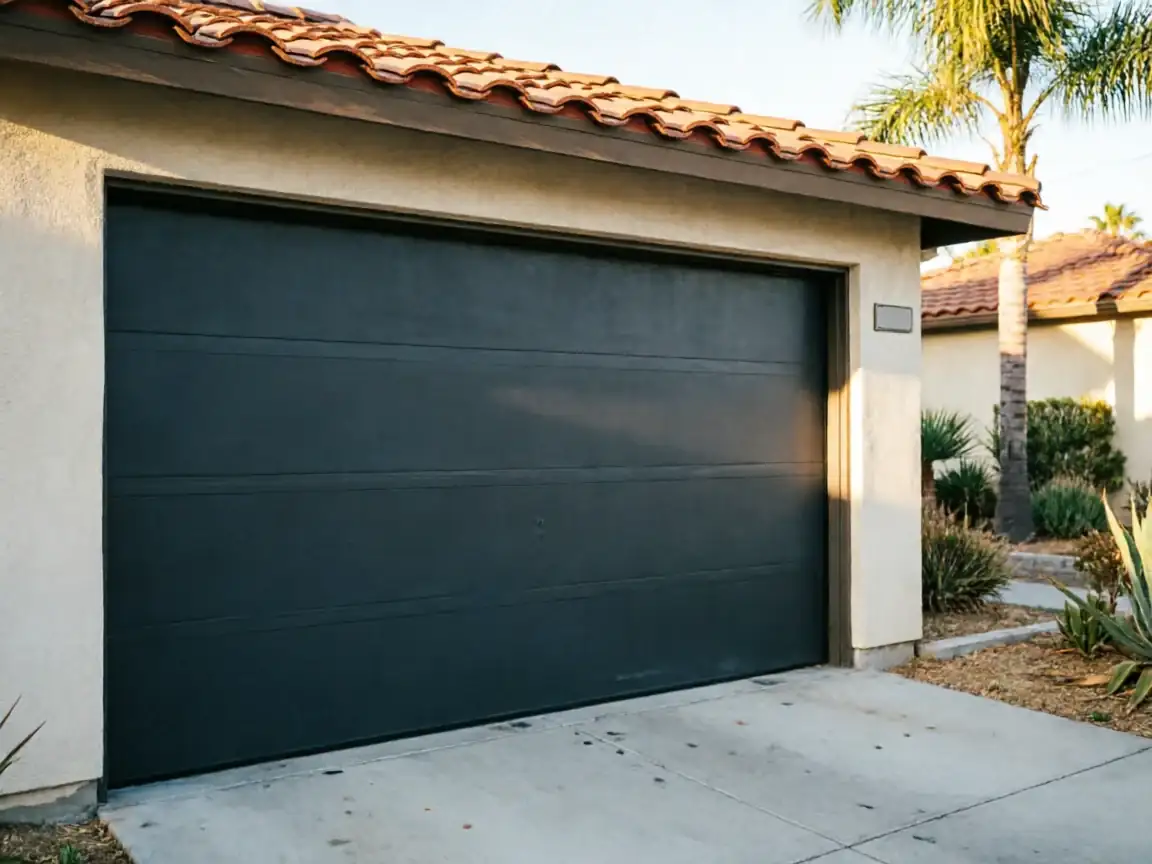
What the Repair Takes
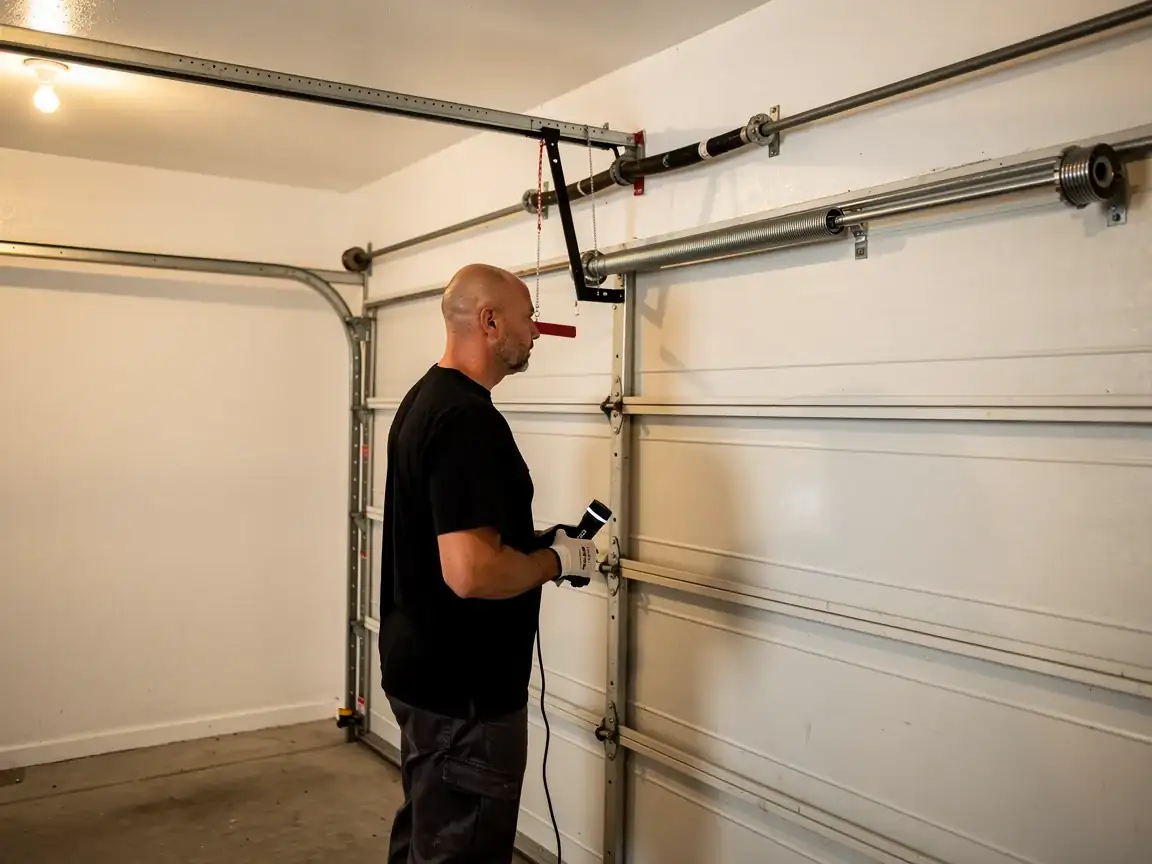
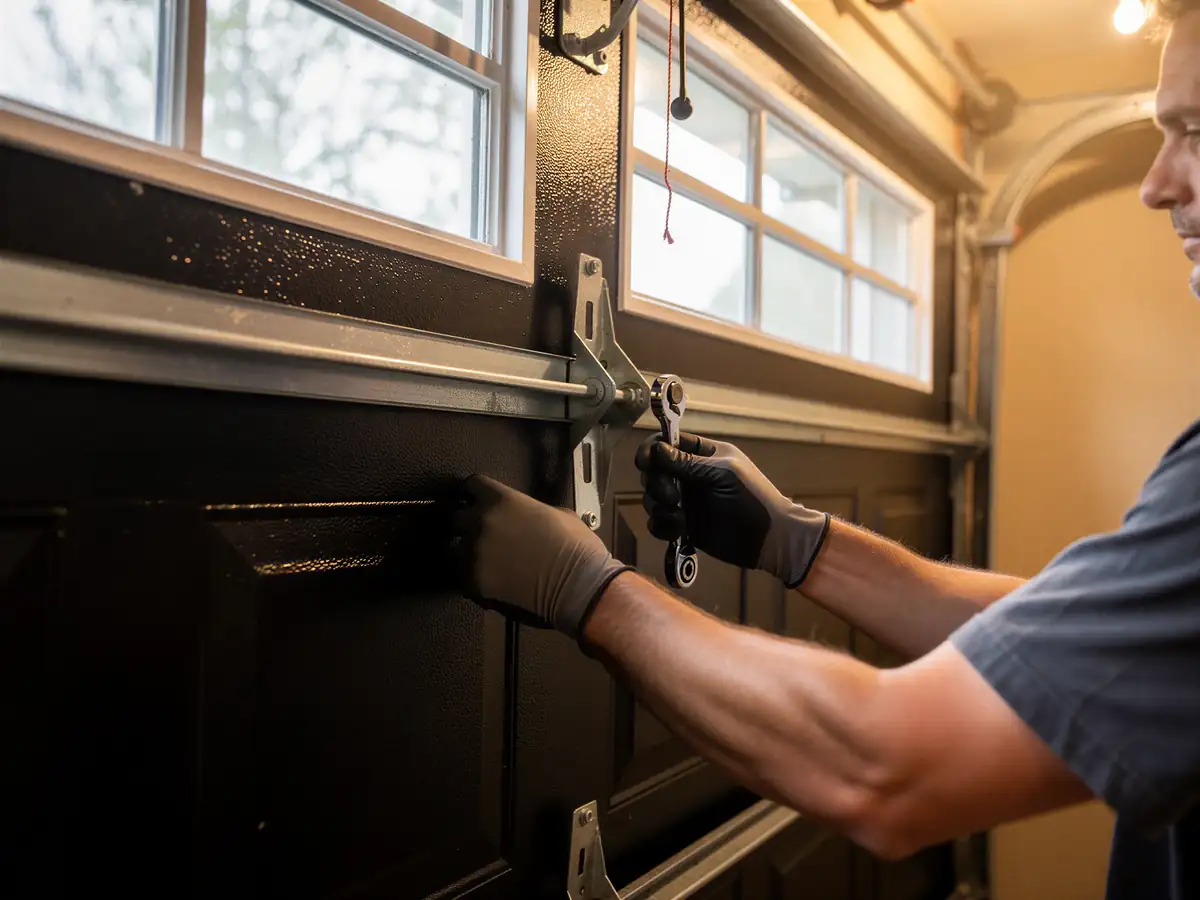
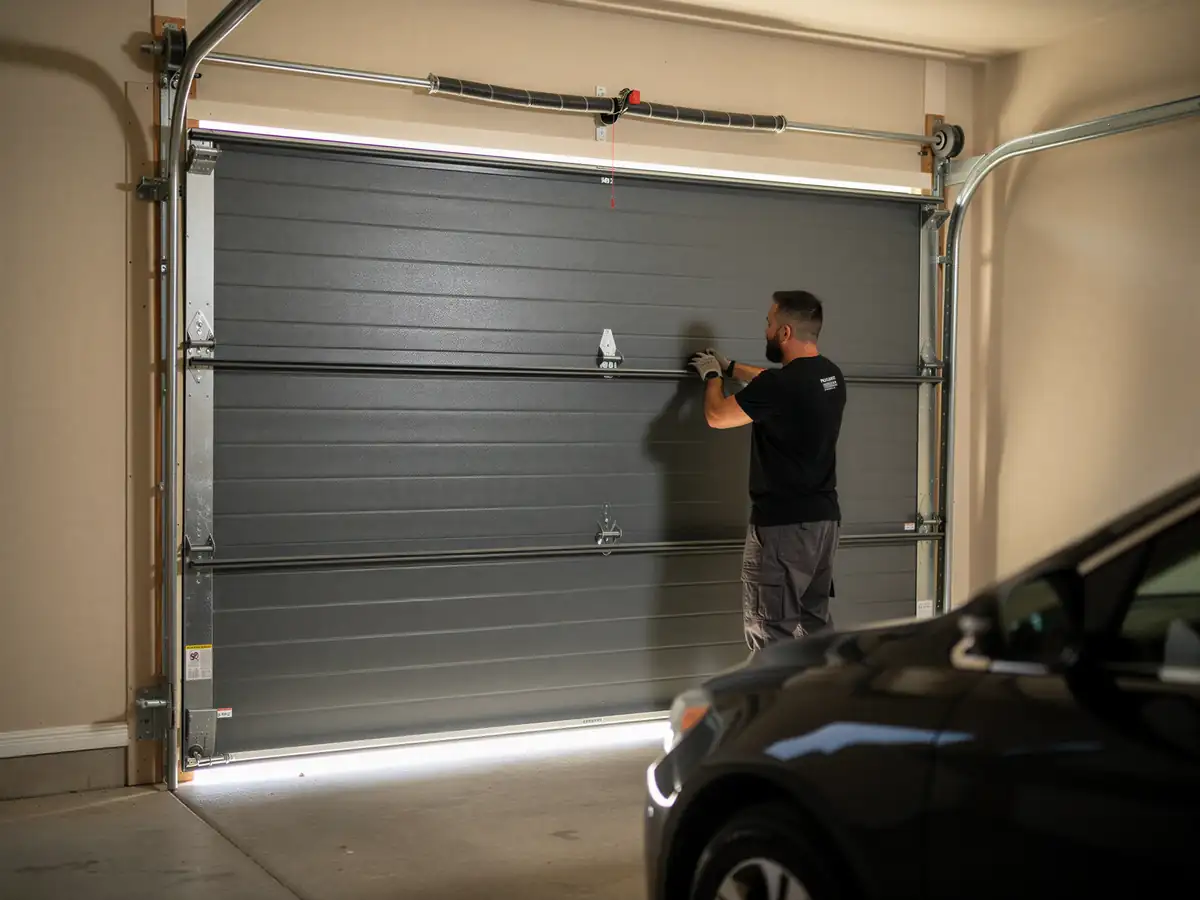
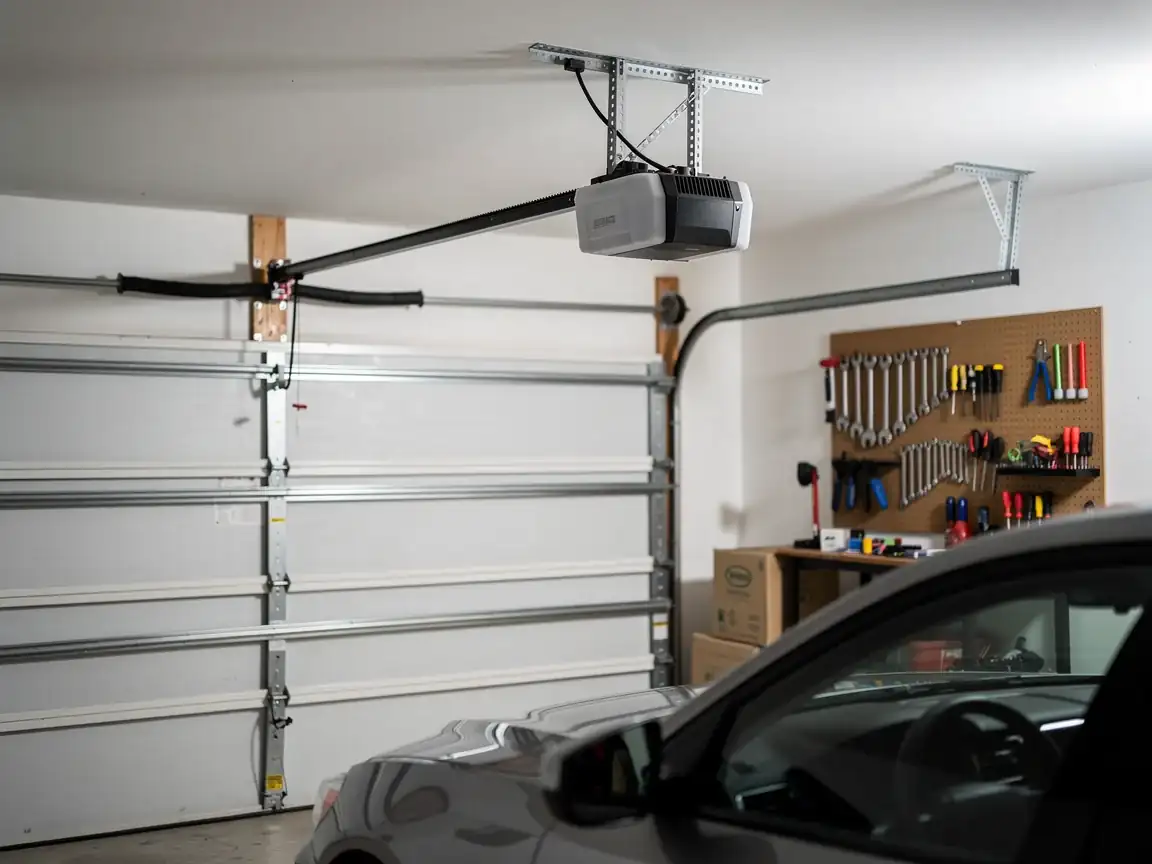
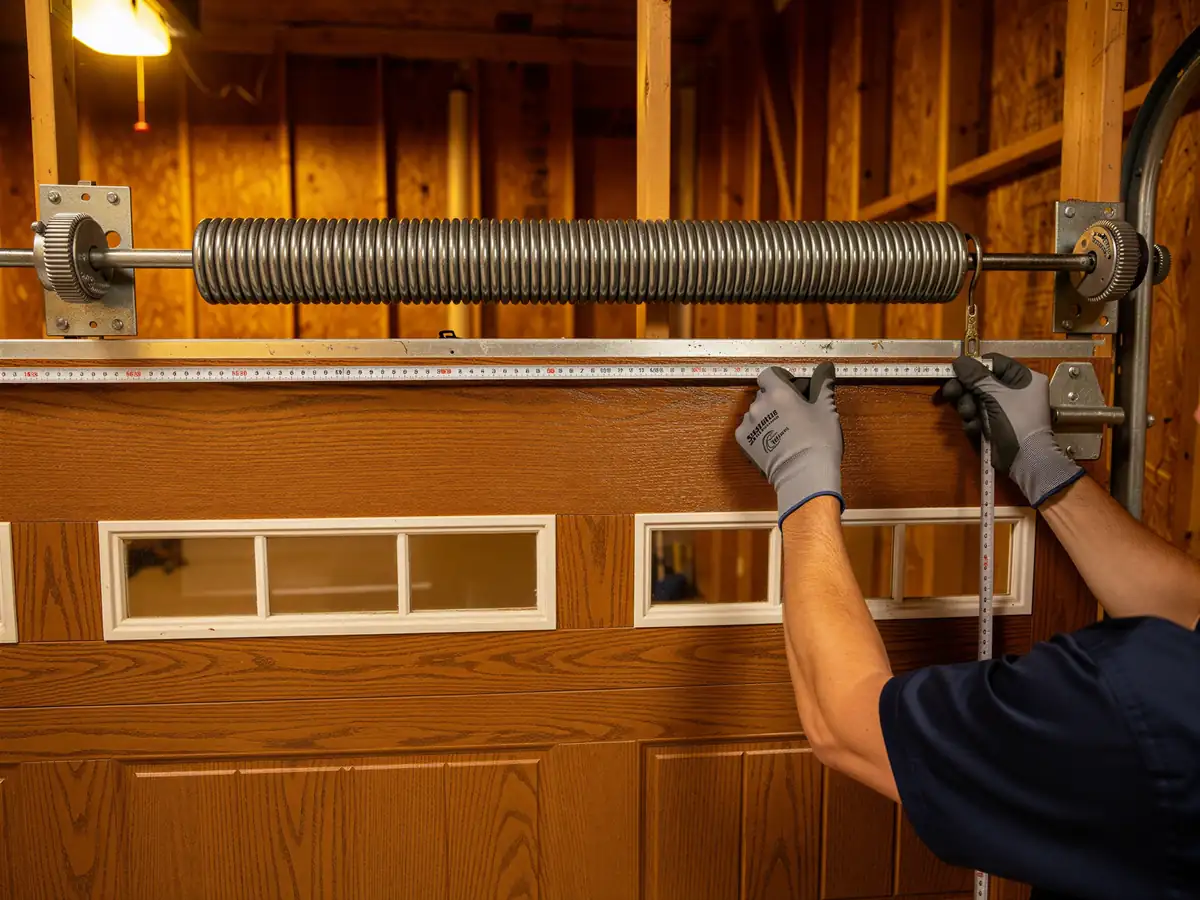
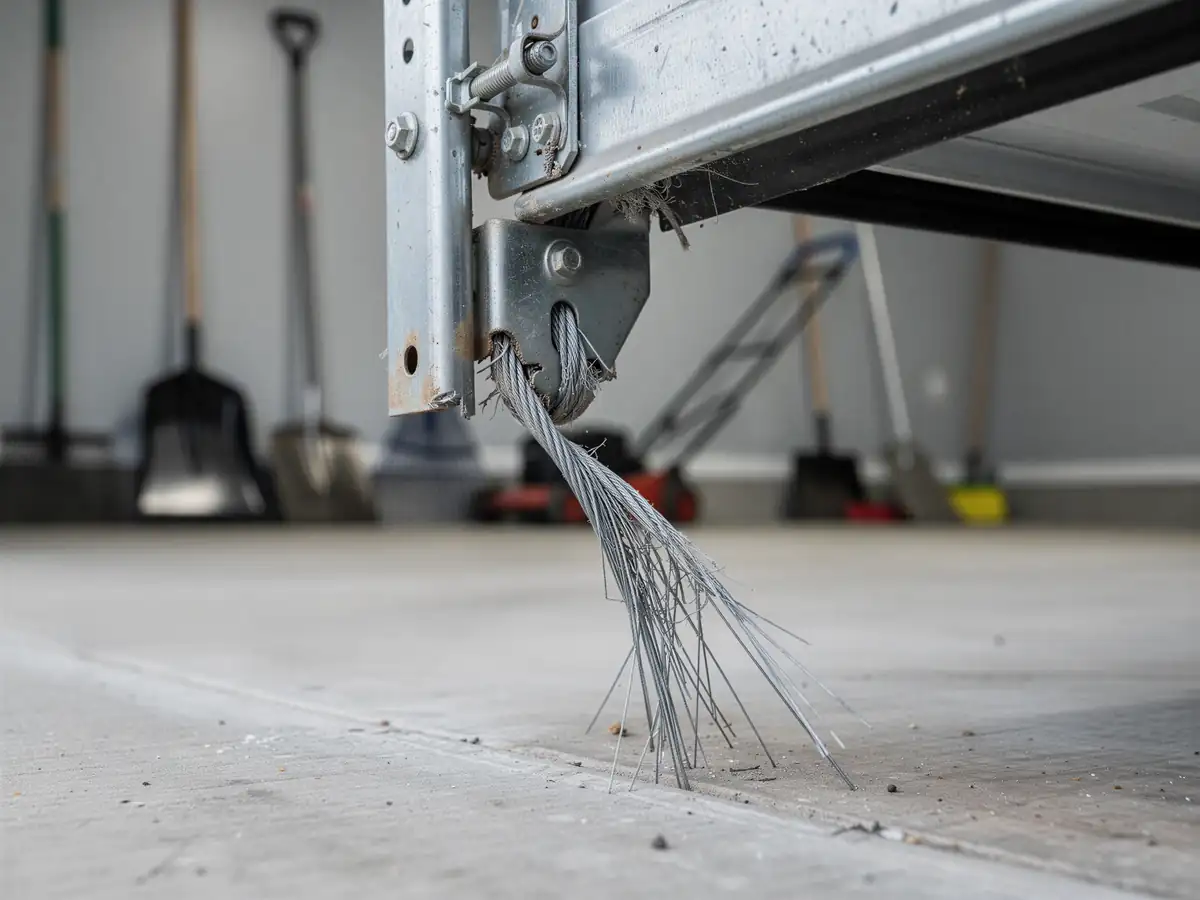
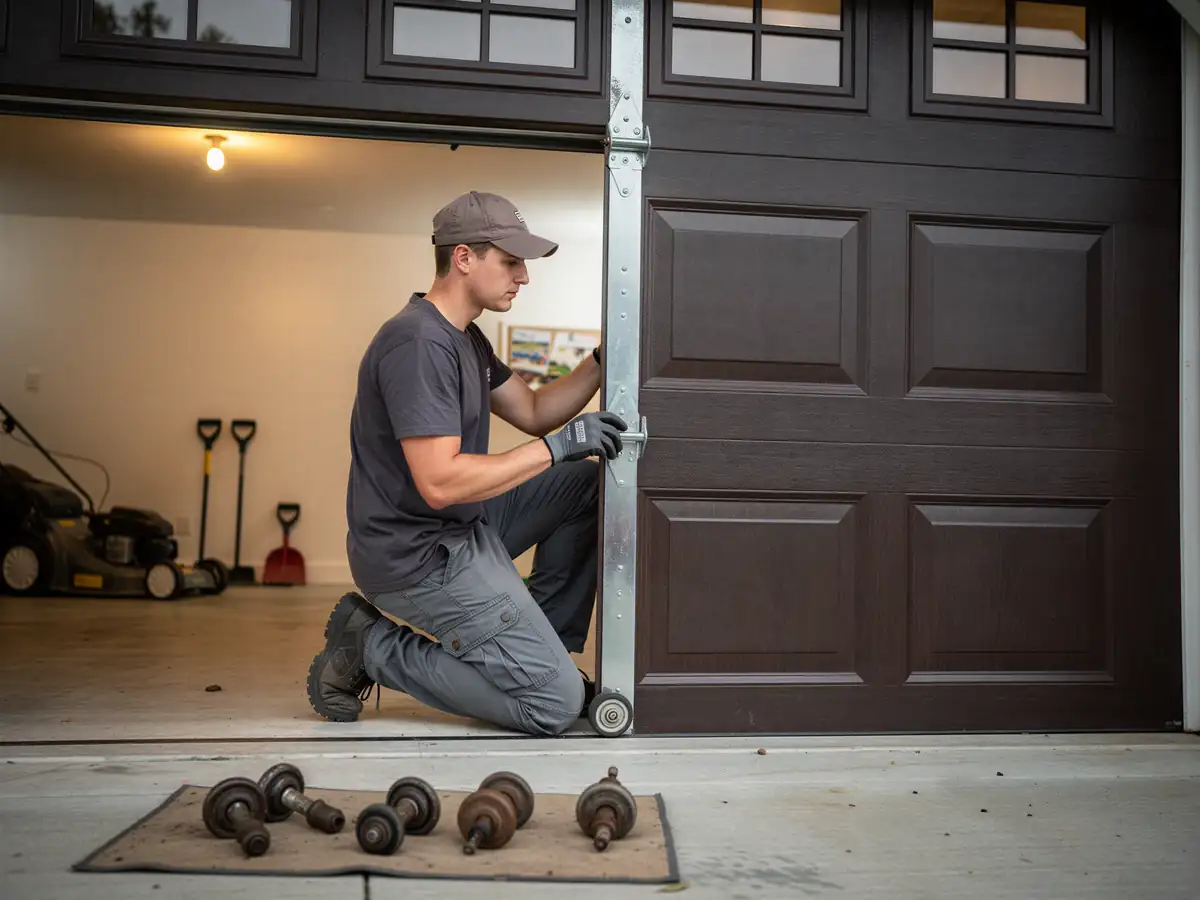
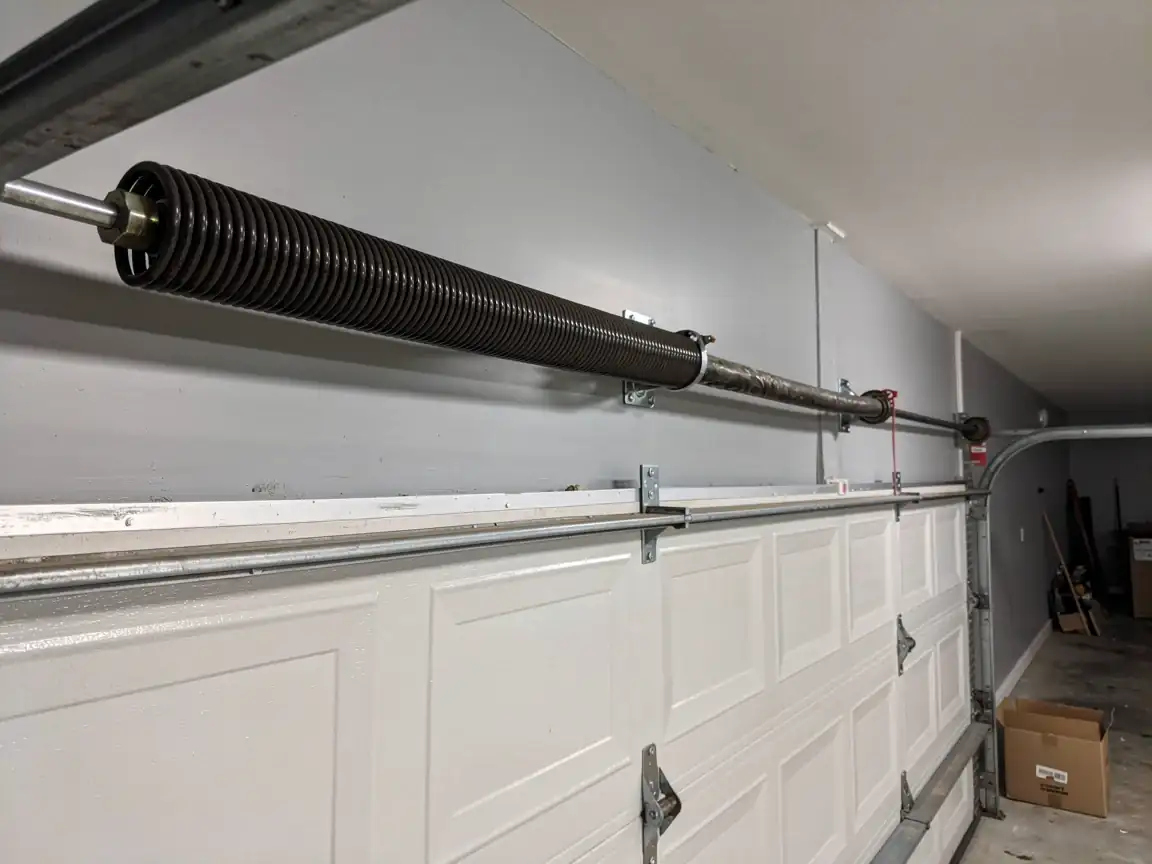
A proper maintenance visit on a door that's been running since the 1970s or 80s isn't a five-minute lube job. We check torsion spring wind and cycle count, inspect the cable drums for fraying, run the track alignment front to back, and test the opener's force and limit settings. On houses built in that 1938-1984 window, the hardware is often original or a mismatched replacement from decades back, so half the job is figuring out what's actually bolted on before we touch anything.
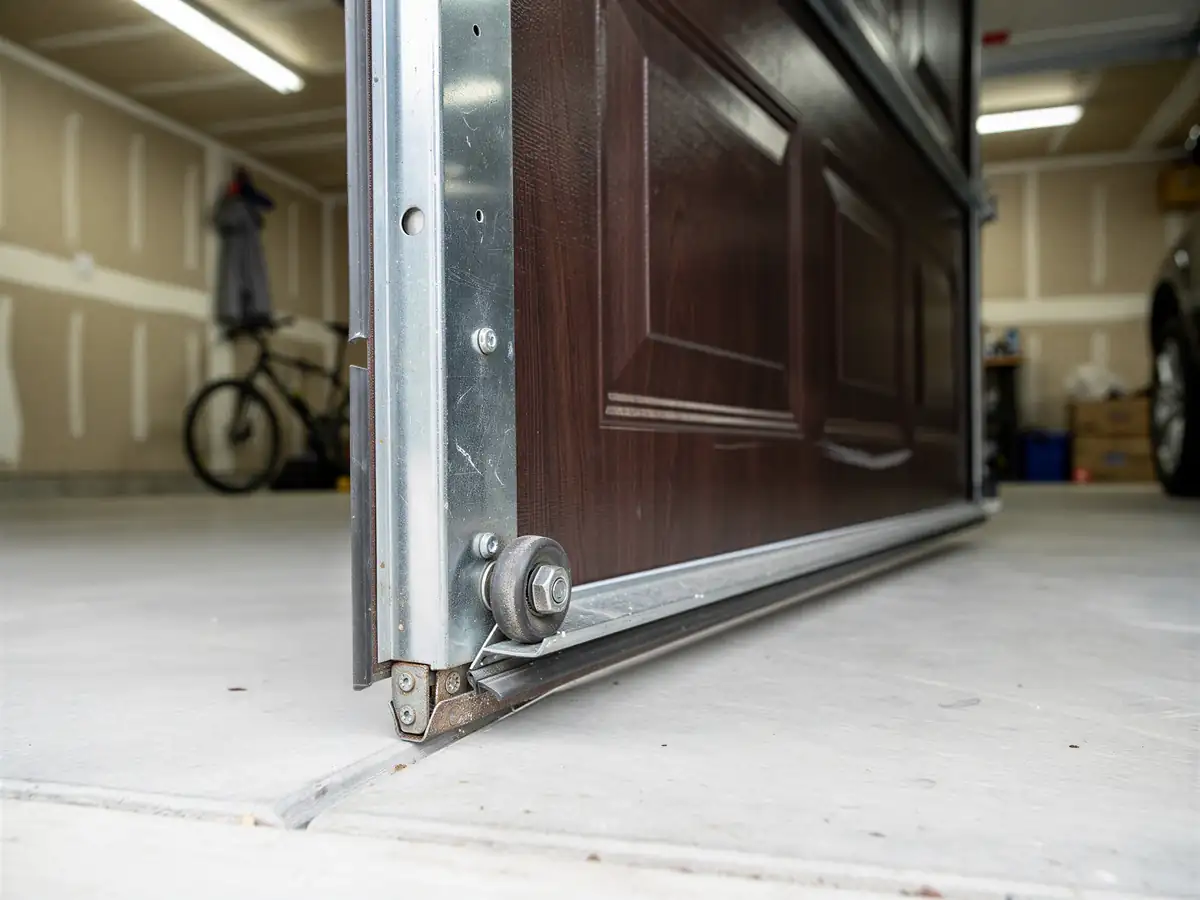
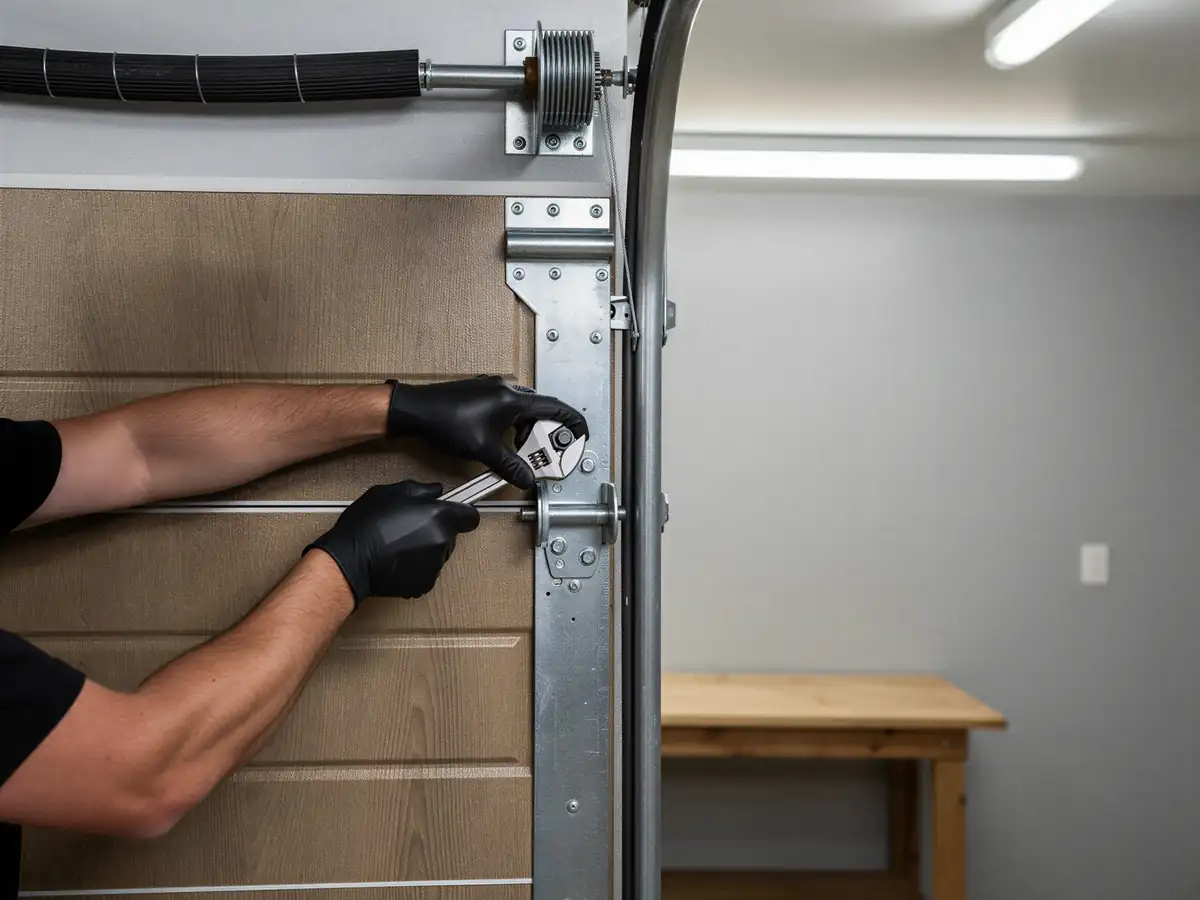
We lubricate rollers and hinges, tighten loose lag bolts on the track brackets, and check the bottom seal for cracking. If the door has a single torsion spring doing the work of two, we'll tell you - that's a common setup in older stock here and it shortens spring life. We don't replace parts that don't need it. A maintenance visit that turns into a parts upsell on everything isn't maintenance, it's a sales call, and that's not what this is.
The Symptom
The door people call us about usually isn't broken yet - it's loud, slow, or hesitating partway up. A door that used to run smooth now grinds at the top of the track, or the opener strains and reverses before it fully closes. Sometimes it's a spring that's visibly stretched or a gap at one corner where the door doesn't seat square anymore.
Across the service area, with 9,353 owner-occupied houses and a housing stock that centers on 1977, these symptoms show up earlier than in newer construction. Original hardware wasn't built for forty-plus years of cycles, and a door that's never had a maintenance pass tends to announce its wear all at once - usually on a cold morning when the metal has contracted overnight.
The Complications
The complication with older doors isn't the labor, it's the parts
A door built when the home went up in, say, 1965 may use a track width or spring size that current manufacturers don't carry off the shelf. We can usually source it, but it can take longer than a same-day fix, and we'll tell you that up front rather than promise a quick turnaround we can't back.
The other complication is hidden damage
A worn cable or a cracked spring often masks a bent track or a stripped opener gear underneath it, and you don't see the second problem until the first one's fixed. On a 1970s door that's never been serviced, we sometimes find two or three issues stacked on top of each other. We'll walk you through what's worth fixing now and what's not - a door old enough and worn enough through, replacement beats pouring more parts into it.
What Causes It Around Here
The region sits in a mild climate band with occasional freeze, which doesn't sound like much until you own a door that sat in a garage at 28 degrees overnight and then got cycled hard the next afternoon. That swing stiffens lubricant, tightens metal tolerances, and puts extra load on a spring that was already near the end of its wind count. It's not dramatic weather, but it's steady wear that original hardware from the 1960s and 70s was never spec'd for.
Most of the service area - Nevada City, Rough and Ready, Alta Sierra, Lake Wildwood, Penn Valley, Colfax, North San Juan, Dutch Flat, Lake of the Pines, Smartsville, Alta, Meadow Vista, Camptonville, Washington, and Foresthill - shares that same mid-century housing stock and the same mild-with-freeze pattern. That combination, more than any single bad part, is why doors here need a maintenance check before they need a repair call.