What the Weather Here Does to It
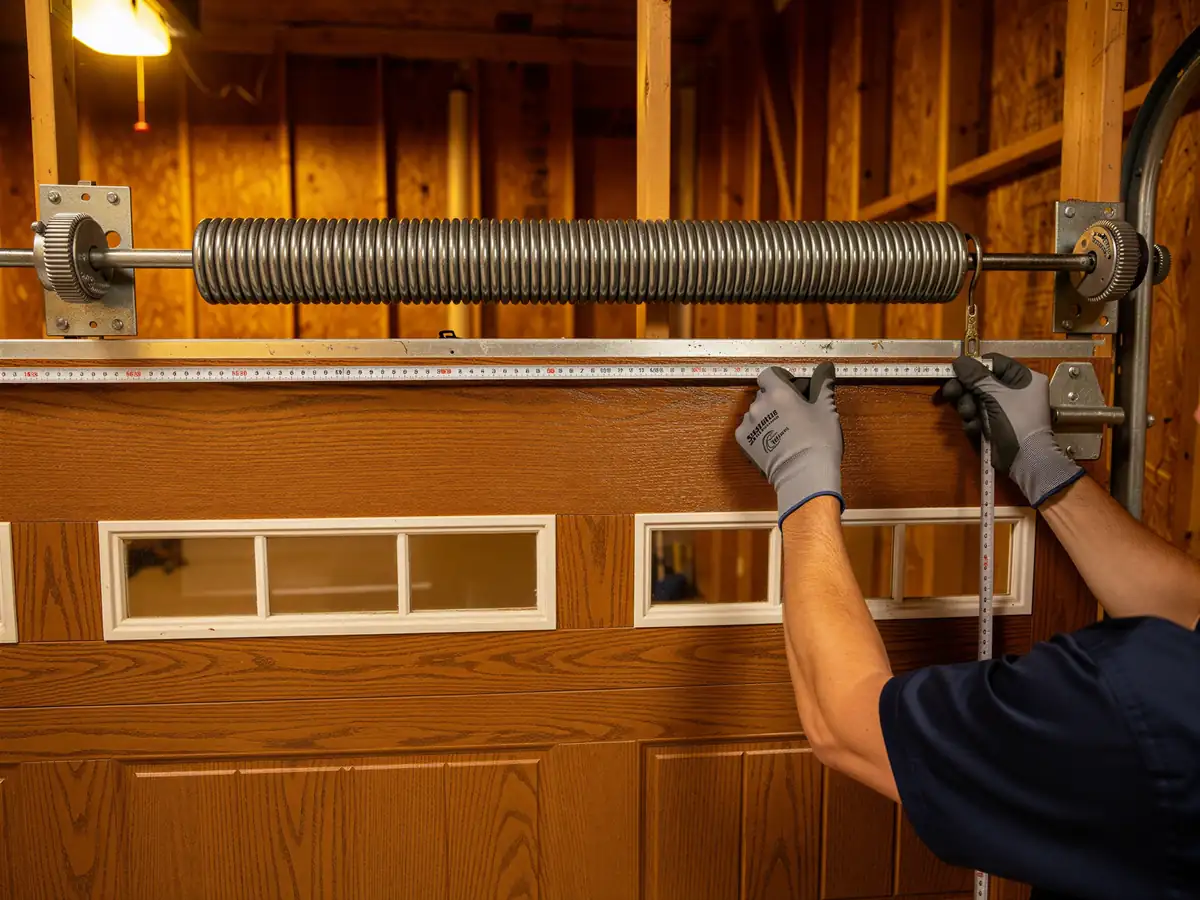
Grass Valley doesn't get the hard freezes that crack foundations, but it gets enough cold mornings to matter. The climate here sits in a mild band with occasional freeze, which is a different problem than people expect. A spring doesn't fail because of one brutal night. It fails because it's been cycling through decades of small temperature swings, and steel fatigues differently in a 38-degree garage than it does in a 65-degree one. Most of the doors we get called out on aren't breaking because of the cold snap that just hit - they're breaking because that cold snap was the last straw on a spring that's been losing temper for years. The lubricant on an old spring also stiffens up when the garage drops into the 30s, so the coil binds slightly on every cycle instead of moving freely. That extra friction, repeated twice a day for a winter, is what finishes off hardware that was already near the end.
Season by Season
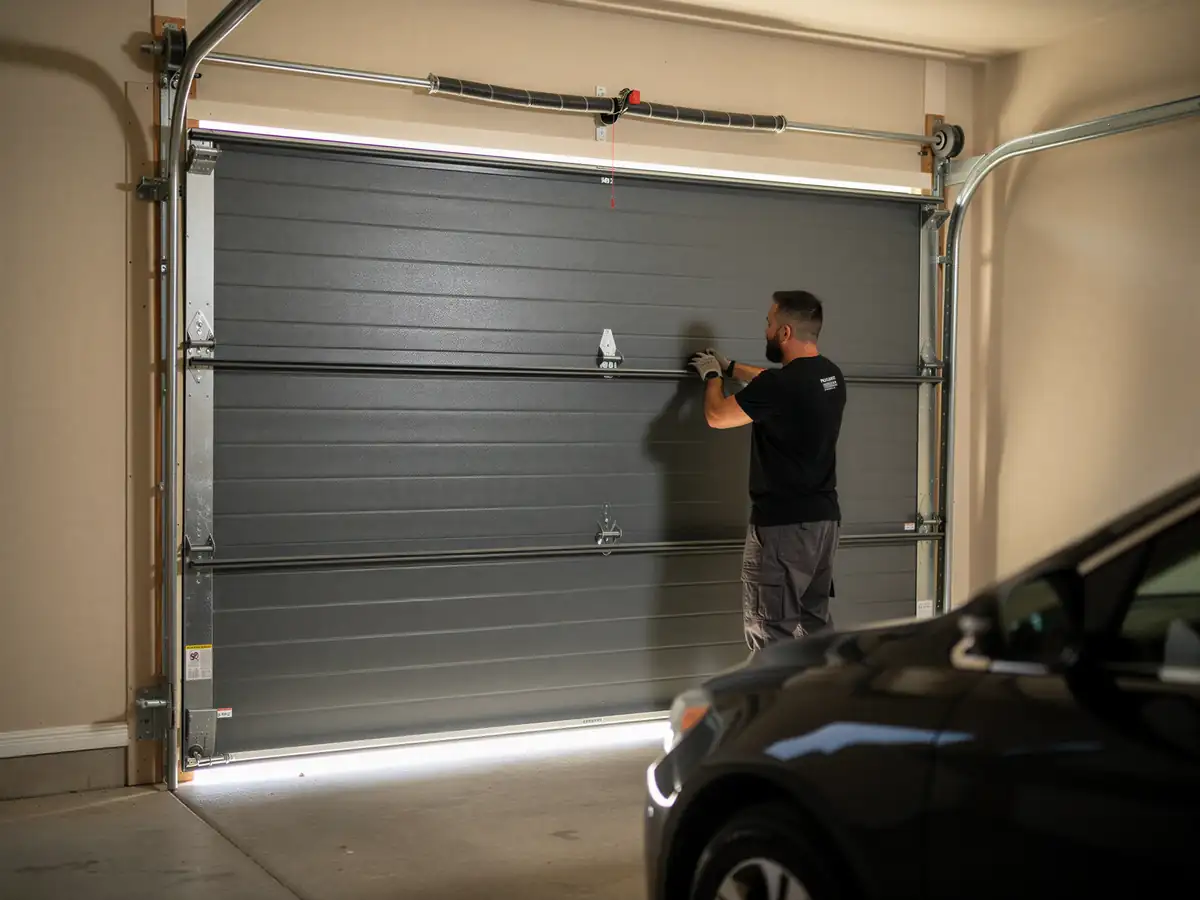
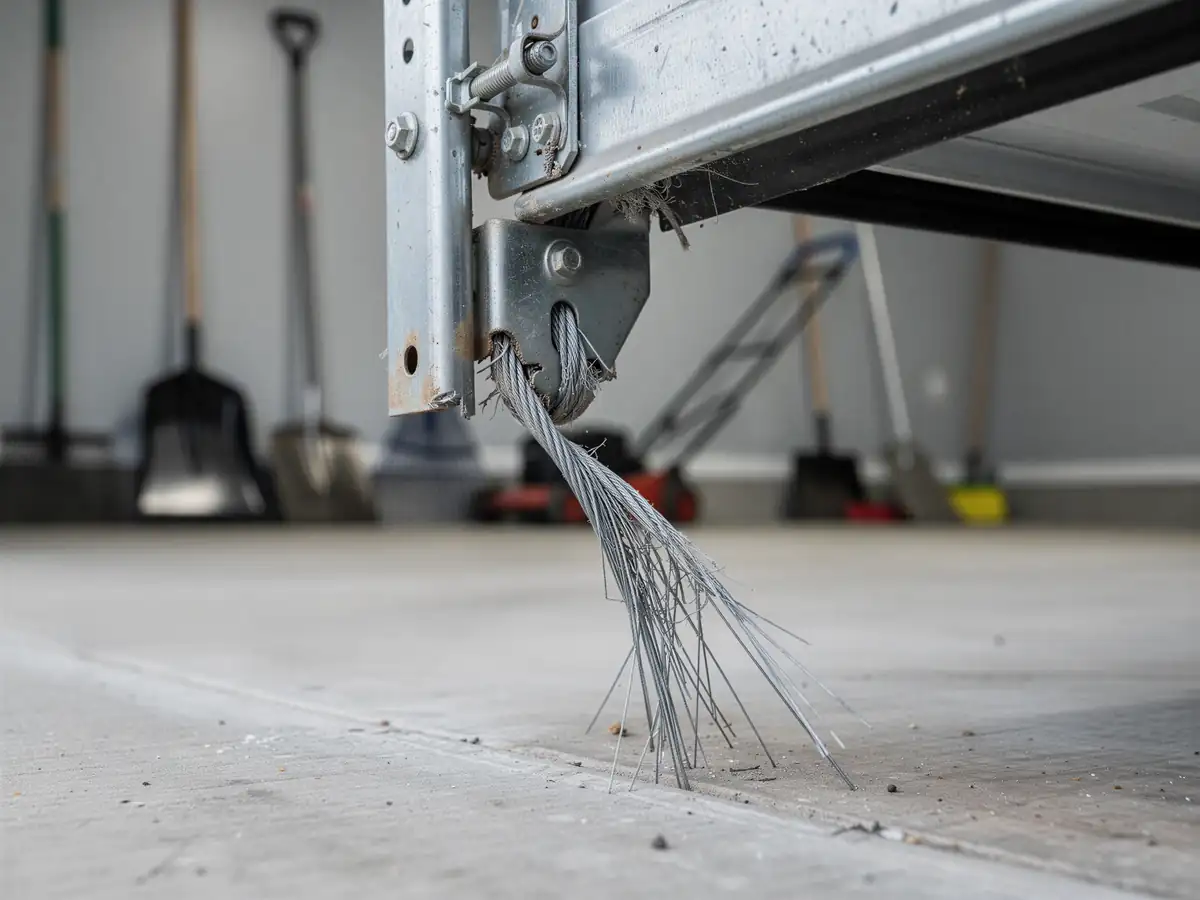
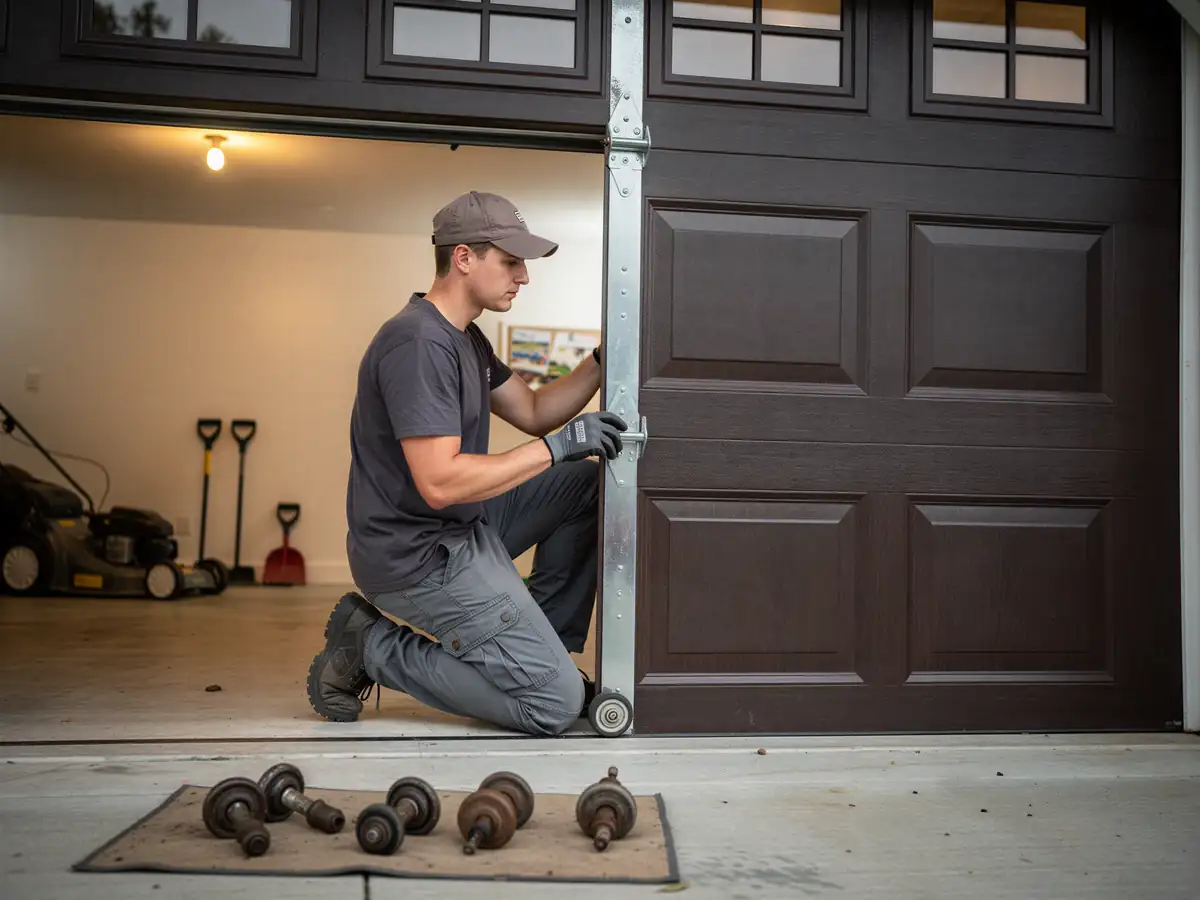
Fall is when we see the first calls - homeowners who haven't opened the garage door past 10am in months suddenly running the opener in a cold garage first thing in the morning, and a spring that's been fine all summer lets go. Winter is steady work: same cause, same morning pattern, spread across the service area. Spring, the weather warms but we're still fixing what broke in the cold months, because a strained spring doesn't always snap - sometimes it just stretches and starts sagging, and the door gets heavy on one side before it fails outright. Summer is the quiet season here. Heat doesn't stress springs the way cold does, and that's when we do the work that's easy to put off - track alignment, roller replacement, opener tune-ups. If you're going to schedule maintenance instead of waiting for a breakdown, summer is the time.
When It Stops Being a DIY Job
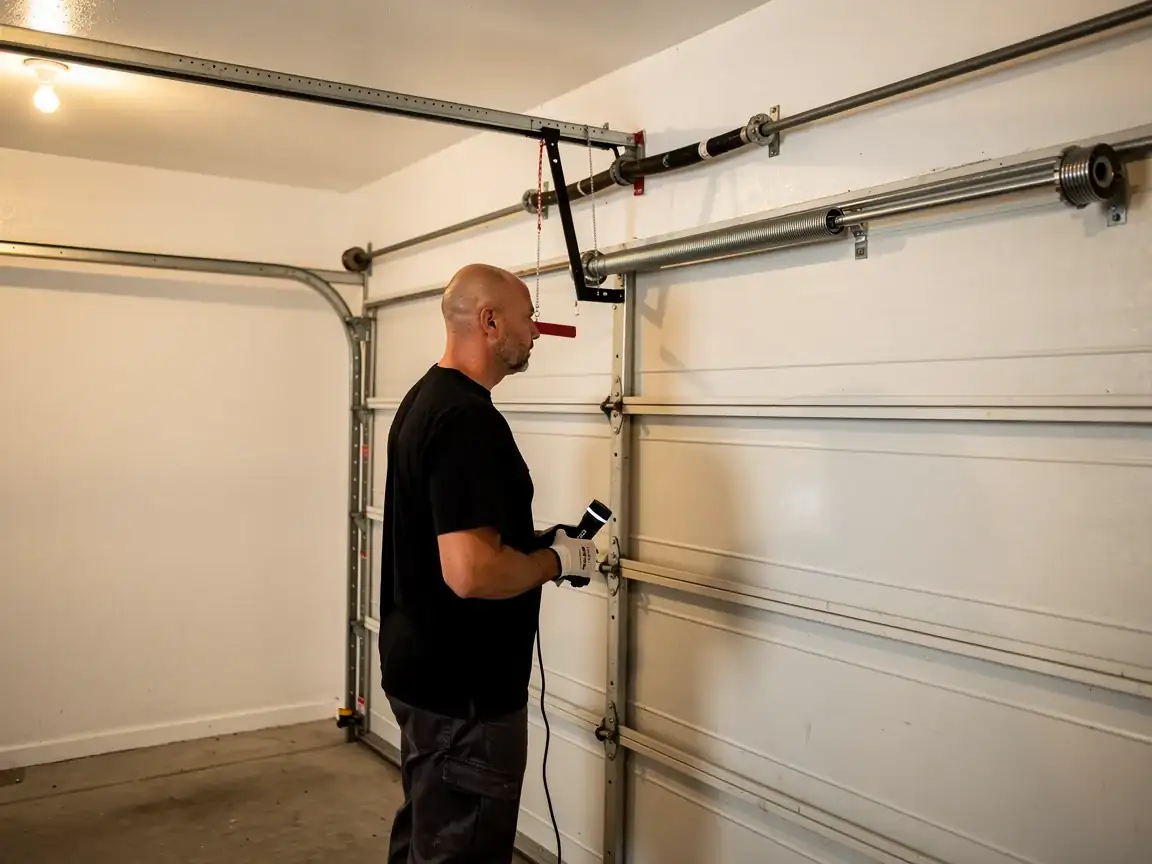
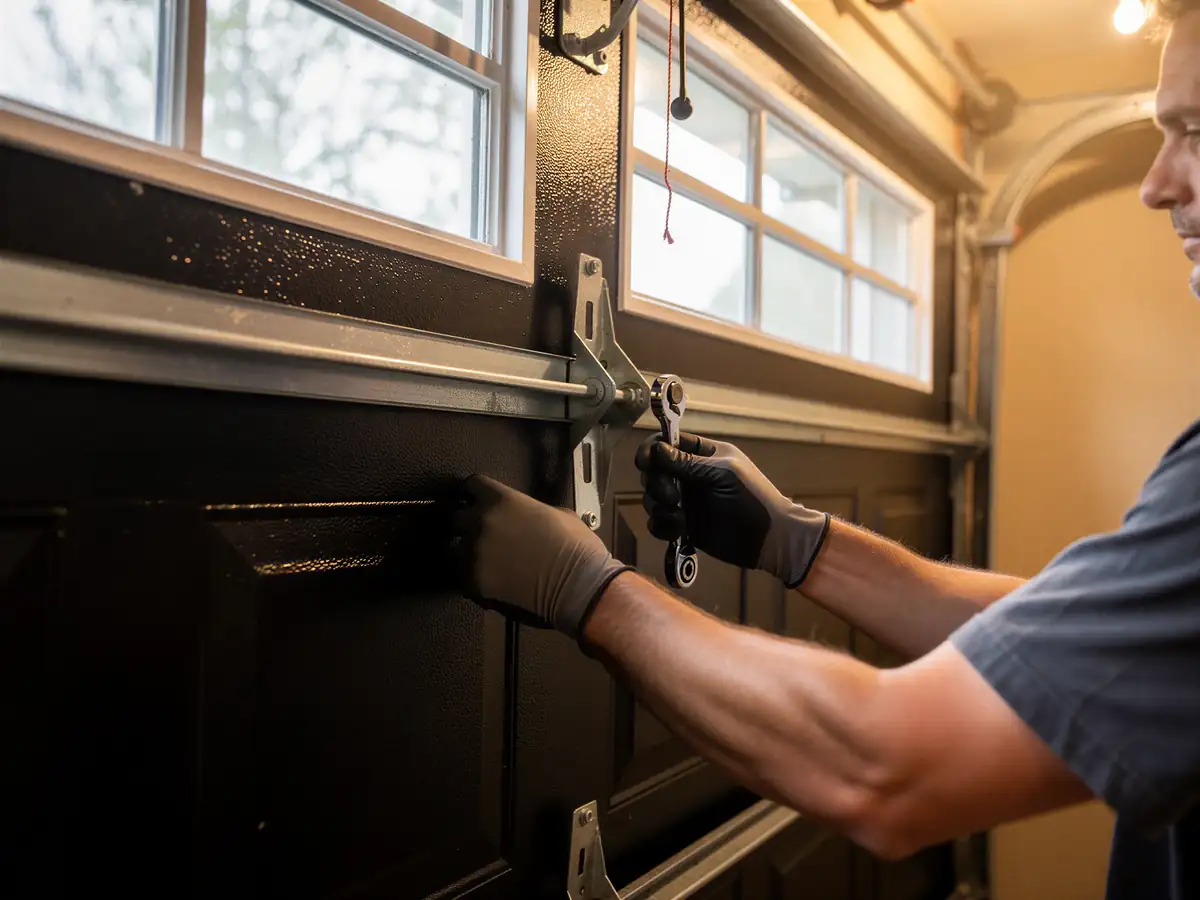
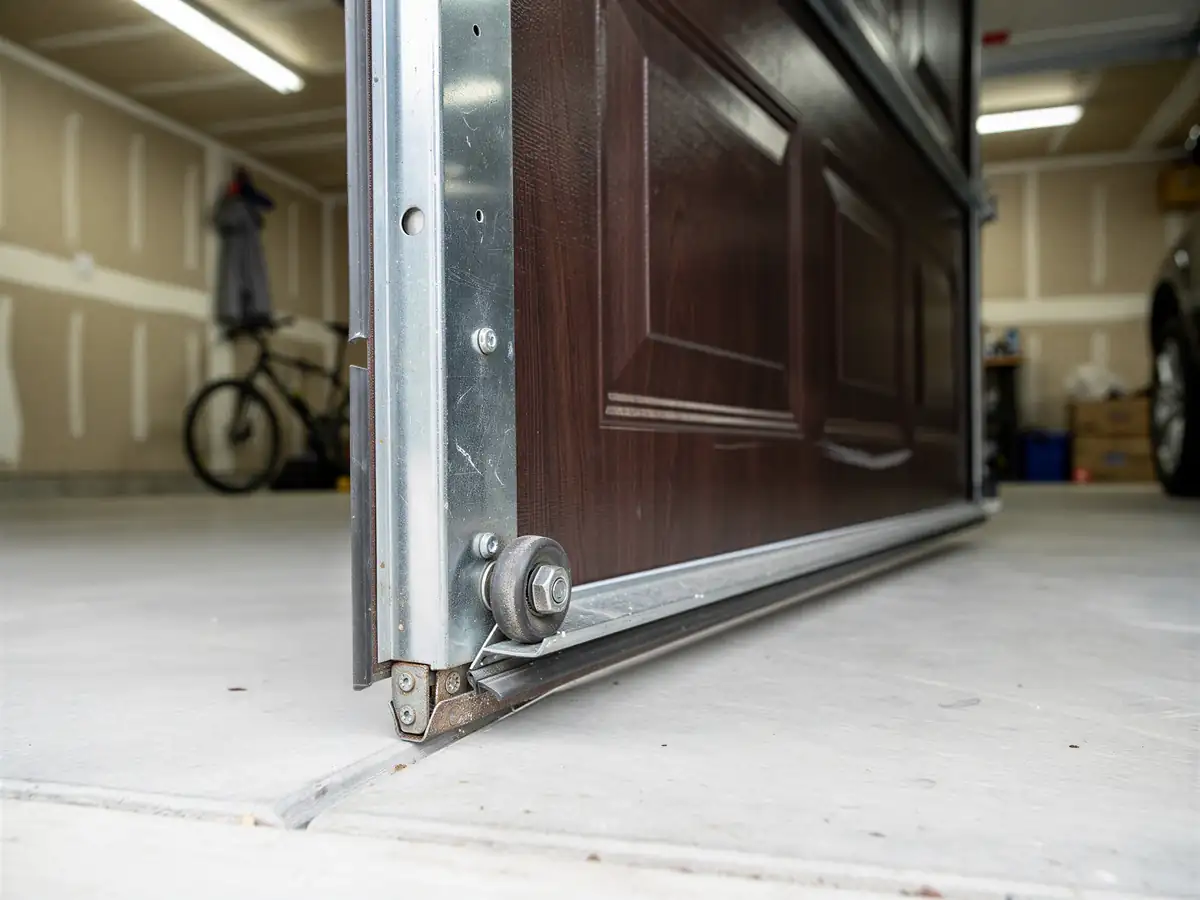
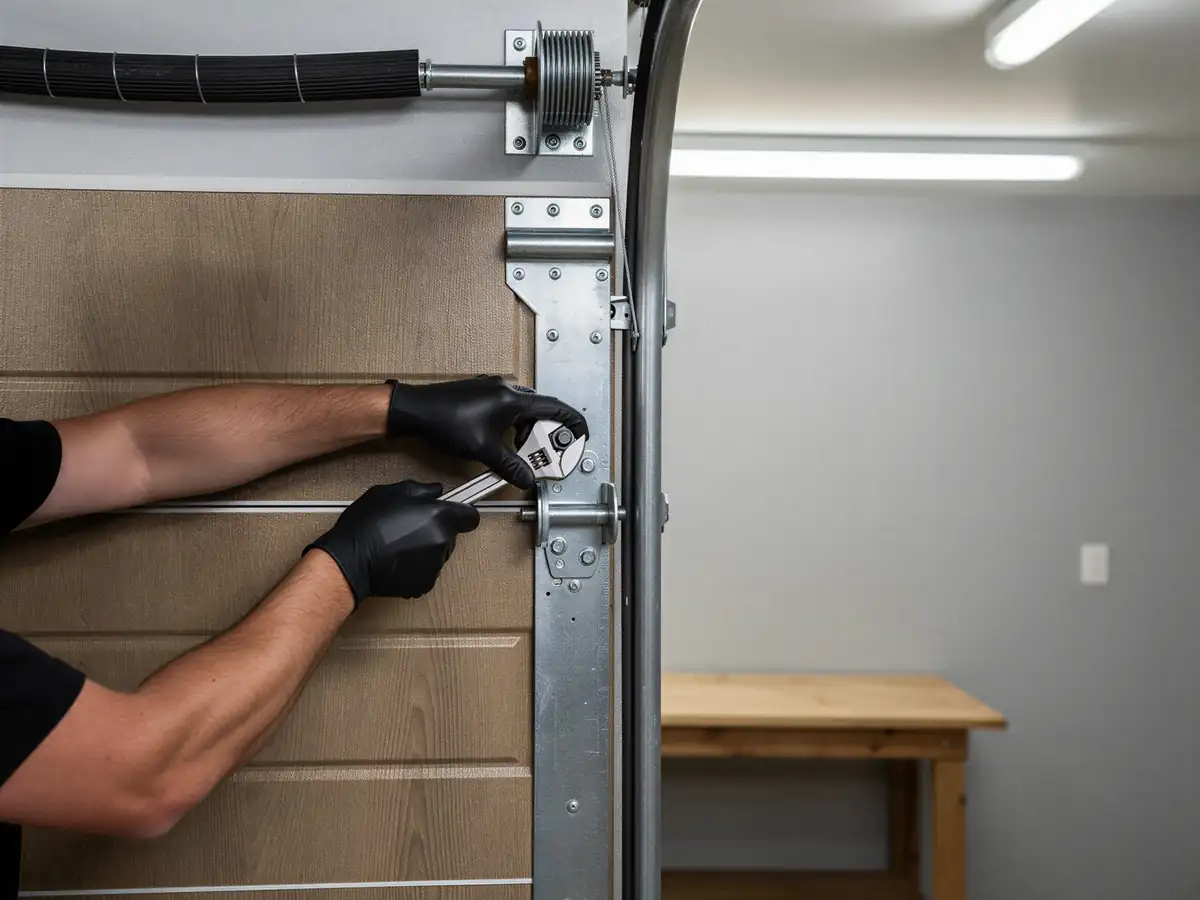
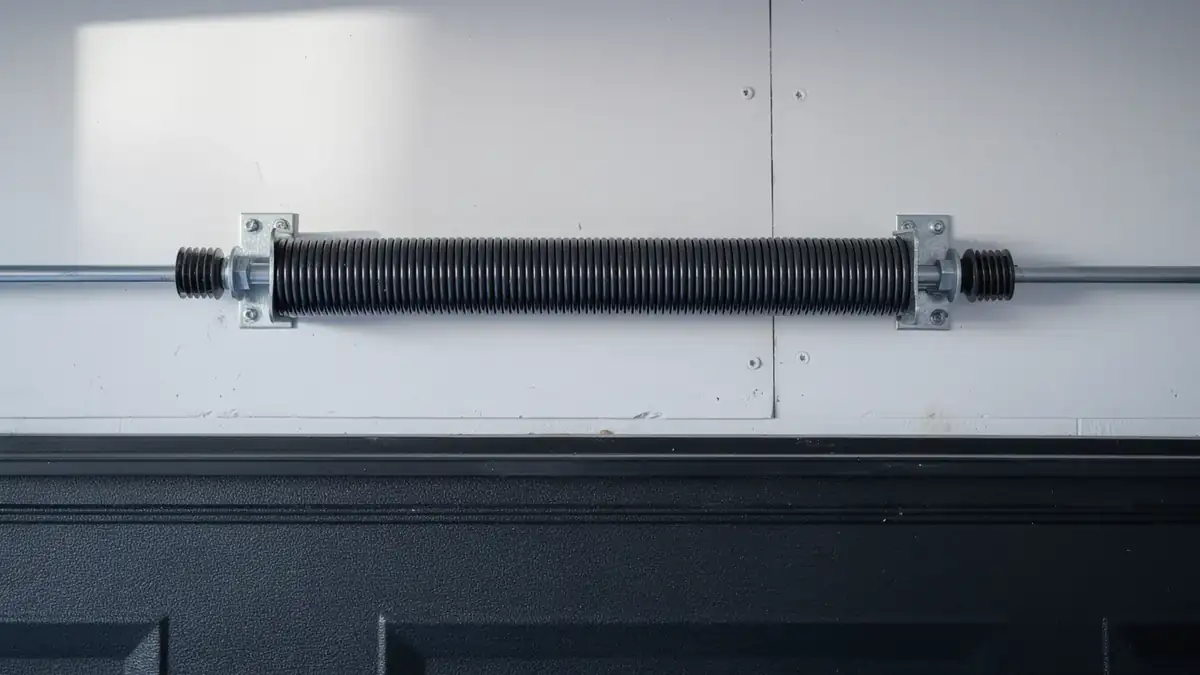
A torsion spring under tension can take a finger or worse, and that doesn't change no matter how handy you are. If the spring has already let go and the door is sitting crooked or won't move, that's a call, not a project. We'll say plainly what we don't do: we don't recommend trying to re-tension or swap a torsion spring yourself, and we won't walk you through it over the phone - the risk isn't worth saving a service call. Where it is worth doing yourself: lubricating hinges and rollers before winter, checking that the weatherstrip at the bottom is sealing, and listening for new grinding or popping sounds before they turn into a snapped spring on a cold morning.