What the Repair Takes
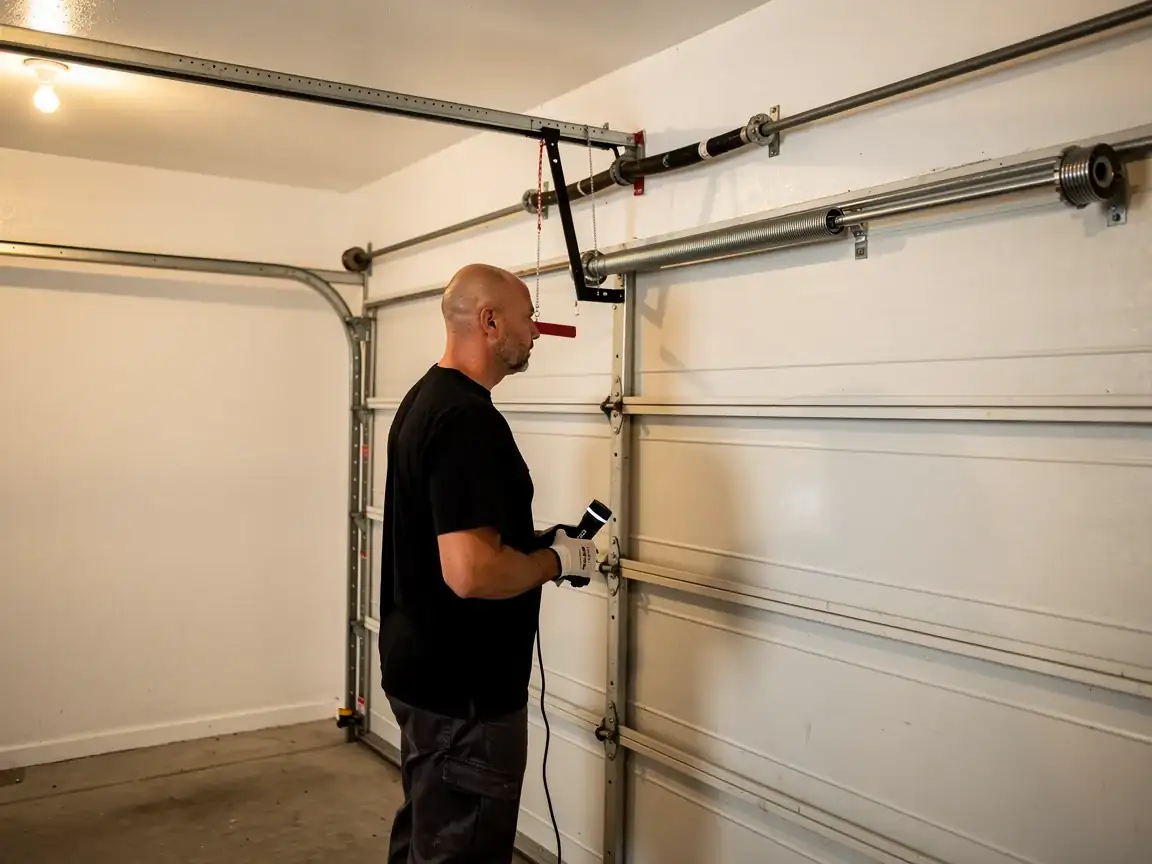
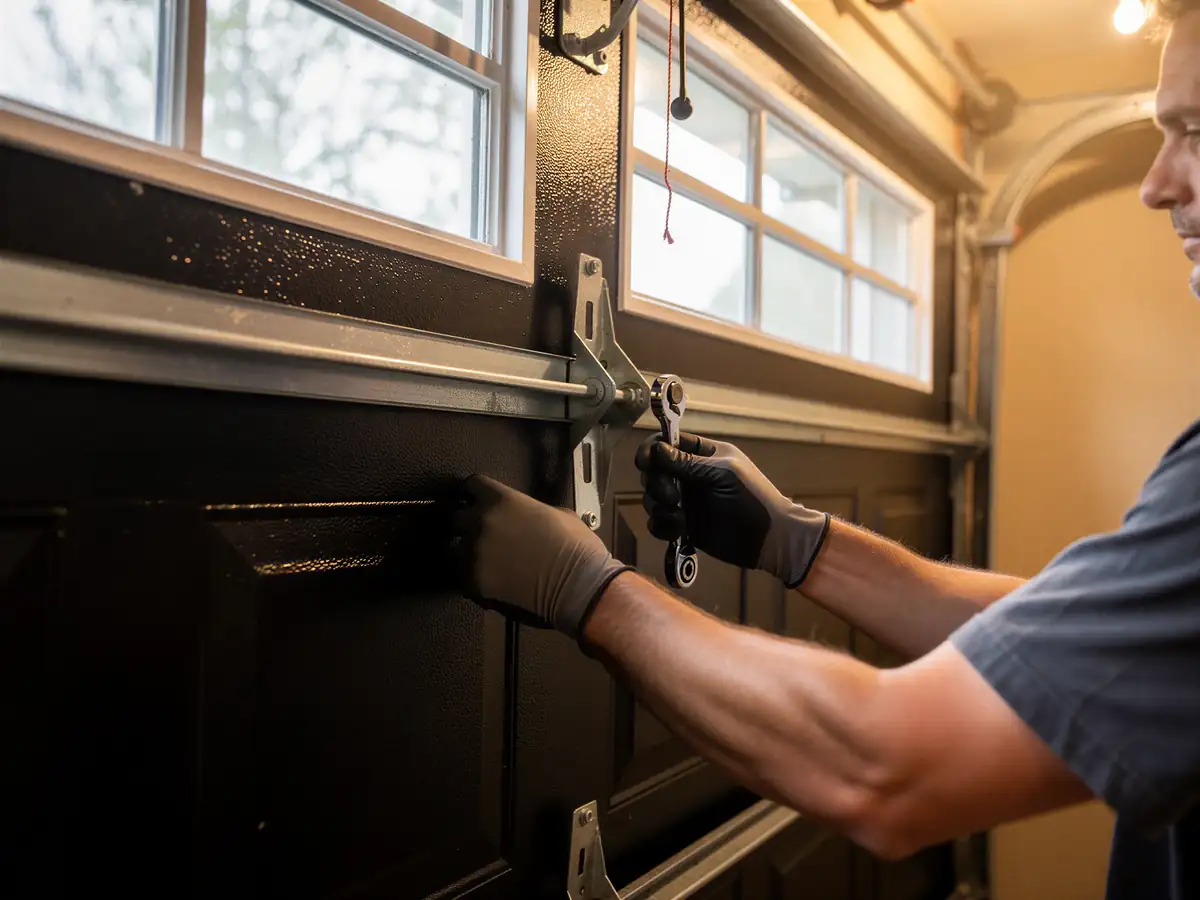
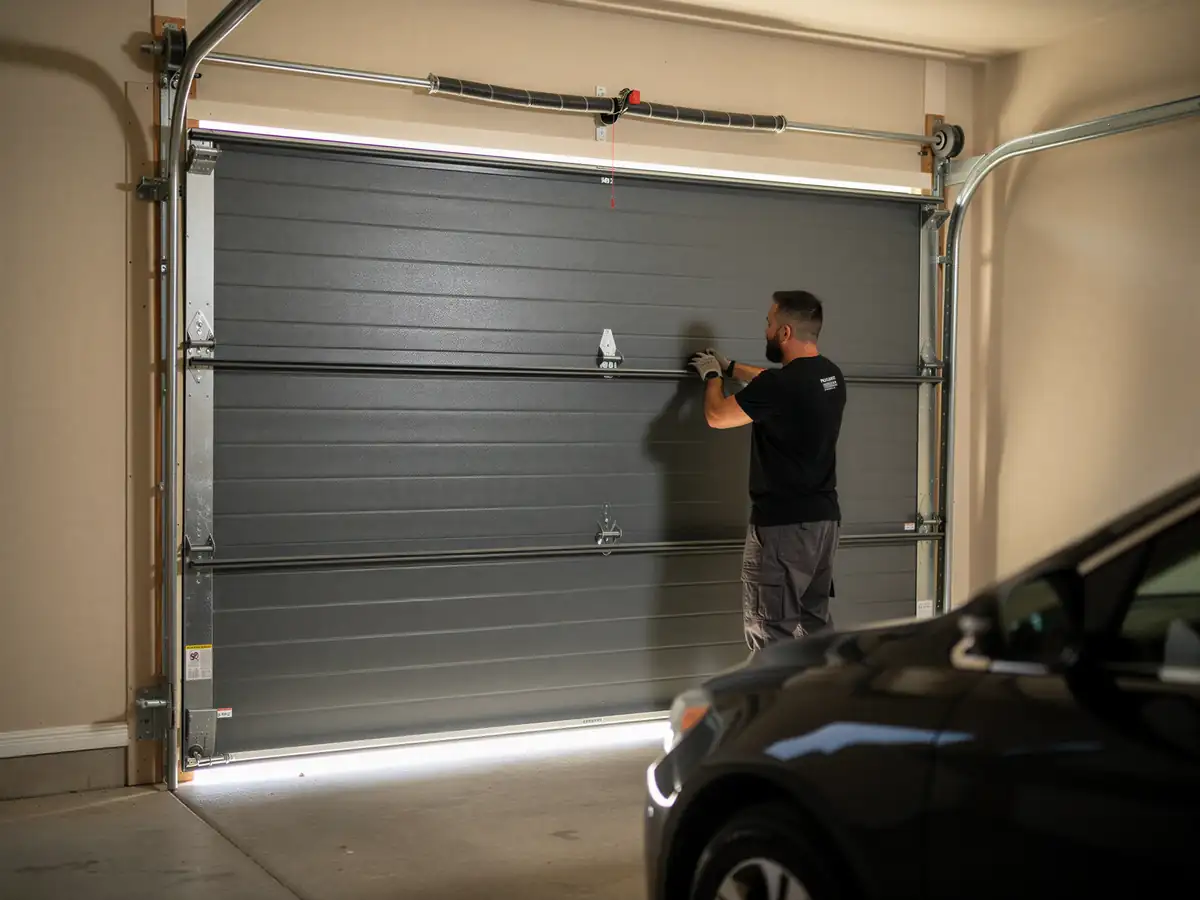
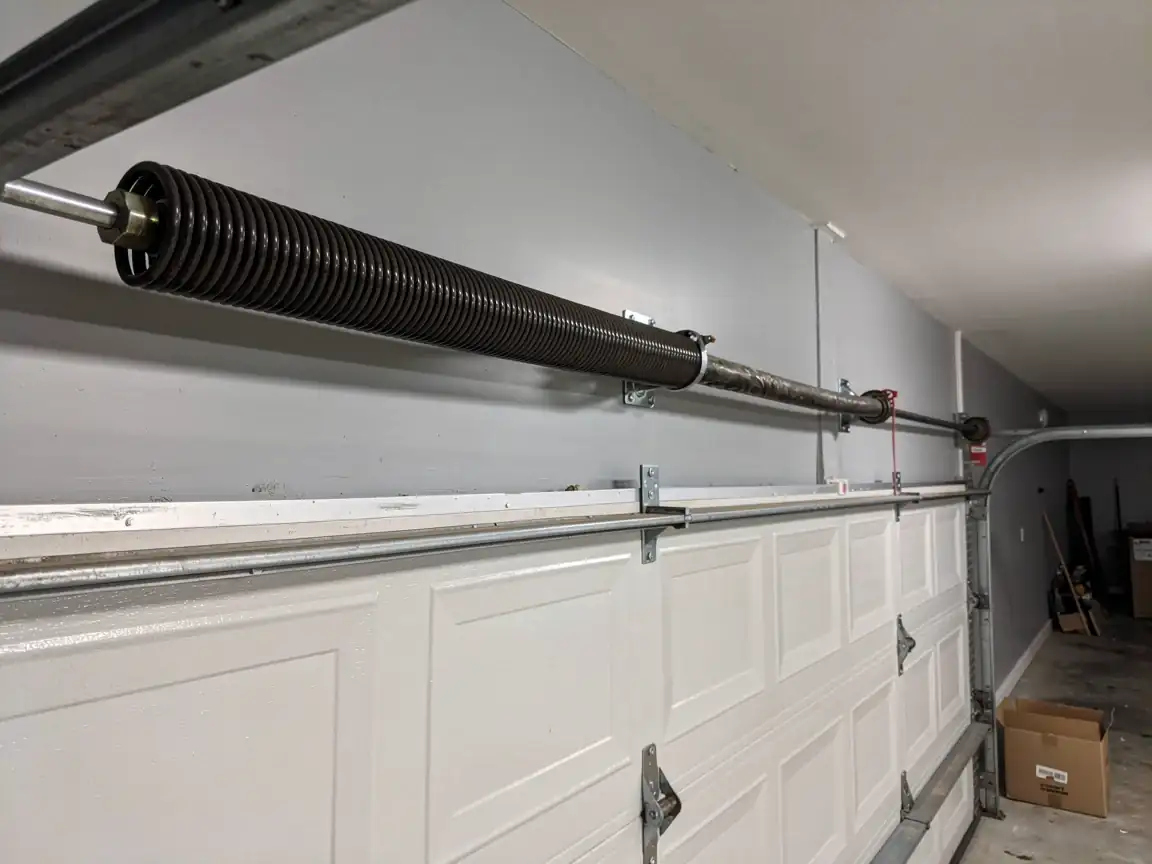
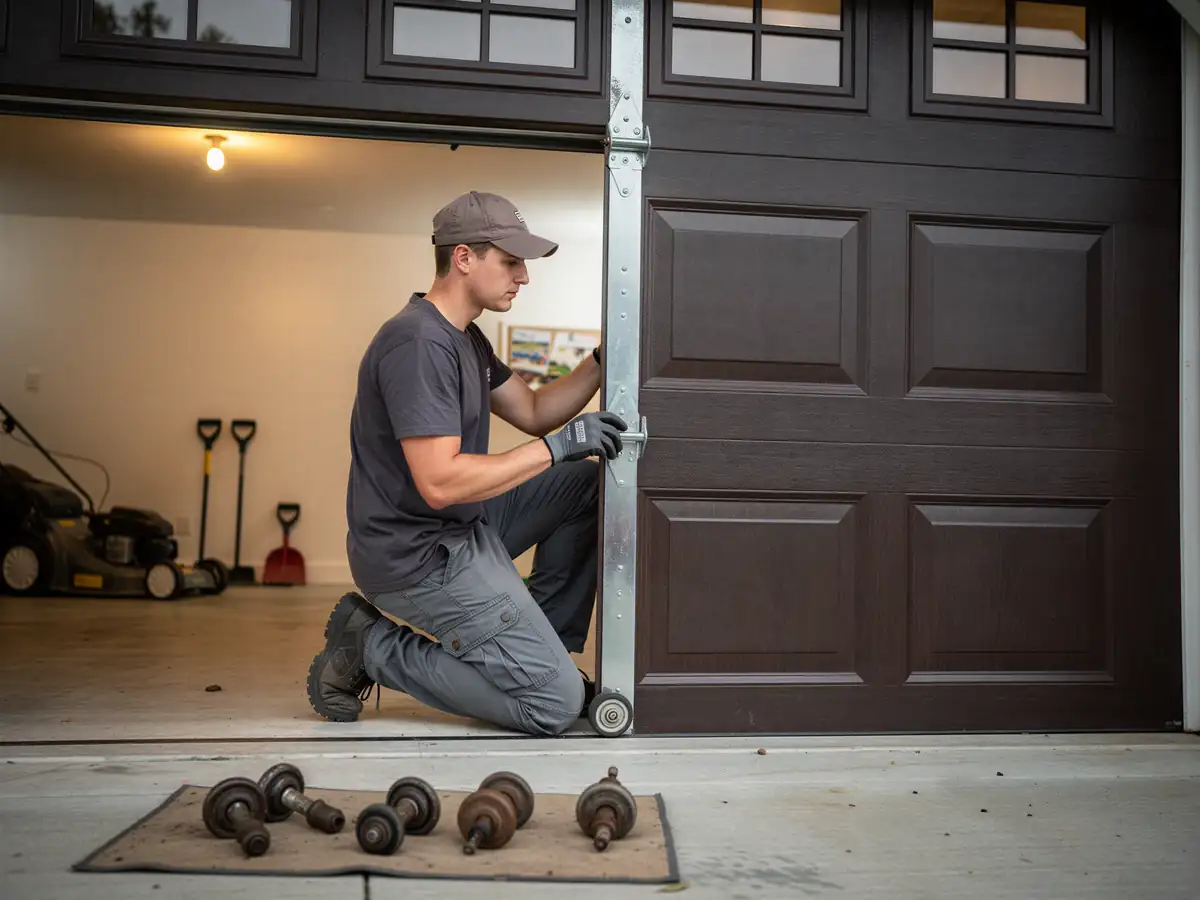
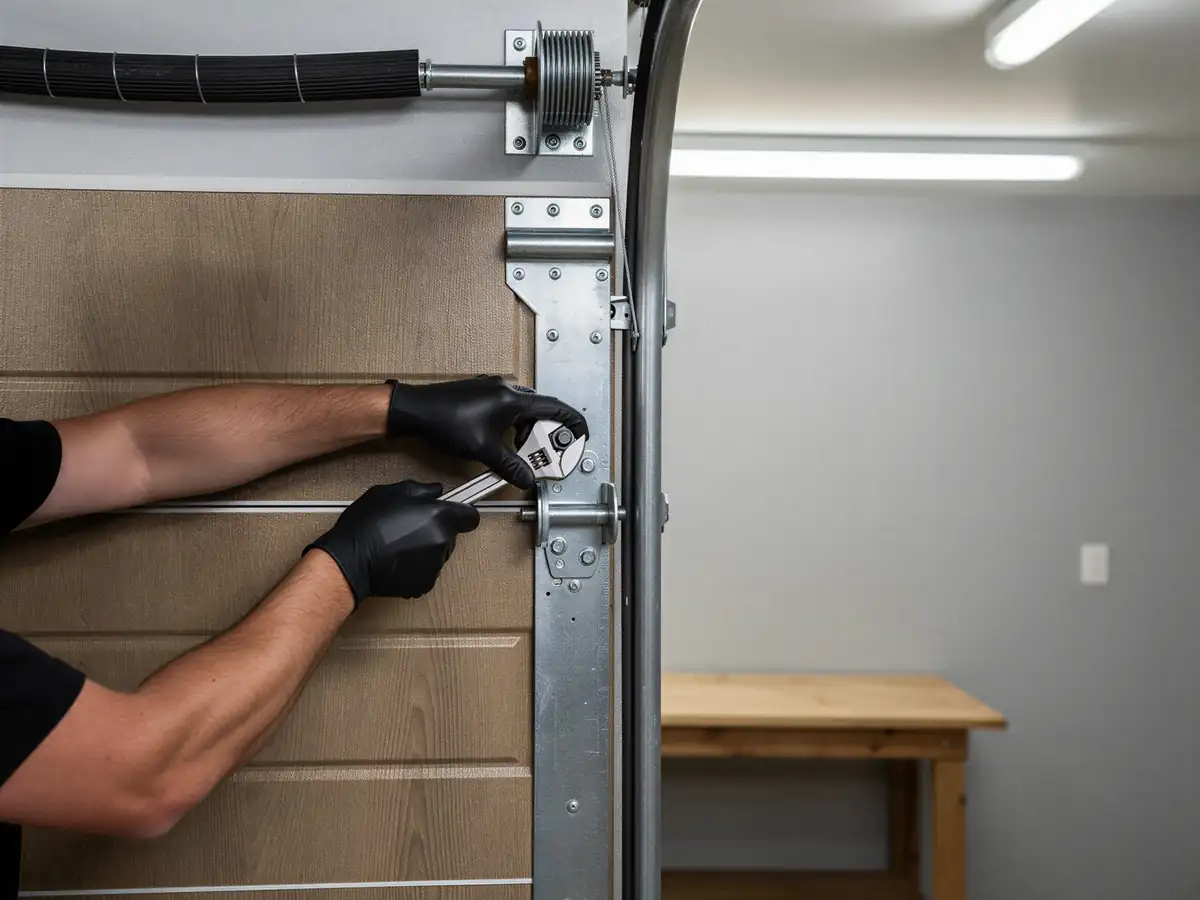
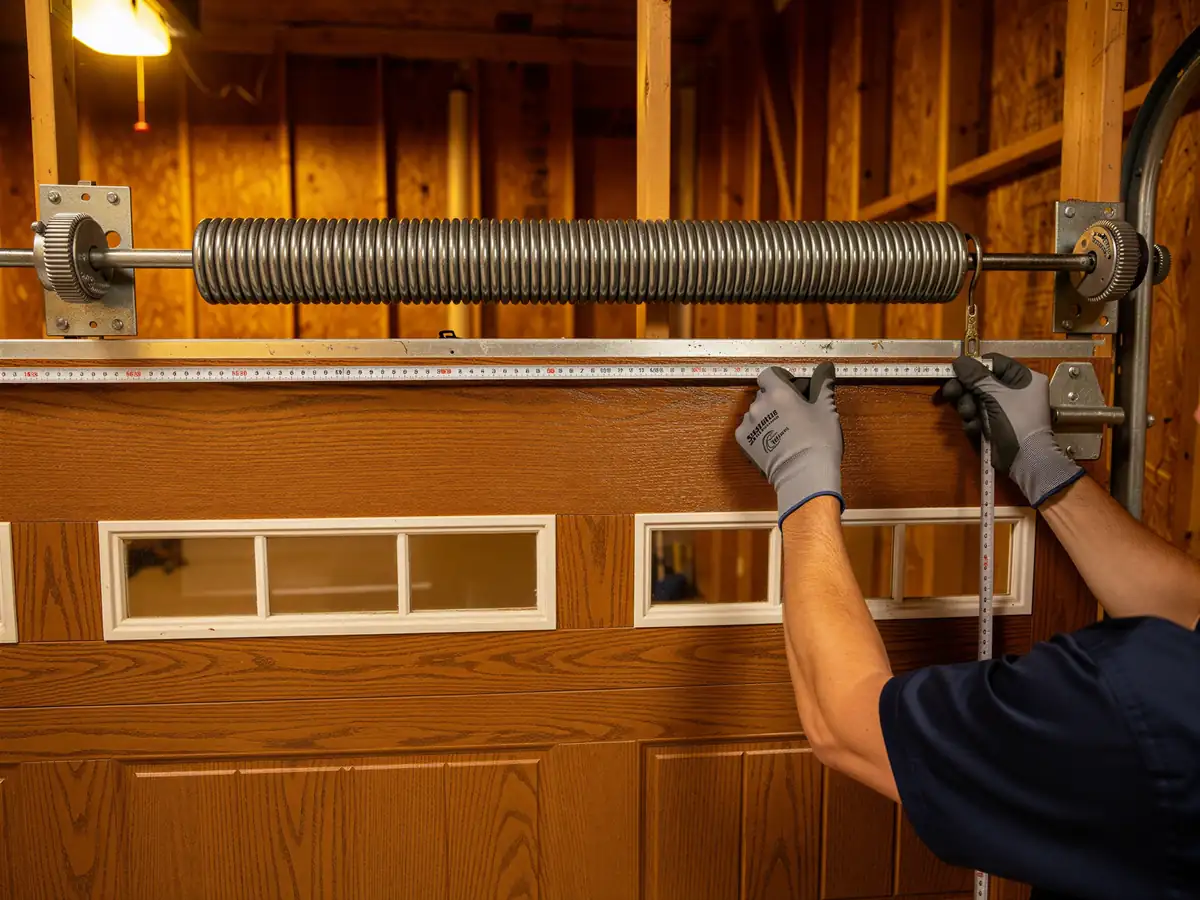
A torsion spring repair is a cable-and-winding-bar job, not a bolt-and-go swap. We measure the wire gauge, coil diameter, and door weight before ordering anything, because the wrong spring on a heavy wood or insulated steel door just shortens the next failure to months instead of years. On a standard double door we're pulling the old spring off the header, checking the center bearing plate for wear, and winding the new spring to the right number of turns for your drum size. If the door is original to a house built in the 1960s or 70s - common across this service area - the torsion tube and end bearings are often as tired as the spring itself, and we'll tell you if those need attention too rather than just swapping the part you called about. Most spring jobs run one to two hours once we're on site with the right spring in hand. The honest limitation: if your opener has been straining against a broken spring for days, we check the gears and belt before we close the ticket, because a motor that's been lifting full door weight alone doesn't always walk away clean.
The Symptom
The door won't stay up, or it slams down the last foot instead of settling. Sometimes it's a loud bang from the garage followed by a door that suddenly feels twice as heavy to lift by hand. That bang is almost always a torsion spring letting go - the steel fatigues from thousands of wind-and-release cycles and finally snaps, usually at a weak point in the coil rather than cleanly in half. You'll also see a visible gap in the spring above the door, or one side of the door hanging lower than the other on doors with two springs. If the opener still runs but the door barely moves, don't keep hitting the button - that's the motor trying to do a spring's job and it will burn out the gears doing it.
What Causes It Around Here
The climate here runs mild with occasional freeze nights, and that swing matters more for springs than people expect. Steel contracts in cold and the coil tension shifts slightly with temperature, which adds stress to a spring that's already near the end of its cycle count. It's rarely the cause of a sudden failure on its own, but on a spring that's been wound for 20-plus years in a home built in the median year of 1977, a cold snap is often the final push. Garages that sit unheated and see wide day-to-night swings put more cumulative stress on the coil than a climate-controlled space would, which is part of why spring life in this area tends to track closer to the low end of the expected range rather than the high end.