What the Weather Here Does to It
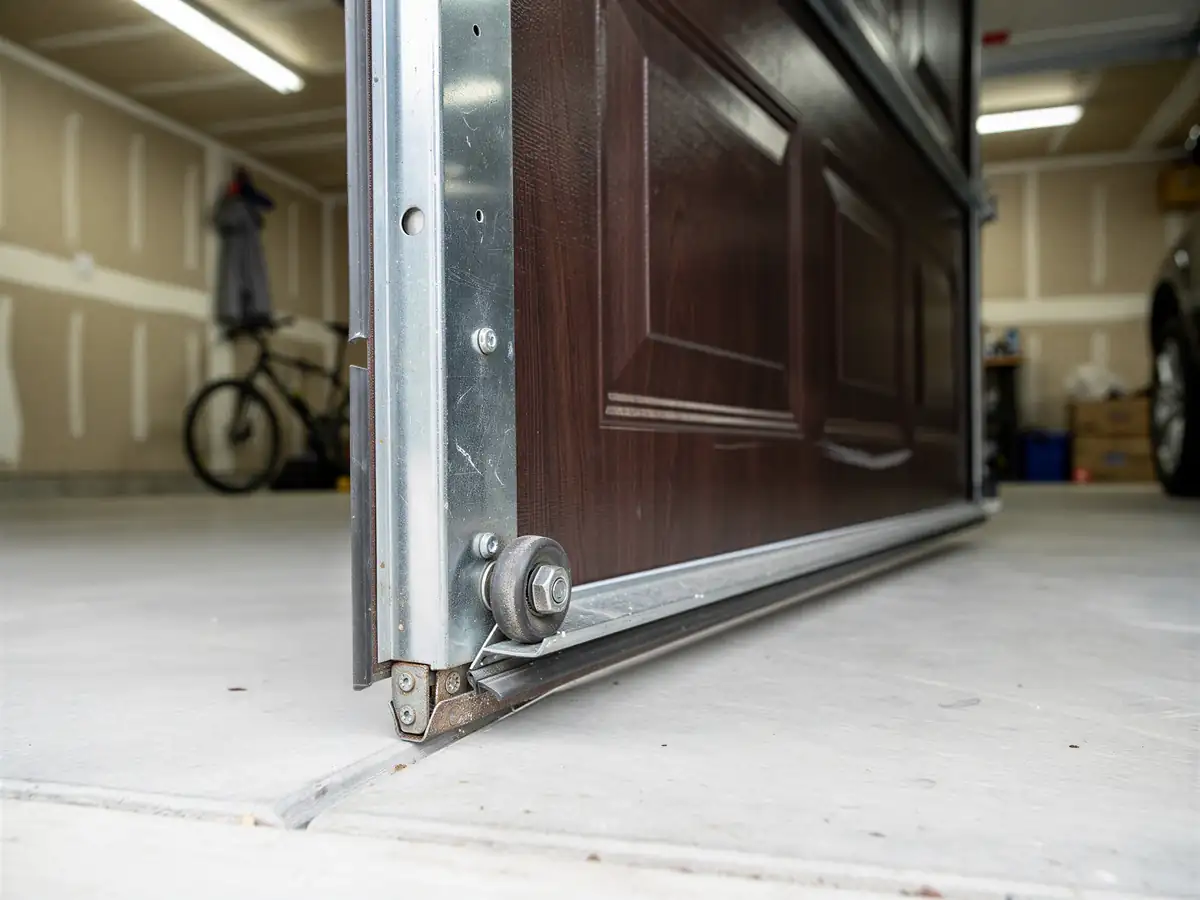
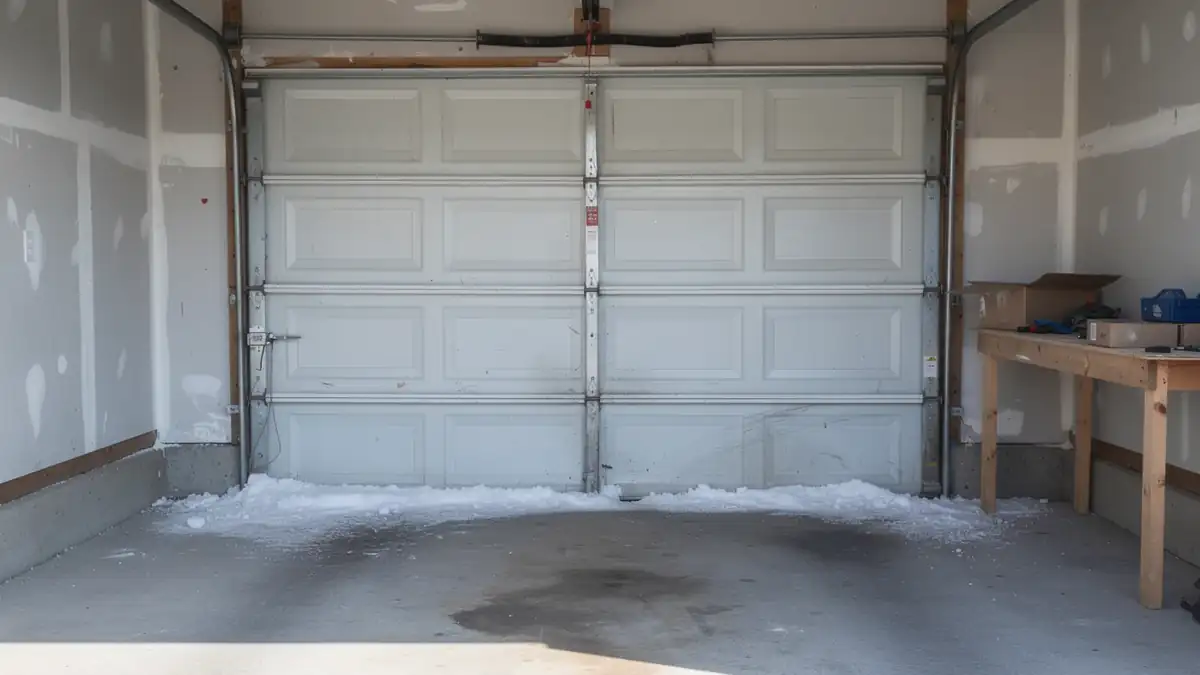
Grass Valley sits in a mild climate band with occasional freeze - not the brutal freeze-thaw cycles you get at higher elevation, but enough cold nights each winter to matter. On a door built in the era common here (1938 to 1984, median 1977), the grease in the roller bearings and the lubricant on the torsion spring thickens on those cold mornings. The door feels heavier, the opener strains, and on steel track installed decades ago, a little surface rust from damp nights works into the hinges.
None of this is dramatic weather. It is slow weather, the kind that works on hardware that's already forty-plus years old in a lot of these houses. A door on a house built new wouldn't notice it. A door that's original to a 1965 build, running on the torsion hardware that shipped with it, notices every one of those cold mornings for decades, and the wear shows up as a spring that's quieter than it should be, or a roller that grinds instead of rolling.
Season by Season
Winter here means mild days and cold nights with occasional freeze - enough to stiffen grease and tighten steel cable by a fraction, which on an old spring is often the fraction that snaps it. Spring brings the moisture that follows those cold nights, and that's when rust shows up on rollers and hinges that sat damp all winter.
Summer in this part of the foothills runs dry and the wood sections on older doors - common in the 1960s and 70s stock around here - shrink, and the panels stop sitting flush in the track. Fall is when the swelling reverses and a door that closed fine in August can bind in October.
None of this is a single dramatic event. It's the same cycle, every year, on hardware that in a lot of these houses has already run through forty or fifty of them. A door installed on a house built in the 2000s doesn't carry that history. One running on original 1970s hardware does, and the cumulative wear is why these doors ask for more attention than a newer build would.
What Is Going On
Across this service area
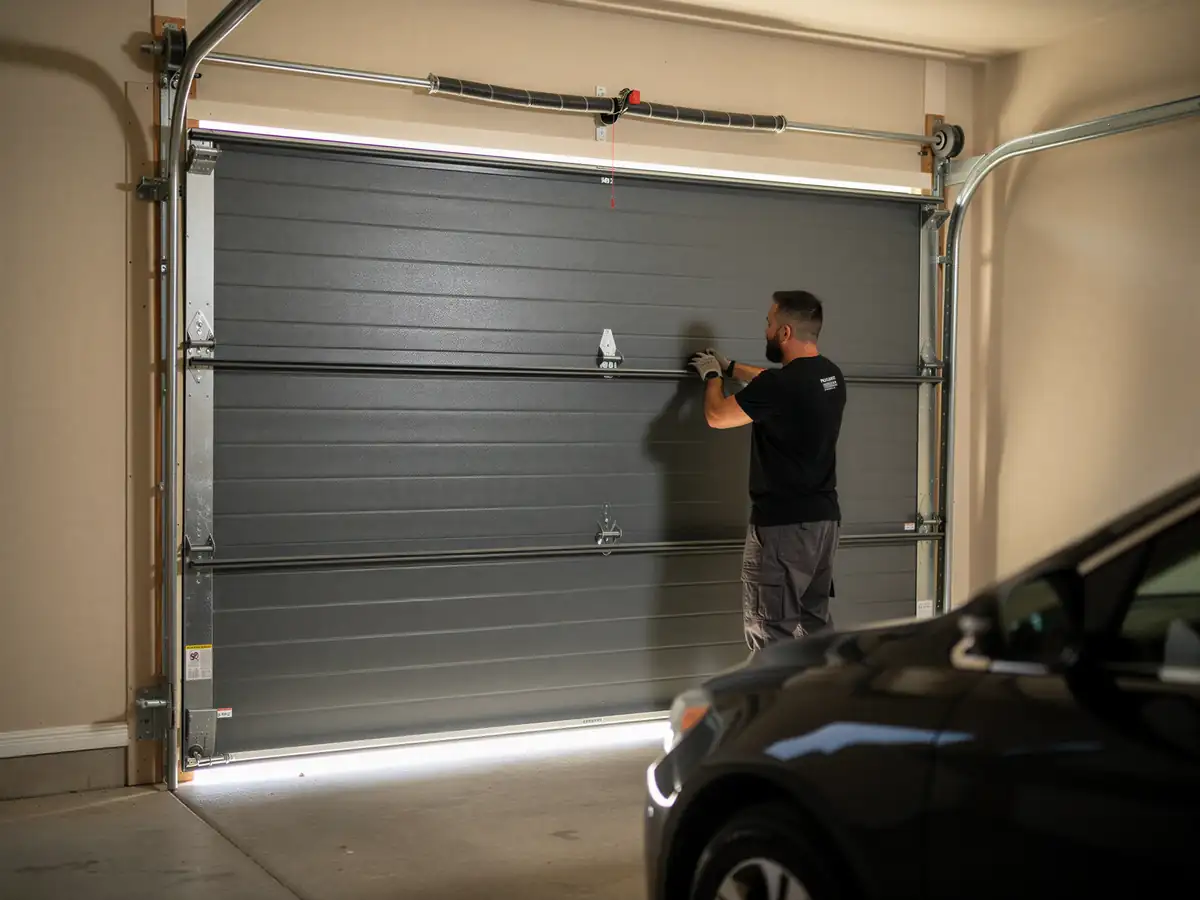
Nevada City, Rough and Ready, Alta Sierra, Lake Wildwood, Penn Valley, and the other named areas out past Grass Valley proper - the housing is mostly 1960s and 70s construction, with the overall stock running 1938 to 1984 and a median build year of 1977. That means a lot of garage doors out here are original or close to it: steel or wood panel doors on side-mounted torsion springs, a hardware style nobody's shipped new in years.
Of the roughly 12,417 households in the area, about 9,353 are owner-occupied houses
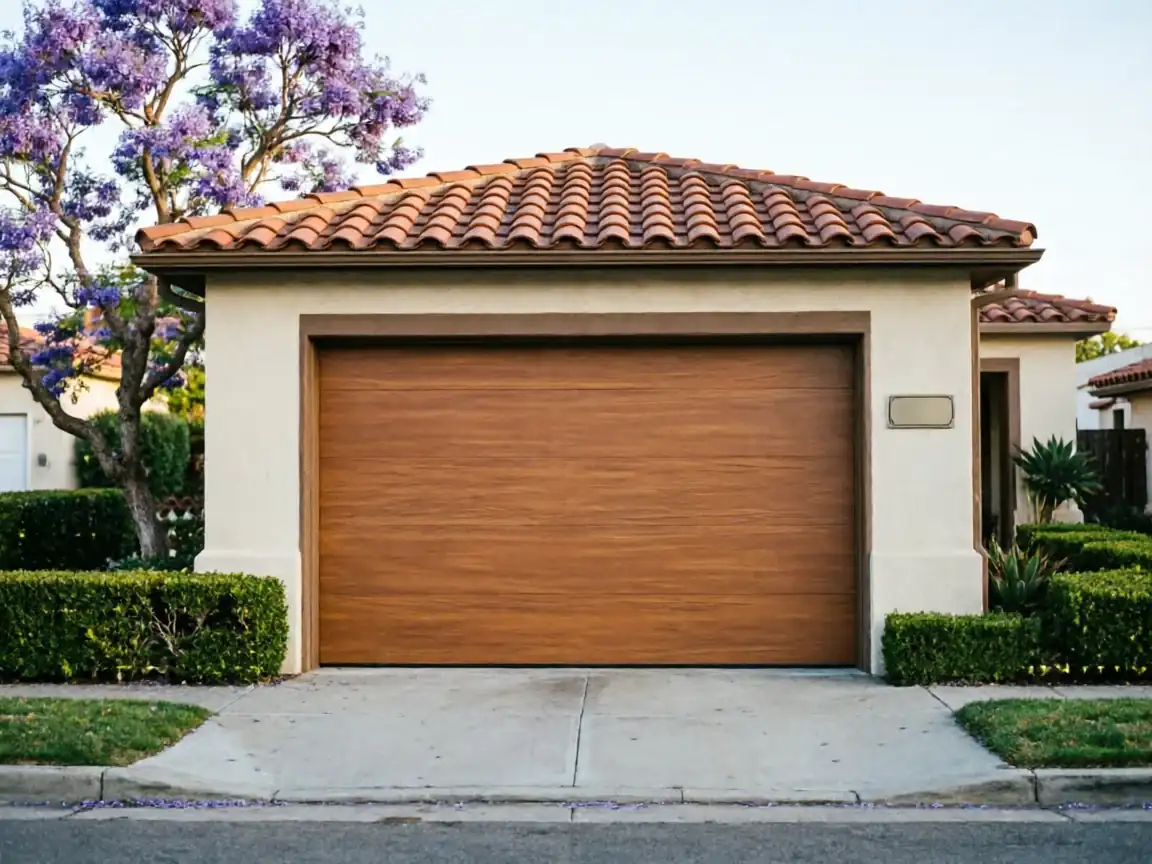
Which is a lot of driveways with a door from that era still hanging on. At a median household income of $91,135, most owners here can choose between a repair and a full replacement rather than being forced into the cheaper option - but a lot of them still choose the repair, because the door is original to the house and replacing it means custom-sizing a panel to a sixty-year-old frame instead of ordering a standard size off a shelf.
- 12,417 households
- $91,135 median household income
When It Stops Being a DIY Job
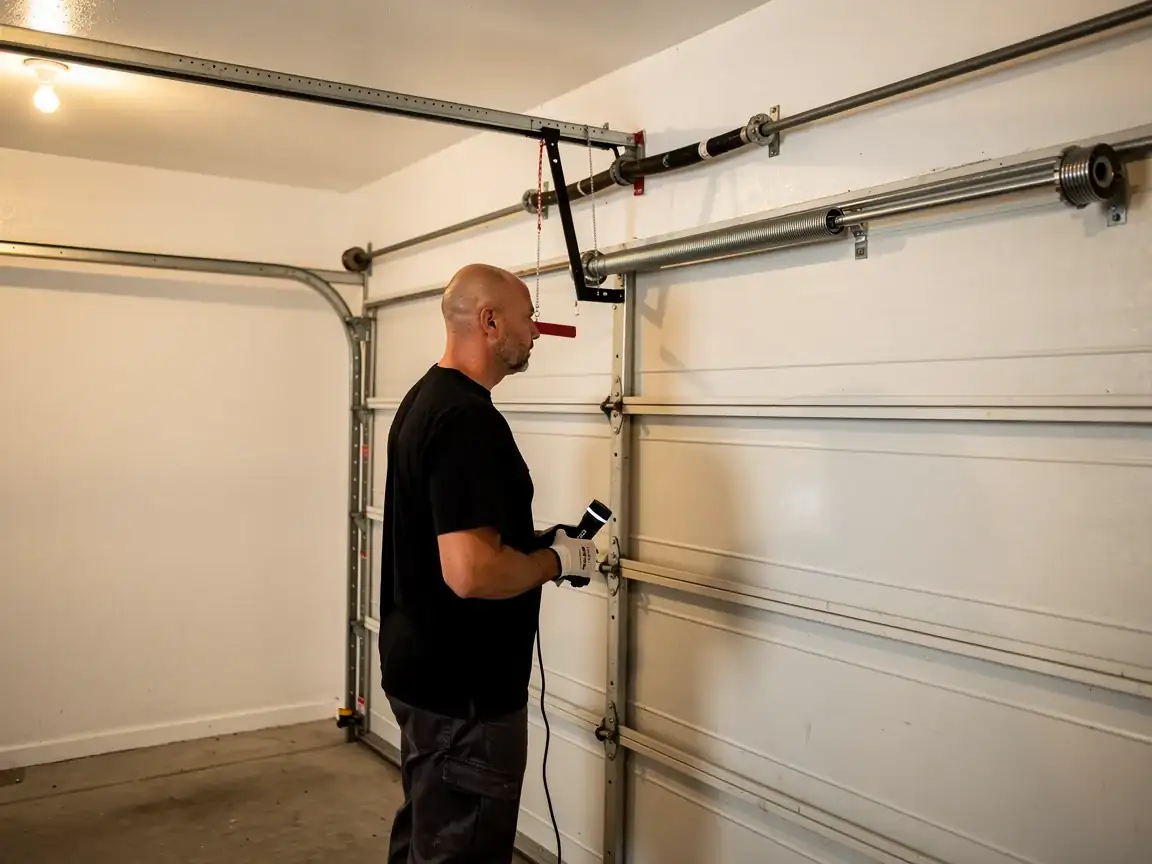
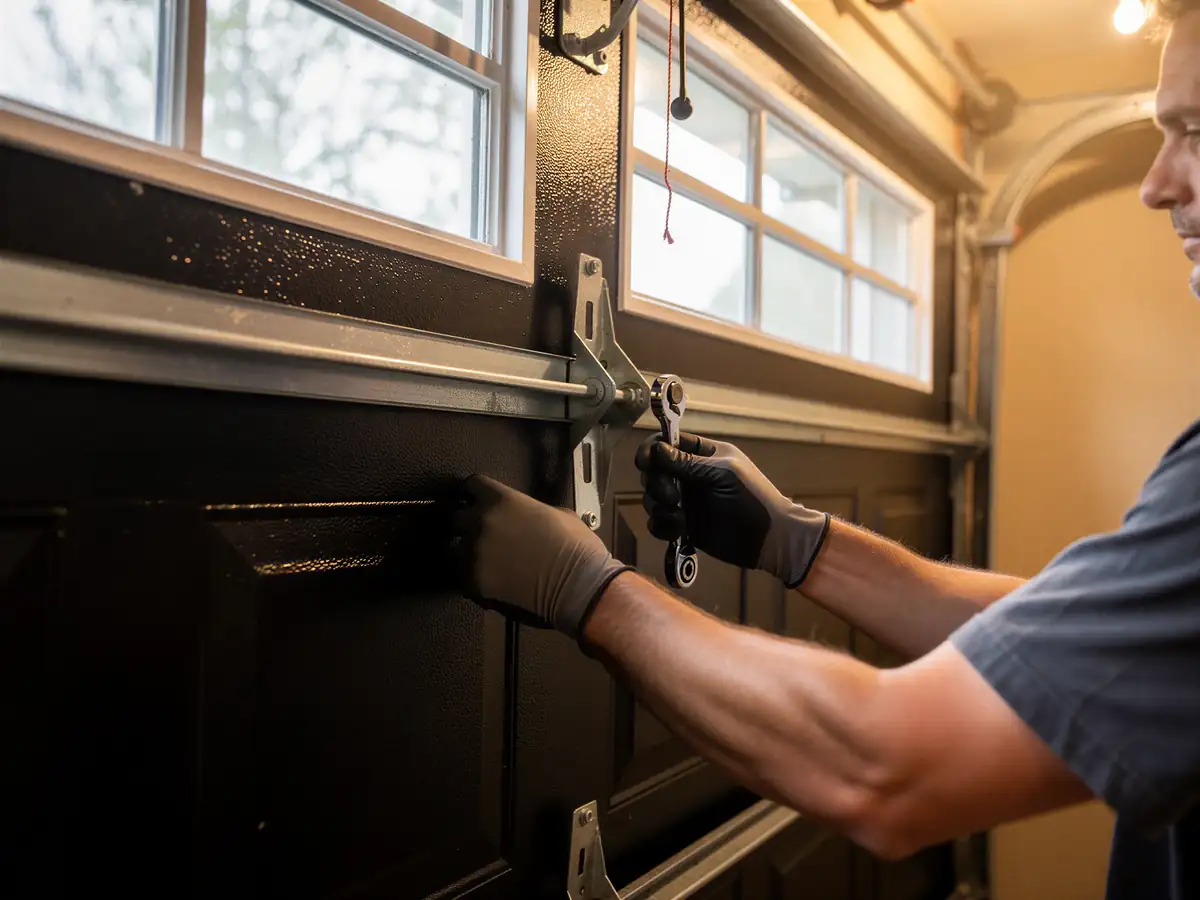
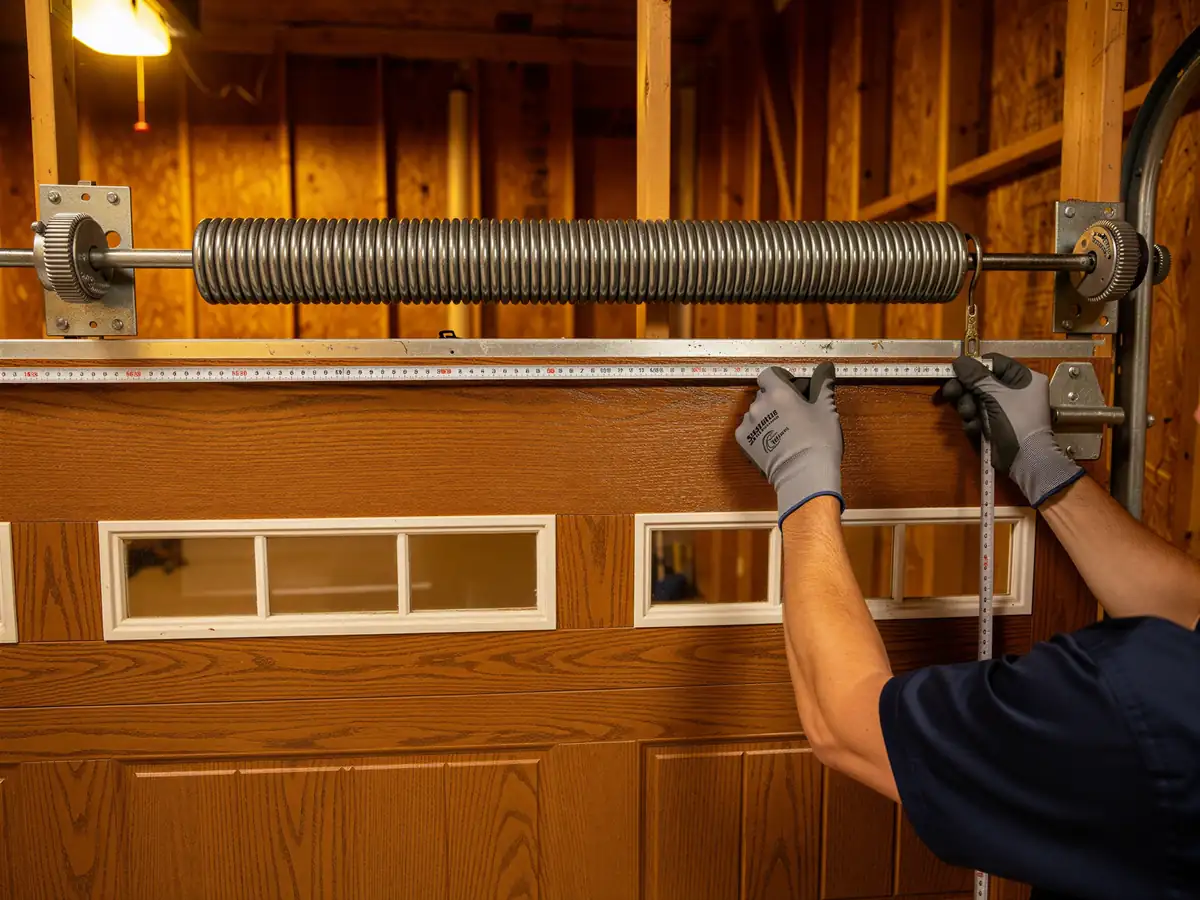
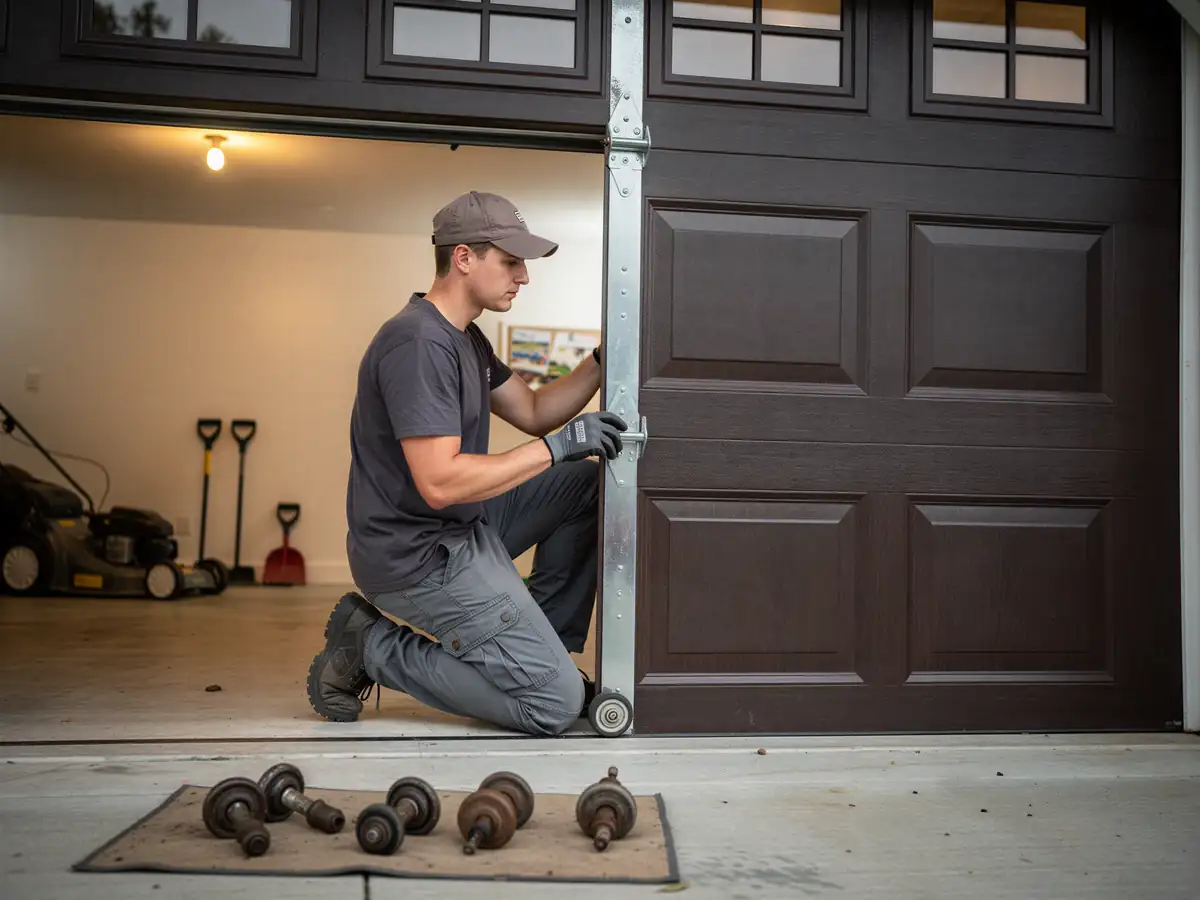
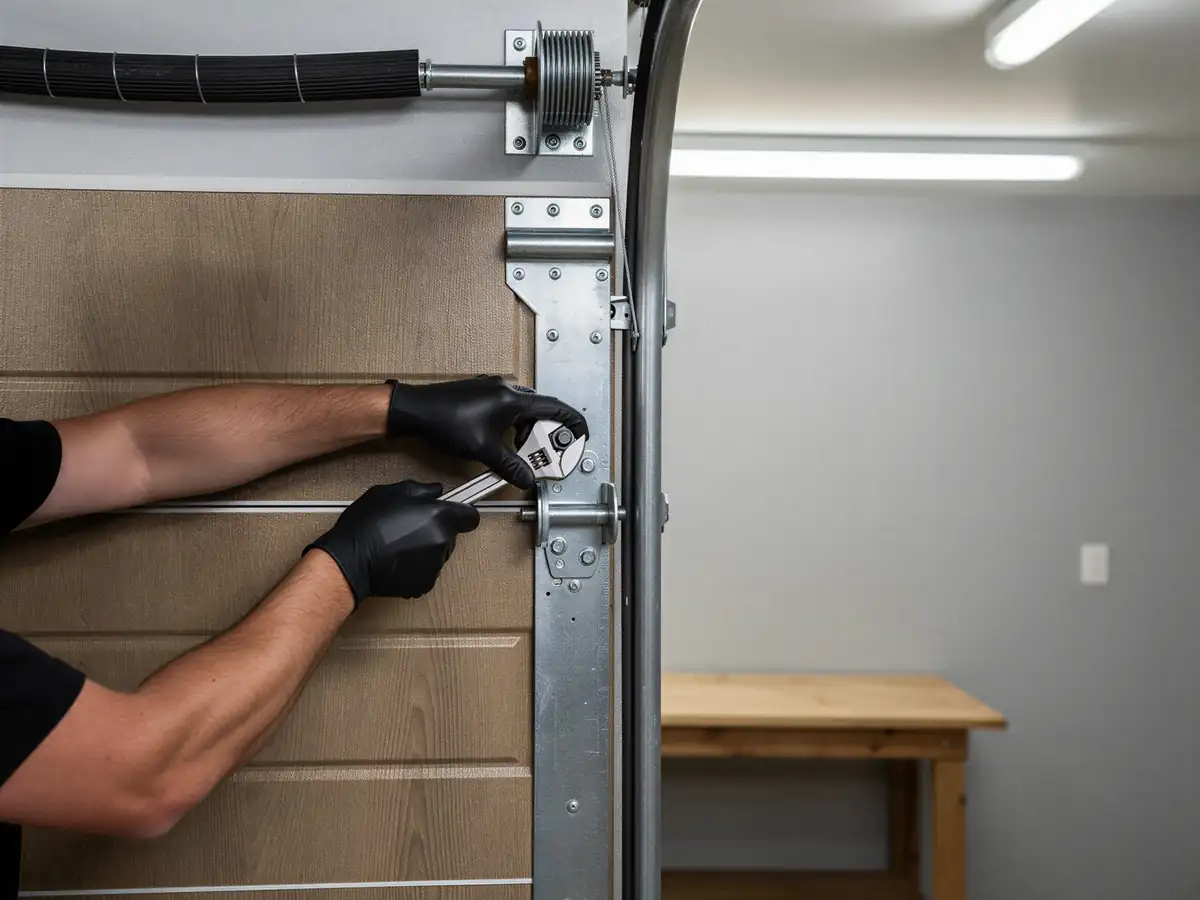
Lubricating hinges and tightening loose bolts, anybody can do on a Saturday. Where it stops being a DIY job is the torsion spring itself - a spring wound under the kind of tension that can break a wrist if it lets go on you, and on the older doors common in this area, finding a spring that matches the original shaft size isn't a same-day part.
We don't stock every obsolete torsion size on the truck. Some of it has to be ordered, and that can mean the door sits for a few days before it's back in track. If the panels are original wood from the 1960s or 70s and they've swelled and shrunk through enough seasons to warp, no amount of adjustment fixes that - at some point replacing the section costs less than fighting it twice a year.
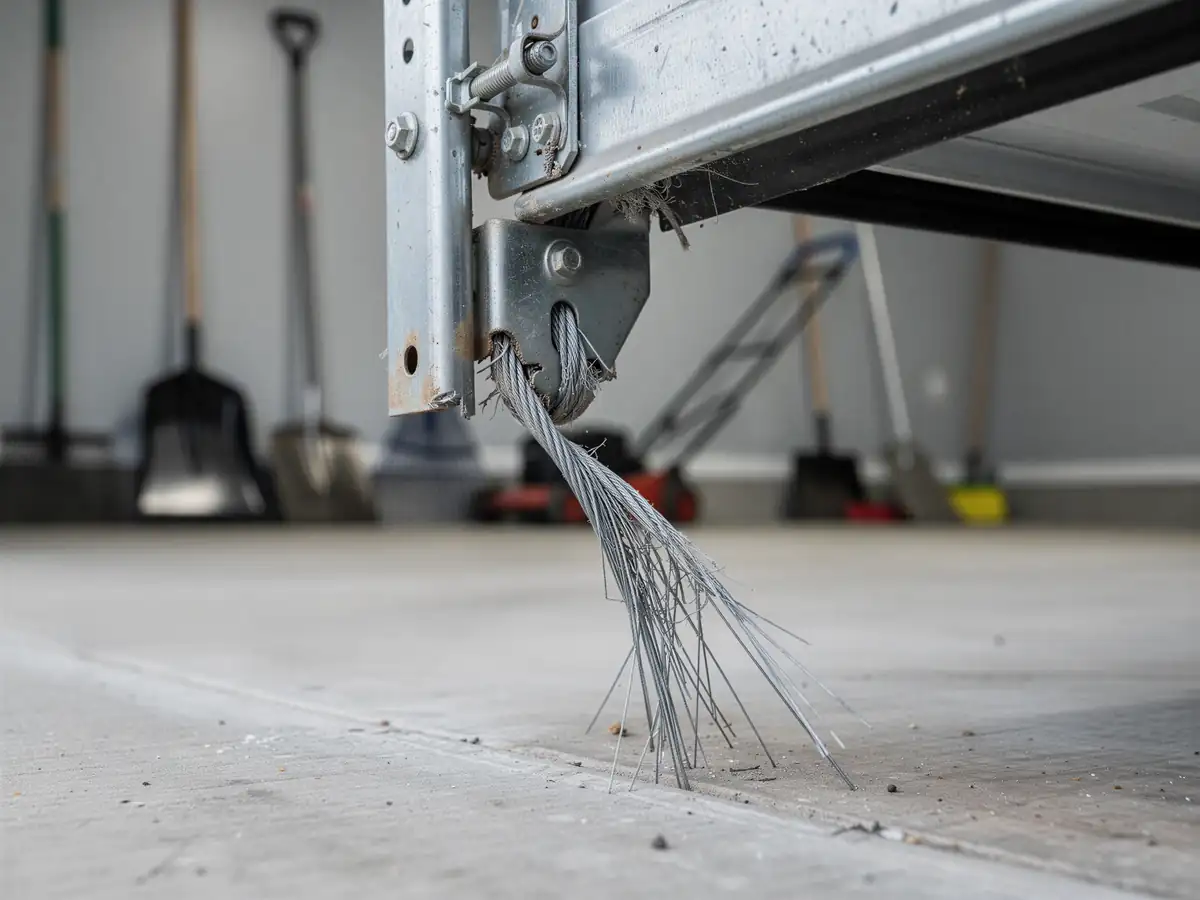
Call when the door won't stay in track, when a cable's frayed, or when the spring's already let go. Don't call when it just needs a drop of oil - that part really is a Saturday job.