What the Repair Takes
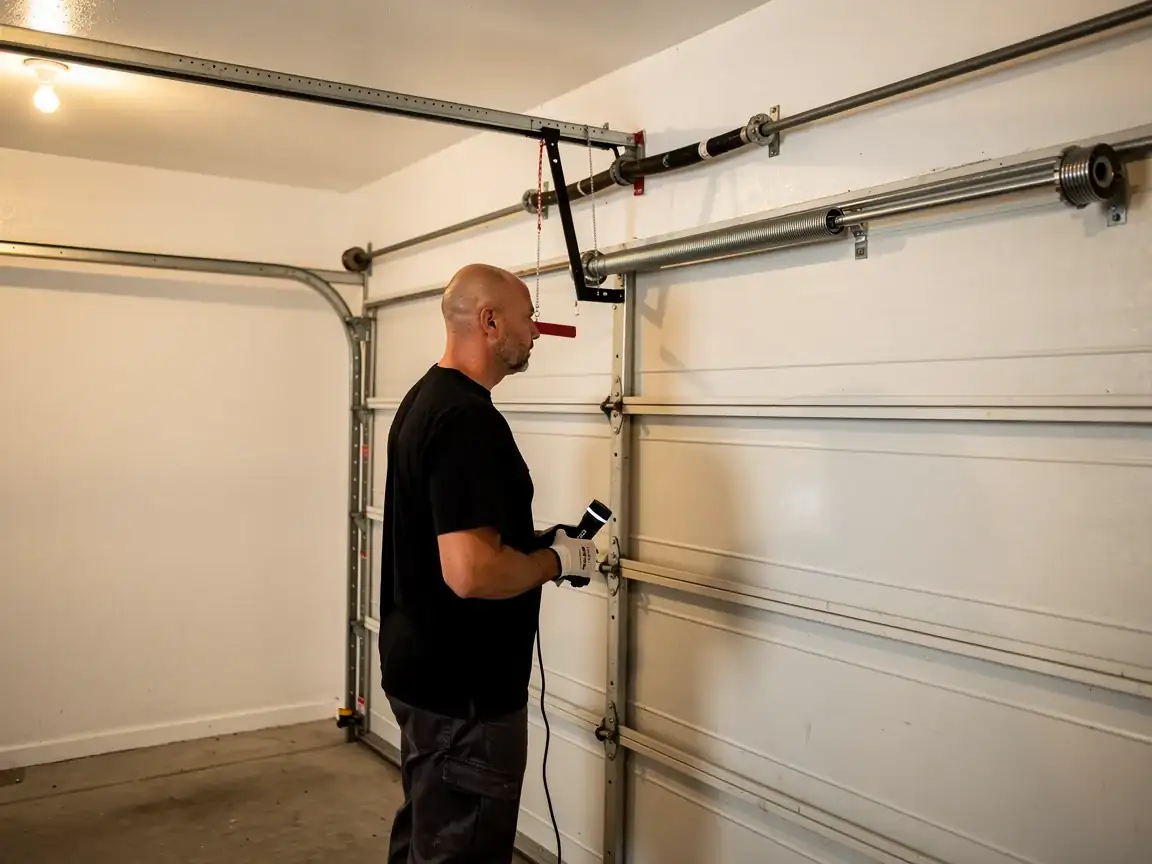
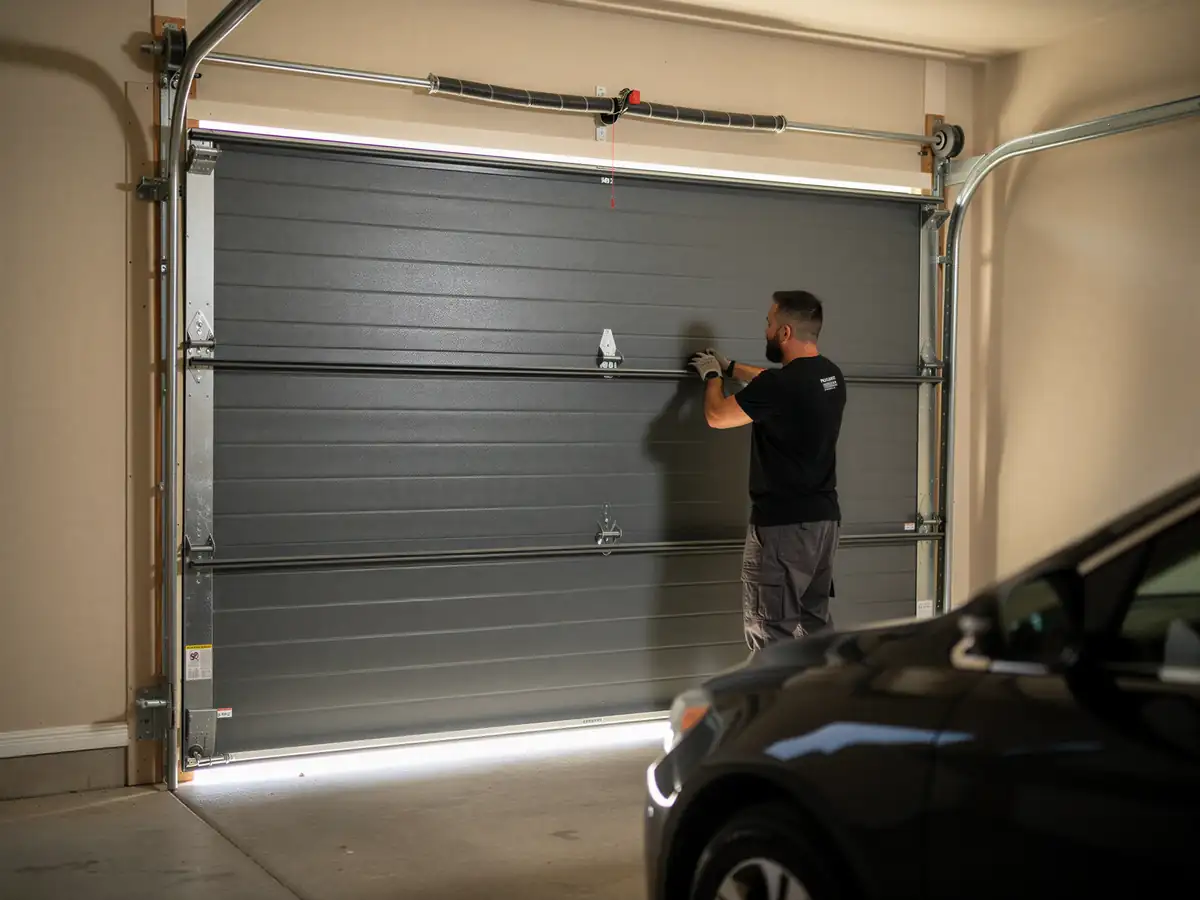
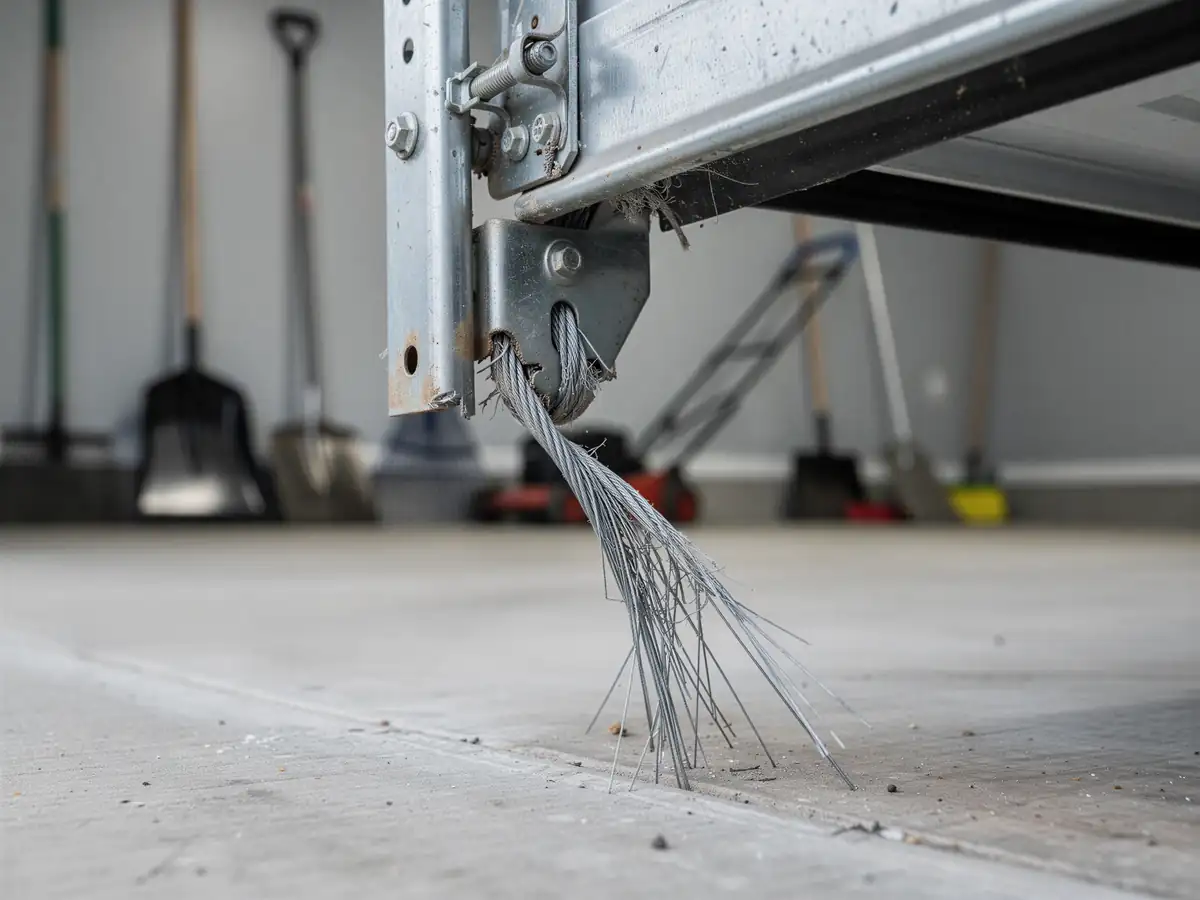
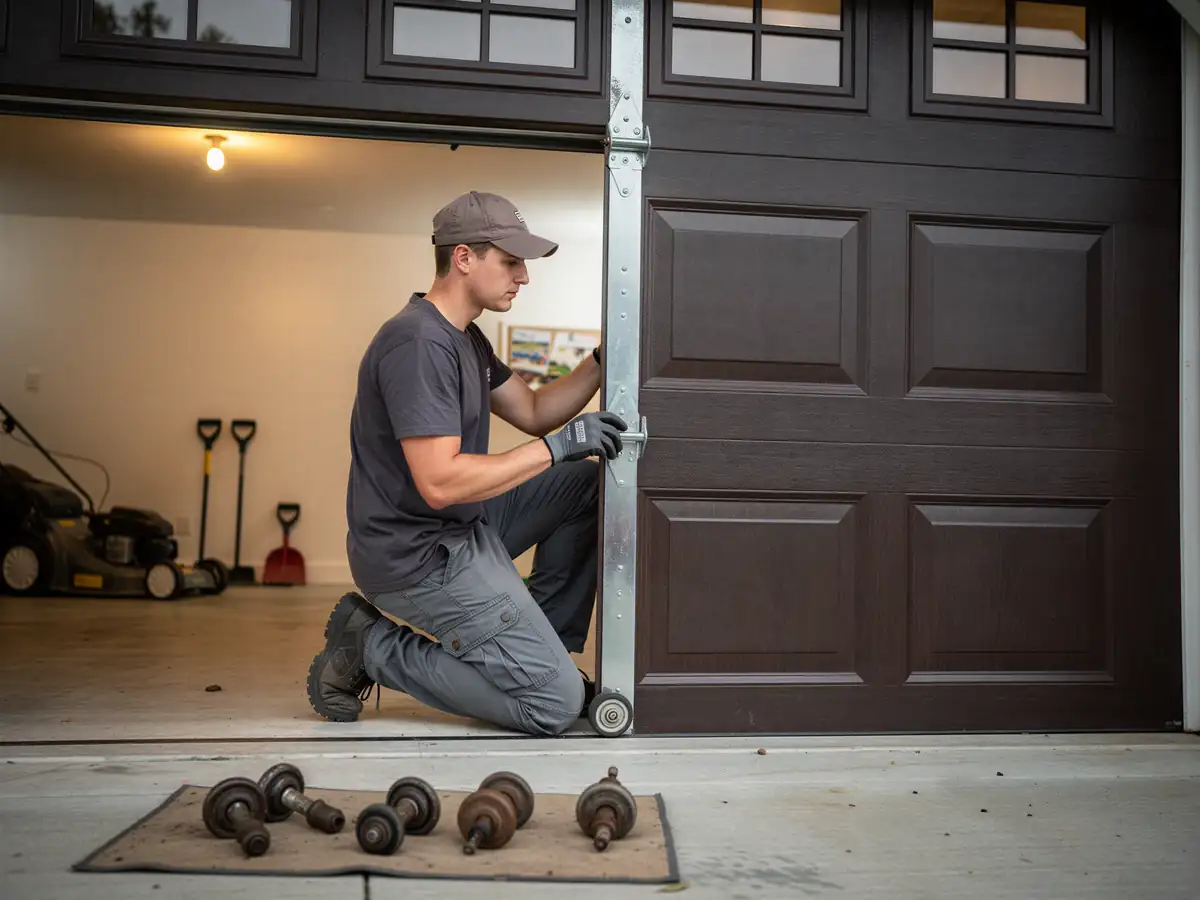
A door off track almost never means the whole unit is junk. Most calls start the same way: a roller has jumped the rail, or the track itself has pulled away from the jamb where the lag bolts tie into old framing. We check the track alignment first, then look at what pulled it - a broken cable, a bent roller stem, or a spring that let go and let the door drop unevenly on one side.
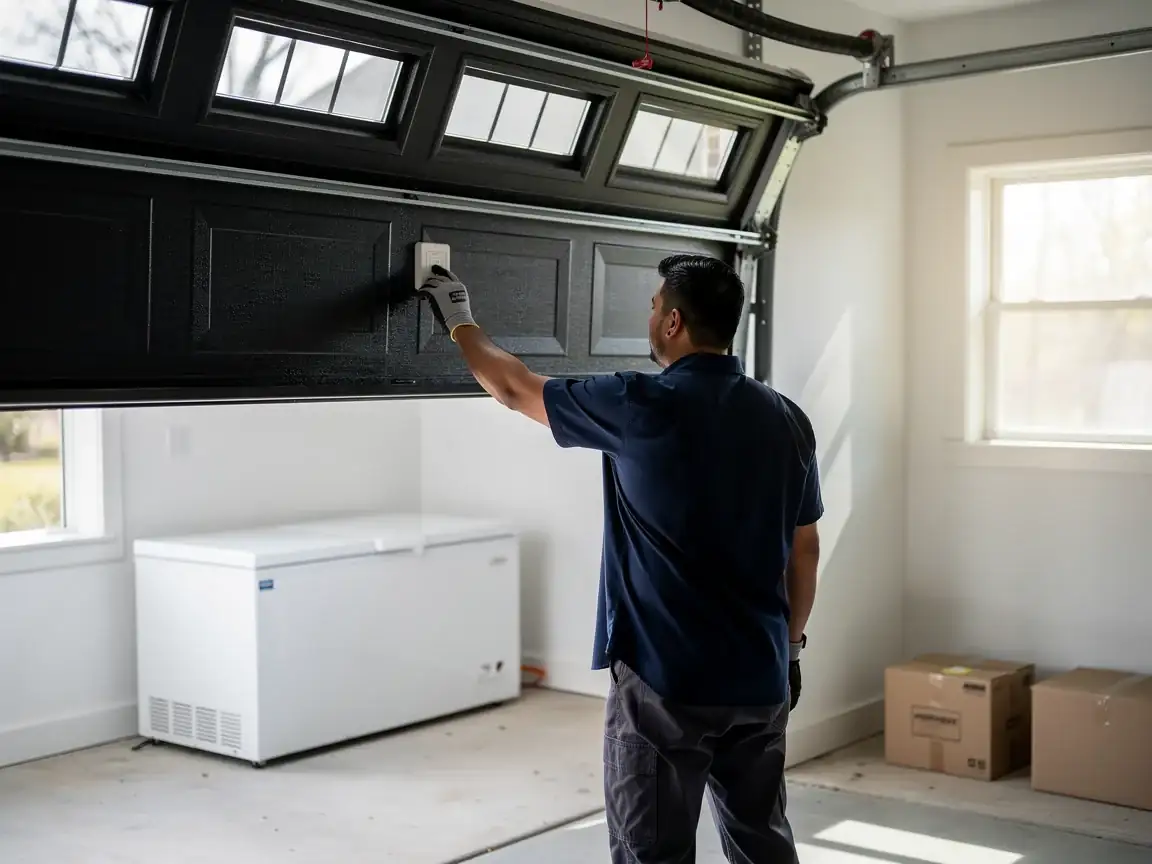
If the track is just bent at one bracket, we can often re-set it, true it up, and replace the rollers it chewed through in under an hour. If the door came down hard enough to bow the track in two places, or crack a stile on an older panel door, that's a track swap and sometimes a panel order, which takes longer because panel stock for doors from the 1960s and 70s isn't something we keep on the truck.
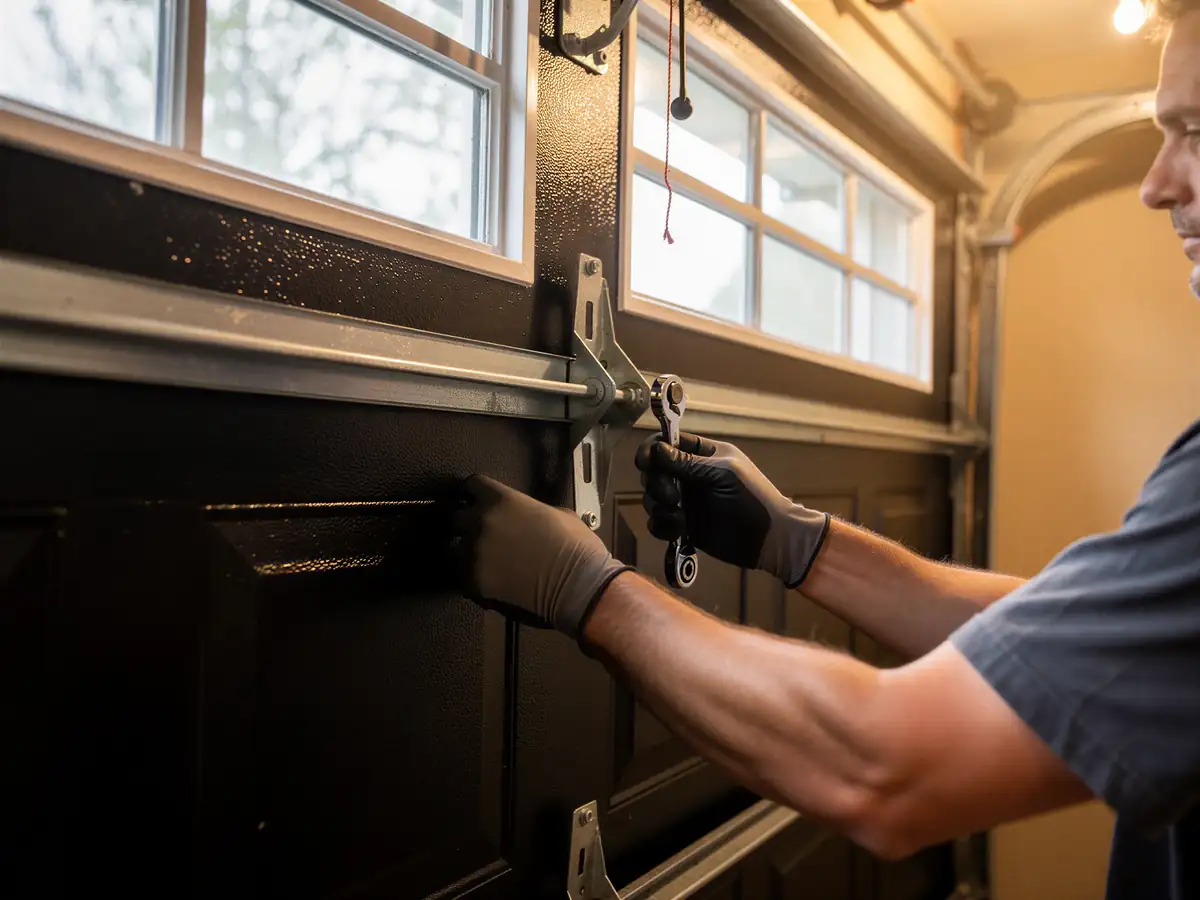
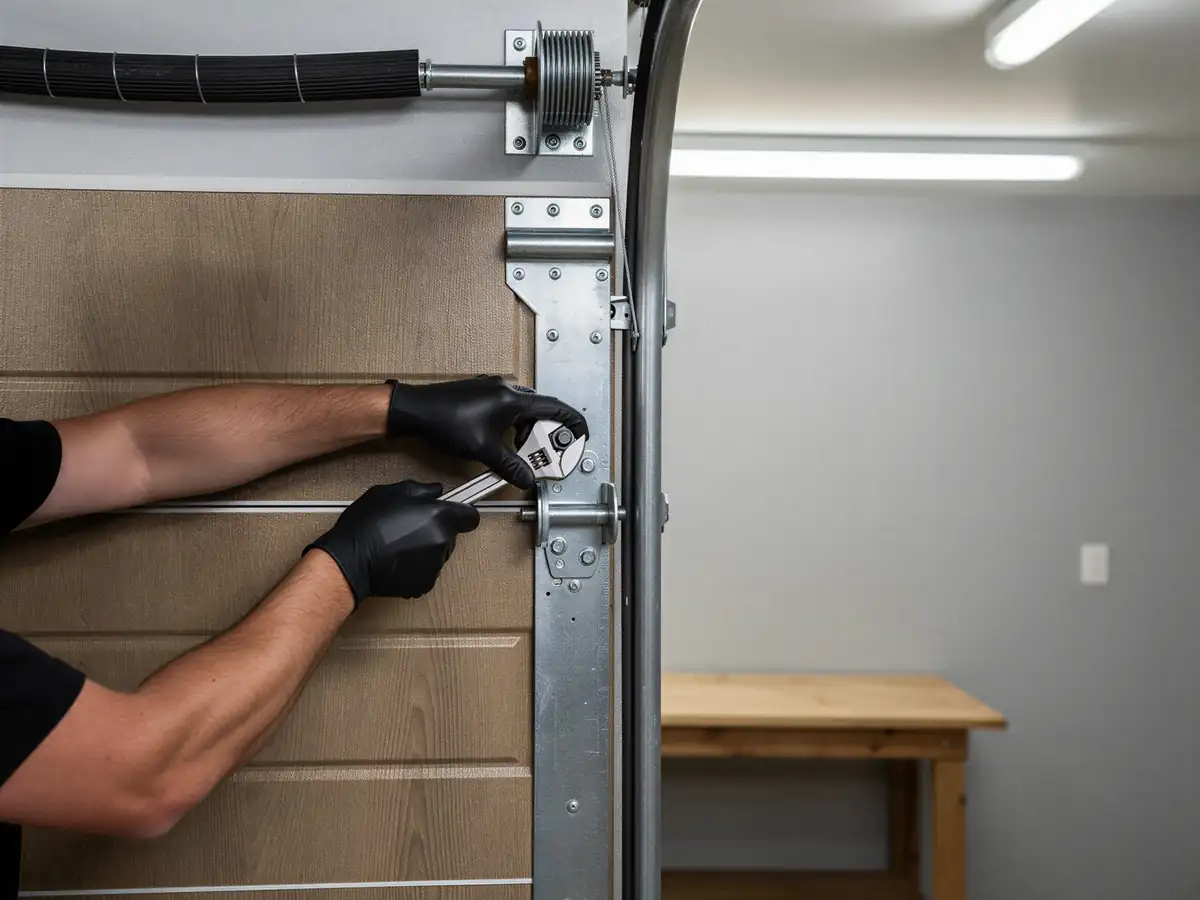
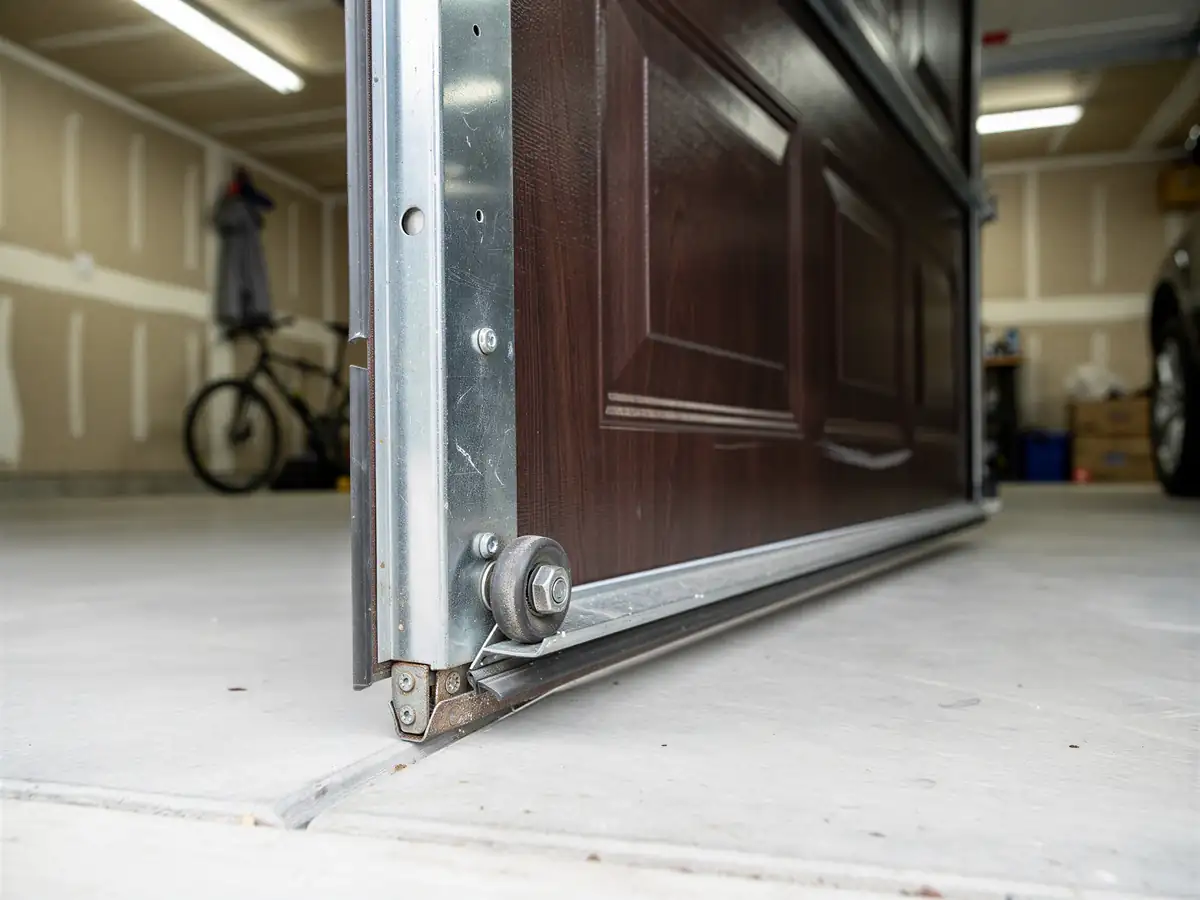
We also check the bottom brackets and hinges while we're in there. A door that's jumped track once and gets rehung without checking cable tension and hinge wear will jump again within a season, usually at the worst time. We'd rather spend the extra ten minutes than get the same call back.
The Symptom
The giveaway is usually a grinding or banging noise right before the door stalls, then it sits crooked in the opening - one corner low, daylight showing under the other. Sometimes the opener keeps straining against it, which is its own problem since a motor pulling a jammed door is how you burn out a gear set that didn't need to fail.
On a lot of the older doors we see out here, the symptom shows up gradually first: a roller starts squealing, the door rides rough for a few weeks, and then one morning it's fully off the rail. Catching it at the squeal stage instead of the jammed stage is the difference between a $40 roller job and a bent track.
The Complications
The complication that catches people off guard is what's behind the track
Older houses built when wood framing and lag bolts into non-reinforced jambs were standard have less to anchor a repaired track to than newer construction does. If the jamb wood has softened or split from years of seasonal moisture swings, a straight re-hang won't hold; we end up adding backing before the track goes back up.
Another complication
Doors from this era were often matched to openers and torsion hardware that have since been discontinued. We're honest about this one - if a part isn't available anymore, rebuilding the whole assembly with modern hardware is sometimes the only real fix, even on a door that otherwise still has life in it. That's a bigger job and a bigger bill than a roller swap, and we'll tell you straight when we're looking at that instead of a quick repair.
What Causes It Around Here
Housing in the Grass Valley service area was built mostly between 1938 and 1984, with the median landing around 1977 - and that 1960s-70s stock shows up across all 15 of the named communities we work in. Doors and track from that era were sized and hung for lighter panel doors on hardware that was never built for today's heavier insulated sections, so when someone upgrades the door but keeps the old track, the geometry is off and the rollers walk the rail over time.
Climate plays a smaller but real part too. The area sits in a mild band with occasional freeze nights, not the deep-freeze cycling that cracks concrete footings elsewhere, but enough cold-to-warm swing overnight to shrink and swell wood jambs a little each season. That slow movement loosens the lag bolts holding the track brackets, and a loose bracket is most of what sends a door off the rail. It's not dramatic weather - it's just years of small shifts on framing that's now decades old.