What the Repair Takes
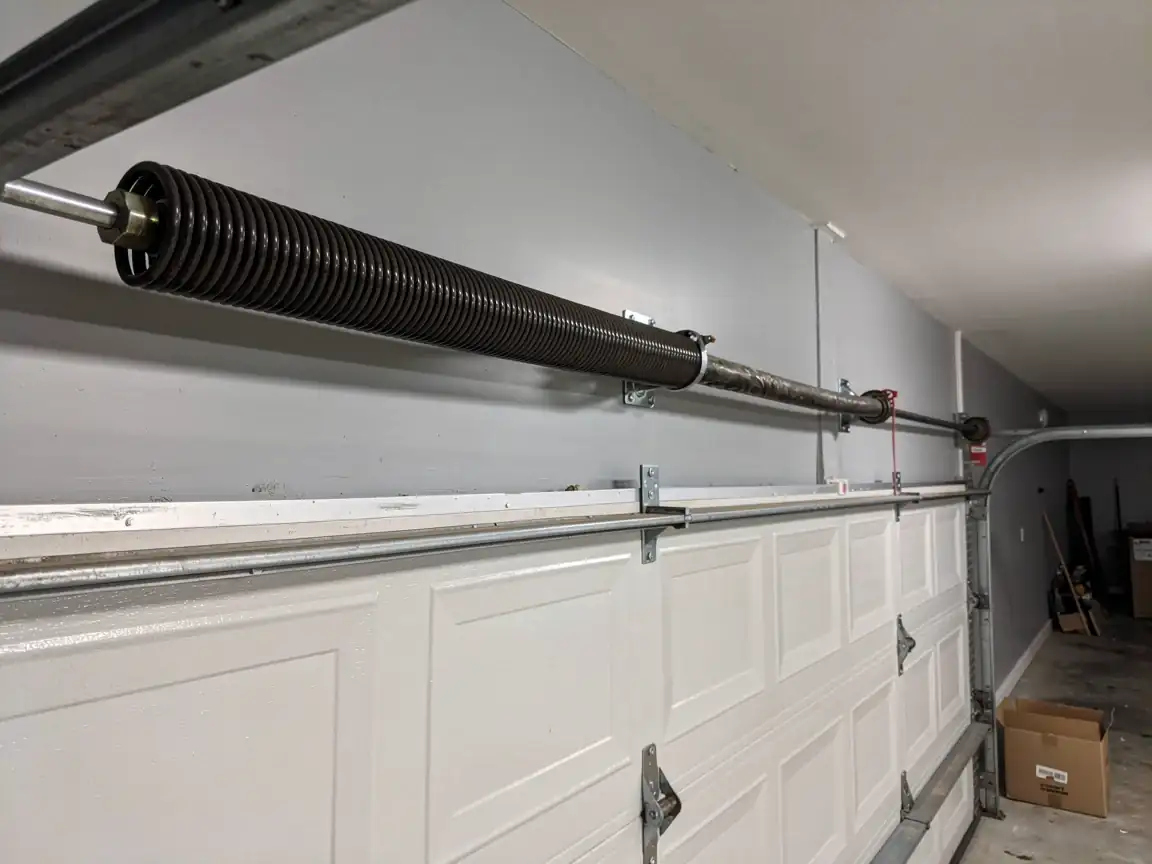
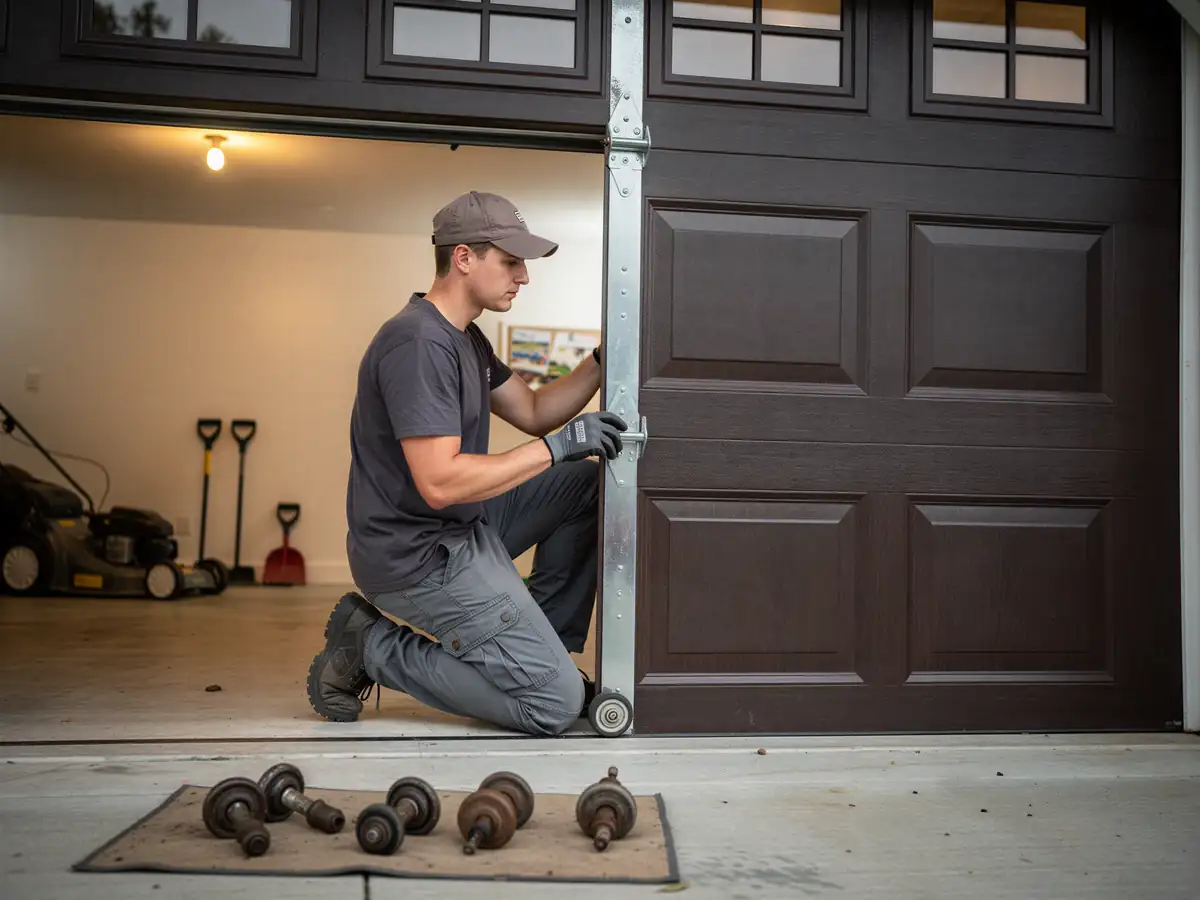
A garage door cable job starts with figuring out which cable failed and why. Most doors in this area run on torsion springs with lift cables on either side of the bottom bracket, and if one has frayed or popped, the other side is usually close behind from the same wear. We replace cables in pairs on a double door almost every time - fixing one side and leaving the other at the same age just means a second trip in a few months.
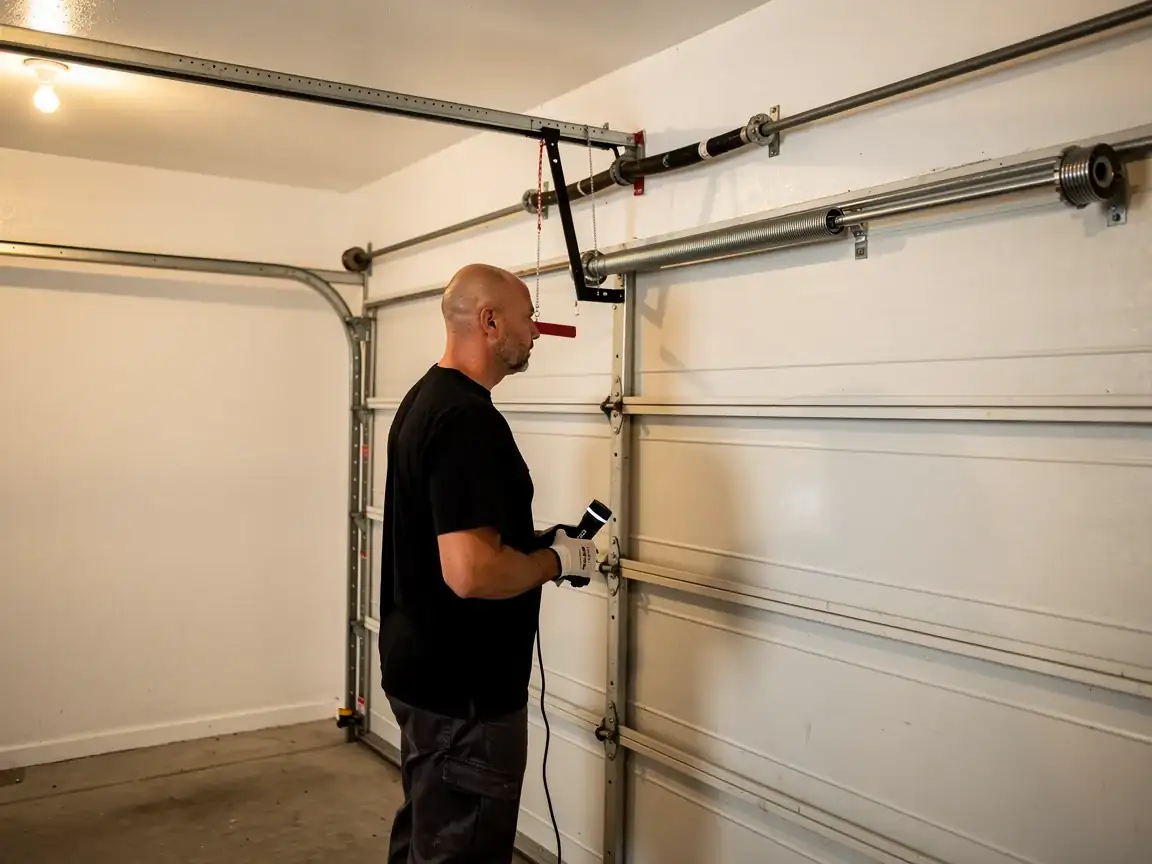
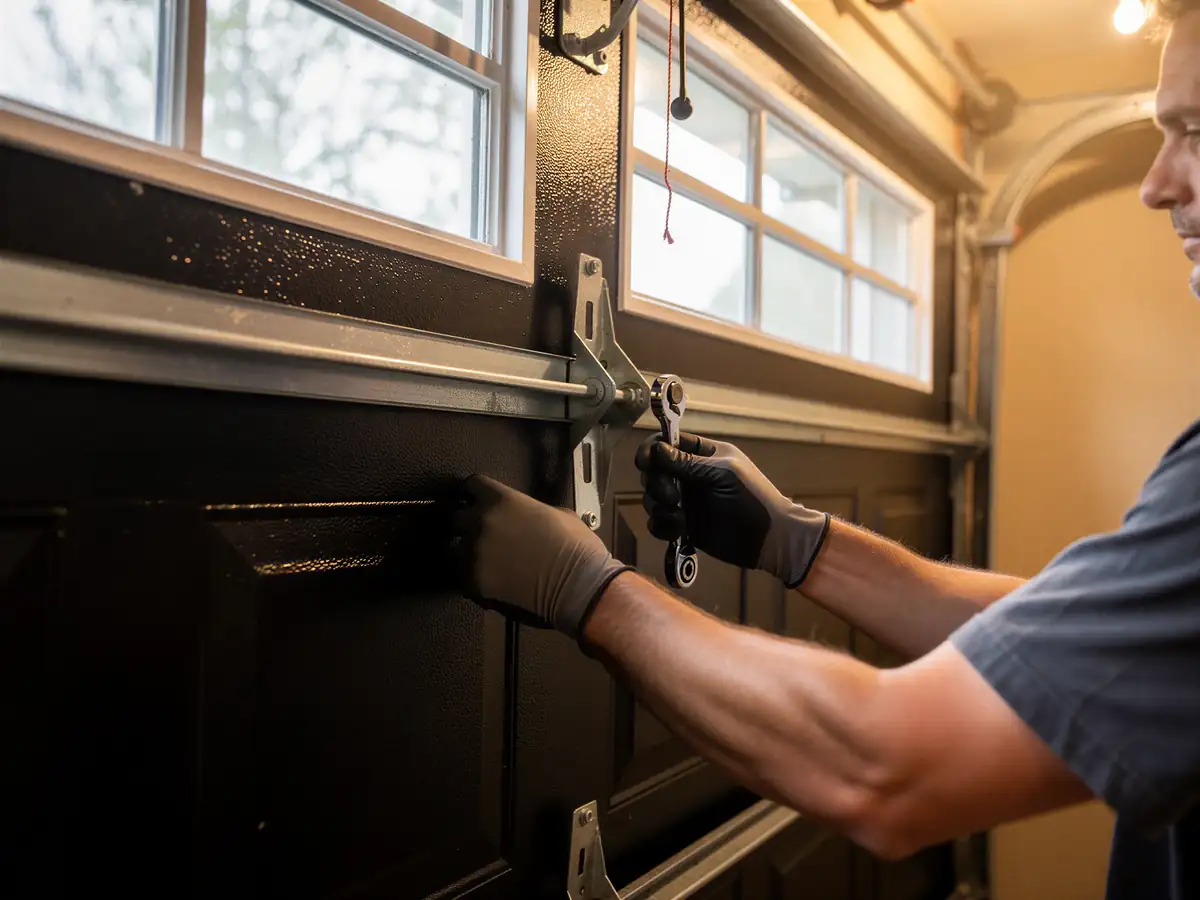
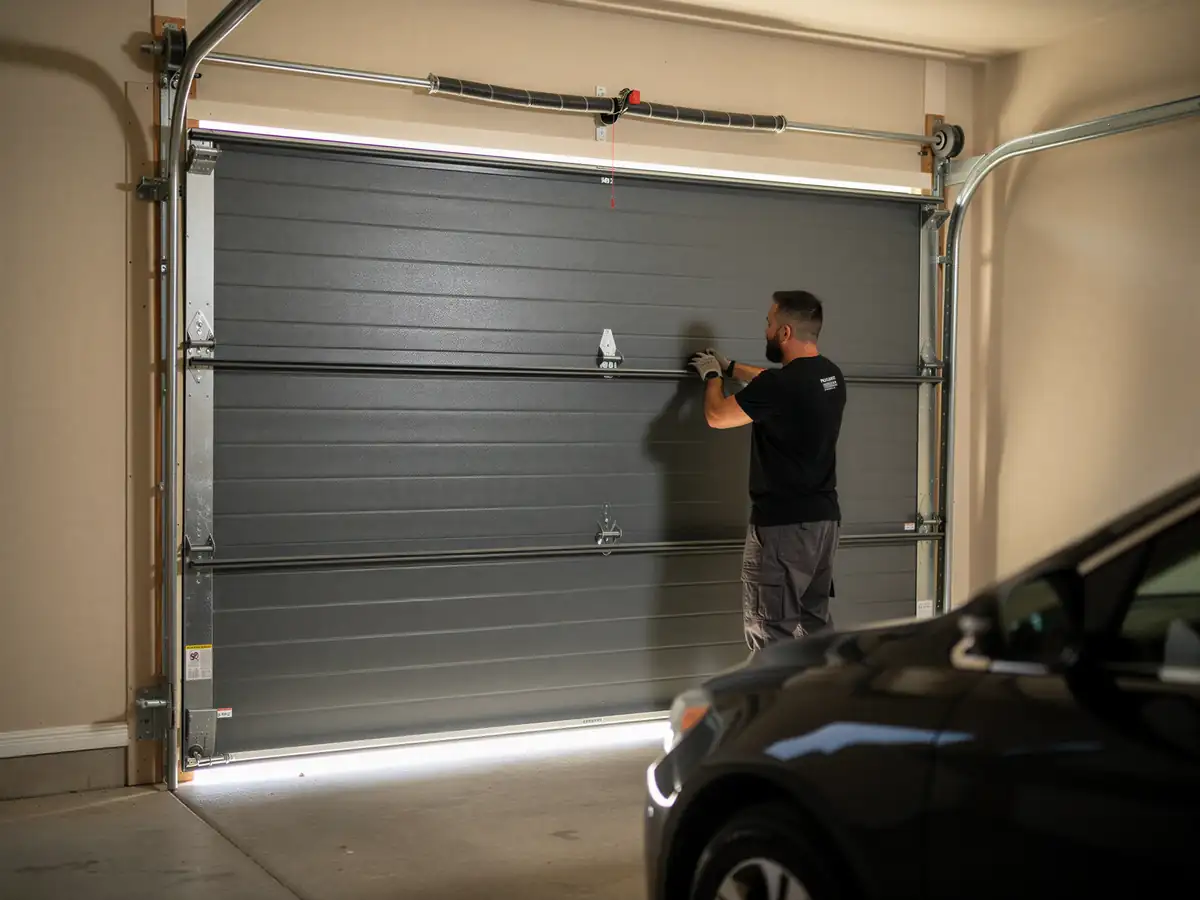
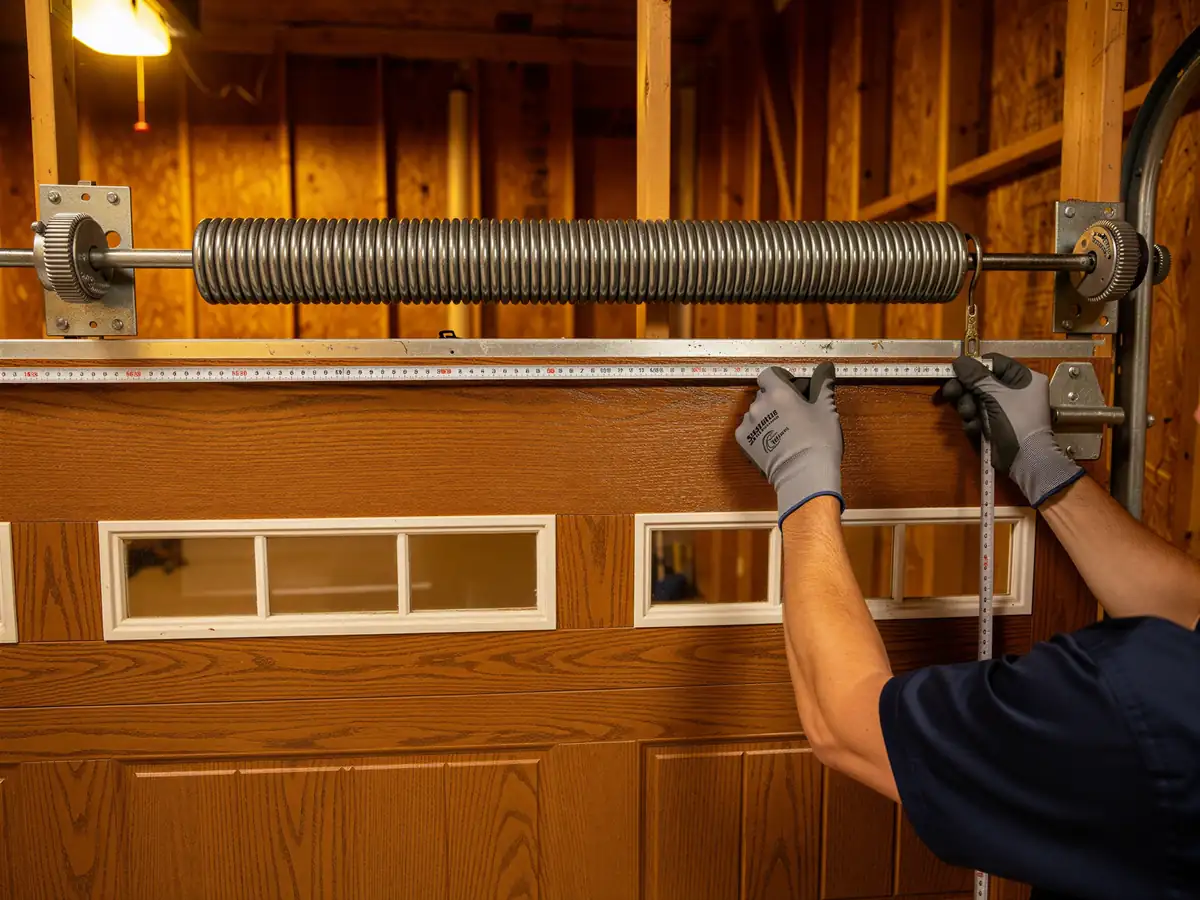
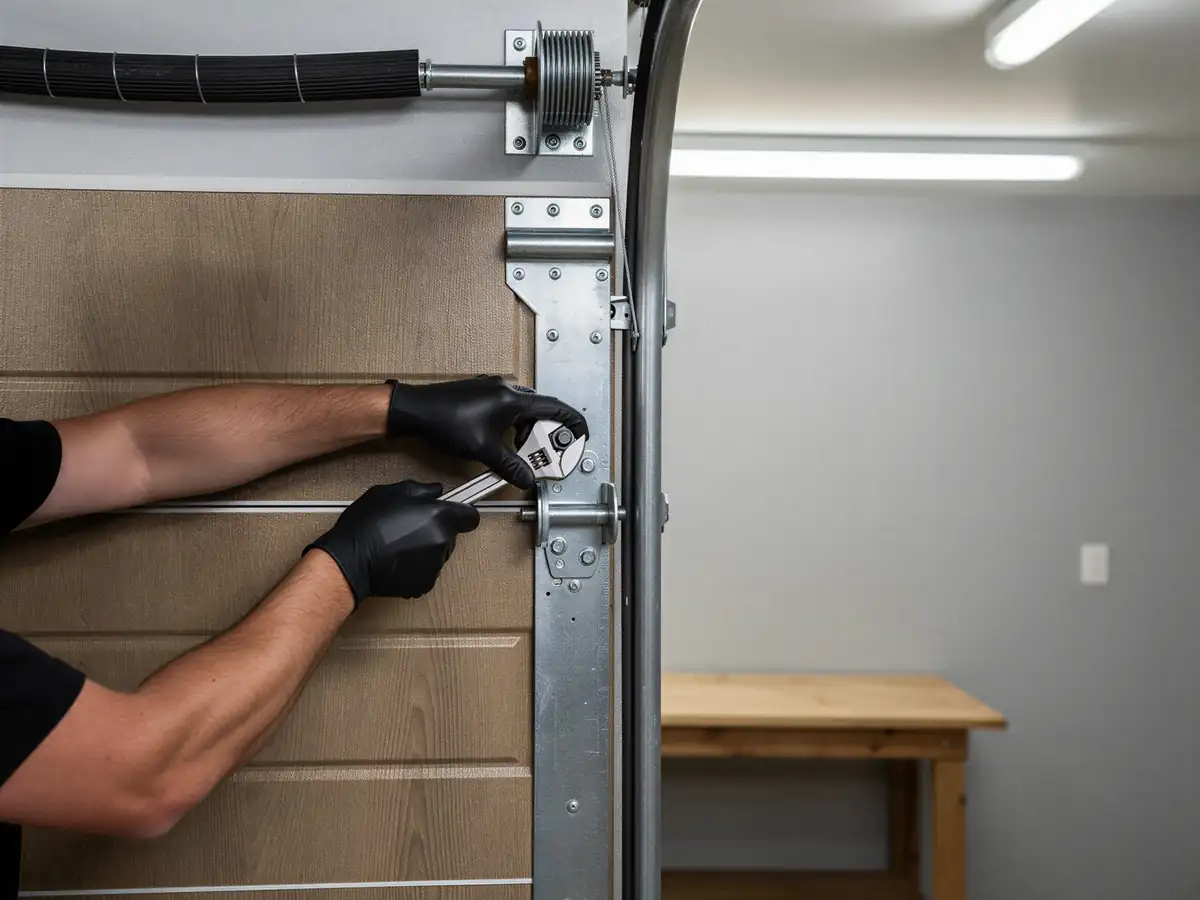
The job means releasing spring tension safely, pulling the old cable off the drum, running new galvanized aircraft cable, and re-tensioning before we test the door through a full cycle. On doors with worn drums or a bent track from running on a snapped cable, that gets fixed too, since a new cable on a damaged drum will fail again fast.
One honest limit: if the door came off its track hard enough to bend the track itself or crack a panel, cable repair alone won't fix it, and we'll tell you that instead of billing you for a cable and sending you back out in a month. Most jobs are same-day once we're on site, but a torsion spring sized for an unusual door occasionally needs to be ordered in.
The Symptom
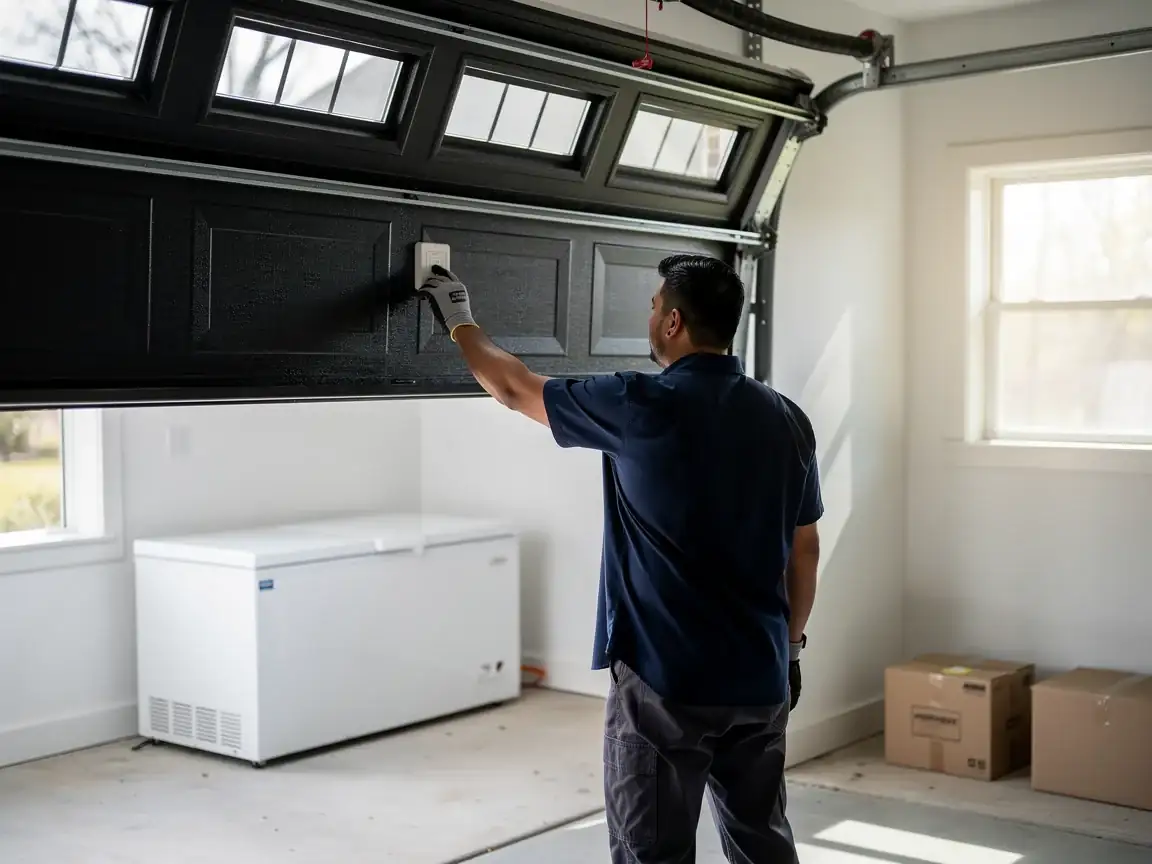
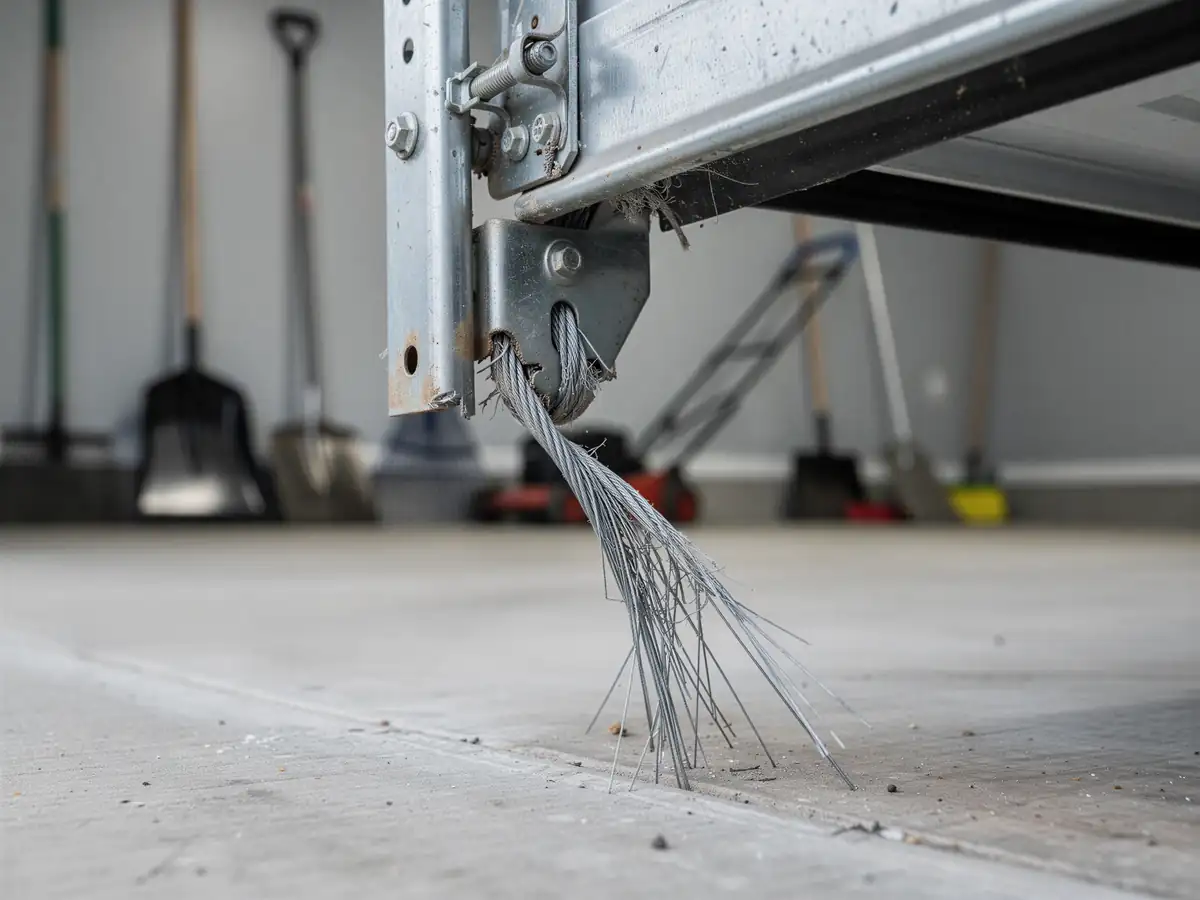
The classic sign is a door that looks fine standing still but hangs crooked the moment it starts moving, or won't move at all and just hums. If one cable has snapped, the door drops unevenly on one side - you'll see a visible gap or tilt at the bottom corner. A frayed cable that hasn't broken yet often shows as a jerky, uneven travel with a faint scraping or ticking sound near the top of the door as the strands catch on the drum.
Some owners notice it first as a loud bang: the cable lets go under spring tension and the door drops fast on that side, sometimes trapping it halfway in the opening. If that happens, don't try to force the door up or down by hand - a cable under load can whip, and a door hanging on one working cable can fall the rest of the way without warning. Leave it where it is and call it in rather than working around it, since the opener will keep trying to drive a door that physically can't travel straight.
The Complications
Cable repair gets more involved when the cable has been the symptom of something else wearing out underneath it
A drum that's worn a groove from years of cable travel will shred a brand-new cable in months. Rollers that have gone hard and stopped turning freely put extra drag on the cable every cycle, which is often the real reason it frayed in the first place.
Double garage doors complicate things further
The two cables have to carry even tension, and replacing just the one that failed, without checking or matching the other, leaves the door pulling slightly off-center every time it runs. That uneven load is usually what starts the next cable fraying.
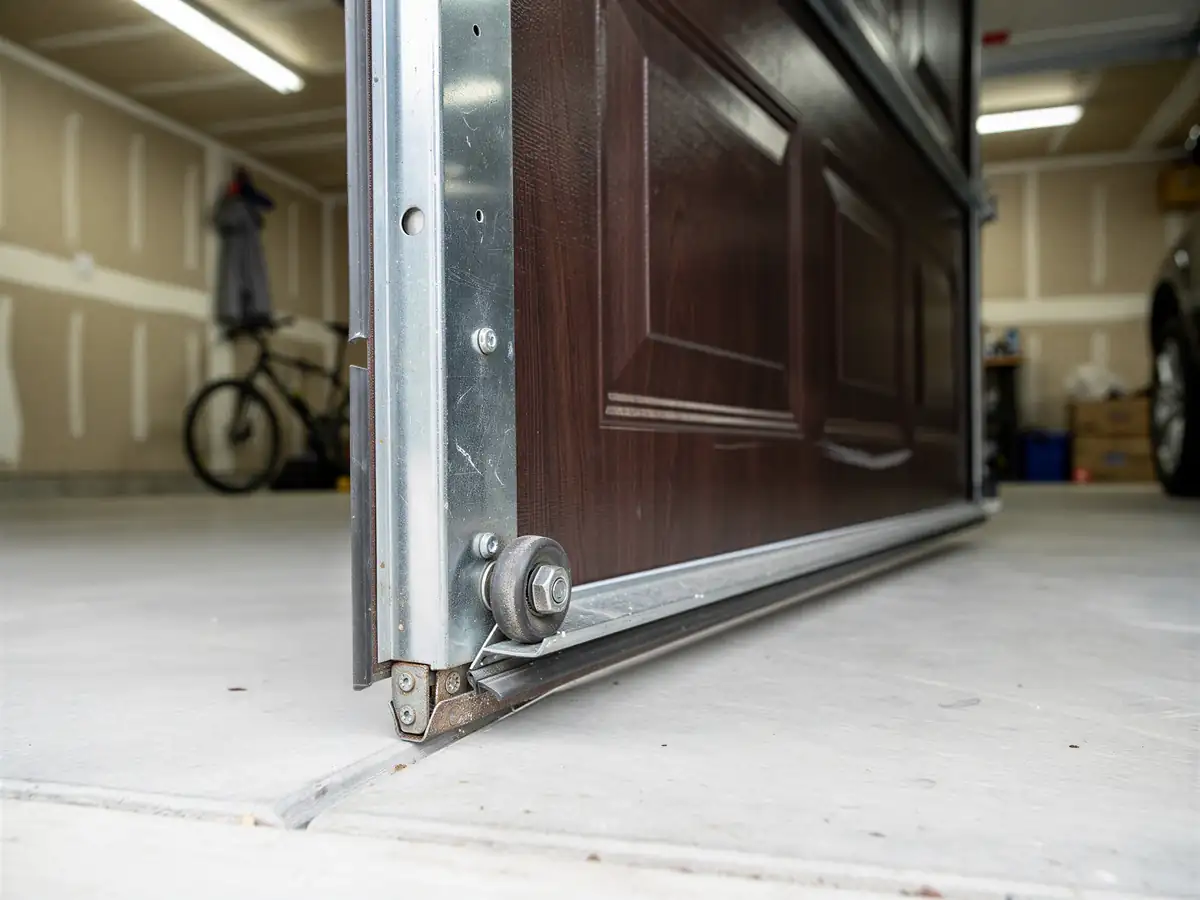
On older sectional doors, we sometimes find the bottom bracket itself worn where the cable sits
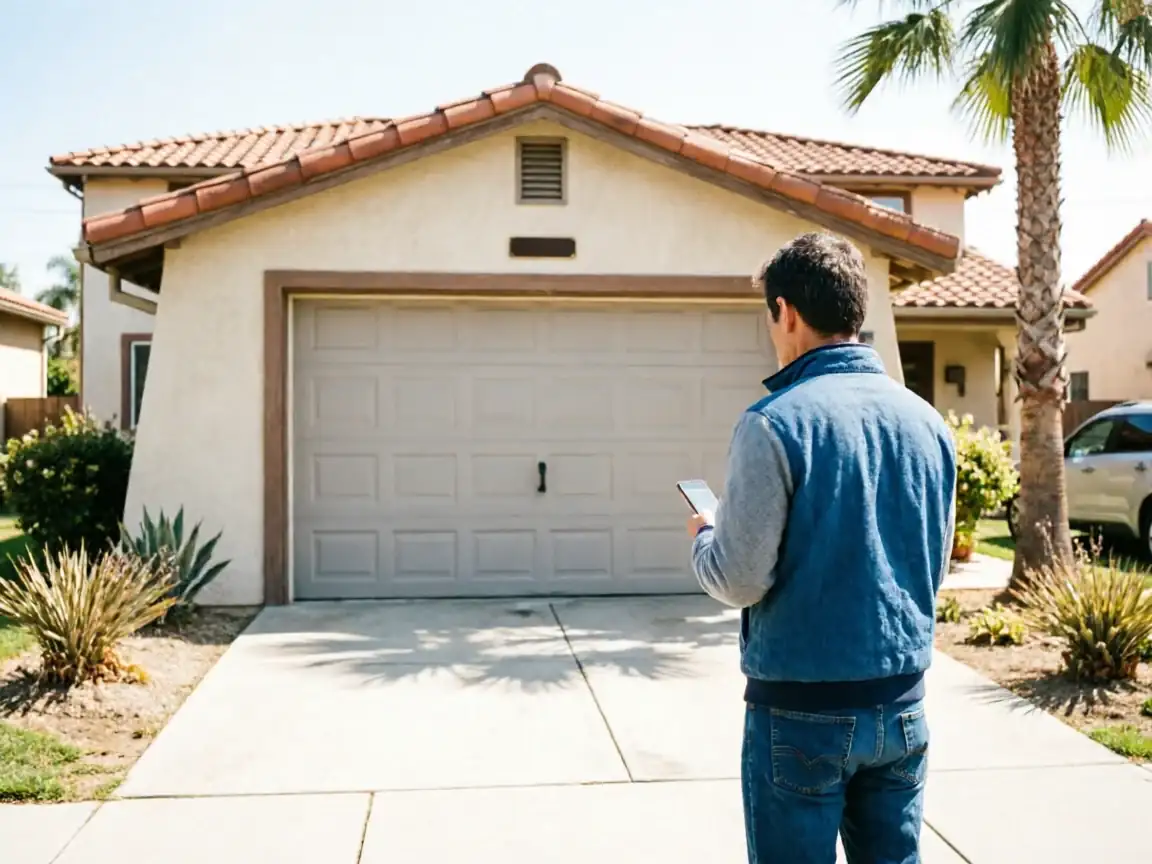
Which changes how the new cable needs to be seated. None of this is visible from the driveway - it only shows up once the door is open and the spring tension is released, which is part of why a cable repair quote can shift once we're actually looking at the hardware instead of guessing from a phone description.
What Causes It Around Here
A lot of the garage doors we work on in the Grass Valley area were put up between 1938 and 1984, with the bulk of that stock dating to the 1960s and '70s across the fifteen named communities we cover, from Nevada City and Rough and Ready in close to Foresthill and Camptonville further out. Original hardware on houses that age has had decades of cycles on the same cable and drum, and a lot of it was never upgraded when the opener was swapped out at some point along the way.
The climate band here is mild with occasional freeze, which isn't brutal on steel the way a true freeze-thaw region is, but the swing between damp winter mornings and dry summer heat still works on galvanized cable coating over time, and once that coating starts to go, the strands underneath rust and fray faster than they would in a steadier climate. Across the roughly 12,417 households in the service area, with around 9,353 of those in owner-occupied houses, cable wear tied to original-era hardware is one of the most common calls we get - more common, honestly, than opener failures.