What That Means for Doors
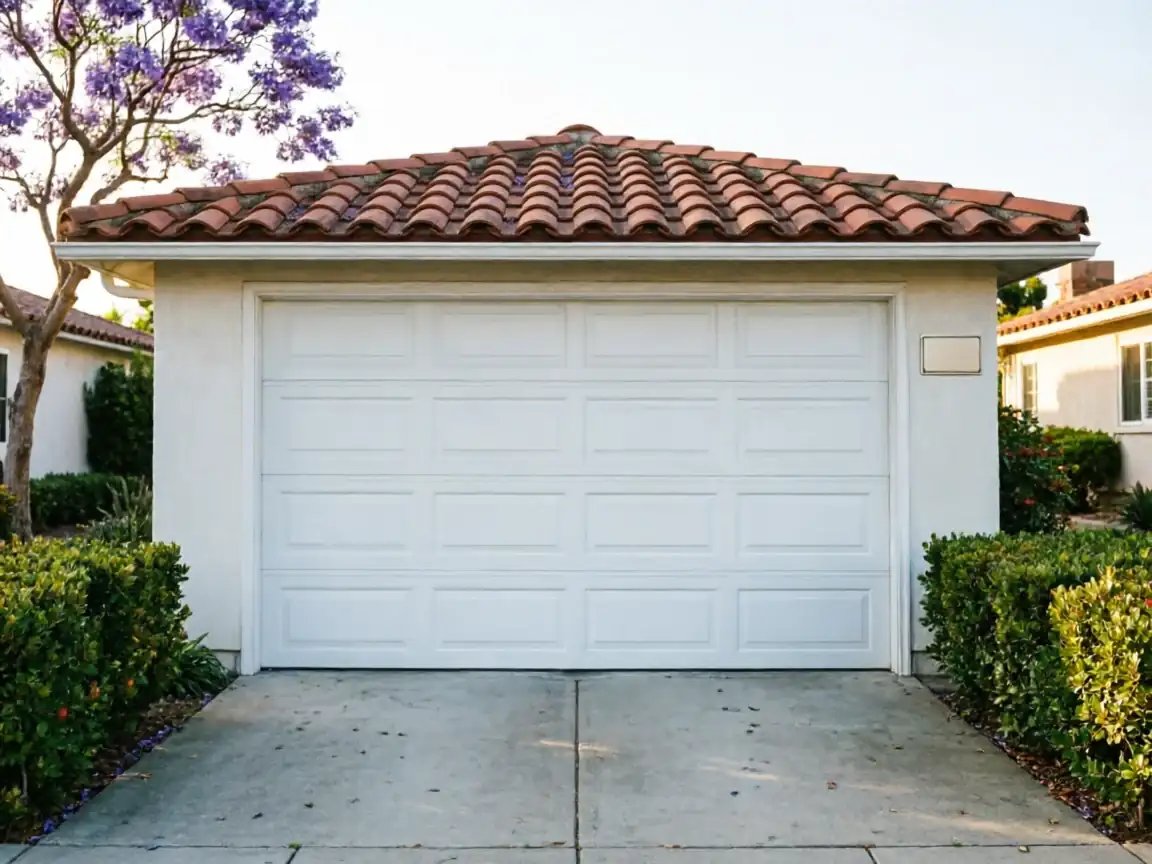
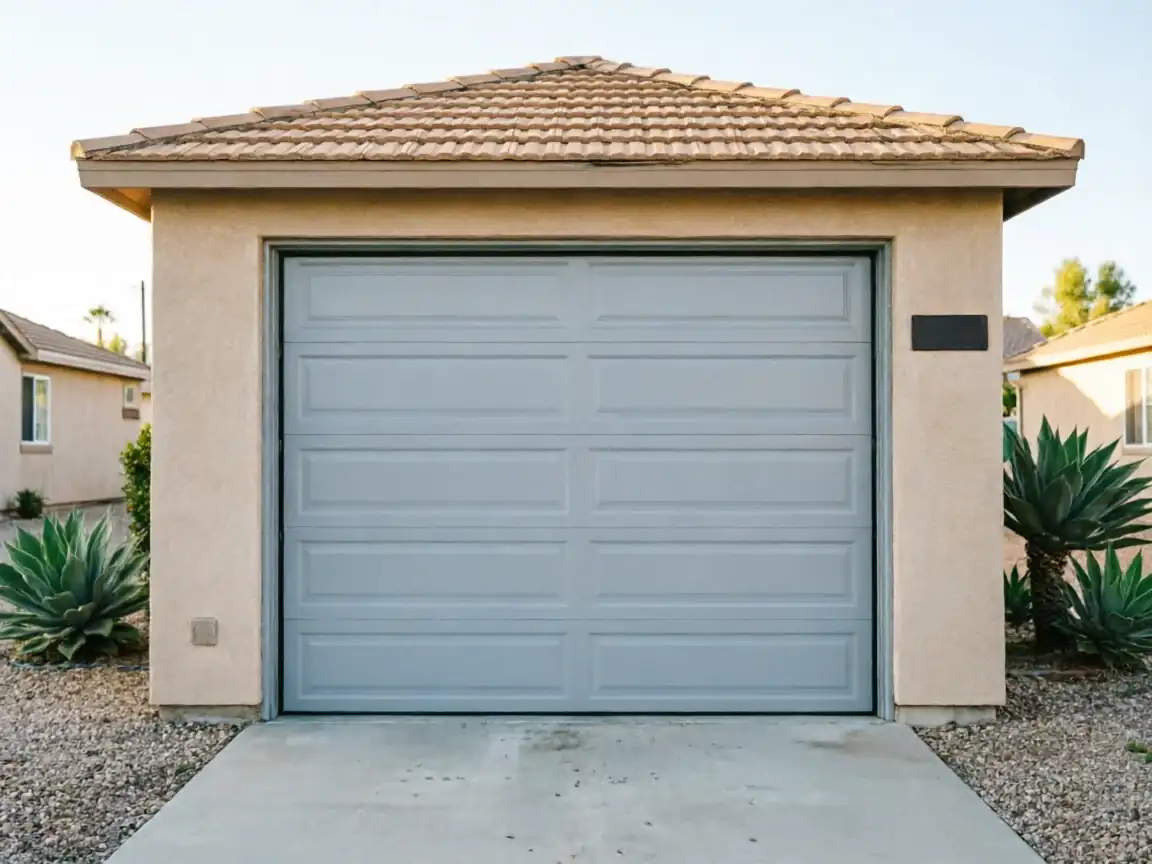
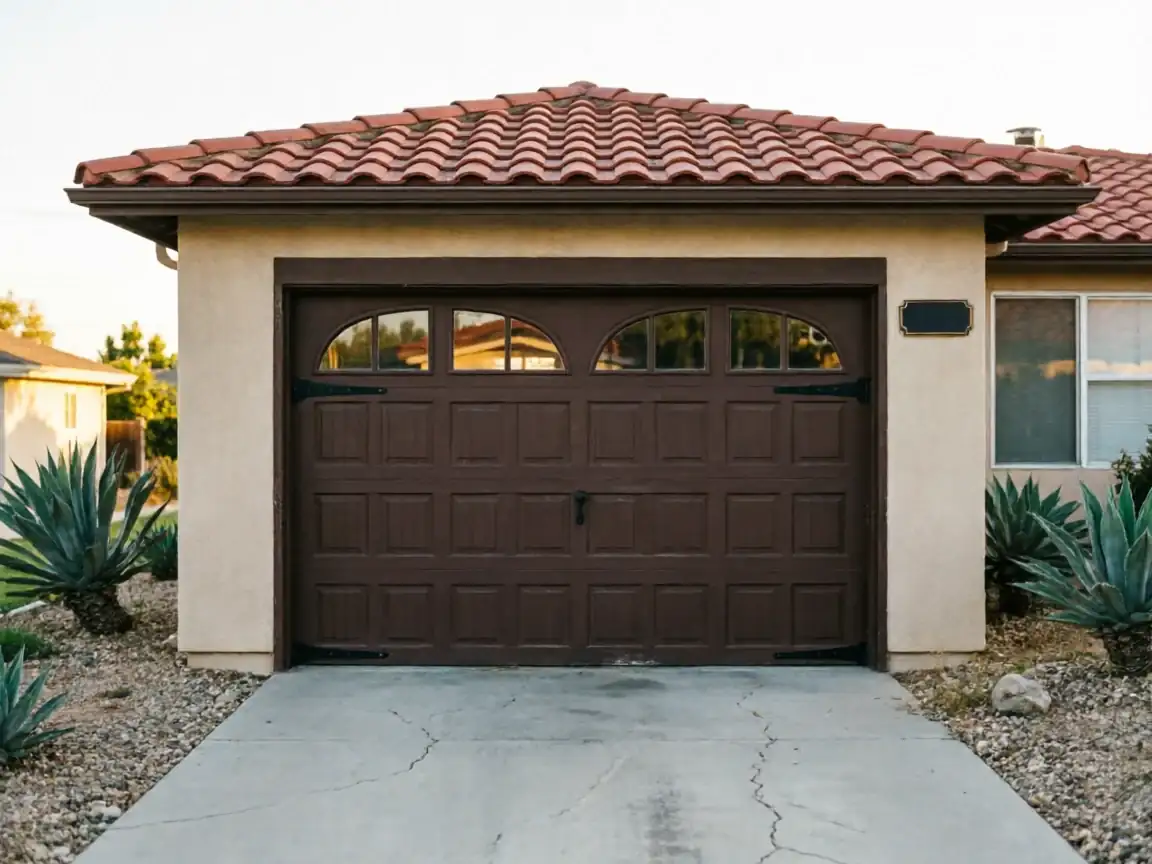
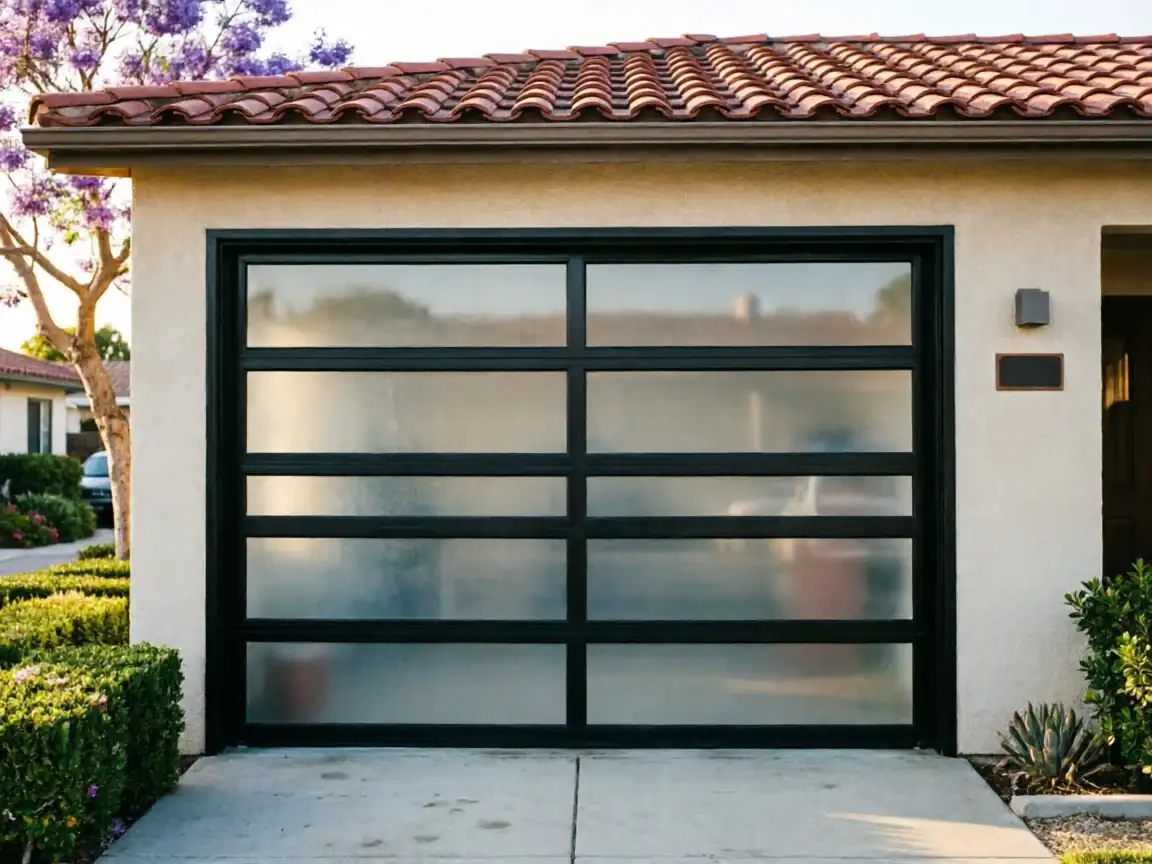
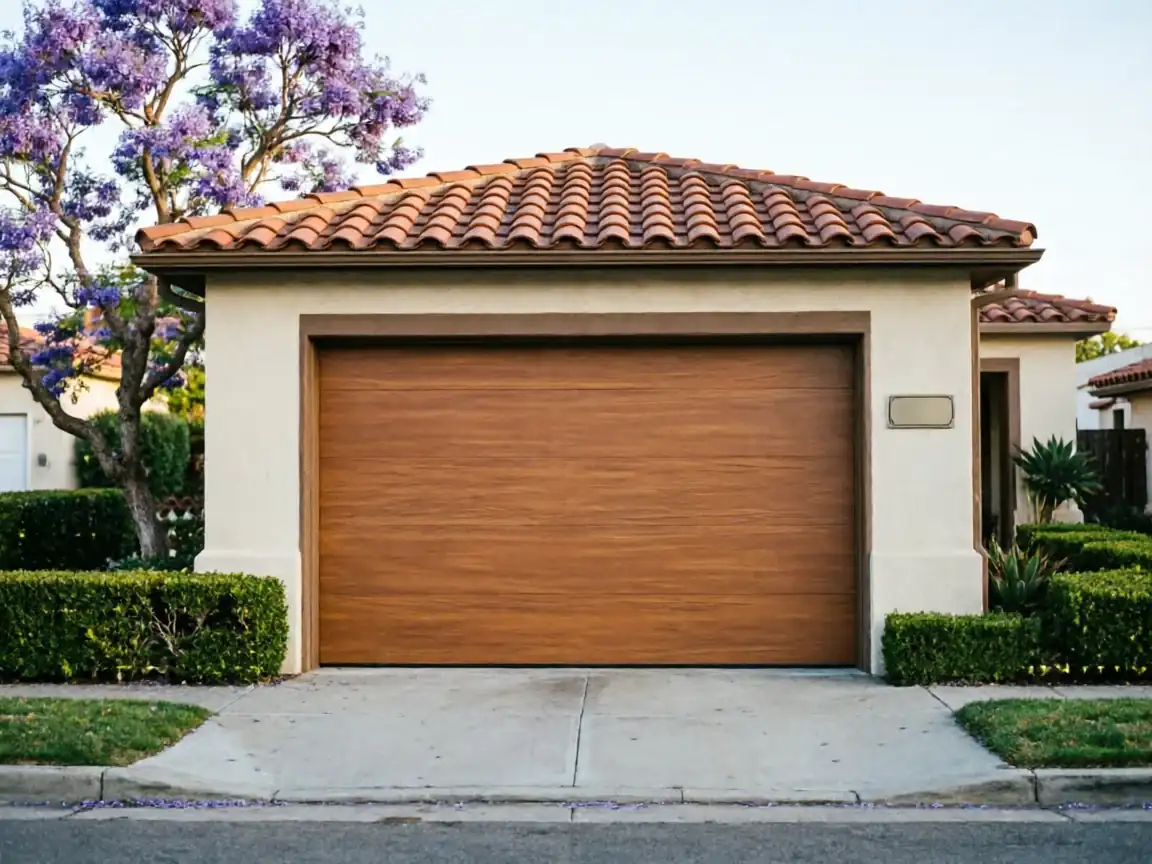
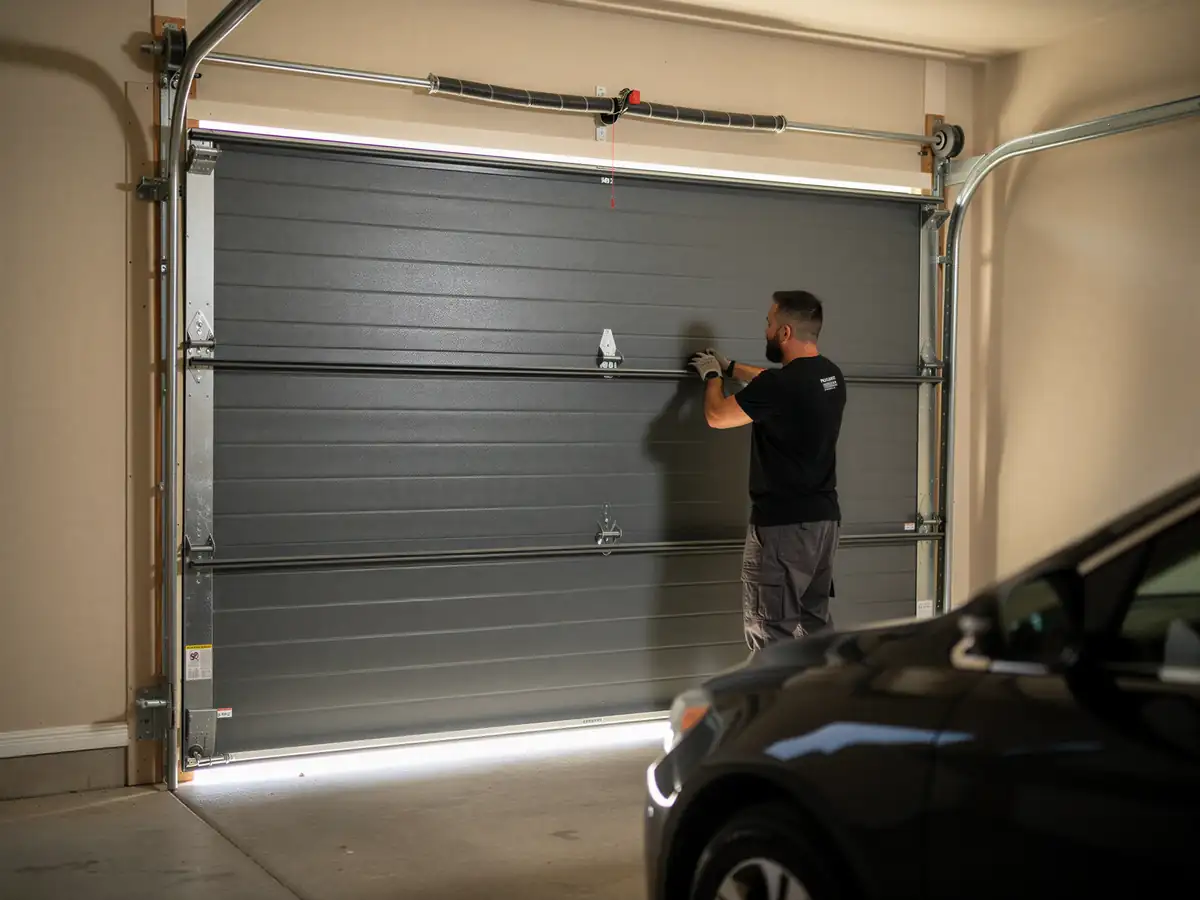
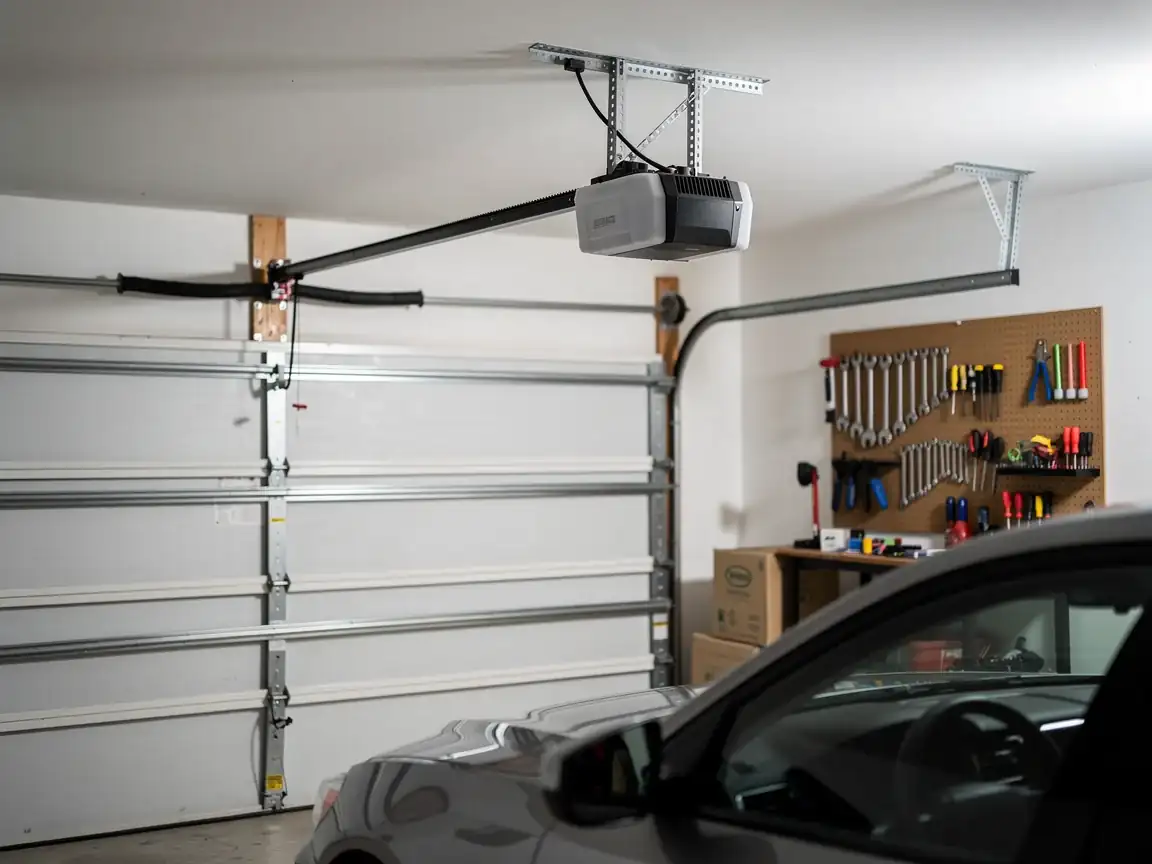
Nevada City's median home dates to 1947, three decades older than the 1977 median across our wider coverage area. That gap matters more than it sounds. A house built in 1947 almost never came with the garage door it has now - somebody replaced it decades ago, probably more than once, and the opener bolted onto the header is likely a retrofit that doesn't match the original framing.
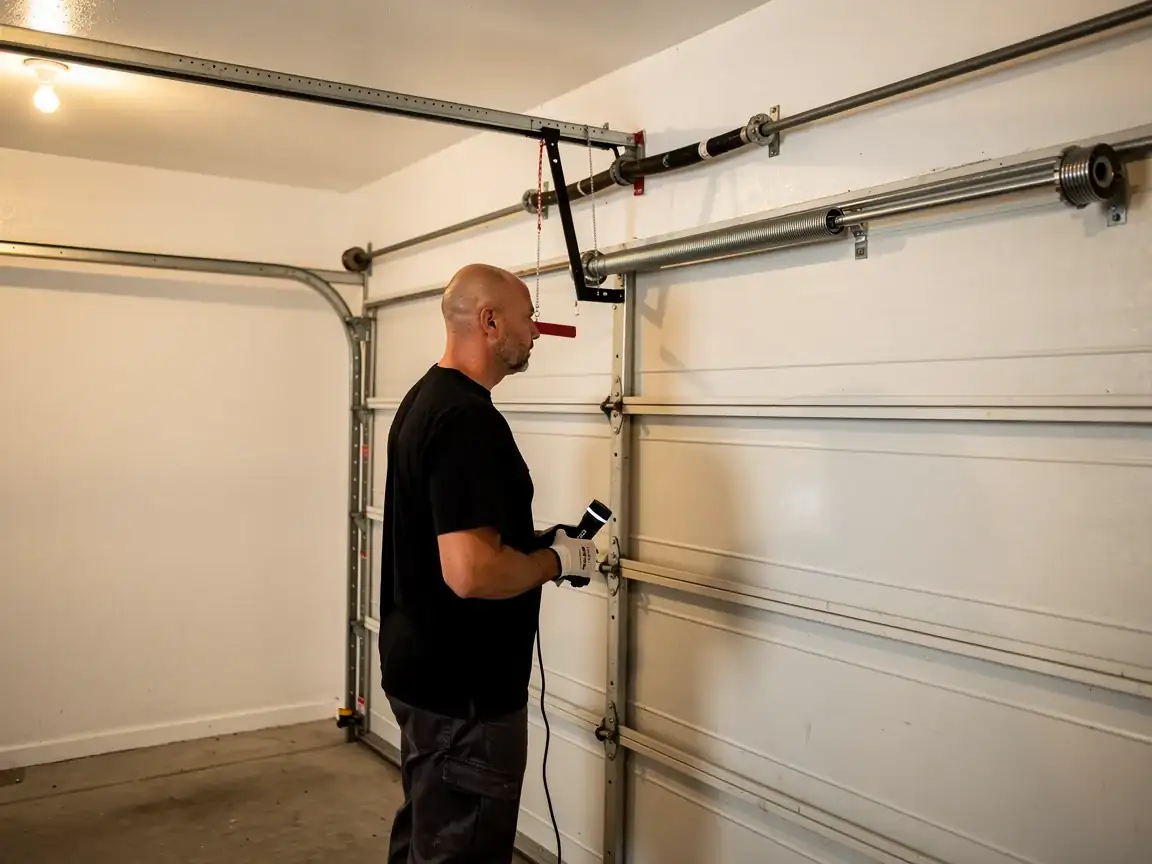
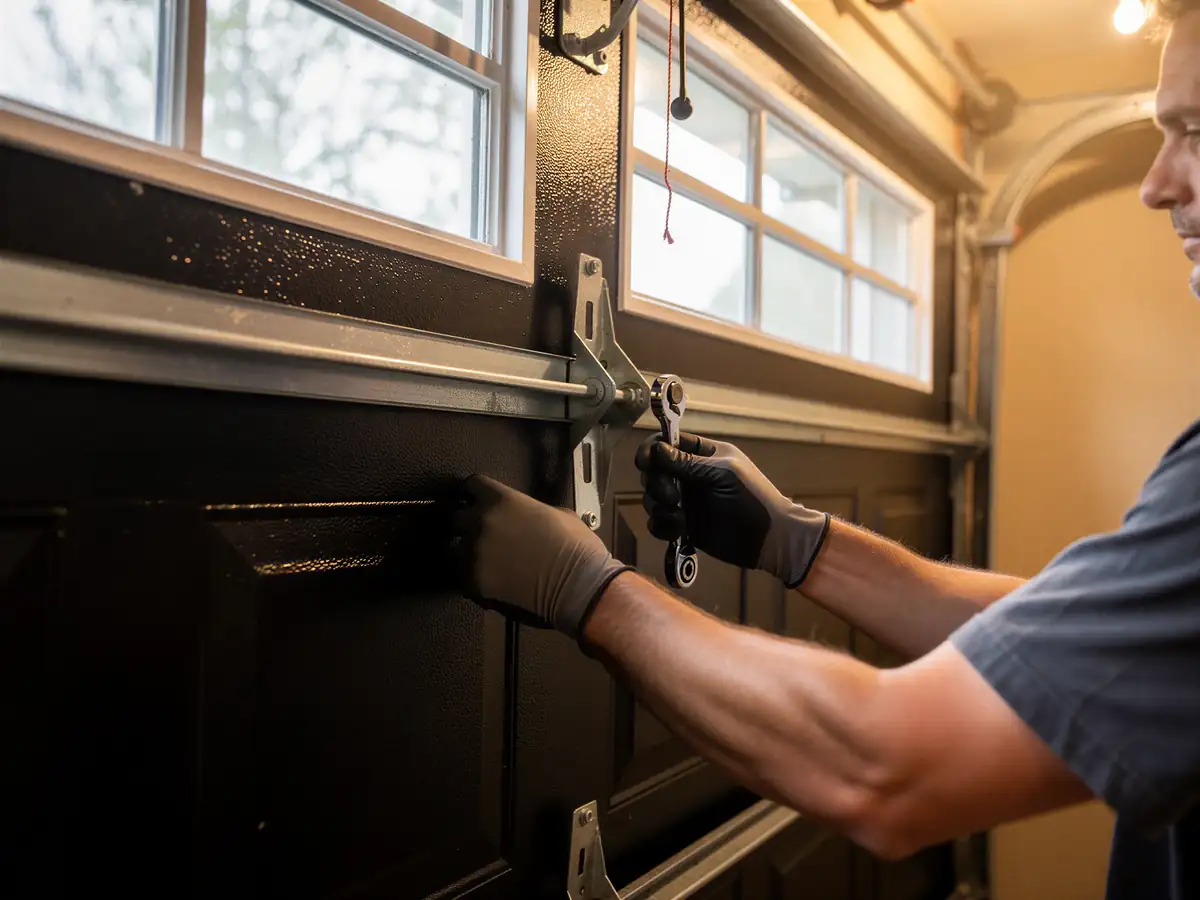
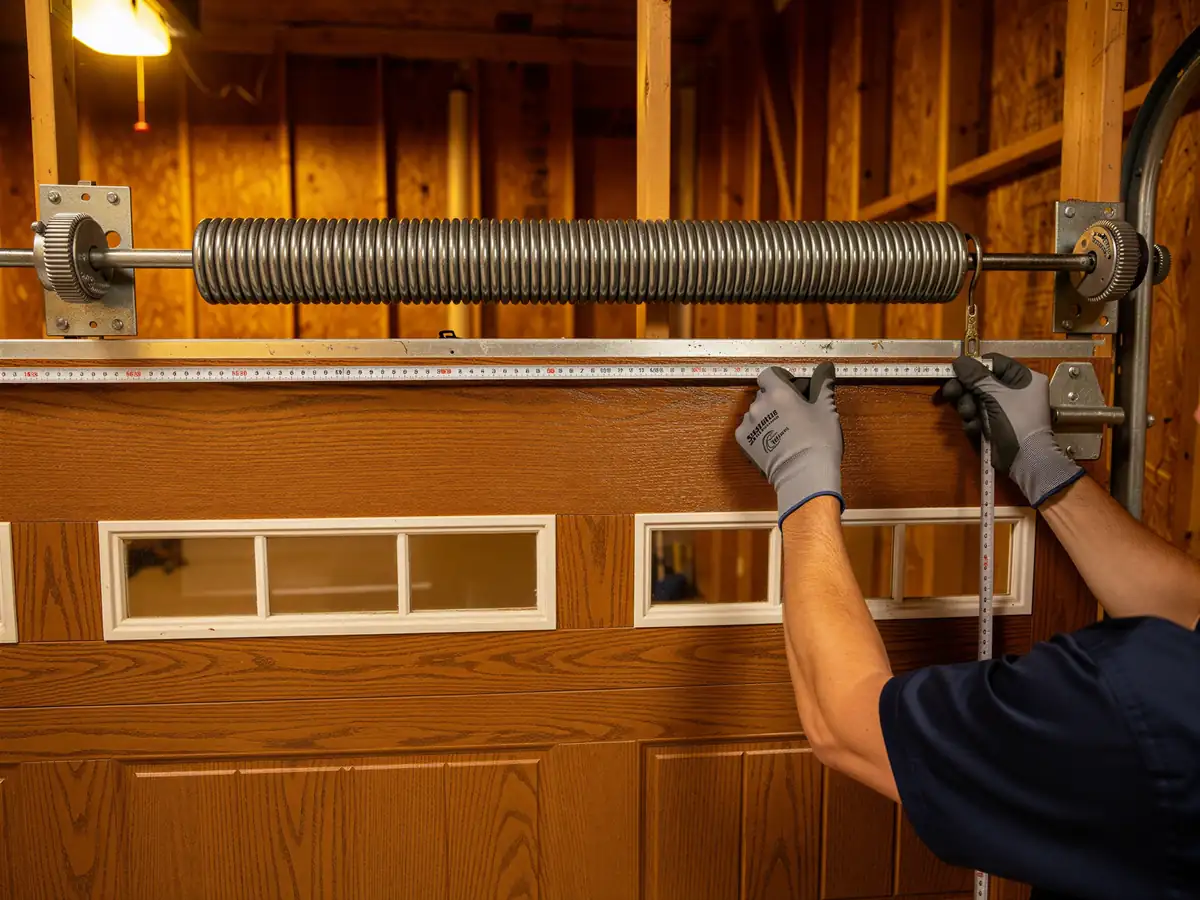
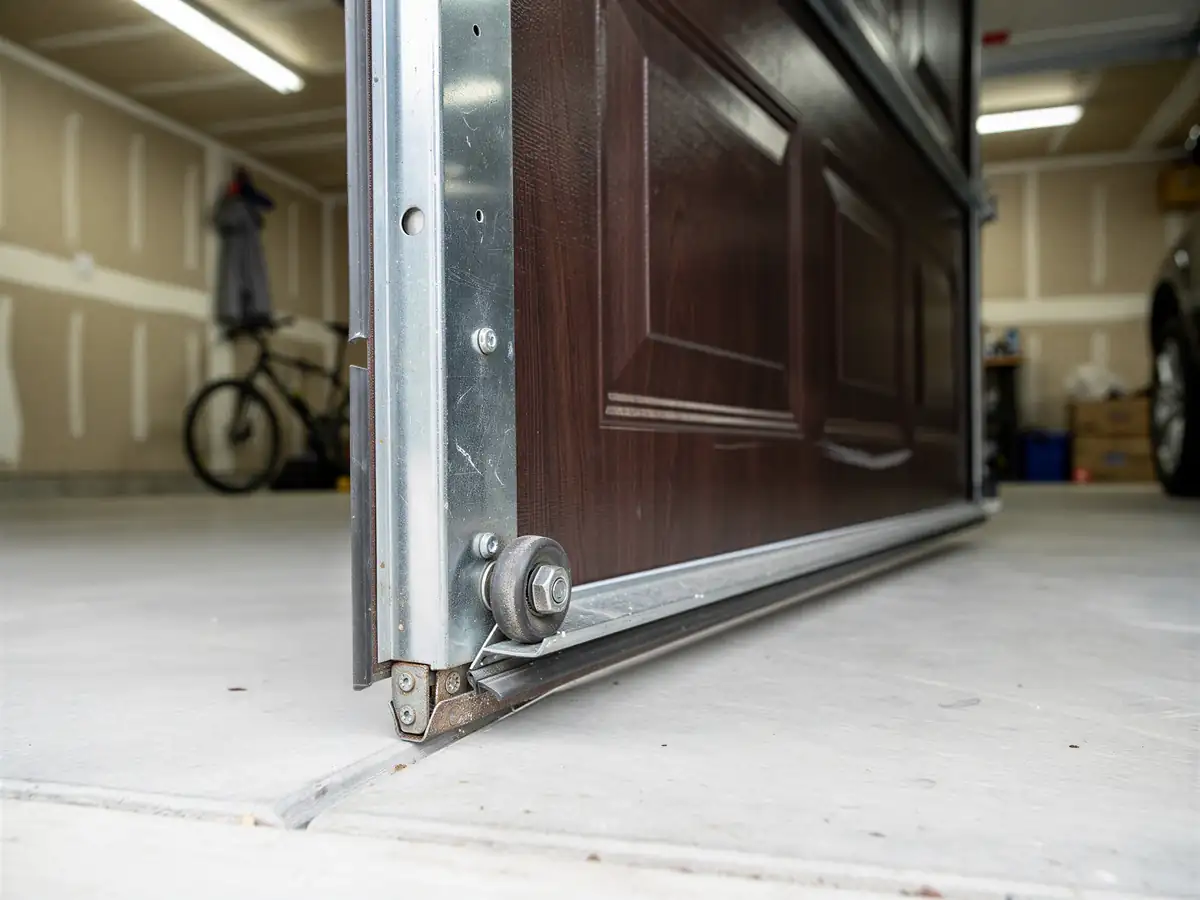
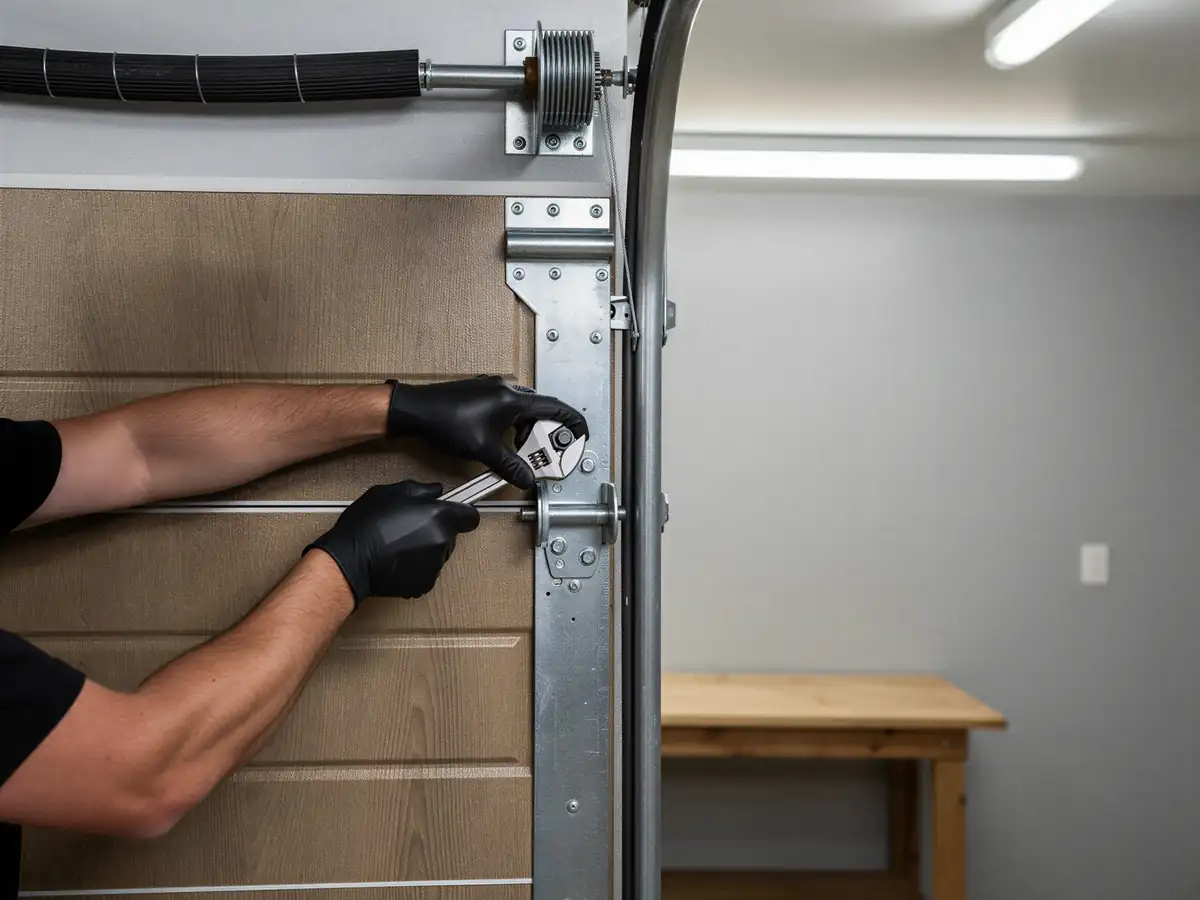
What we see on these jobs: short, narrow single-car openings built before double-wide garages were standard, odd header heights that don't fit modern standard-size doors without trim work, and wiring runs added well after the house went up, sometimes run along furring strips instead of real conduit. Torsion springs on these are commonly non-standard length because somebody years ago fit what was on hand.
We won't pretend every one of these is a quick swap. If the opening itself is undersized for anything currently made, a straight panel replacement isn't always possible without carpentry we don't do - that's a call for a contractor, and we'll tell you so rather than force a fit that won't track right.
The Split Between Old and New
Across the broader service area the housing stock runs 1960s-70s, mild climate with occasional freeze, and that's the baseline our trucks are set up for. Nevada City sits outside that baseline. With a median build year of 1947 and only 1,303 households in the area itself, it's a small, old pocket inside a much newer surrounding region.
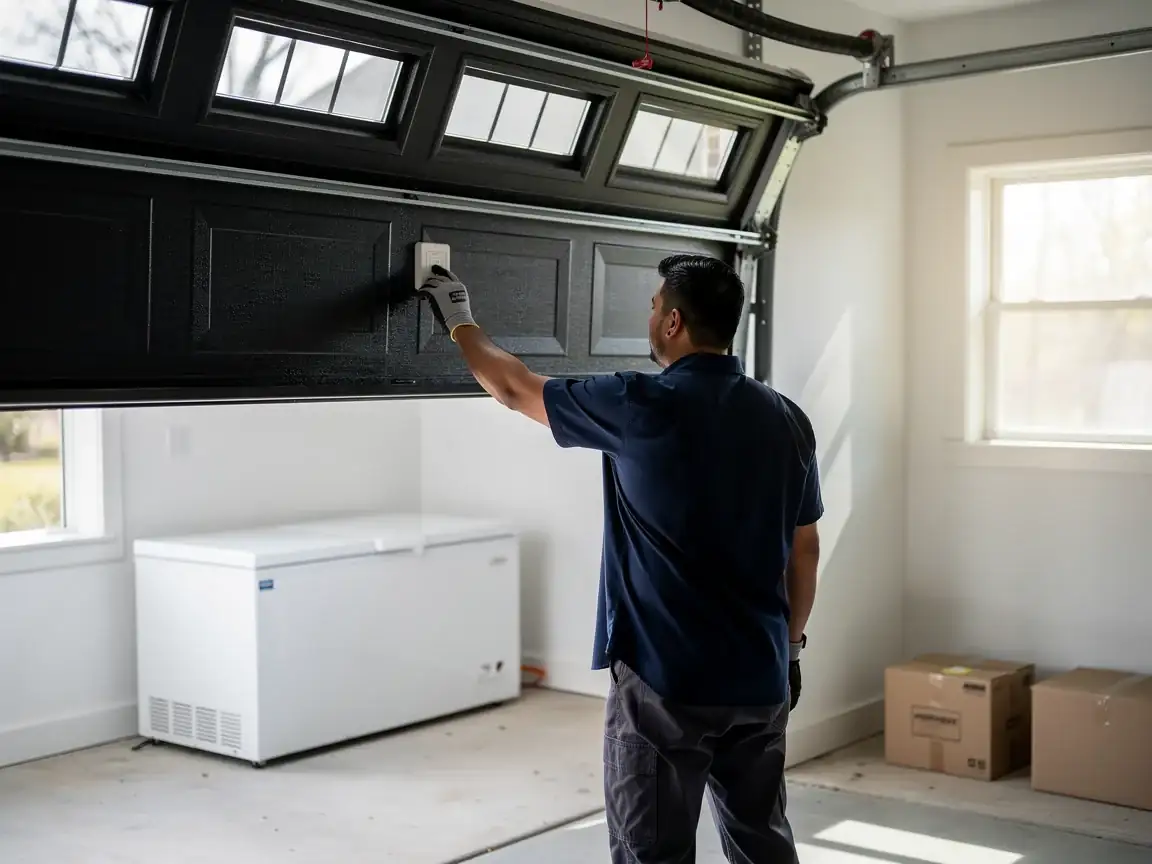
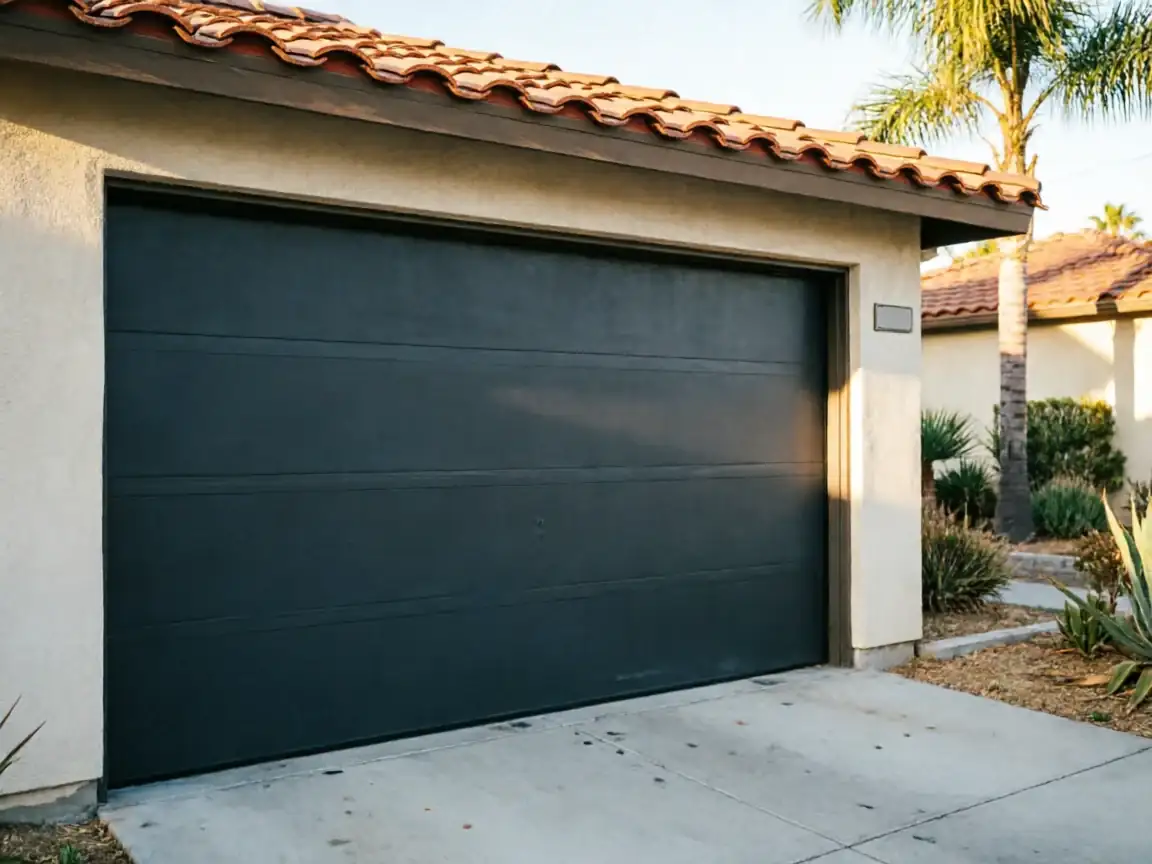
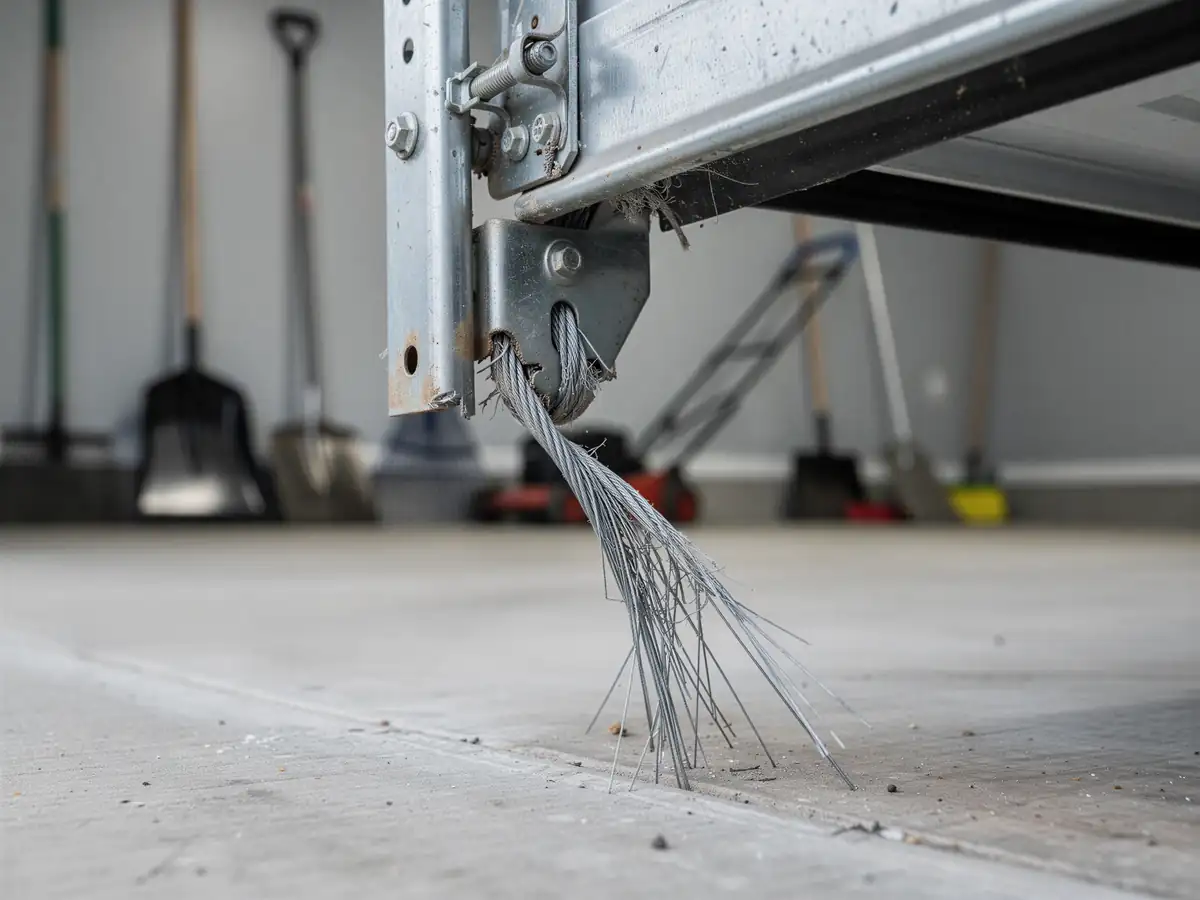
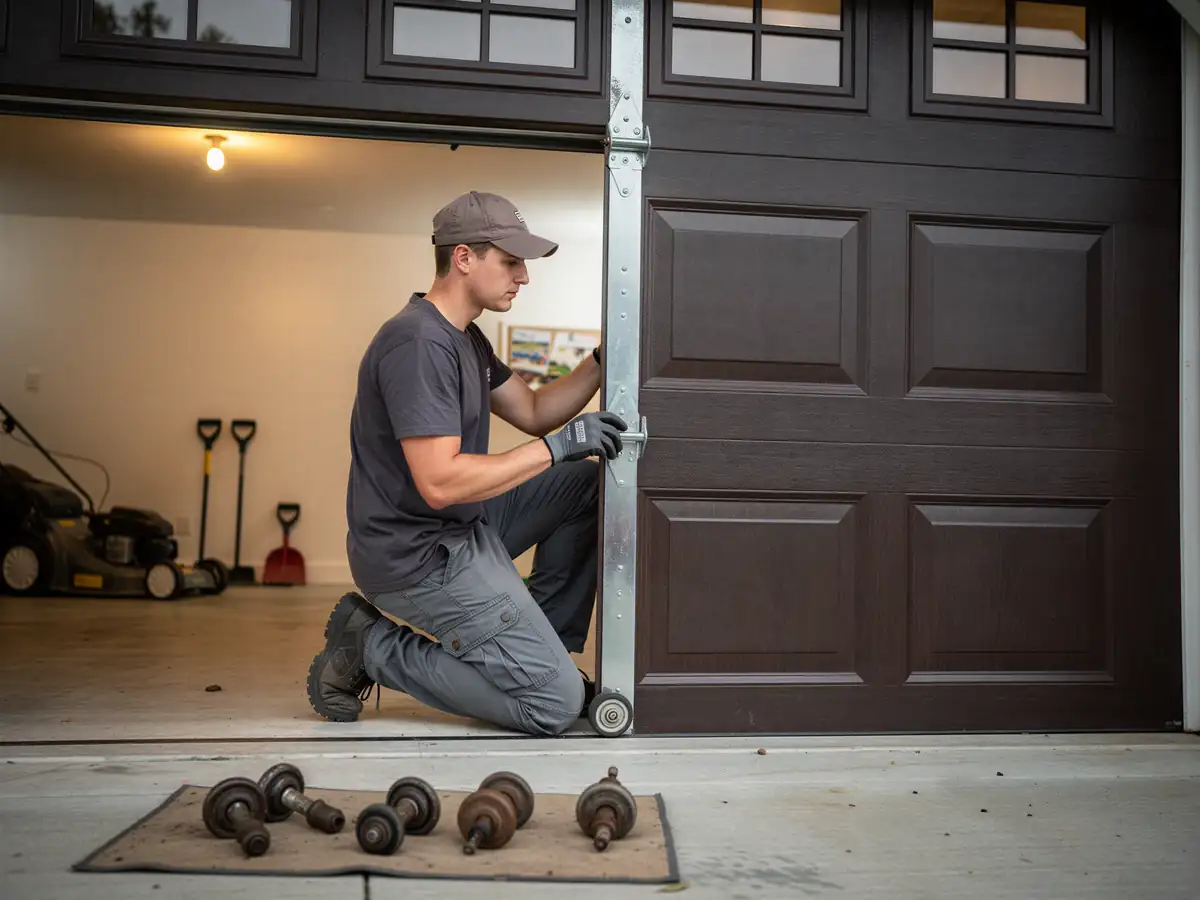
The practical split: newer stock elsewhere means steel sectional doors on standard torsion springs, parts we carry stock sizes for. Nevada City's older stock means more one-off installs - doors that were resized, re-hung, or adapted to openings that predate the two-car garage norm. We bring both kinds of hardware on the truck because we don't know which one we're walking into until we're on site.
Median household income here runs $69,552, below the wider area's $91,135. That doesn't change what a spring costs, but it does shape what we recommend first - a spring or roller repair on an older door that's otherwise sound, rather than pushing a full replacement when the door itself still has life in it.
Getting Here
Nevada City is 3 miles from Grass Valley
The closest of the fifteen communities we reach from there. That's a short run, which keeps the trip itself from adding much to a job.
- 3 miles
We don't keep a depot or crew stationed in Nevada City
Every job here means a truck coming from Grass Valley, same as it does for Rough and Ready at 5 miles or Alta Sierra at 6. The distance is short enough that it rarely affects scheduling one way or the other, but it's worth knowing we're not already around the corner - we're close, not local in the sense of having a shop on your street.
- 5 miles
What Was Built Here
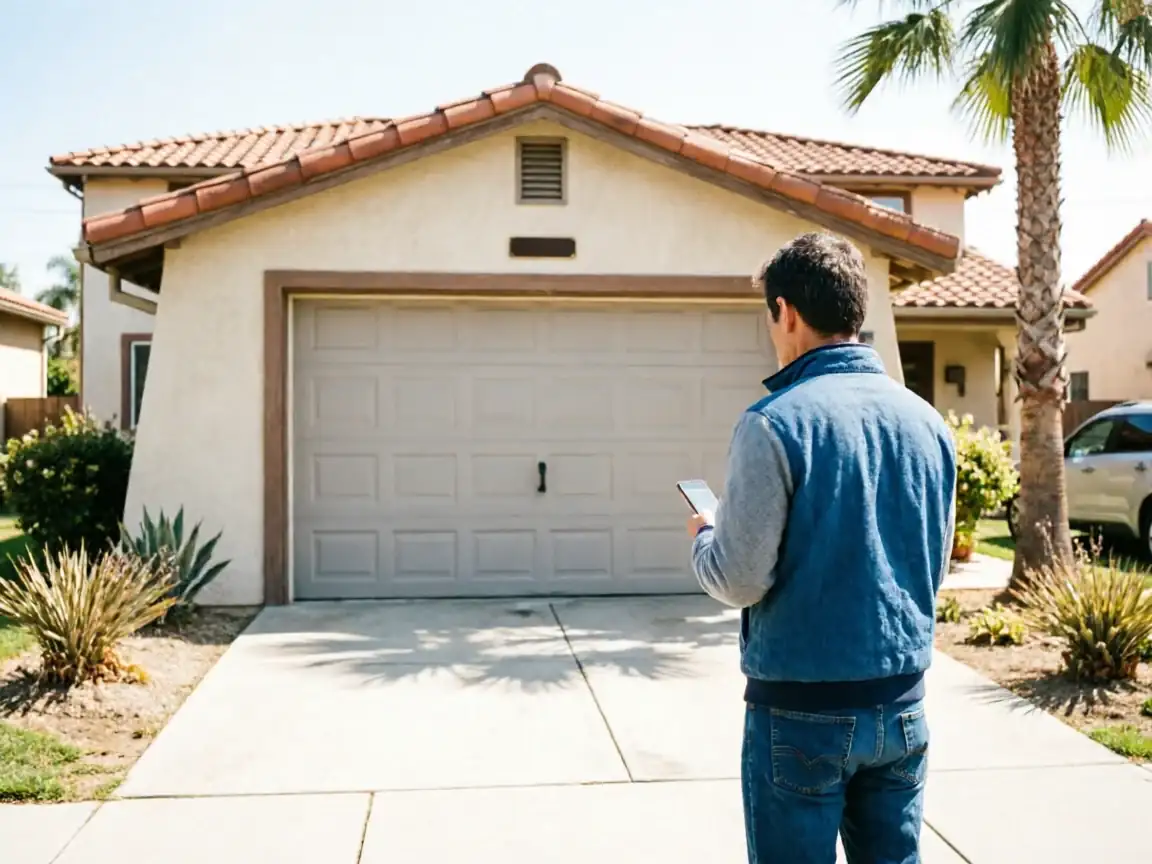
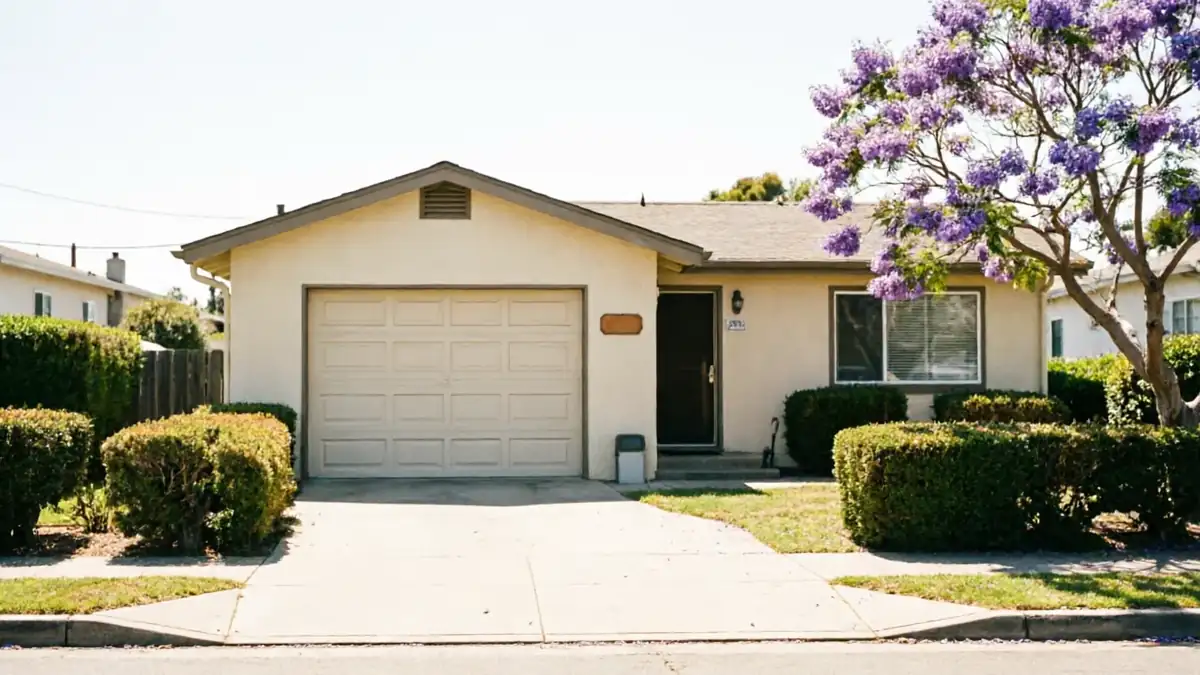
The 1947 median tells you most of what you need to know about what's behind these garage doors. Houses from that era were built before attached two-car garages were the default, which is part of why so many Nevada City openings run narrower or shorter than what a big-box door comes in off the shelf.
Across the wider area, F1 puts the overall housing span at 1938 to 1984 with a median around 1977, and F2 notes the bulk of that stock across the fifteen named communities is 1960s-70s construction. Nevada City's own median sits a full thirty years earlier than that regional number, which is the clearest sign this is one of the older pockets inside the coverage area rather than a typical example of it.
With 1,303 households here, it's also one of the smaller areas we reach. Smaller and older together usually mean more variation door to door - two houses built the same year can still have completely different garage setups depending on what got replaced and when.