The Complications
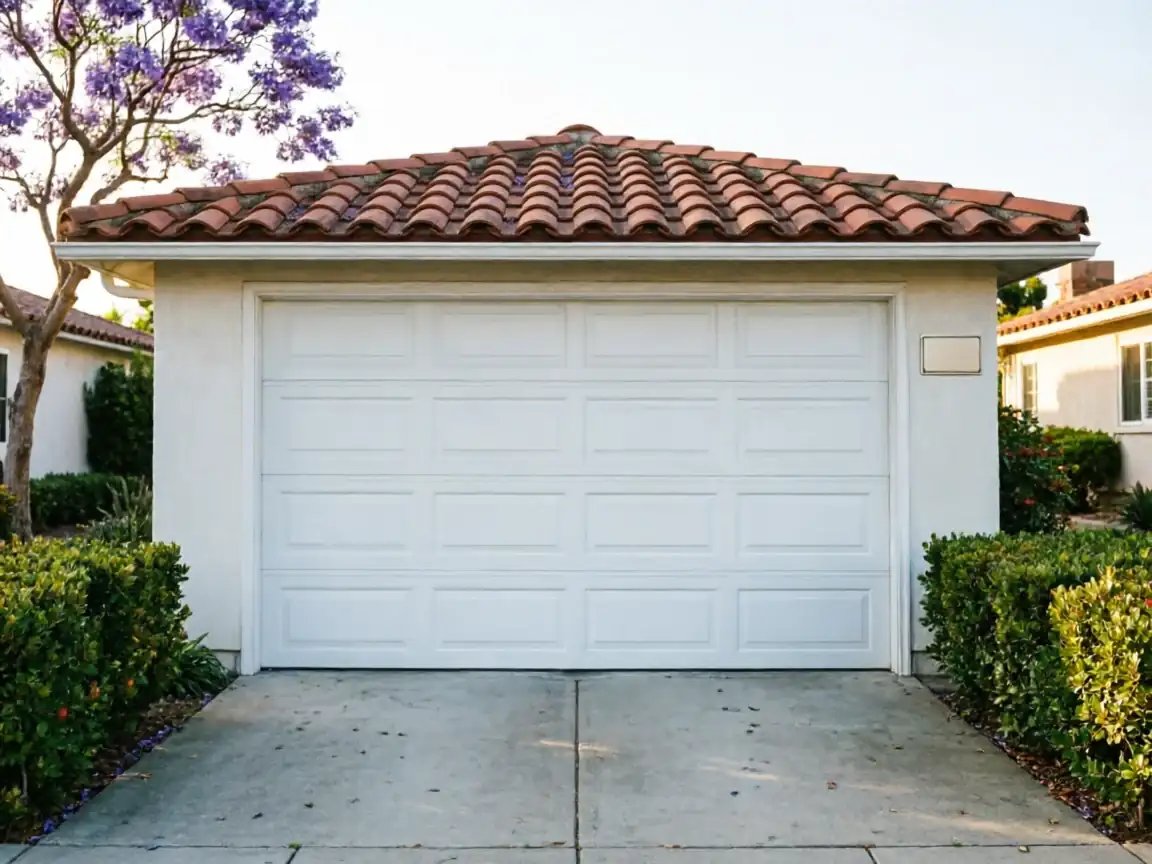
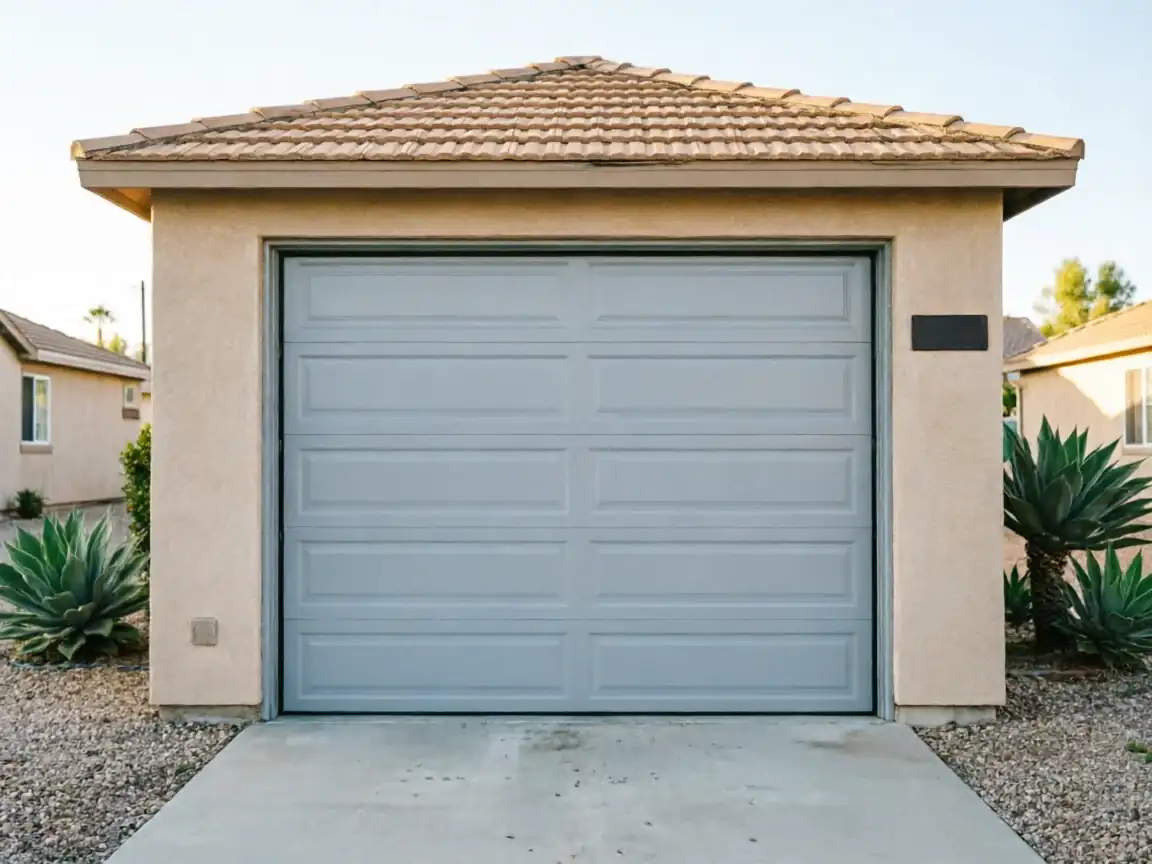
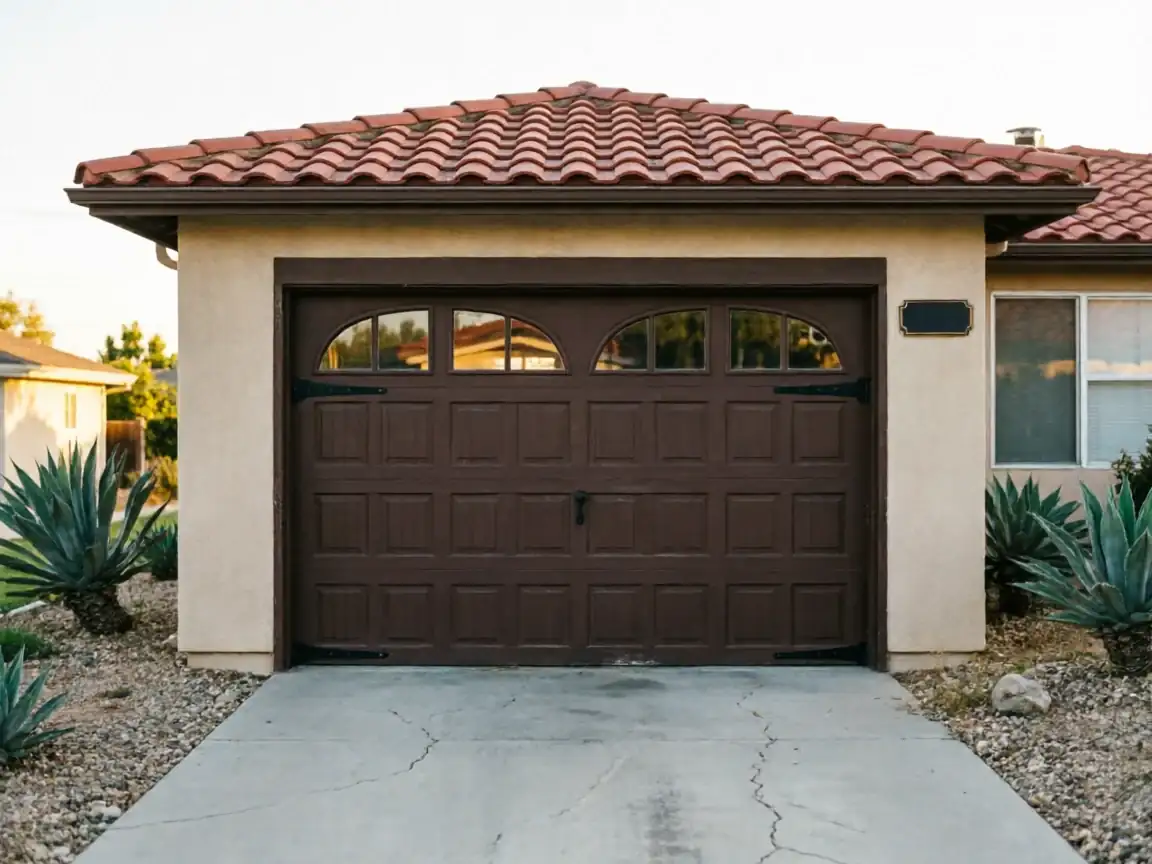
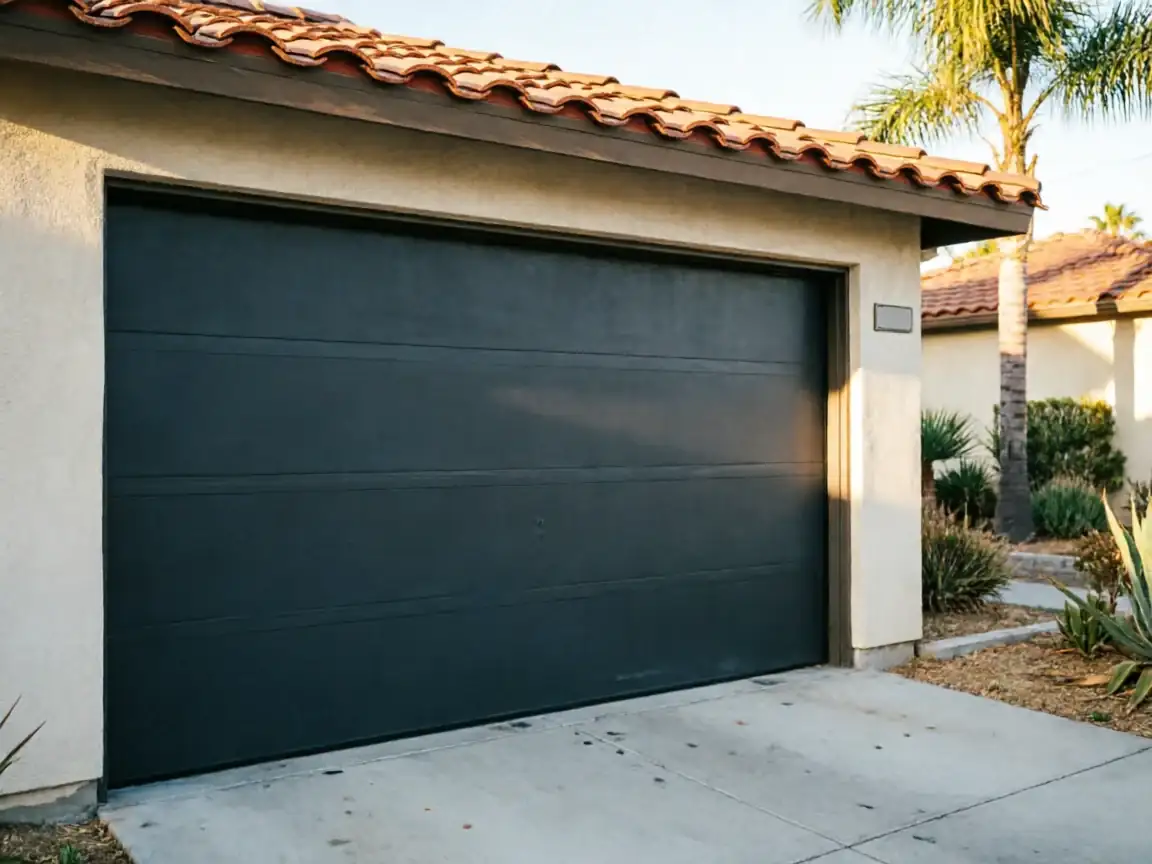
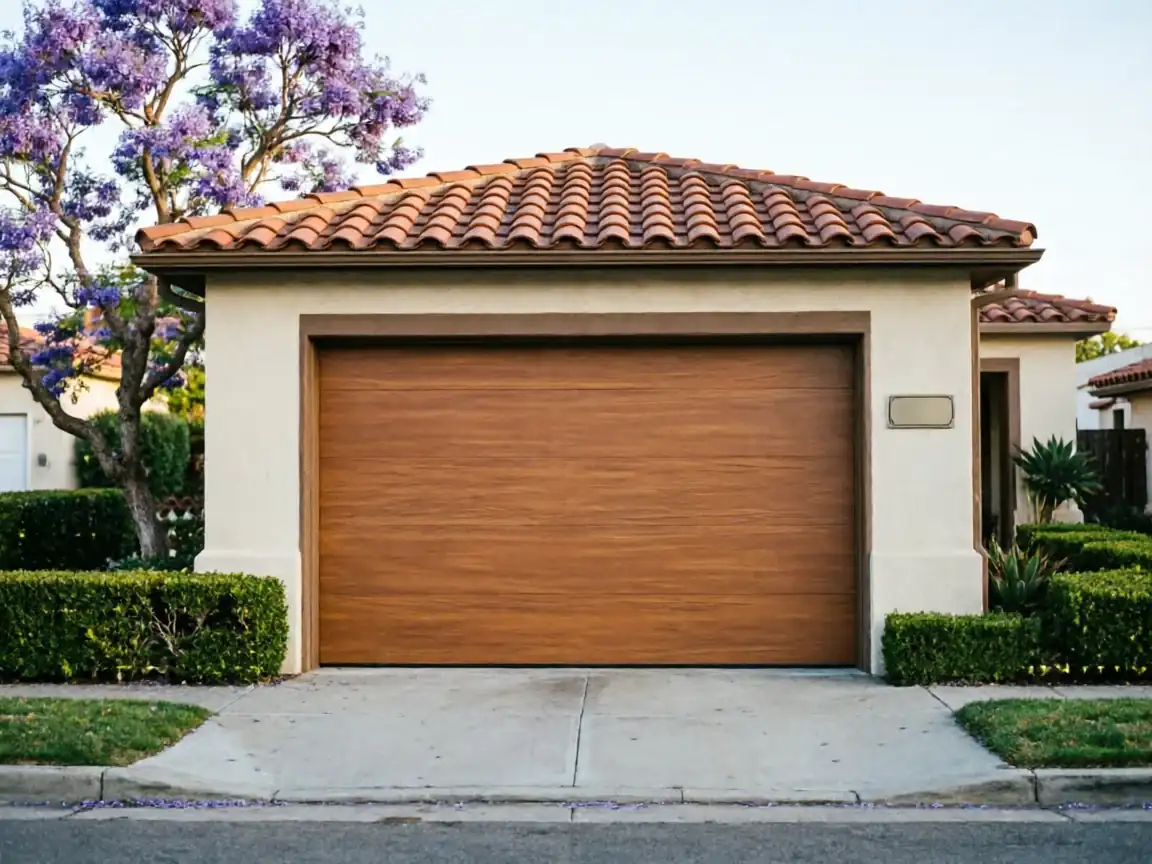
Houses in Nevada City went up earlier than most of the service area - the local median year built is 1947, while the wider Grass Valley coverage area runs 1938 to 1984 with a median of 1977. That thirty-year gap matters at the garage. A door built for a 1947 house is almost always a single, narrow bay - wood panel or an early steel replacement bolted onto the original frame. The opening is tighter than what you'd find on a house from the 70s, and the hardware is often whatever got swapped in decades ago rather than what the house shipped with.
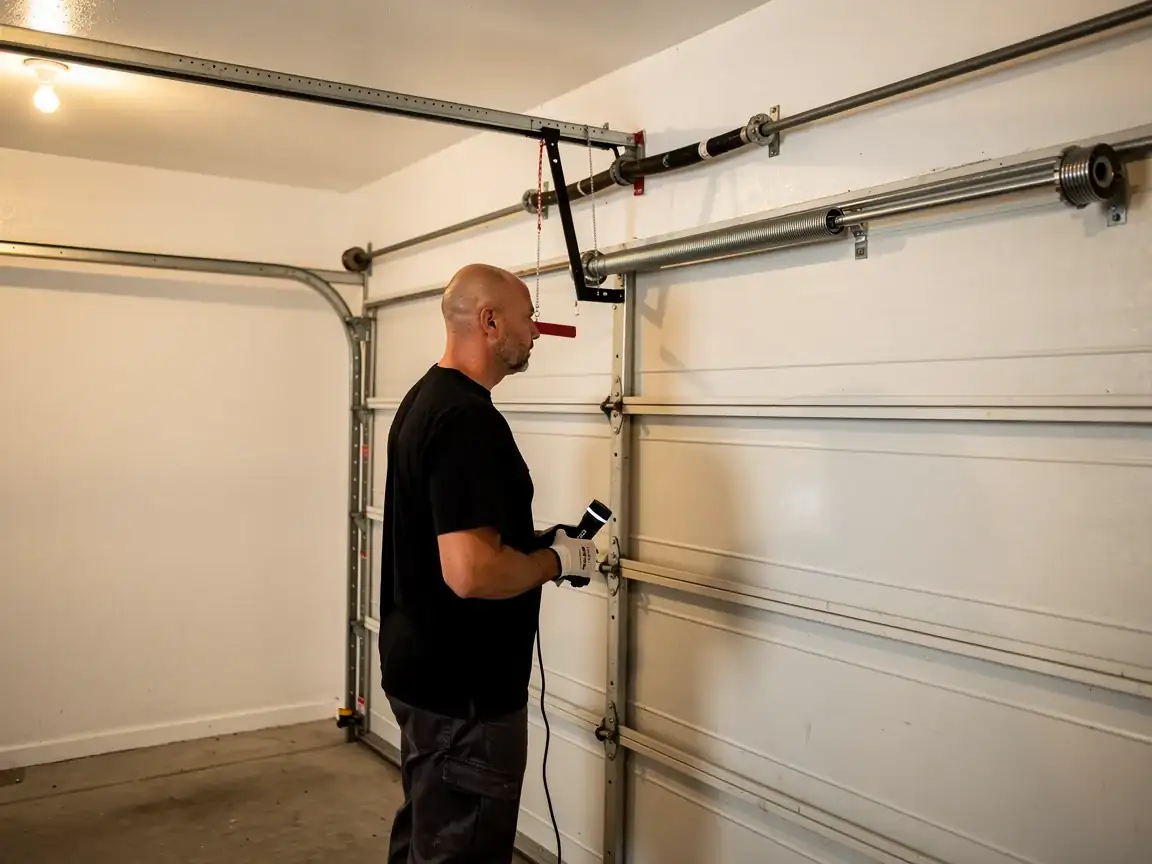
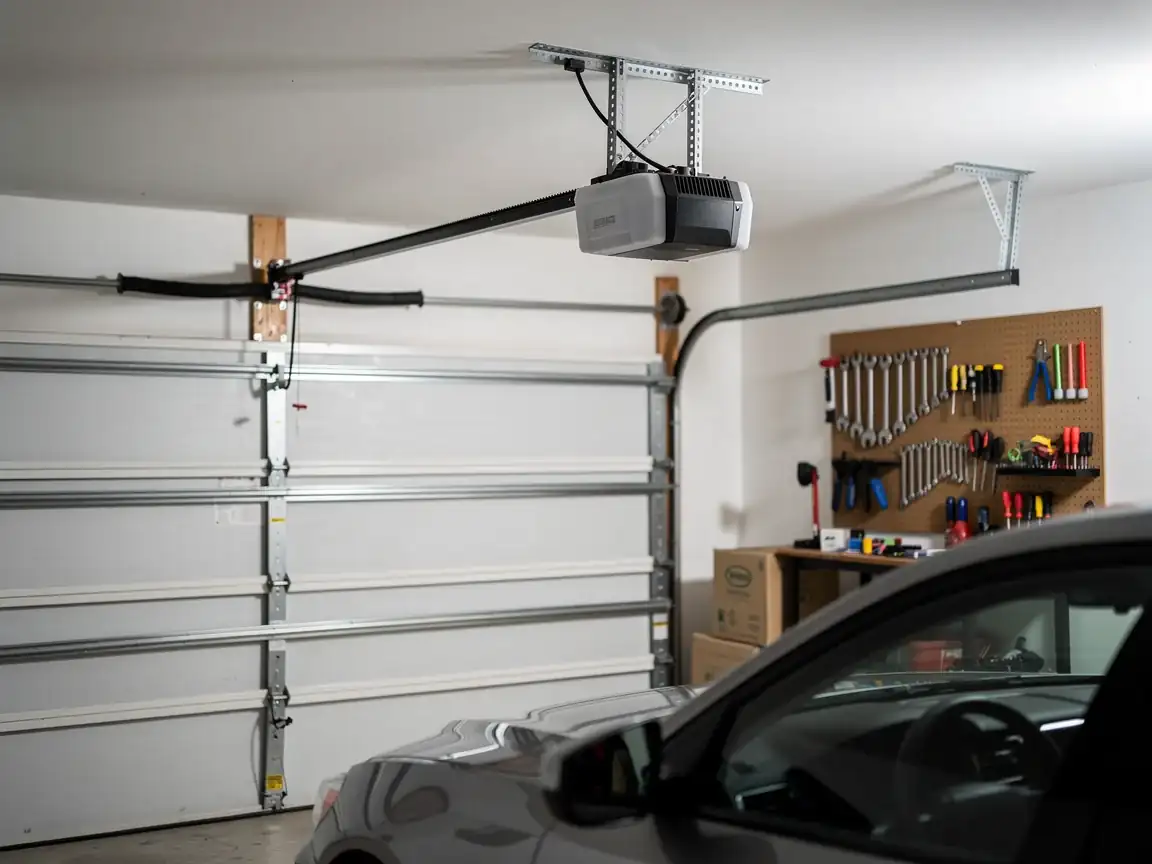
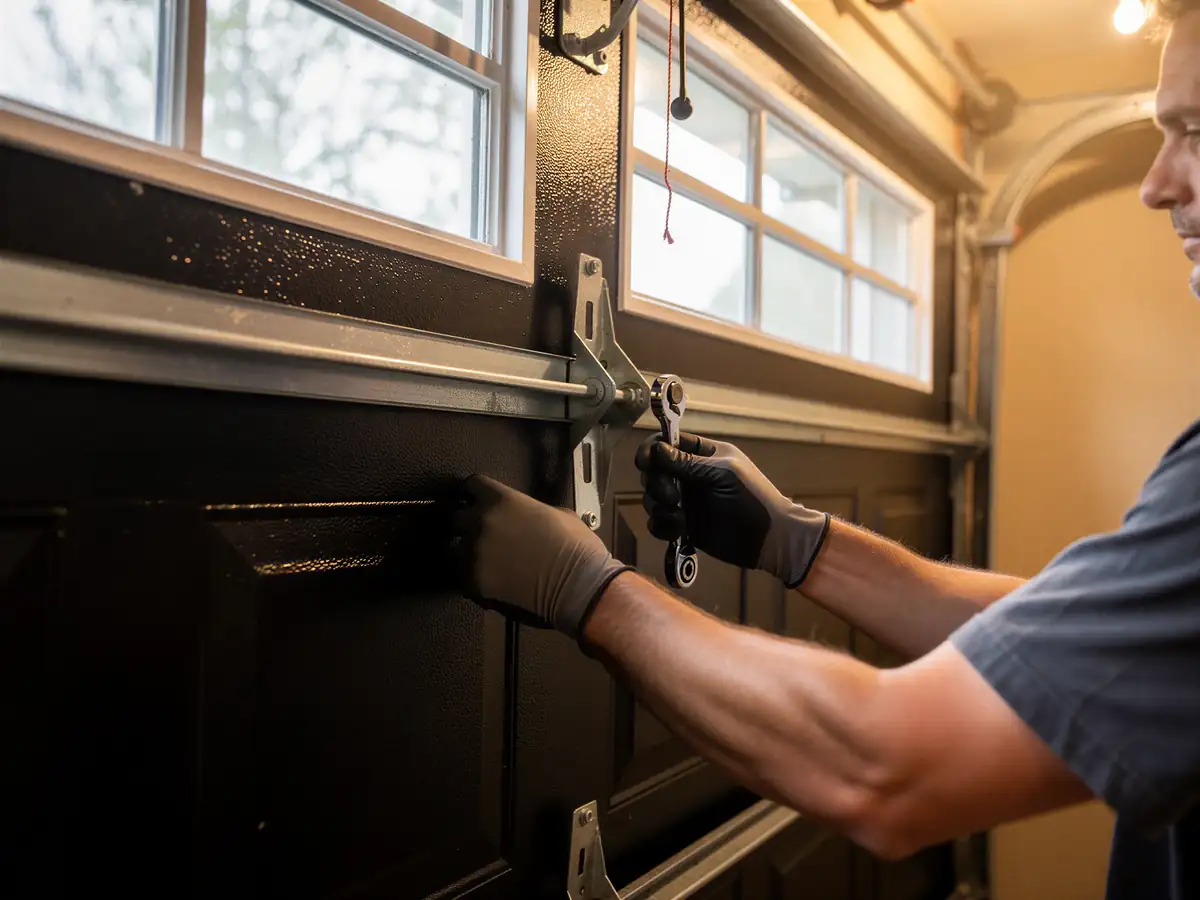
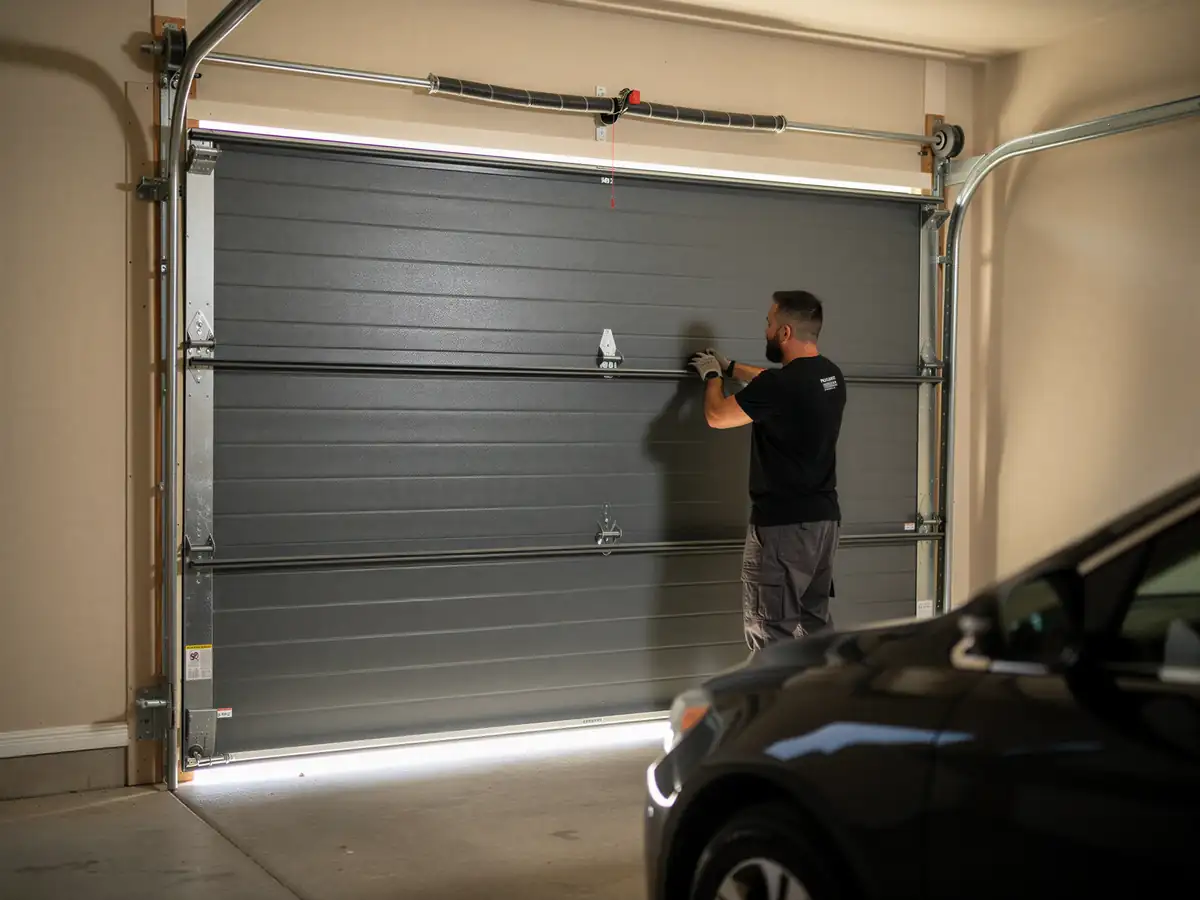
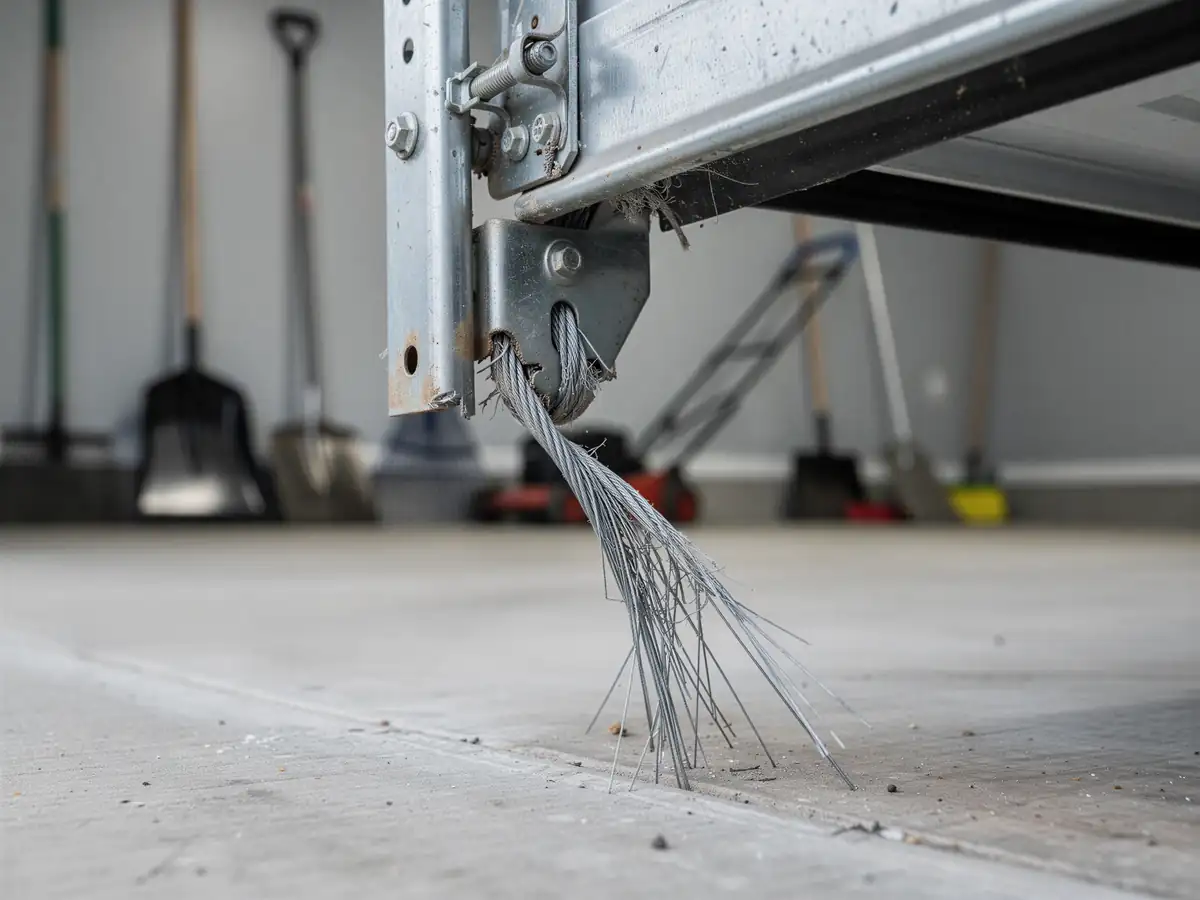
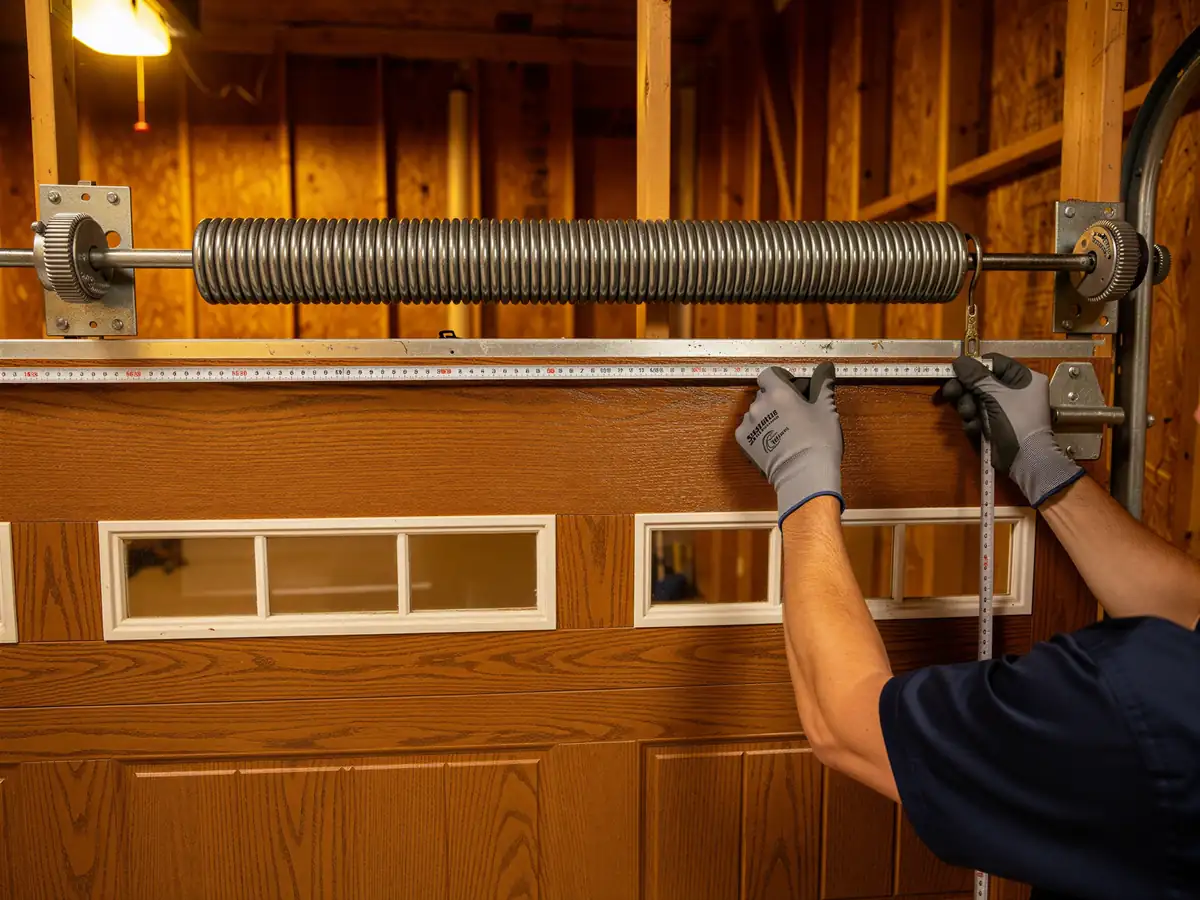
That mismatch is the complication. A lot of these doors run on extension springs stretched along the horizontal tracks rather than a single torsion spring over the header, because that's what a narrow single-car opening from that era typically got. Extension springs wear differently than torsion springs - they fatigue from repeated stretch-and-release rather than torque, and on an older door the safety cables that should catch a broken one are sometimes missing entirely, added only after codes caught up. We check for that cable before we touch anything else.
If your door has already been replaced with a newer torsion unit on the original frame, the fault pattern shifts back to what we see on newer stock. We still ask the age of the door itself, not just the house, before quoting anything.
Booking a Visit
There's no depot in Nevada City - we run the truck out from Grass Valley, about 3 miles down the road, so getting here isn't the obstacle. What slows a job down more often is matching parts to a door that's older than the hardware most trucks carry by default. If you can tell us whether the door has one spring across the top or two running down the sides when you call, we can bring the right stock the first time instead of making a second trip.
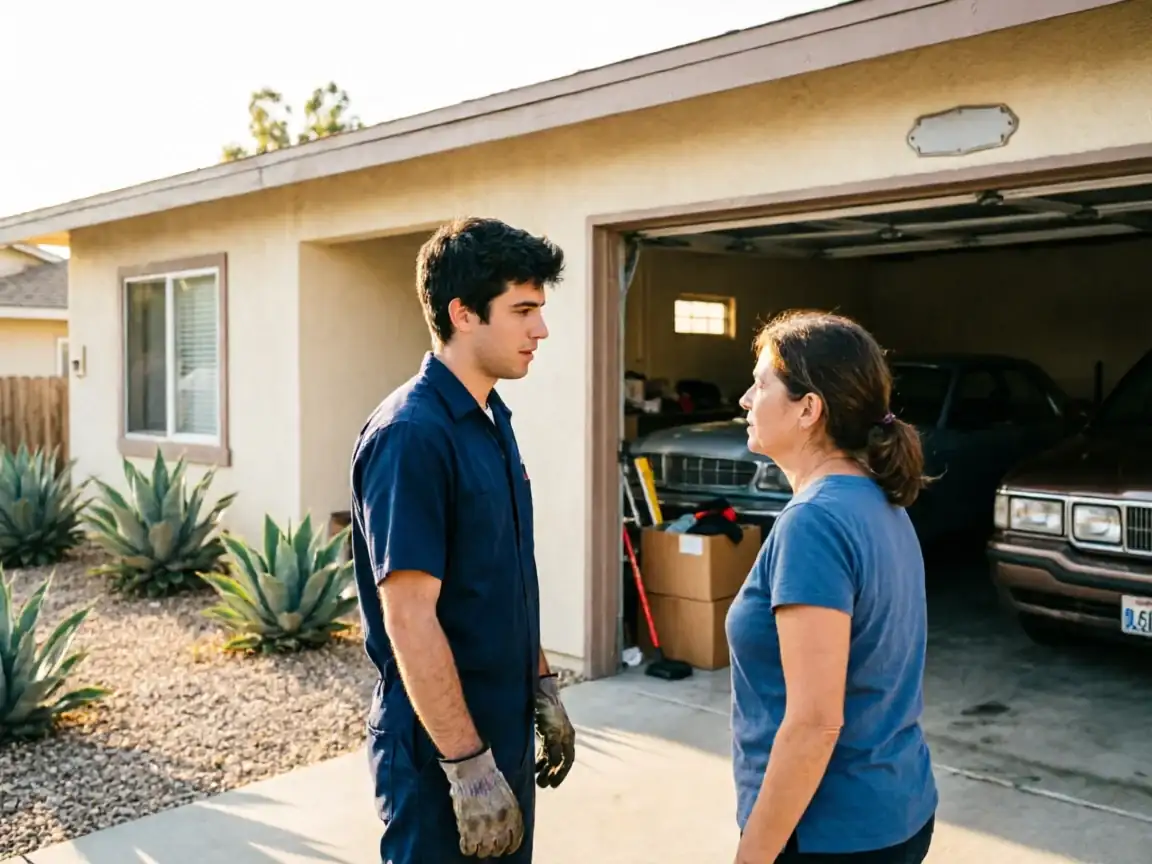
Nevada City is a small service area - 1,303 households - so we're not juggling dozens of calls from here at once, but we still ask you to describe what you're seeing: a door that won't lift at all, one that slams down, or a spring you can see has already separated. Any of those changes what we load before we leave the shop.
What Causes It Around Here
The broader coverage area sits in a mild climate band with some freeze risk
And that holds for Nevada City too. It's not the extreme cold that kills springs here - it's cycling. A spring that sits through cool, damp mornings and warmer afternoons for seventy-plus years, on a door installed when the house was new in 1947, has been through a lot more temperature and moisture cycling than a spring on a 1970s-built house elsewhere in the area.
On the older single-car doors, rust at the coil ends is the most common thing we find
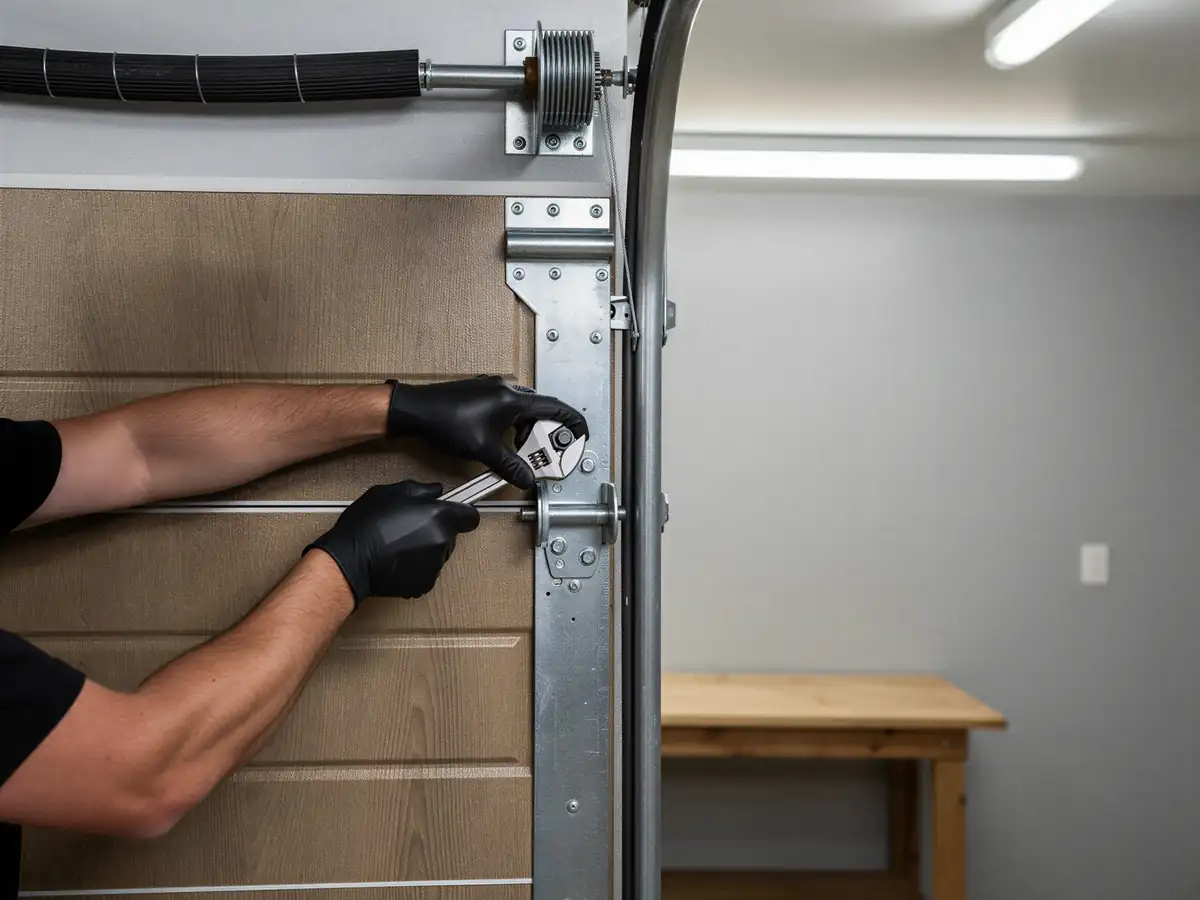
Especially on extension springs that run close to the slab in garages without good ventilation. Torsion springs mounted higher and drier tend to hold out longer, which is part of why a lot of these old doors got upgraded hardware at some point even if the panel itself is original. We can usually tell which generation of spring is on the door before we get out of the truck, just from the installed position.
What It Costs
We don't have a flat number to publish for Nevada City, and we're not going to make one up. What we can tell you is what drives the cost on a house like this: whether the spring is a standard torsion size we carry on the truck or an older extension length that isn't common anymore, and whether the cable and drum hardware around it needs replacing at the same time rather than just the spring.
Median household income in Nevada City runs lower than the wider service area - about $69,552 here against $91,135 across the full coverage area - and we price the job the same way regardless, by what the door actually needs. The honest limitation: if your door takes an odd-length extension spring that isn't something we stock, we may need to order it, and that adds a day or two rather than same-visit work.
What Is on the Truck
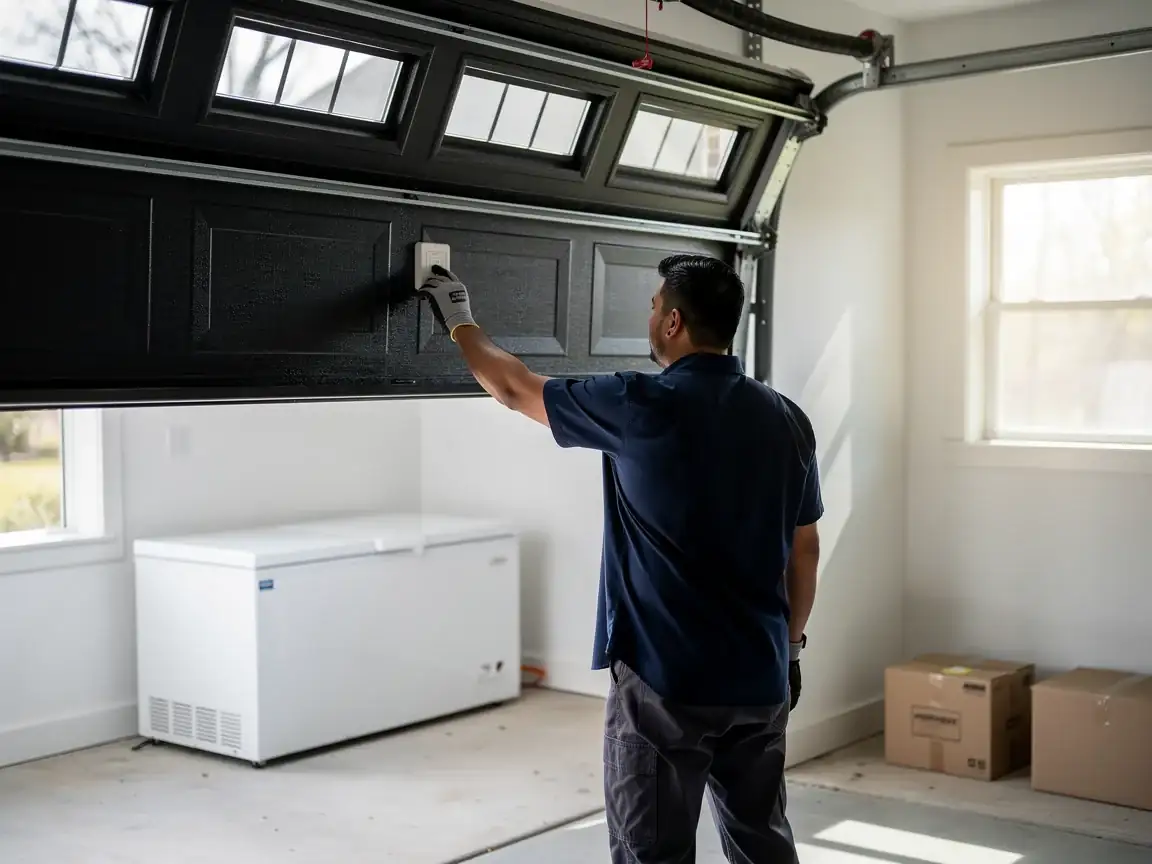
We carry standard torsion springs in common sizes, which covers most of the doors we see across the service area where houses were built mostly in the 1960s and 70s. Nevada City's older stock means we come prepared for both - torsion for upgraded doors, extension spring stock and safety cables for original setups that haven't been touched since the panel went in.
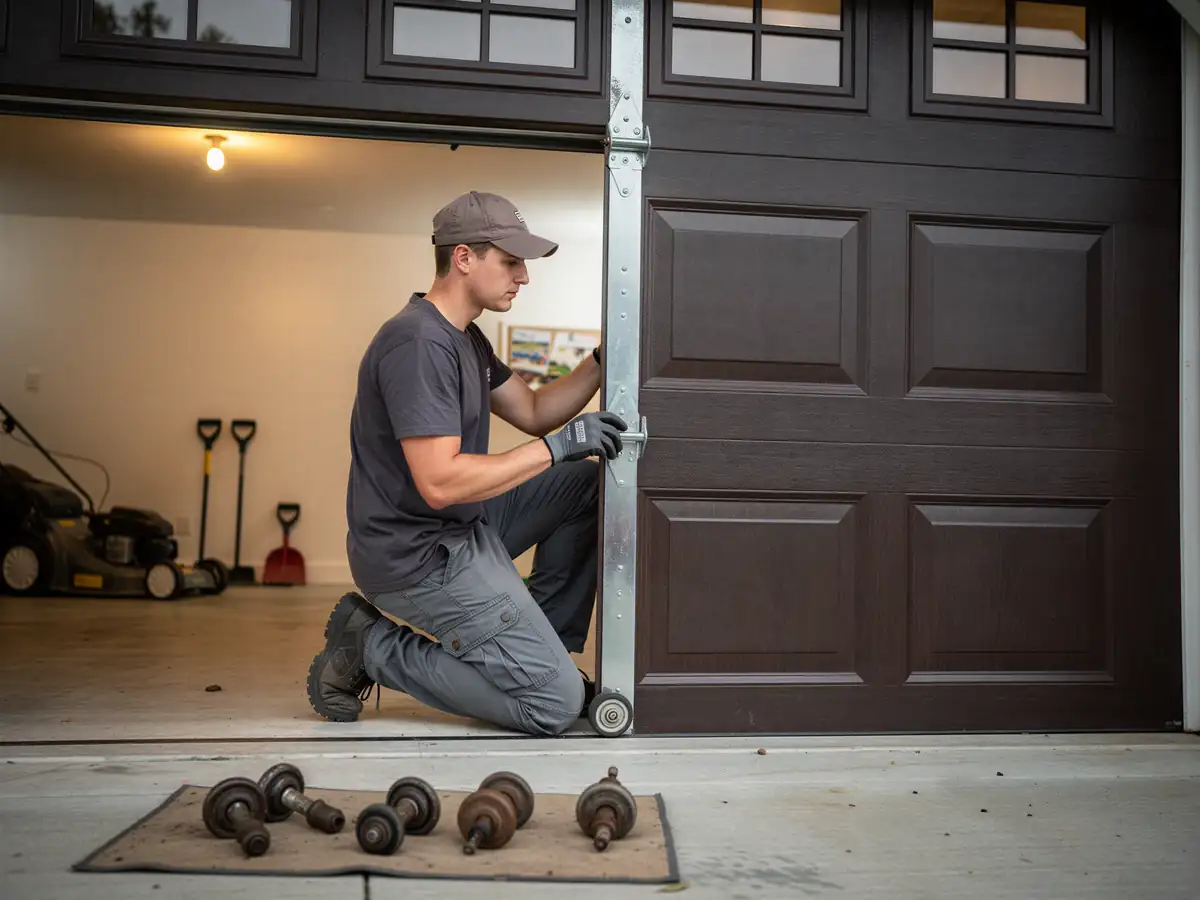
We also bring winding bars, cable, and drum hardware, since on an older extension system it's rarely just the spring that's fatigued if one has already let go. What we don't carry for every job is an odd-length spring built to an obsolete original size - that's the one thing that sometimes means a second visit instead of one, and we'd rather tell you that up front than promise a same-day fix we can't back up.