The Complications
Nevada City is a short run from our shop in Grass Valley, about three miles, which means a tech can usually fold a Nevada City call into the same loop as two or three other jobs without much drive time eating the day. That part is easy. What's not easy is the housing stock once we get there.
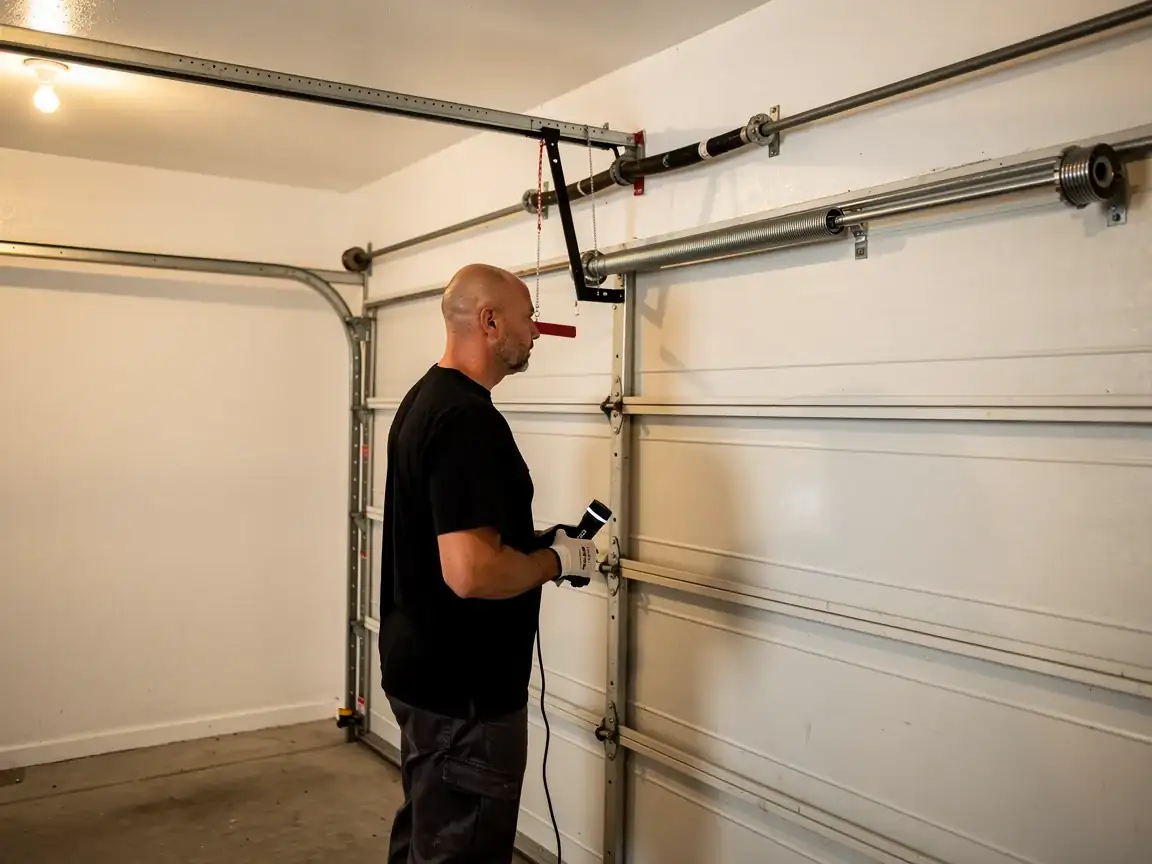
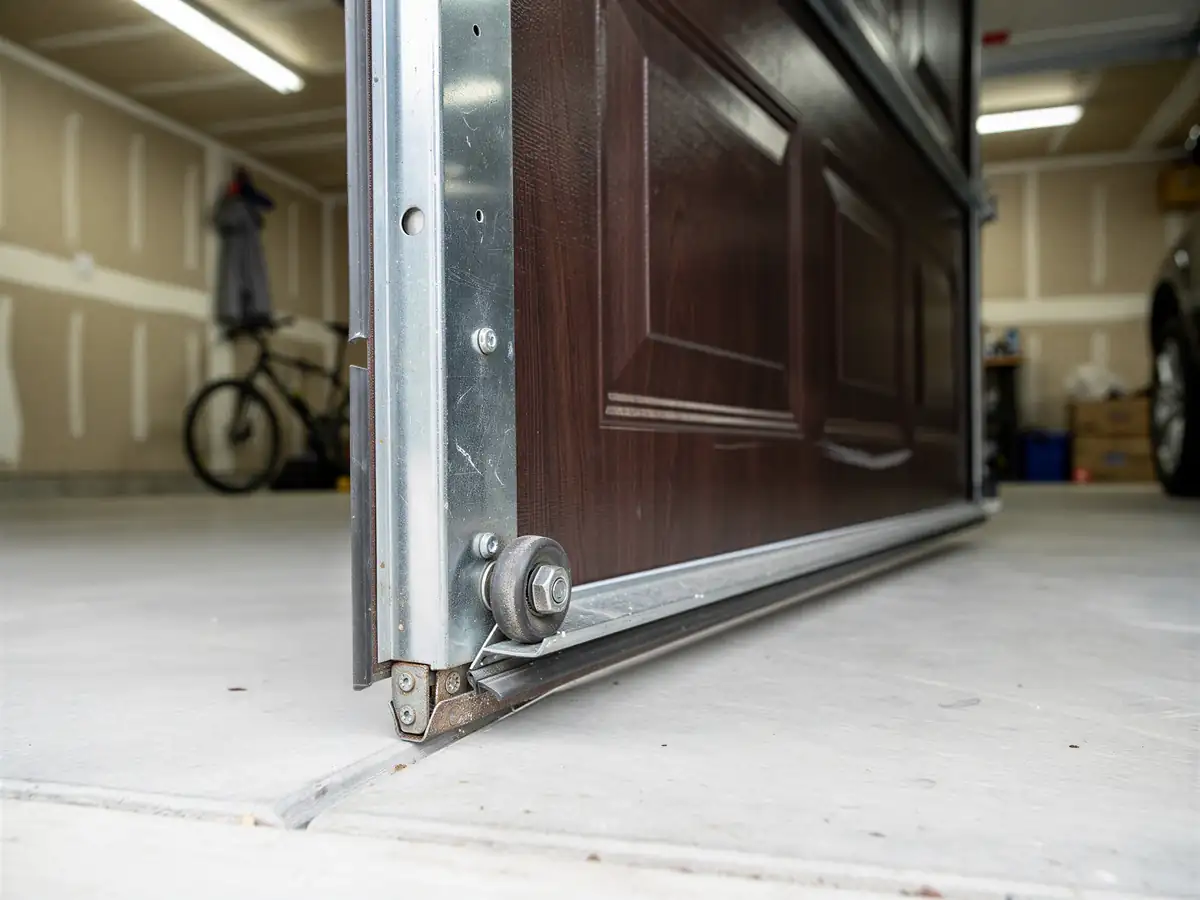
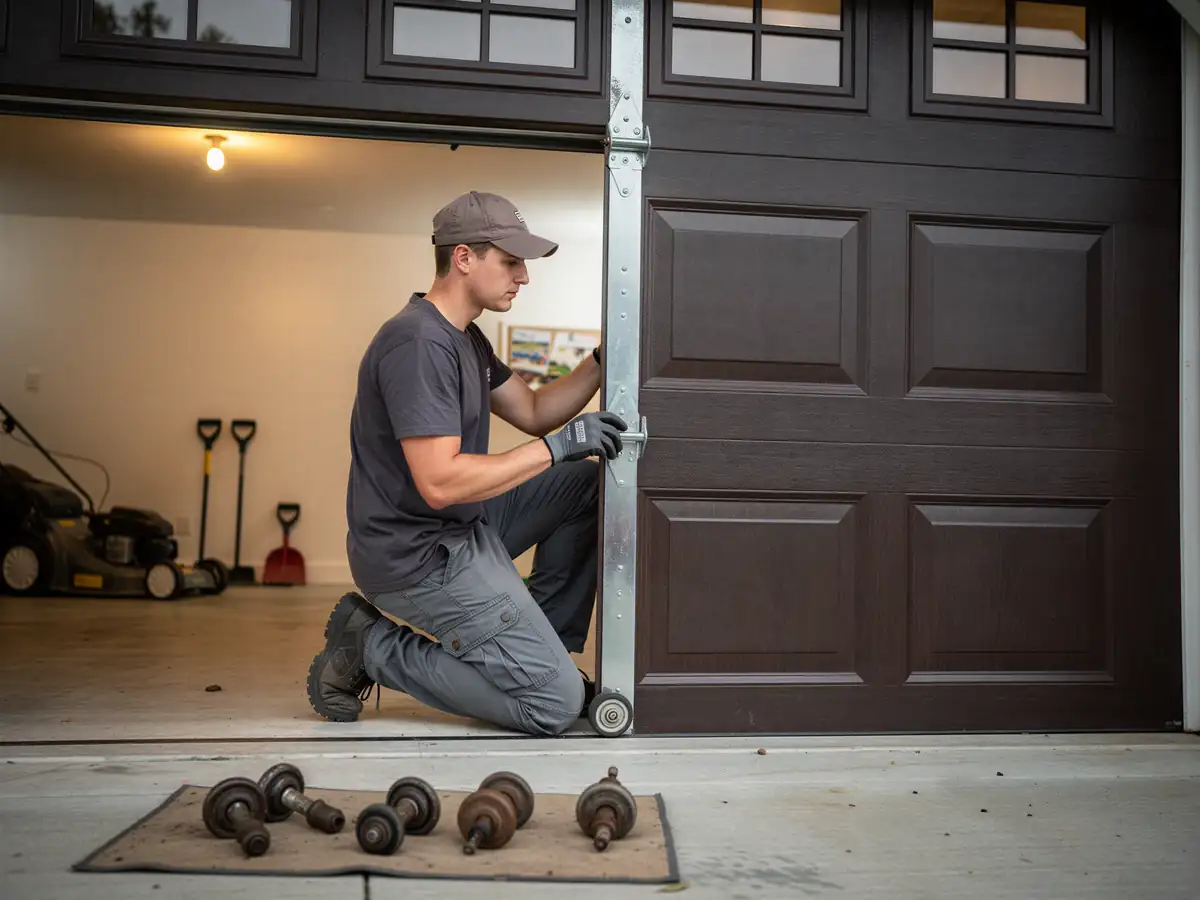
The typical house in Nevada City went up around 1947, which puts it a full generation ahead of the median build year of 1977 for the rest of our coverage area. A door from that era, if it's never been swapped out, is often running on hardware nobody stocks on a shelf anymore: narrower track widths, older drum styles, sometimes a jamb-mounted bracket setup that doesn't match anything in a modern parts catalog. We see more of that here than almost anywhere else we cover.
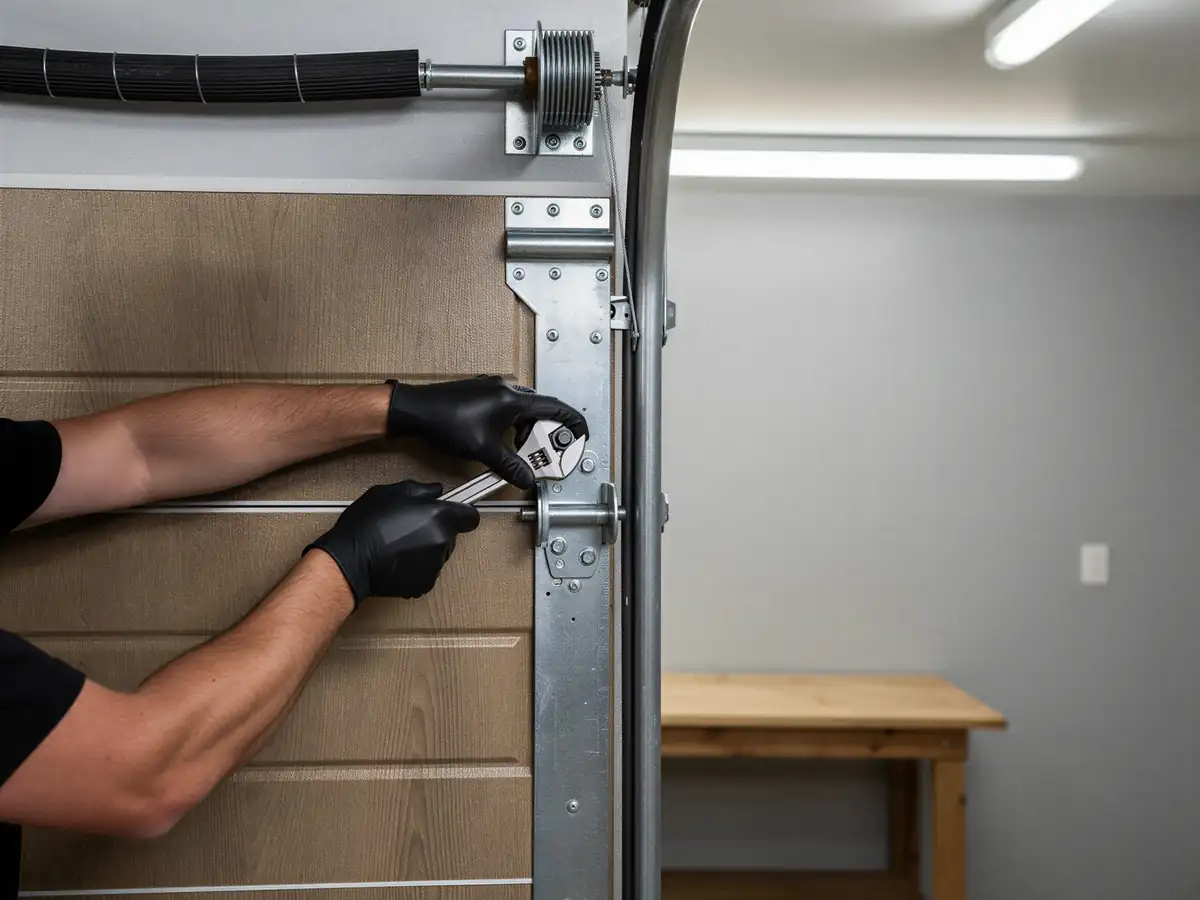
The short drive doesn't change the math on the door itself. A spring or opener call in a 1947 house can take longer to diagnose than the same call in a house built in the 1970s, simply because the parts underneath aren't standard anymore.
We're not saying every door in town is original - plenty have been replaced over the decades - but the odds of hitting original hardware go up fast here compared to newer-built parts of our area.
Booking a Visit
We don't keep a branch in Nevada City - every job here is run out of our Grass Valley shop, three miles down the road. That distance is short enough that it rarely changes how a call gets scheduled; it's close enough that a Nevada City stop fits into a normal route without forcing a special trip.
What it does mean is that if a part turns out to be nonstandard once a tech is looking at the door in person, we may need a second visit to bring the right piece rather than carrying every odd bracket or drum size in the truck on the first pass. That's more common on older doors, and Nevada City has more of those than most of the towns we serve.
We ask for the door's age or a rough sense of when the house was built when we book the call. On a town where the median house is pushing eighty years old, that one detail changes what we load before we leave the shop.
What Causes It Around Here
The climate across our whole coverage area sits in a mild band with occasional freeze nights
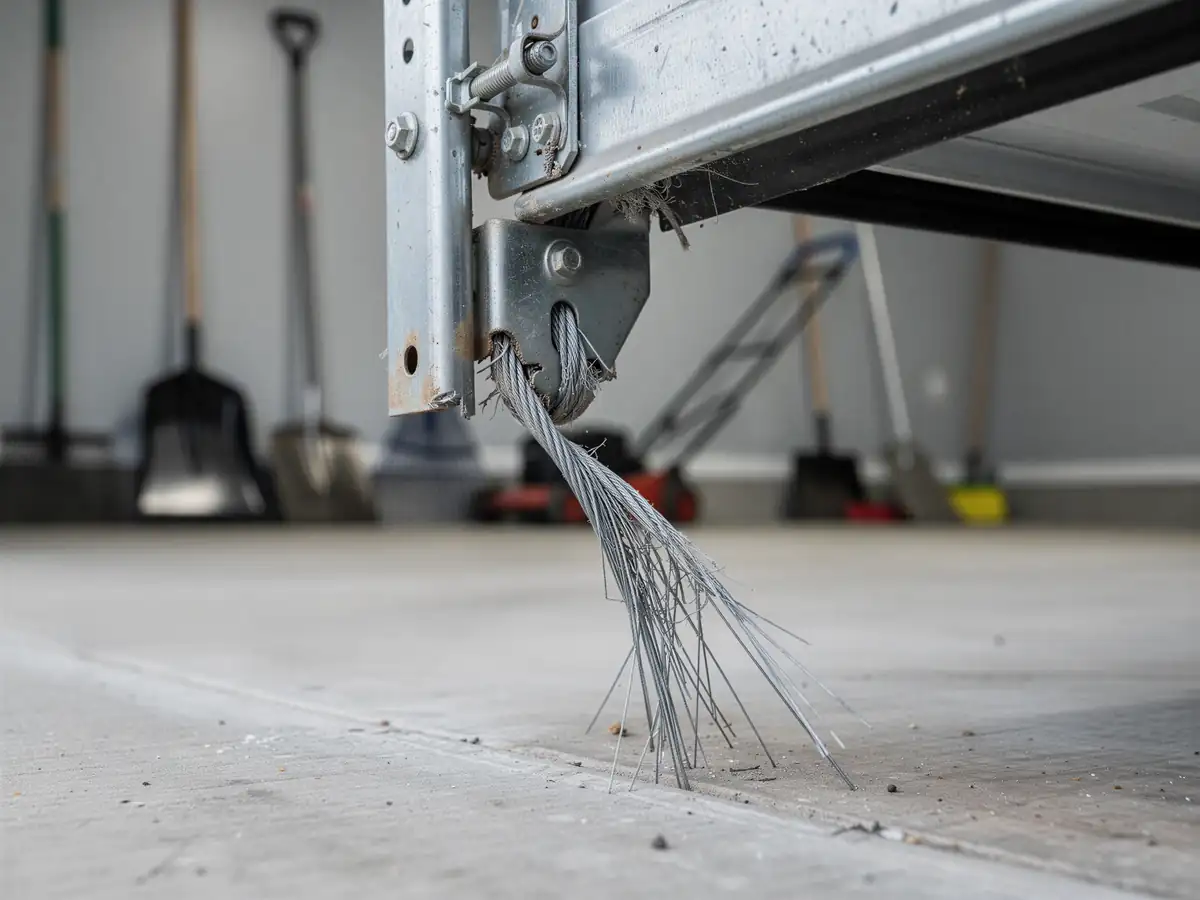
Not the kind of weather that destroys hardware on its own. What does more damage in Nevada City is age working alongside that climate. A door and track system installed when the house was built in 1947 has had roughly eighty winters of condensation cycling through a garage that was never built to modern insulation standards. That shows up as rust on old steel tracks, rot at the bottom panel of original wood doors, and springs that have simply outlived any reasonable service life.
Newer sections of our coverage area, built mostly in the 1960s and 70s
See failures that are more about wear and less about the hardware itself being obsolete. In Nevada City it's often both at once - a worn part that's also a shape or size nobody makes new. That combination is why diagnosis here tends to take a little longer than it does on a thirty-year-old door with a common torsion spring.
What It Costs
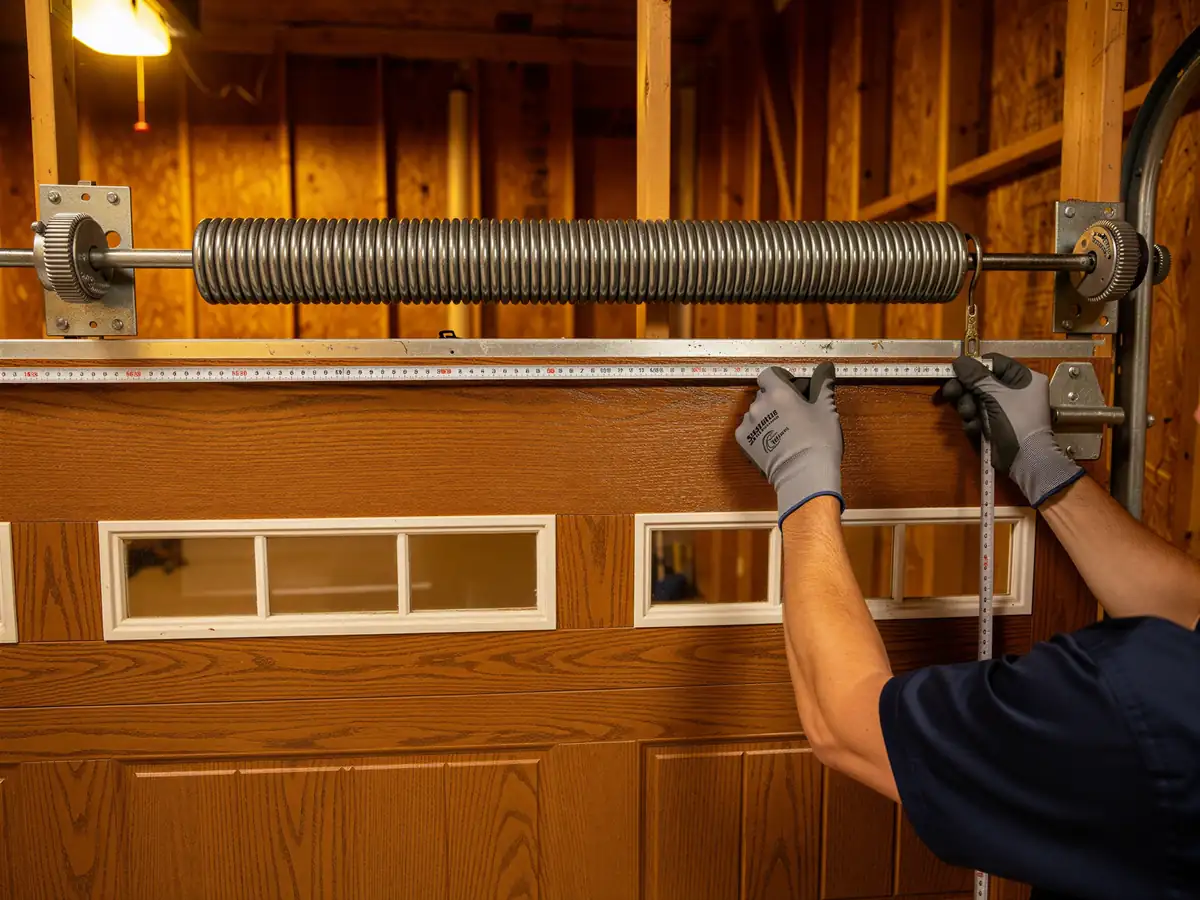
We don't post flat prices for Nevada City calls because the honest answer is that it depends heavily on what's actually on the door once we're there. A straightforward torsion spring swap on a door that still uses standard hardware costs about what it would anywhere else we go. A door built in 1947 that's still running original gear is a different conversation - sometimes a part has to be sourced or adapted rather than pulled off a shelf, and that adds time and sometimes a second trip.
Median household income in Nevada City runs around $69,552, noticeably under the $91,135 median for the rest of our service area, and that's part of why we try to be upfront that repair, not full replacement, is usually the right first call on an older door here unless the frame itself has failed. We'd rather tell a homeowner a repair makes sense than push a replacement that isn't needed yet.
What Is on the Truck
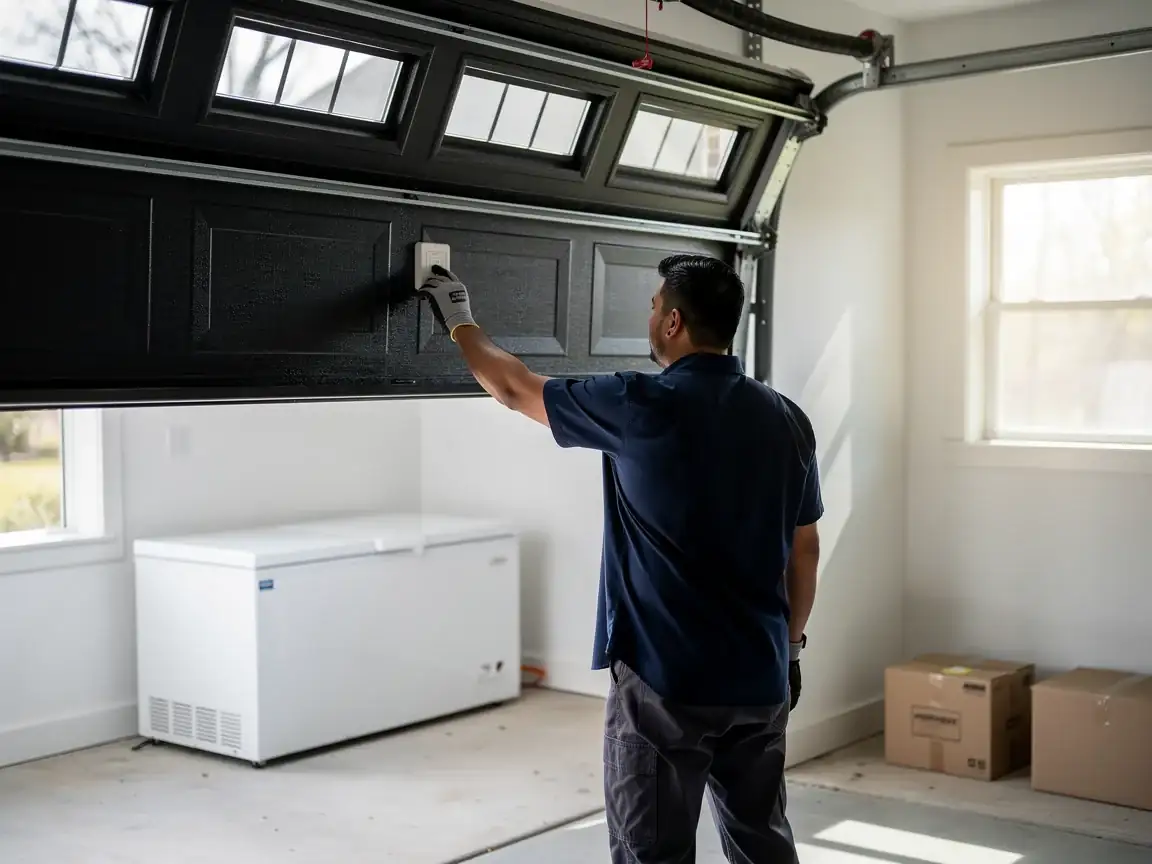
Every truck carries the common stuff - standard torsion and extension springs, rollers, cables, openers, and the sensors that fail more than homeowners expect. That covers most calls in the newer parts of our coverage area without a second trip.
Nevada City is the one town where that standard kit doesn't always cover it. With a median house built in 1947, we run into track widths and bracket styles from before extension springs became the default choice on lighter doors, and those aren't something we load as a matter of course. When we know ahead of time we're headed to an older Nevada City house, we try to bring what we can based on what the homeowner tells us about the door's age - but we won't pretend we carry every obsolete part for a house pushing eighty years old. Sometimes the honest fix is sourcing a piece before we come back, rather than forcing a part that doesn't belong on a door that old.