The Complications
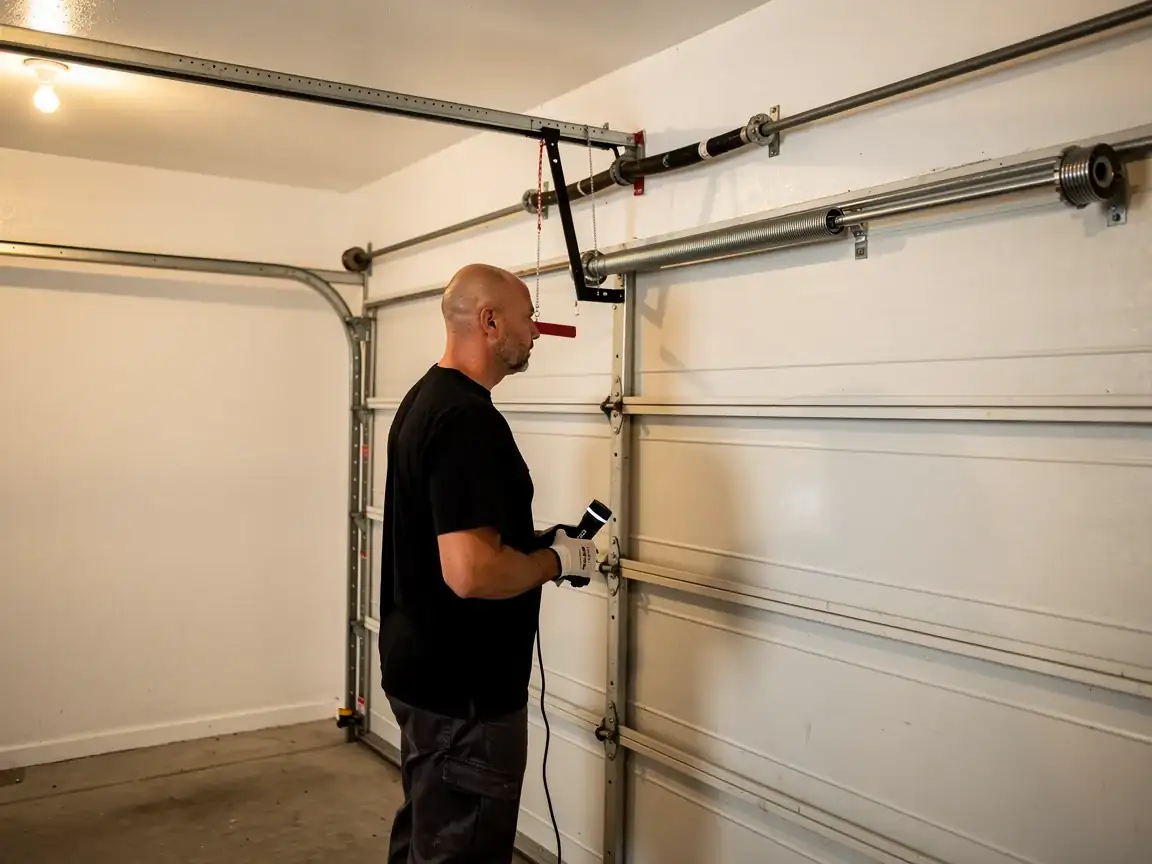
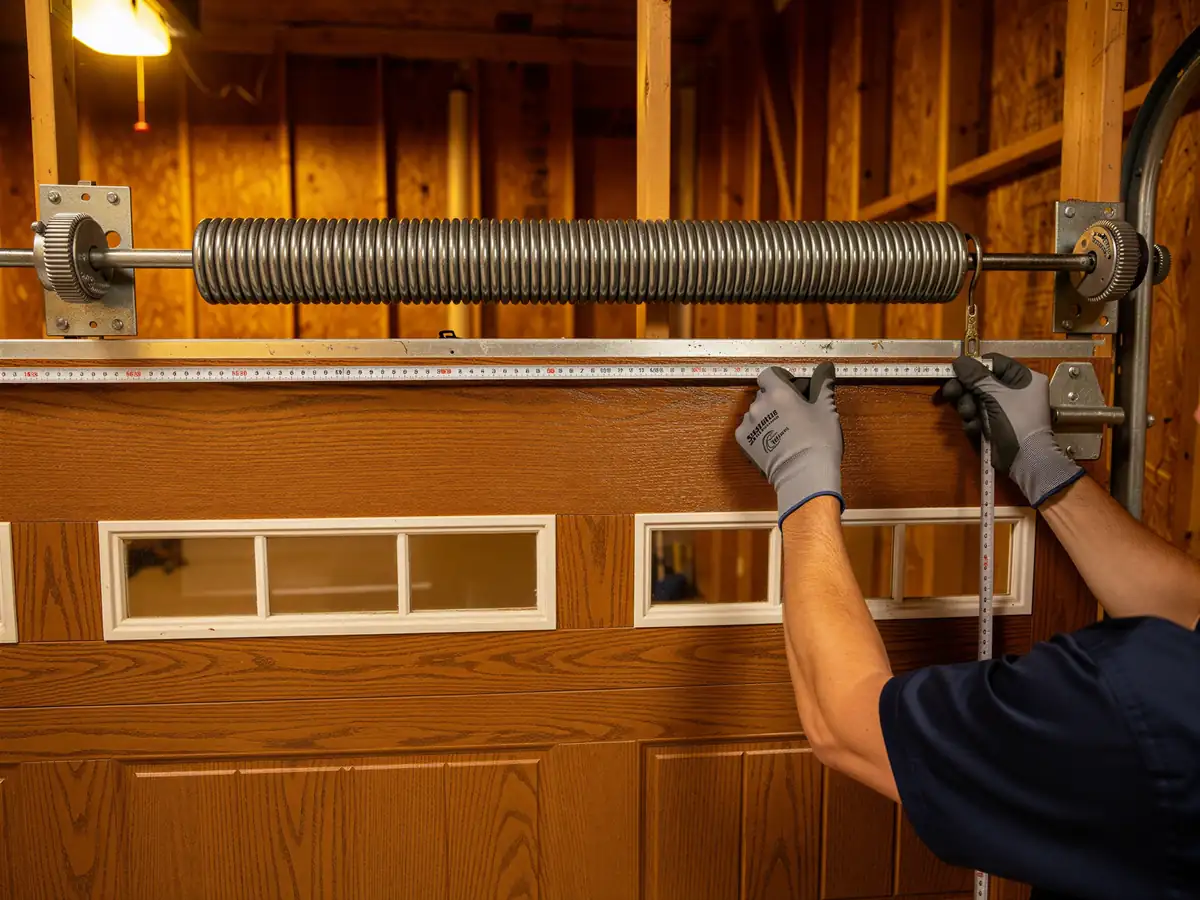
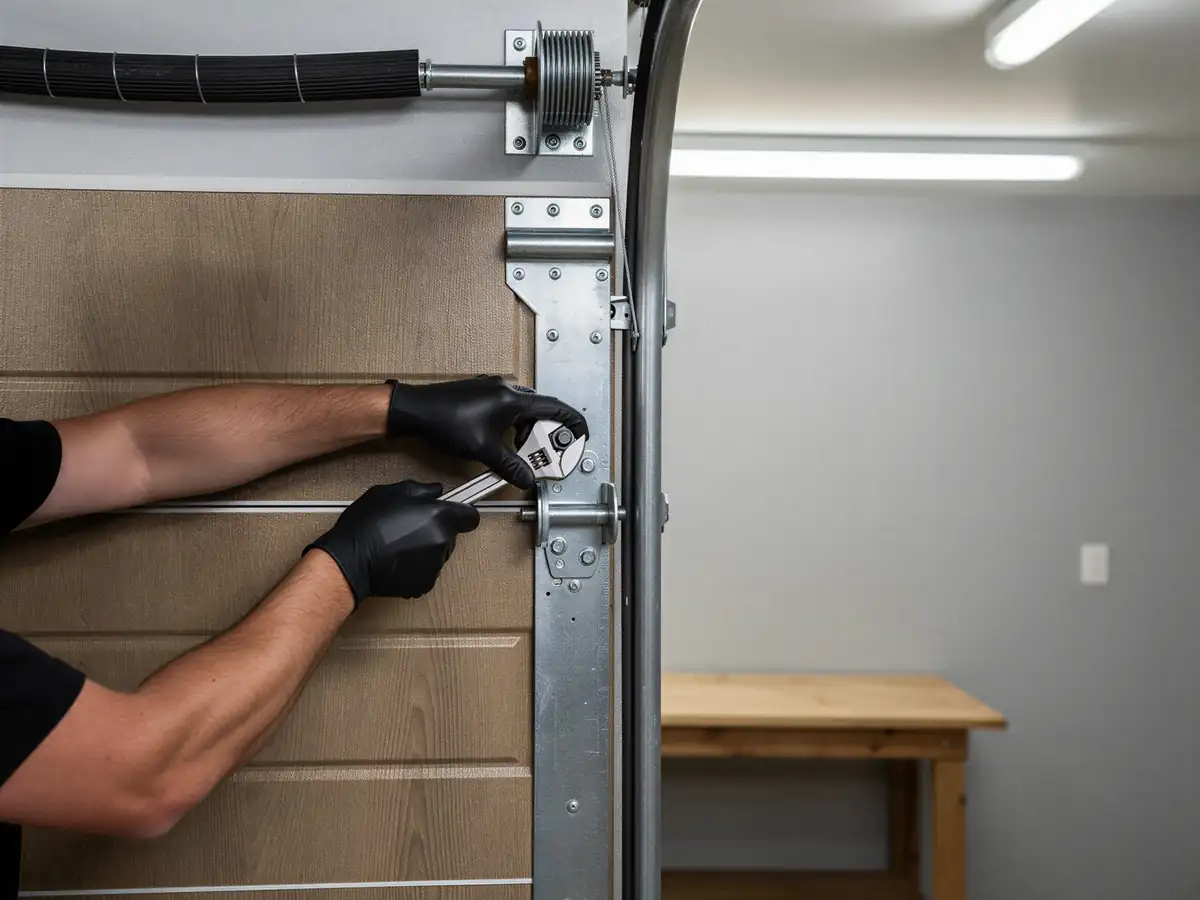
Nevada City's housing stock centers on 1947, a good three decades ahead of the 1977 median across the wider service area. A door going up in 1947 almost never got torsion hardware - that came later. What you got instead was a wood panel door hung on extension springs running along a horizontal track, sometimes with a pulley-and-cable setup that nobody manufactures the same way anymore. Across the rest of the fifteen communities we cover, most doors trace back to the 1960s and 70s building wave, which means torsion springs on a center shaft - a different animal entirely, and a different repair.
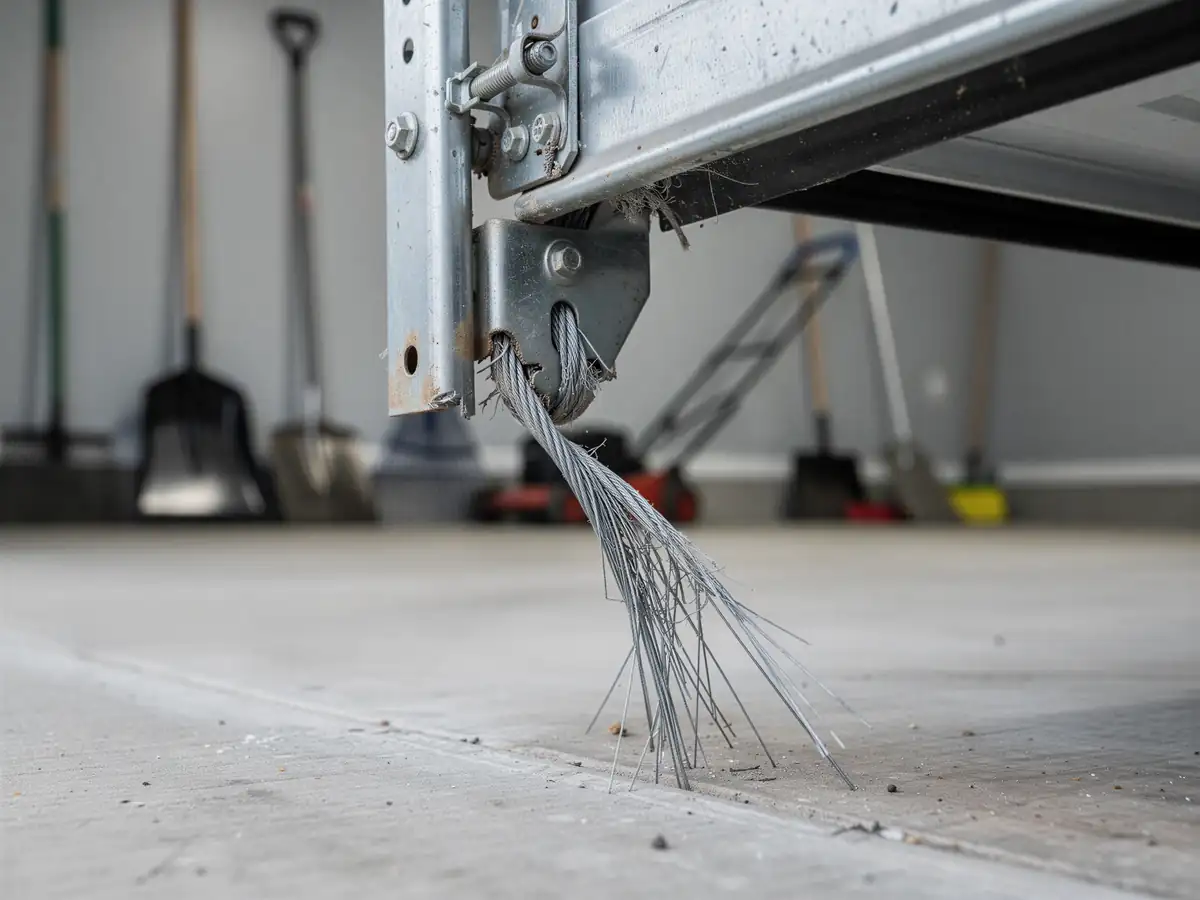
That gap matters when a spring lets go or a cable frays. The fix on a 1947 door isn't the fix on a 1965 door, and parts that fit one don't fit the other. Add in foothill humidity swings - the climate here runs mild with the occasional freeze - and wood panels that have had seventy-plus years to swell, shrink, and warp slightly out of true. A door that's been adjusted and re-adjusted for decades carries its own quirks. We don't assume a Nevada City call is the same job as a call five minutes away in newer stock, because it usually isn't.
Booking a Visit
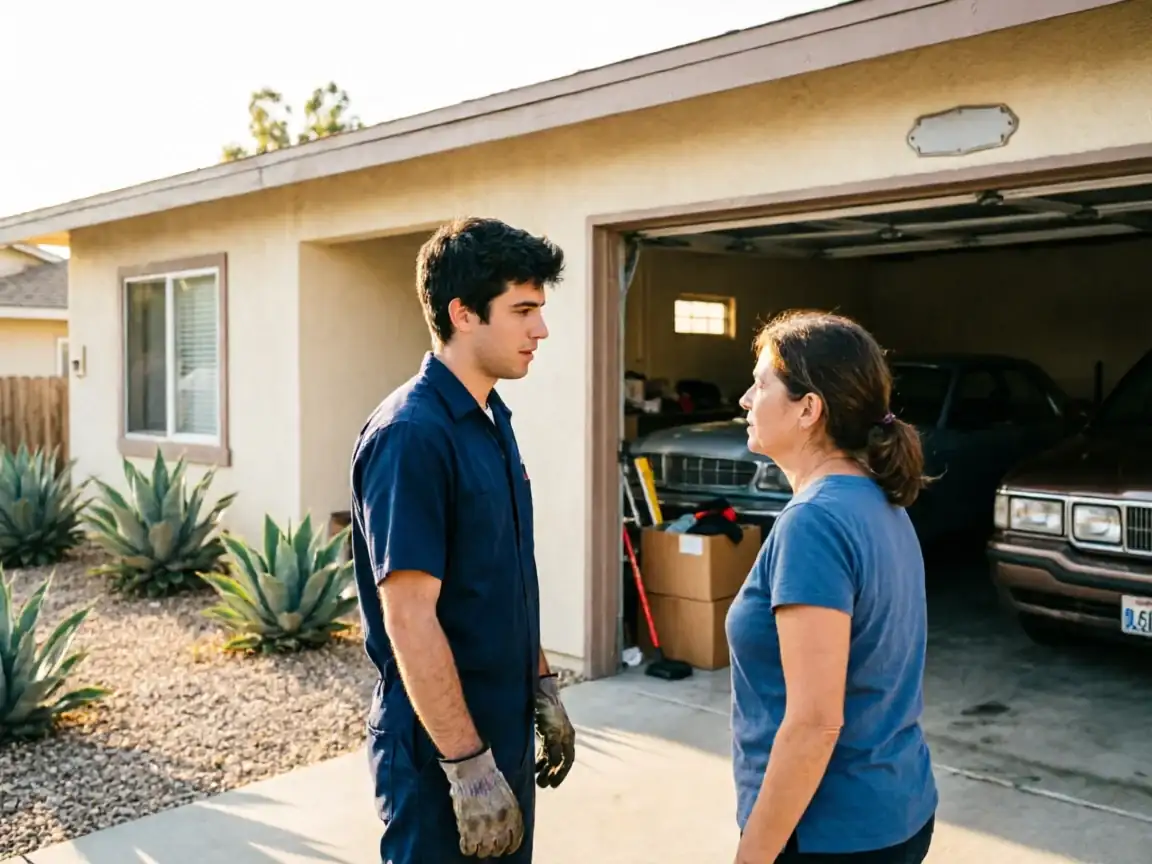
We run out of Grass Valley, and Nevada City sits about 3 miles out - close enough that it's a short trip, not a special one. There's no branch office or depot in town; the truck comes from Grass Valley loaded for the job based on what you tell us on the phone; age of the door, type of spring if you know it, whether the opener is original or replaced.
Because the drive is short, we don't pad the schedule the way we might for communities further out on our coverage list. If you can tell us whether the door is wood or steel and roughly how old the house is, that's often enough to guess at the hardware before the truck leaves. We'd rather ask a question up front than show up without the right spring size for a door that's older than most of what we service elsewhere. You can check which other communities we reach from the same shop on our coverage page.
What Causes It Around Here
Two things drive most calls in Nevada City: age and moisture
The age part is straightforward - doors and openers installed when houses here were new, clustered around 1947, are simply past the point where parts wear evenly. Extension springs stretch and lose tension gradually rather than snapping clean, so owners often notice a door getting heavier to lift by hand months before it fails outright.
The moisture part is regional
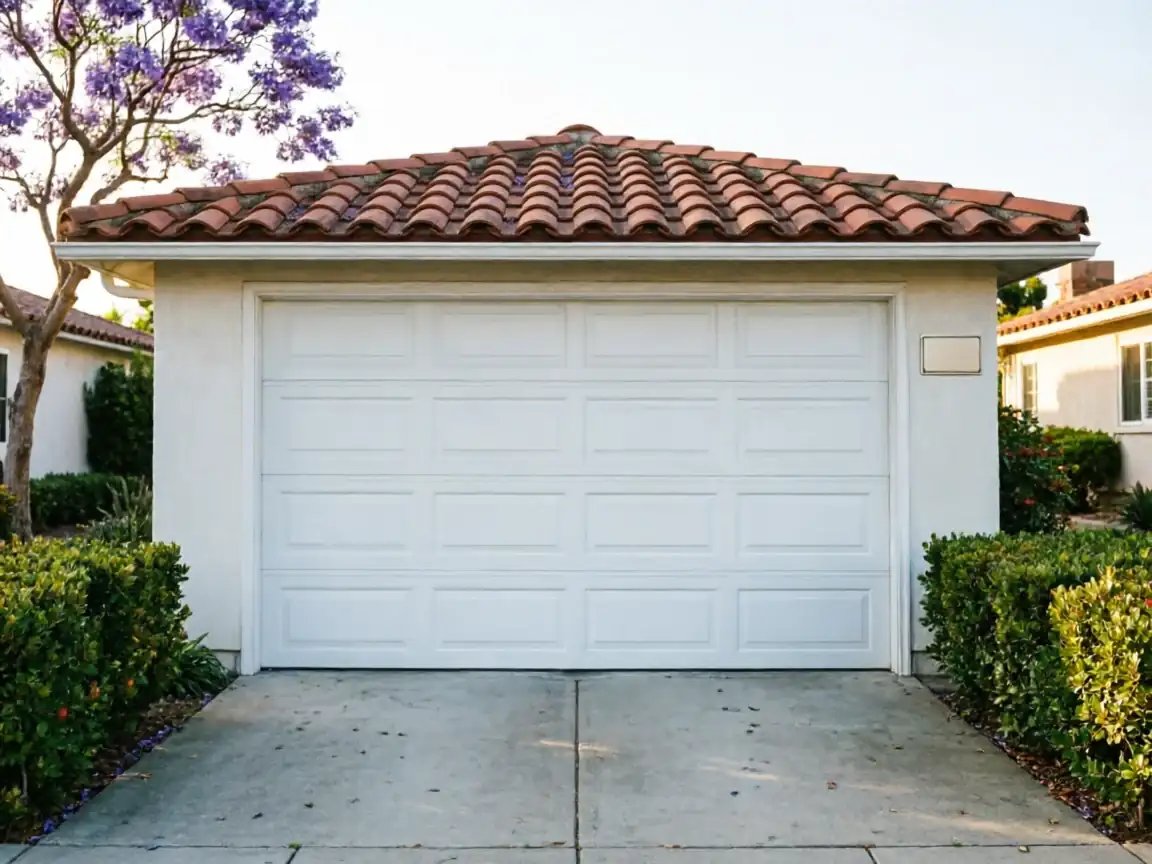
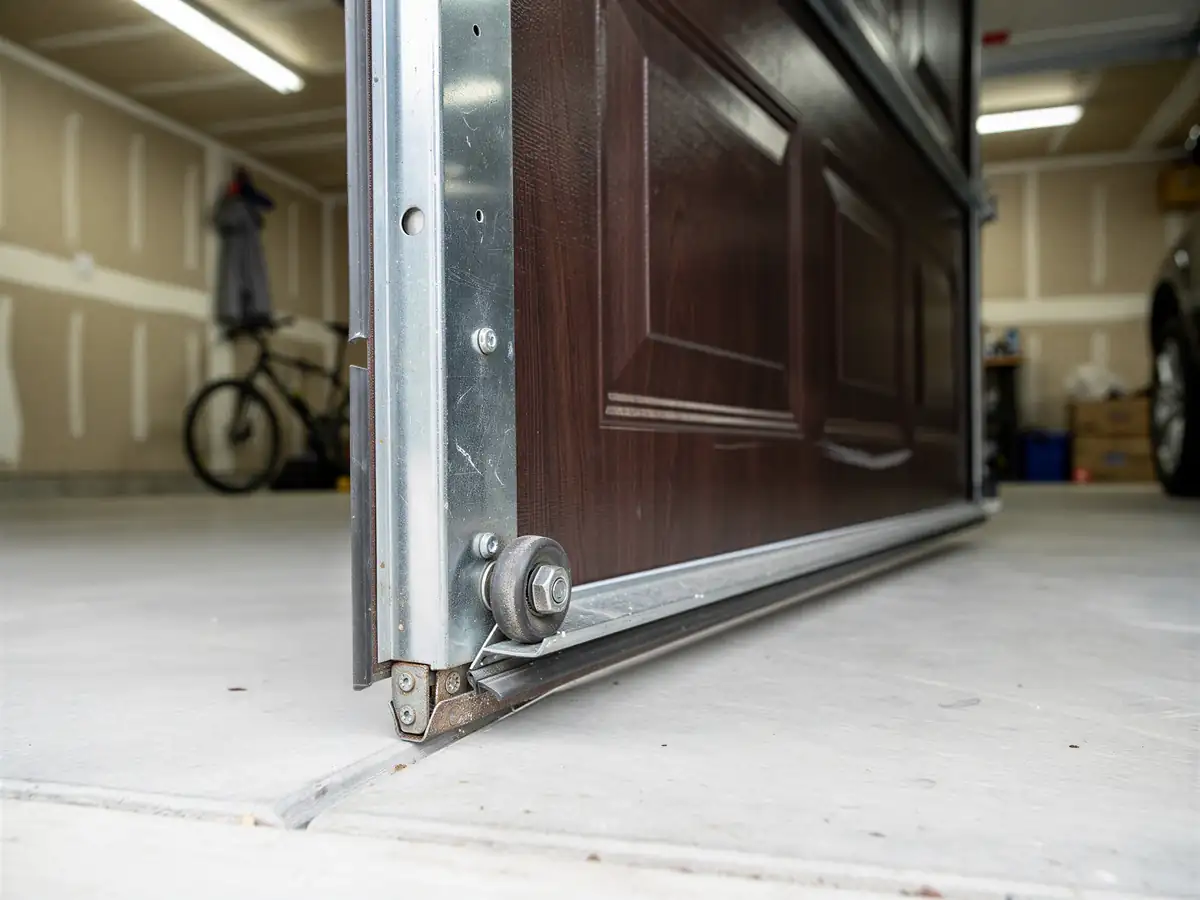
The climate band here is mild with occasional freeze, not the dry heat some other areas get, and that means wood panel doors absorb a little humidity every winter and dry out every summer. Over decades that cycle loosens screws, swells panel edges, and throws tracks slightly out of alignment. None of this is dramatic on its own, but it compounds. A door that's 15 degrees out of square because the track shifted a fraction over 70 years behaves differently than a door that's two years old and simply has a bad roller. We look for the slow causes first, not just the obvious broken part.
- 70 years
What Costs
We don't have a published price sheet to quote here, and giving you a number without seeing the door would be a guess, not a quote. What we can tell you is what drives the cost up or down: how old the hardware is, whether a part is still made or needs sourcing for an older extension-spring setup, and whether the fix is a single part or a chain of worn pieces that all need attention at once.
Nevada City's median household income sits at $69,552, well under the $91,135 median across the wider service area, and that's part of why we lean toward repair over replacement when a repair holds up. Replacing a whole door is sometimes the right call - if the panels are cracked through or the track is bent beyond adjustment - but we don't default to it just because the door is old. An old door with good bones and a bad spring is usually a repair, not a sale.
What Is on the Truck
Our stock is built around the hardware that's common across the area we actually cover, which skews toward the 1960s-70s sectional doors and torsion springs that make up most of the fifteen communities on our route. Nevada City's older stock - extension springs, wood panels, pulley-and-cable setups from the late 1940s - isn't always a same-day match.
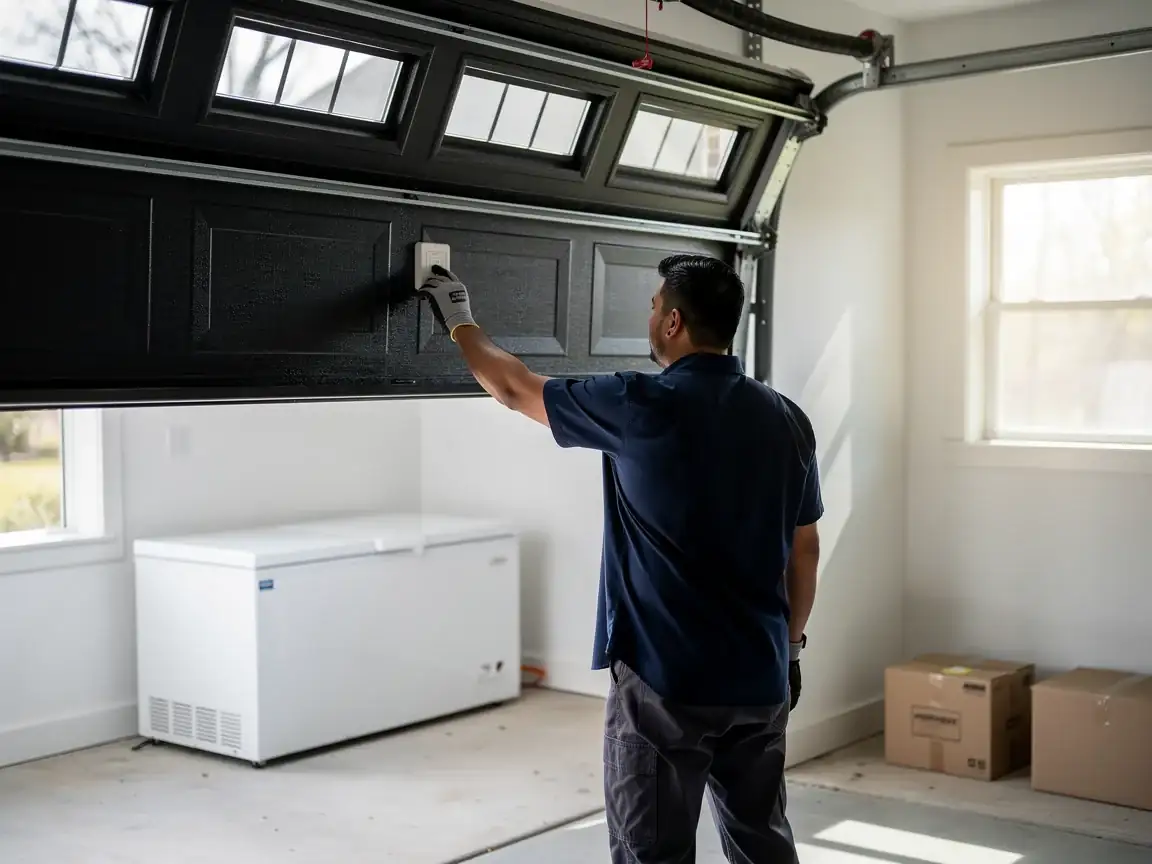
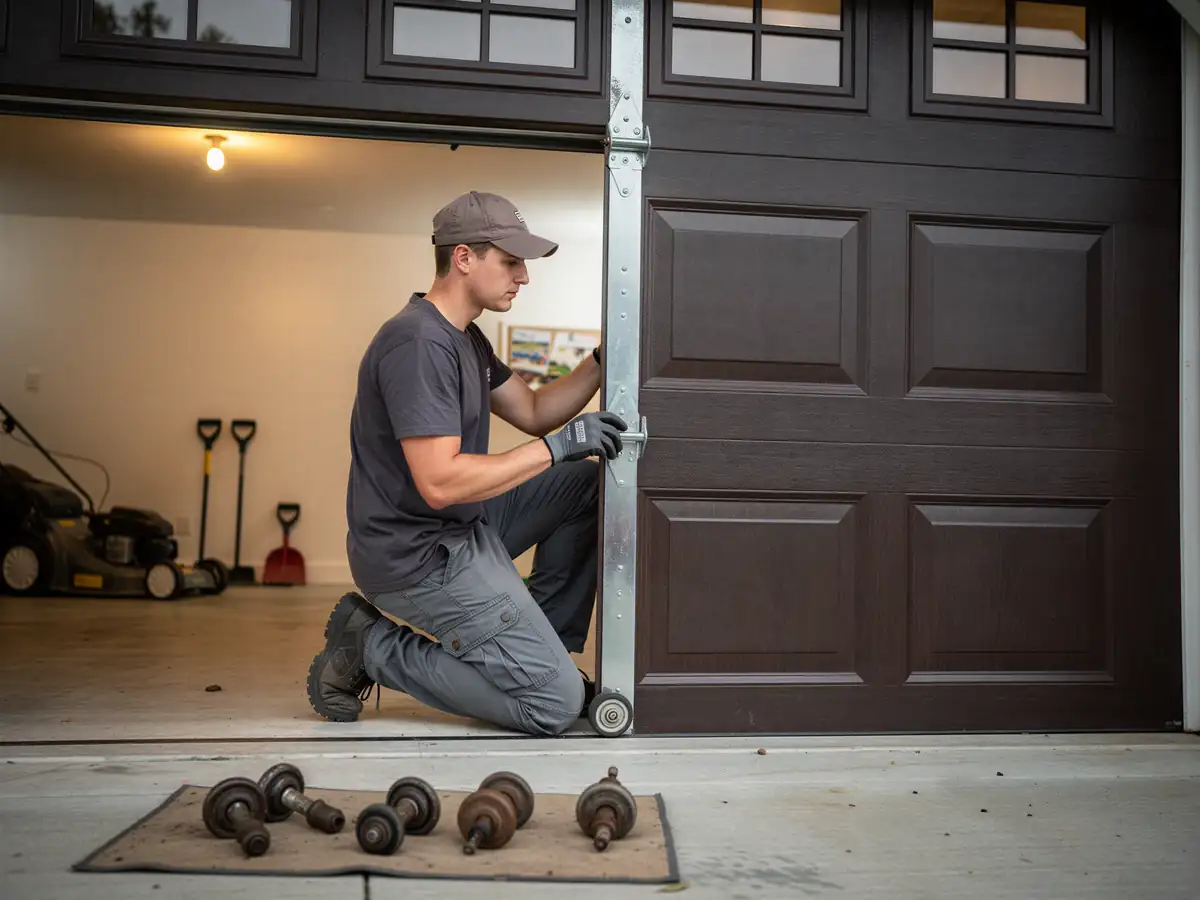
Here's the honest limitation: if your door needs a part specific to that older extension-spring era, we may need to order it rather than pull it off the truck. We carry common extension spring sizes and cable, but a less common pulley or an obsolete wood panel hinge can mean a short wait. We'd rather tell you that up front than promise a same-visit fix we can't back up. For everything else - rollers, standard cable, common opener parts - the truck is set up to finish the job in one trip regardless of which decade the door came from.