Serving Grass Valley, CA & nearby
(530) 239-0889
Grass Valley, CA

Grass Valley Garage Door Noises: What They're Telling You

Grass Valley's 1960s-70s housing stock means specific garage door noises point to specific problems. Here's what cables, rollers, and springs tell you.

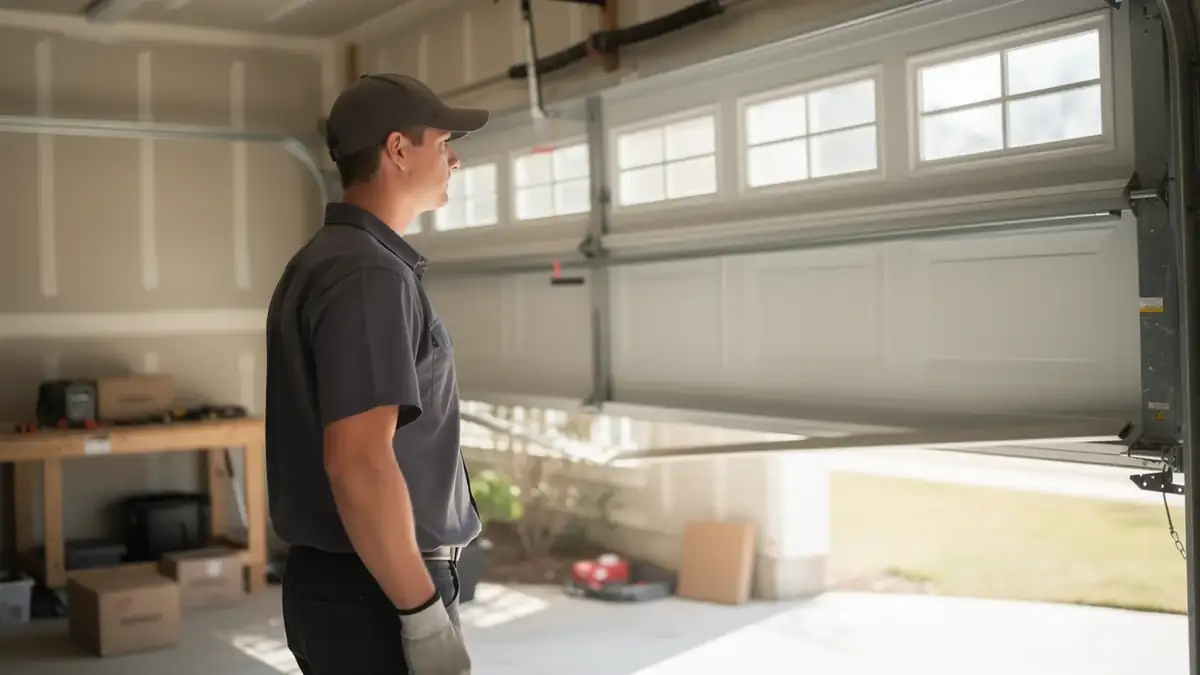
A technician in a gray shirt and cap stands in a garage with an open door.

What the Weather Here Does to It

Grass Valley sits in a mild climate band with occasional freeze nights, not the hard winters you'd get up the hill toward Washington or Foresthill, and not the flat heat of the valley floor either. That matters for a door because it's the swing between damp and dry, not brutal cold, that does the damage. Most of the housing stock here went up between 1938 and 1984, with the median around 1977, which means a lot of doors are original steel sectional panels on galvanized track, sometimes with wood trim that was never meant to handle fifty years of seasonal moisture. On the handful of nights each winter that dip below freezing, grease inside an old torsion spring coil or a bearing plate can stiffen up just enough to change the sound the door makes on the first open of the day. It's not damage yet, but it's the kind of noise worth paying attention to, because the same door that groans once in January will do it more often each year after. A door that's quiet in July and groans in December is telling you something about its hardware, not about the weather alone.

Season by Season

Spring is when moisture that worked into wood trim or into a rusted-out bottom bracket over winter finally shows up as a scrape or a shift in how the door sits in the opening. On a lot of the 1960s-70s builds across this area, that bracket was never replaced, so it's thinner than it was the day it went in. Summer in Grass Valley is dry and the door runs quieter than any other time of year - which is exactly when a worn roller or a cable with a few strands gone will sound almost normal, right up until it isn't. Fall is when people notice the opener straining a little more on cold mornings, because the spring that's carried the weight of the door since the Carter administration has lost some of its tension and the motor is picking up the slack it shouldn't have to. Winter brings the freeze nights back, grease stiffens, and the door that groaned last January groans a little louder this one. None of this is dramatic. It's a slow curve, and on a house built anywhere near that median 1977 date, the curve has had decades to run.

What Is Going On

A rhythmic thump once per rotation is almost always a flat spot on a roller - common on the nylon rollers that started replacing steel in a lot of these 1960s-70s installs, now worn down after the decades this stock has logged. A sharp bang followed by the door going slack is a broken torsion spring, and on original hardware from the 1938-1984 build range, that spring has usually never been replaced once, which means it's carried every cycle the door has ever made. A grinding or scraping sound that tracks the door's full travel points to a bent or rusted track, more common on doors that sat through decades of the freeze-thaw swings this area gets even in a mild climate band. A high-pitched squeal on opening is usually just dry hinges - the cheapest problem on this list, and the one people worry about least and should worry about least. If the door shudders and hesitates partway up, that's often cable wear on a system old enough that the cable has never been inspected, not just the spring. Matching the sound to the system beats guessing at parts.

When It Stops Being a DIY Job

Lubricating hinges and rollers, tightening loose bolts, and clearing track debris are fine to do yourself, and on a door this age it's worth doing every few months rather than waiting for a noise to show up. The line you shouldn't cross is anything involving the torsion spring itself - the wound coil under tension that's been sitting on original 1960s-70s or earlier hardware across most of this area. That spring stores enough force to do real harm, and on a door built anywhere near the 1977 median, it's old enough that nobody can tell you from the outside how much life is left in the winding. If the door is off its track, if a cable has visibly frayed, or if the spring has already let go, that's a call, not a weekend project. The honest limit on our side: if the track or hardware is bent badly enough, or the panels have rusted through, replacement is usually the better call than another repair, and we'll say so rather than patch something that's going to fail again in a year.
How it works

From “it’s stuck” to “it’s fixed”

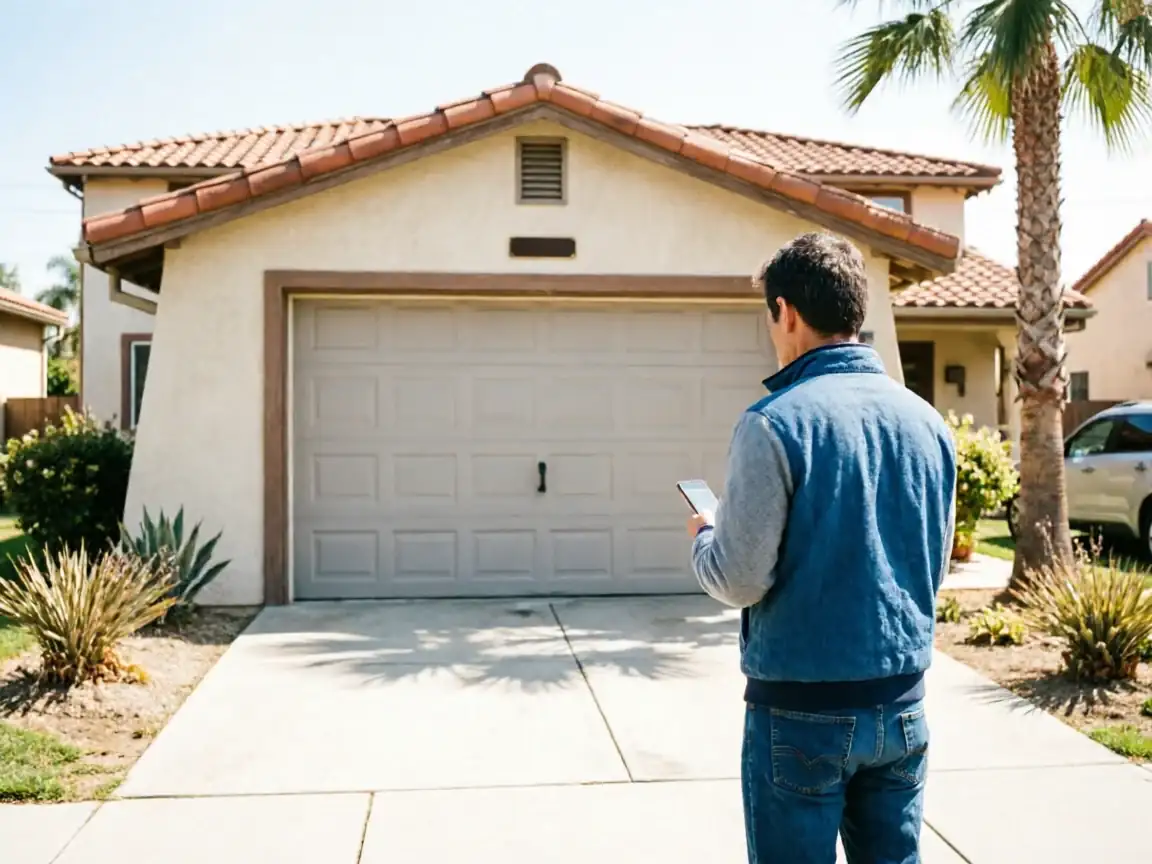
A man stands in a driveway looking at his phone, facing a closed garage door.

Tell us what’s wrong

Describe the symptom - won’t open, loud bang, opener runs but the door won’t move.

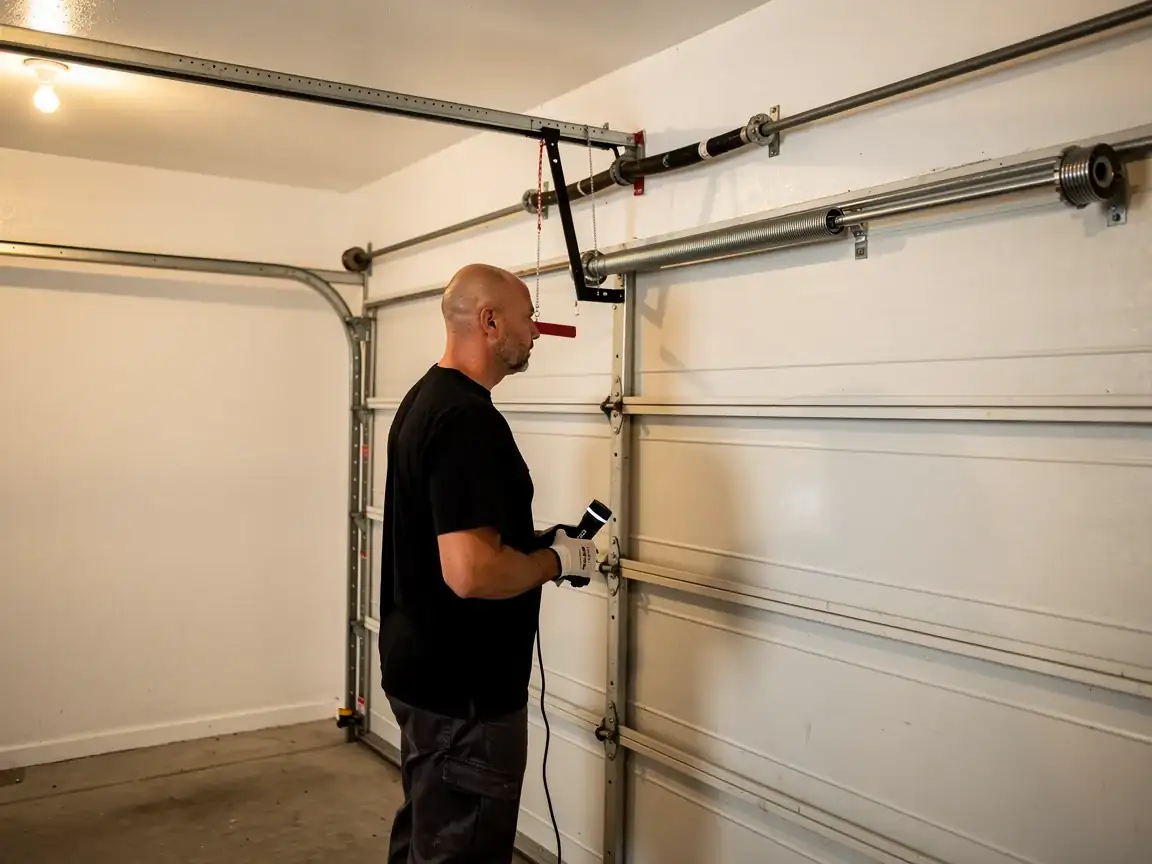
A technician works on a white garage door with visible springs and tracks.

On-site diagnosis

A technician tests the door under power and by hand and finds what actually failed.

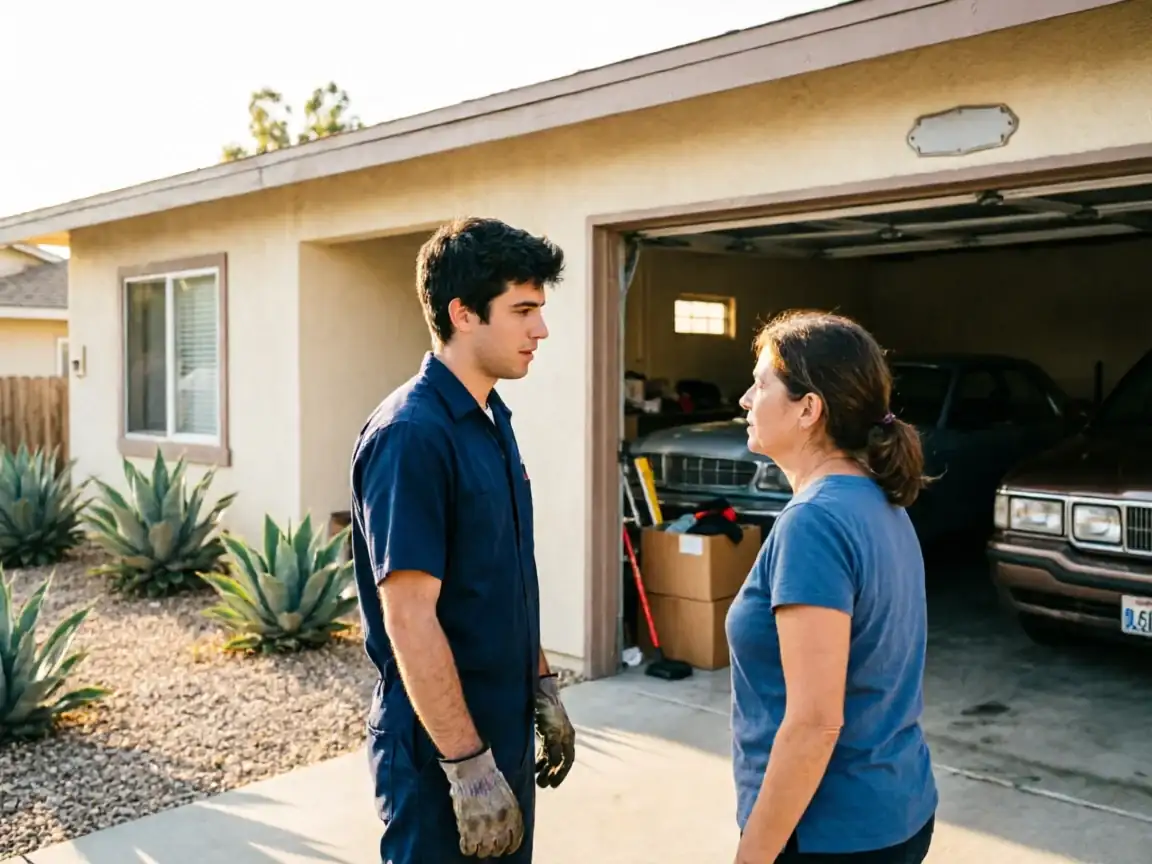
A technician in a blue uniform talks to a woman in front of a garage.

Clear, up-front plan

You get the fix that’s needed and what drives the cost - before any work starts.

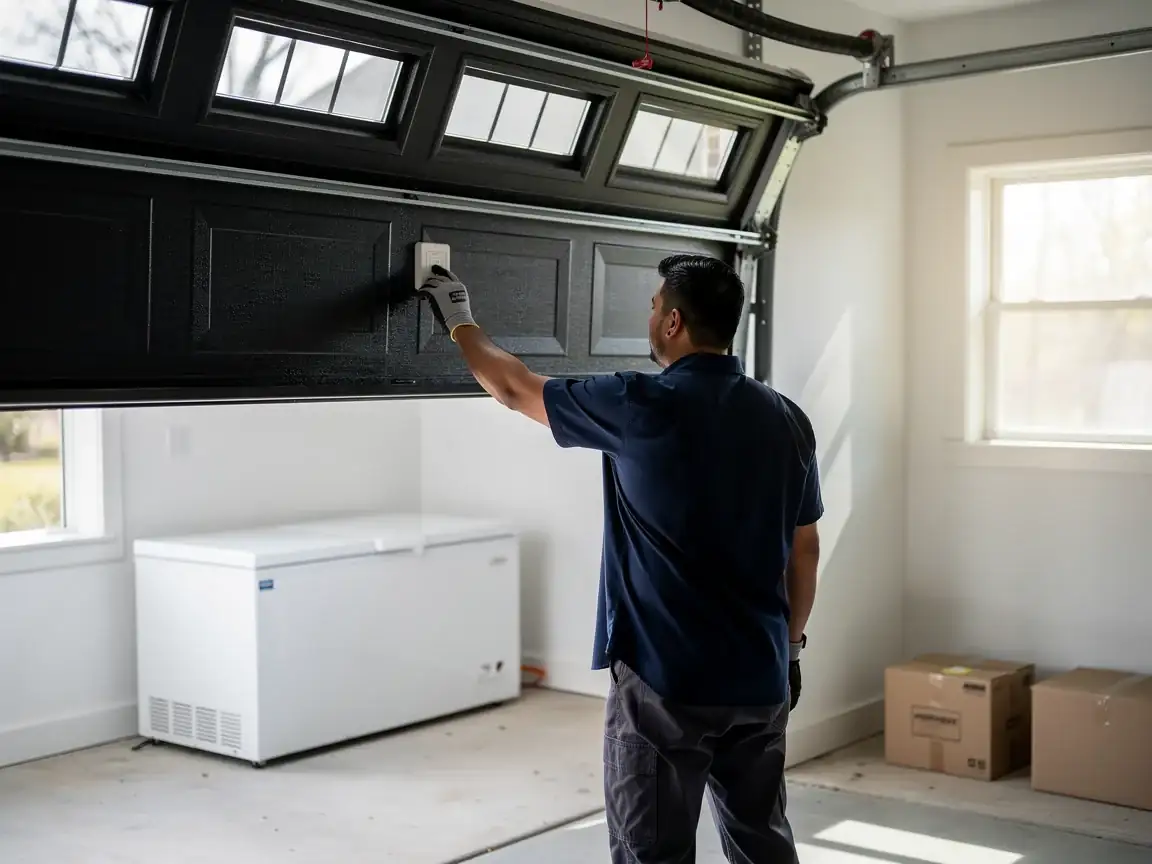
A technician adjusts a black garage door with windows in a white garage.

Repaired & tested

The repair is done, the door is set true and tested, and the work area left clean.

Not sure which repair your door needs in Grass Valley, CA? Describe what it’s doing - every job starts with a diagnosis.

8areas covered
How we work

What to expect

Diagnosis firstEvery visit starts by finding what actually failed - not a pre-written parts list.
The right part for the doorSprings and openers matched to the door’s weight and age, so the fix holds up.
Straight answersWhen a repair makes more sense than a replacement - or the reverse - you hear it plainly.
Clean, careful workTension released safely, hardware set true, the door tested under power before we leave.
What we do

Garage Door Services

Repair and installation work for Grass Valley homes and businesses.

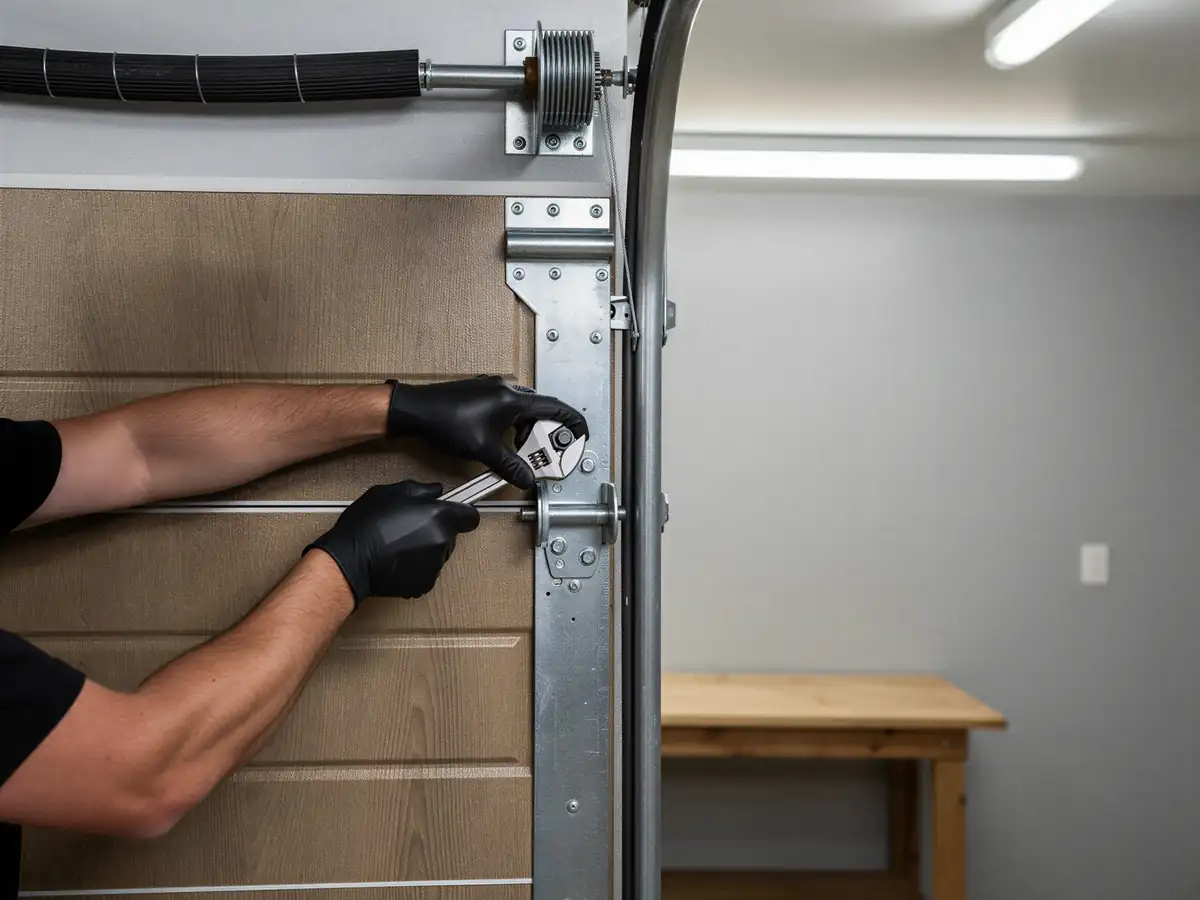
A technician in gloves uses a wrench to repair a dark garage door.

Garage Door Repair

Garage door repair for Grass Valley houses built 1938-1984 - torsion springs, worn rollers, and openers sized for original hardware, not big-box replacements.

Learn more
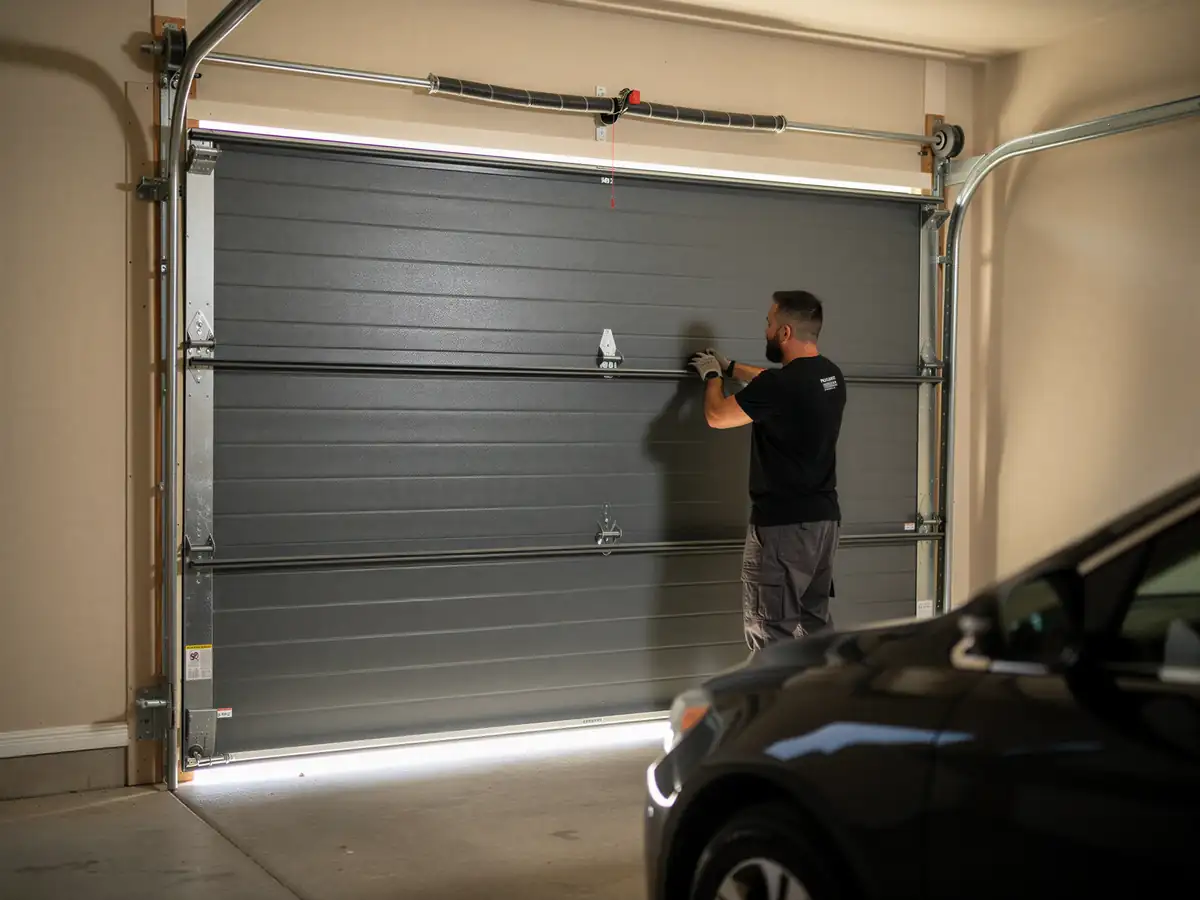
A technician adjusts a gray garage door with a black car in the foreground.

Garage Door Installation

Installing new garage doors on Grass Valley's 1938-1984 housing stock, from Nevada City to Alta Sierra, matched to original openings and mild-climate hardware.

Learn more
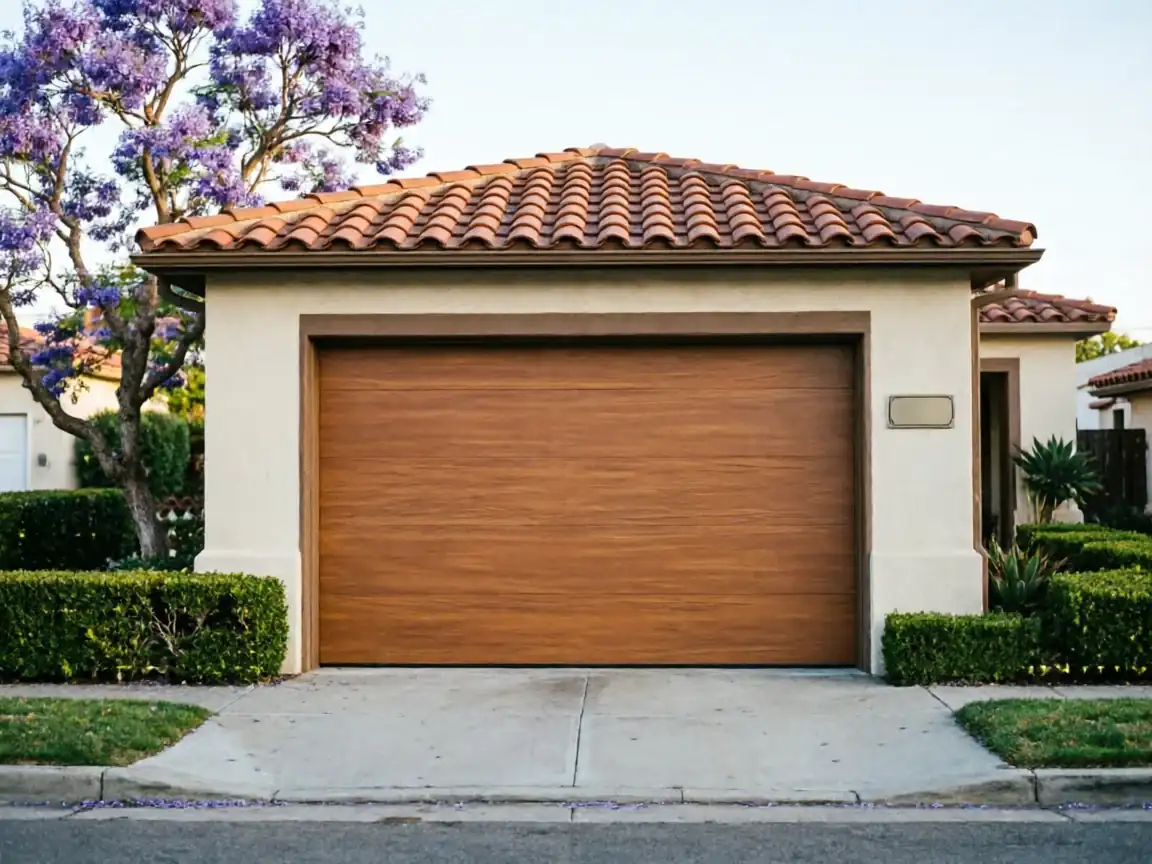
A brown wooden garage door on a stucco house with a tiled roof.

Garage Door Service

Grass Valley homes built mostly in the 1960s and 70s often carry original single torsion springs. We replace them with correctly sized, properly cycled hardware.

Learn more
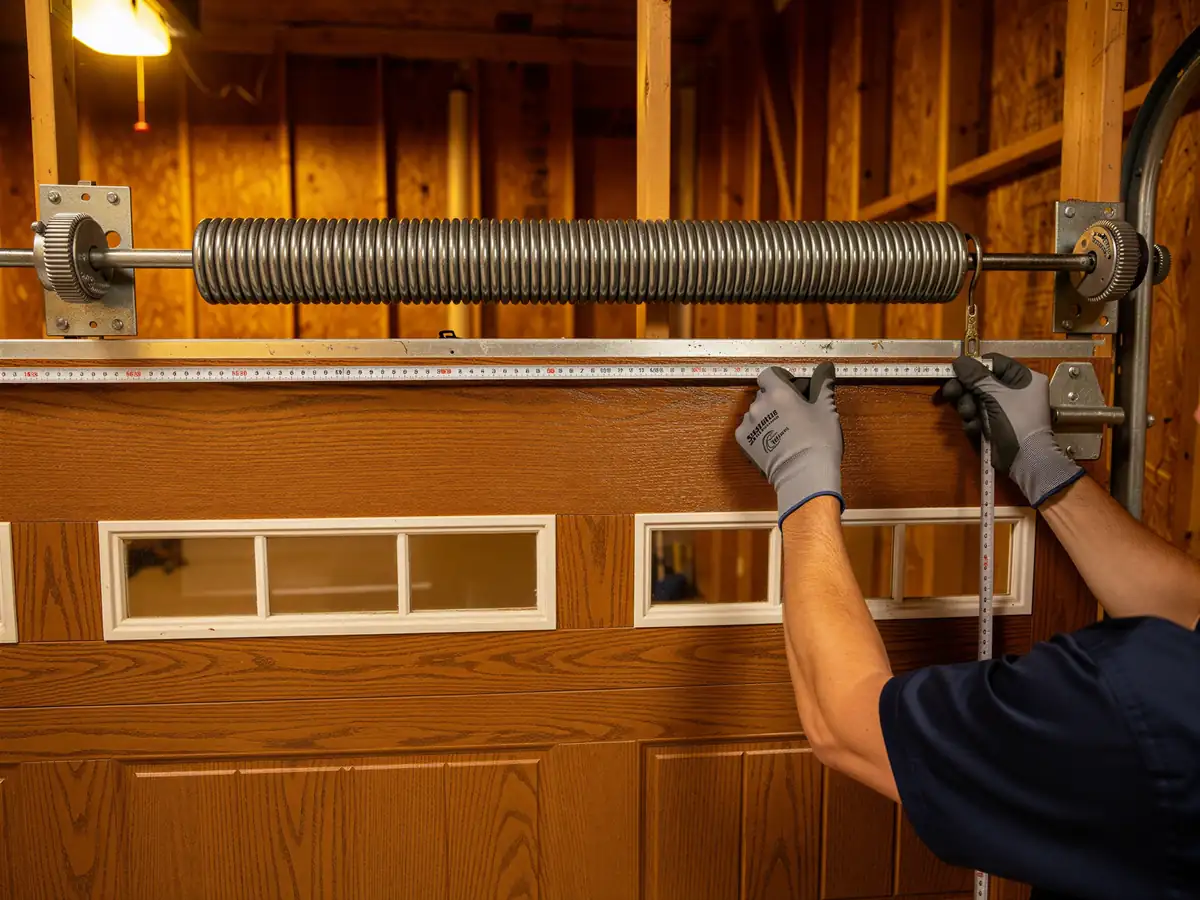
A technician measures a brown garage door with a torsion spring above it.

Spring Repair

Broken torsion springs are common on Grass Valley's 1960s-70s housing stock. Same-day spring repair for homes across Nevada County's older neighborhoods.

Learn more
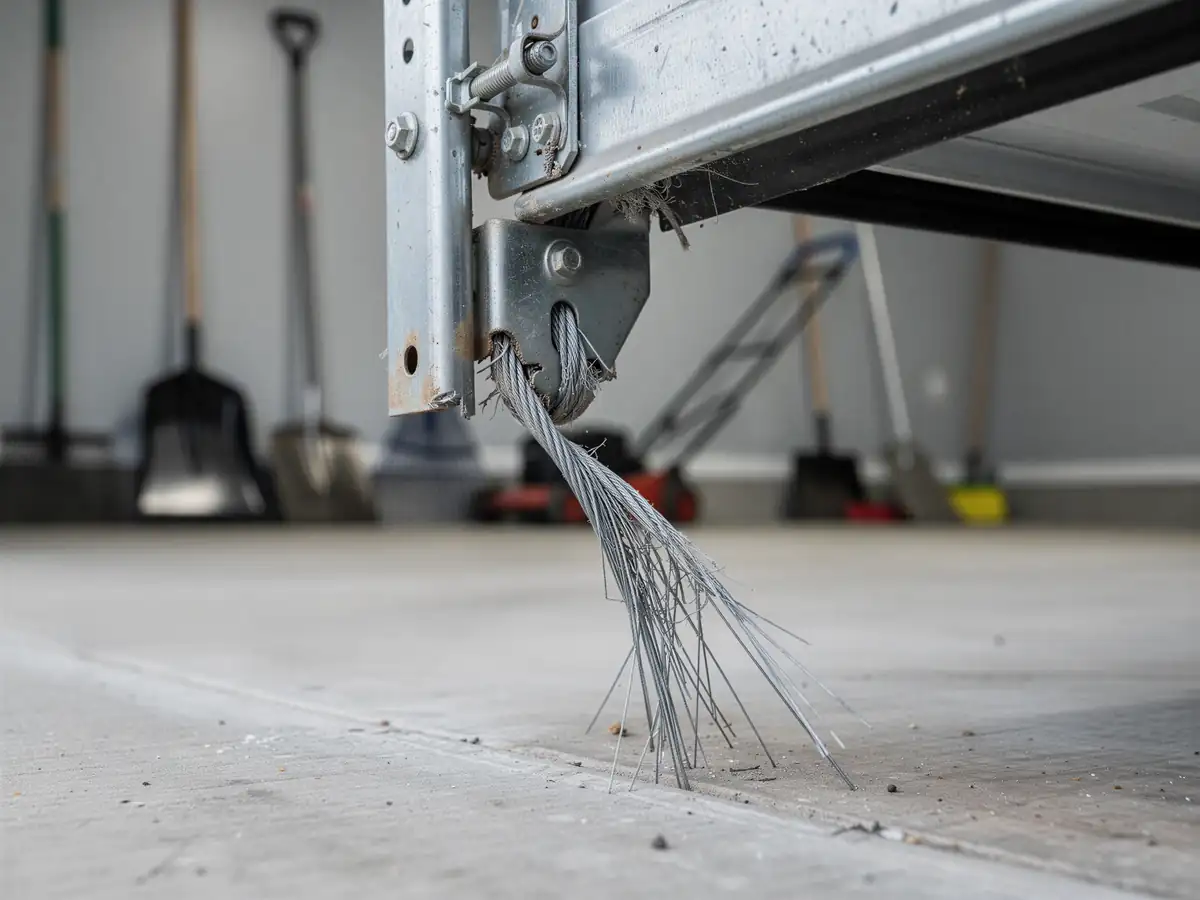
The frayed garage door cable hangs from the bottom of the garage door.

Cable Repair

Frayed or snapped garage door cables are common in Grass Valley's older housing stock. Here's what the repair involves, what causes it, and what to expect.

Learn more
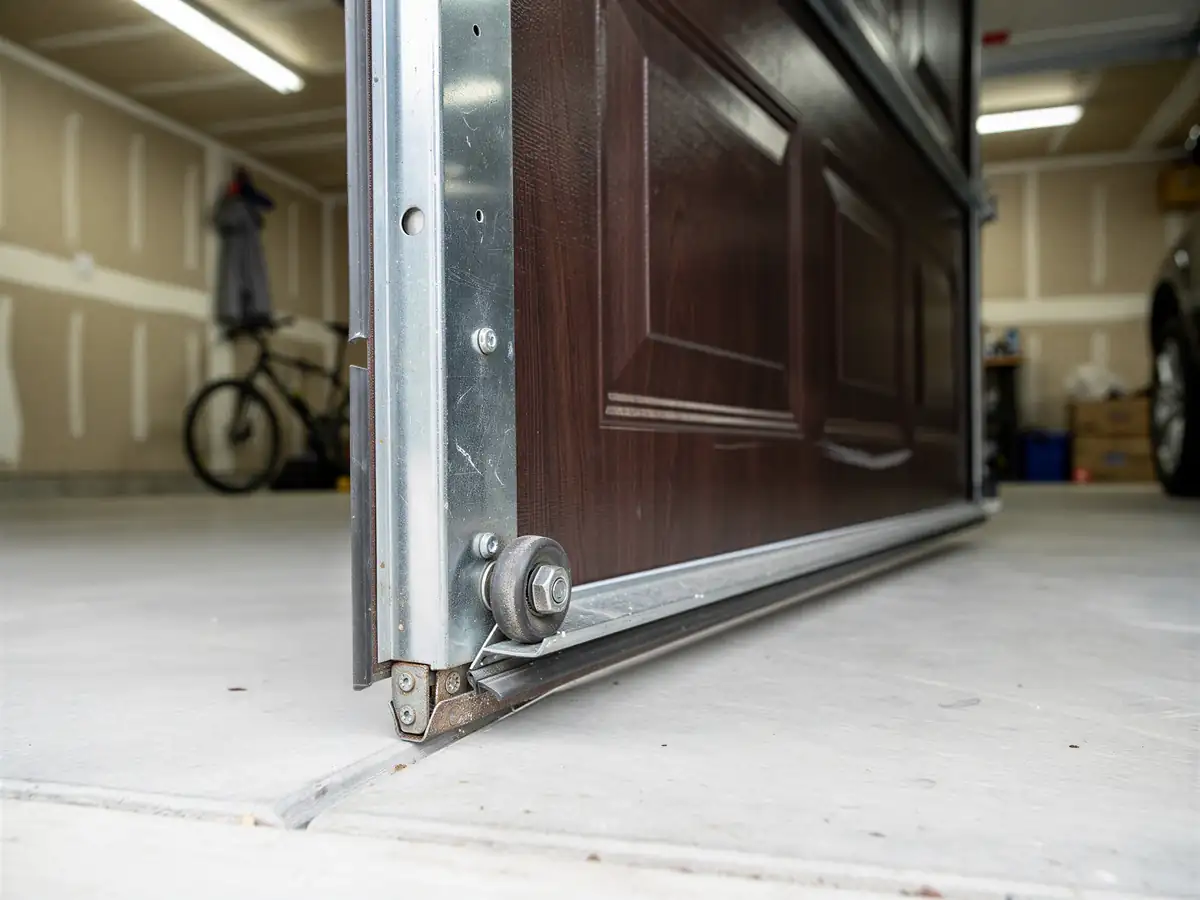
The bottom of a brown garage door is slightly open, showing the roller and track.

Off-Track Repair

Grass Valley homes built mostly in the 1960s-70s stock show up a lot when a door jumps track. We fix bent track, broken rollers, and bad cable on original hardware.

Learn more
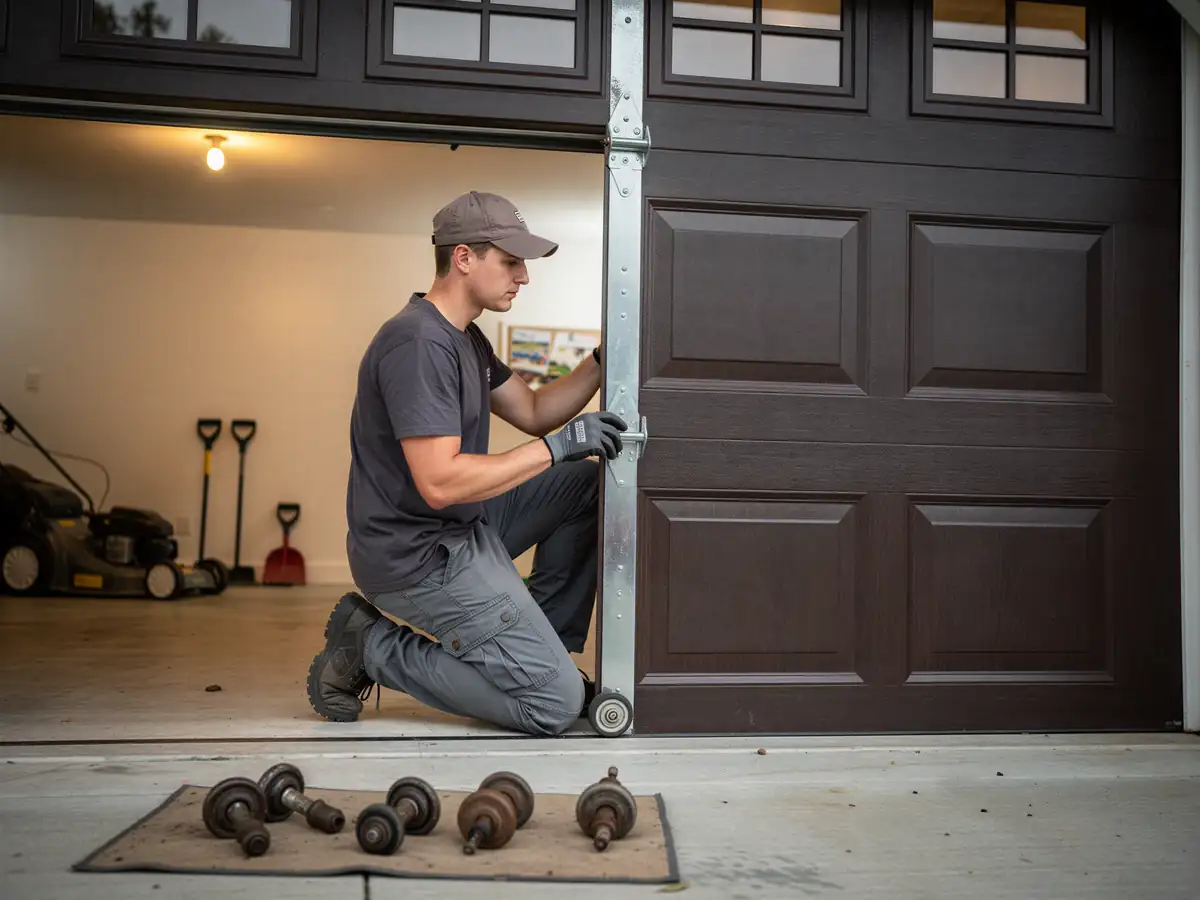
A technician kneels, working on a brown garage door with windows.

Roller Replacement

Worn rollers on the original torsion setups common to Grass Valley's 1938-1984 housing stock. Here's what roller replacement actually involves and what it costs you if you wait.

Learn more
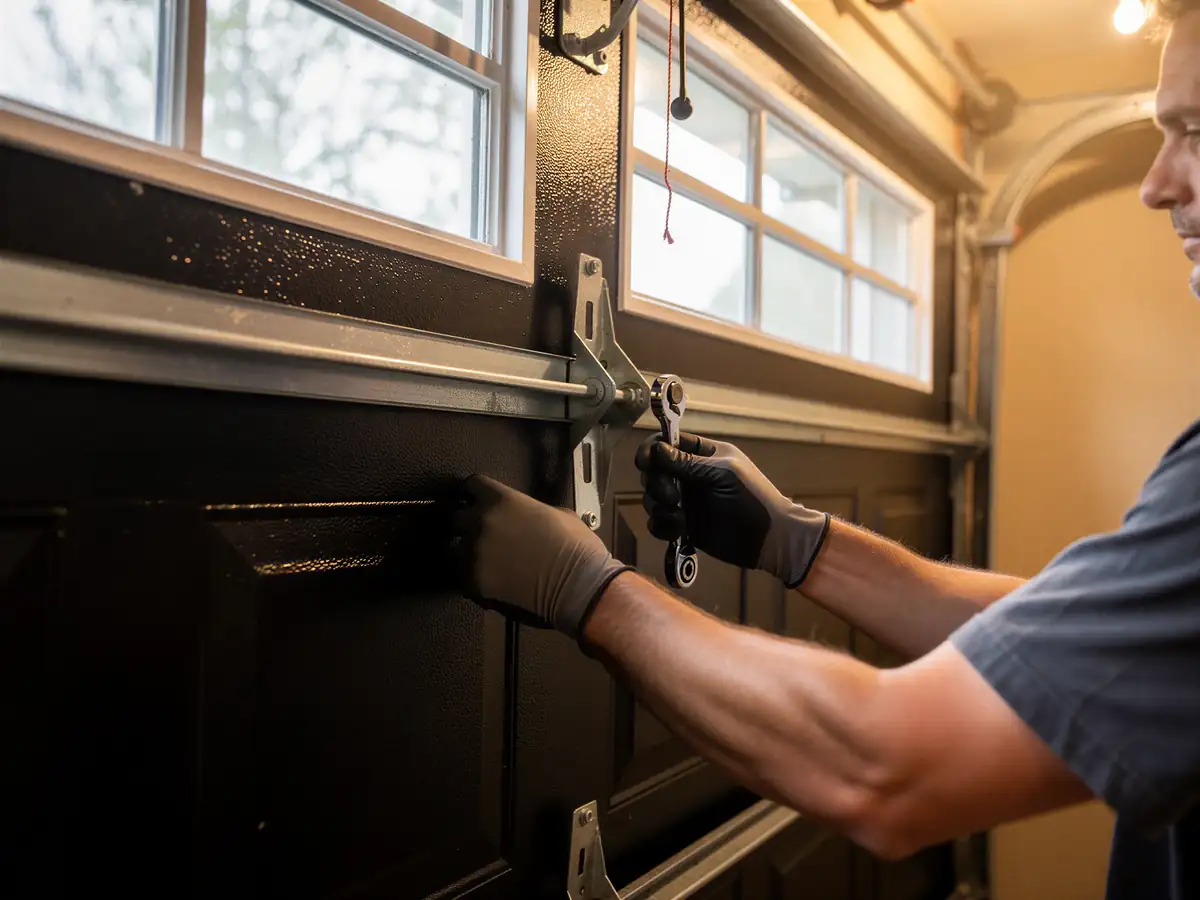
A technician wearing black gloves adjusts a garage door roller with a wrench.

Maintenance

Service work for homes built 1938-1984 in and around Grass Valley, CA. We tune springs, tracks, and openers before mild-freeze swings turn small wear into a dead door.

Learn more
Questions

Frequently asked

Straight answers about garage door repair in Grass Valley. Still unsure? Ask us directly.

My garage door only groans on cold mornings - is that serious?

Usually it's grease in the spring or bearing stiffening up on one of the handful of freeze nights Grass Valley gets each winter. It's not an emergency, but it's a sign the hardware is aging. If it only happens on the coldest mornings, keep an eye on it. If it starts happening every morning, that's the spring telling you it's near the end.

Why does my door sound different in summer than winter?

Dry summer air in Grass Valley lets worn parts run quieter than they really are, so a cable or roller that's close to failing can sound almost normal for months. Cold, damp winter nights stiffen old grease and make the same worn part groan. The part didn't change - the conditions revealing it did.

My house was built in the 1970s and the door has never been serviced. Should I worry?

A lot of houses in this area date to that same stretch, and an original torsion spring that's never been replaced has usually carried decades of cycles on hardware nobody inspects until it breaks. It's worth having it looked at before it fails on its own schedule instead of yours.

Ready to get your garage door sorted?

Tell us what it’s doing and where you are in Grass Valley - we’ll take it from there.

Request a QuoteCall