What the Repair Takes
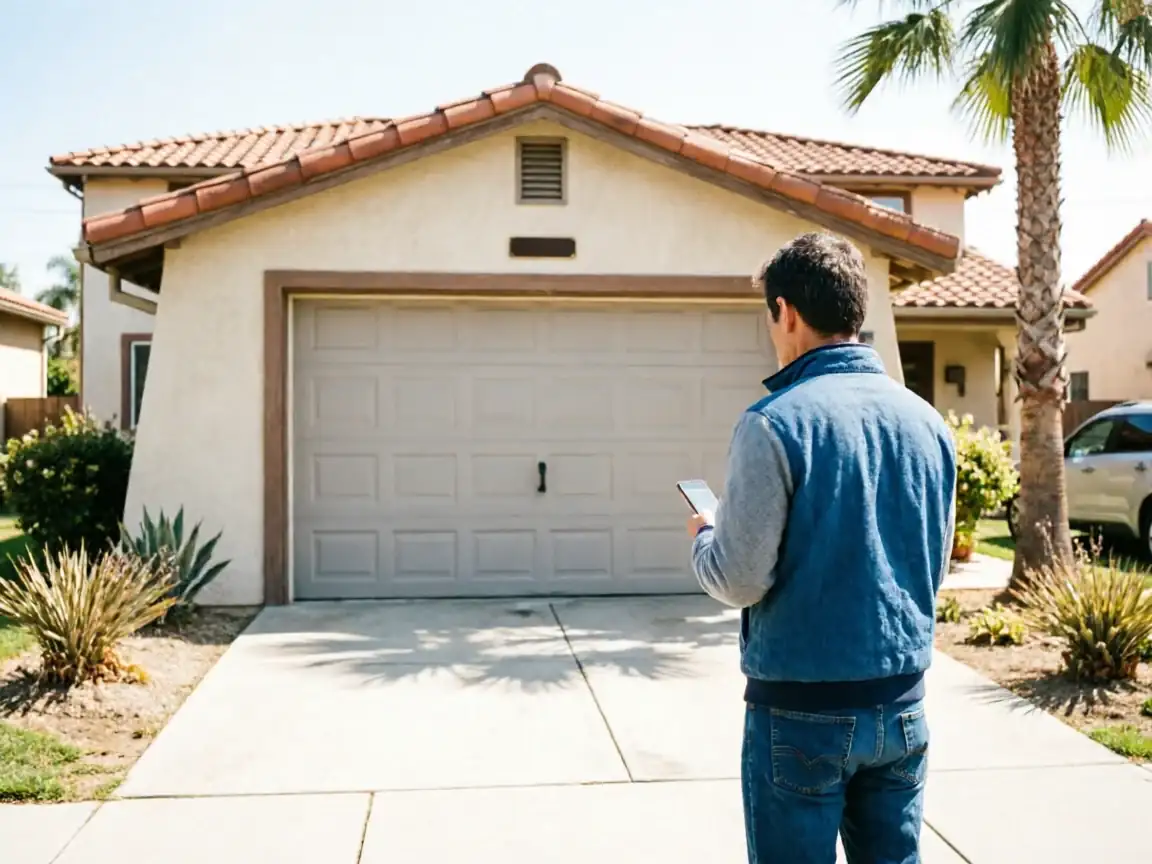
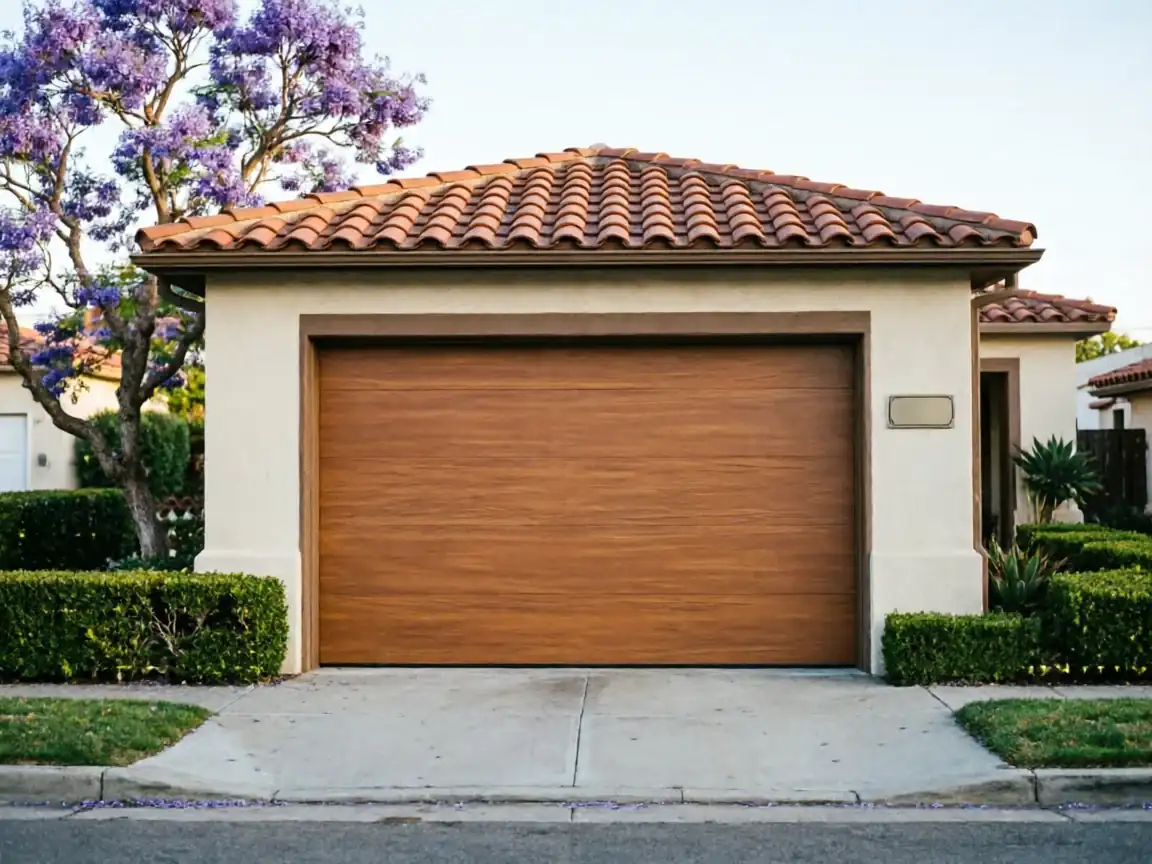
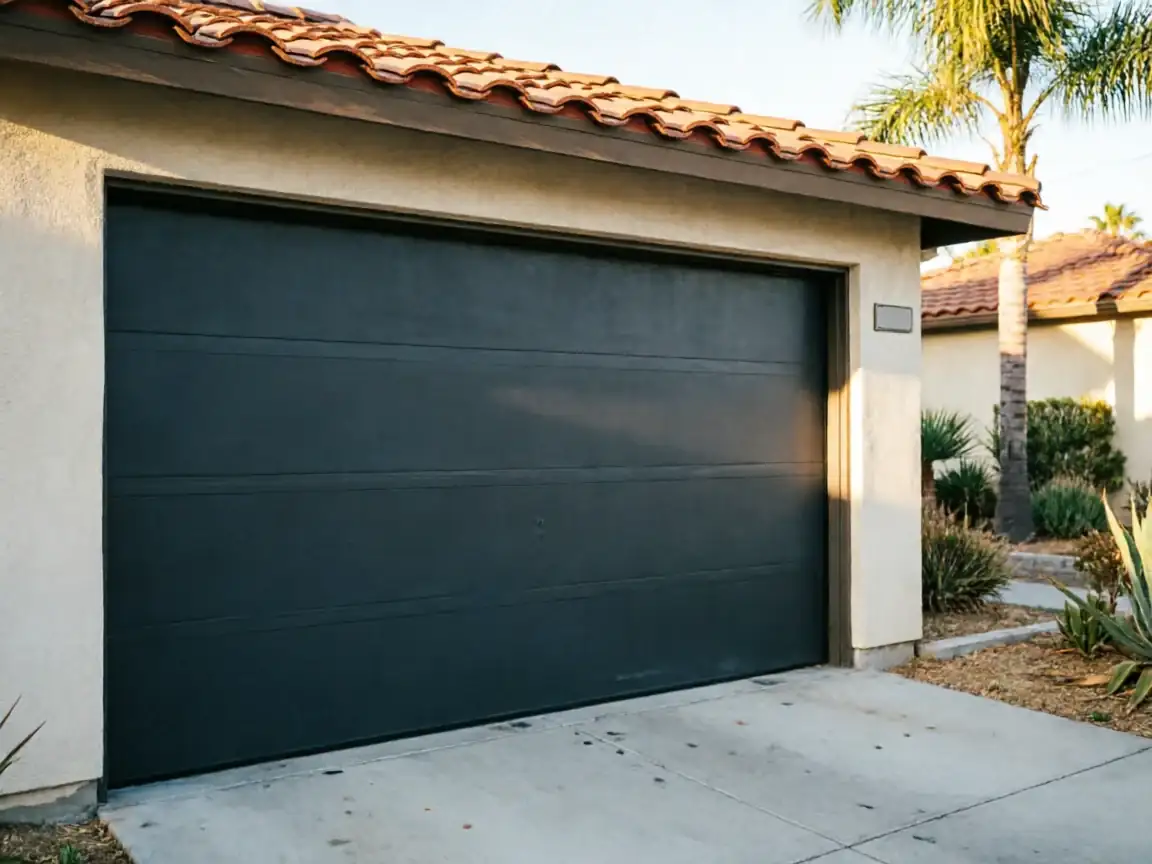
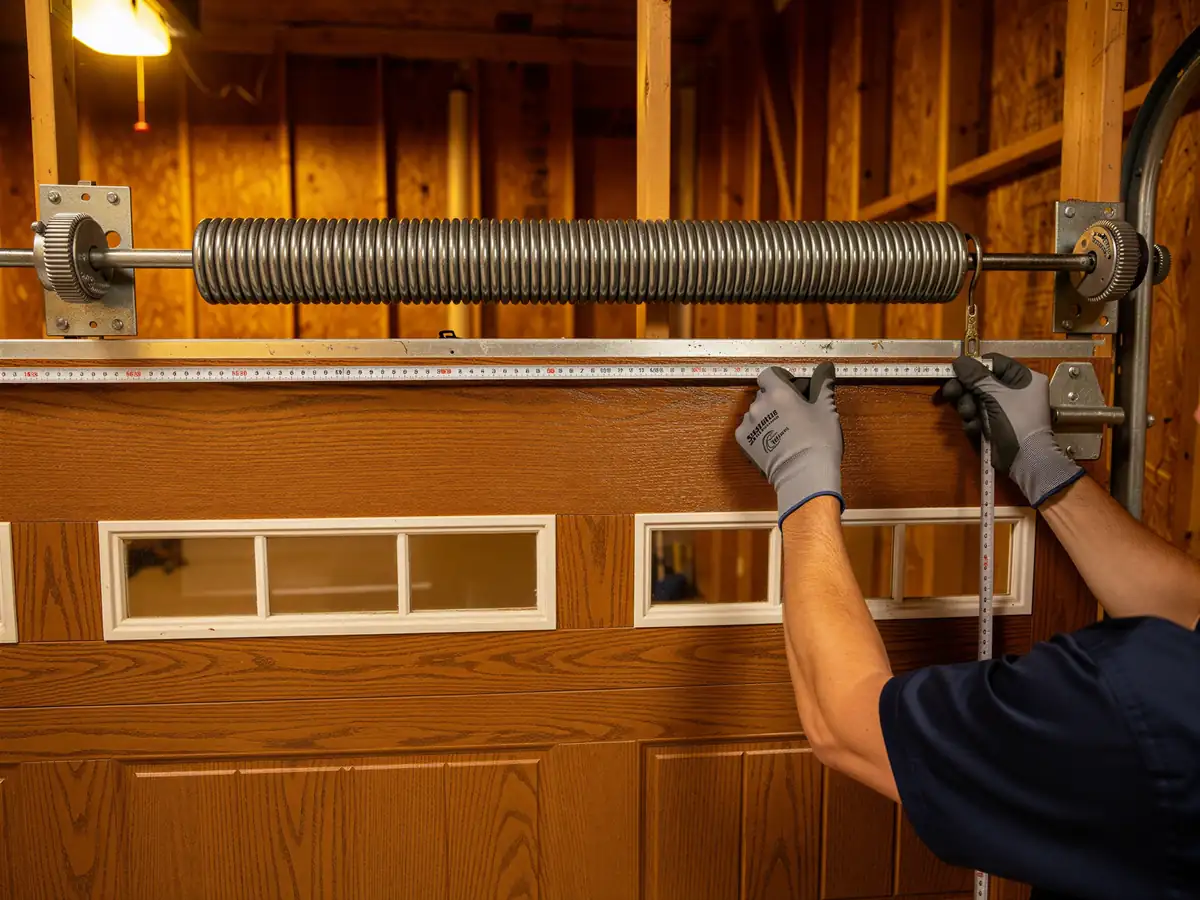
Installing a new garage door here isn't a box-swap job the way it is in a subdivision built last year. Most houses in this service area went up between 1938 and 1984, with the median landing around 1977, which means the rough opening, the header, and the track framing were all built to a spec nobody uses anymore. We start by measuring the actual opening, not trusting the old door's listed size, because decades of settling and prior patch jobs shift things by half an inch or more. That half inch decides whether a standard-size door seats clean or whether we're ordering a custom panel.
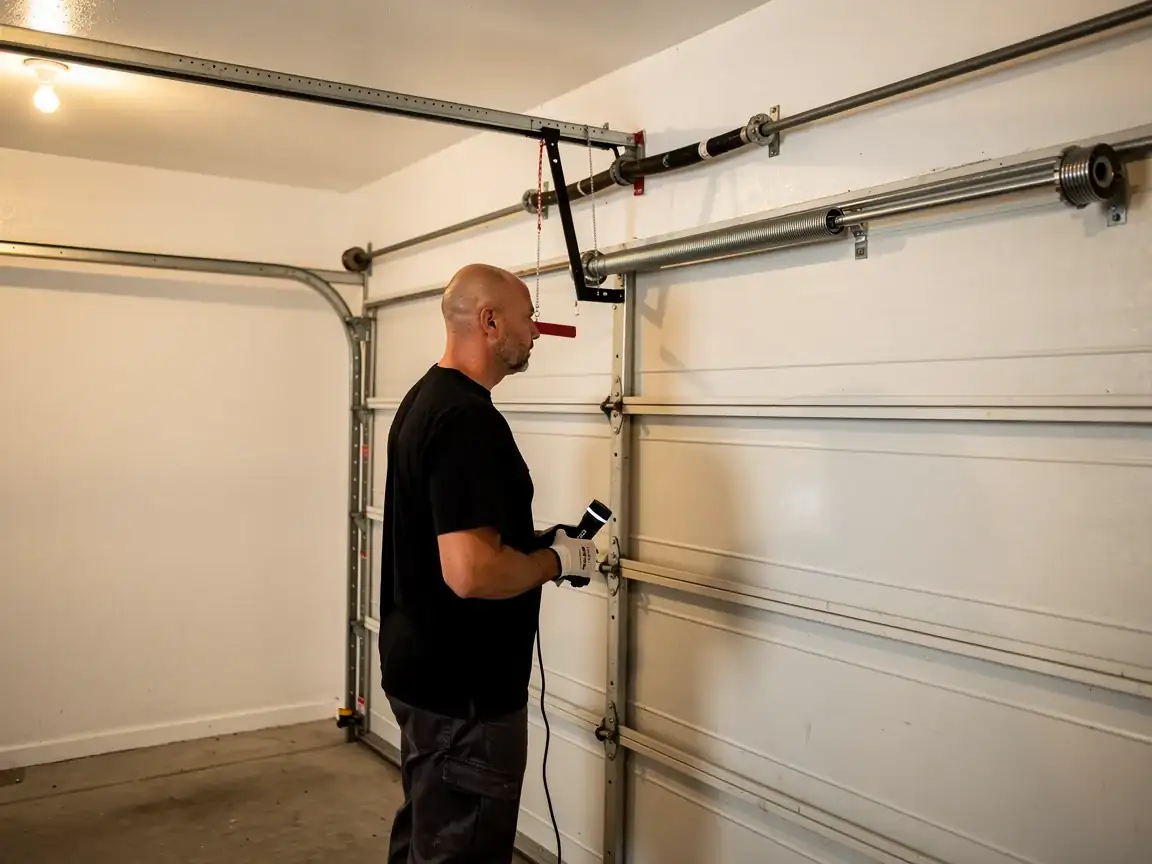
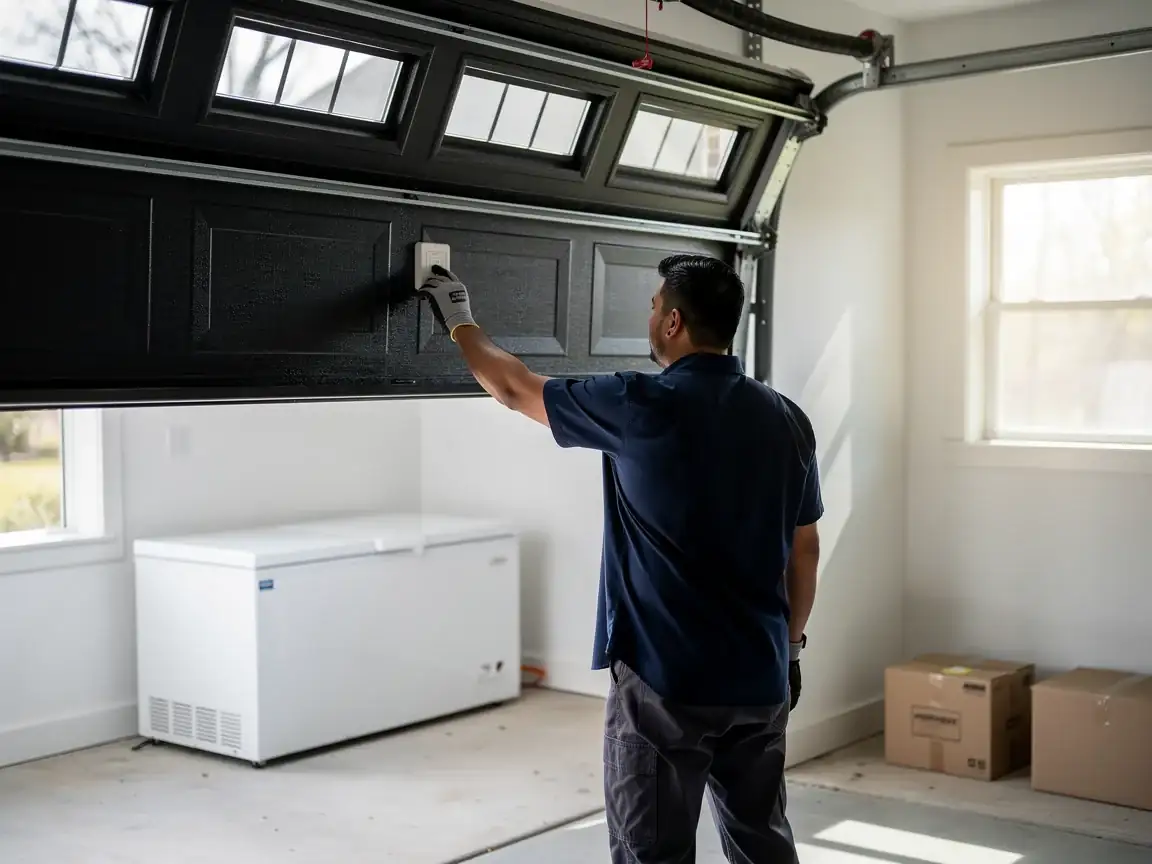
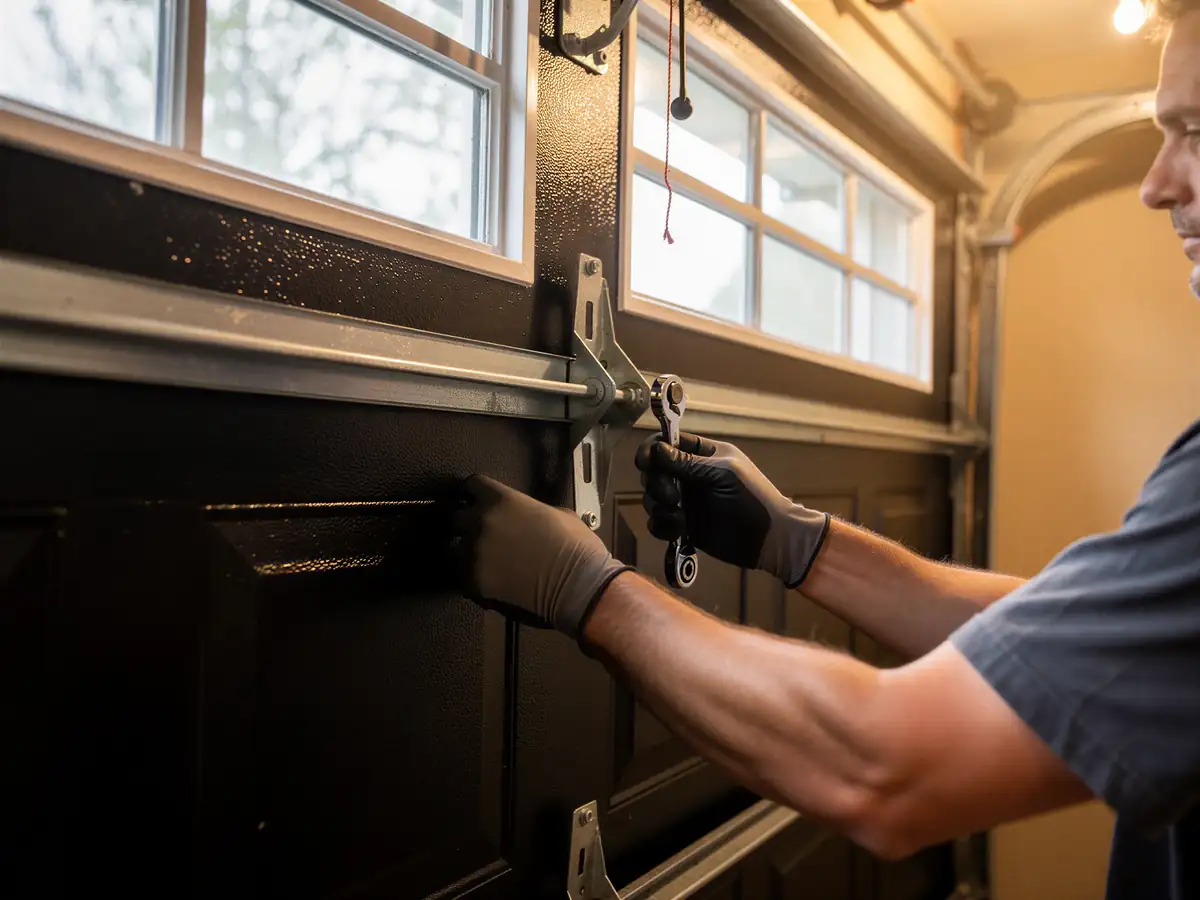
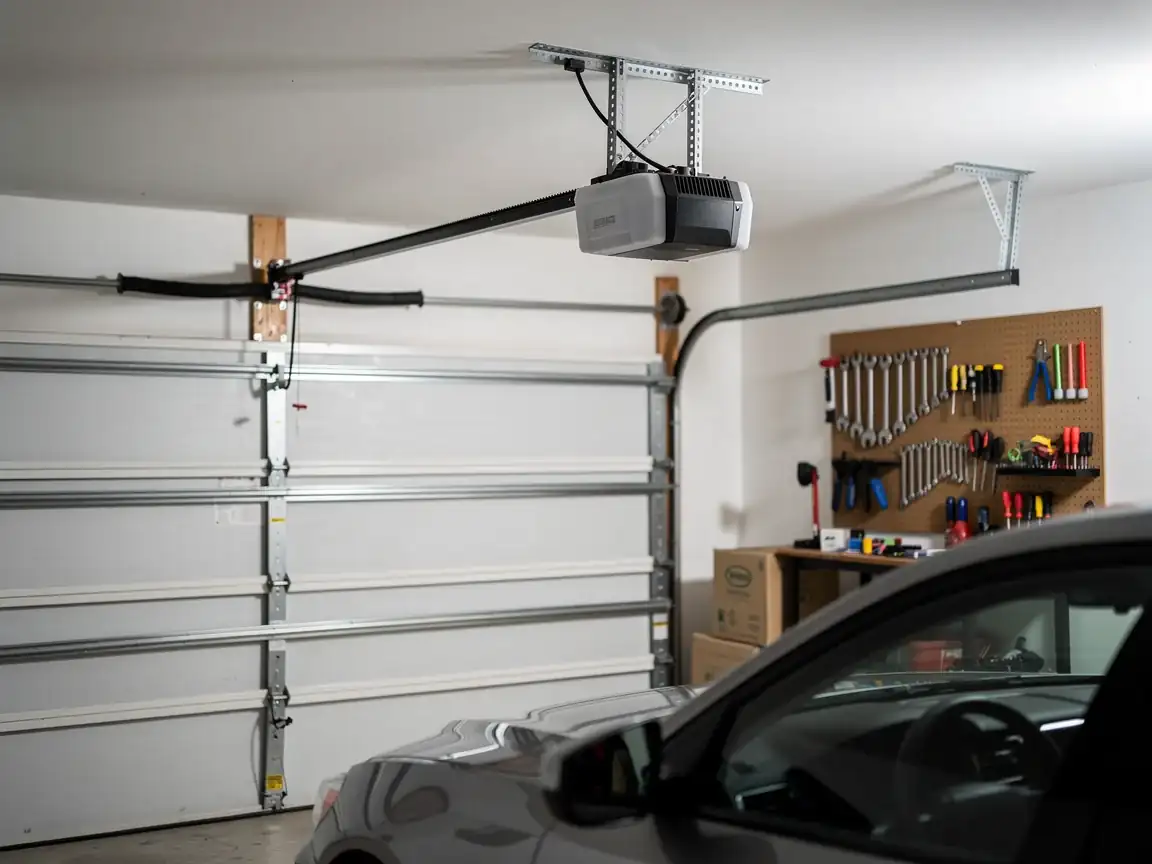
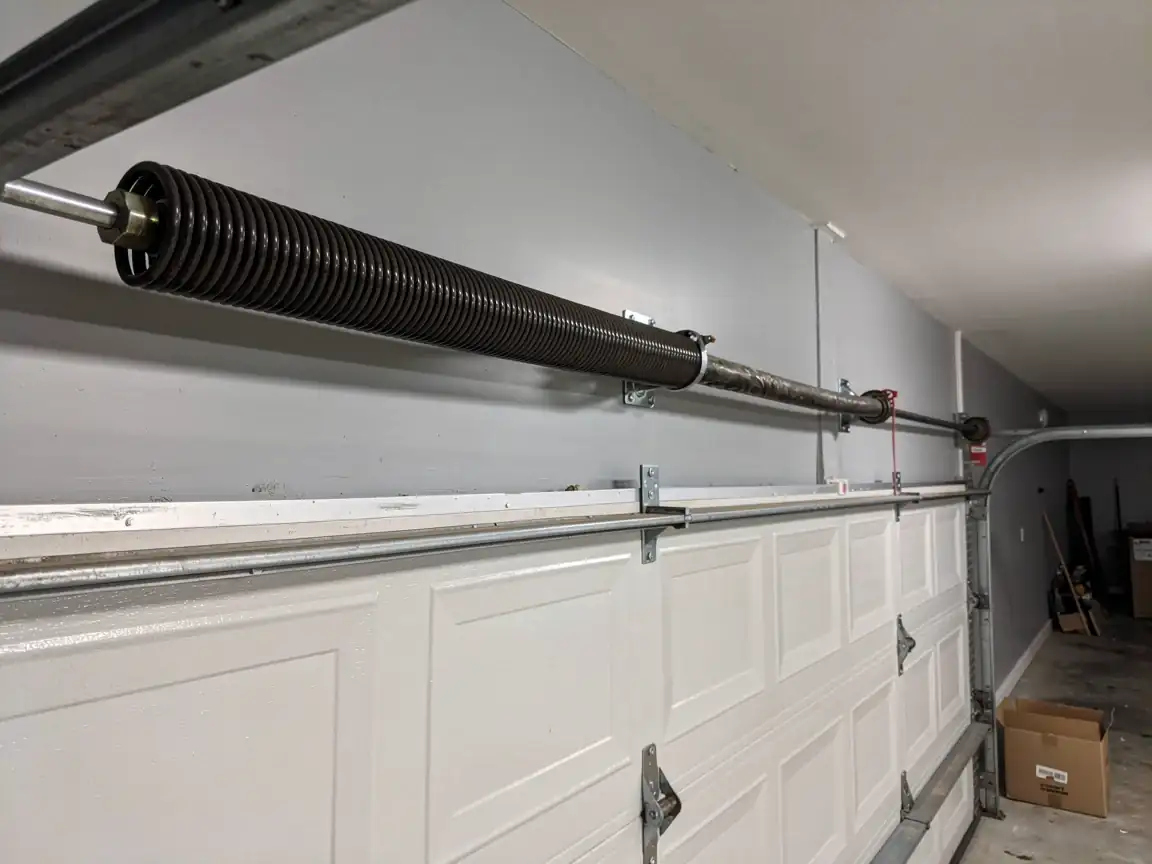
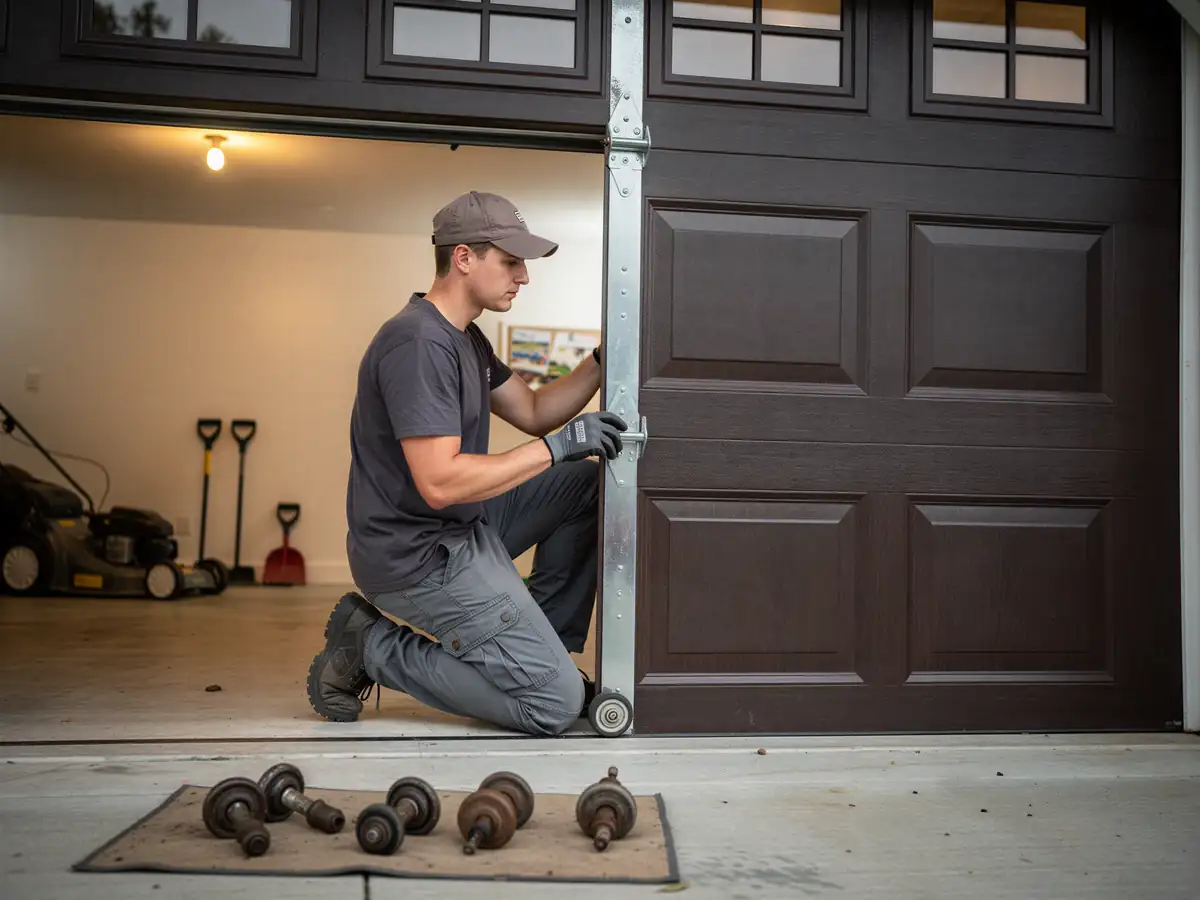
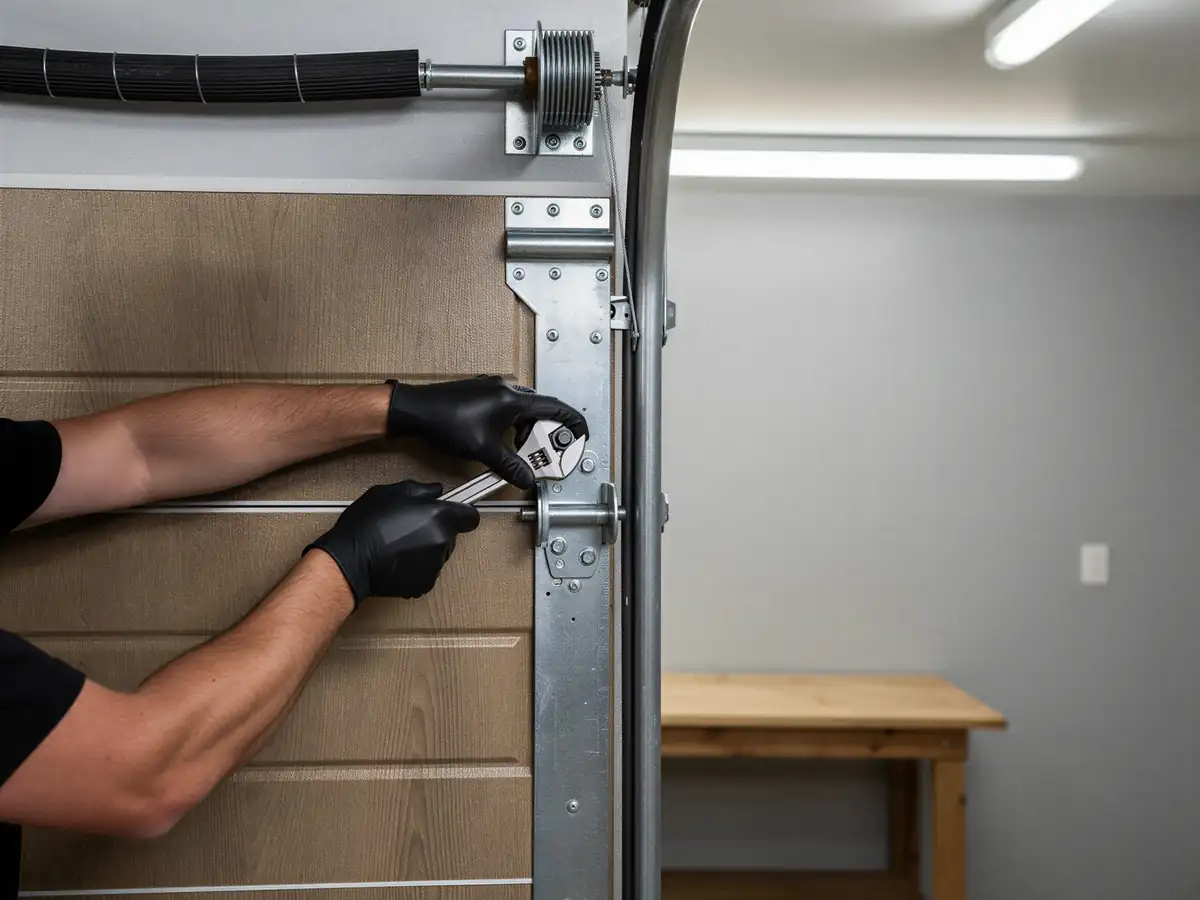
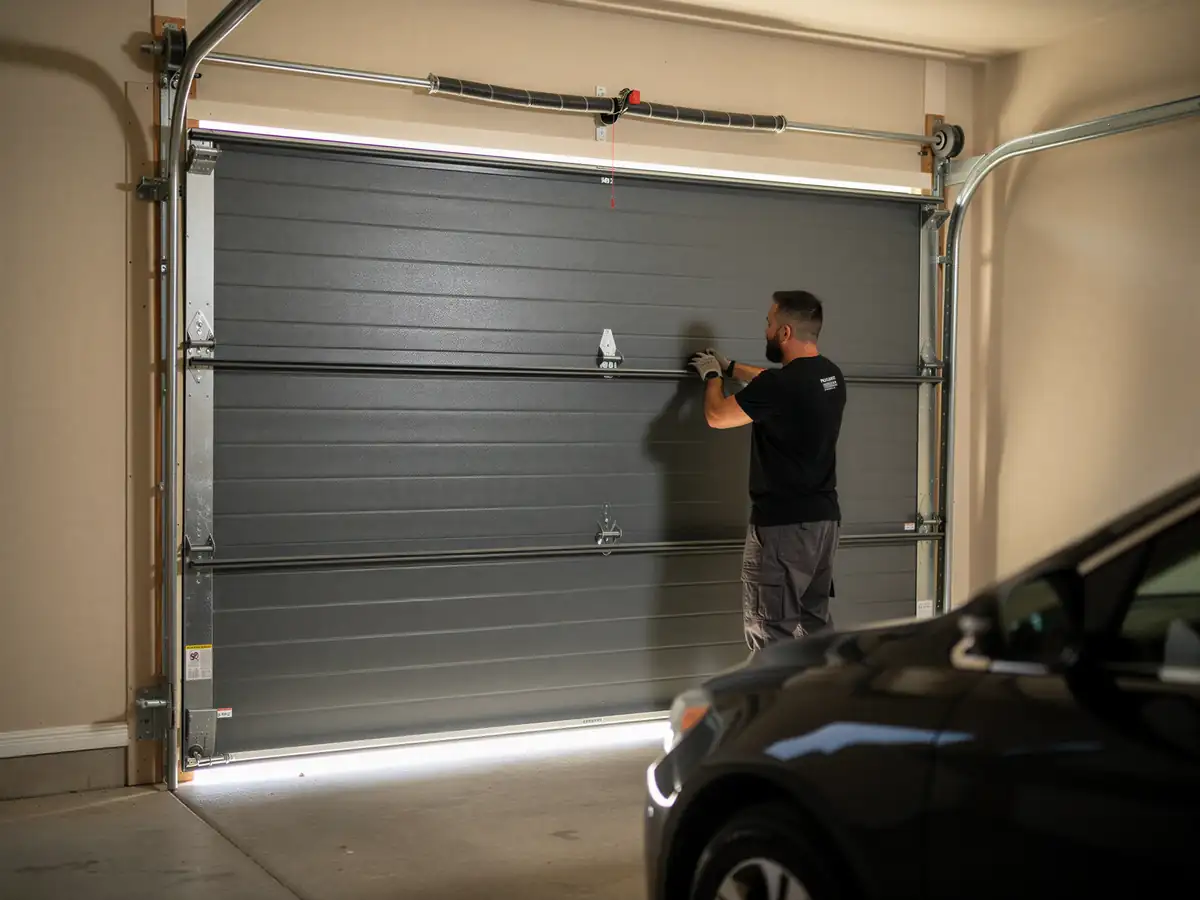
On a single install we're pulling the old door, checking the jambs for rot or shift, setting new track and spring to match the door weight, and wiring in the opener if the homeowner wants one. Steel sectional doors are the most common swap we do, since they handle the mild winters here without the maintenance an old wood door demands. We don't guess on spring size - a torsion spring rated wrong for the door's weight either won't lift it or will wear the opener motor out in a year. If the header's bad, that's carpentry before it's a door job, and we'll say so up front rather than bolt new hardware to a bad frame.
The Symptom
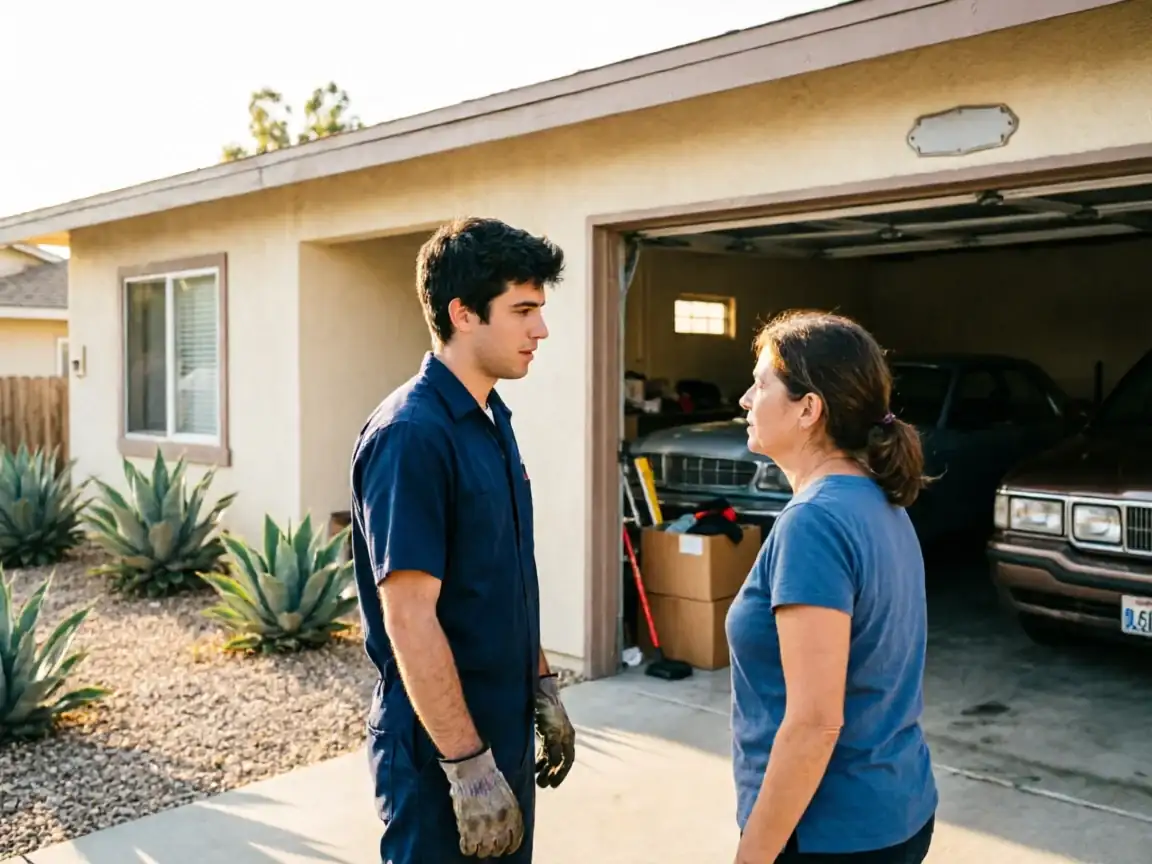
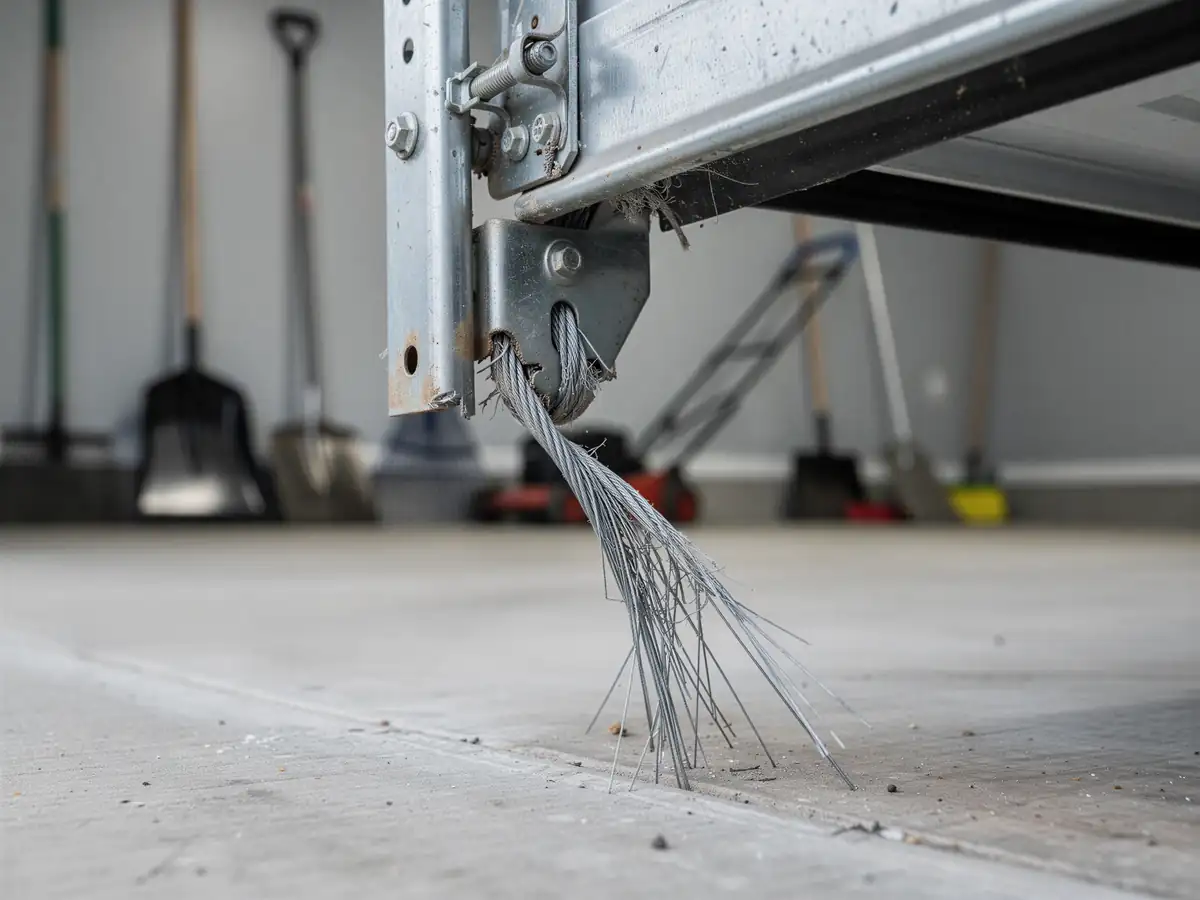
The call usually starts the same way: the door's heavy, it groans going up, or it's flat-out stuck on a track that's bowed from thirty-plus years of use. On the older end of the 1938-1984 stock, we see a lot of original one-piece doors still hanging on side-mounted hardware - heavy, slow, and built before insulation was part of the spec. Homeowners call wanting a repair and find out the door, track, and spring are all original to a house built decades before double-walled steel panels existed.
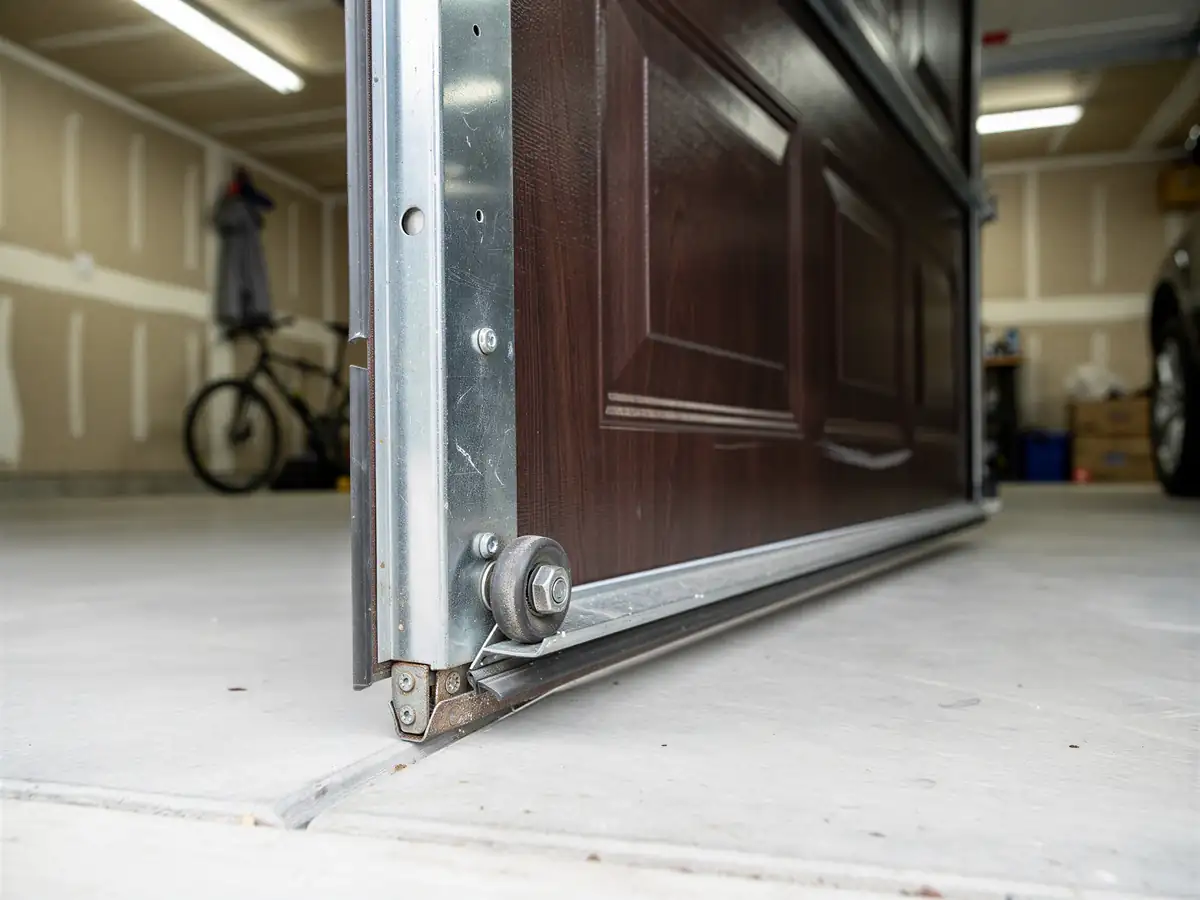
Another common symptom is a door that looks fine closed but lets daylight around every edge. That's not a seal problem you fix with a sweep - it's a door that was never square to begin with, settled into an opening that's shifted over the decades. At that point patching isn't worth the labor; replacement gets you a door that actually seats against the new weatherstrip instead of fighting a warped frame every time it closes.
The Complications
The main complication on these jobs is the opening itself
A house built in the 1960s or 70s, which covers most of the stock across the fifteen communities we work in, often has a rough opening that's slightly out of square, or a header sized for a lighter door than what's standard today. We've opened up headers expecting a clean swap and found the original framing can't carry a heavier insulated door without added support.
Electrical is the second complication
A lot of these garages were wired for a single bulb, not a motor, so adding an opener sometimes means running new circuit before the door install is even the hard part. We'll flag that during the estimate - it's not something we pad into a quote after the fact.
Honest limit here: if the framing needs structural work beyond adding a header support
That's a call to a carpenter or contractor first. We install doors and openers; we don't reframe a garage. We'll tell you straight if that's what's in front of us instead of forcing a door into an opening that isn't ready for it.
What Causes It Around Here
The pattern traces straight back to when this area was built out. With housing running 1938 to 1984 and the median around 1977, most garages were designed around the doors available at the time - thinner steel or wood, lighter springs, openers that were an afterthought if they existed at all. The region sits in a mild climate with occasional freeze, so these doors weren't failing from heat warp or hard freeze cracking the way they might elsewhere. They're failing from age: forty-plus years of torsion springs cycling, track bolts working loose, and hardware that was never rated for today's heavier insulated panels.
Across the service area - Nevada City, Rough and Ready, Alta Sierra, Lake Wildwood, Penn Valley, and the other outlying communities - we see the same generation of door hitting the same wall at the same time, because the houses went up in the same few decades. It's less a weather problem and more a clock running out on hardware that was only ever built to last so long.