What That Means for Doors
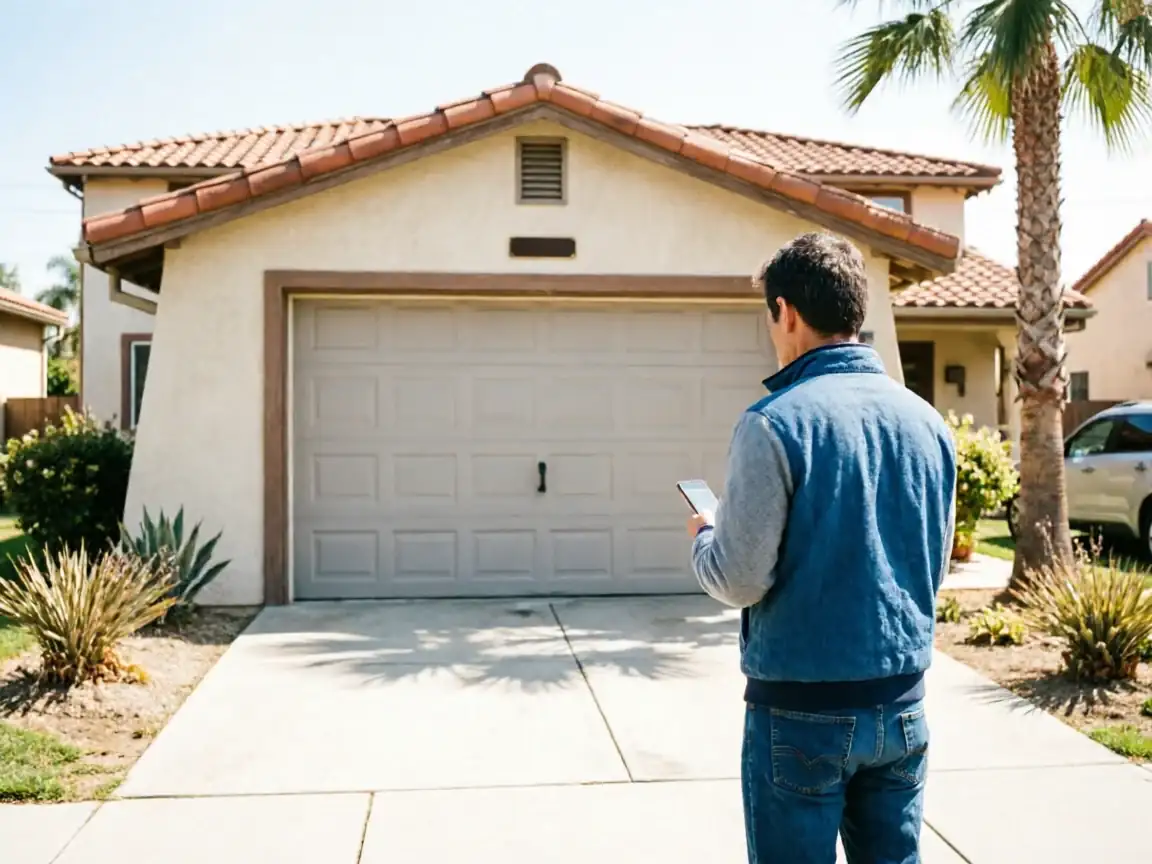
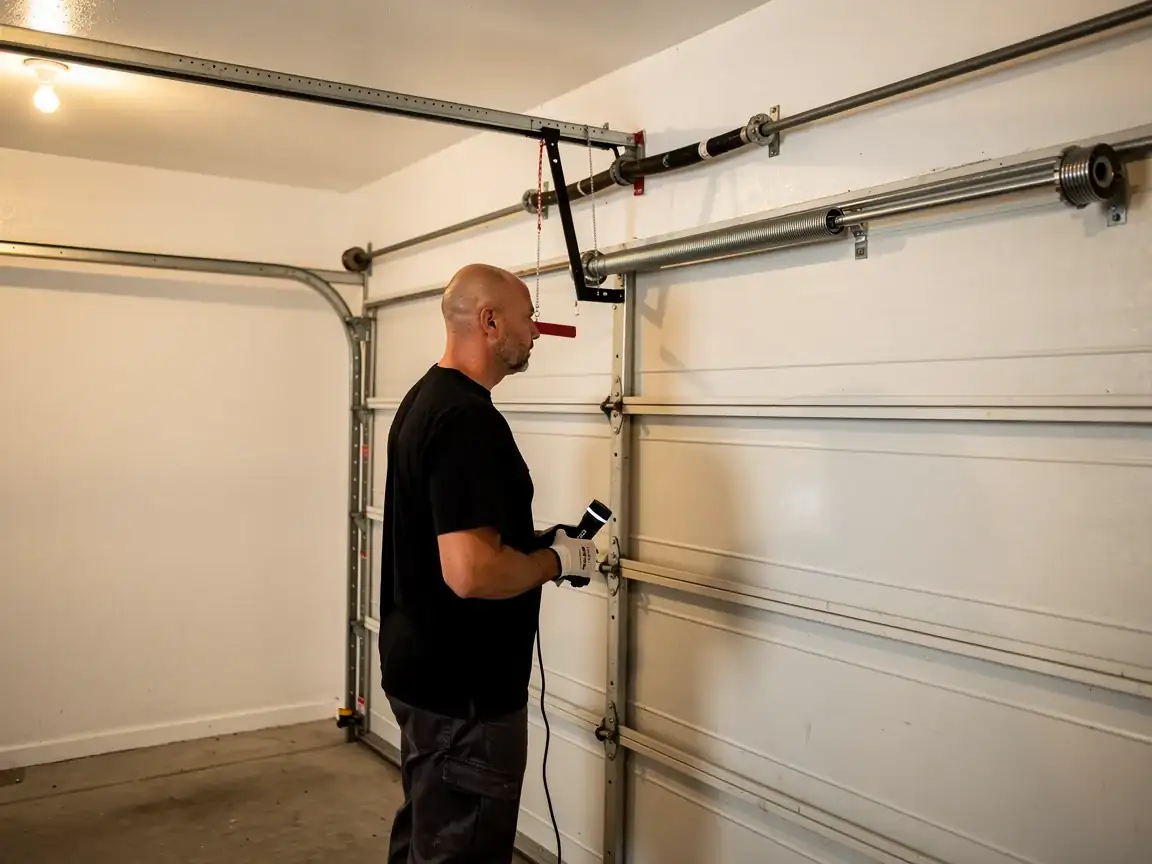
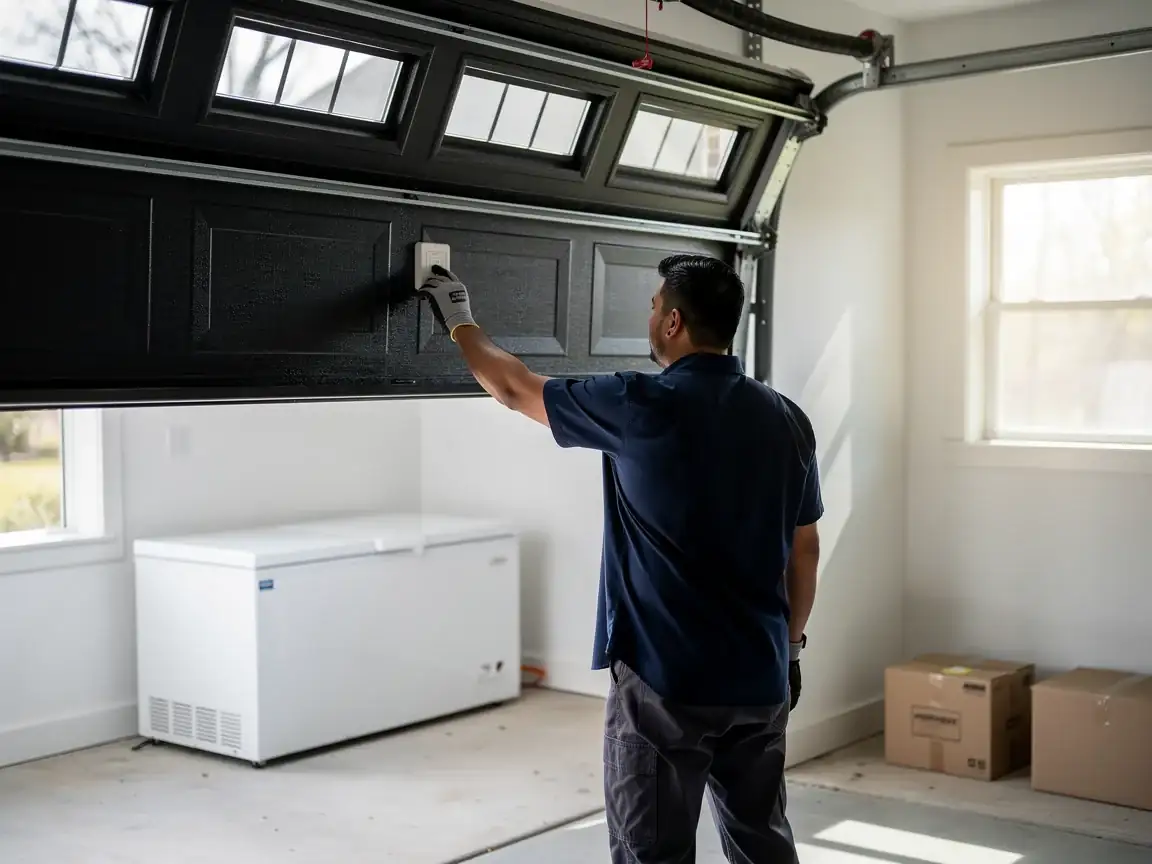
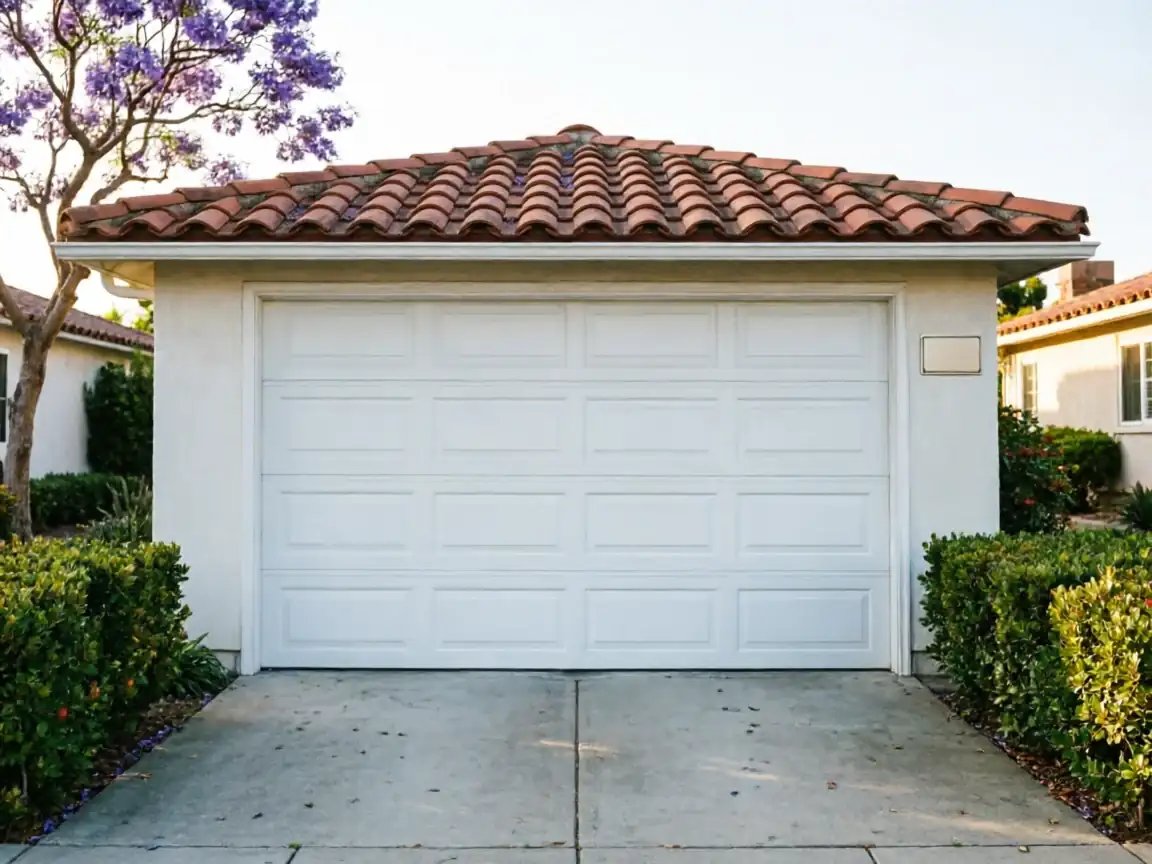
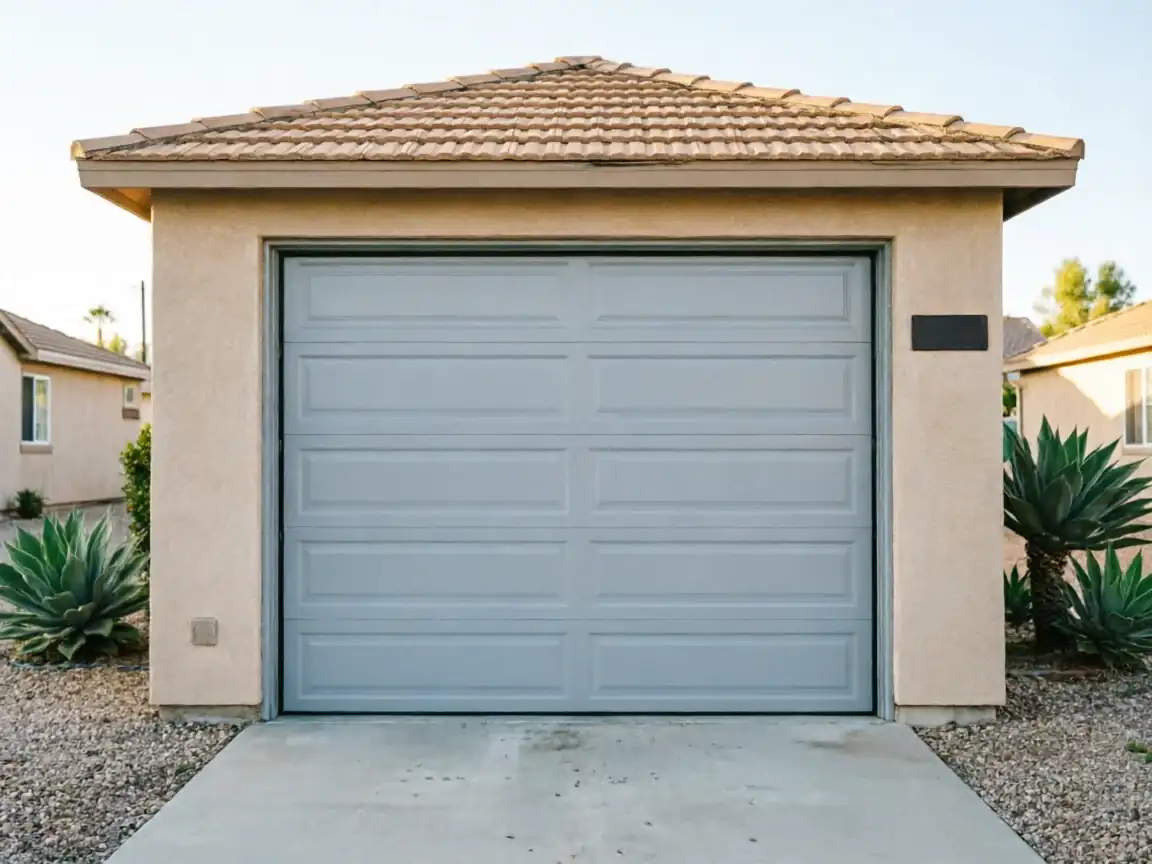
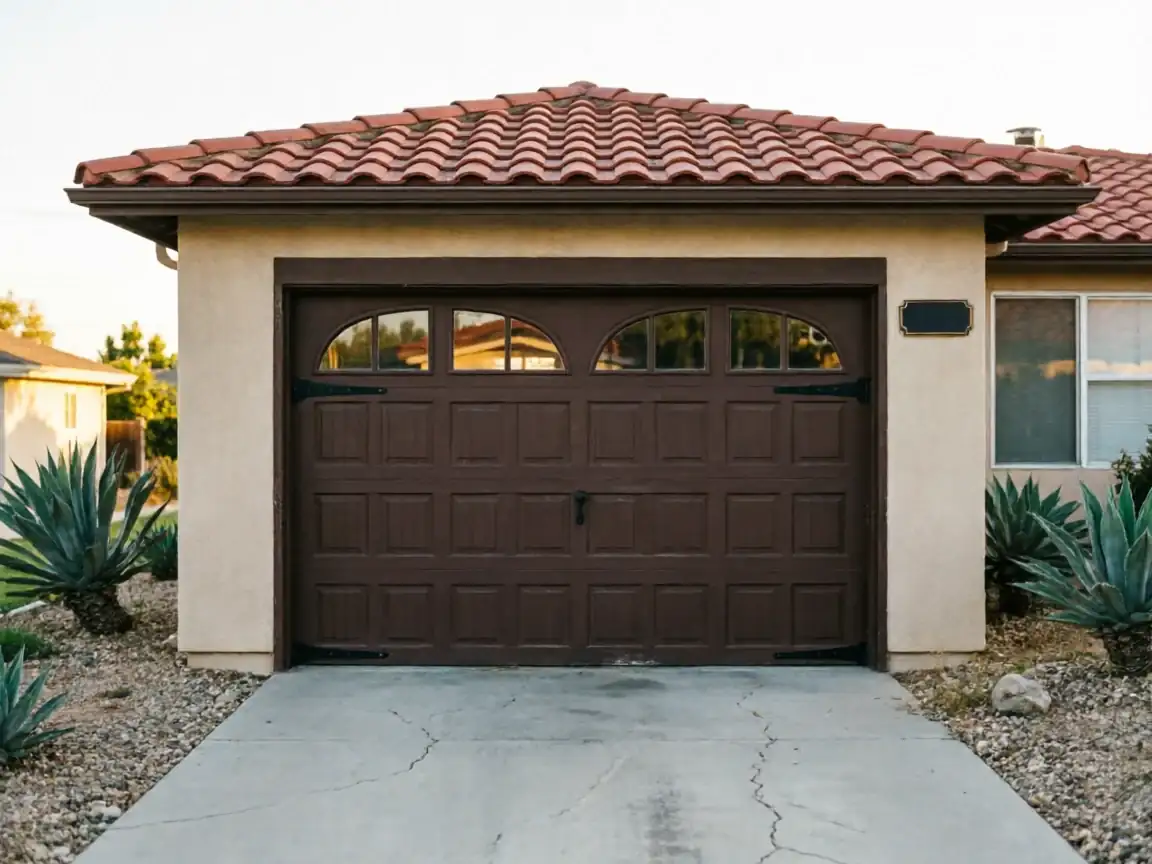
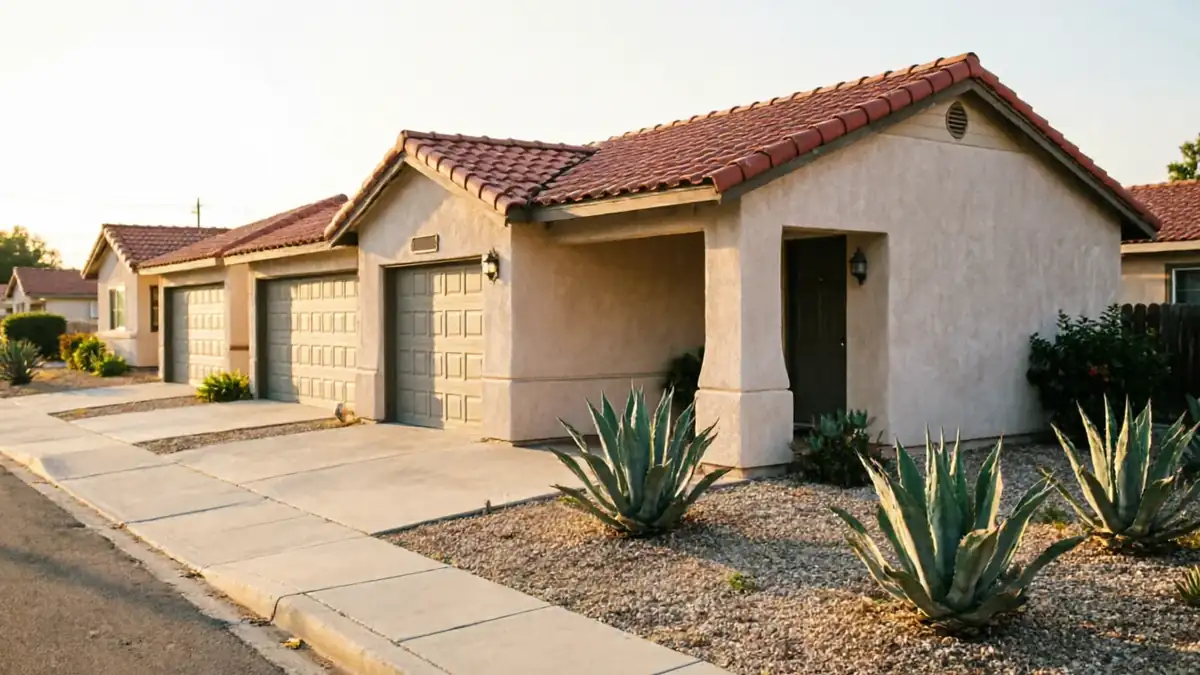
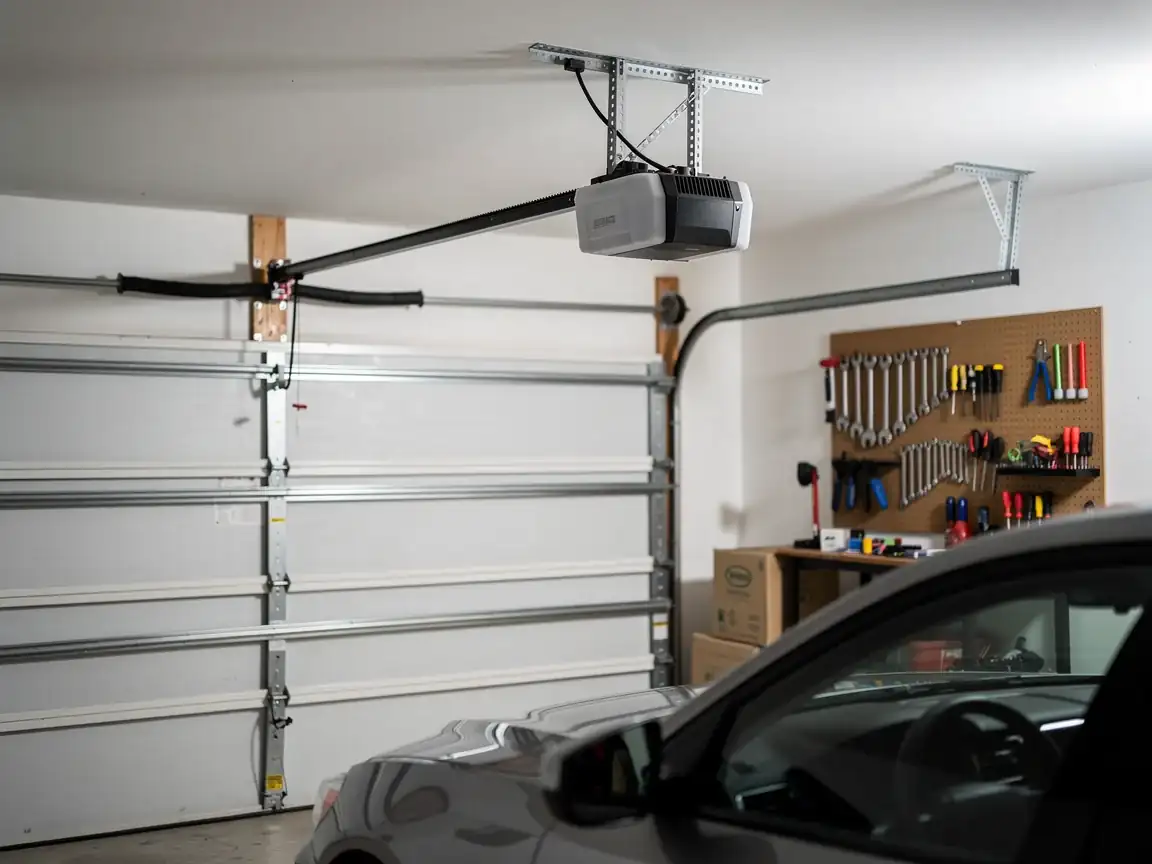
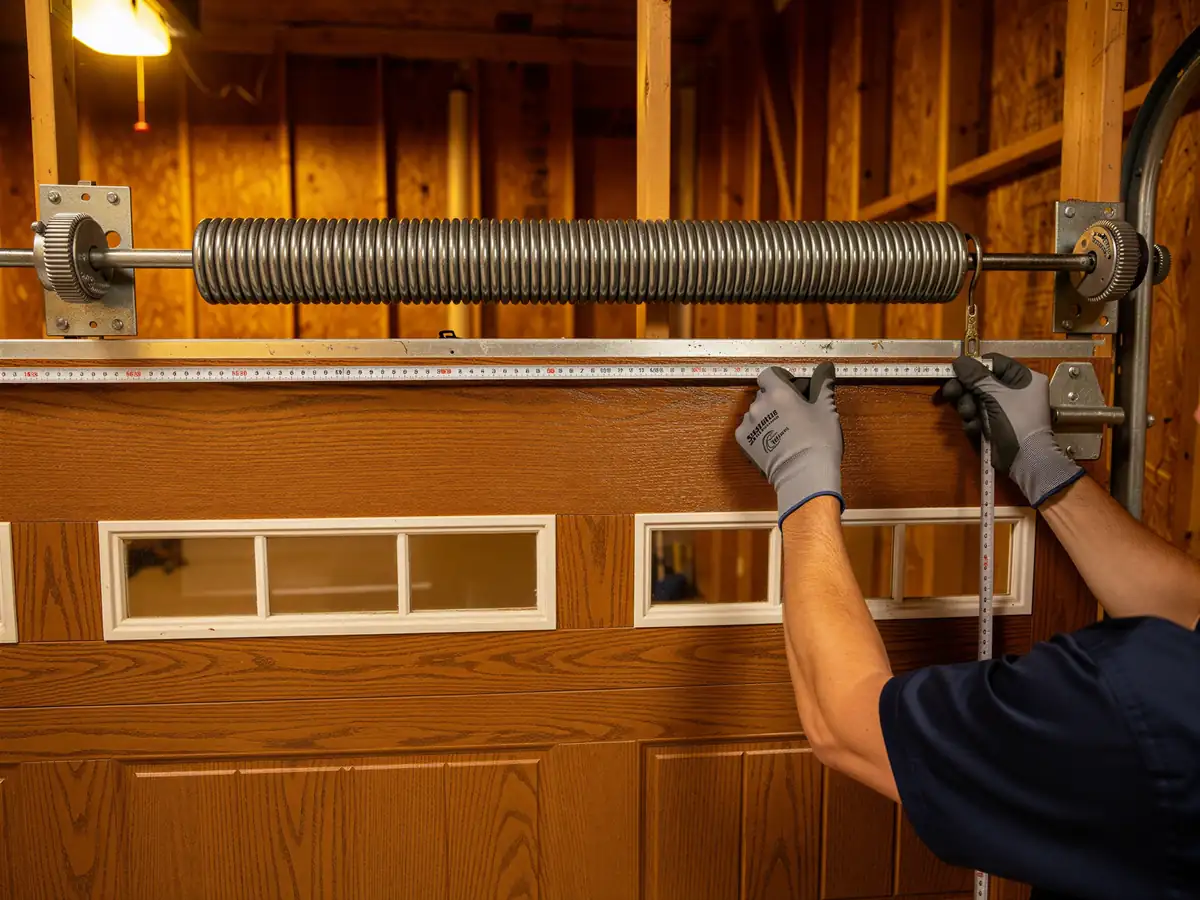
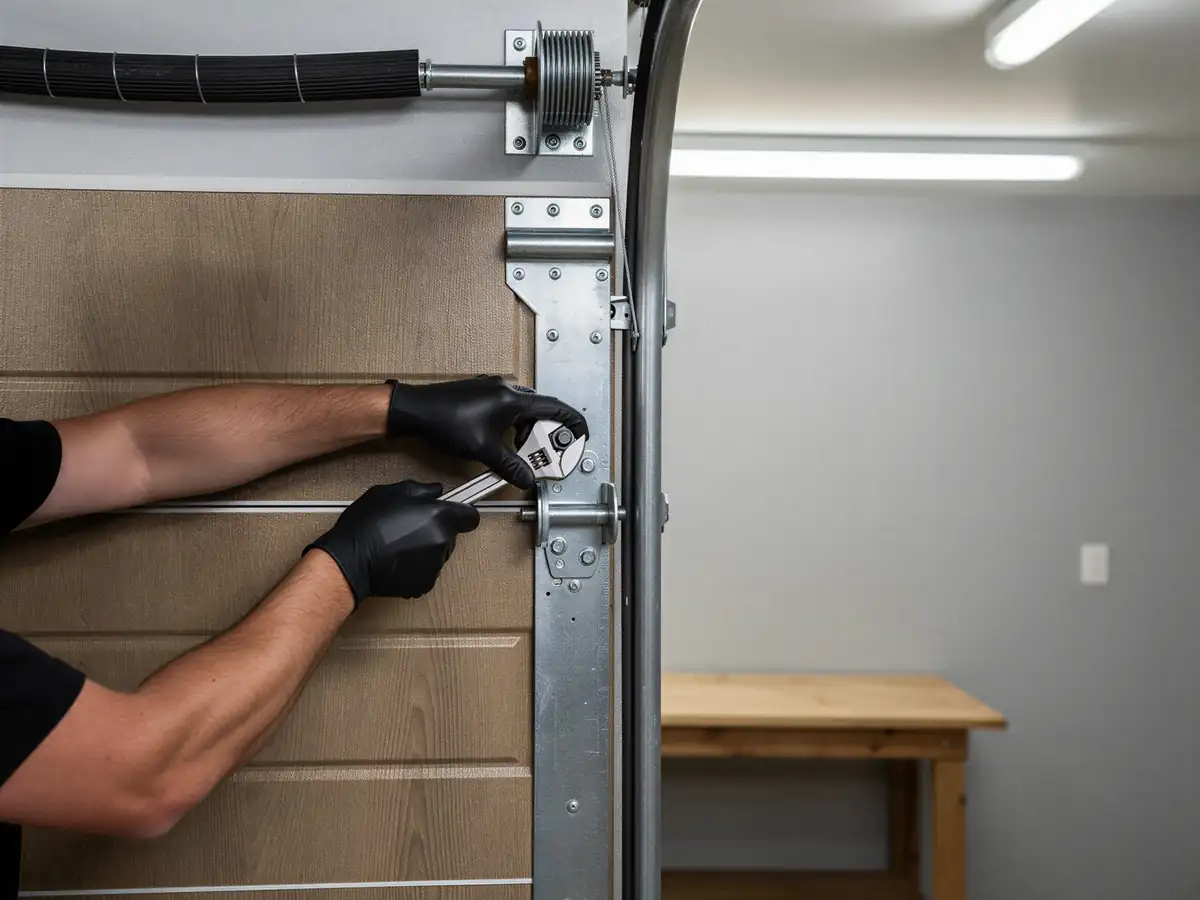
Foresthill's housing stock centers on 1977, right in line with the wider service area's median build year, which puts most garage doors here at the tail end of the steel sectional era rather than the older one-piece slab doors you still find on some 1960s houses closer to town. That matters because a 1977-era door usually means a sectional door on a standard extension or torsion spring setup, not the oddball side-mounted hardware that shows up on pre-1960 construction. The openers from that period, if original, are long past their service life - chain-drive units with worn gears and relay boards that don't exist anymore. We're not going to pretend a 45-year-old opener is worth saving; past a certain point the circuit boards just aren't made anymore, and a new opener costs less than chasing parts for one that's obsolete. What we do see consistently on these homes is spring fatigue - a torsion spring rated for a certain door weight and cycle count that's simply reached the end of its life after four decades of use, and panel seams that have separated from thermal movement. None of this is dramatic, it's just what happens to a door built when gas was under a dollar a gallon.
The Split Between Old and New
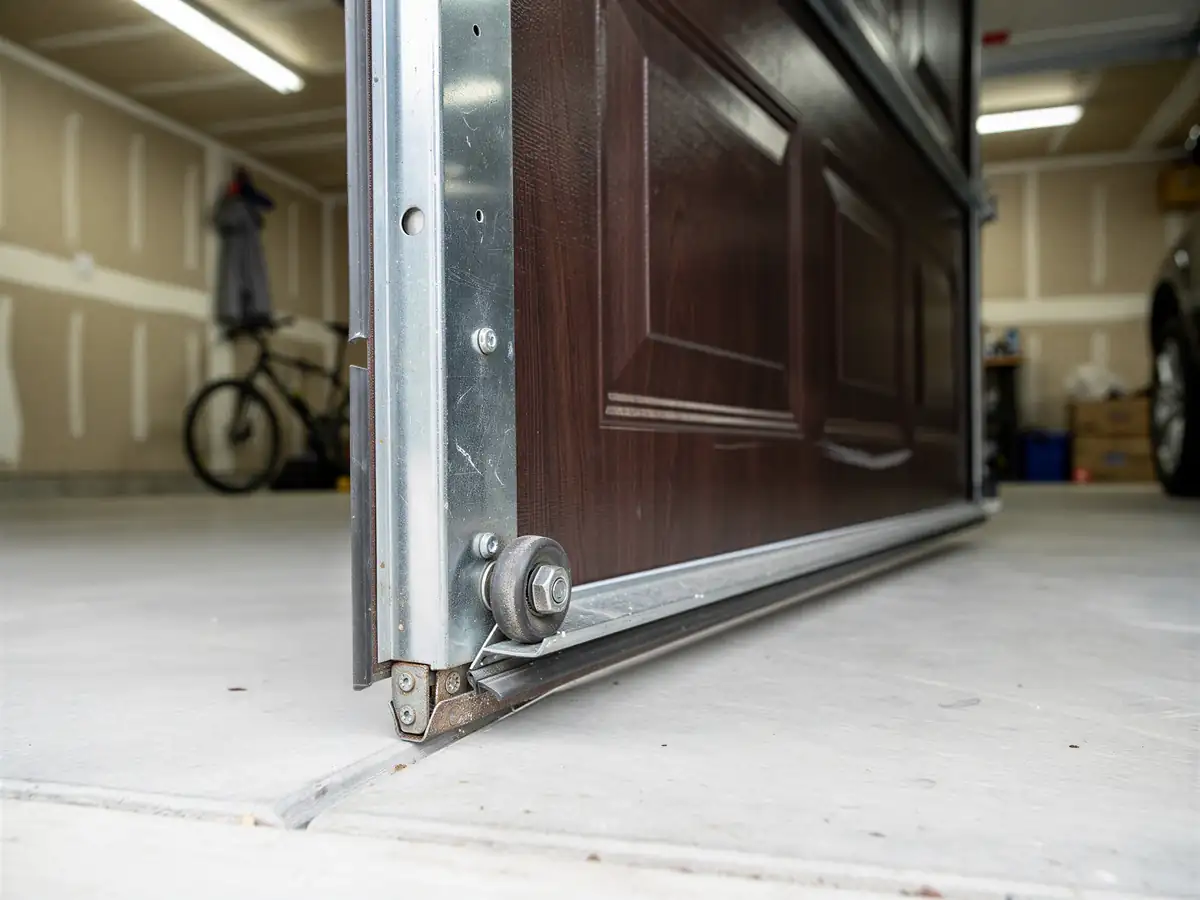
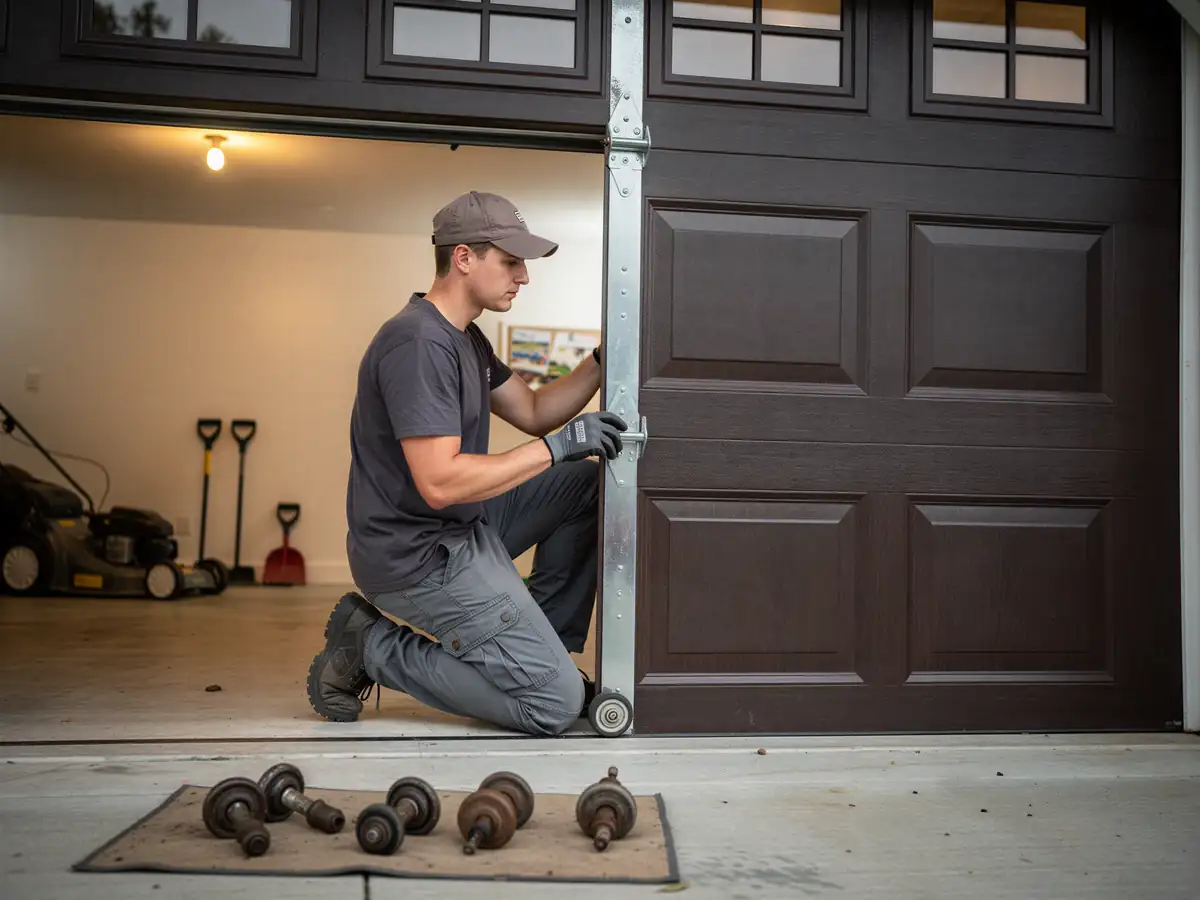
Across the broader area the housing spans 1938 to 1984, and that 46-year spread means two very different repair jobs depending on which end of it a house falls on. The earliest houses, built before 1960, often still carry one-piece doors on track hardware that most suppliers stopped stocking parts for years ago - those jobs usually end in a full replacement because patching old track or finding a matching panel just isn't realistic. Foresthill sits closer to the newer end of that range at 1977, so what we typically find is the second generation of problems: sectional steel doors with original rollers worn down to the bearing, torsion springs that were never upsized when a heavier insulated door replaced a lighter one, and openers with safety sensors that predate the 1993 federal photo-eye requirement. A door that's never had its sensors retrofitted is a real safety gap, not a cosmetic one. We flag that whenever we see it, separate from whatever the homeowner called about.
What Was Built Here
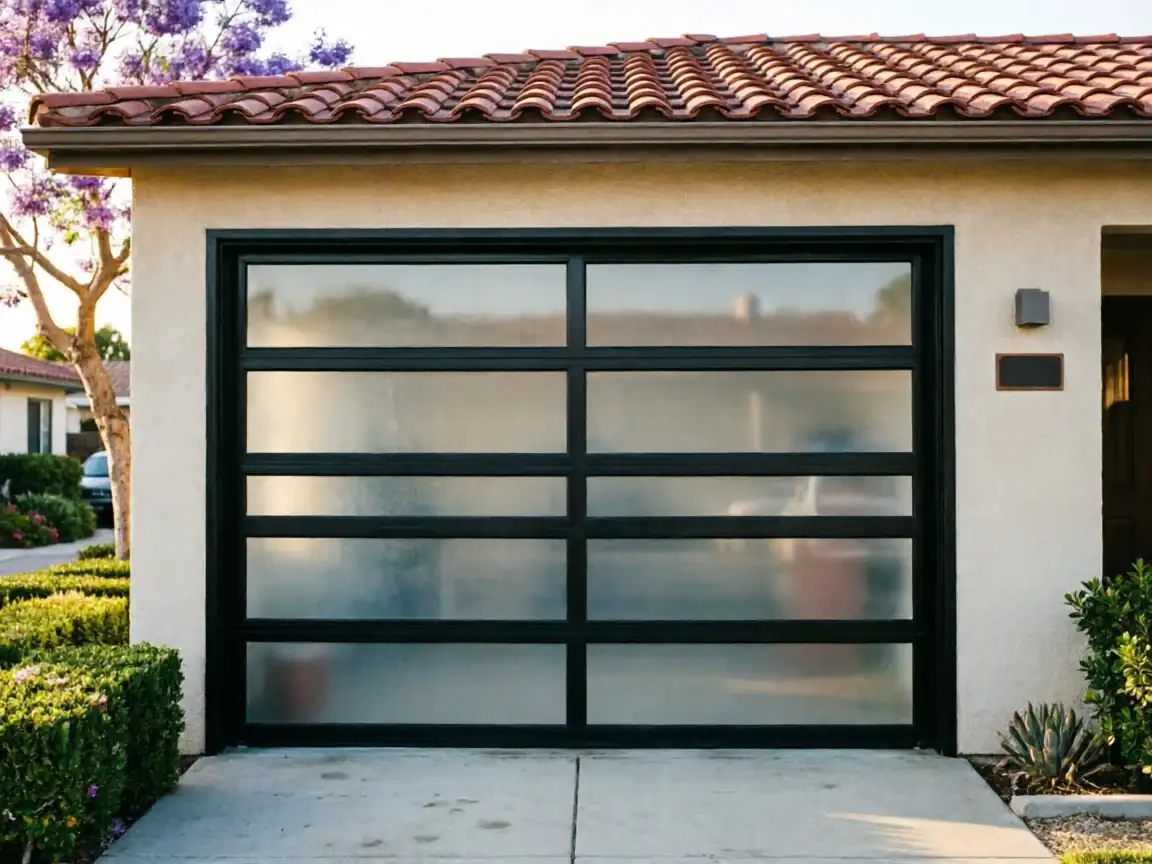
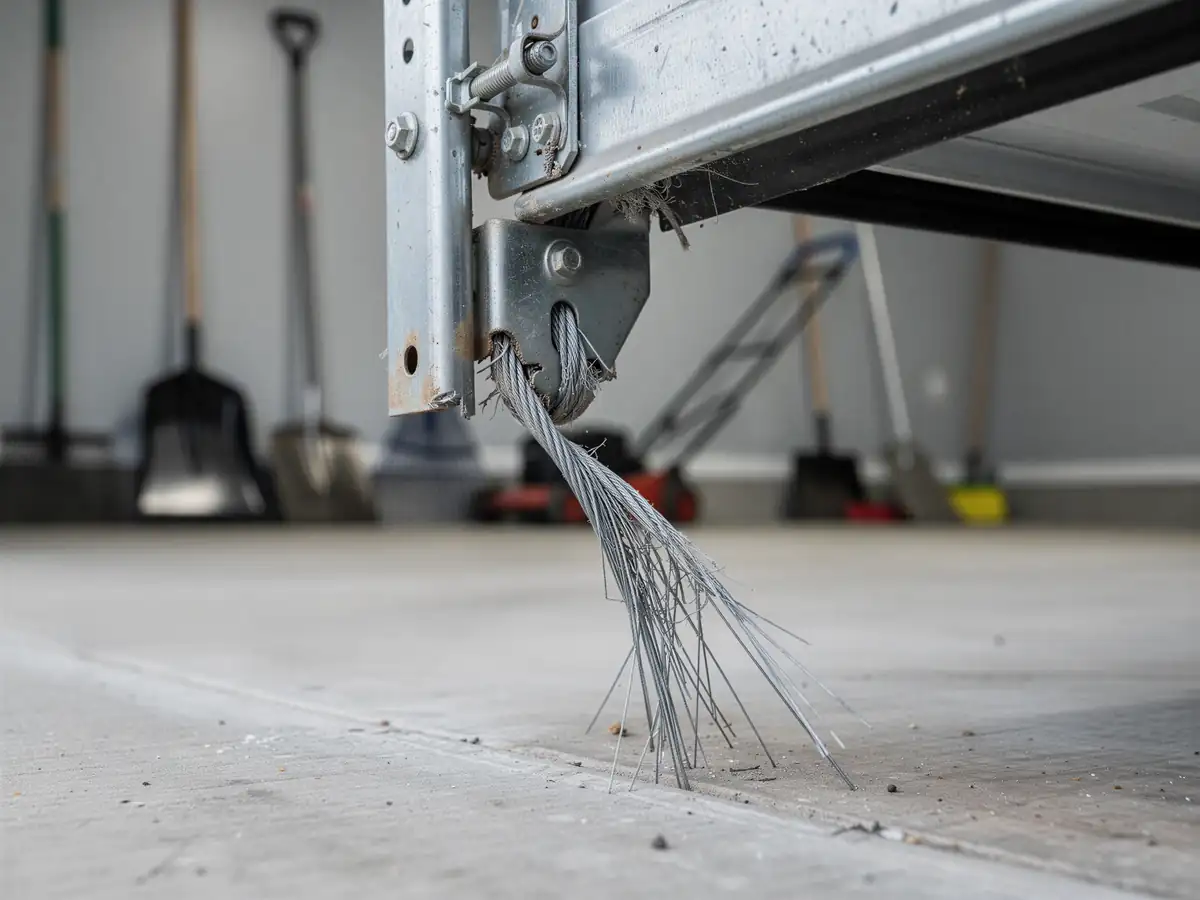
Foresthill has roughly 510 households, smaller than most of the named communities in our coverage area, and a median household income of $102,632, higher than the area-wide figure of $91,135. That income level tends to show up in the kind of work we get called for out here - owners who replace a dying opener with a quieter belt-drive unit rather than squeezing another year out of a failing chain-drive one, and who ask about insulated steel doors when the original uninsulated panel from the 1970s finally warps. The 1977 median build year puts the bulk of the housing stock in that same sectional-door, standard-spring category we see across the newer end of the area, which keeps most repairs here predictable: springs, rollers, openers, and the occasional cable replacement, rather than the hunt for discontinued parts that older stock demands.