Doing It Yourself
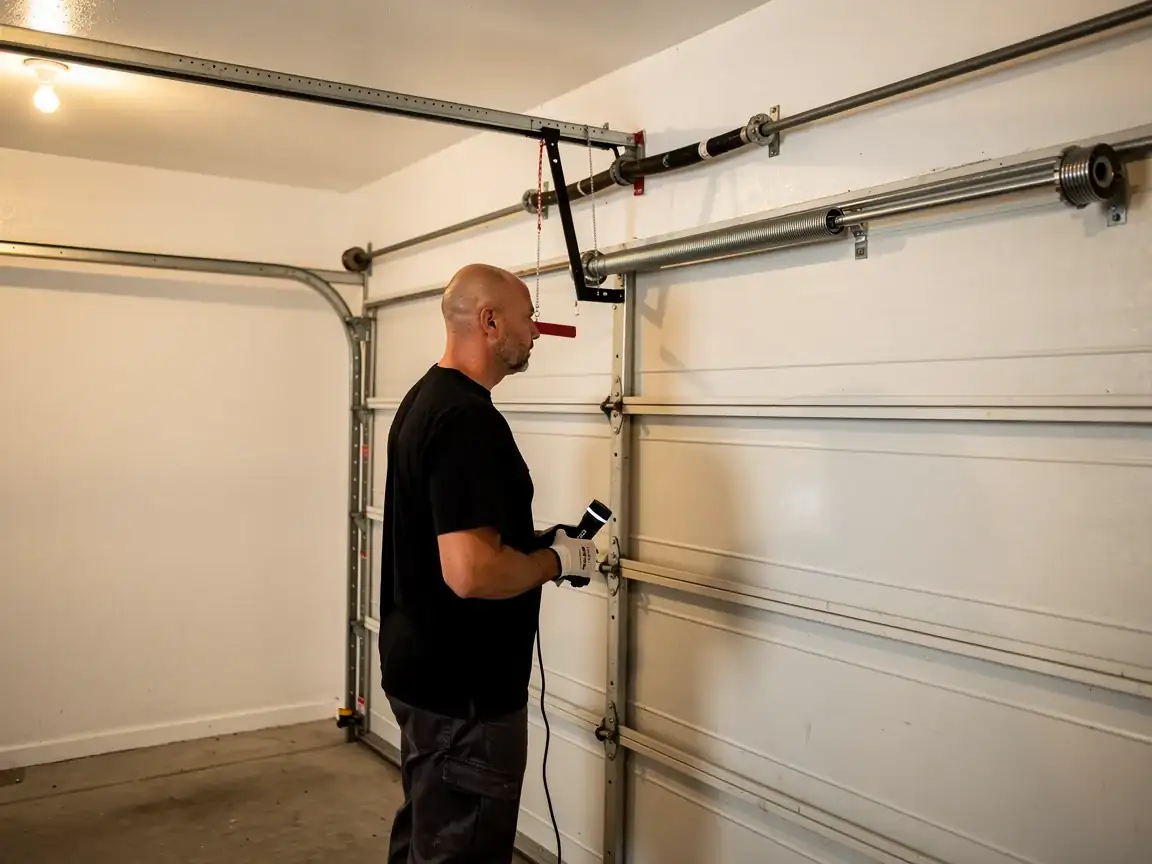
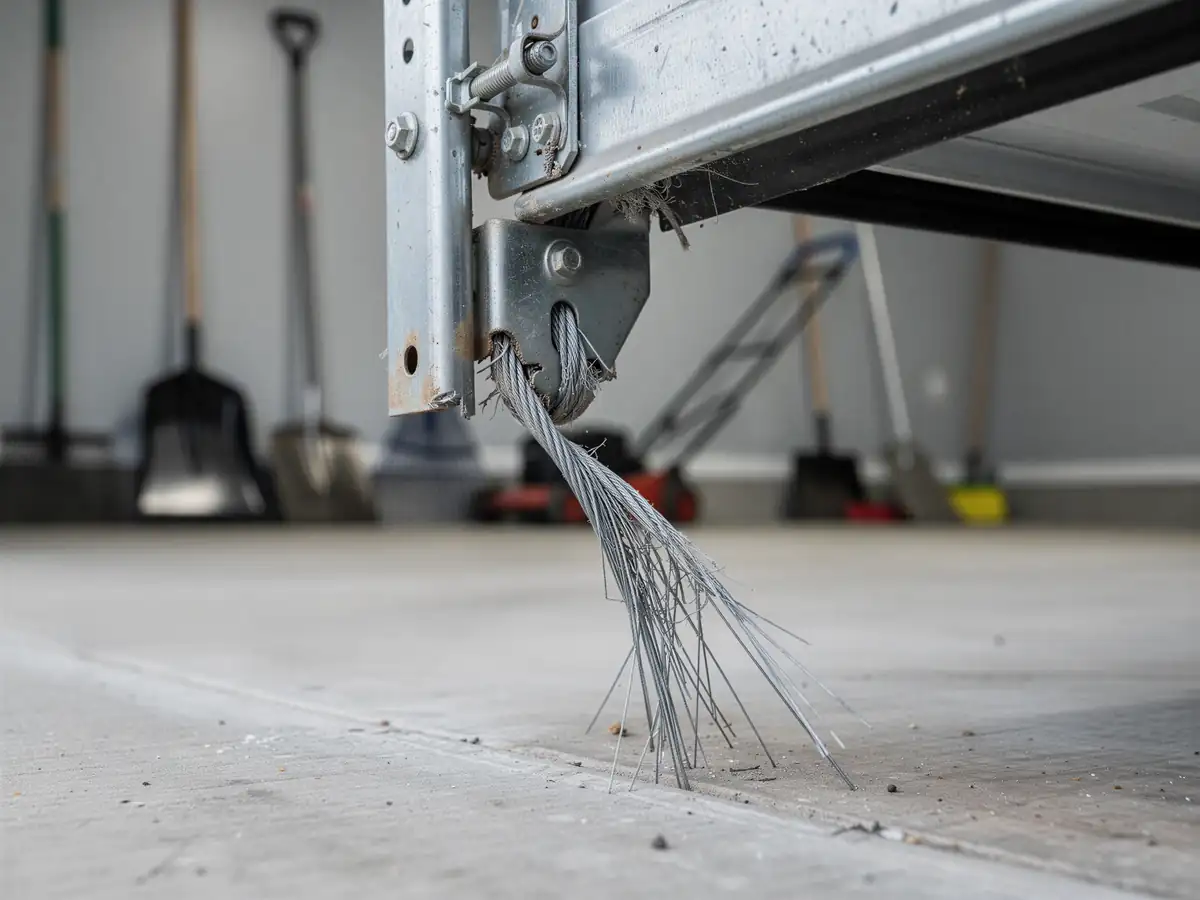
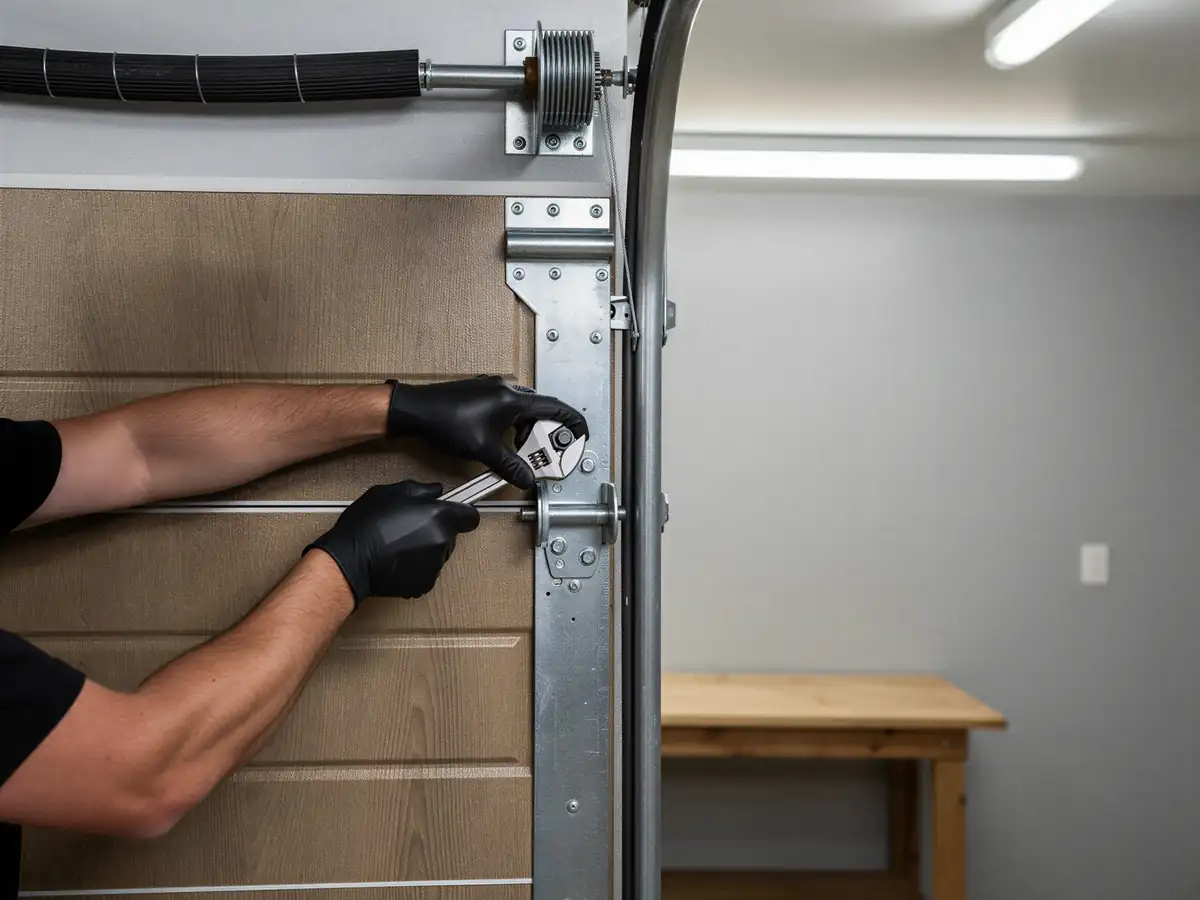
Foresthill sits 19 miles out from our shop in Grass Valley, which is the farthest stretch we run on a regular basis. That drive shapes how a spring call here actually works: we're not swinging by on the way to another job, we're coming out for yours, so we want to know what we're walking into before we load the truck. A broken torsion spring is not a project for a Saturday afternoon. The spring is wound under enough tension to break a wrist or worse if the winding bars slip, and on the older torsion setups still common on houses built around 1977, the shaft and end bearing plates have often never been serviced. If you can see a gap in the coiled spring above the door, or the door won't budge and the cable looks slack, stop there. Don't try to wind it down yourself, and don't prop the door open and walk away for the day. Call it in and let us bring the right bars and spring size for your setup, matched to the drive out before we leave the shop, not guessed at once we're standing in your garage.
What the Repair Takes
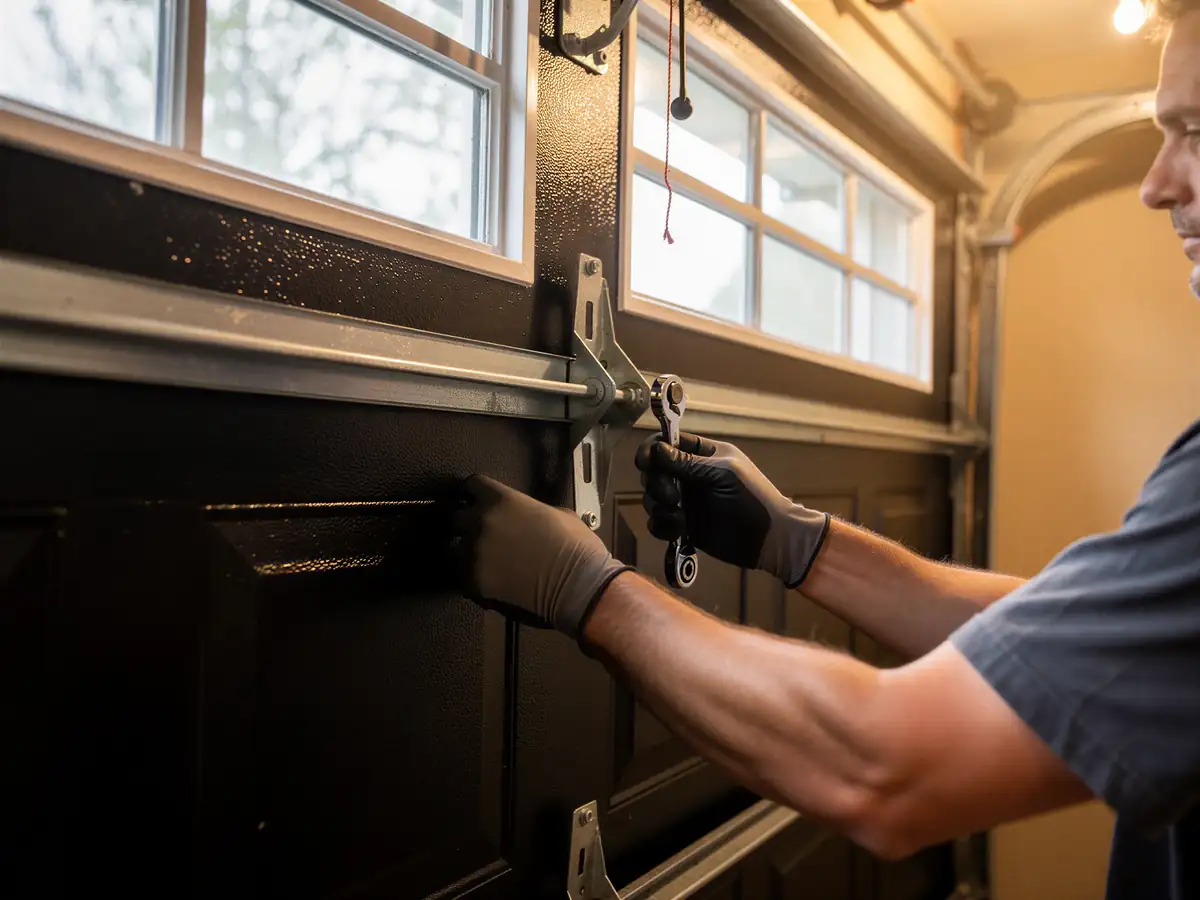
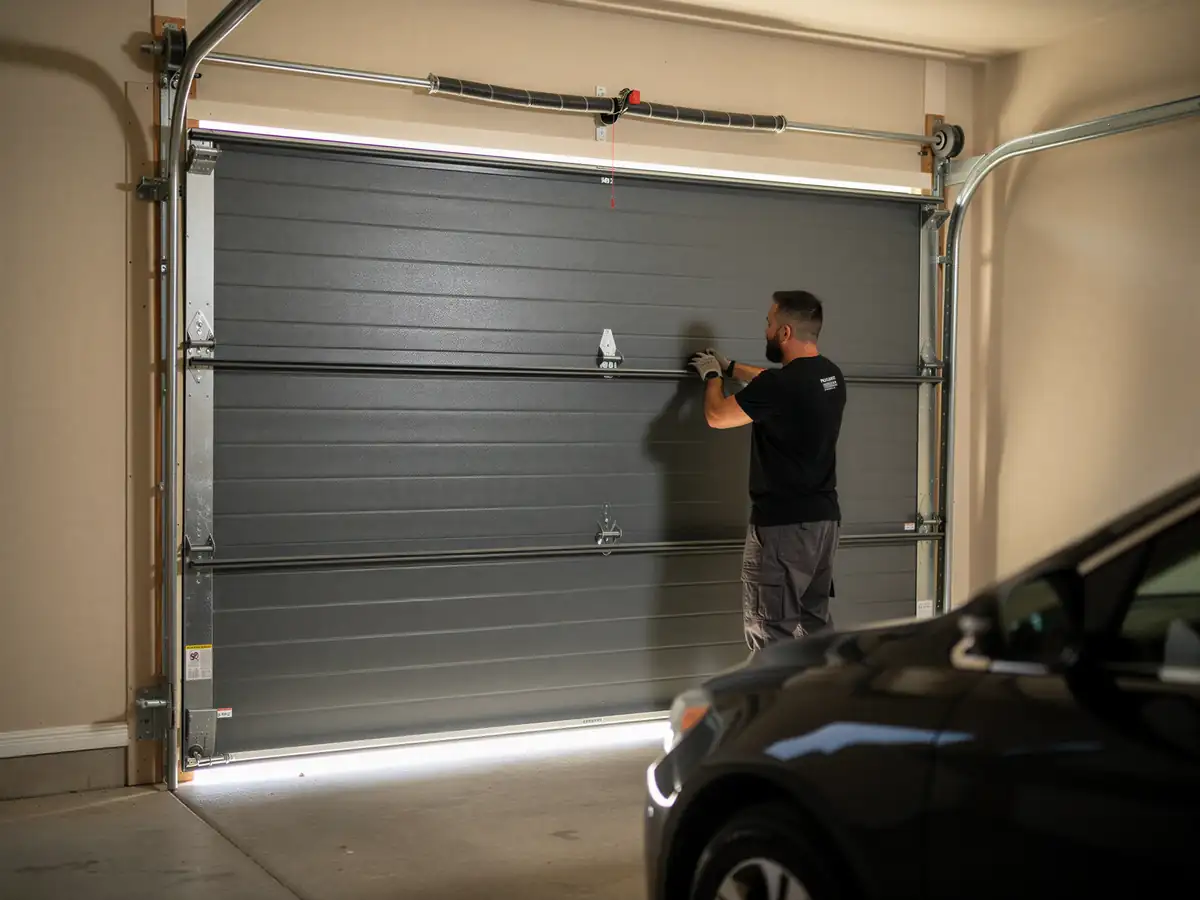
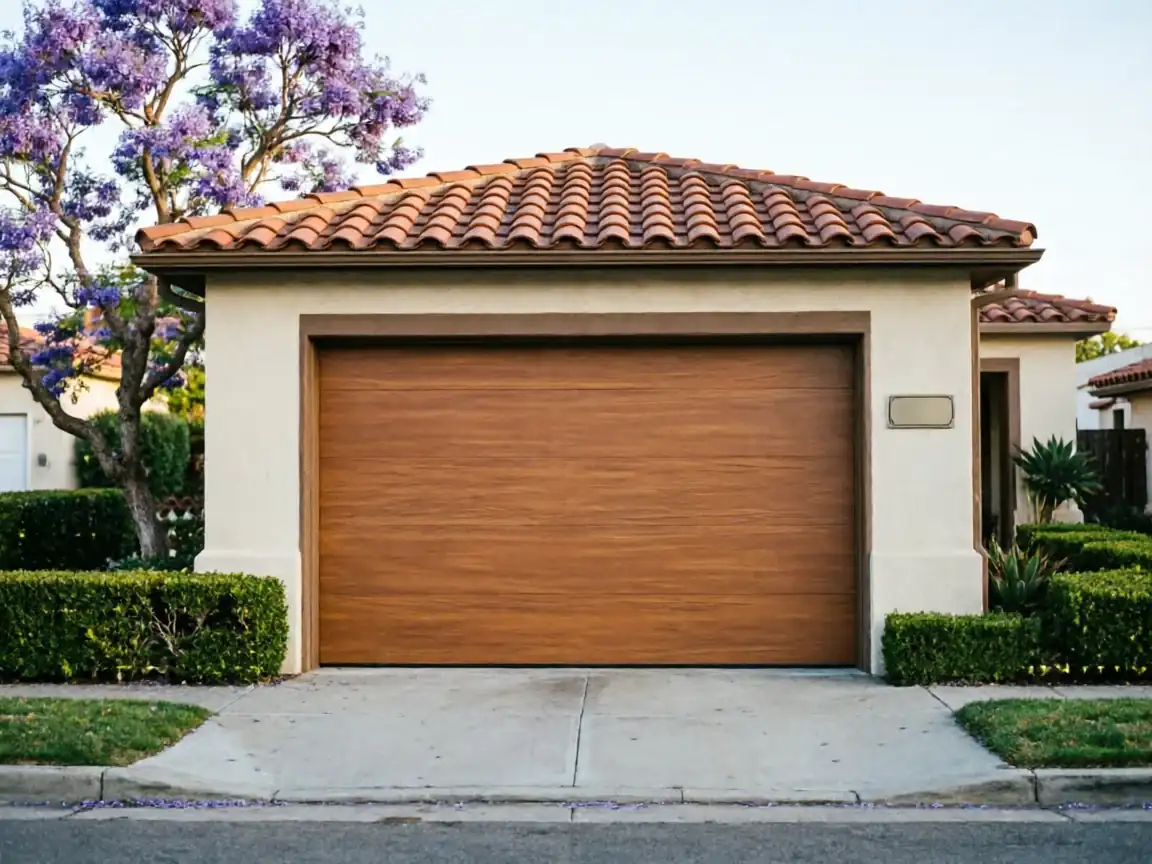
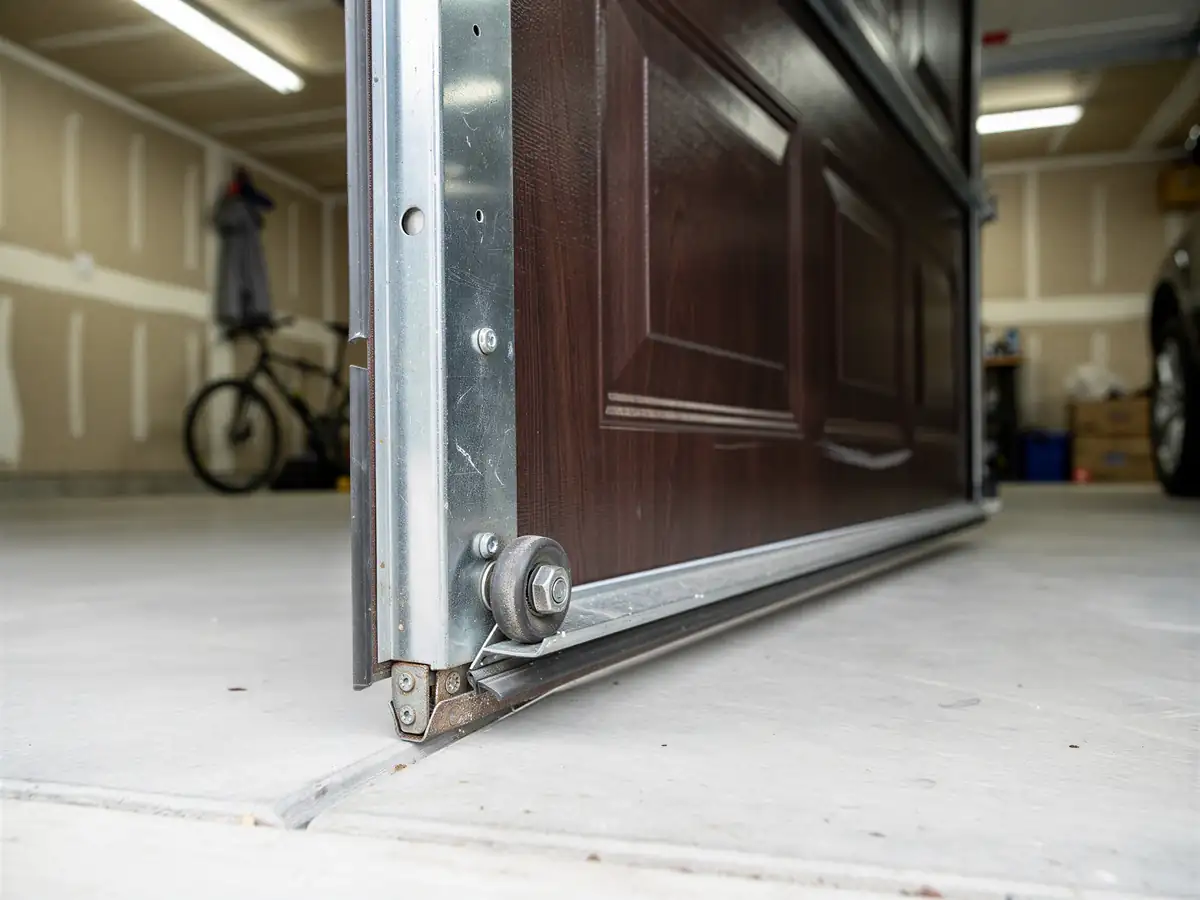
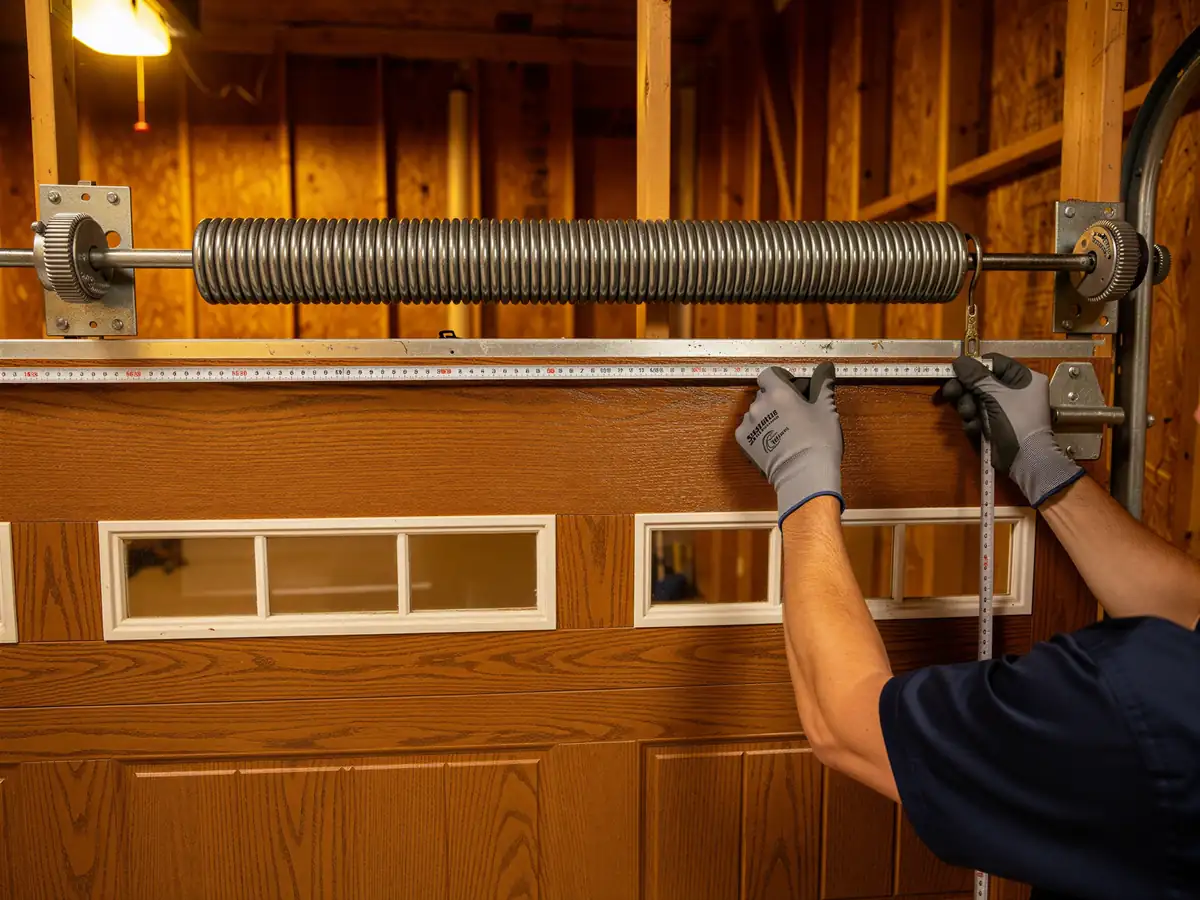
Most of the garage doors we see out here went up when the rest of the housing did, clustered around that 1977 median build year, which puts a lot of Foresthill doors on older torsion spring hardware rather than the newer EZ-set or extension systems you'll find on anything built since the 2000s. That matters for the repair because the spring size, wire gauge, and winding cone style on a 40-plus-year-old door often isn't what's sitting in a generic parts bin. We measure the door, the drum, and the shaft diameter on site rather than assume, because guessing wrong on spring wire means a second trip, and a second 19-mile trip is not something either of us wants. The climate here runs mild with some freeze risk, so we're not fighting the kind of extreme temperature swings that crack springs from thermal stress, but original hardware this old is simply tired from cycle count alone. On a standard double door we're carrying two matched springs, not one, since mismatched springs on either side is how doors end up running crooked within a year.
Booking a Visit
Because Foresthill runs 19 miles from our shop, we schedule spring repairs out here as a dedicated trip rather than a drop-in between closer jobs, so when you call, we'll ask for the door's size, whether it's a single or double, and roughly how old the house is so we can bring the right spring stock the first time. We don't keep a branch or a standing crew out this way; every job here starts from Grass Valley, which is worth knowing up front so there's no confusion about response windows. If you can send a photo of the broken spring or the winding cone end, that helps us confirm wire gauge before we're on the road. You can see the areas we cover from here on our coverage page, and if your issue turns out to be bigger than a spring swap, our main repair page has the broader detail on parts and labor we don't repeat on every suburb page.
Time on the Job
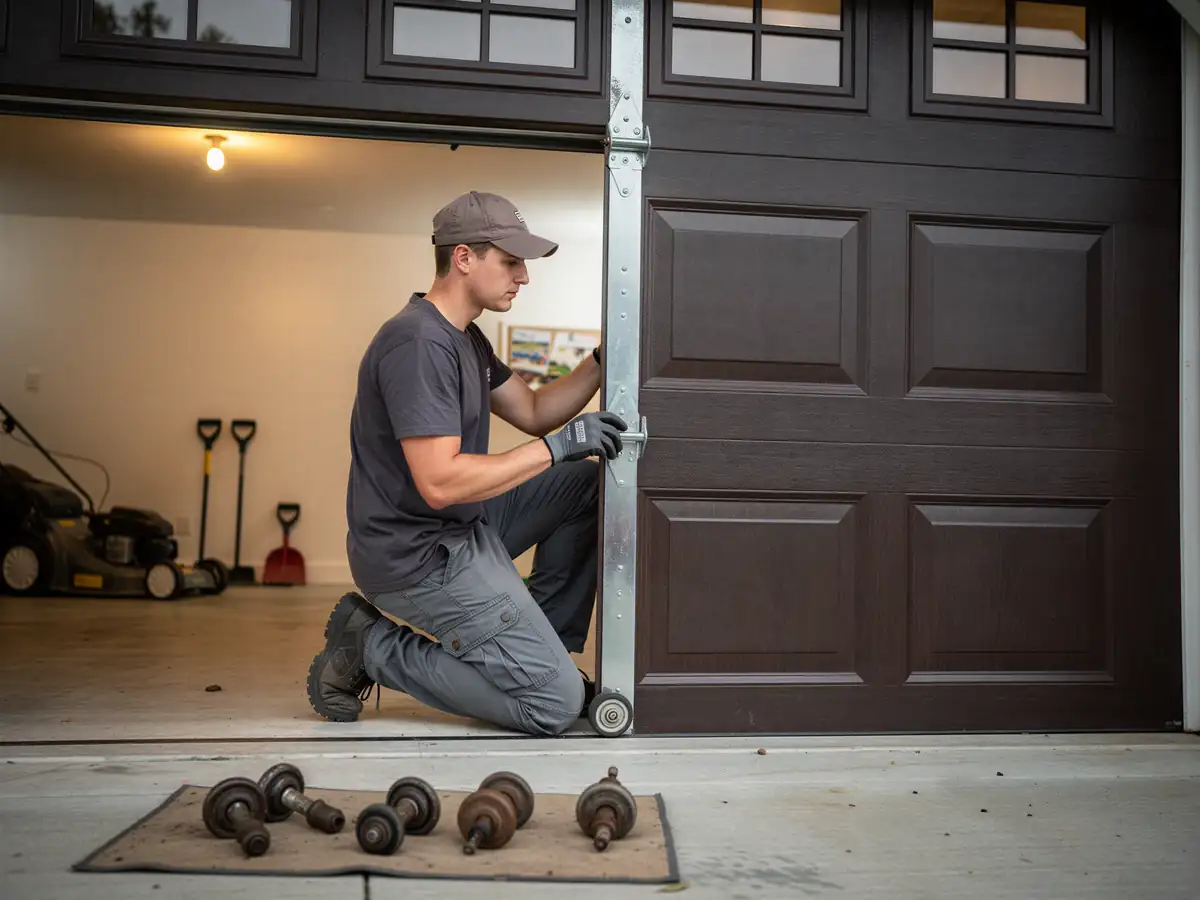
Once we're on site, a standard torsion spring replacement on a single door usually runs under an hour; a double door with two springs and a bearing plate check takes longer, especially on older hardware where the center bracket needs cleaning or re-seating before new springs go on. The honest limitation here: we can't give you a same-day window purely because of the distance. A call that comes in mid-afternoon may not get a truck out before the next available slot, simply because the trip itself eats into the day differently than a job five minutes from the shop. We'd rather tell you that up front than promise a window we can't hold. Once we're there, though, the job itself doesn't take longer because the house is in Foresthill rather than closer in - it's the same spring, the same bearing checks, the same balance test at the end, just a longer drive to get to it.