Doing It Yourself
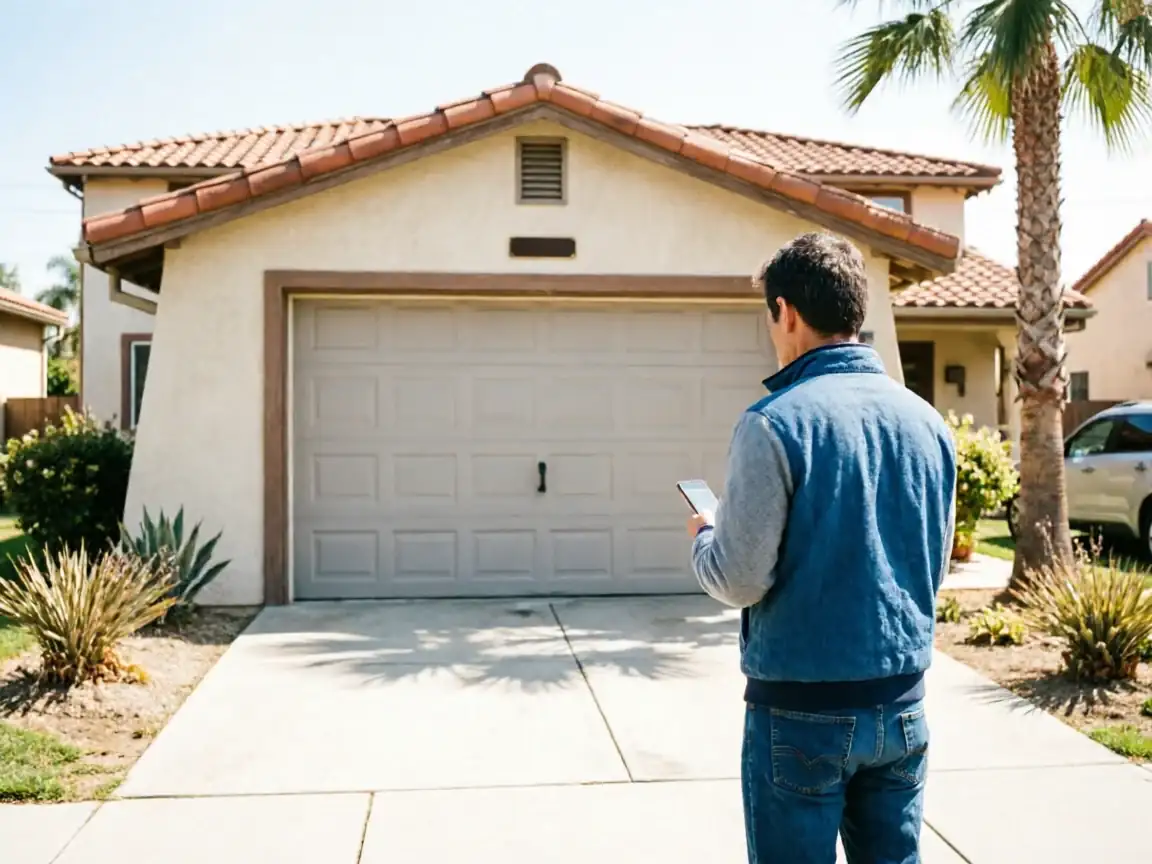
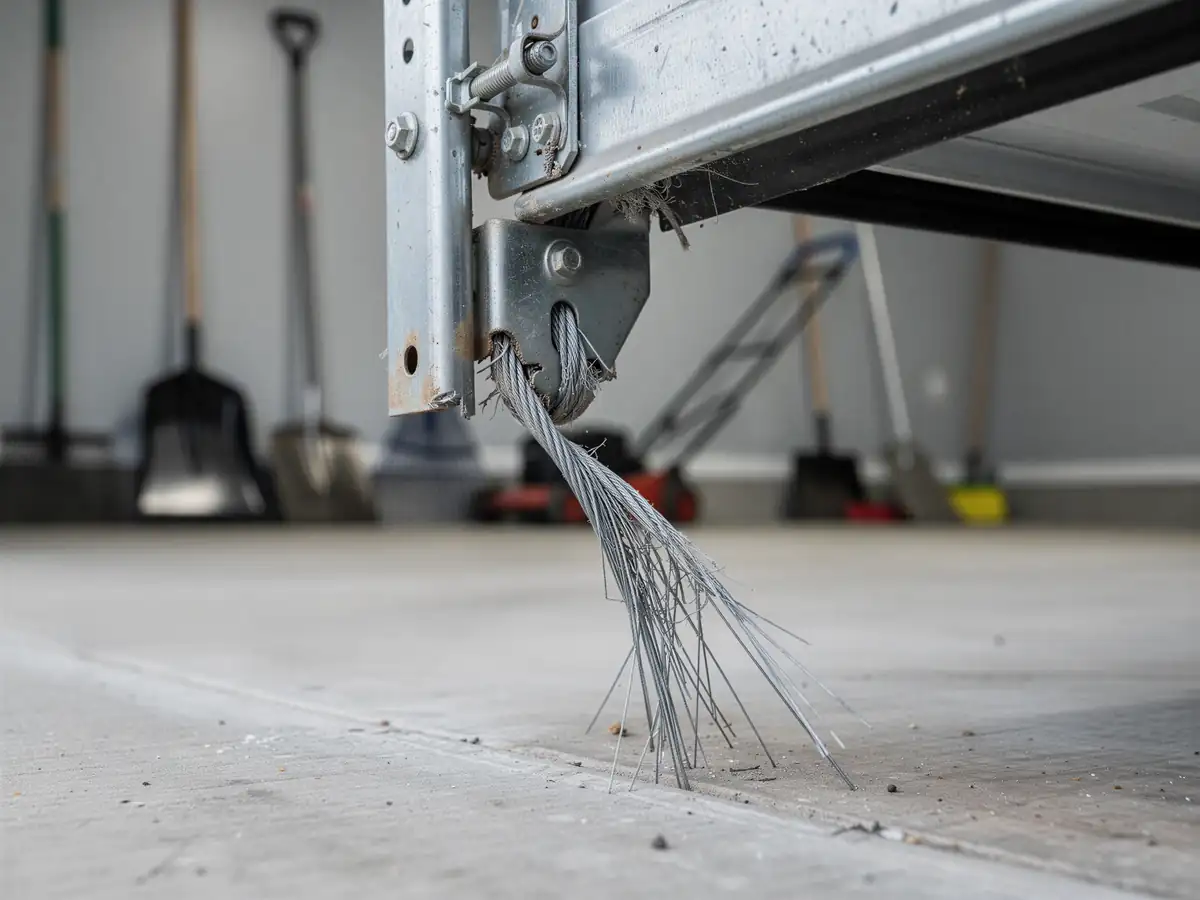
Foresthill's median household income runs $102,632, well above the $91,135 median across the wider service area we cover. That number matters more than it sounds like it should, because it changes what a reasonable homeowner does when a door starts failing. At lower income levels, people patch a worn roller or a stretched cable and keep going. At this income level, the math tips earlier toward replacing the whole door instead of chasing one more repair on hardware already past its useful life. If your door was installed around 1977, which is the median build year for houses in this area, you're not choosing between a cheap fix and an expensive one. You're choosing between a repair that buys a year and a replacement that doesn't need another call. A torsion spring swap on a door that old often uncovers a second and third problem once the panel comes down - bent track, a worn bottom bracket, a motor that was never rated for the door's weight. Knowing which one you're looking at before you call saves you a wasted trip and saves us wasted time standing in your driveway diagnosing instead of fixing. If the door still opens smooth and quiet, a repair is almost always the right call regardless of the house's age.
What the Repair Takes
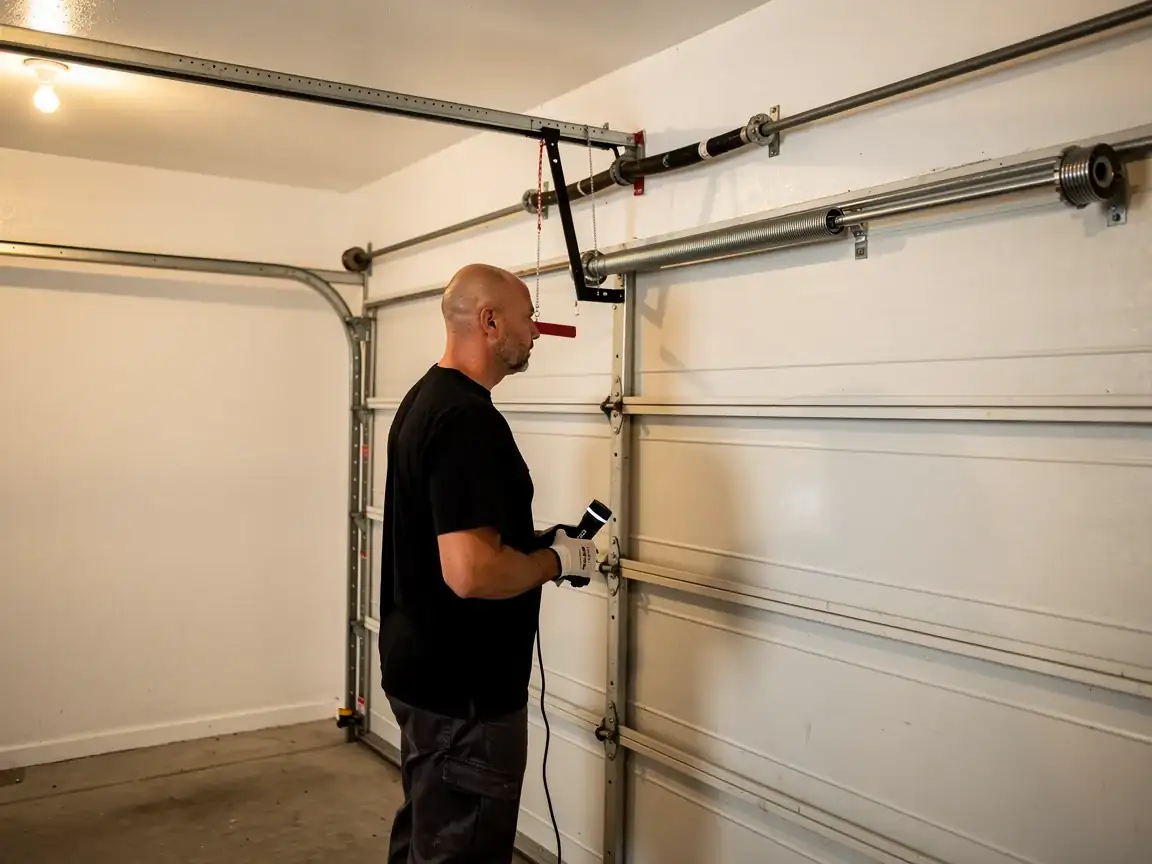
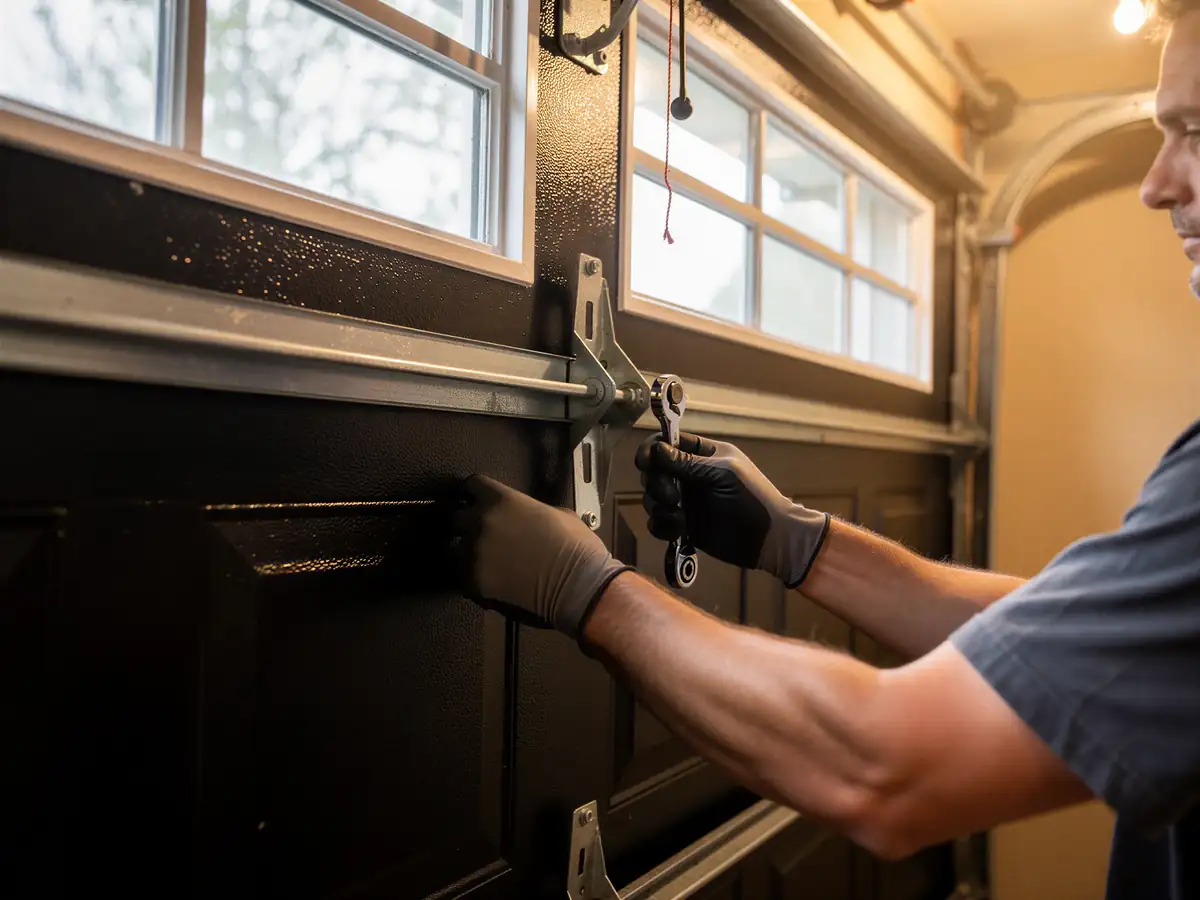
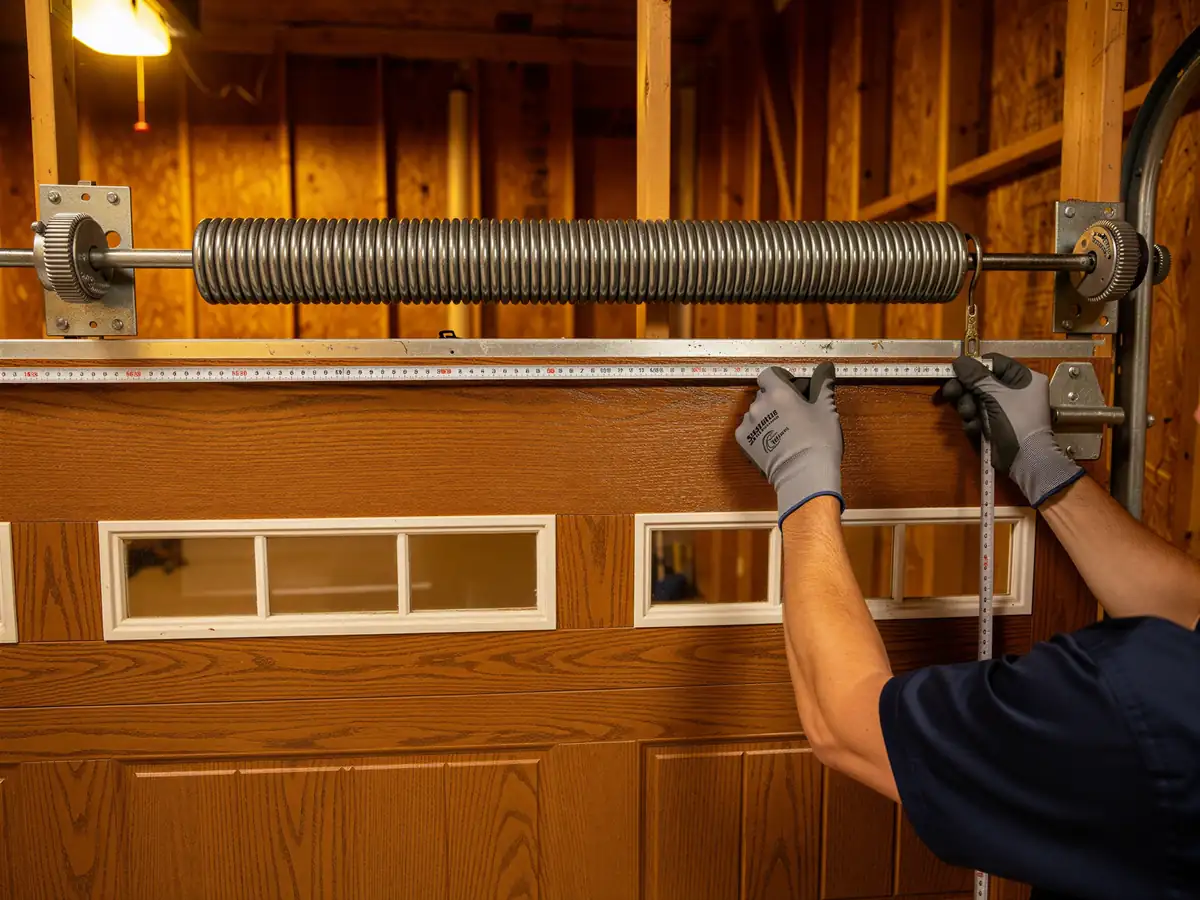
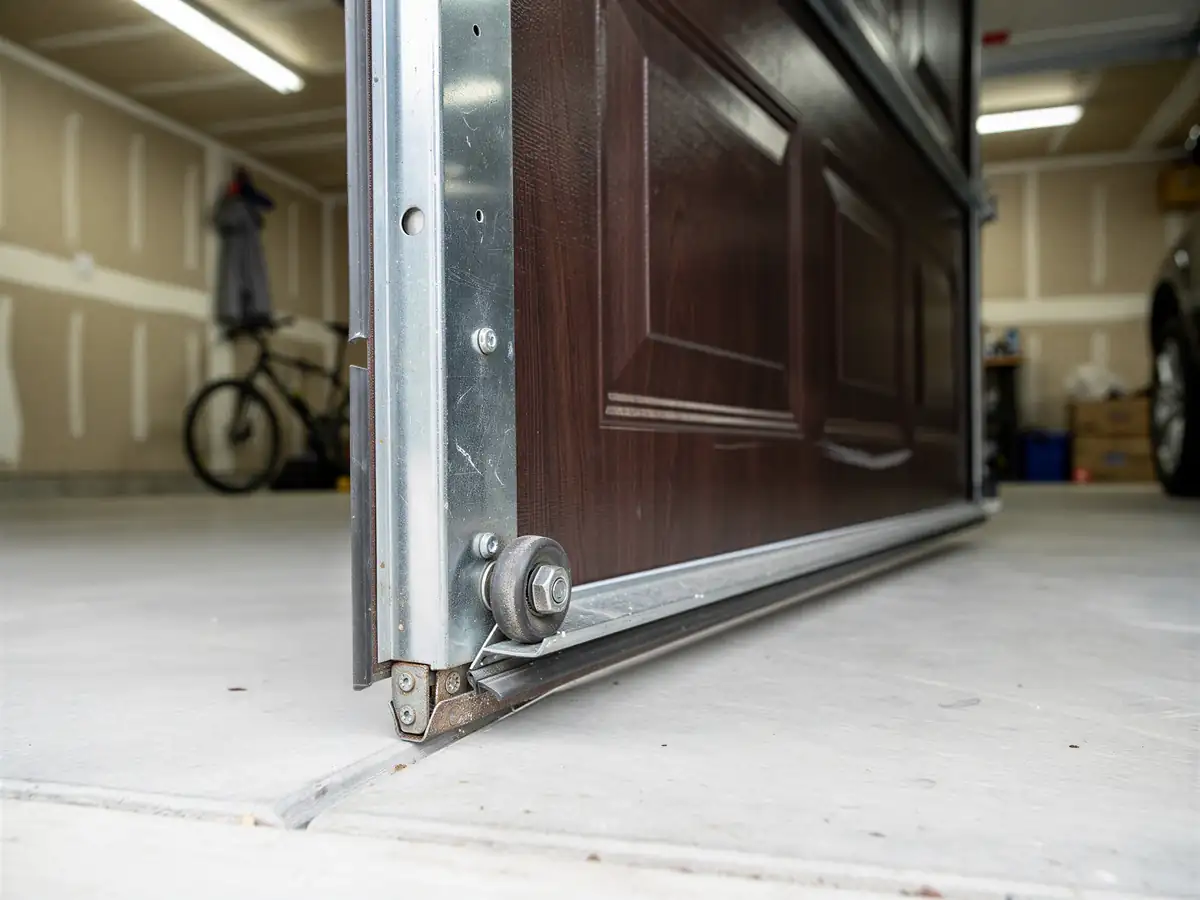
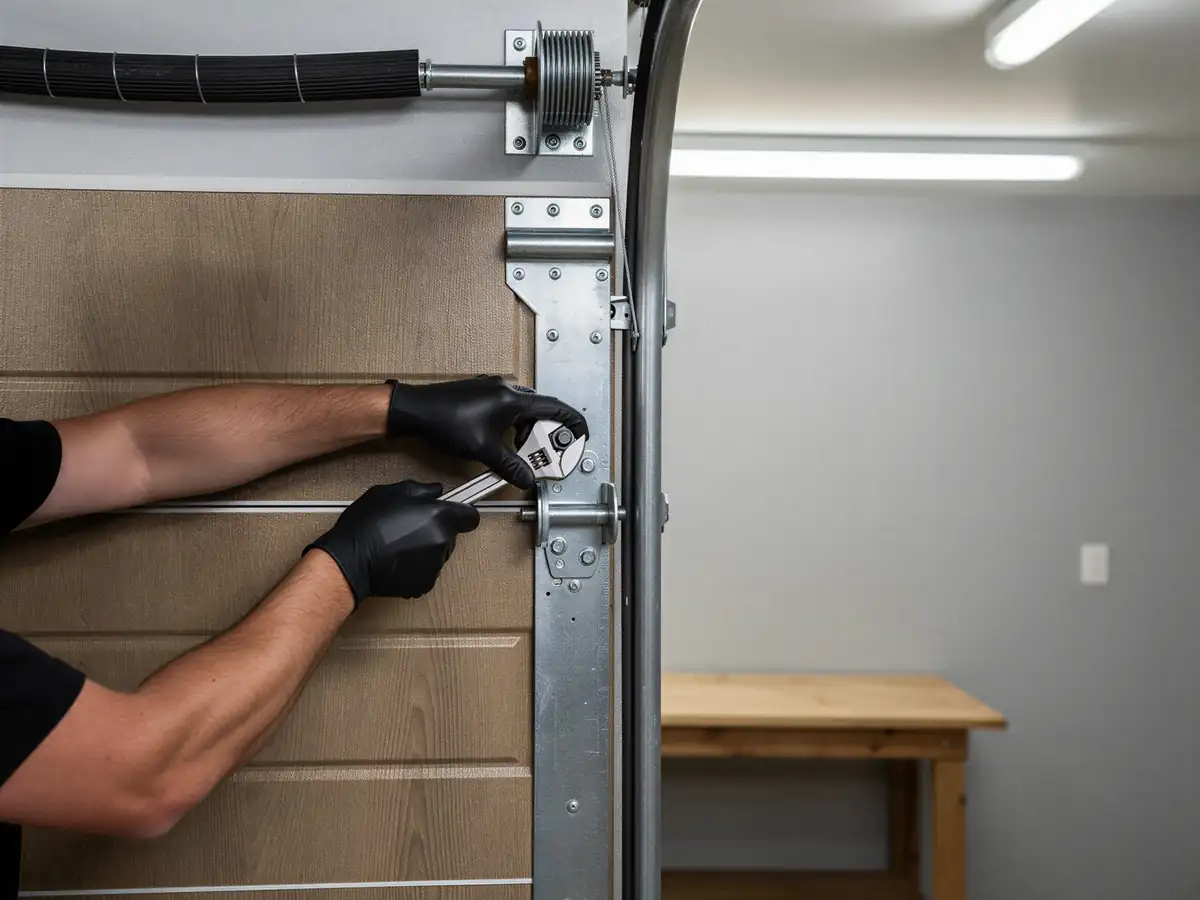
Houses in this region were mostly built between 1938 and 1984, with most of the stock dating to the 1960s and '70s, and Foresthill's own median sits right at 1977. Doors from that era were built with lighter steel, single-layer construction, and torsion hardware sized for a lot less weight than modern insulated doors carry. A repair on one of these doors usually means matching old spring wire gauge to a door that's been drooping for years, which is not something you eyeball. We carry a working range of spring sizes on the truck, but a less common gauge or a discontinued roller size can mean a second trip once the right part is in hand. That's the honest limit here: we don't stock every part for every decade of garage door on the truck, and a door built to 1970s spec sometimes needs something we have to order. We'll tell you on the spot if that's the case rather than guess and come back with the wrong part.
Booking a Visit
We run the job out of Grass Valley, about 19 miles away, so Foresthill calls get scheduled into the route rather than handled as a walk-up stop. That's not a knock against the town - it's just the honest layout of how we cover a service area this spread out, which also reaches places like Camptonville and Washington at similar distances. Tell us the symptom clearly when you call: whether the door is heavy, uneven, noisy, or stuck, and whether it's a single or double door. That lets us bring the right spring size and hardware on the first trip instead of discovering it's wrong once we're already in your driveway 19 miles from the shop.
Time on the Job
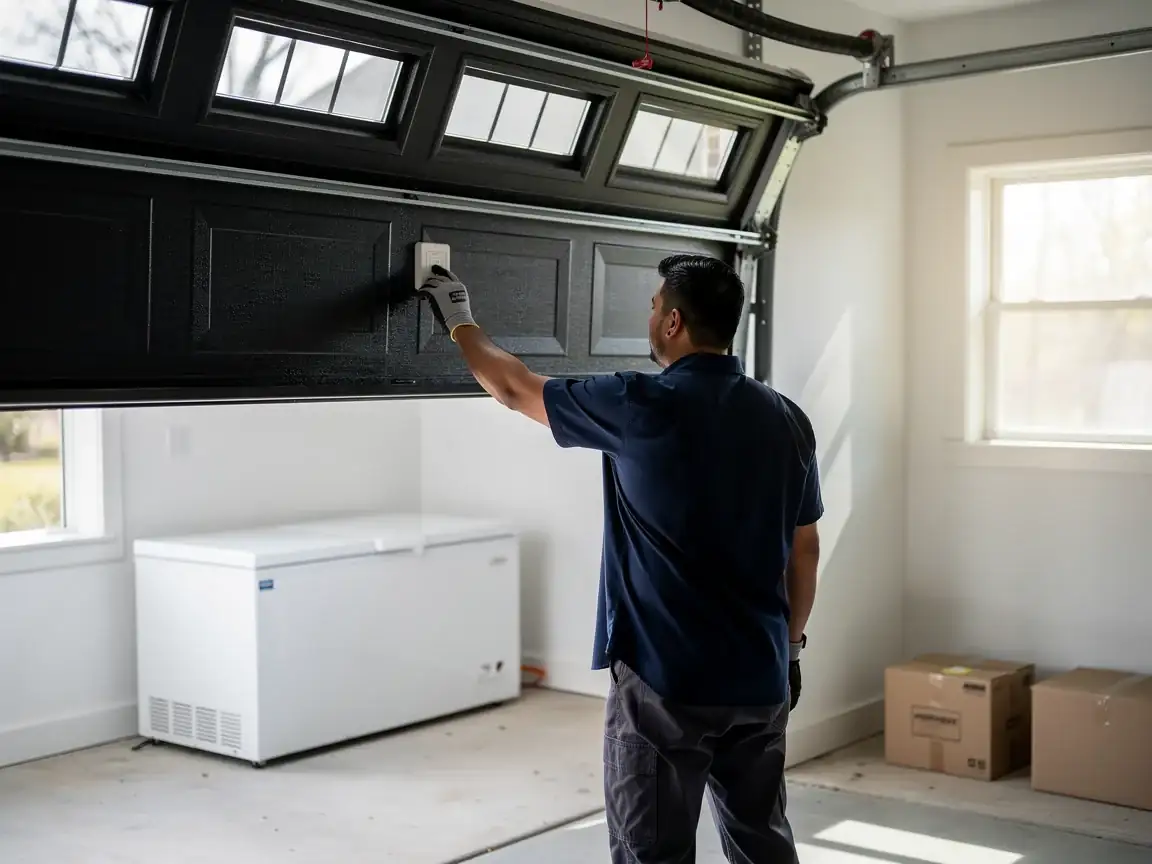
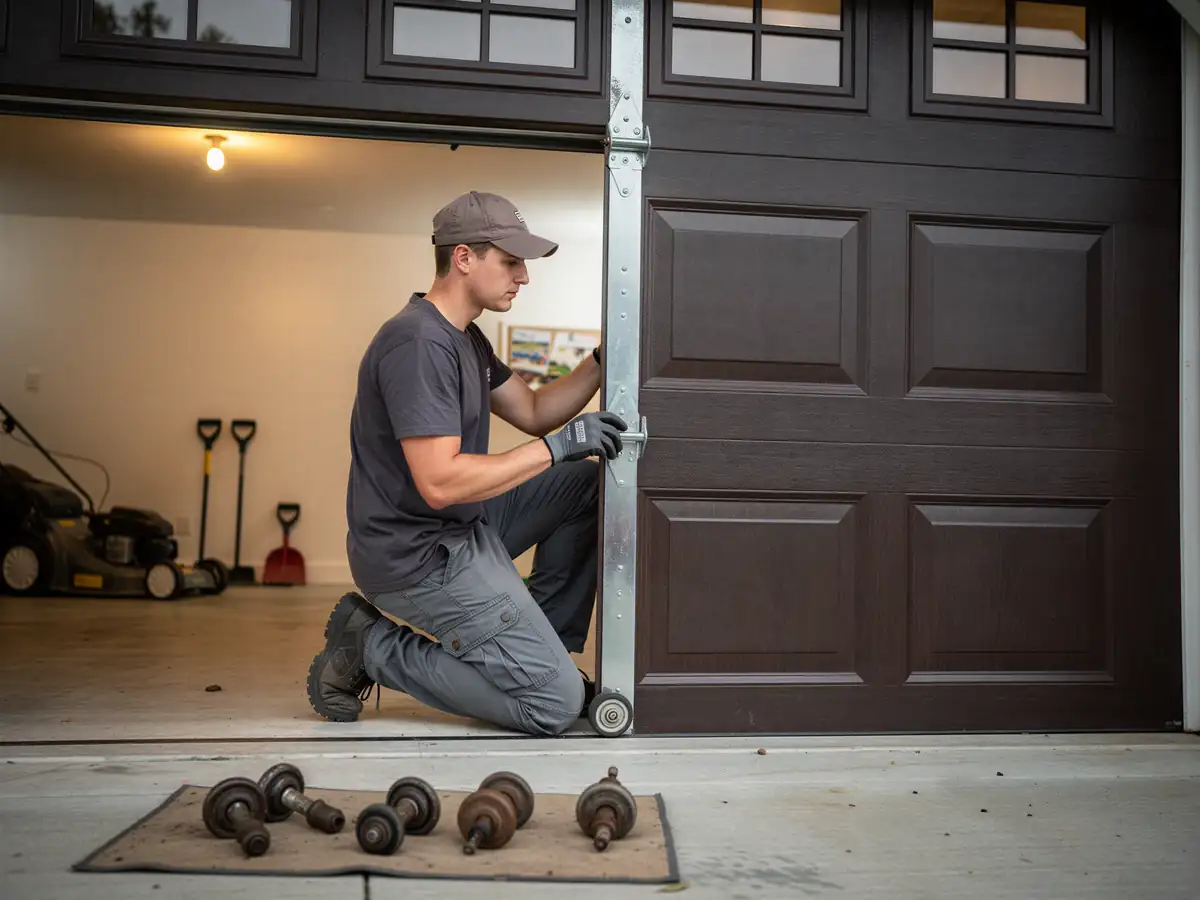
A straightforward spring or roller repair on a residential door usually takes under an hour once we're on site. What takes longer out here is the drive, not the wrench work - 19 miles each way means the appointment window has to account for travel on top of the job itself. If your door needs a part we don't carry on the truck, the repair itself might still be quick, but the parts delay adds days, not hours. We won't promise a same-day fix on anything that needs an ordered part, because that's not realistic from this distance and we'd rather tell you that upfront than have you wait around for a truck that isn't coming today.