Doing It Yourself
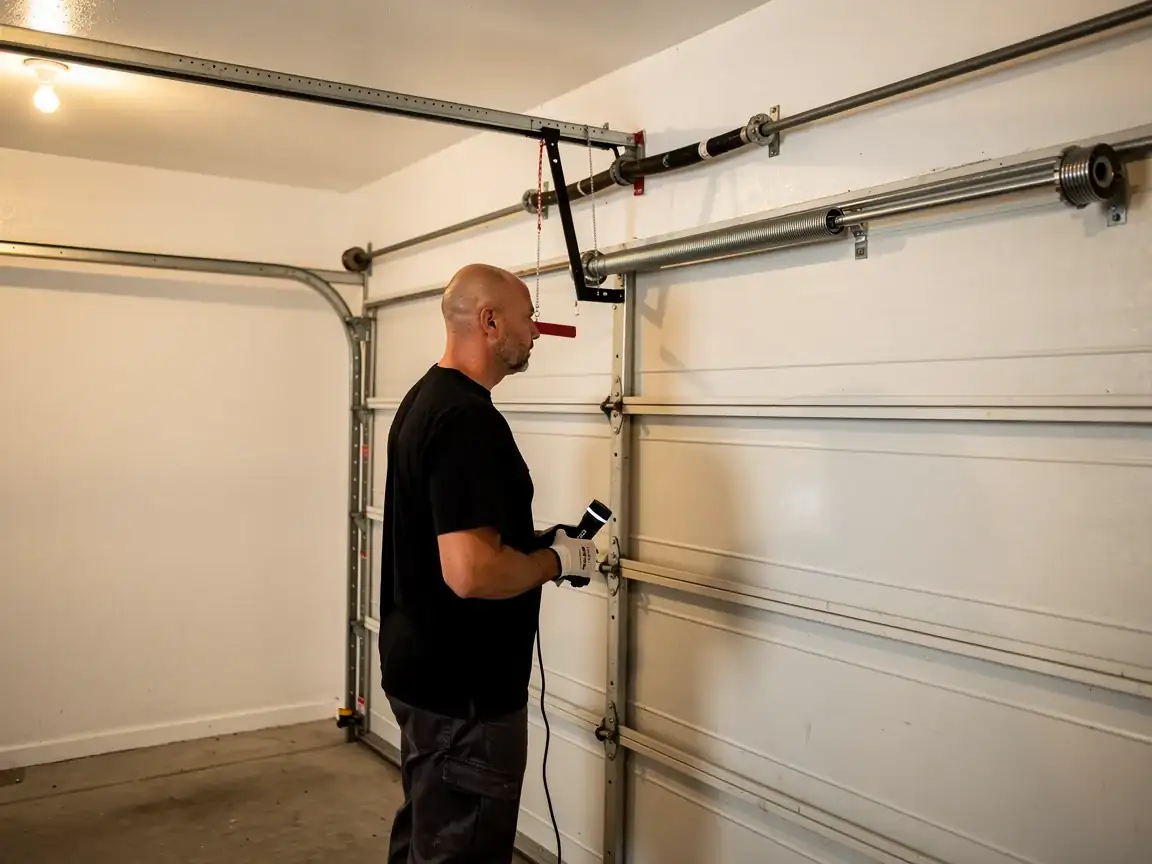
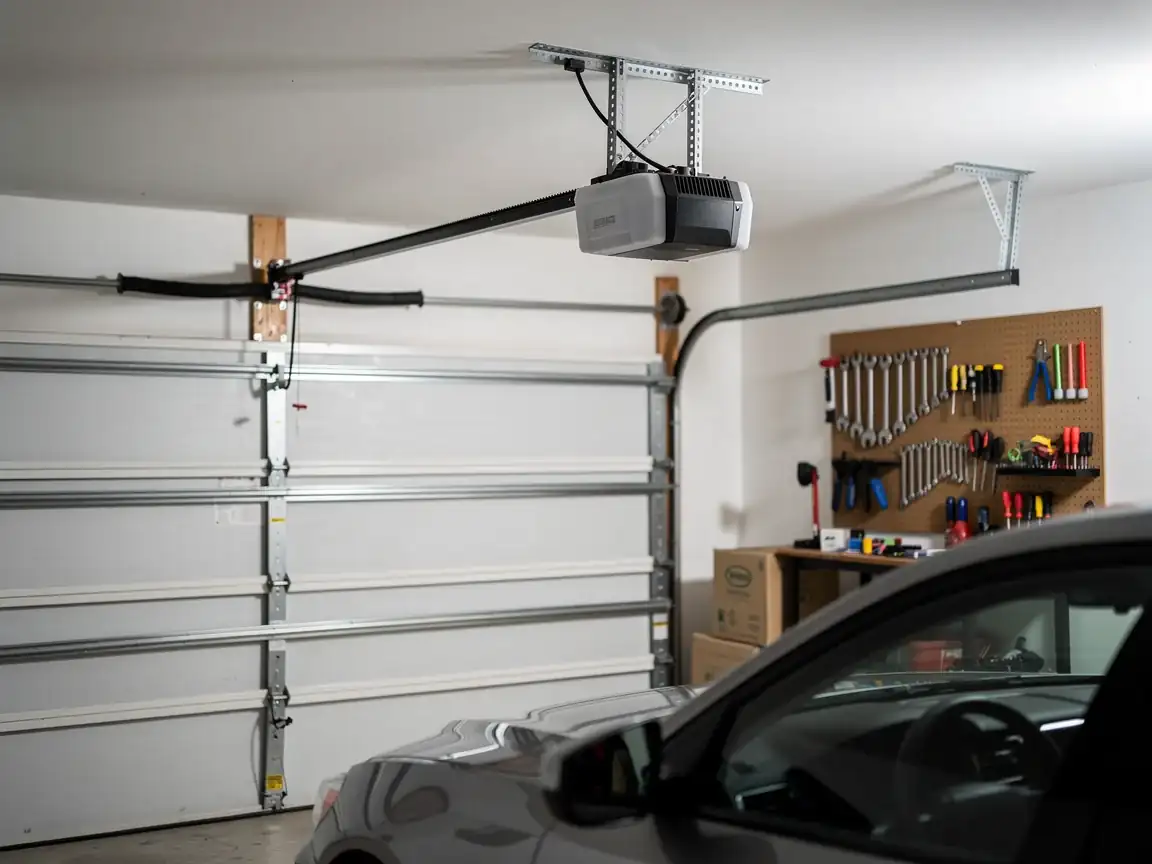
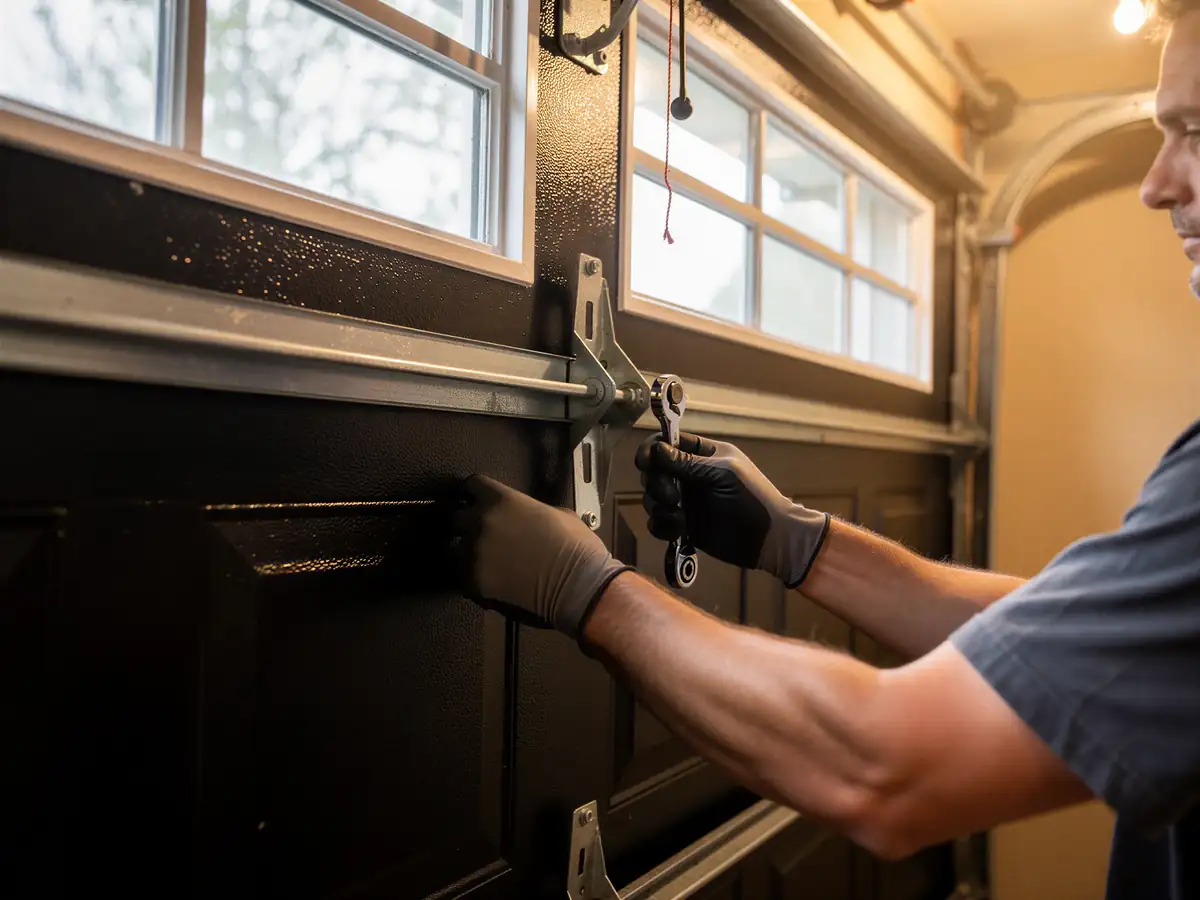
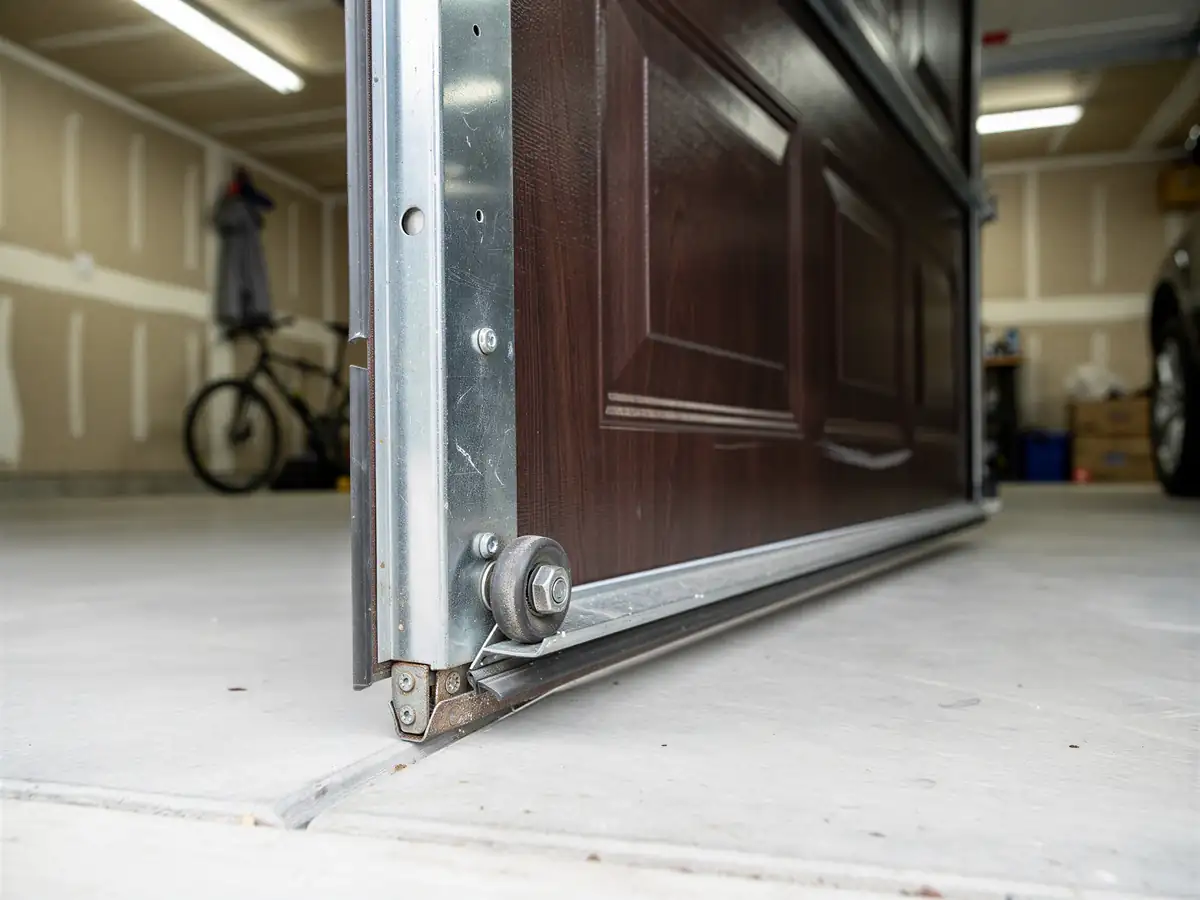
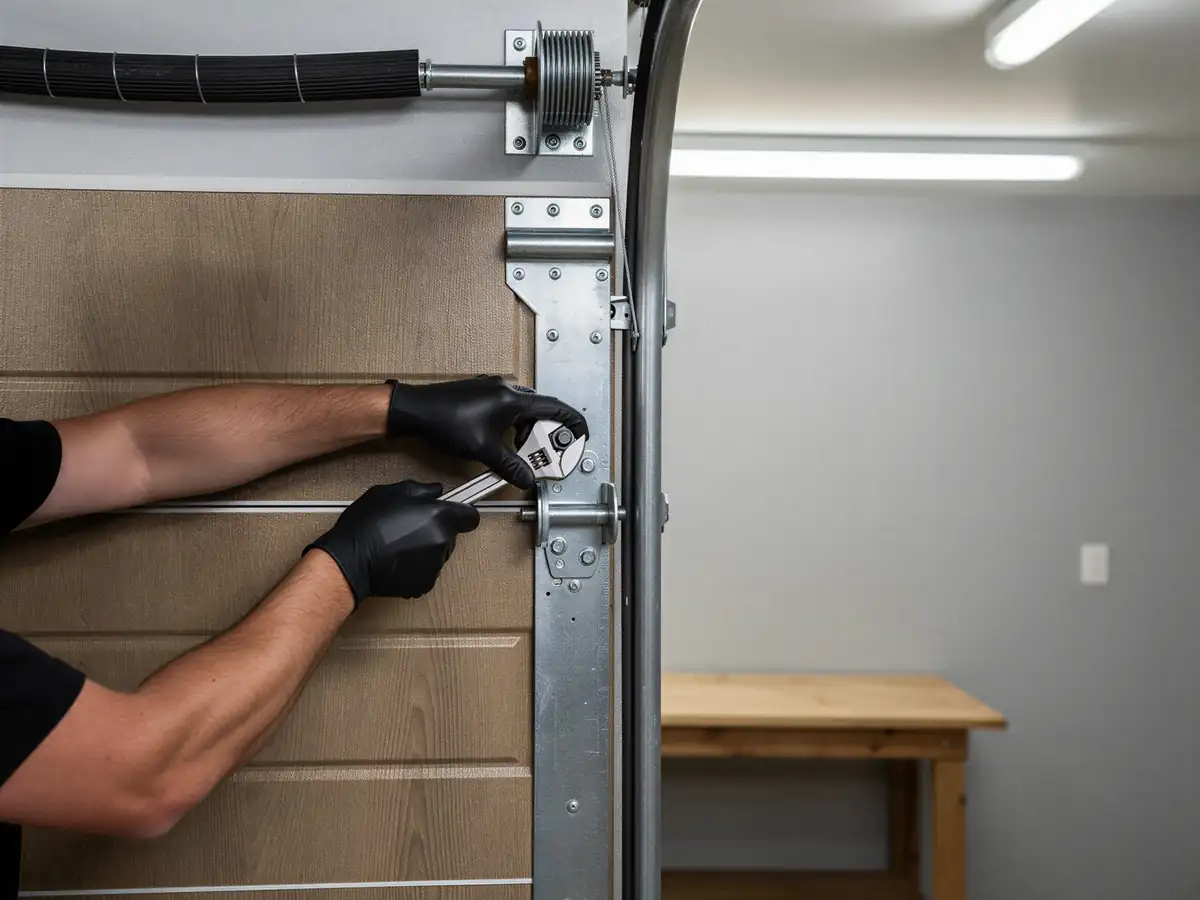
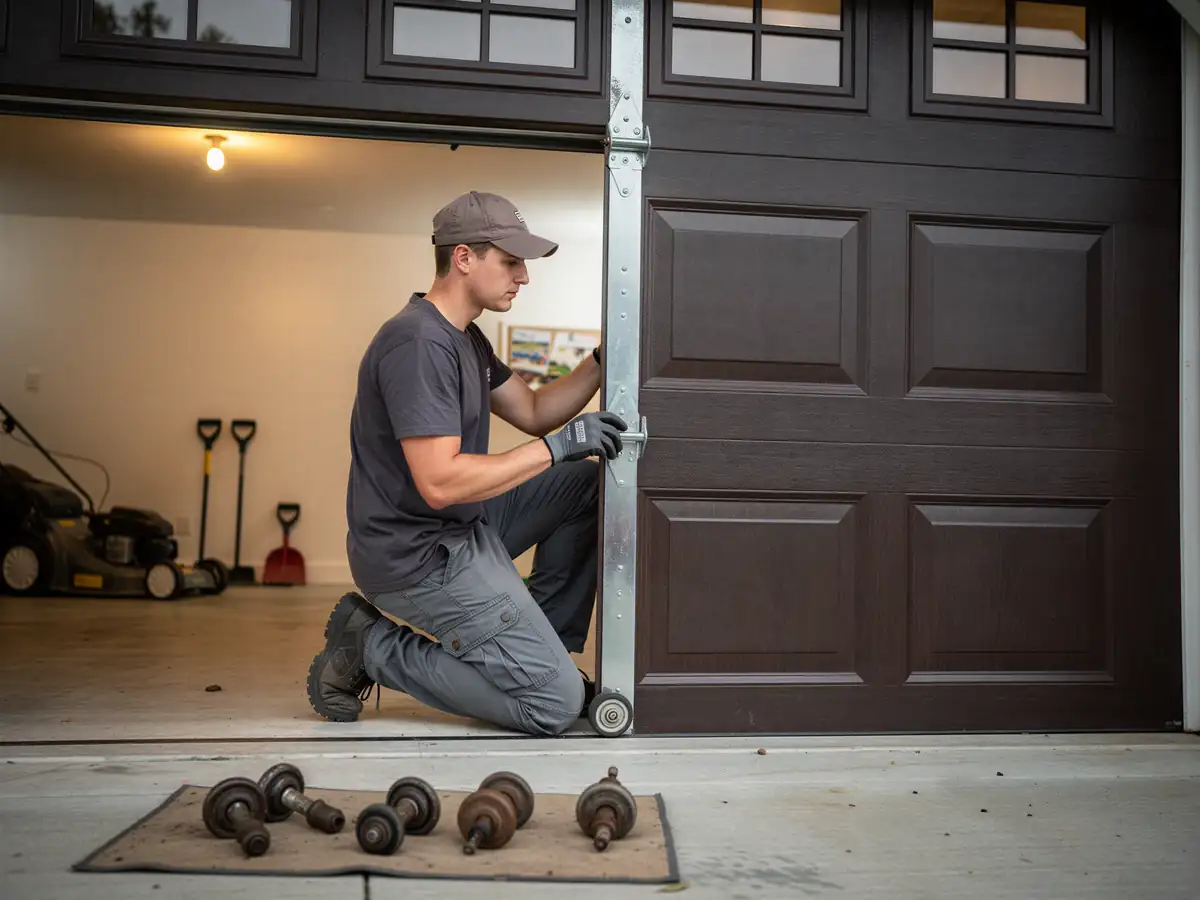
Foresthill's housing stock centers on 1977, which means most doors still running their original hardware came with 7-ball steel rollers set into steel tracks - fine for the lighter, single-layer doors builders used back then, but noisy and prone to binding thirty-plus years on. Swapping a roller yourself isn't hard in theory: release tension, pull the hinge, slide the old roller out, slide the new one in. The catch is the top two rollers sit under spring tension and the stem can snap back if you're not holding the door right. We'll say it plainly - if your door has a working torsion spring and you've done this before, a nylon roller swap is a reasonable Saturday job. If you've never had the cover off a spring, that's the one part of this repair we'd rather you call for. Nylon rollers with sealed bearings run quieter than steel and don't need the periodic oiling steel rollers do, which matters here since nobody's driving out every spring to grease a track. With only 510 households in the area, this isn't a job we get called on often, so when we do come out we bring stock for both roller types rather than guessing.
What the Repair Takes
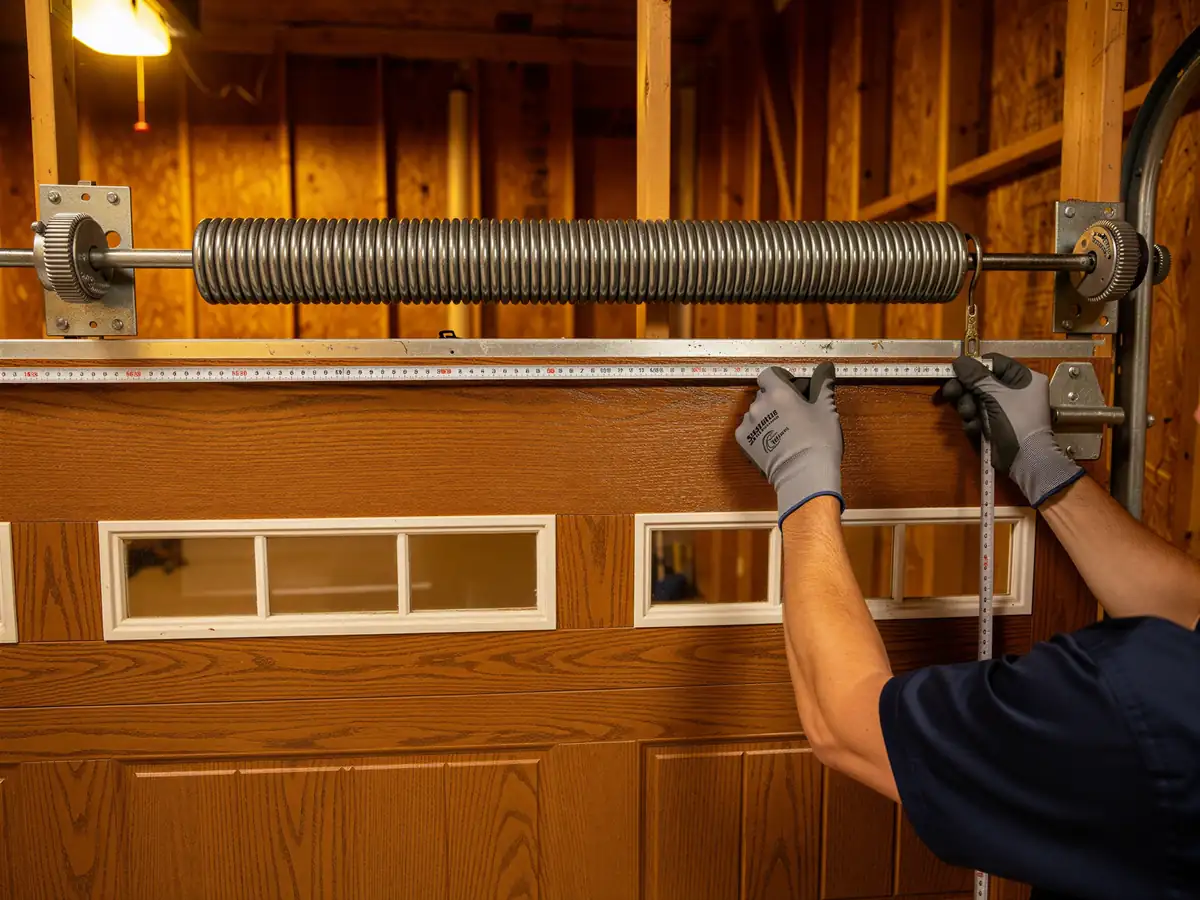
A full roller set is ten rollers - four on each side plus two at the top corners, though most jobs only need the ones actually worn, usually the bottom four that take the weight every open and close. On a door built to 1970s spec, the stems are often a slightly different gauge than what's sold off the shelf today, so we measure before we cut anything loose. Steel track from that era can also be bent or rusted at the roller contact point from decades of a worn roller riding crooked; if the track's the real problem, swapping rollers alone won't quiet the door down. We check both before calling it a roller job. Nylon rollers with sealed ball bearings are the standard replacement now - quieter, no lubrication needed, and they don't pit the track the way bare steel can. The job itself runs quick once we're on site; the time is mostly in checking track alignment and making sure the new rollers seat square, not in the swap itself.
Booking a Visit
Foresthill sits about 19 miles out from our Grass Valley base, further than most of the service area we cover, so roller jobs here get scheduled rather than worked in same-day. That's not a knock on the town - it's just the honest distance, and we'd rather tell you up front than promise a window we can't hit. When you call, tell us whether the door's catching at the curve, whether it's steel or has already been converted to nylon, and roughly how old the door is if you know it. That lets us bring the right roller stems instead of arriving short a part and driving back. You can see the rest of what we cover out this way on our coverage page.
Time on the Job
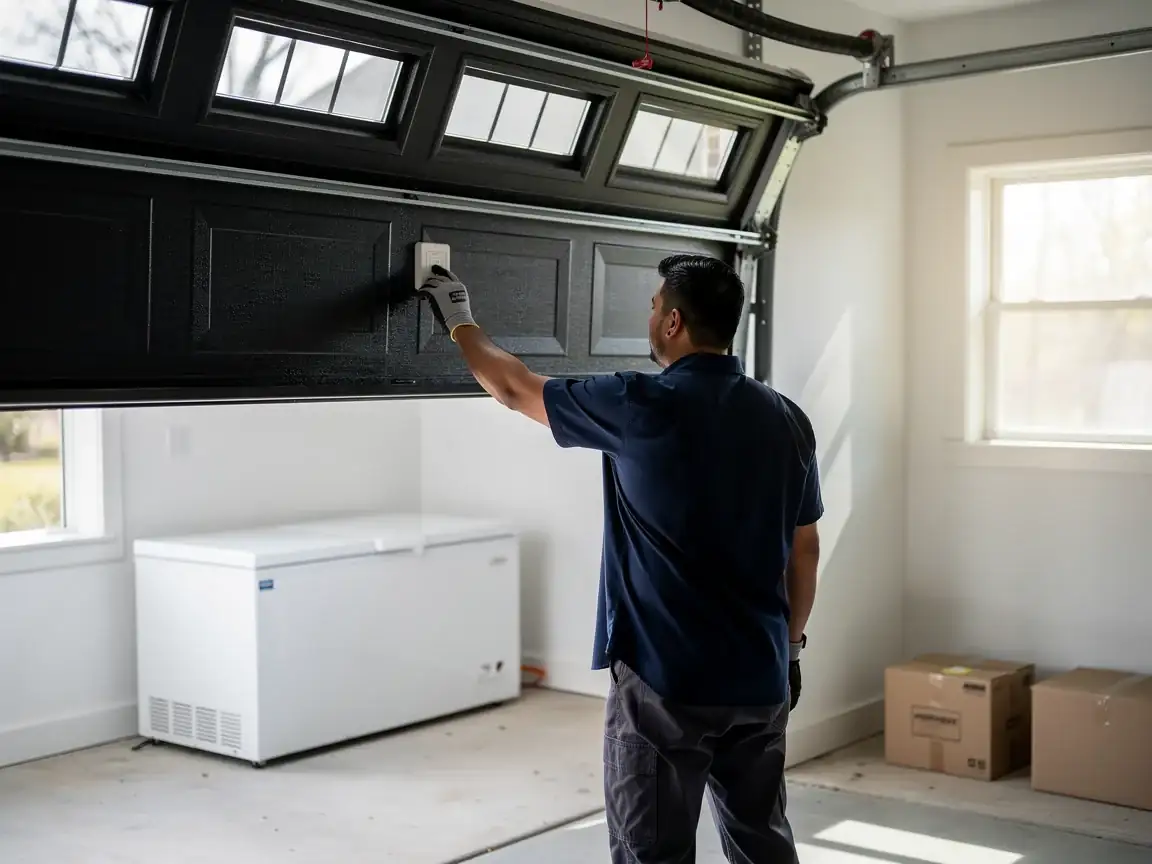
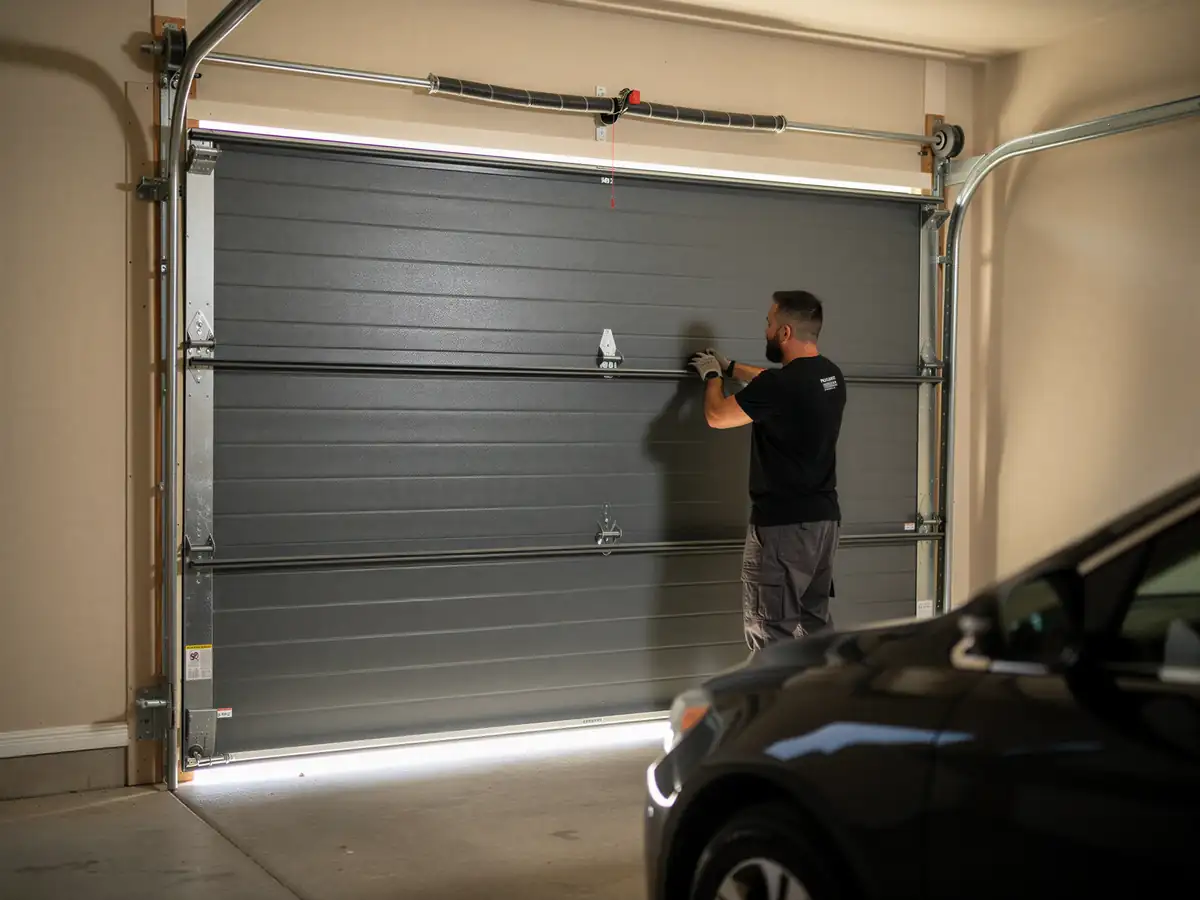
Once we're set up, a straight roller swap on a residential door usually wraps inside an hour, including the check of track alignment on both sides. If the track itself needs straightening or a section replaced because a roller's been grinding against it a while, add time for that - we won't know for certain until we've got the door open and can see the wear pattern. We don't treat this as an emergency call-out service in Foresthill given the drive; most of these get booked a few days out, which is usually fine since a worn roller is a wear-and-tear problem, not a door that's about to come off its track. If you want it done the same day you call, say so when you book and we'll tell you honestly whether that's realistic given where else we're routed that day.