Doing It Yourself
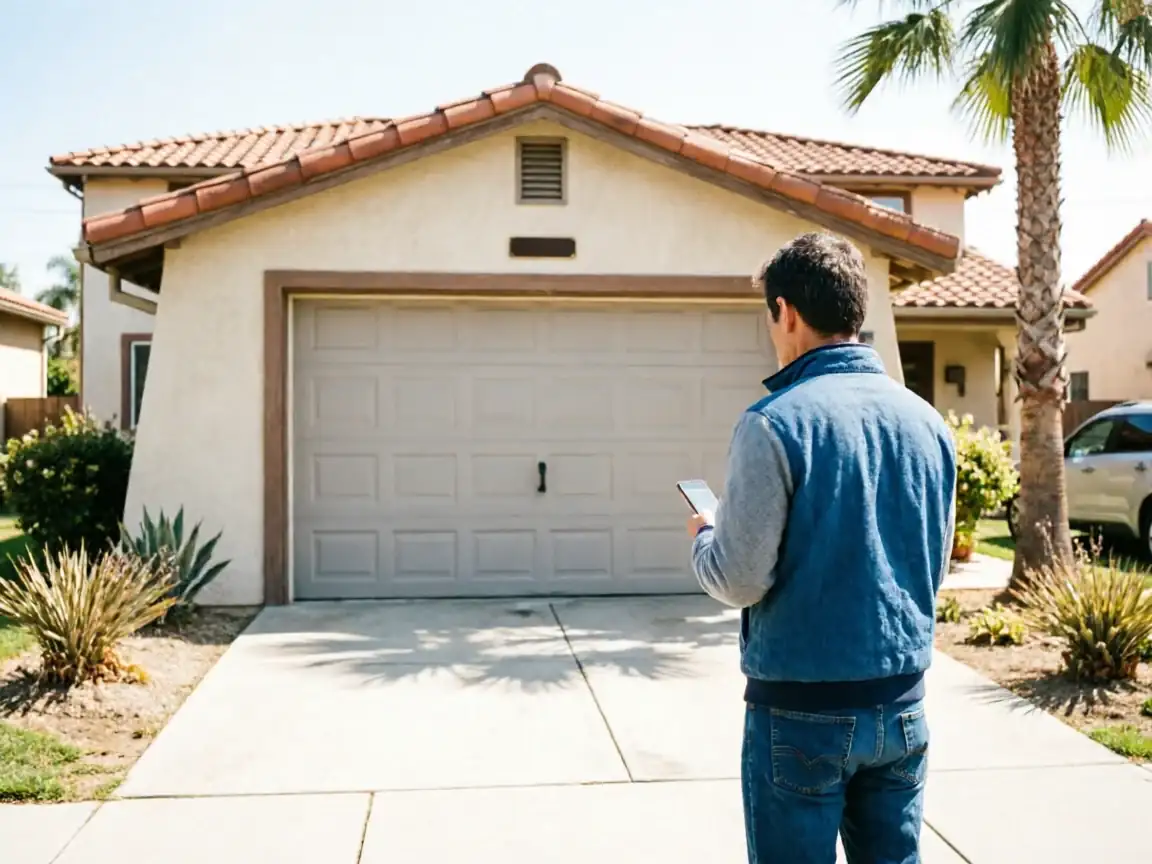
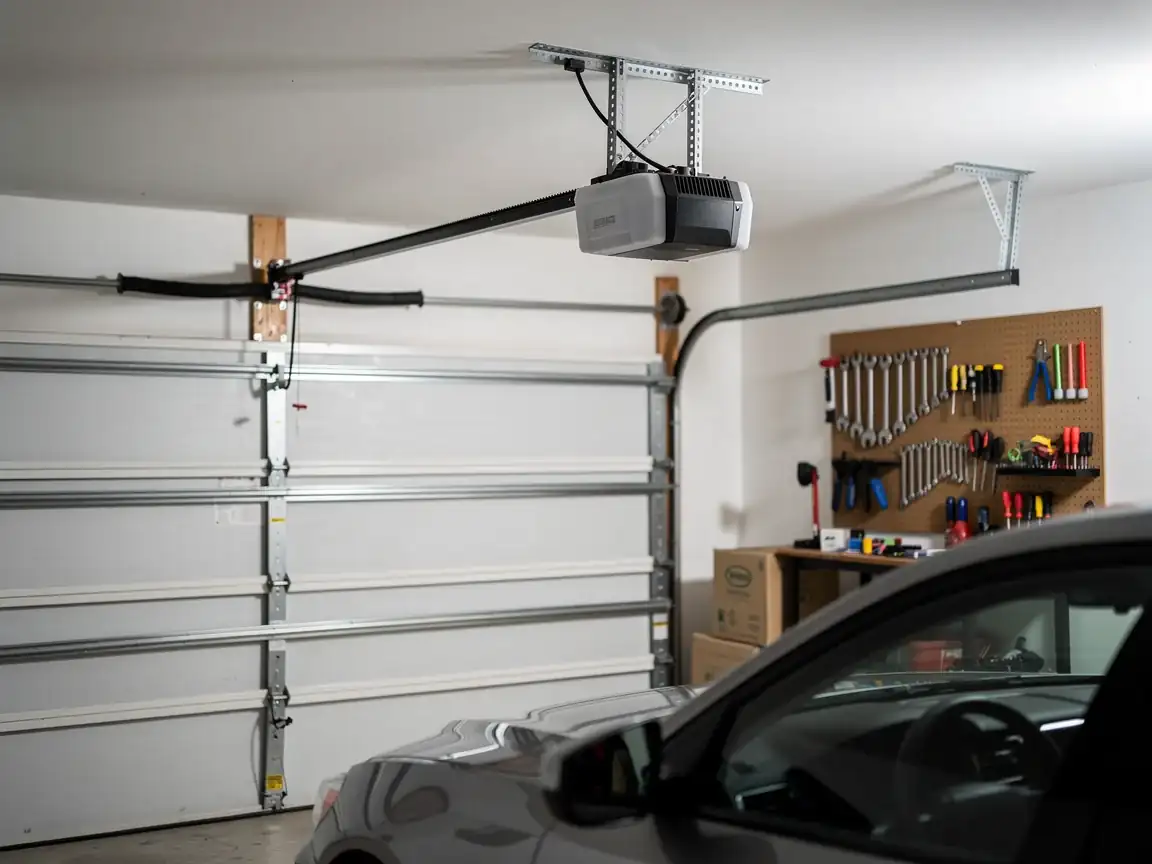
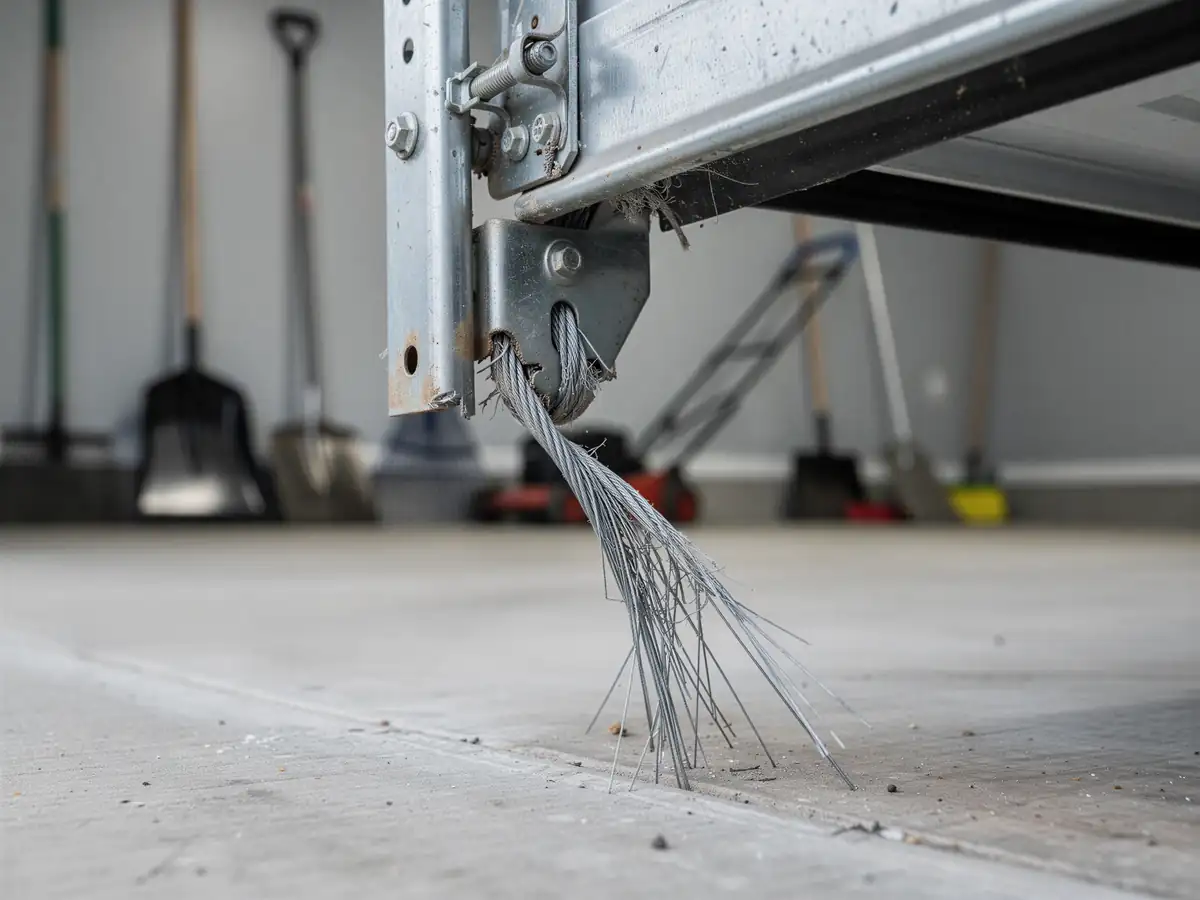
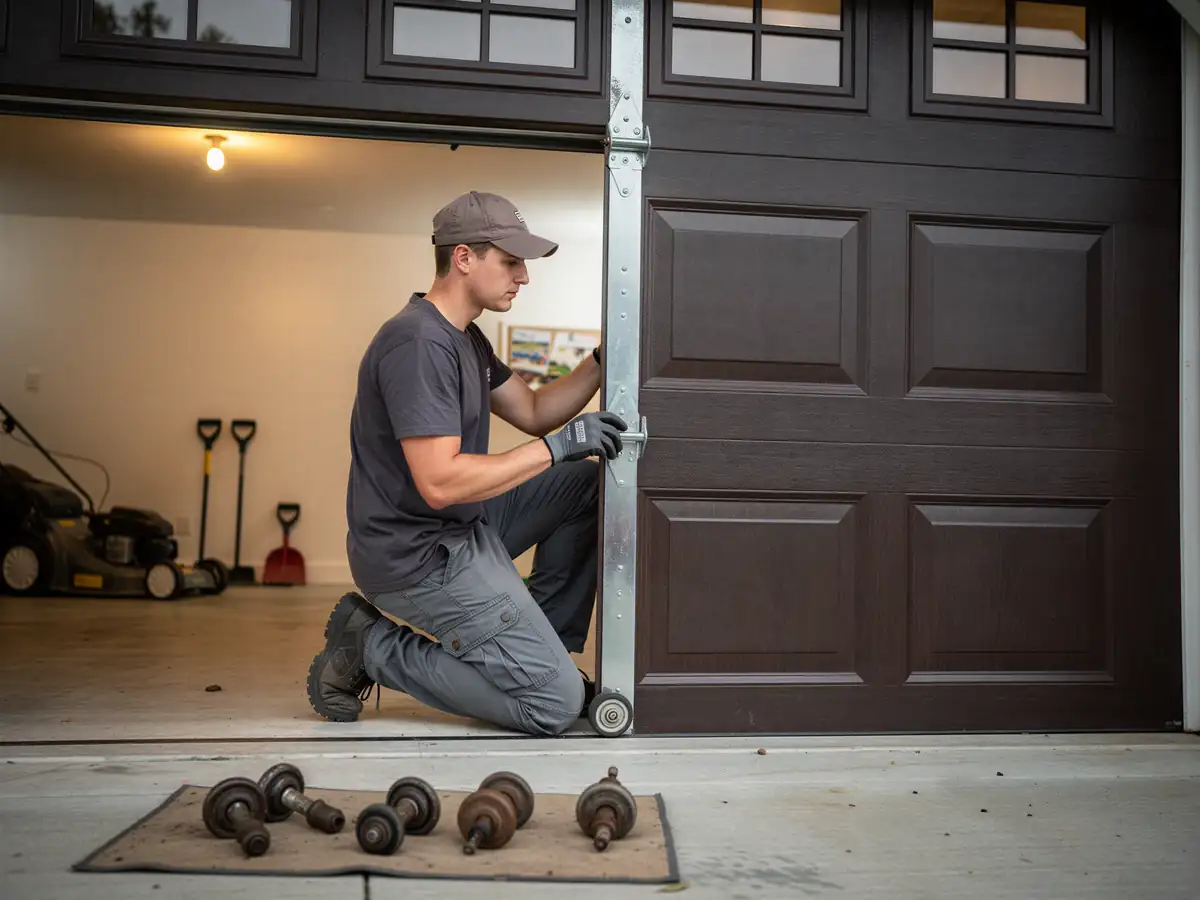
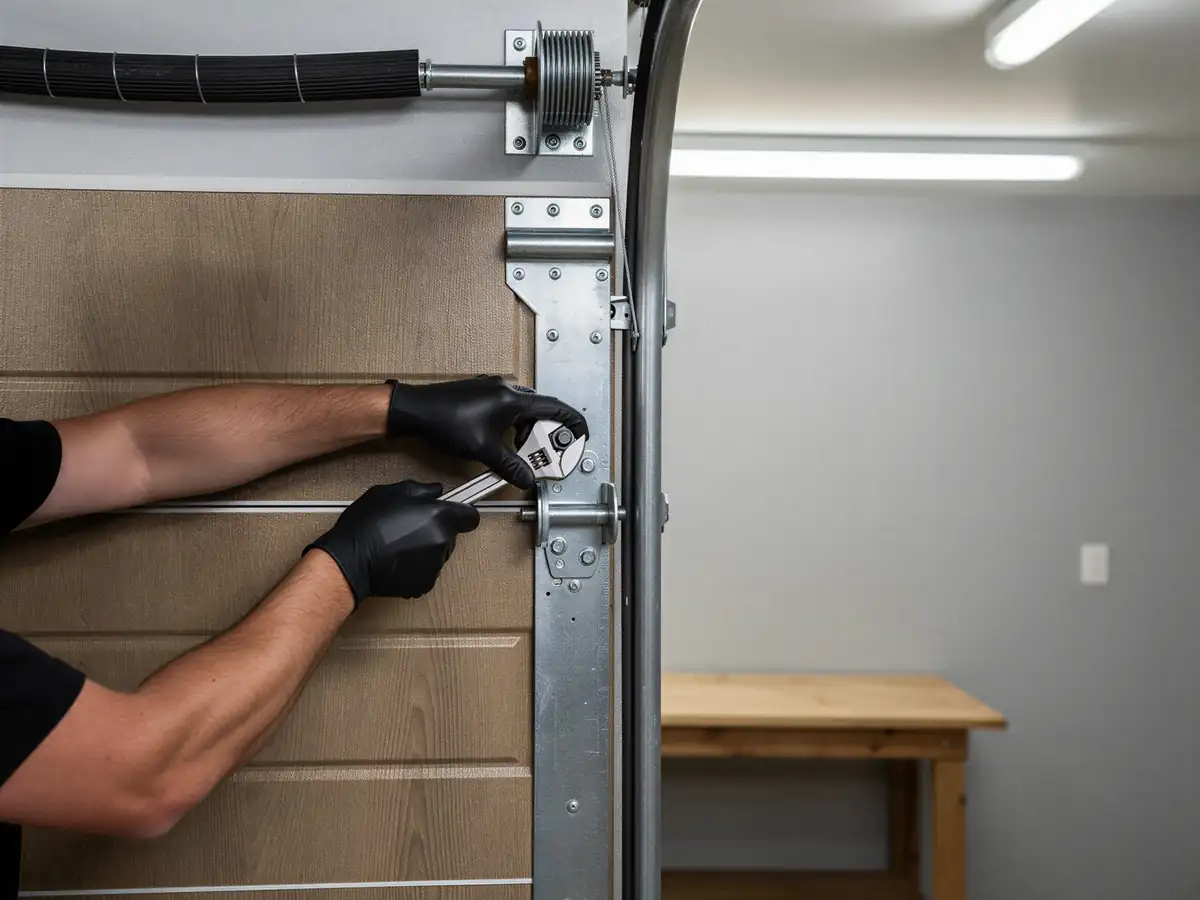
Foresthill sits 19 miles out from our shop in Grass Valley, which means a lot of homeowners out here have gone years without anyone laying hands on their door besides themselves. That's fine for the basics. You can and should wipe down the tracks, check that the photo-eye sensors aren't coated in dust, and look at the cables for fraying where they wrap the drum. What you can't safely do is touch the torsion spring or back off the cable drum - that's stored energy and it doesn't forgive guesswork.
Most houses in this part of our coverage area went up between 1938 and 1984, with the median landing around 1977, and Foresthill tracks right with that. A door from that era usually still has its original torsion spring and drum setup even if the opener itself got swapped out at some point. Lubricate the rollers and hinges with a garage-door-specific spray, not WD-40, and test the auto-reverse by setting a piece of wood on the floor under the door. If it doesn't stop and reverse, stop using the opener until someone looks at it. That's the honest limit of what a homeowner should do here - the rest is a call, not a project.
What the Repair Takes
A tune-up on a door that's been running since the 1970s or 80s isn't the same job as one on a ten-year-old door. The hardware is original more often than not - original torsion spring, original drum, sometimes original track brackets that have loosened over forty-plus years of thermal movement. Our climate band here is mild with occasional freeze, so you don't get the brutal expansion cycles of a harsher region, but you do get slow wear: hinges that have worn oval instead of round, rollers that have flat-spotted from sitting in one position.
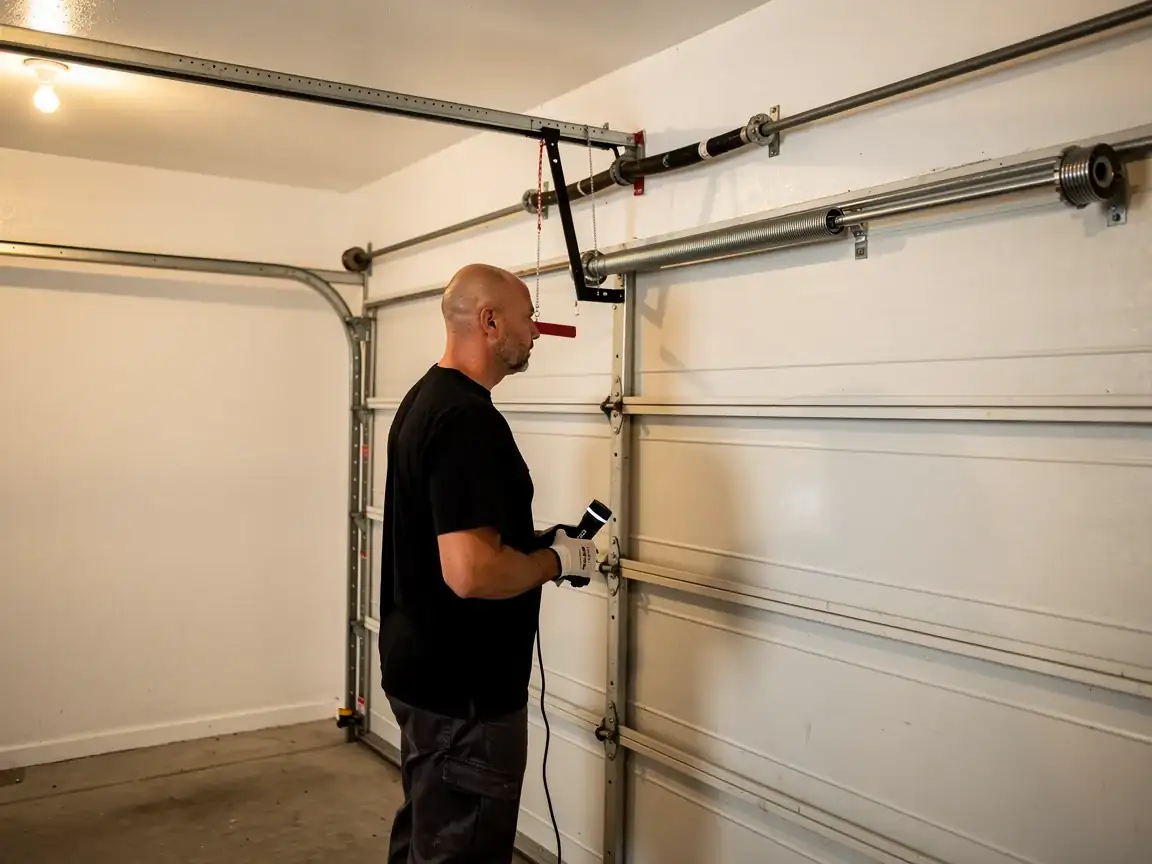
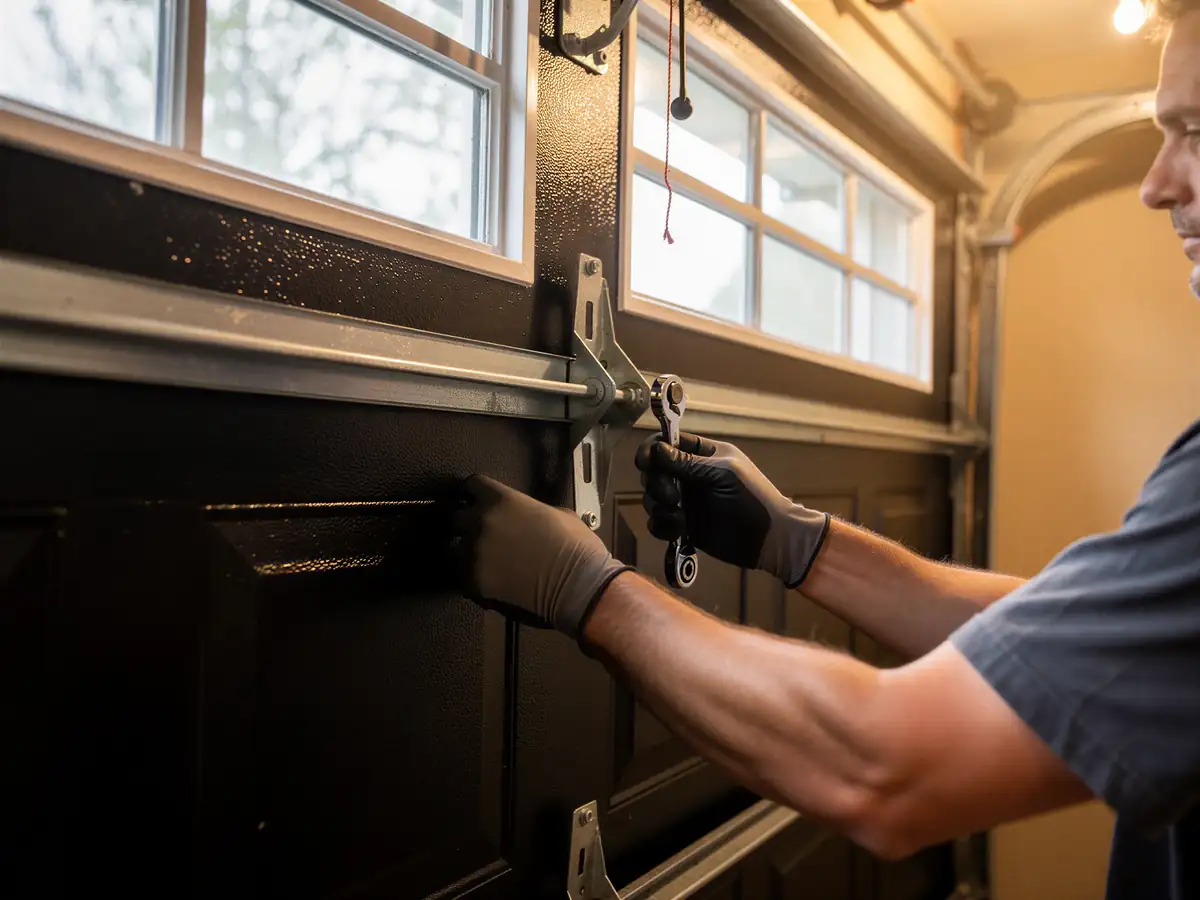
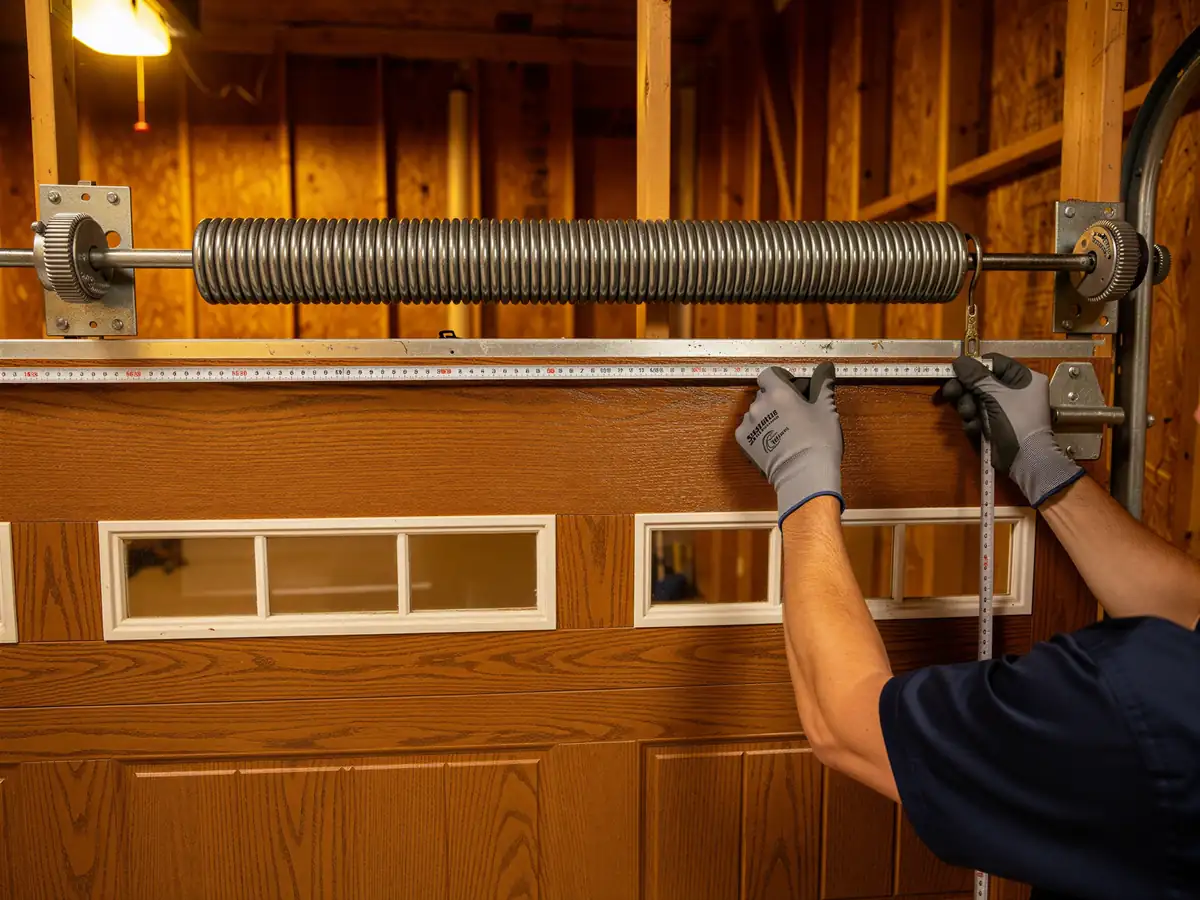
A proper maintenance visit means checking spring tension, inspecting cable wear at the drum, re-torquing track bolts, and lubricating every moving point - not just spraying the rails and calling it done. On a door this old we're also checking for stress cracks in the panels themselves, since many of these are older steel or wood doors that have taken decades of sun and damp without ever being resurfaced. If the hardware's failing rather than just worn, that's a repair conversation, not a maintenance one, and we'll tell you which one you're actually facing.
The Symptom
The giveaway on a door this age is usually noise that wasn't there a year ago
A grinding or popping sound as the door travels, or a hesitation partway up where it used to run smooth. On original hardware from the late 1970s, that's often a roller going bad or a hinge pin wearing loose, not yet a spring failure, but it's heading there if nothing gets done.
Another common one out this way
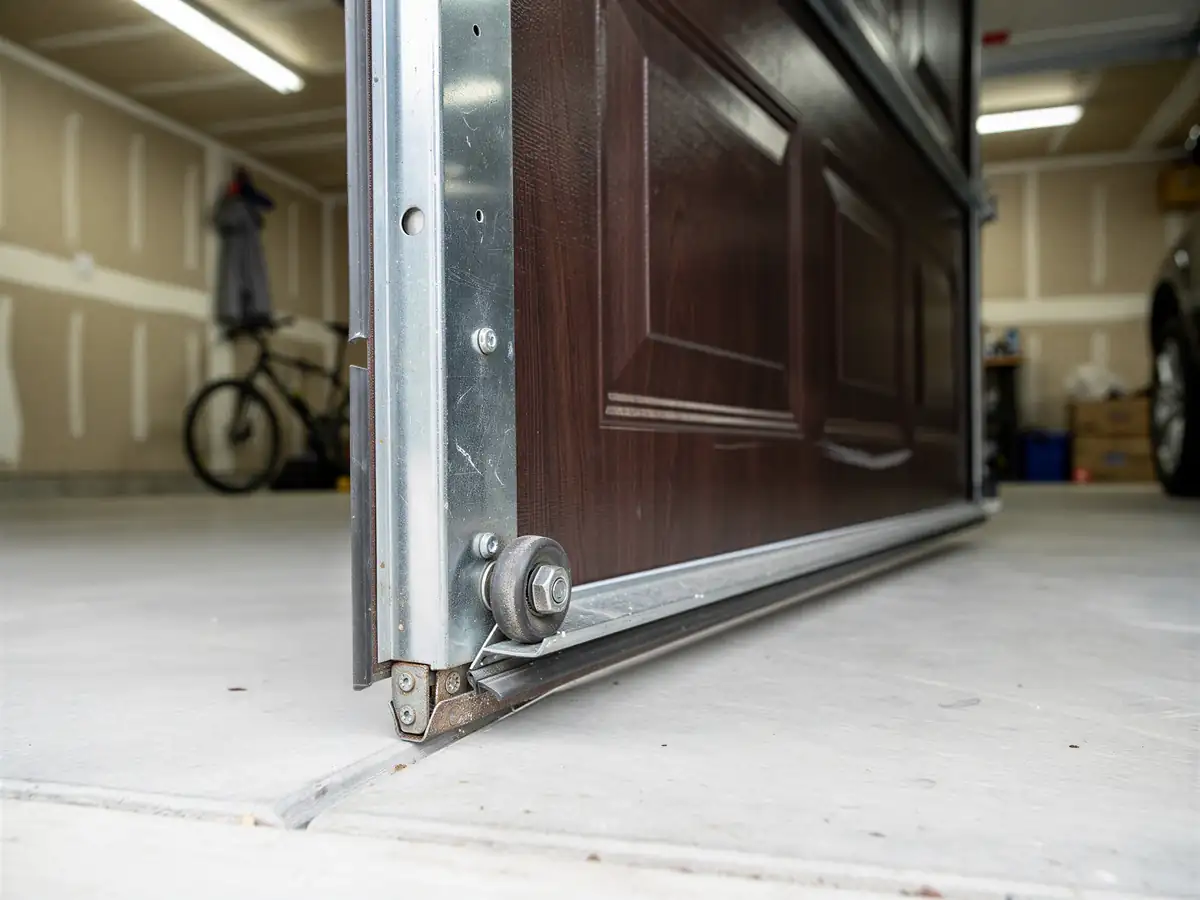
The door reverses or won't fully close, which on a 40-plus-year-old setup is frequently a track that's shifted slightly out of alignment rather than a sensor problem. With Foresthill's distance from Grass Valley, it's worth having one visit cover a full check rather than waiting for a second symptom to justify the drive. We'd rather catch a worn cable now than get the call after it's snapped and dropped the door.
Booking a Visit
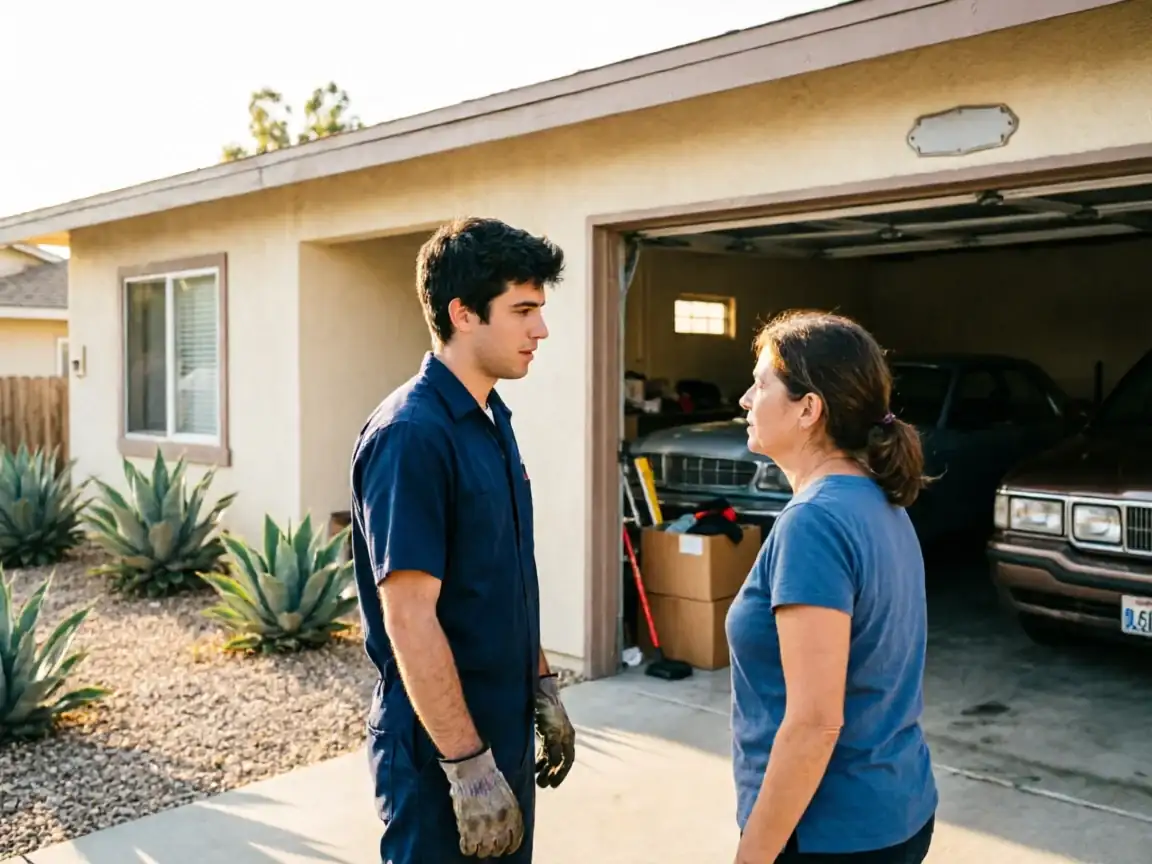
We cover Foresthill from our base in Grass Valley, about 19 miles out, so we schedule maintenance visits out here rather than running same-day. If you want a tune-up on a door you know hasn't been serviced since it was installed, that's worth mentioning when you call - it changes what we bring on the truck. You can see our coverage details for Foresthill directly, and if your household also needs a different kind of door work, the general Grass Valley maintenance page covers what else we handle.
Time on the Job
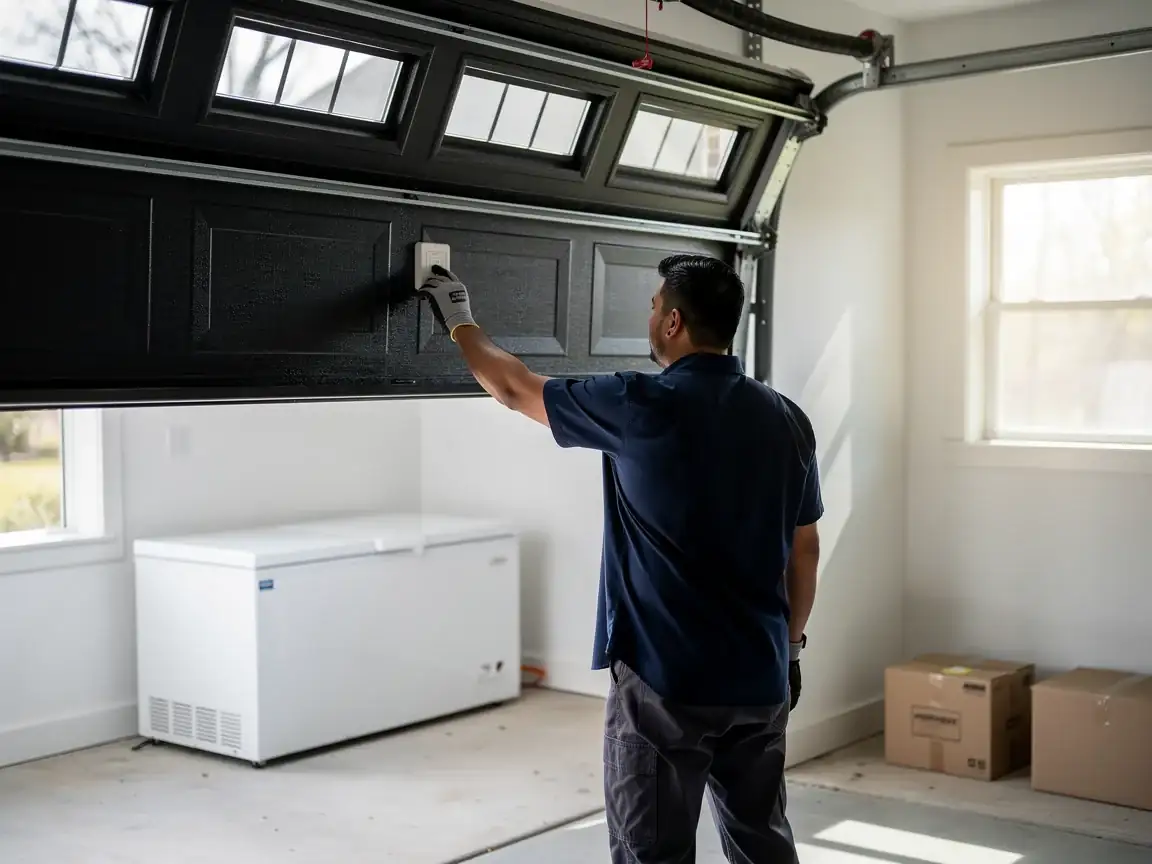
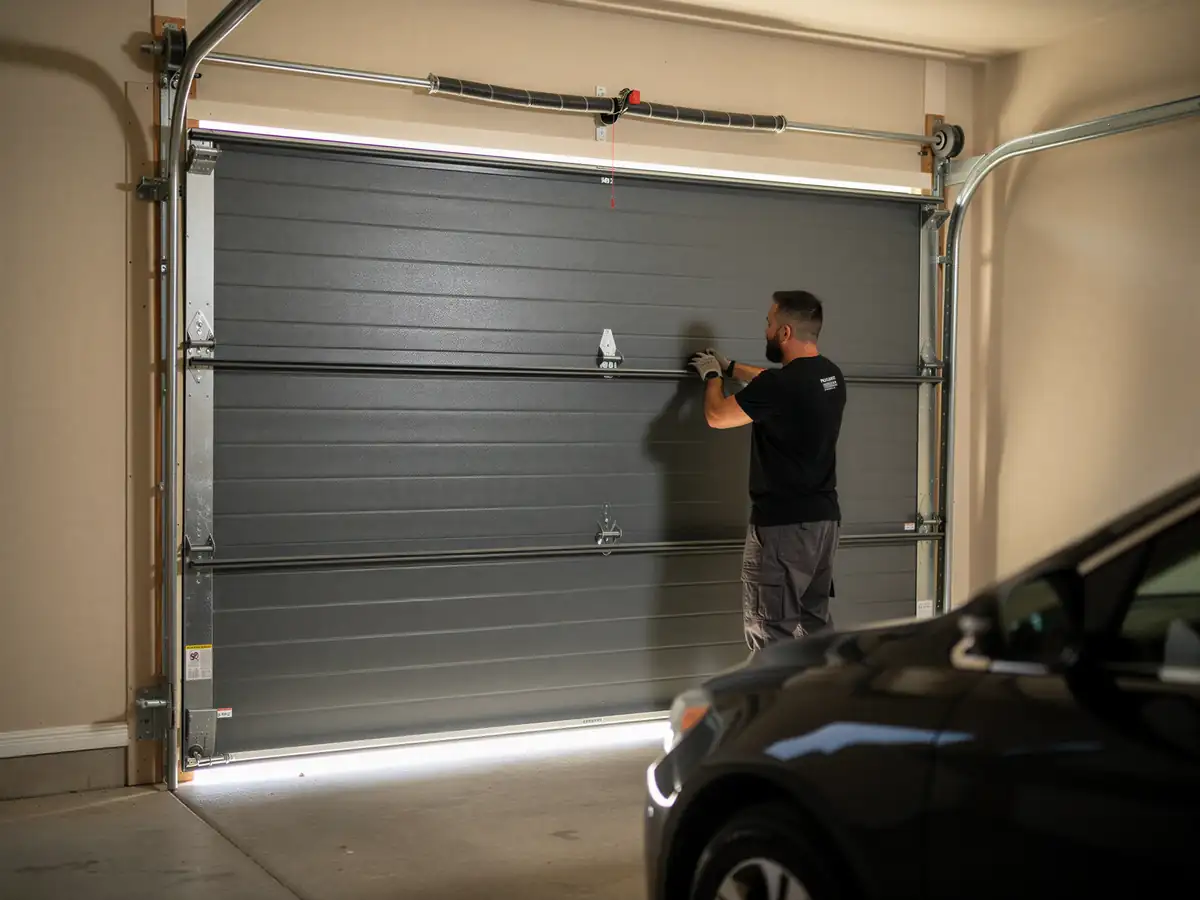
A straight maintenance visit on a single door - spring check, lube, track and hardware inspection - usually runs under an hour once we're on site. If we find original hardware from the 1977 build era that's past the point of adjustment, like a drum that's grooved from cable wear or a spring that's lost tension, we'll tell you on the spot rather than starting a repair you didn't agree to. Given the 19-mile drive, we try to diagnose everything in one visit so a second trip isn't needed for a part we could have caught the first time. Parts for older torsion setups aren't always something we carry on the truck for every size, so an uncommon spring size can mean a short wait before the follow-up visit.