Doing It Yourself
Foresthill is the farthest point we cover, nineteen miles out from Grass Valley, and that distance is worth knowing before you decide to tackle this yourself. A new door install isn't just bolting panels together. You're setting track plumb, balancing spring tension against the door's actual weight, and wiring an opener into a header that, on houses from this area's 1938 to 1984 build window, was framed for a different kind of door than what's sold today.
Houses here sit in that same era as the rest of the service territory, median year 1977, which means a lot of garages were built around single-layer steel doors and extension springs, not the torsion setups common now. Swapping in a modern insulated door often means reinforcing the header or re-hanging track brackets to match new spring geometry. That's not a weekend job with a borrowed drill.
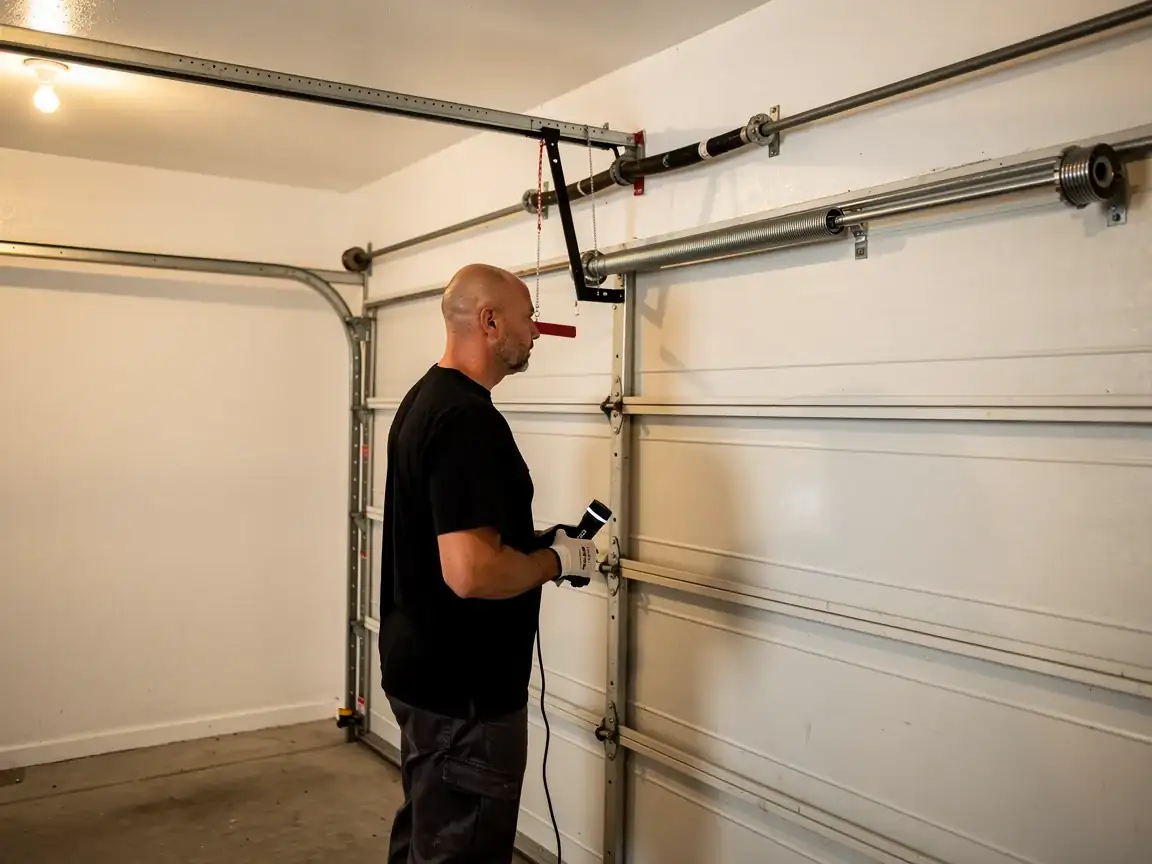
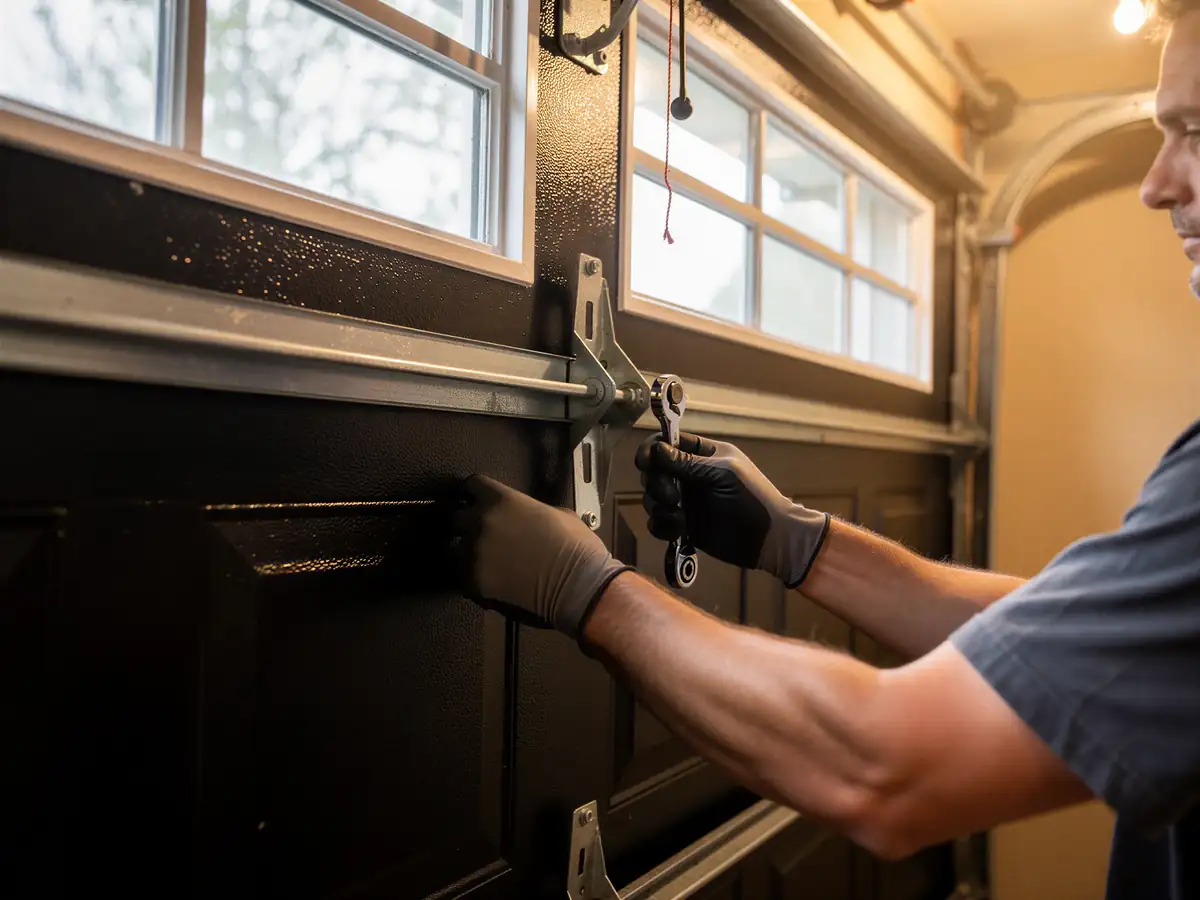
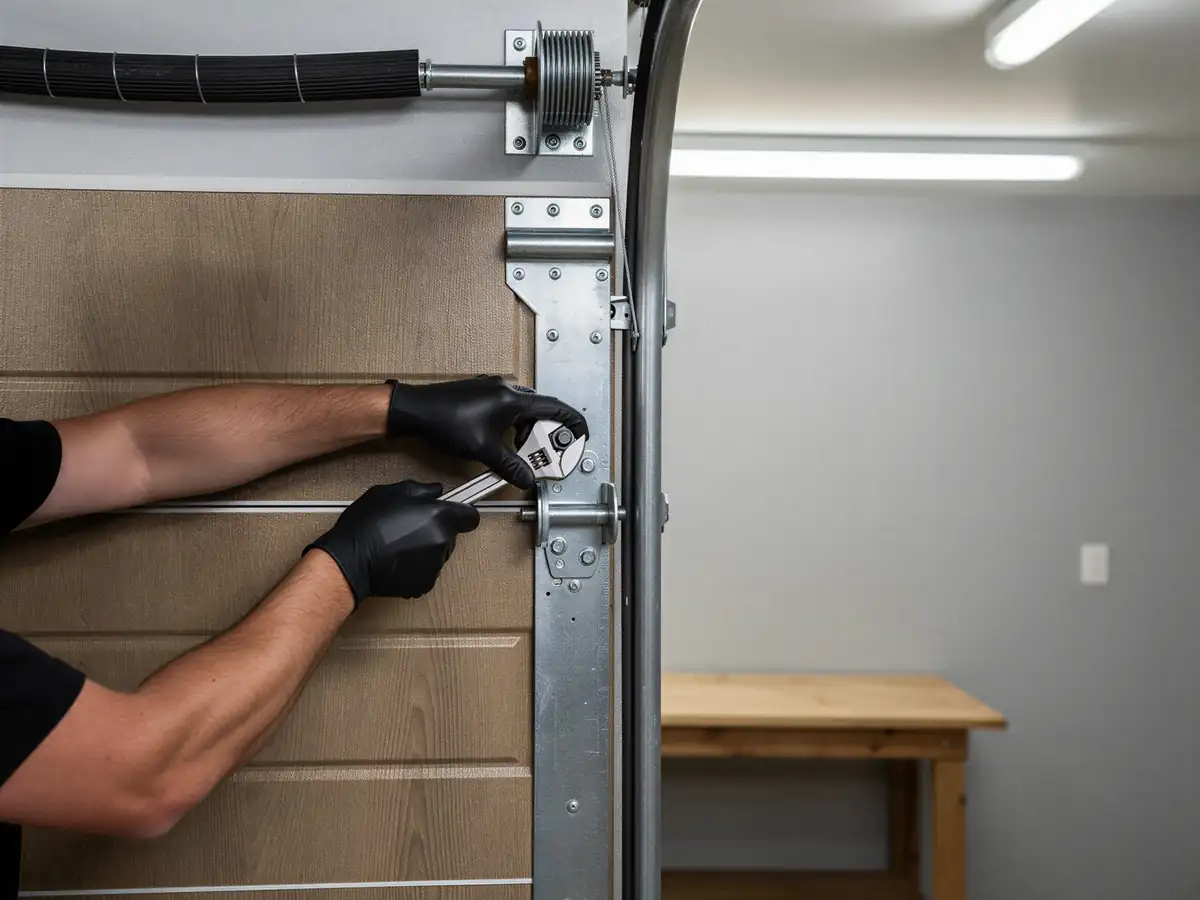
We'll say plainly: if you're comfortable with framing and you've done this before, a single door on a square opening is doable. Where people get hurt is torsion spring tension and lifting a panel door alone. If you're not sure which one your garage has, that's the first question to answer before you buy anything.
What the Repair Takes
"Repair" on an install job usually means fixing what the old opening did wrong before the new door goes in. On houses built in this 1938-to-1984 range, we commonly find the jamb out of square by enough that a standard-width door won't seal evenly without shimming, and header framing sized for a lighter door than what buyers want now.
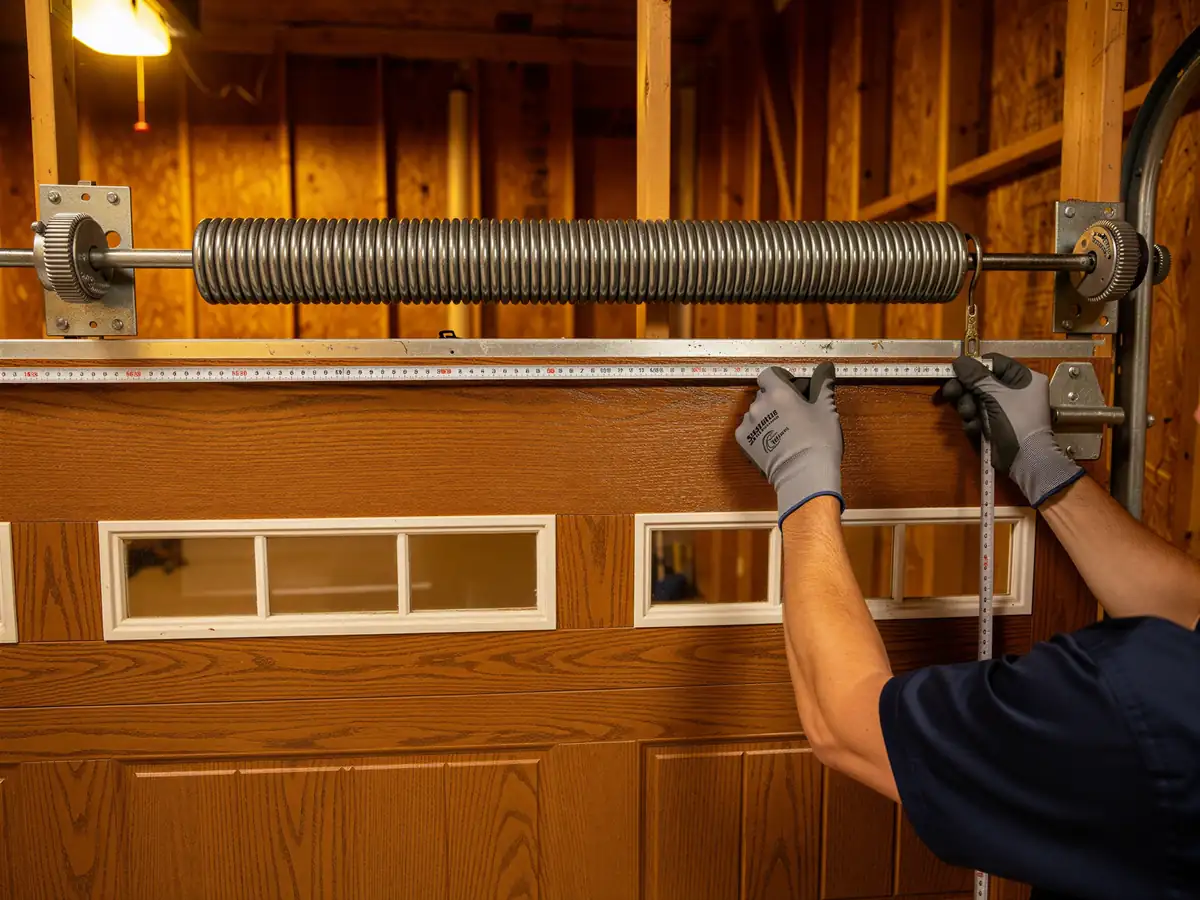
So the job splits into two parts: correcting the opening, then setting the door. Correcting the opening might mean nothing more than new weatherstrip track, or it might mean adding a header board to carry a heavier insulated panel. We measure before we quote, because guessing at an opening this age almost always costs more later than checking it up front.
The climate here is mild with occasional freeze, which affects what seal material we spec at the bottom panel and the jamb. A seal rated for a harder freeze zone is wasted money here; one rated for no freeze at all will crack the first cold snap. We match the seal to the band, not to habit.
One honest limit: if the header needs structural reinforcement beyond a bolted board, that's a carpentry job we'll flag rather than force into a one-visit install.
The Symptom
Most calls that turn into a full install start the same way
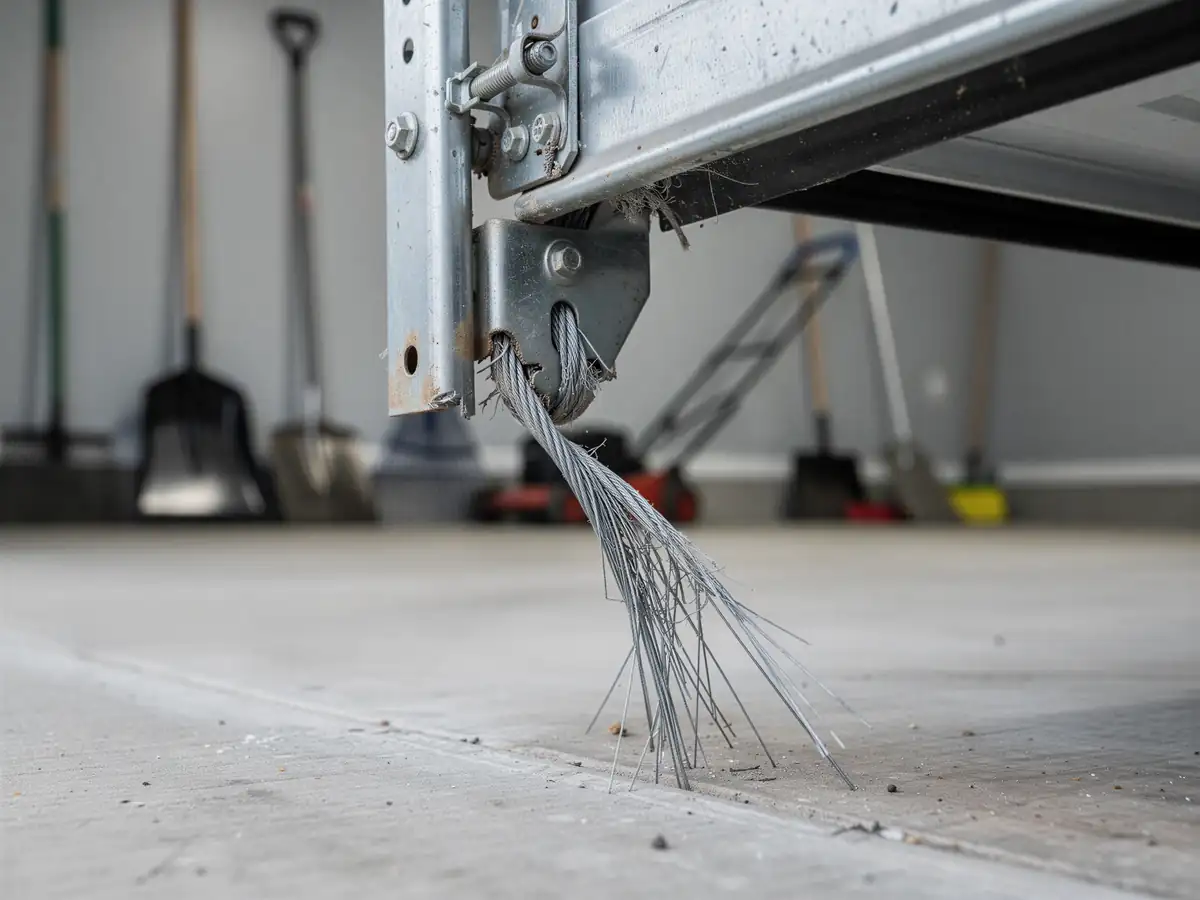
A door that still opens but drags, or won't seal at the bottom no matter how many times the track gets adjusted. On a house from the 1938-to-1984 stock common here, that's often the steel itself tiring out, not a simple broken part. A forty-plus-year-old single-layer door flexes more than it should, and once the panel's bowed, no amount of spring or roller work fixes the fit.
In a mild climate with the occasional freeze this area gets
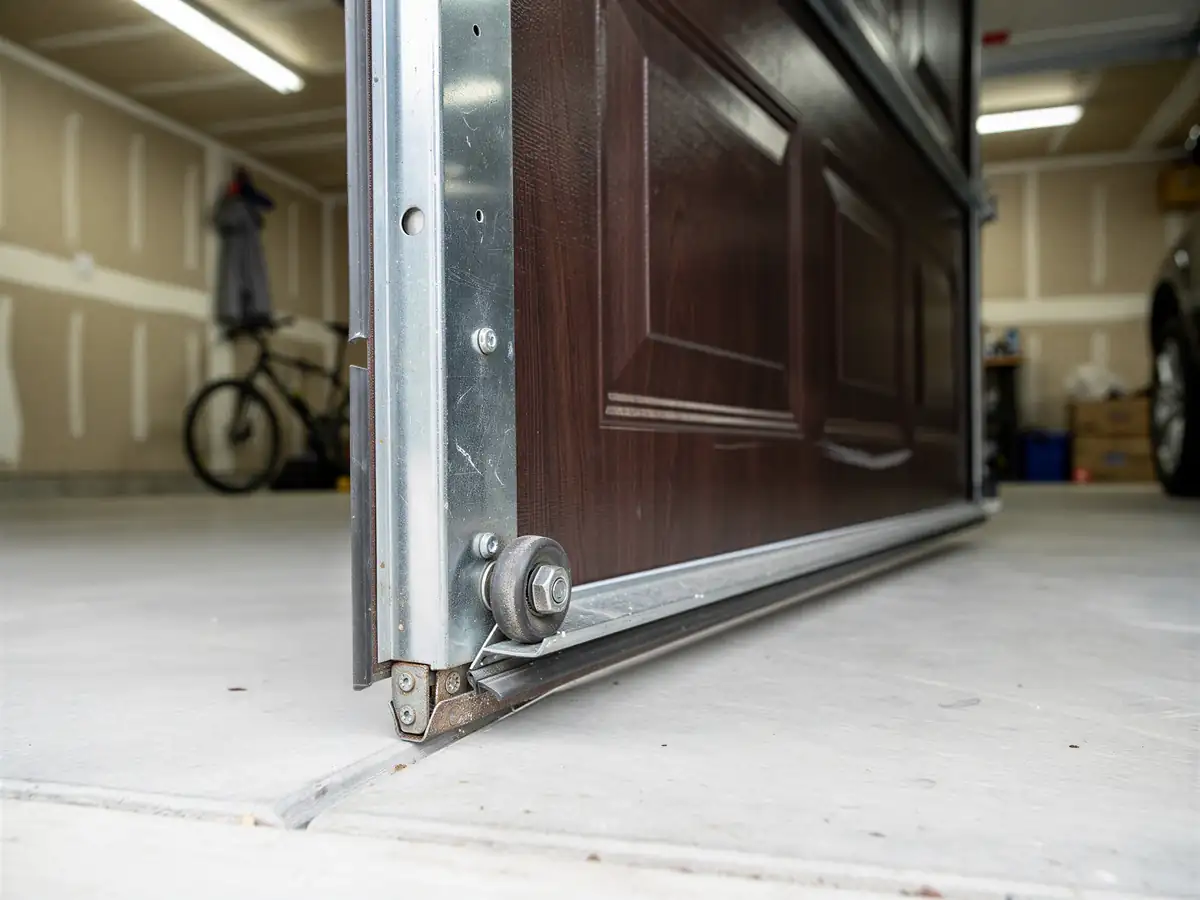
A tired seal shows up as daylight at the bottom corners, especially on the side of the door that gets afternoon sun. That's a seal problem until it's also a panel problem, and the two get confused on the phone a lot.
If the door still runs smooth and the spring is good
We'll tell you that and leave the door alone. Replacing a door that's doing its job because the trim looks dated isn't a repair call, it's a renovation choice, and we won't push one into the other.
Booking a Visit
We cover Foresthill from Grass Valley, nineteen miles in. There's no branch out here, so a visit means we're driving the distance both ways, and that factors into how we schedule the day rather than squeezing it between closer jobs. We don't promise a response time for this stretch of the coverage map, because we haven't got a number for it that we'd stand behind.
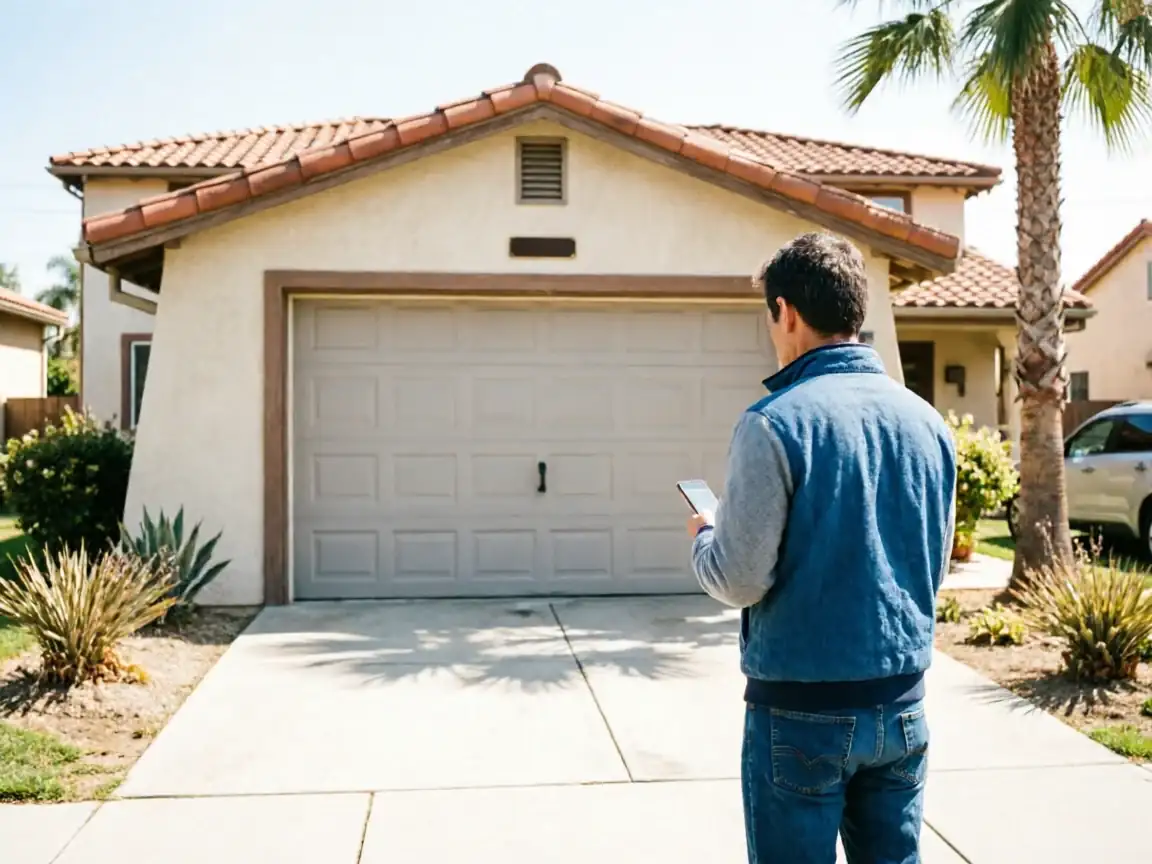
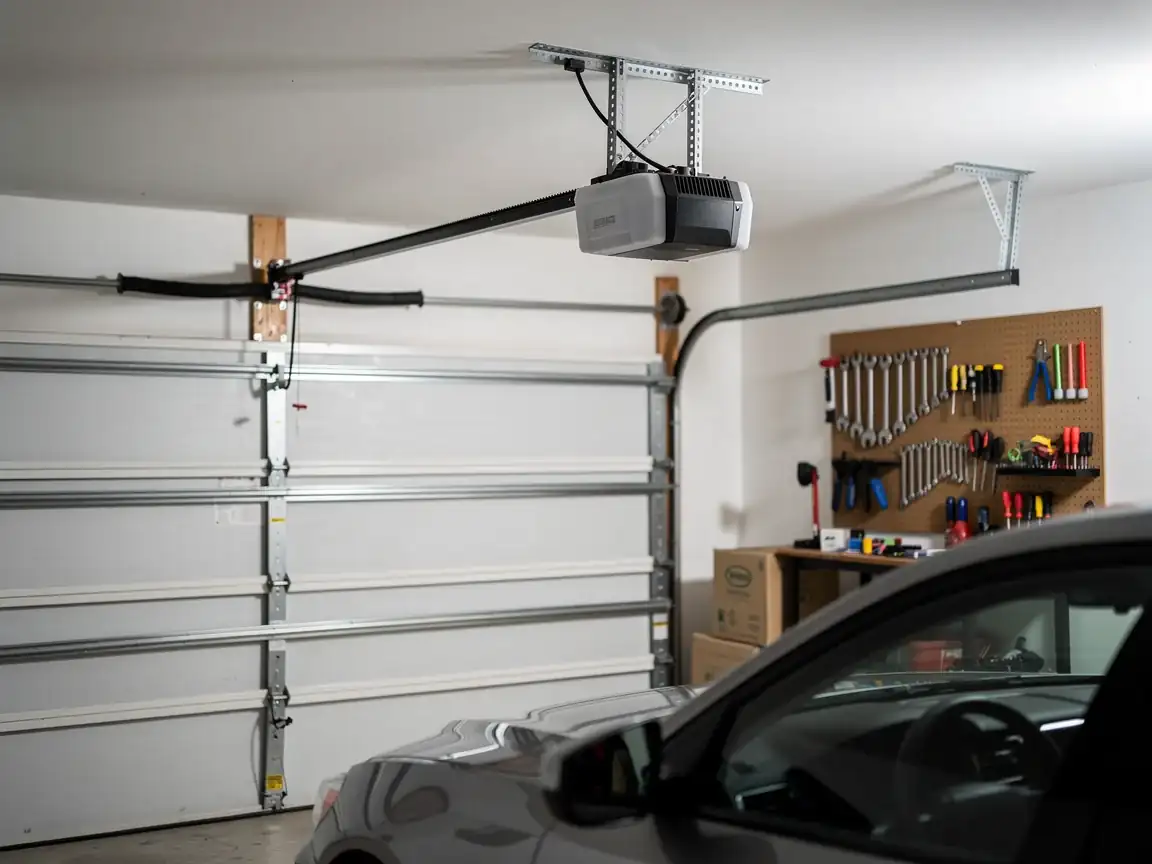
What we do ask for up front: the rough opening width and height, whether you've got one door or two, and whether the garage currently runs an opener at all, since some older setups out this far were never wired for one. That lets us bring the right door and hardware on the first trip instead of a scouting trip followed by a second one.
With roughly 510 households in this pocket, it's a smaller, quieter market than the center of the service area, and we schedule accordingly, usually grouping a Foresthill install with other work on that side of the territory so the trip pencils out for everyone. See the coverage page for Foresthill for what else we handle out this way.
Time on the Job
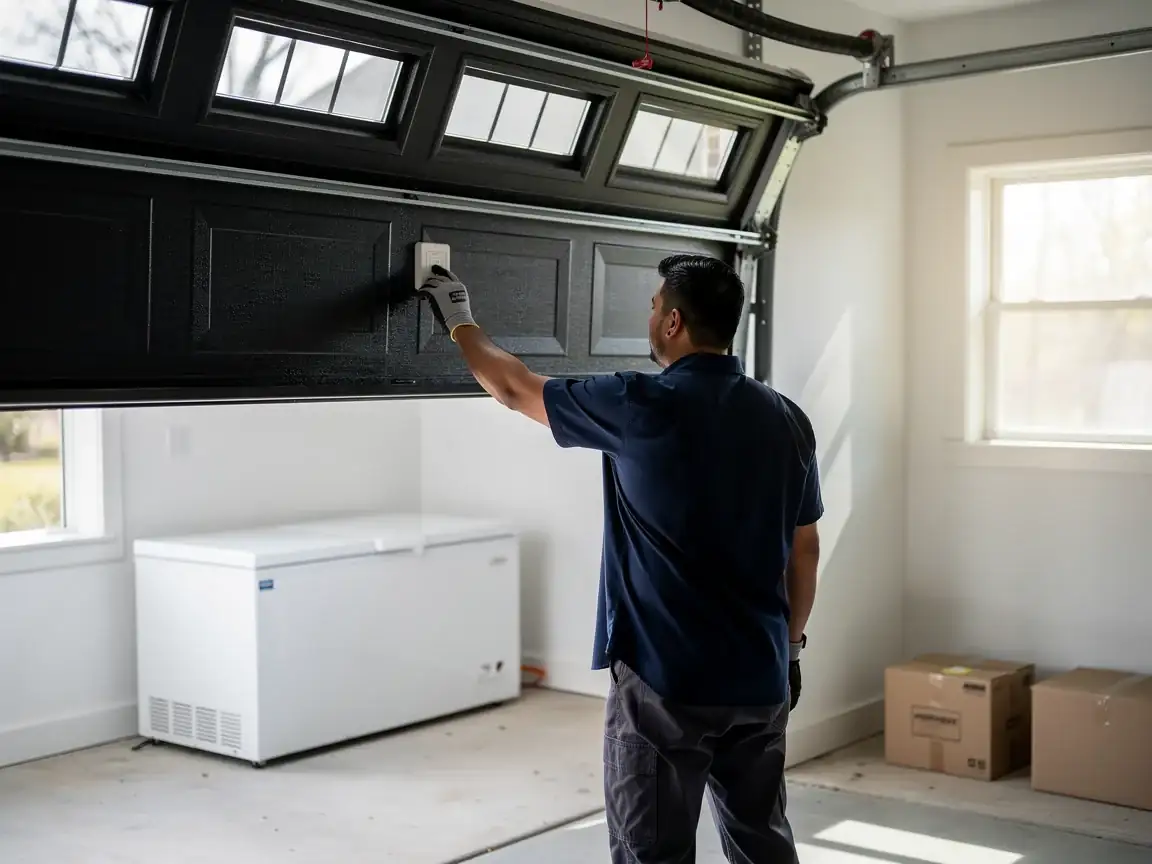
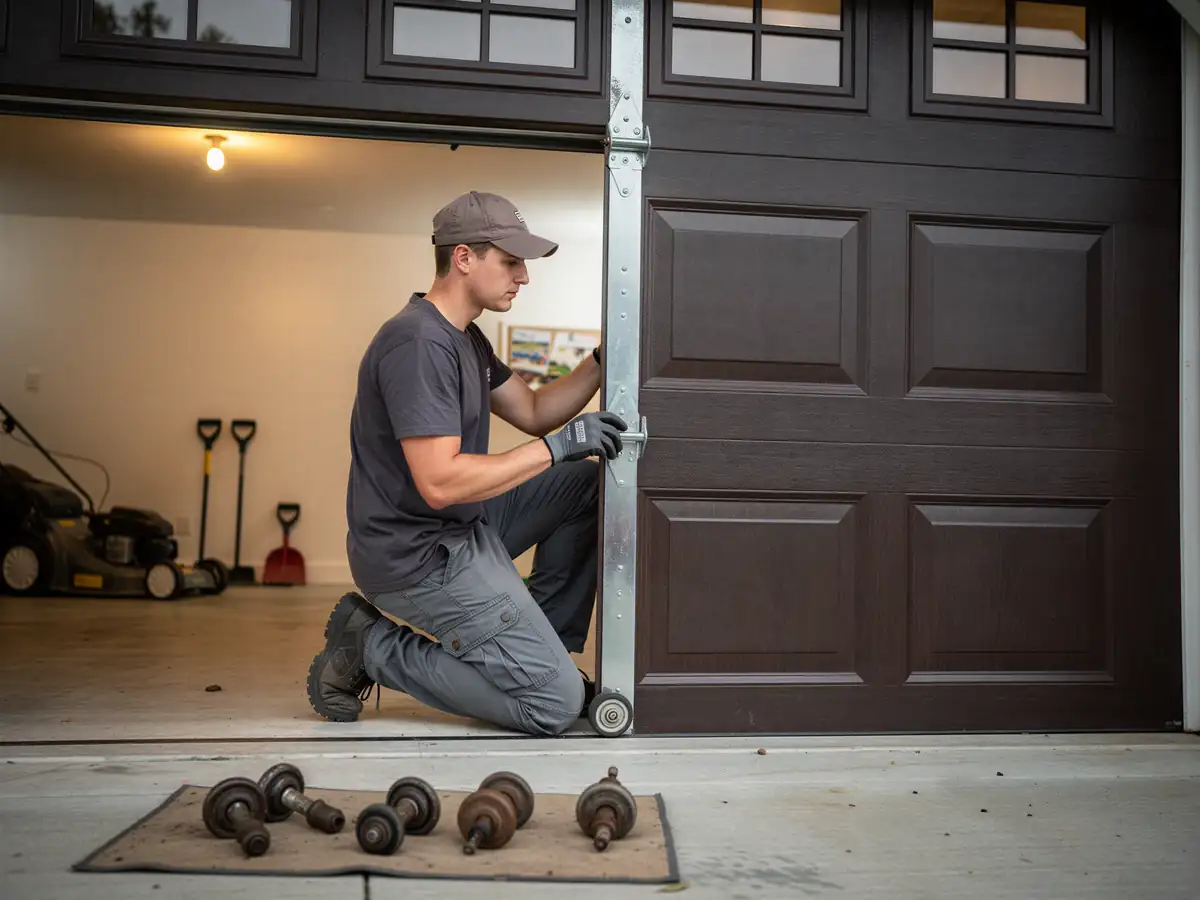
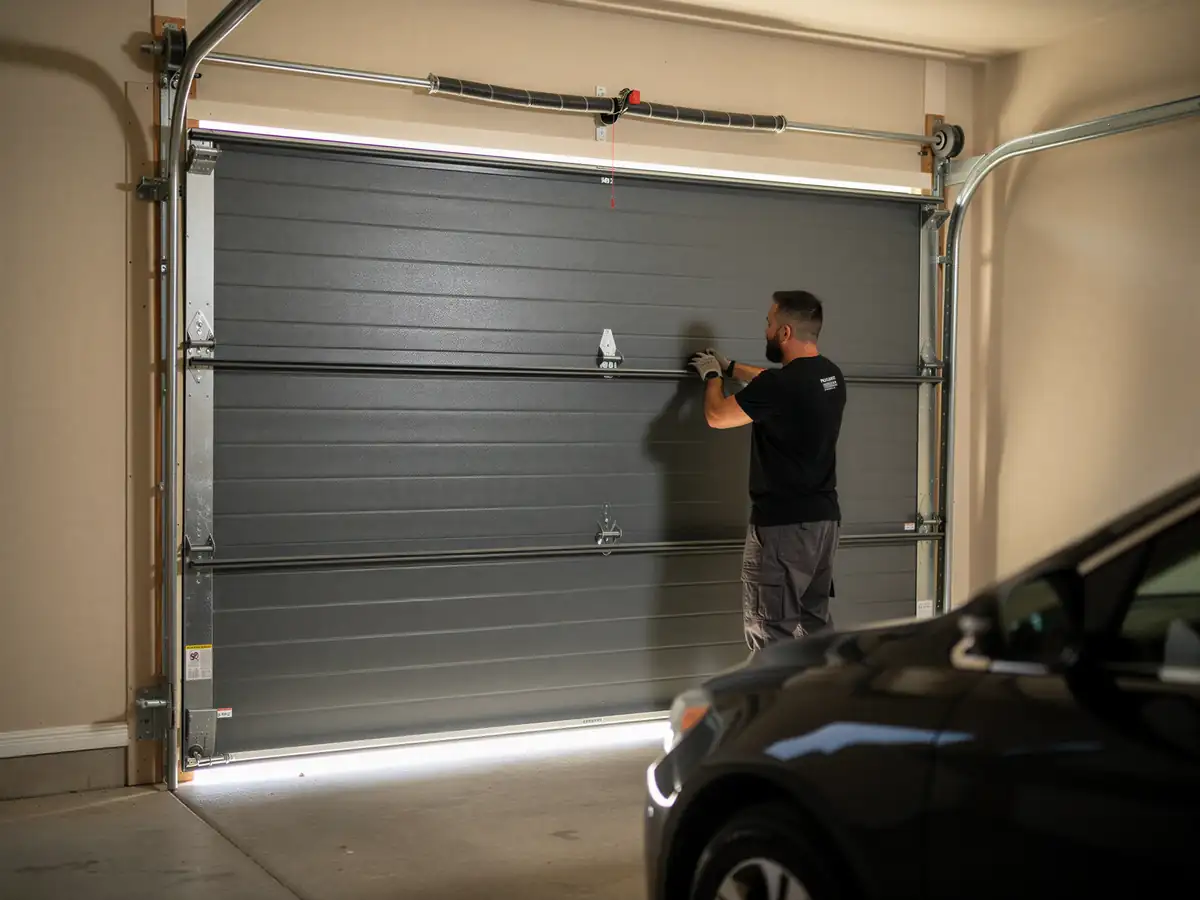
A single-door install on a square, already-framed opening usually runs a half day once we're on site, door set, track plumbed, opener paired and tested. Add header work, a second door, or an opening that needs squaring, and that stretches into a full day. We quote the time once we've seen the opening, not before.
Parts are the other variable. A standard-width insulated door is usually stocked and ready fast; a custom width or a non-standard height for an older opening can mean a lead time before we're back out to install it. Given the drive, we try to do all of it in one trip rather than two half-measures.
Household income in this pocket runs to $102,632, noticeably above the $91,135 median across the rest of the territory, and that shows up in the doors people choose, more insulated steel and composite, fewer bare single-layer replacements. That doesn't change the install time, but it does change what we bring on the truck. For the broader run of install work across the territory, the Grass Valley installation page covers what's standard everywhere we work.