Doing It Yourself
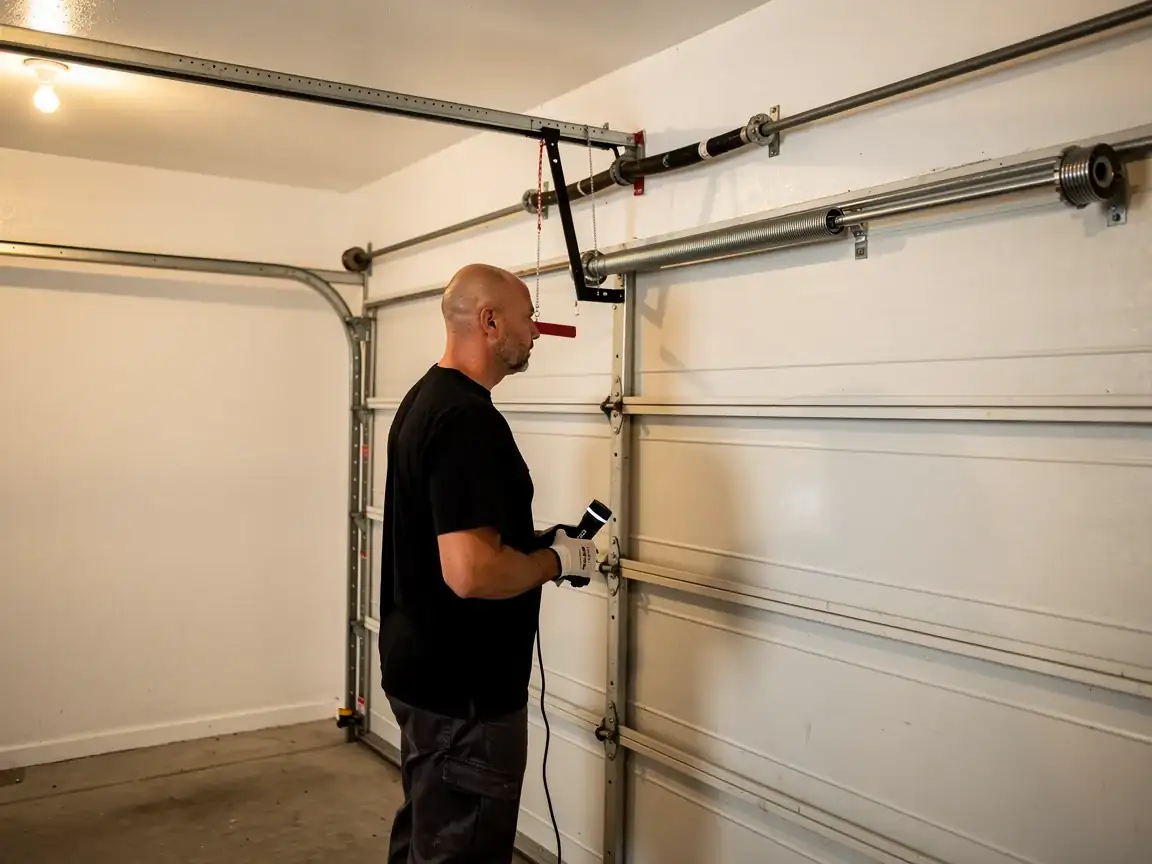
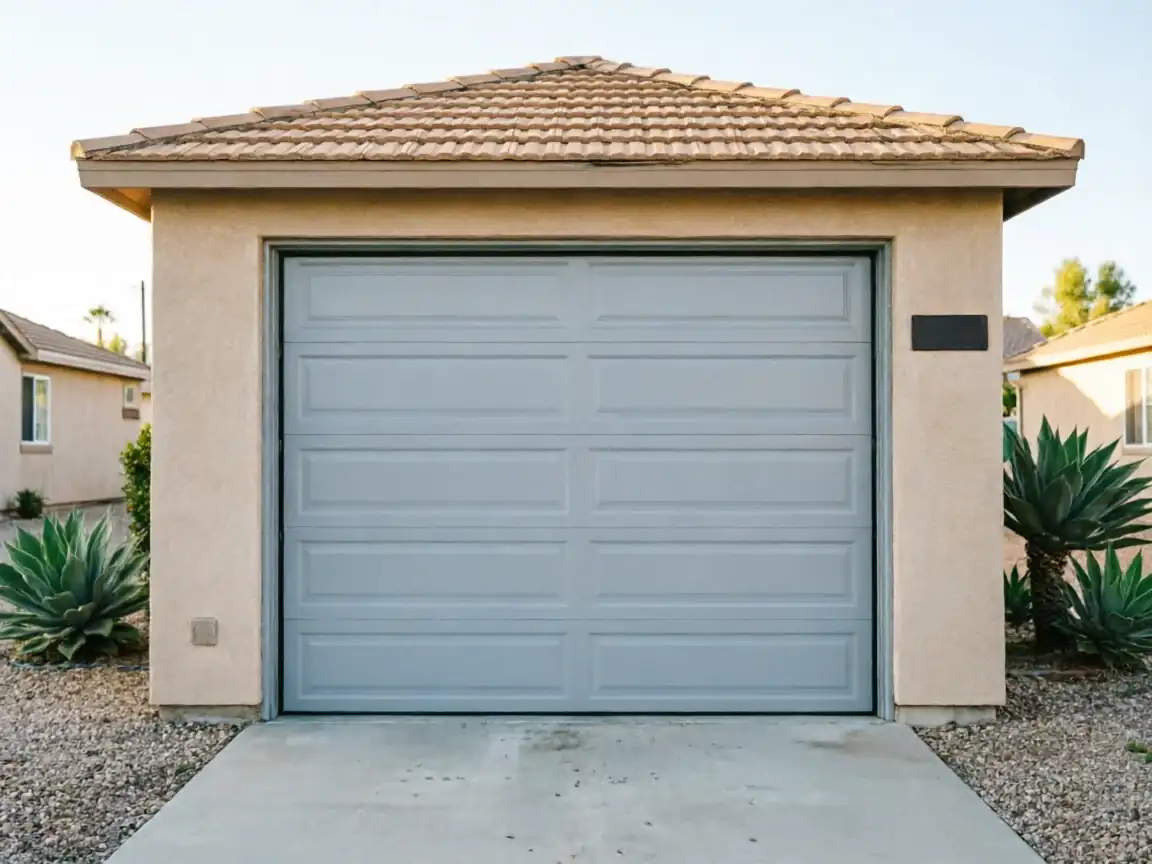
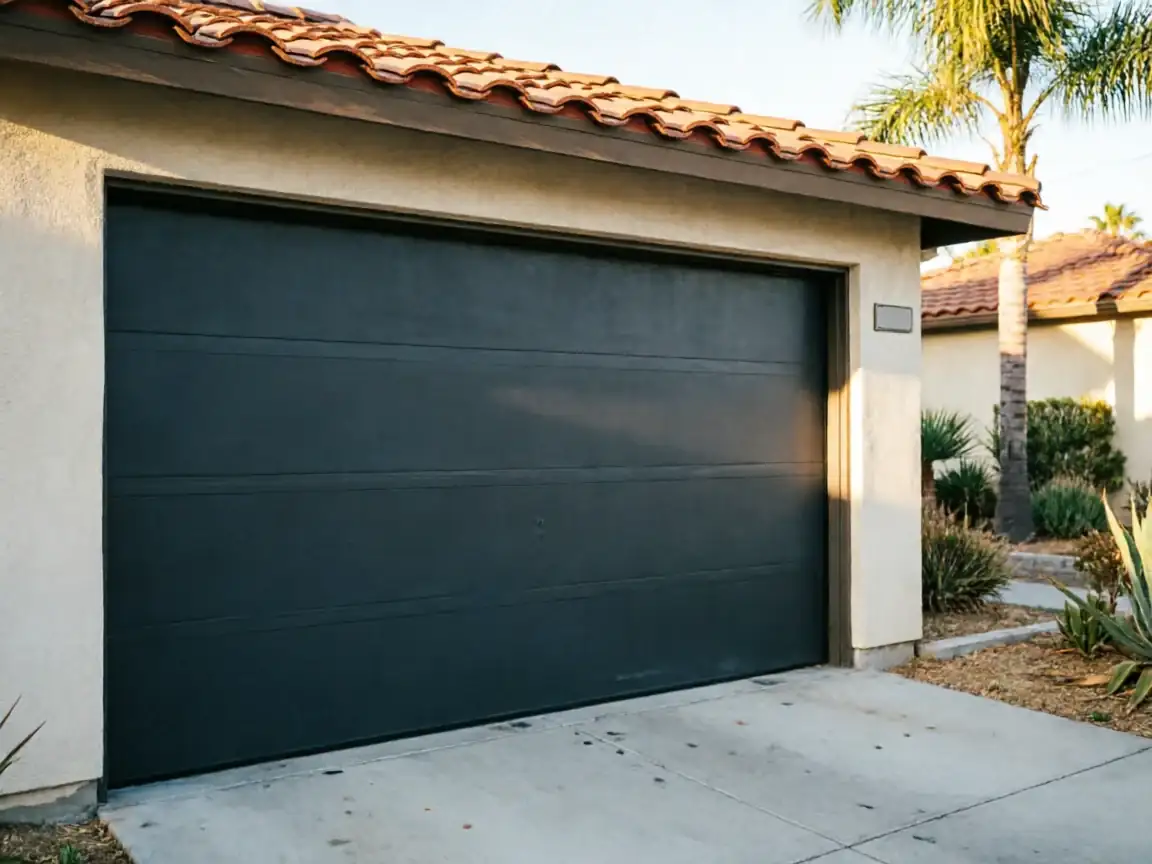
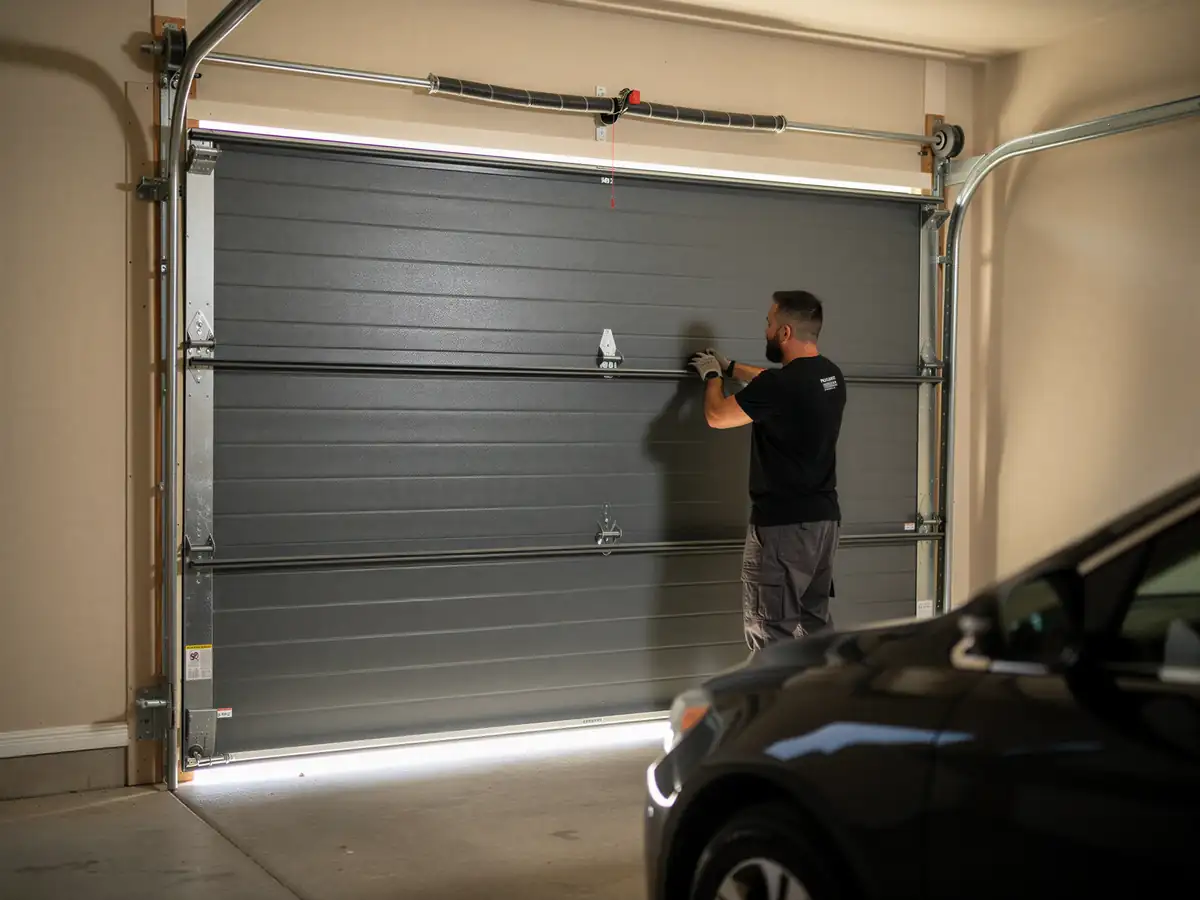
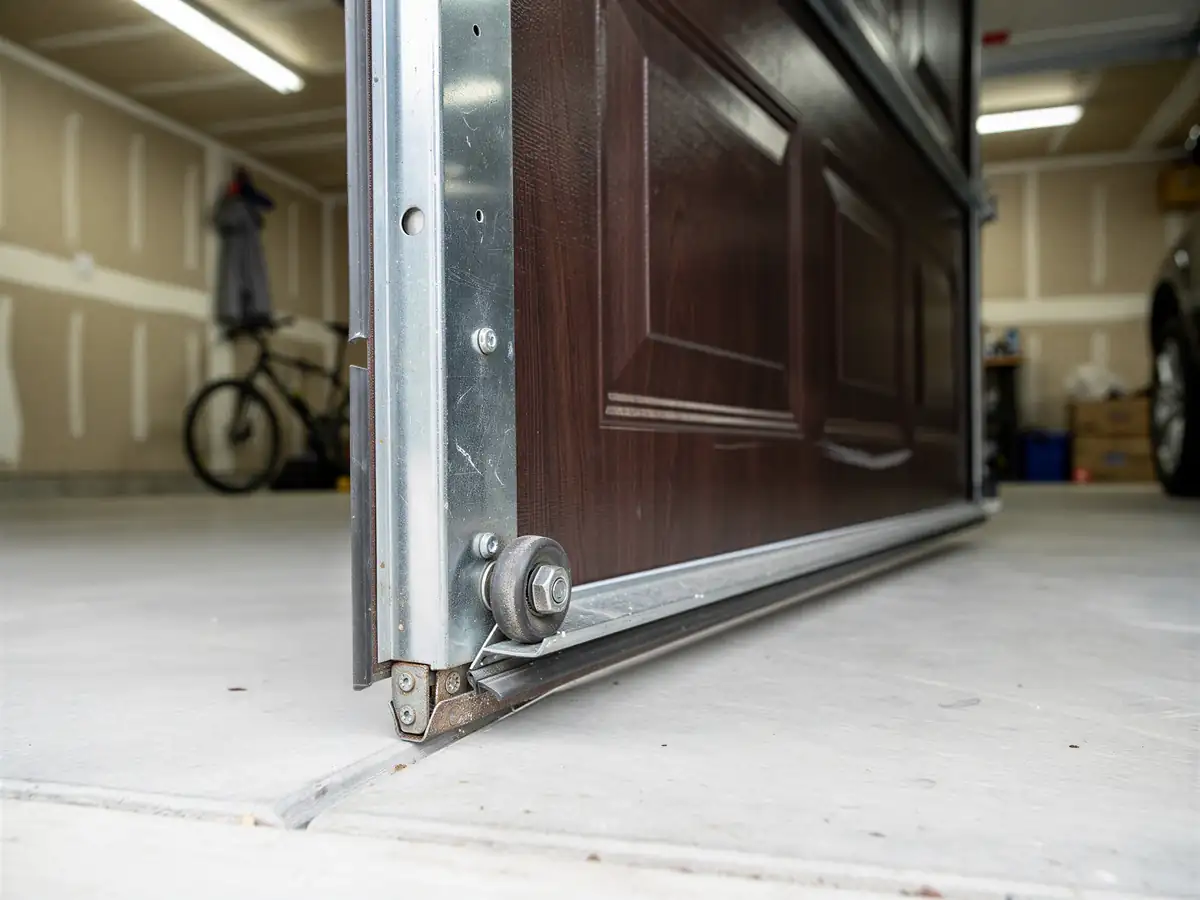
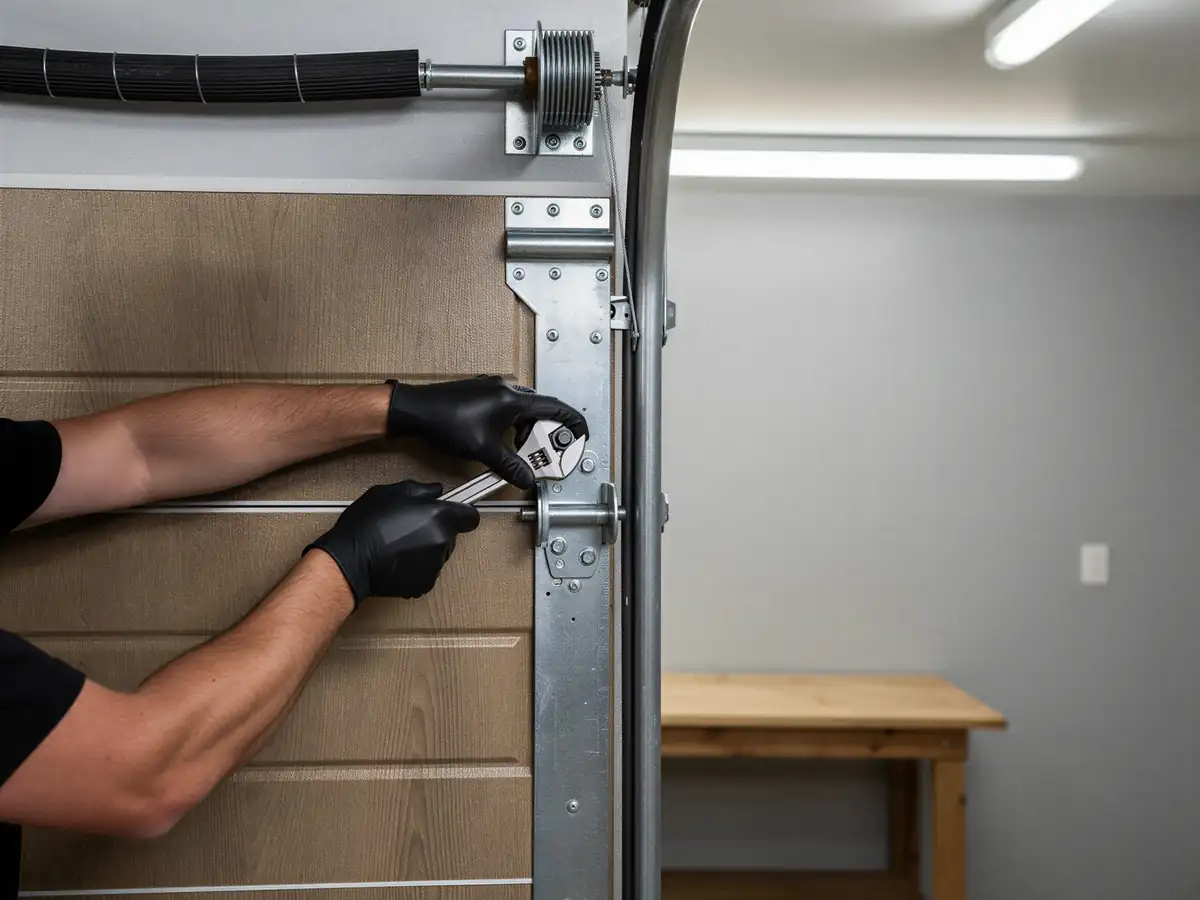
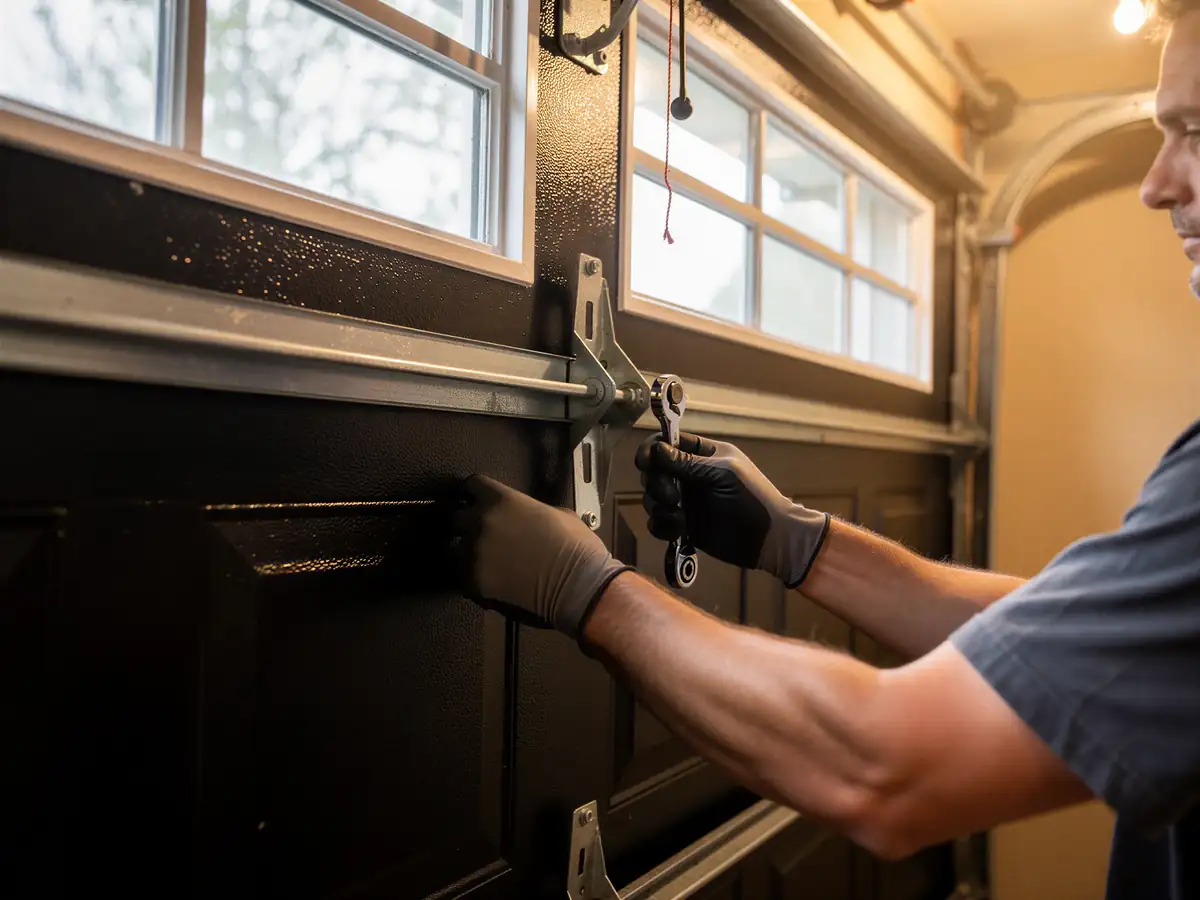
Foresthill is a small place - around 510 households, nowhere near the size of the wider Grass Valley service area's 12,417. That doesn't mean fewer things go wrong, it means the things that go wrong tend to repeat, because so many houses here were built in the same stretch of years. Before you call anyone, there's a short list you can check yourself. Stand under the door and pull the manual release - if the door doesn't hold itself halfway open, the spring is losing tension and that's not a DIY fix. Look at the tracks for dents or gaps where the rollers ride; a bent track from a backed-into door is something you can sometimes bend back with a wrench and a block of wood, carefully. Check the weatherstrip at the bottom panel, since a cracked or flattened seal lets in more than it should. What you should not touch is anything under spring tension - torsion springs store enough force to break a wrist, and on a door from the 1970s the spring may be the original, which means it's had forty-plus years to fatigue.
What the Repair Takes
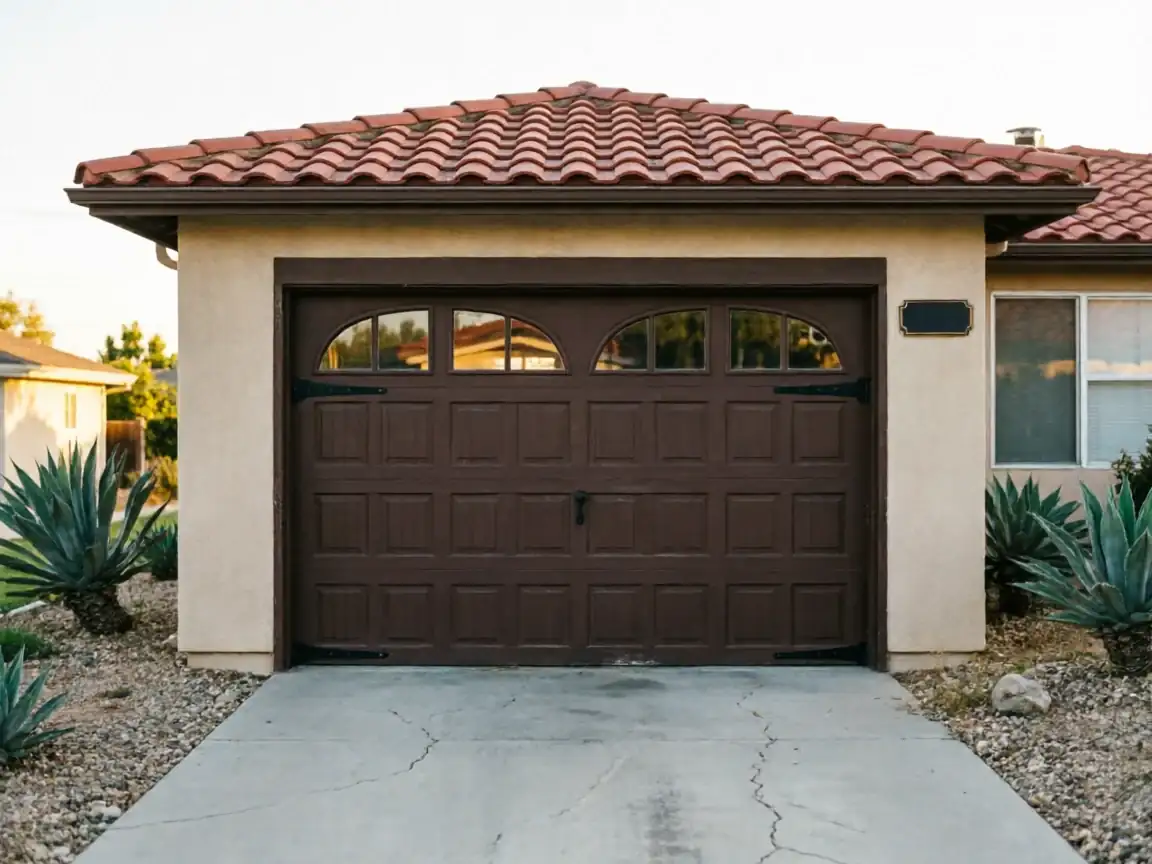
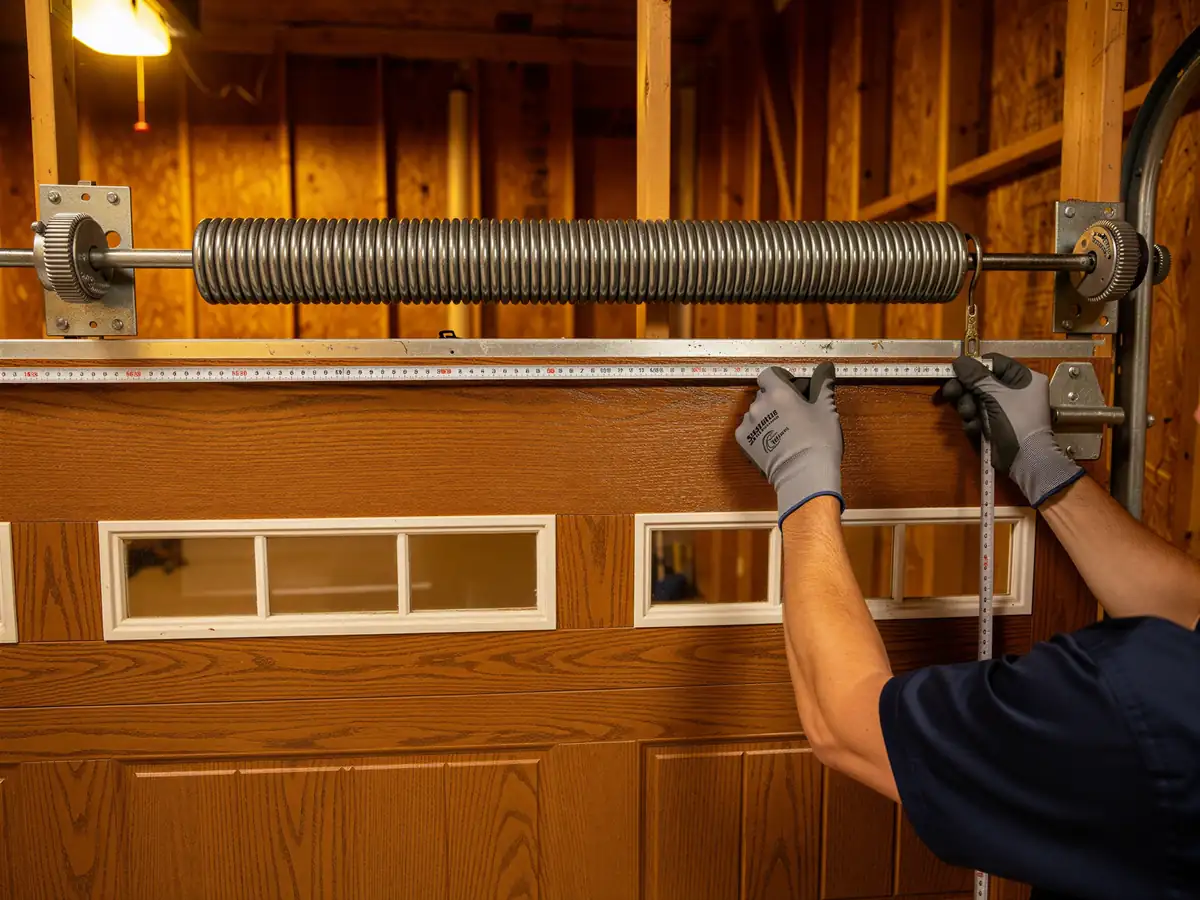
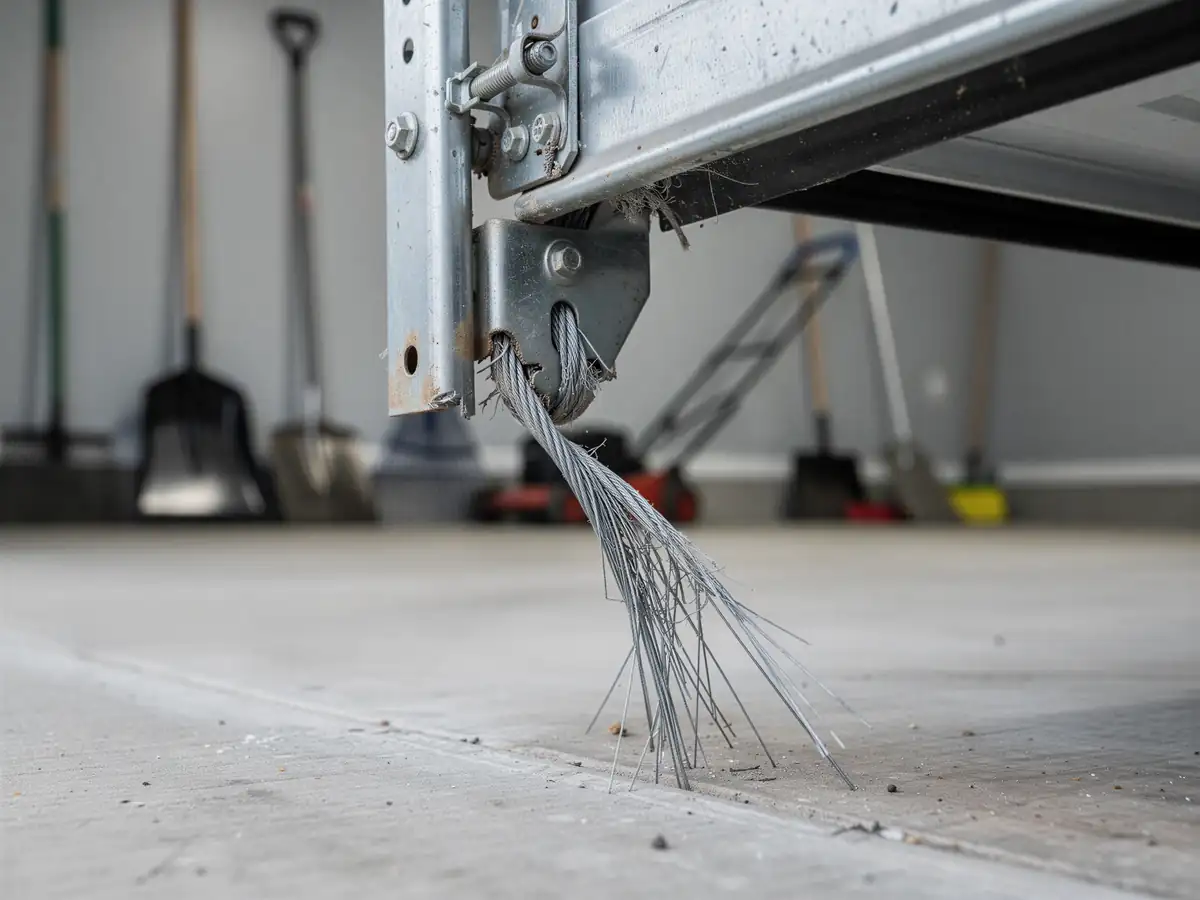
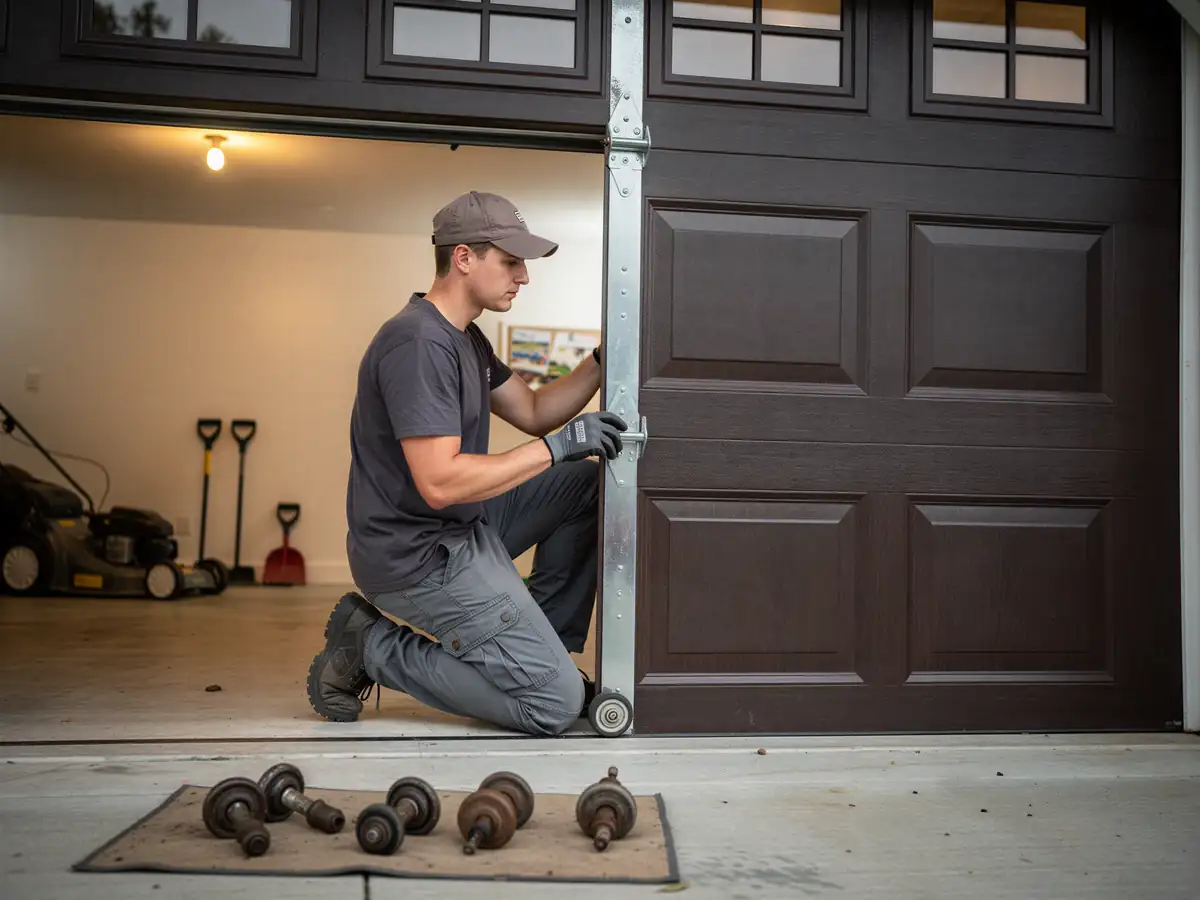
Most of Foresthill's housing dates from the 1938 to 1984 window that covers the whole service area, with the area's own median landing right at 1977. That era means steel sectional doors on standard torsion or extension spring setups, often with openers added later rather than original equipment. The parts that fail most on doors this age are the springs themselves, the end bearing plates, and the rollers - worn nylon rollers from the '70s and '80s weren't built to the tolerances newer ones are. A straightforward spring swap is a same-visit job if we've got the right spring on the truck; springs are sized to the door's weight and height, so a tech needs to know what's actually hanging on the wall before loading up, not guess from a phone call. Climate here is mild with occasional freeze, which isn't hard on hardware the way a true freeze-thaw winter is, but temperature swings still stiffen old lubricant and tighten already-worn metal, which is often what turns a quiet door loud.
Booking a Visit
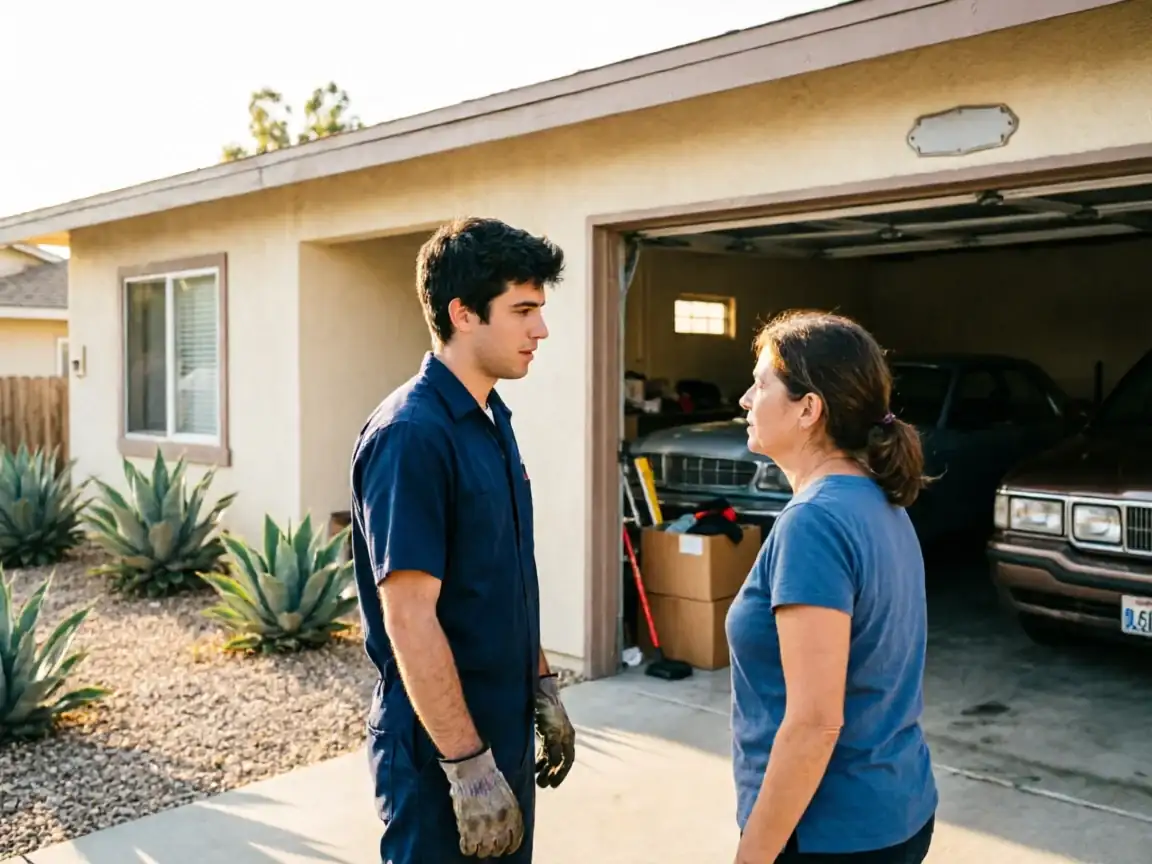
We cover Foresthill from Grass Valley, and at 19 miles it's one of the farther stops on our route, so we're straightforward about it: this isn't a job where we promise a same-hour window. What we can do is get the details right before the truck leaves - door width, approximate age, and what it's doing - so the tech shows up with the correct spring size or roller set rather than driving back for parts. If you can describe whether the issue is the opener, the spring, or the track, that alone saves a wasted trip. We'd rather ask three extra questions on the phone than show up twice.
Time on the Job
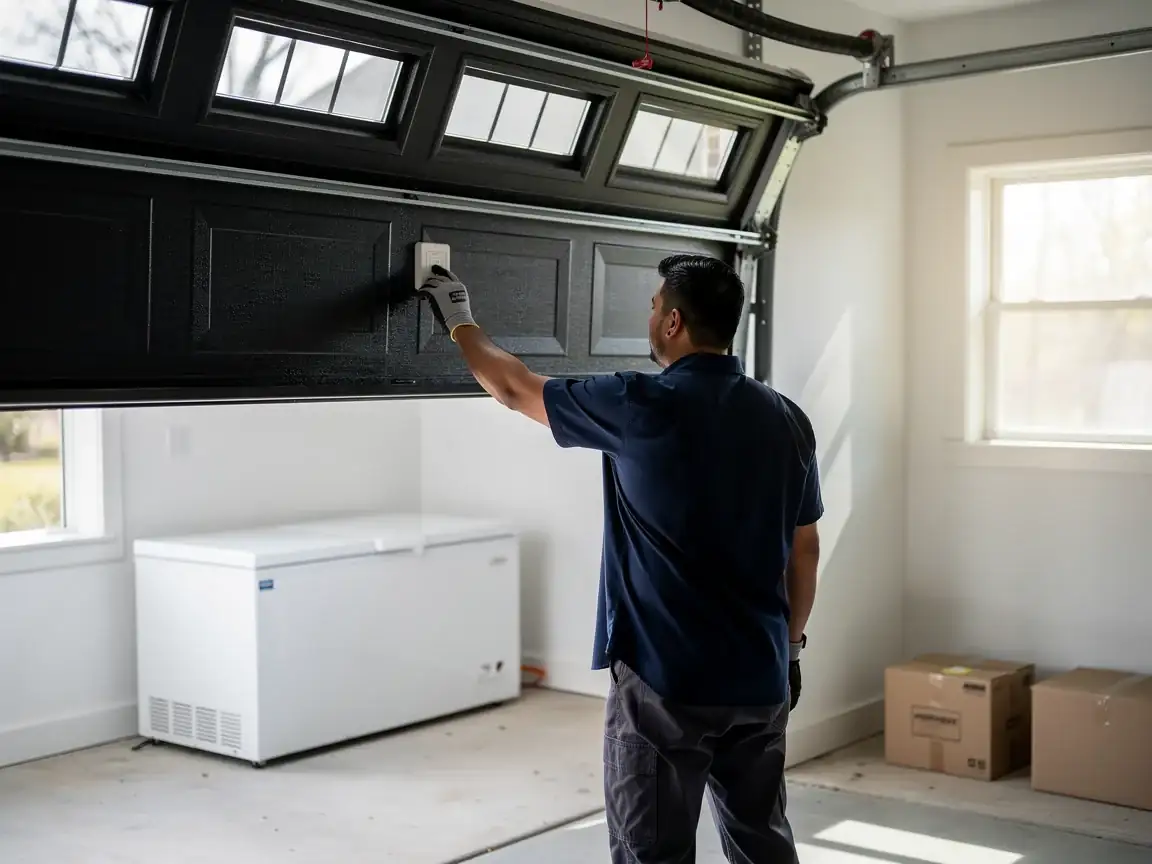
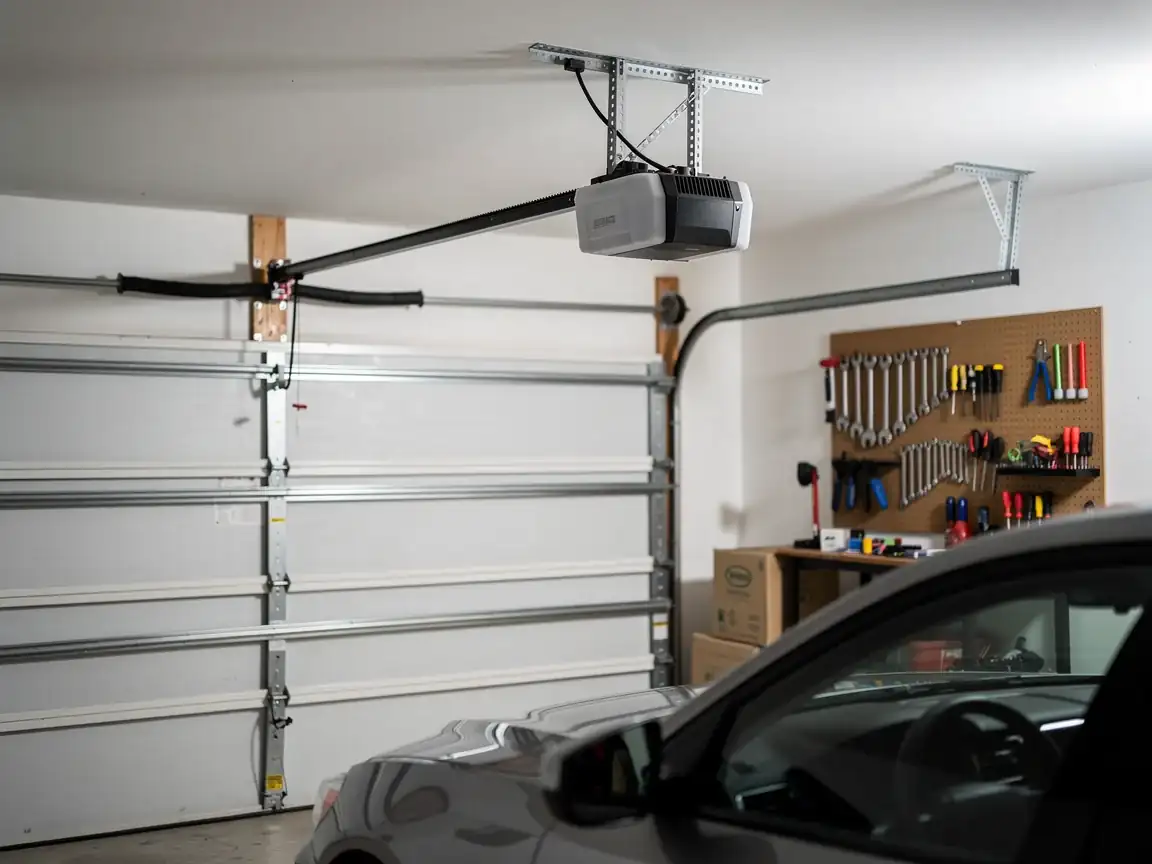
A spring replacement on a standard residential door, once the tech is on site with the right part, generally runs under two hours including testing the balance afterward. A full roller set or cable replacement adds time depending on how seized the old hardware is - and on a door that's sat with the same rollers since the 1970s, removing frozen bolts can take longer than the actual swap. Opener issues are usually faster to diagnose but sometimes slower to fix if the unit itself is original to the house and parts for it simply aren't made anymore; in that case replacement beats repair, and we'll say so rather than patch something that'll fail again in a year. We don't carry every obscure part for forty-year-old openers, and we won't pretend otherwise - sometimes the honest answer is a new opener, not a repaired old one.