What the Weather Here Does to It
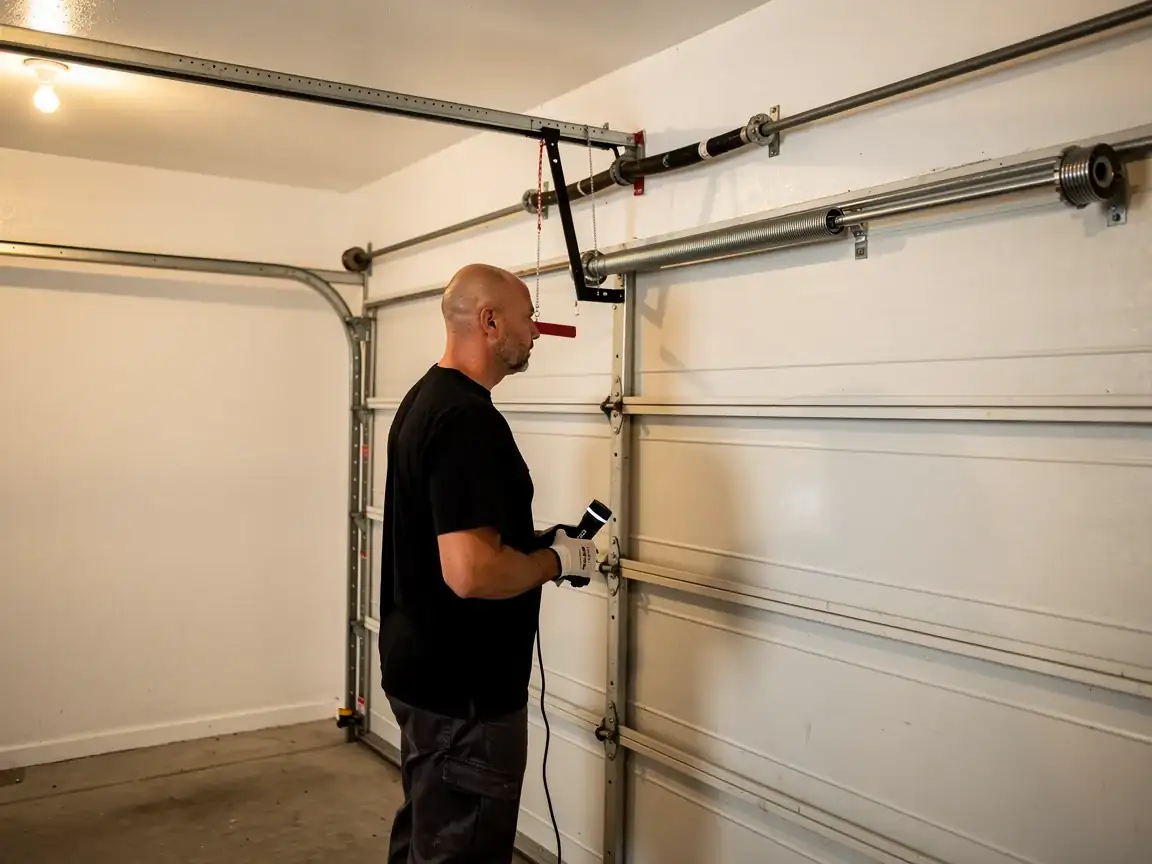
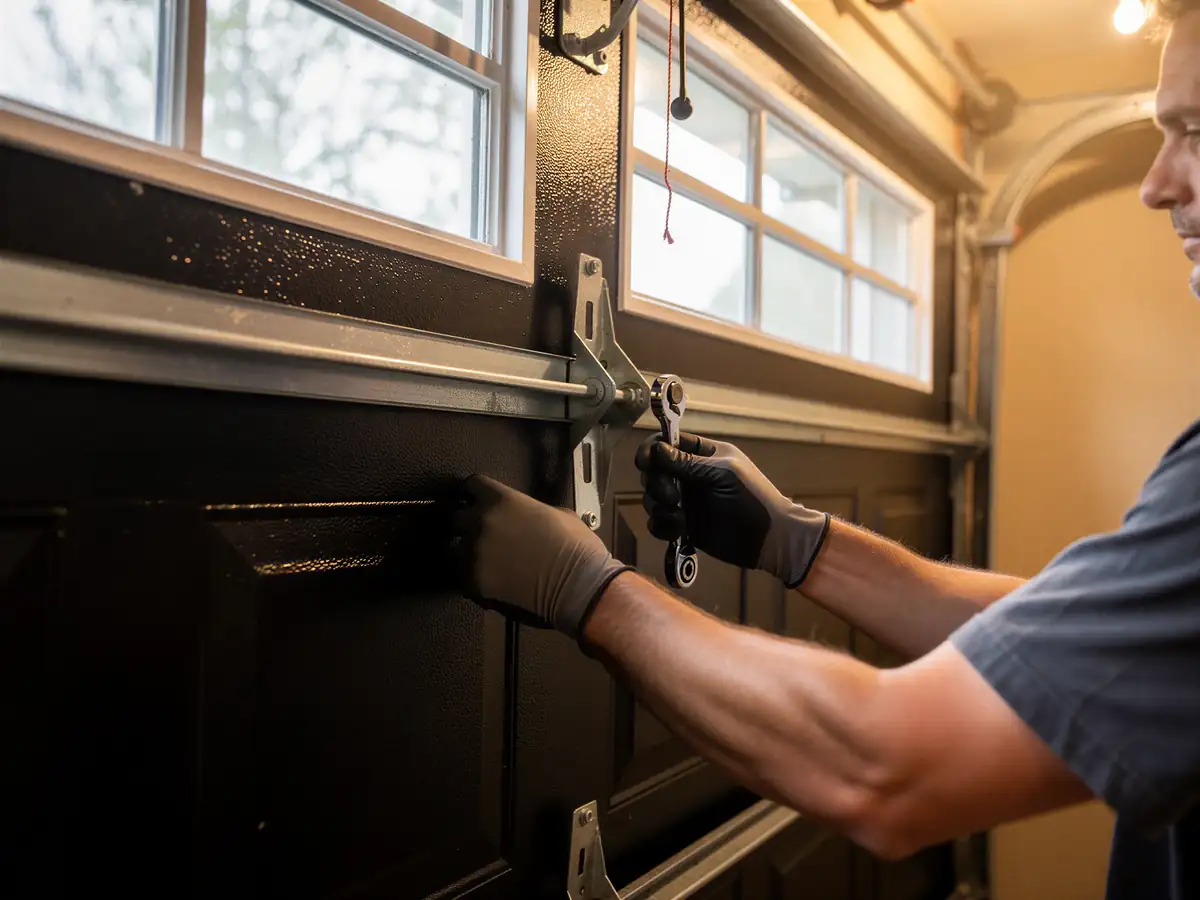
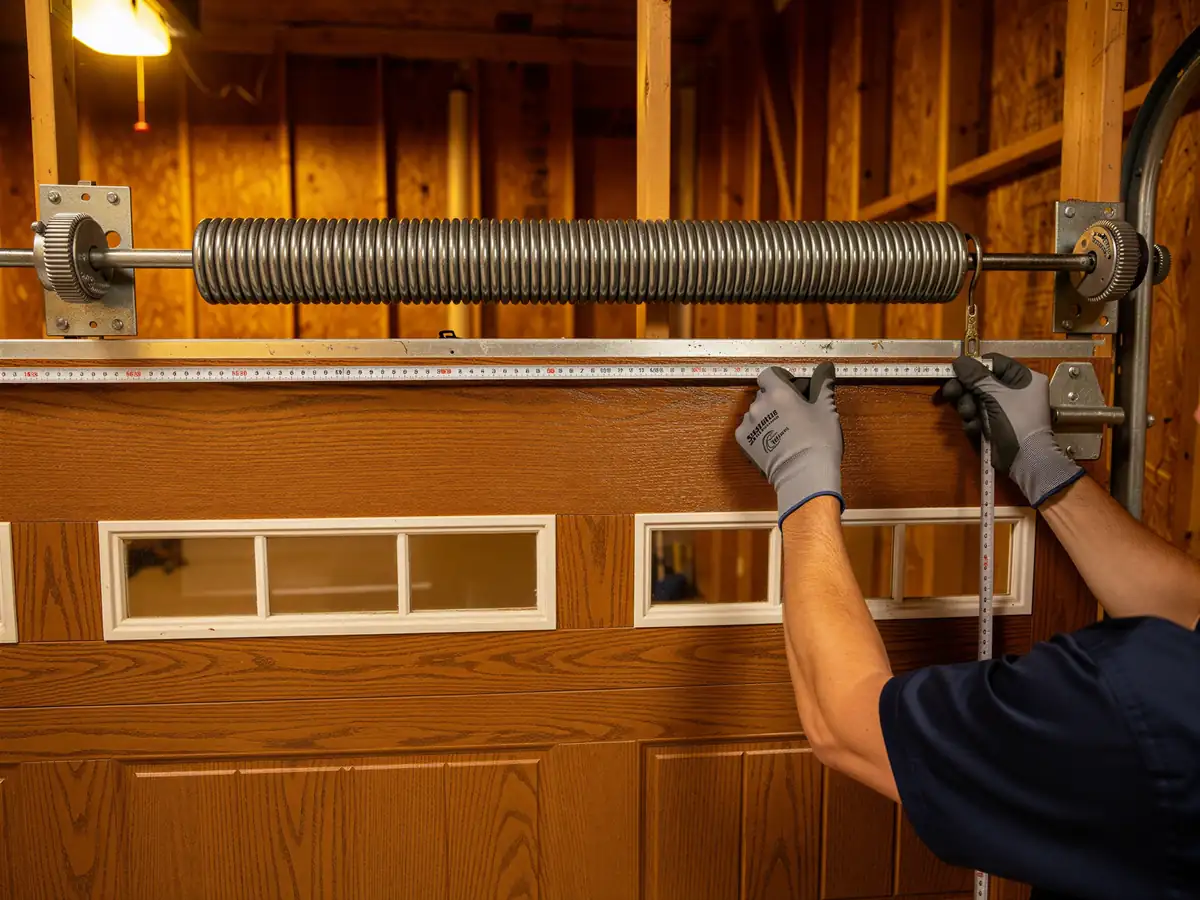
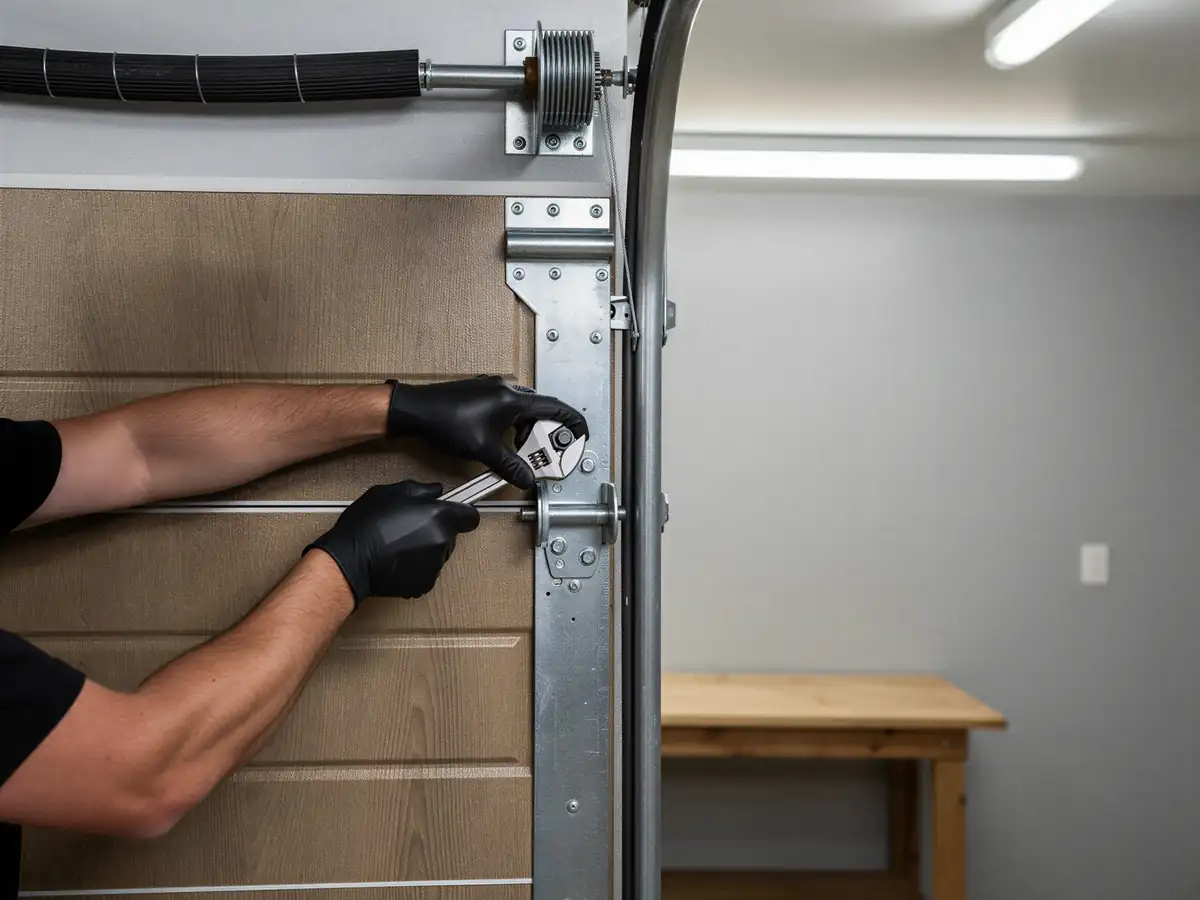
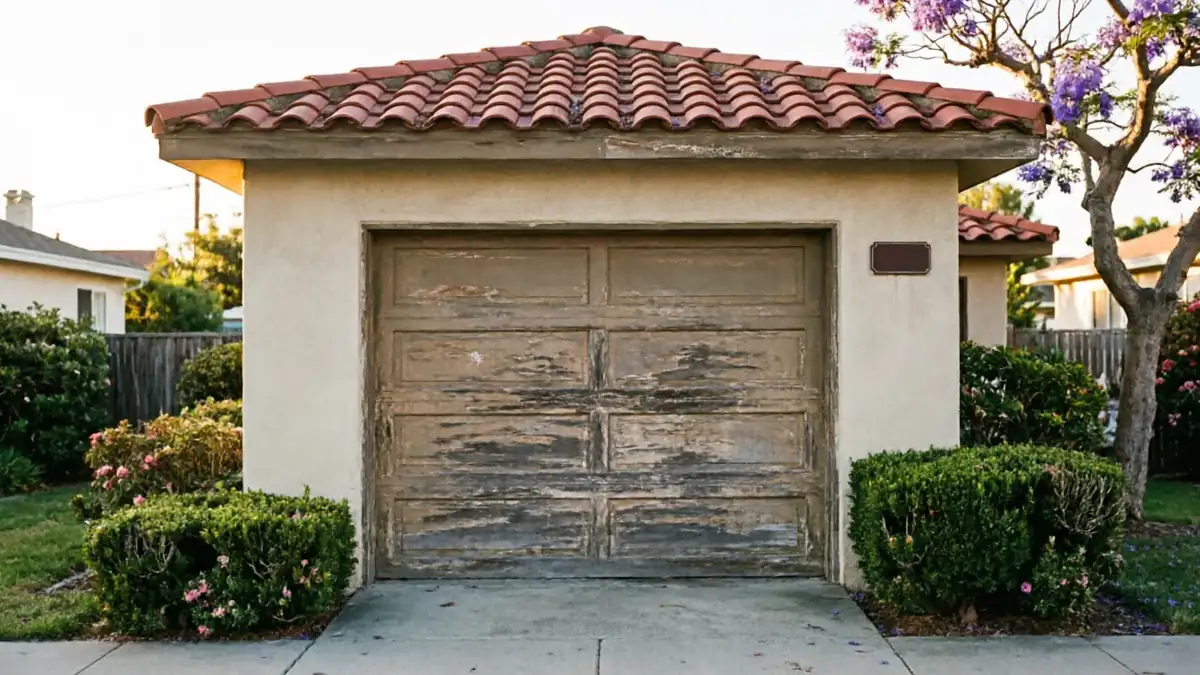
Grass Valley sits in a mild climate with occasional freeze nights, not the deep cold or heavy humidity that chews through hardware fast. That's the good news. The bad news is what it does slowly. A mild-with-freeze pattern means metal parts go through small expansion and contraction cycles through the year rather than one hard seasonal shift. Torsion springs, hinges, and track bolts loosen gradually instead of failing all at once. On a door that's original to a house built in the 1960s or 70s, that slow loosening has had forty, fifty, sixty years to work. We see a lot of doors in this area that still look fine from the driveway but have track bolts backed out a quarter turn, hinges with wallowed-out holes, and springs that have lost tension nobody noticed because the opener just compensated harder each year. The freeze nights matter too - they're not severe enough to crack panels outright, but they stiffen grease and lubricant on cold mornings, which is why an older door that runs quiet in July can groan and bind in January. None of this is dramatic. It's wear, compounding, on hardware that was never rated for six decades of use.
Season by Season
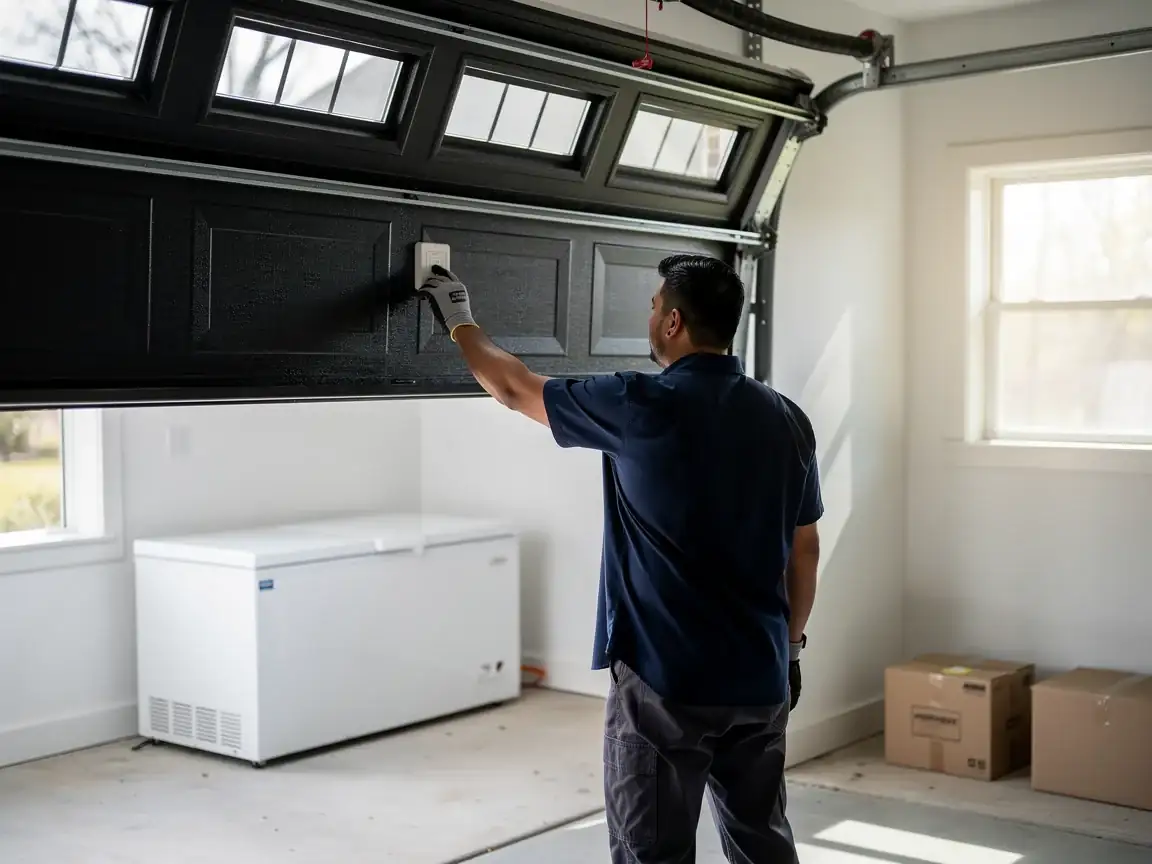
Spring and fall in Grass Valley are mild enough that most doors run fine without much thought - this is when problems hide. Summer heat expands metal tracks slightly, and on an older door with marginal alignment, that's when rollers start catching audibly. Winter is where the mild-with-freeze pattern shows up: overnight temperatures near or just below freezing thicken old grease and stiffen springs just enough that a door needing 2-3 extra pounds of lift force on a July morning needs more like 5-6 in January. That's often the week an opener motor that's been limping along finally burns out, or a spring that was down to its last few coils lets go. None of this is a Grass Valley-specific weather event - there's no hail or heavy snow load in these numbers - it's the repeated, undramatic cycling that matters more here than any single storm. A door built or installed in the 1970s has been through roughly fifty of these yearly cycles already.
When It Stops Being a DIY Job
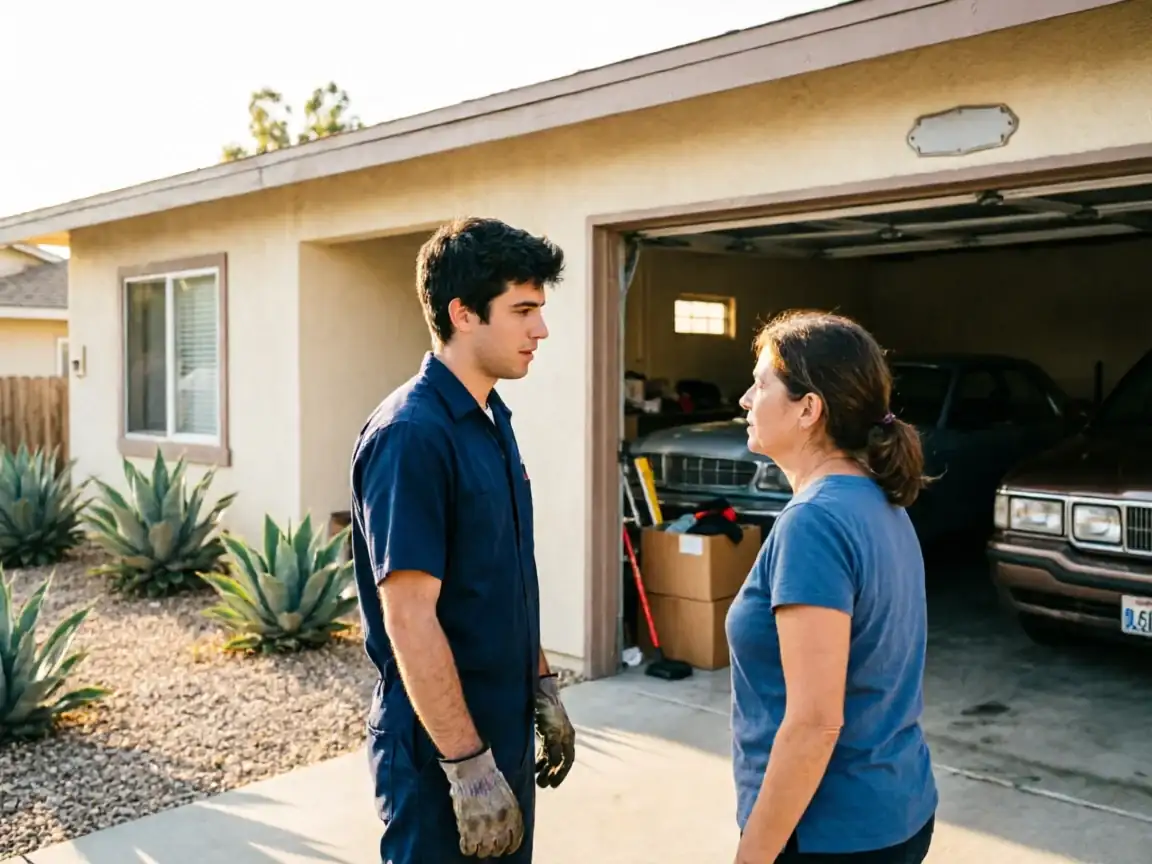
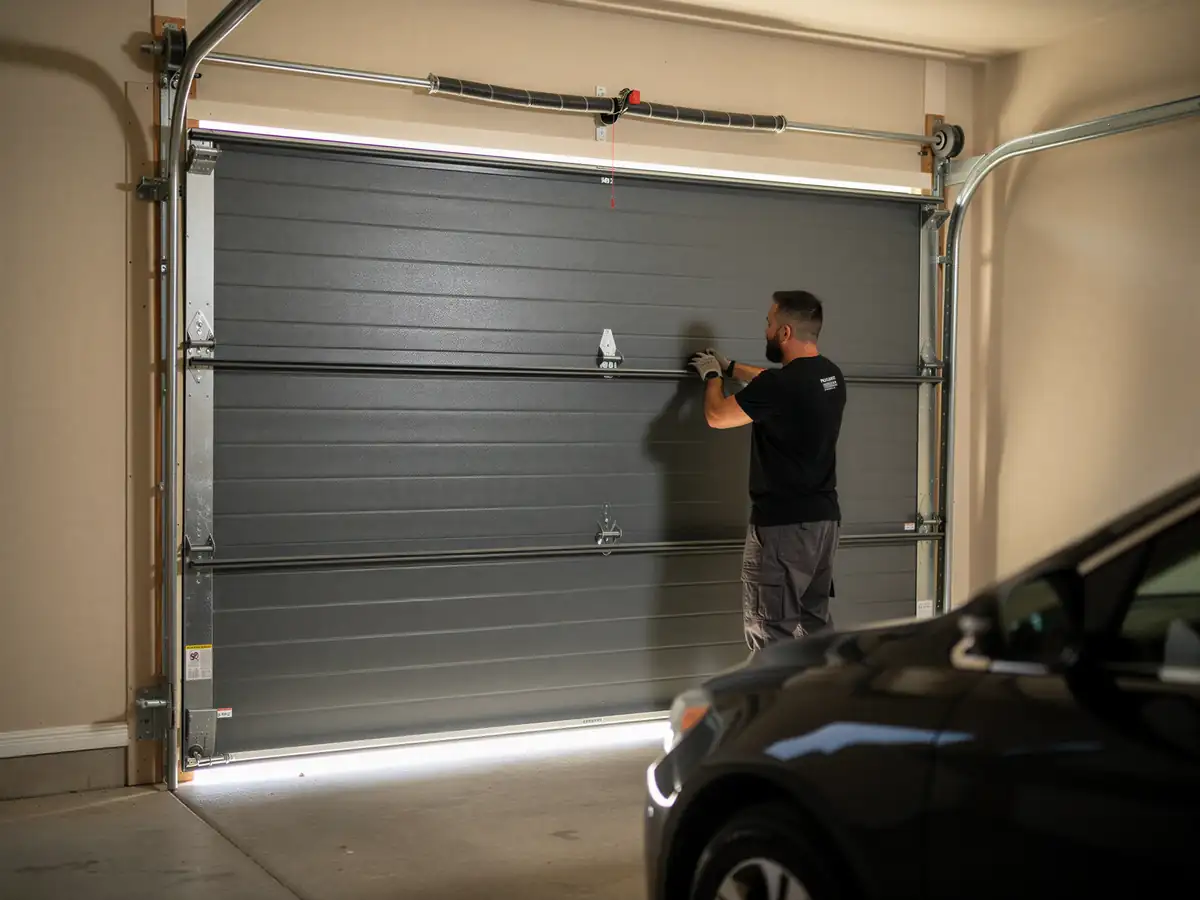
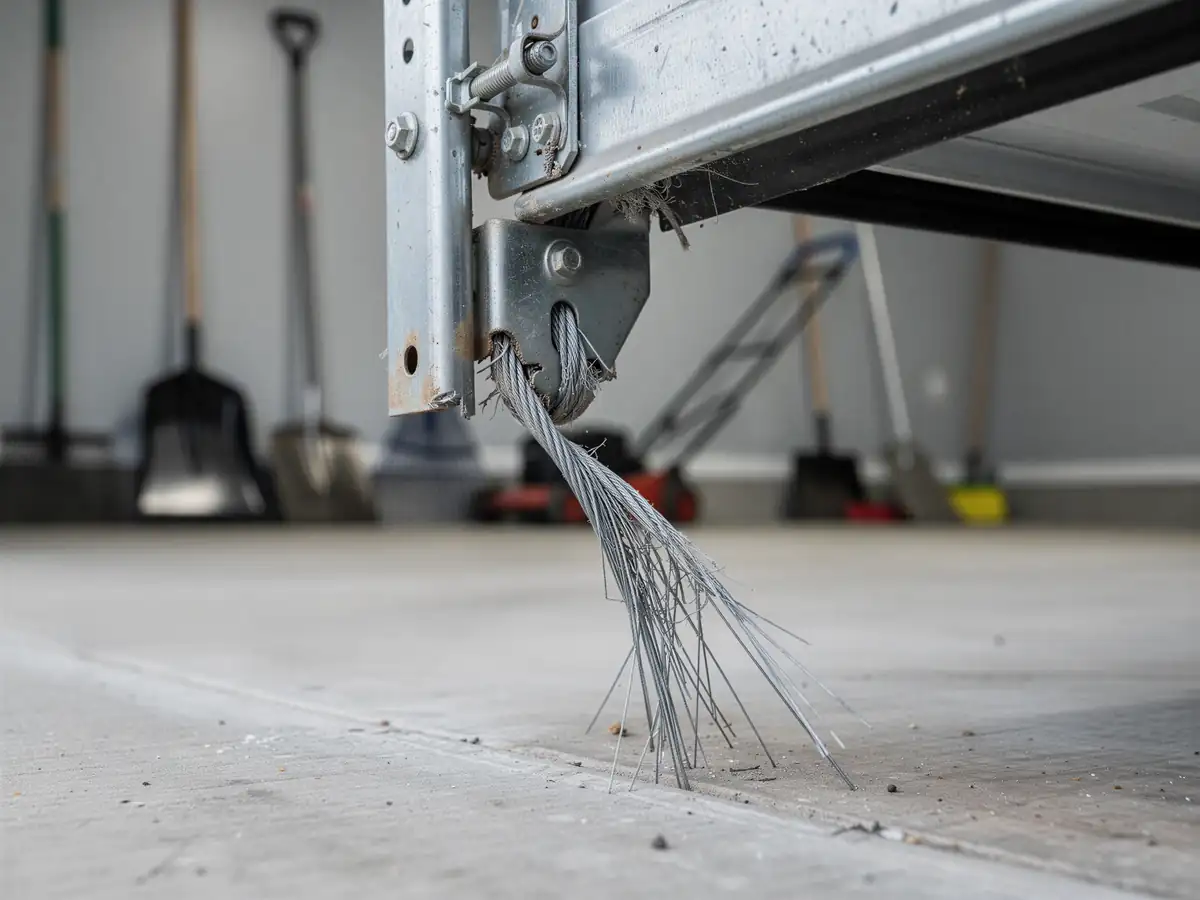
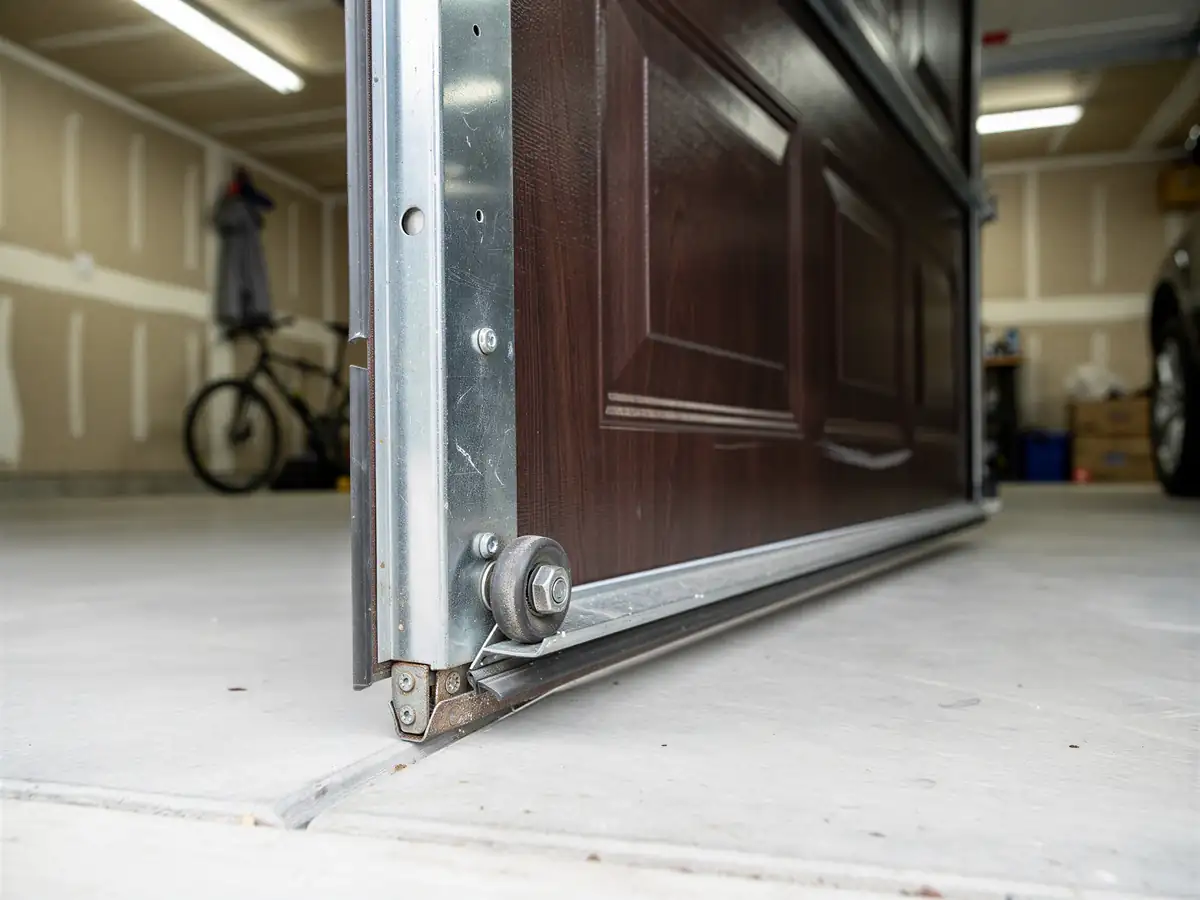
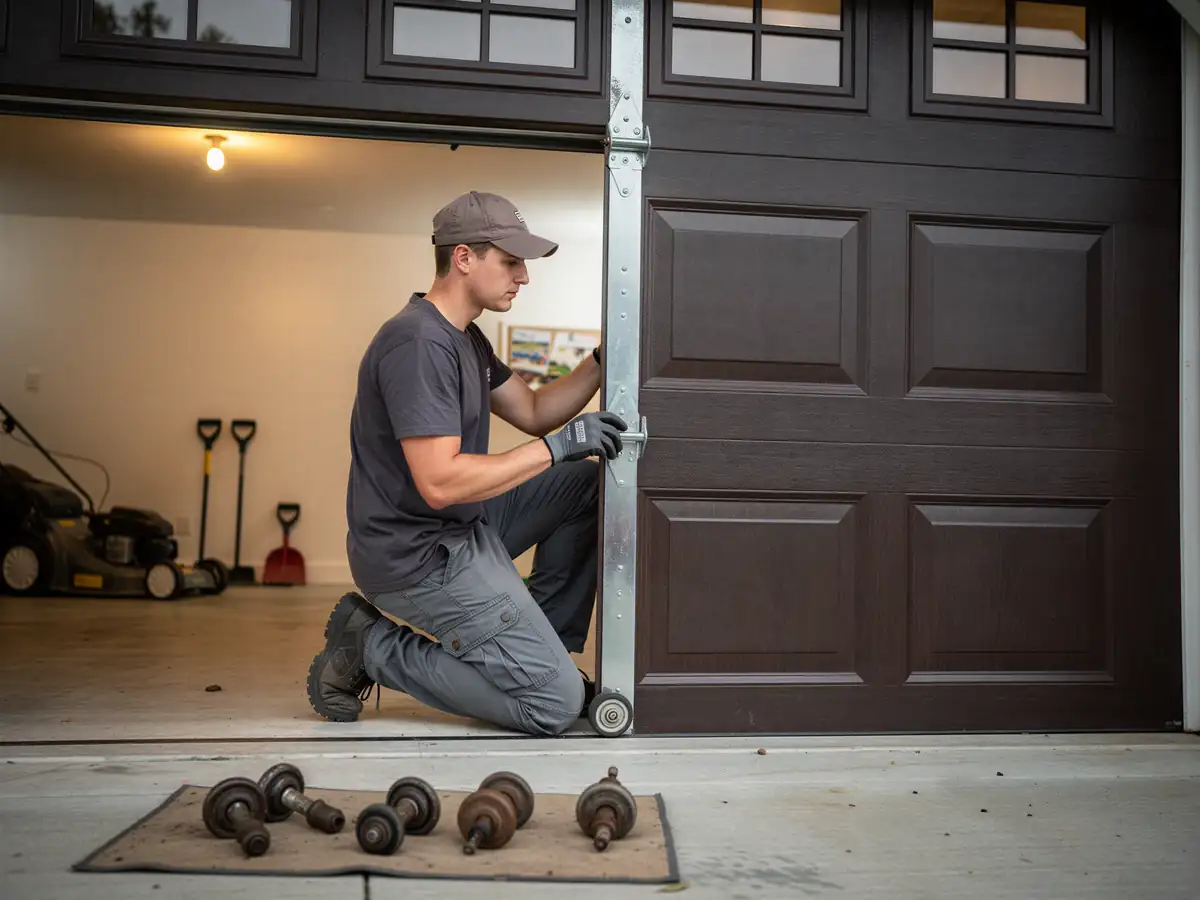
If a door off a house built in the 1960s or 70s is dragging, the first call is whether the track and spring system are original to that build or already replaced once. We can usually tell from the hardware style. A door is worth fixing when the frame, track, and opener mounting are sound and it's one or two components - a spring, a roller set, a section of track - that have finally given out after decades of those small seasonal cycles. It stops being worth fixing when the track is bent from repeated binding, the opener is original to a 1970s install and parts for it haven't been made in years, or more than one system is failing at once. We don't stock parts for every opener era still running on these older houses, and an honest repair quote will tell you that before we open the panel, not after. Replacing a door that's genuinely done costs more up front but saves you from paying for the same repair twice.