What the Repair Takes
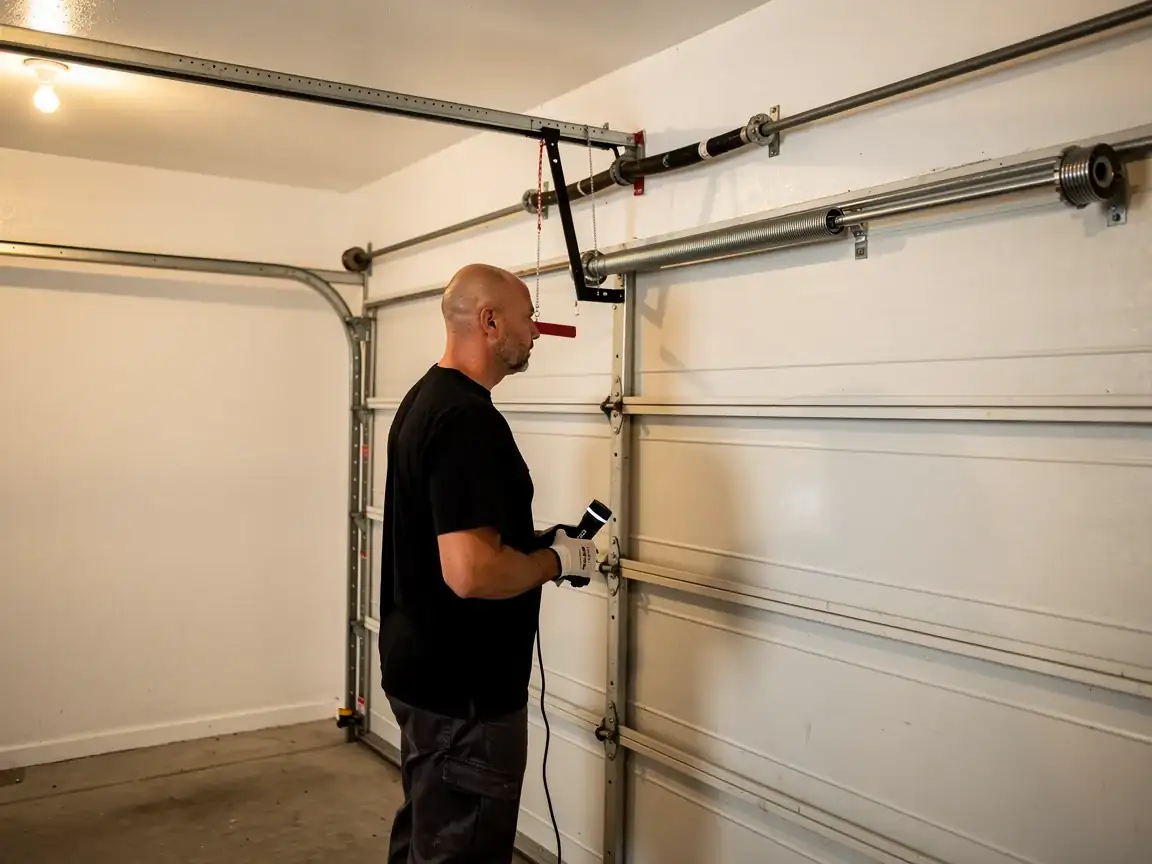
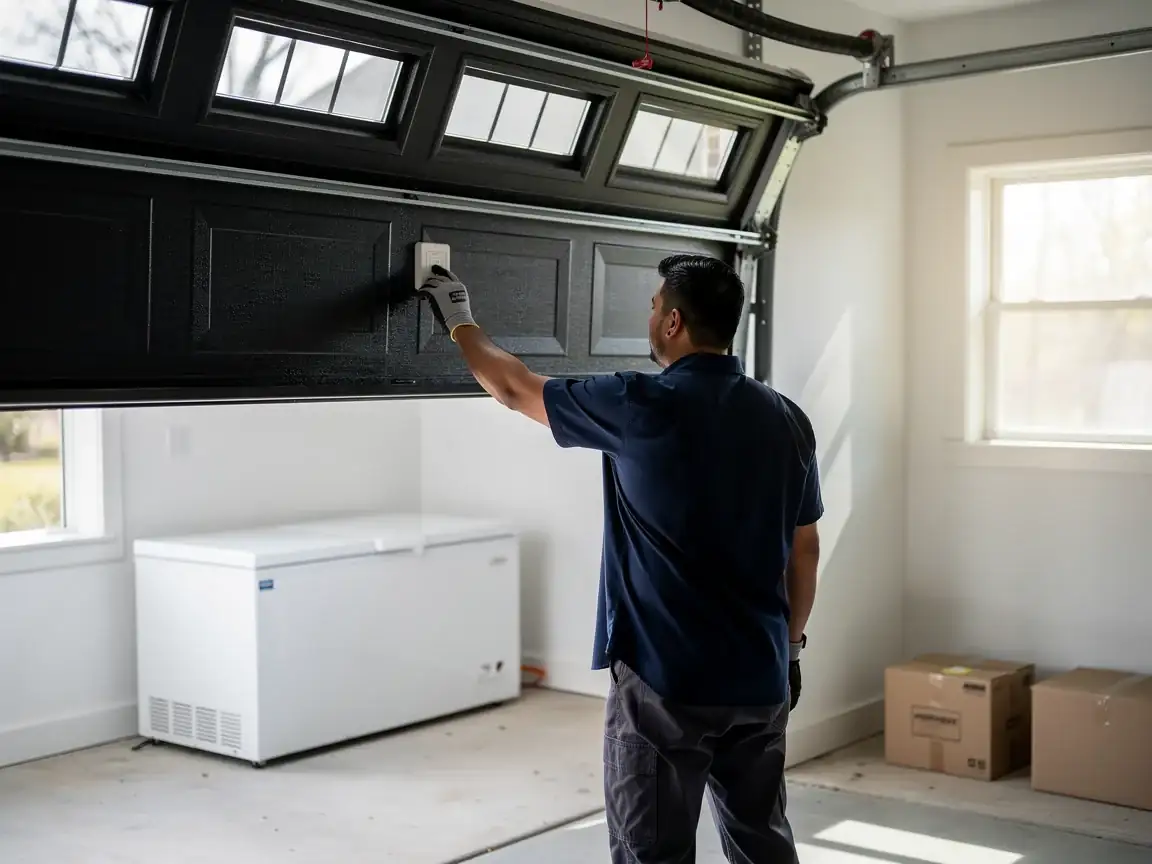
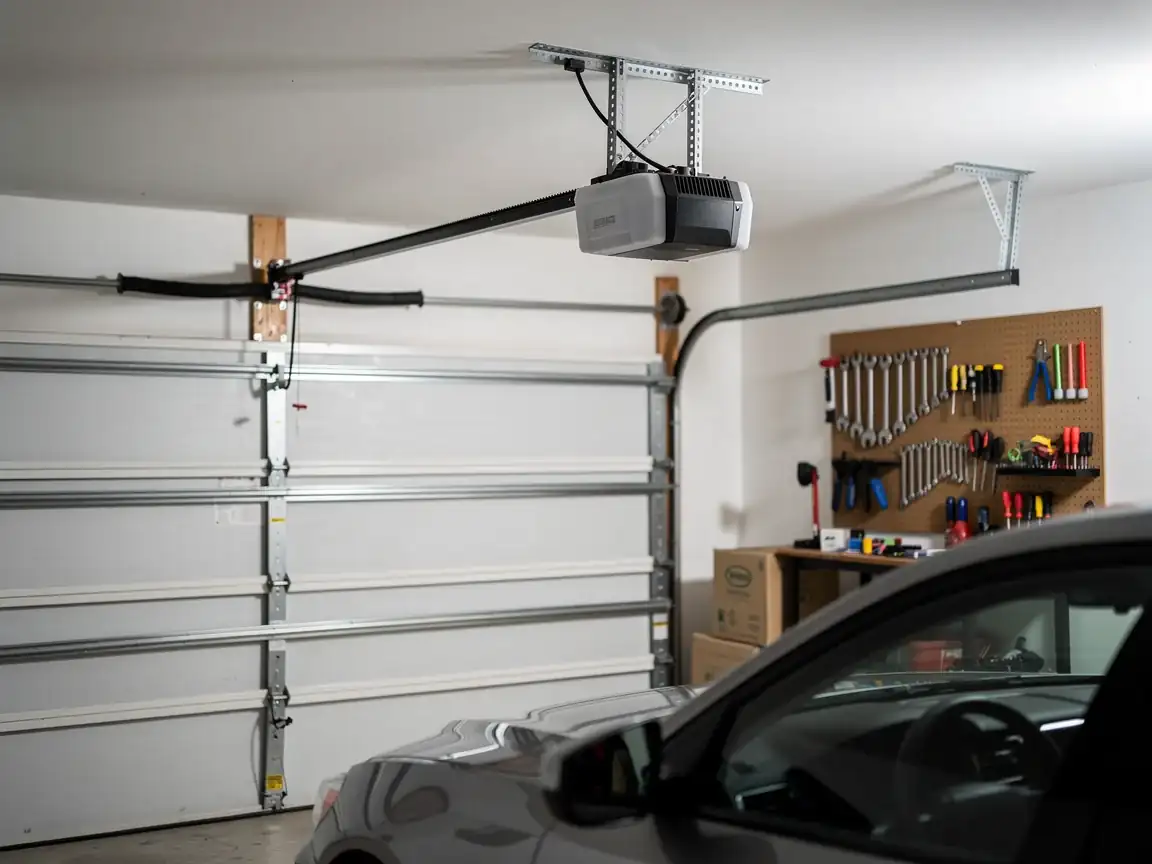
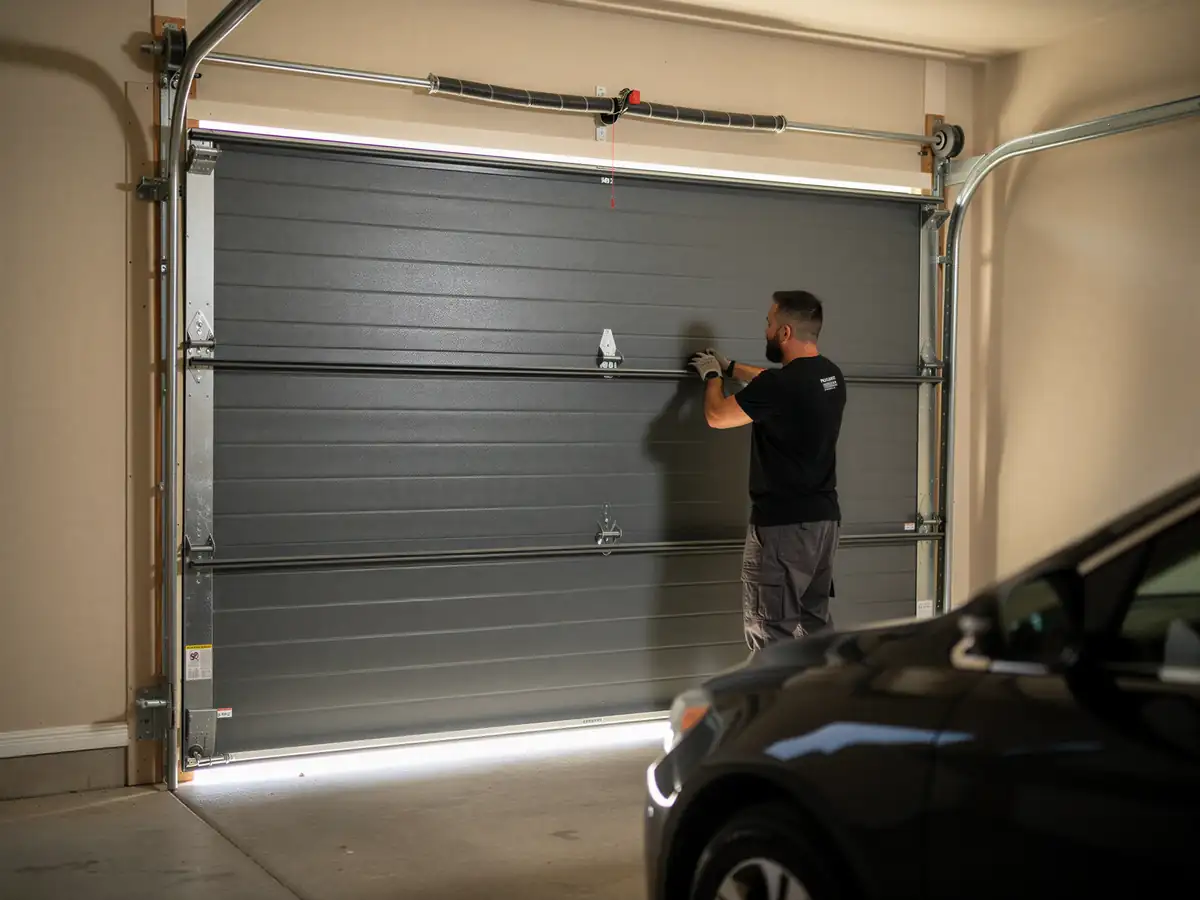
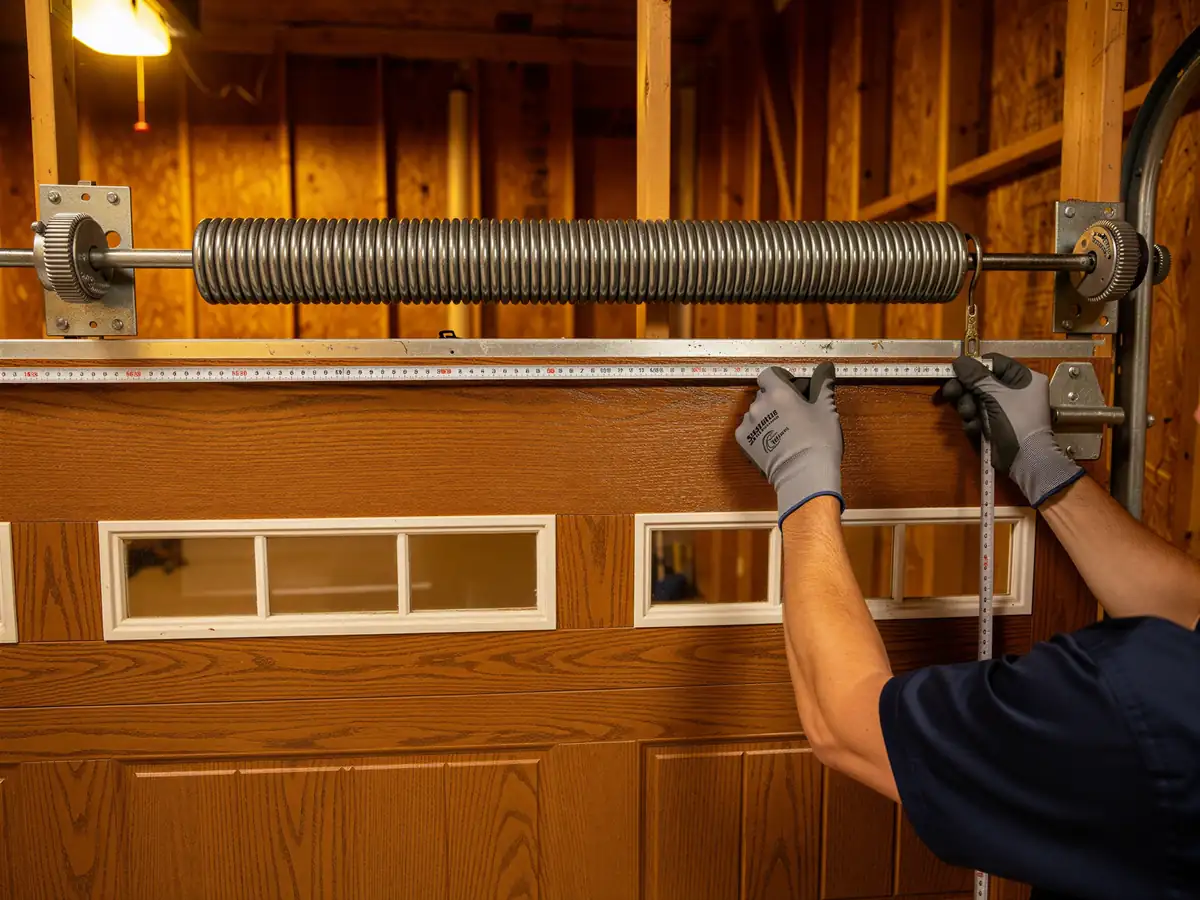
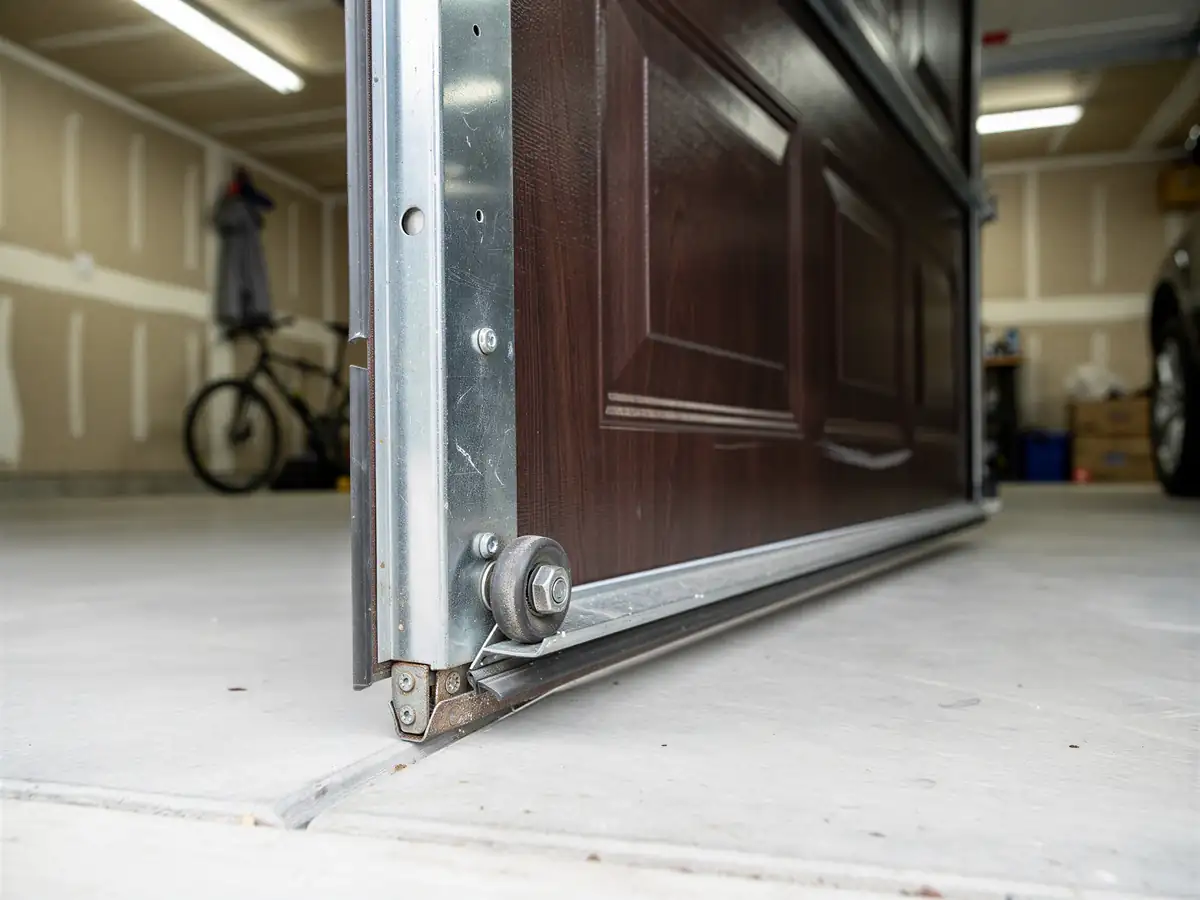
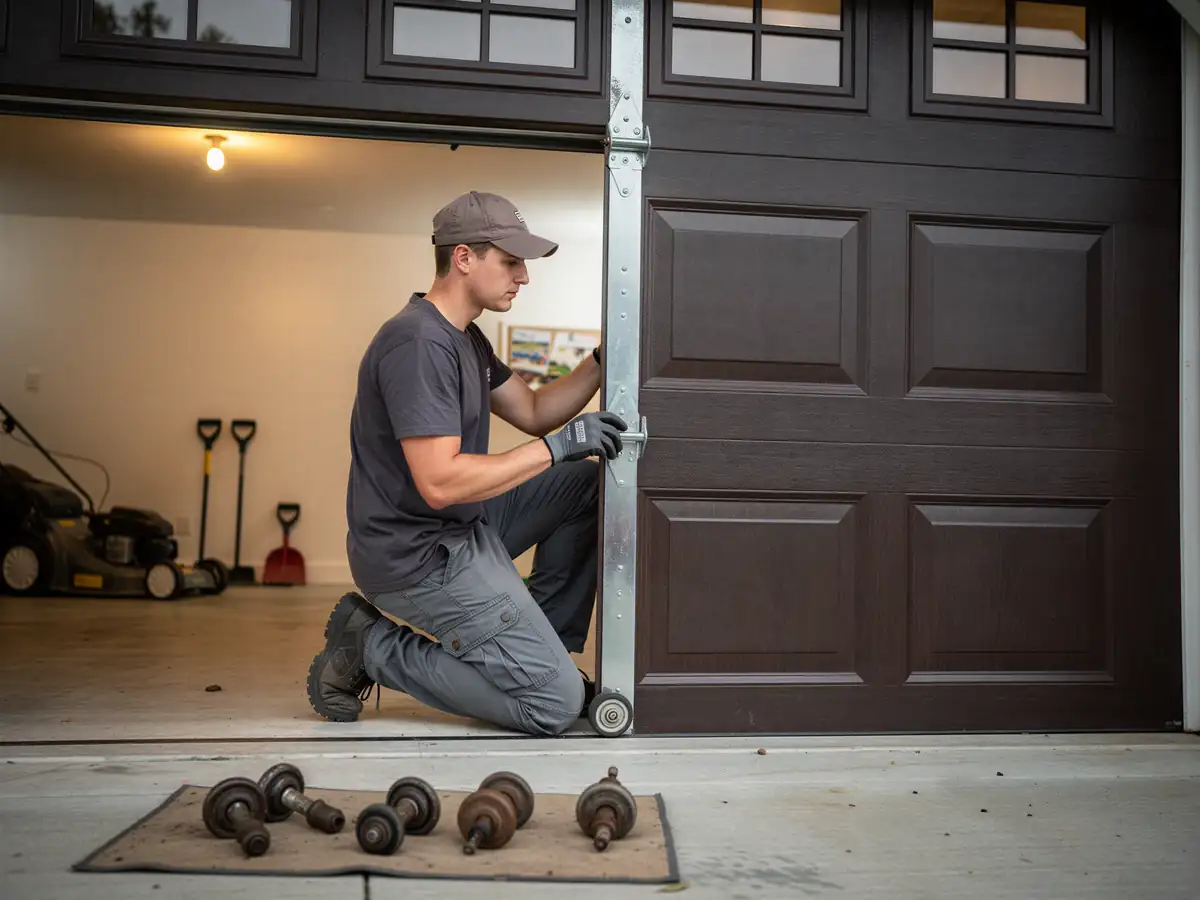
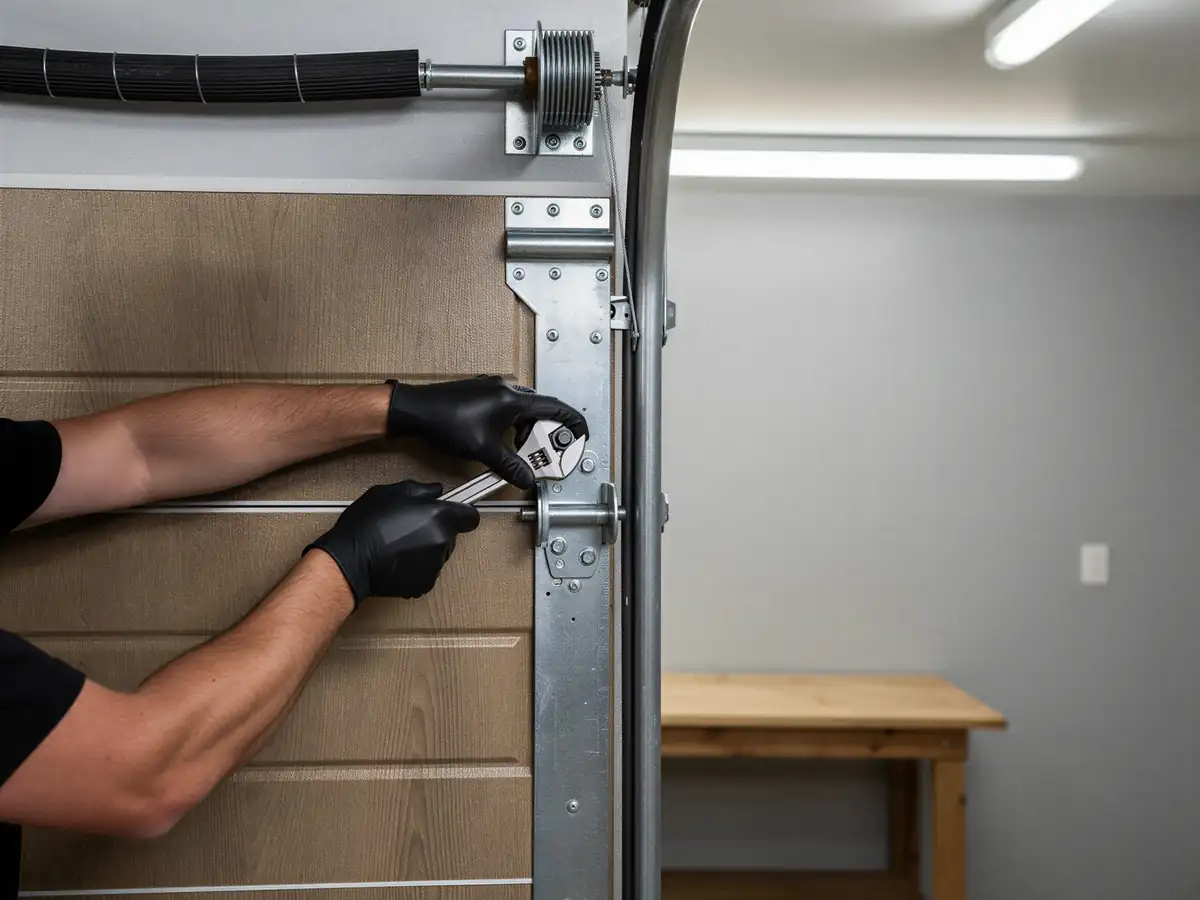
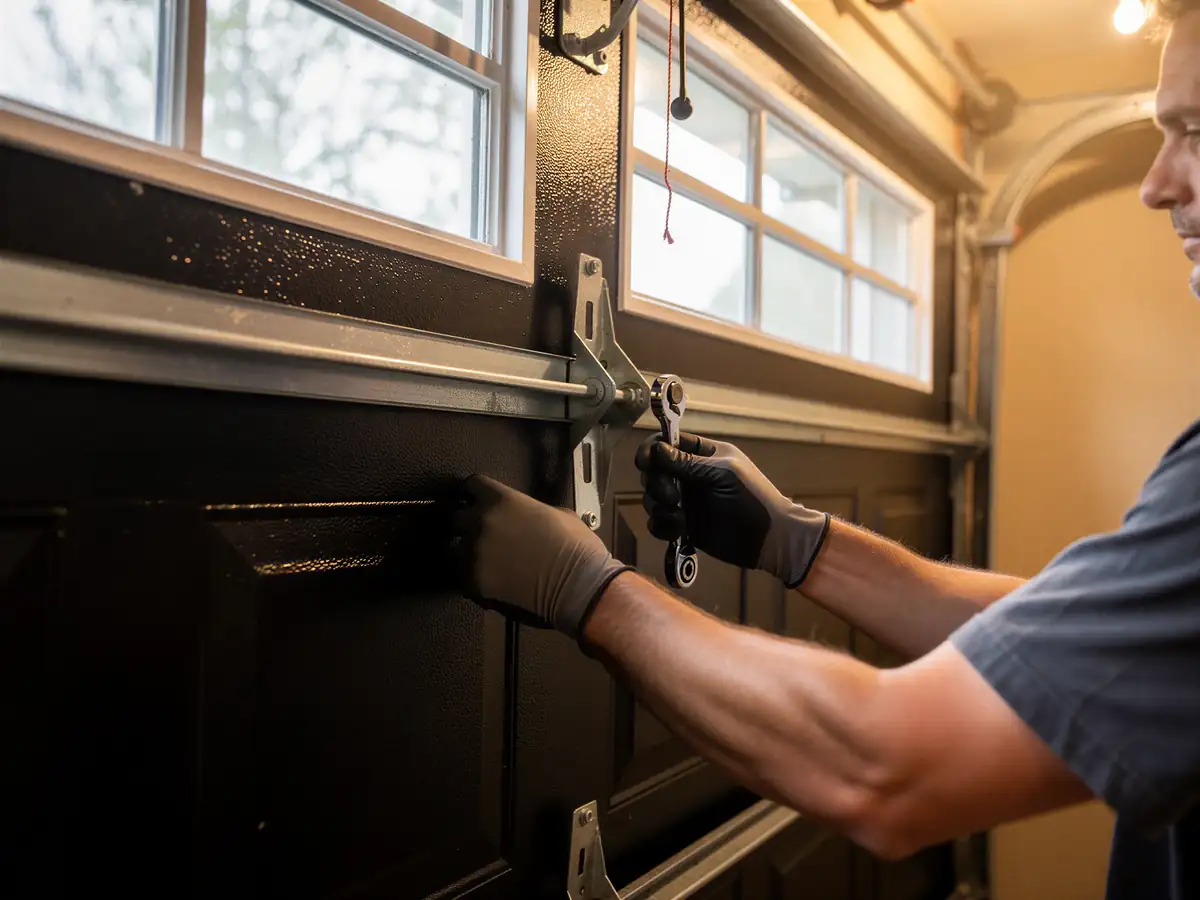
A proper repair starts with figuring out what's actually failed, not just what's making noise. On a torsion spring door, that means checking the spring, the cable drums, the bearing plates, and the track alignment before anything gets replaced - a worn bearing plate can mimic a broken spring and vice versa. Most jobs here run one to two hours once we're on site, longer if the opener or the track itself needs work. We carry common torsion spring sizes and roller sets on the truck, but doors built before the 1980s sometimes used hardware that's been out of production for decades - if your door falls into that group, we may need to special-order a part, and that's the honest limitation: we don't keep every obsolete bracket in stock, and neither does anyone else. What we won't do is sell you a new opener when the fix is a $40 part. If the door is original to a house from the 1950s or 60s and the track and jambs are square, repair usually beats replacement. If the frame has shifted or rusted through, we'll tell you that too, even though it's the less profitable answer for us.
The Symptom
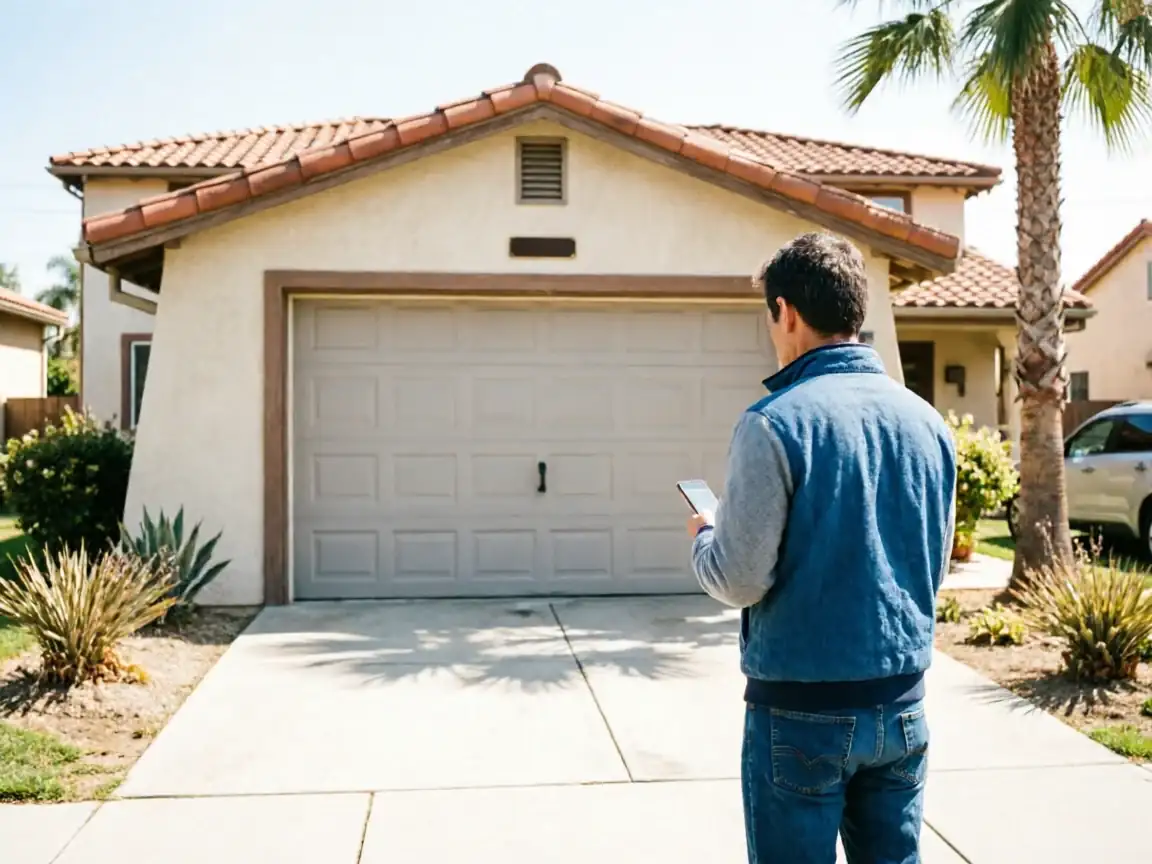
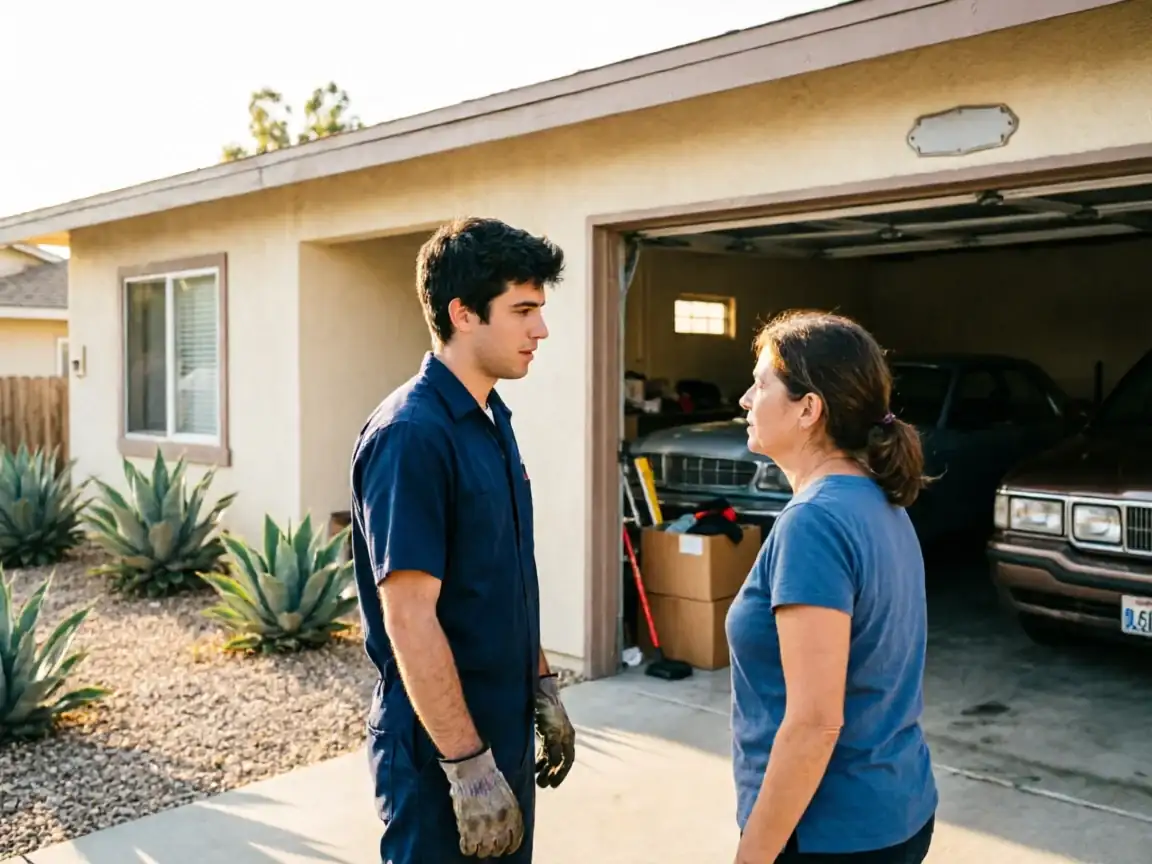
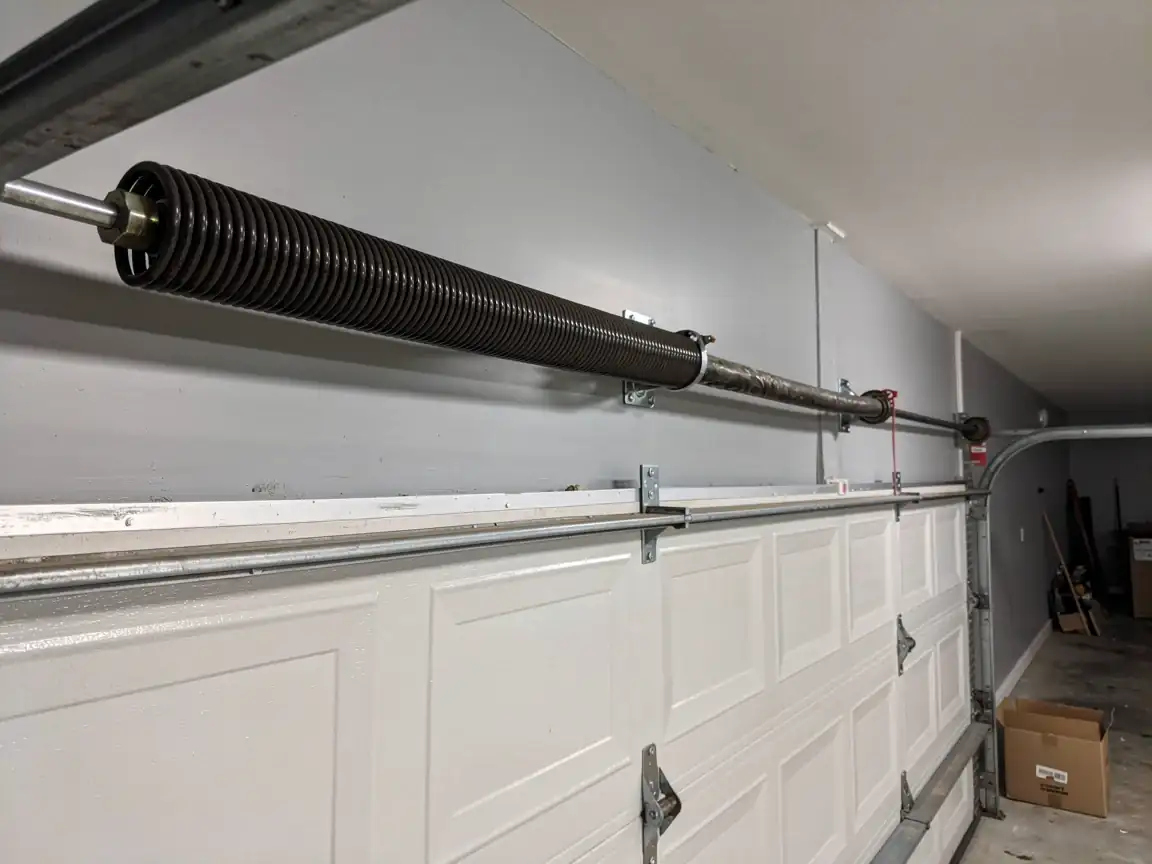
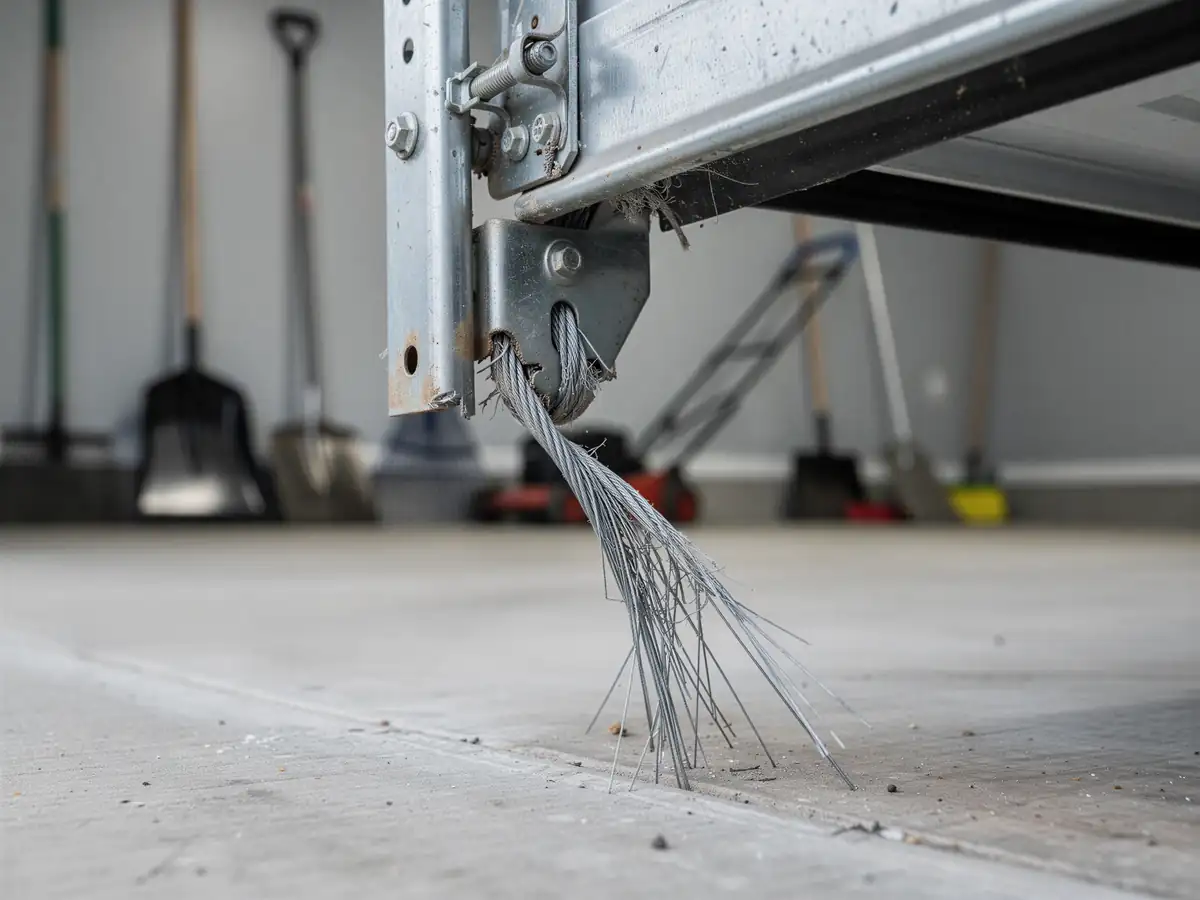
The call usually starts the same way: the door won't go up all the way, or it goes up and slams back down, or it's making a grinding sound on one side right before it sticks. Sometimes it's quieter than that - the opener strains, clicks, and the door just doesn't move. On houses with the original torsion hardware from the 1960s and 70s, that groan right before the door stops is almost always a spring that's lost tension, not a motor problem, even though the opener gets blamed first. On newer doors with extension springs mounted along the track, the symptom looks different: one side drops faster than the other and the door runs crooked in the opening.
What Causes It Around Here
Grass Valley sits in a mild climate with some freeze risk, which doesn't sound like much compared to harsher regions, but it's enough to matter on a 40-to-80-year-old door. Repeated overnight cold snaps followed by warm days make metal spring steel contract and expand in small cycles, and over enough winters that fatigues a torsion spring faster than a flat, warm climate would. Combine that with housing stock concentrated in the 1960s and 70s, when garage doors were lighter and springs were sized tighter to the door weight, and you get a predictable failure pattern: springs that hold fine for years and then let go within a season or two of each other across a neighborhood built in the same stretch. Wood-frame construction from that era also shifts slightly as it ages, which nudges track alignment out of true a little at a time. None of this is dramatic - it's slow wear, which is why most owners don't notice until the door won't open one morning.