What That Means for Doors
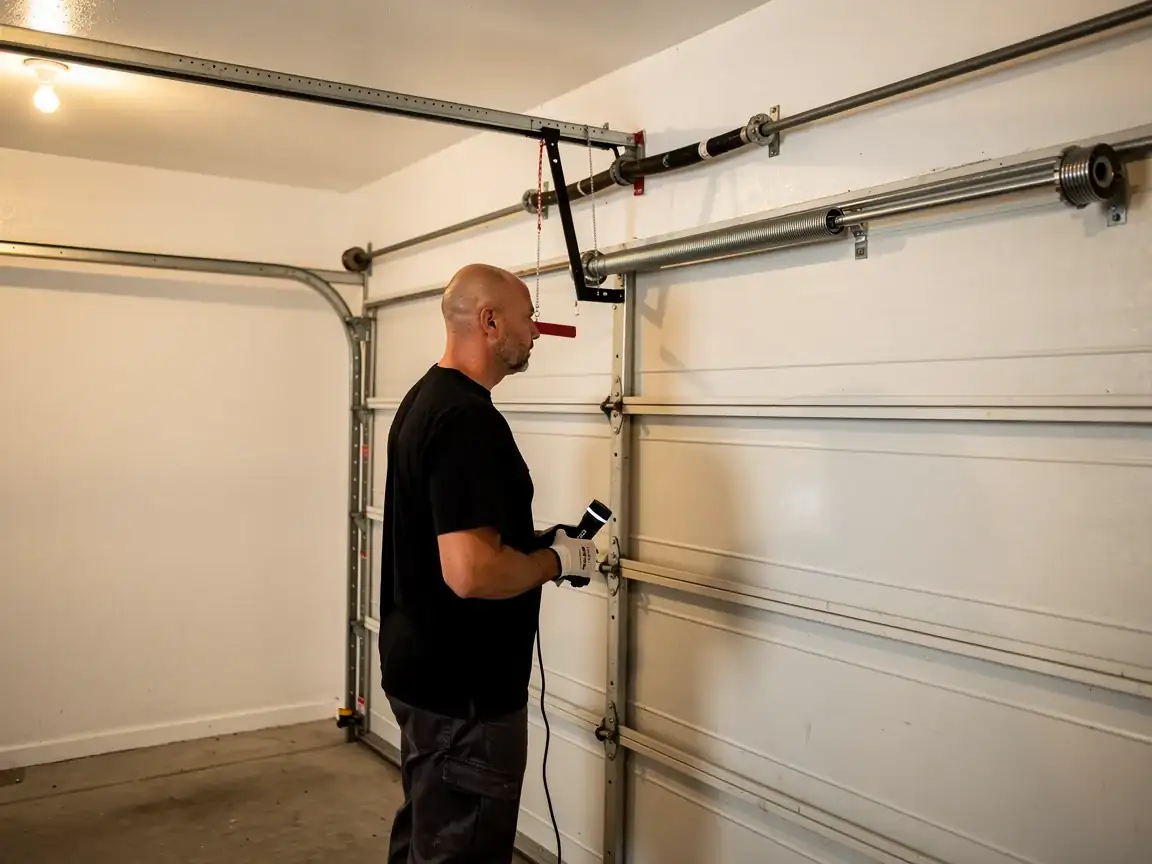
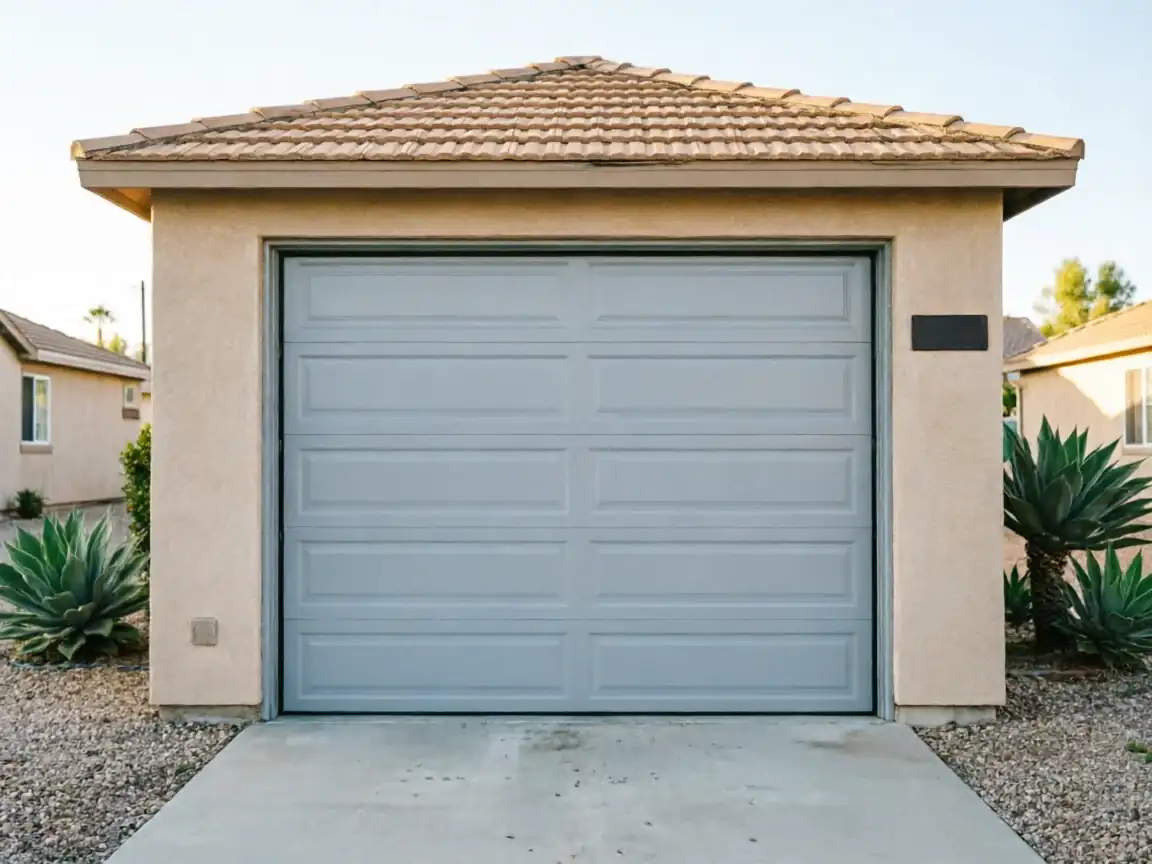
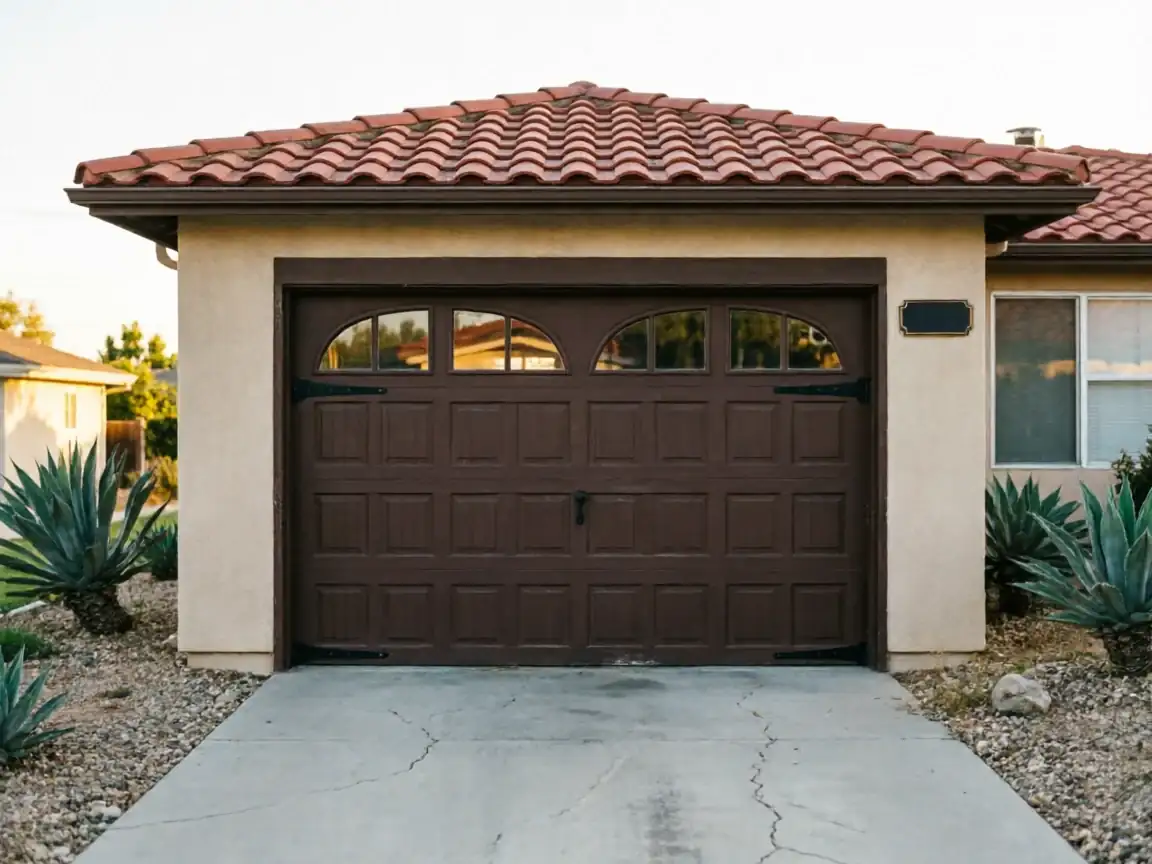
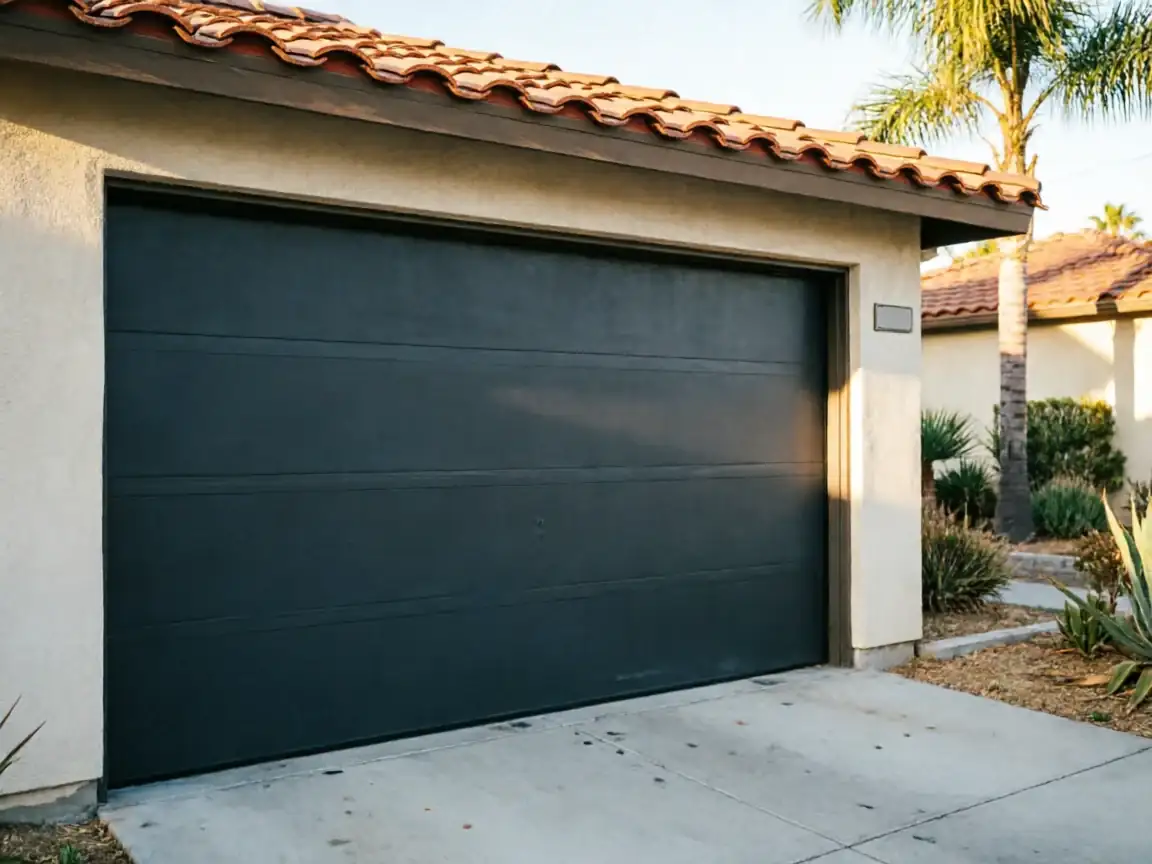
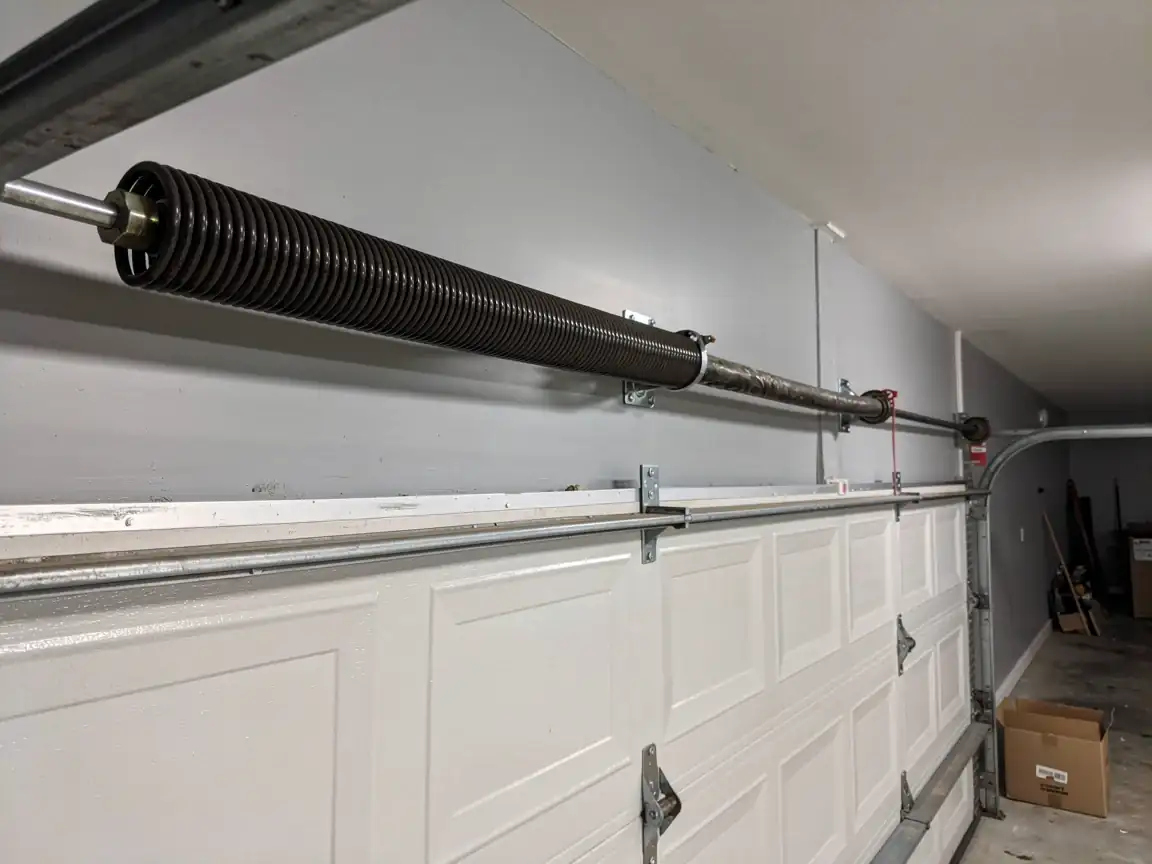
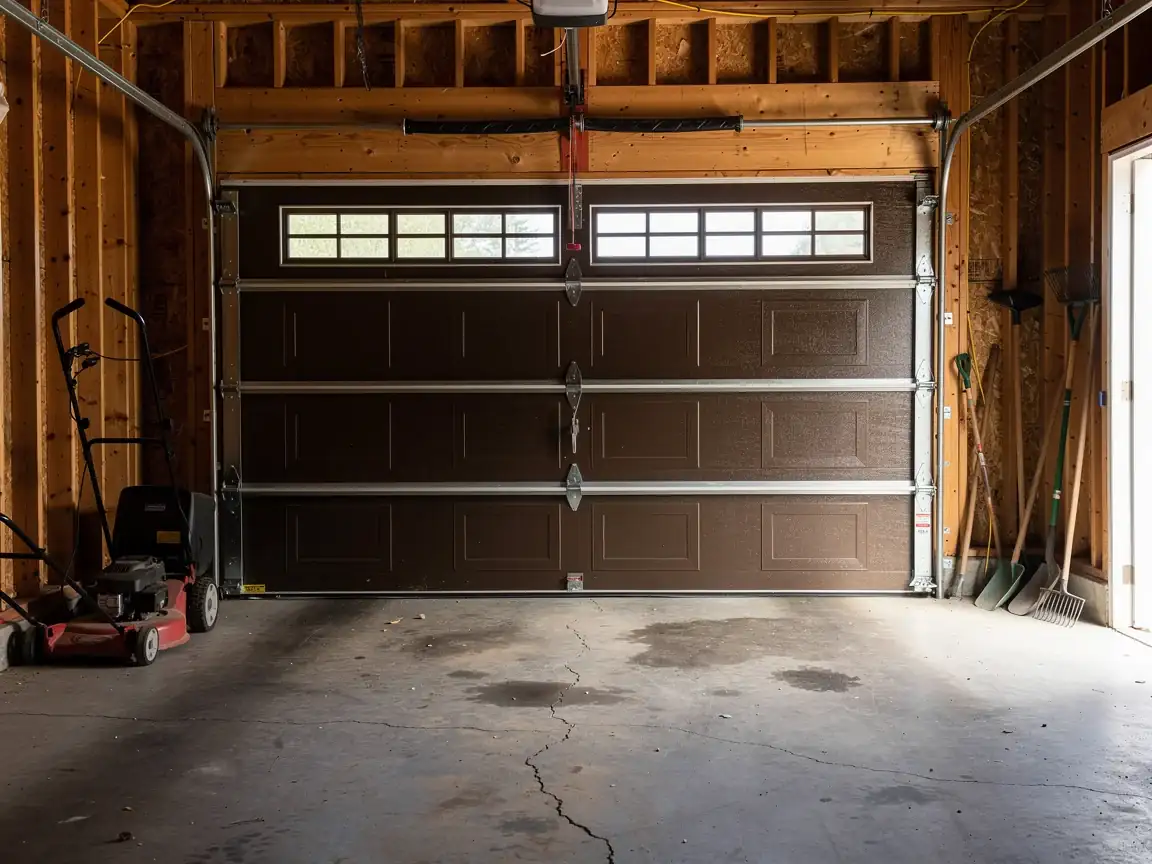
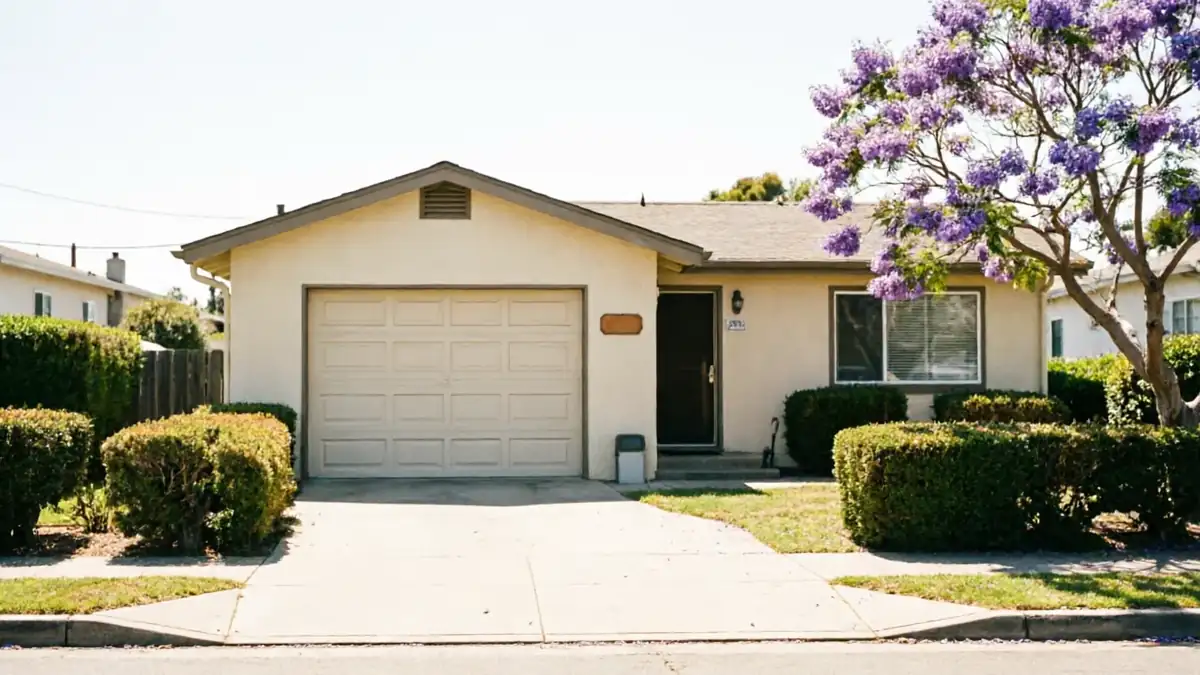
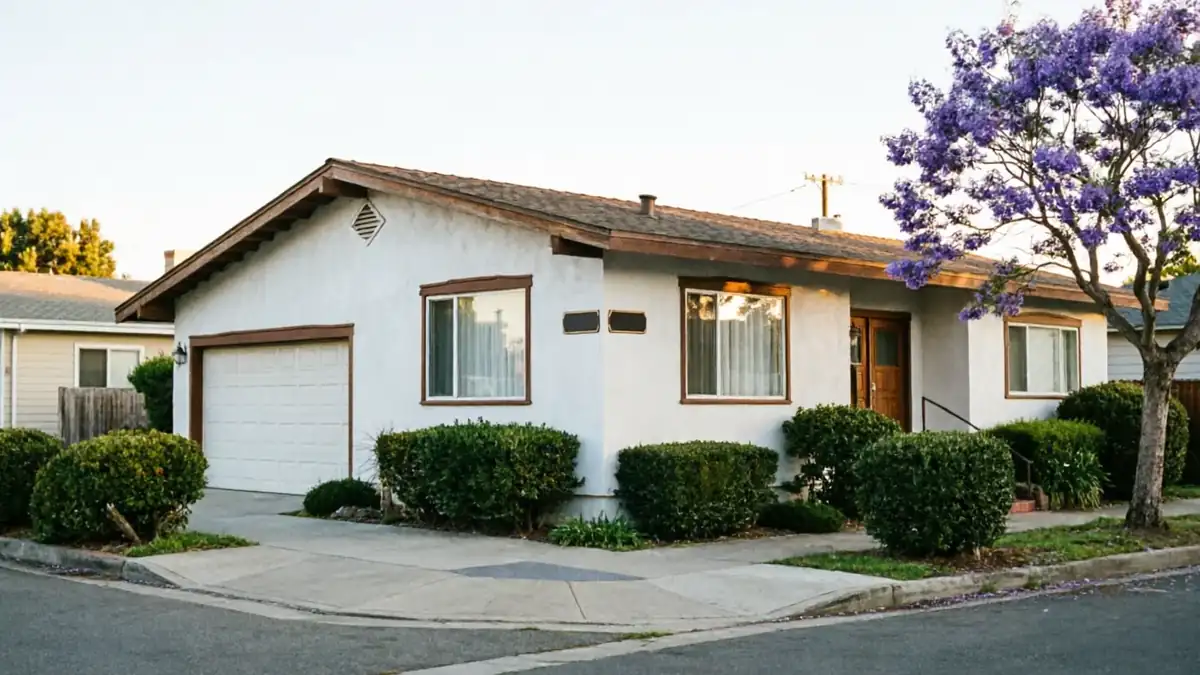
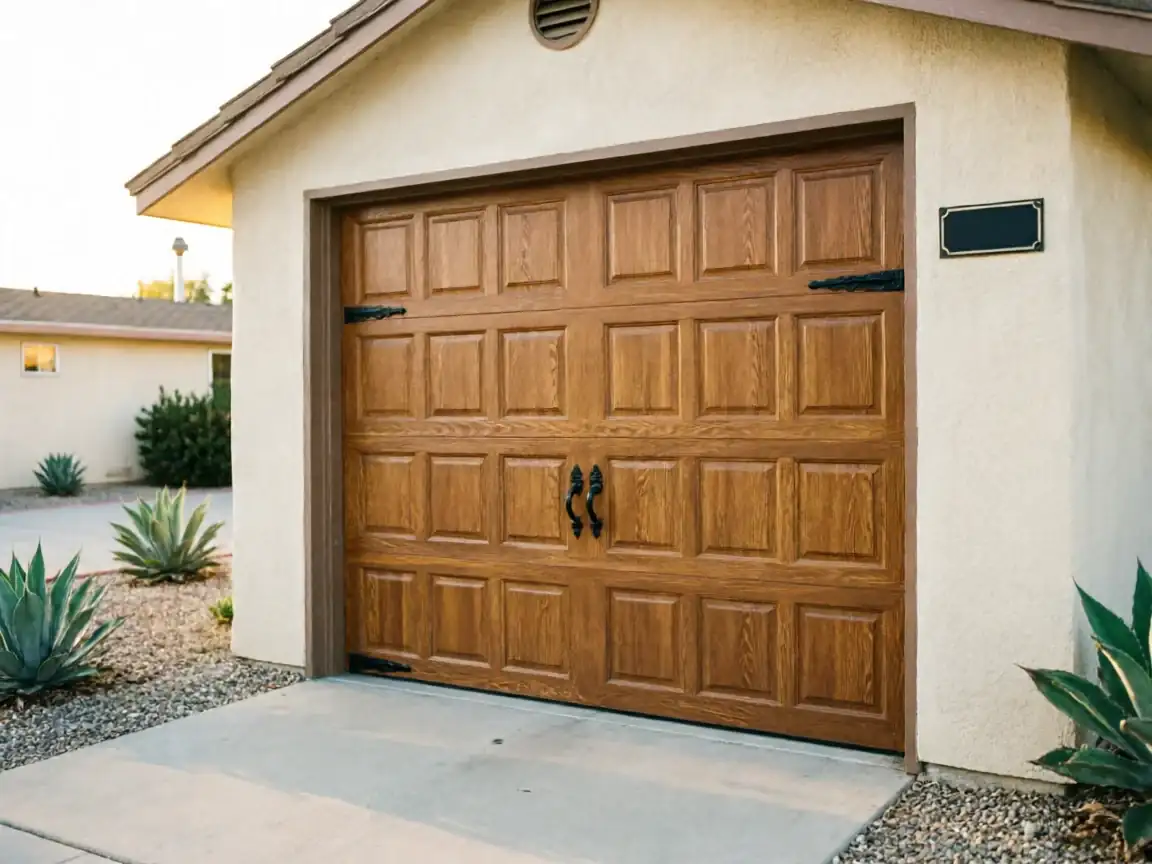
Meadow Vista's median home was built around 1978, which puts most garages here right in the middle of the steel-door, extension-spring era before torsion hardware and insulated panels became standard. That matters because the failure points are different from a newer subdivision. You're more likely dealing with worn extension springs mounted along the horizontal track instead of a torsion bar over the header, and the openers on these doors have usually been swapped out once or twice already by the time we see them. Panels from this build period are often the thinner, non-insulated steel that dents easily and doesn't hold paint the way newer composite skins do. On a 1978 door, the rollers are frequently the original steel ones with no nylon sleeve, which means more noise and faster track wear. None of this is a problem until it is - a spring that's been stretching since the Carter administration doesn't fail gracefully, it snaps. We carry extension spring sets and older-style roller hardware because these doors still make up a real share of what we're called out for in this area.
The Split Between Old and New
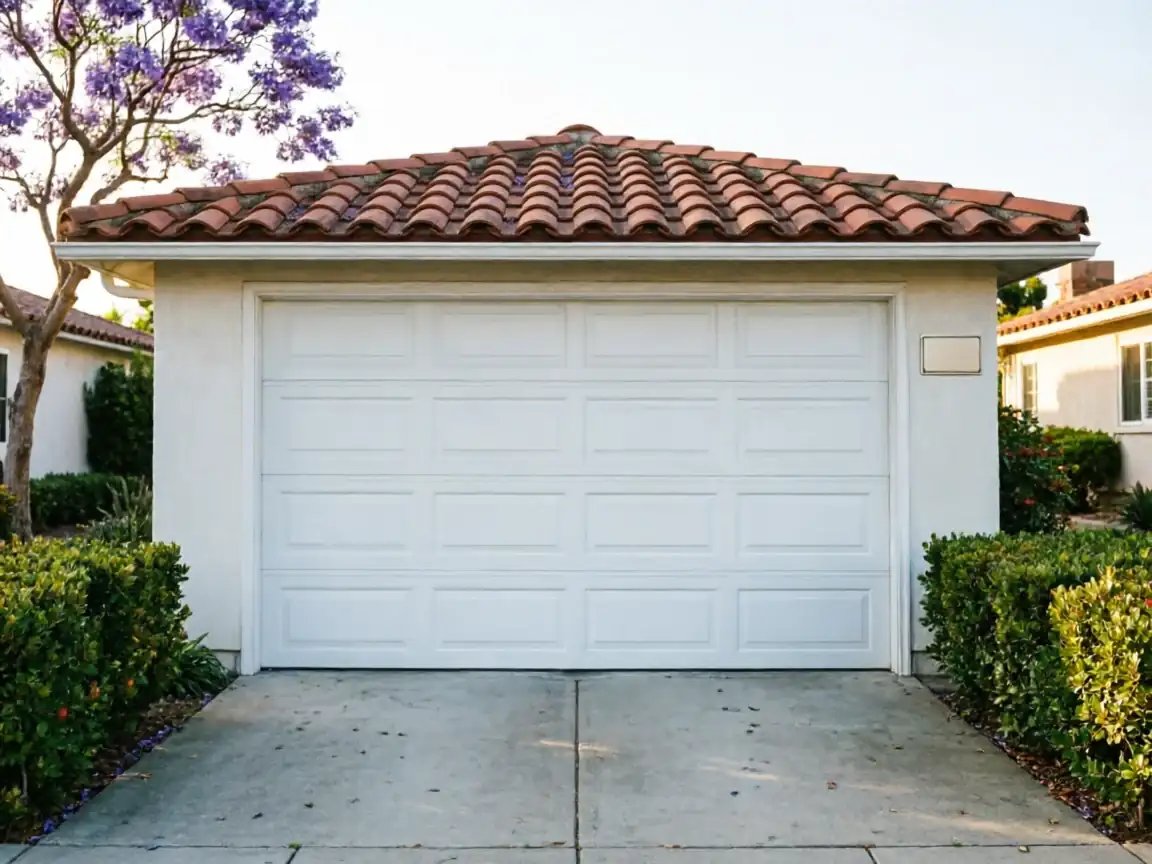
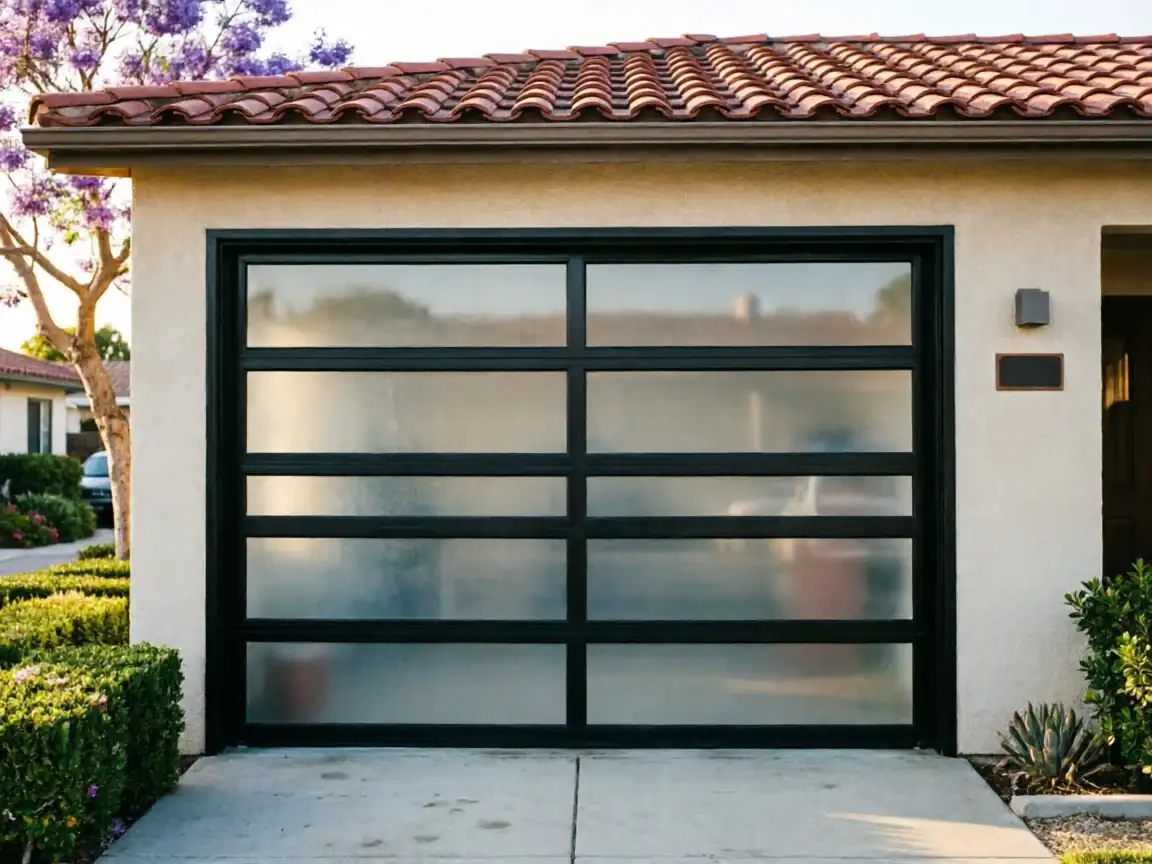
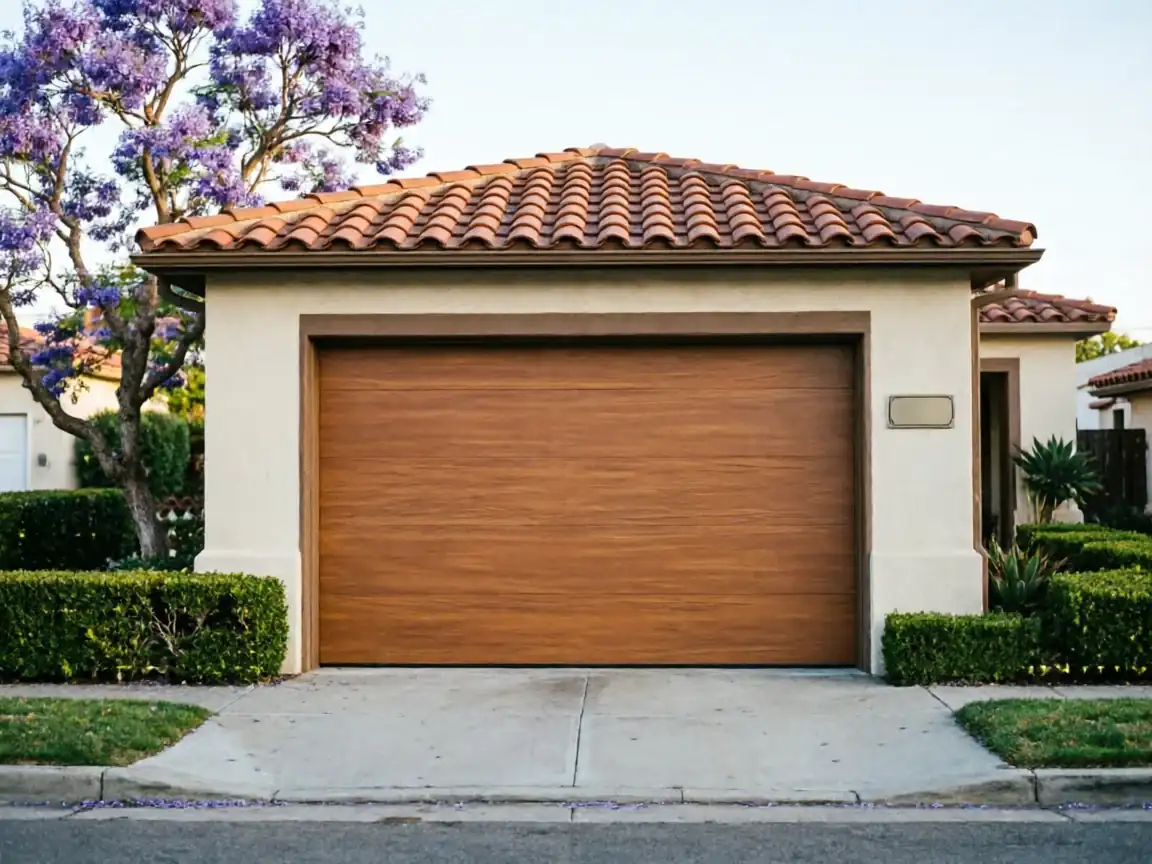
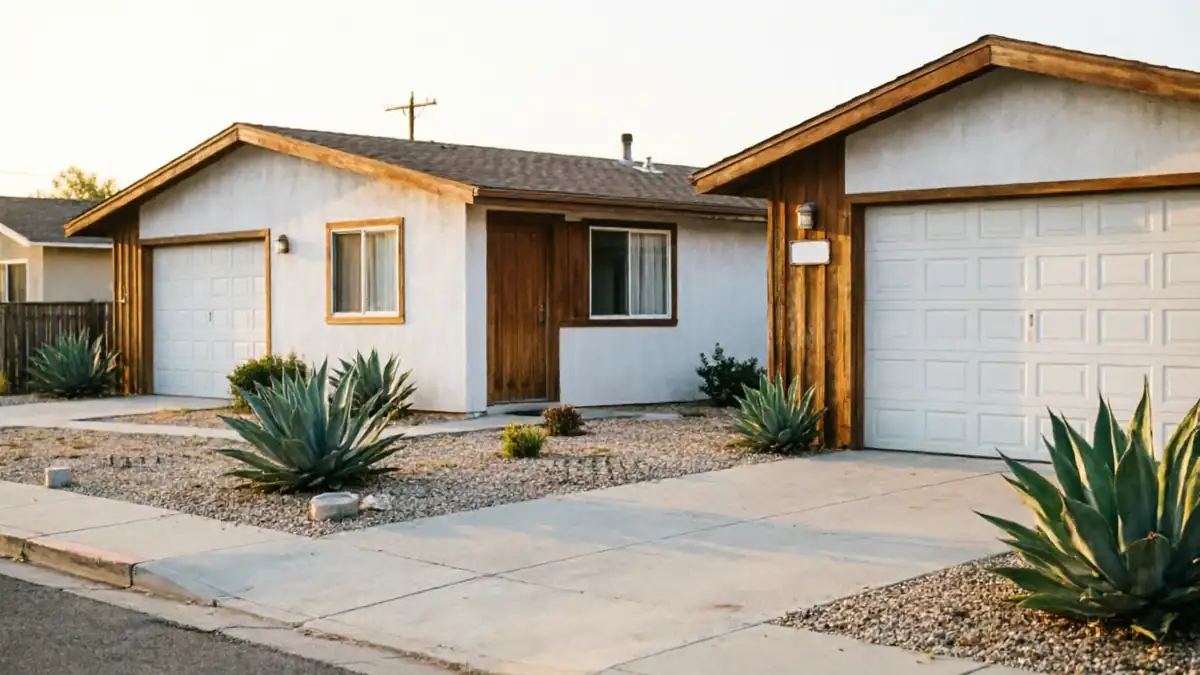
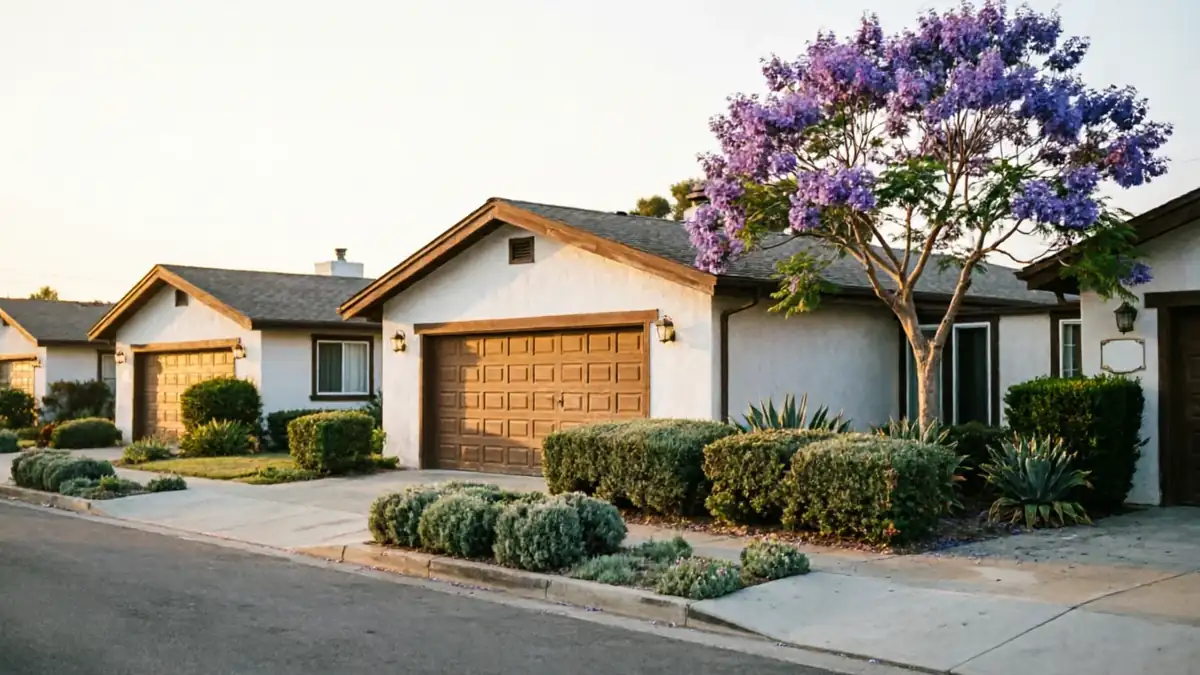
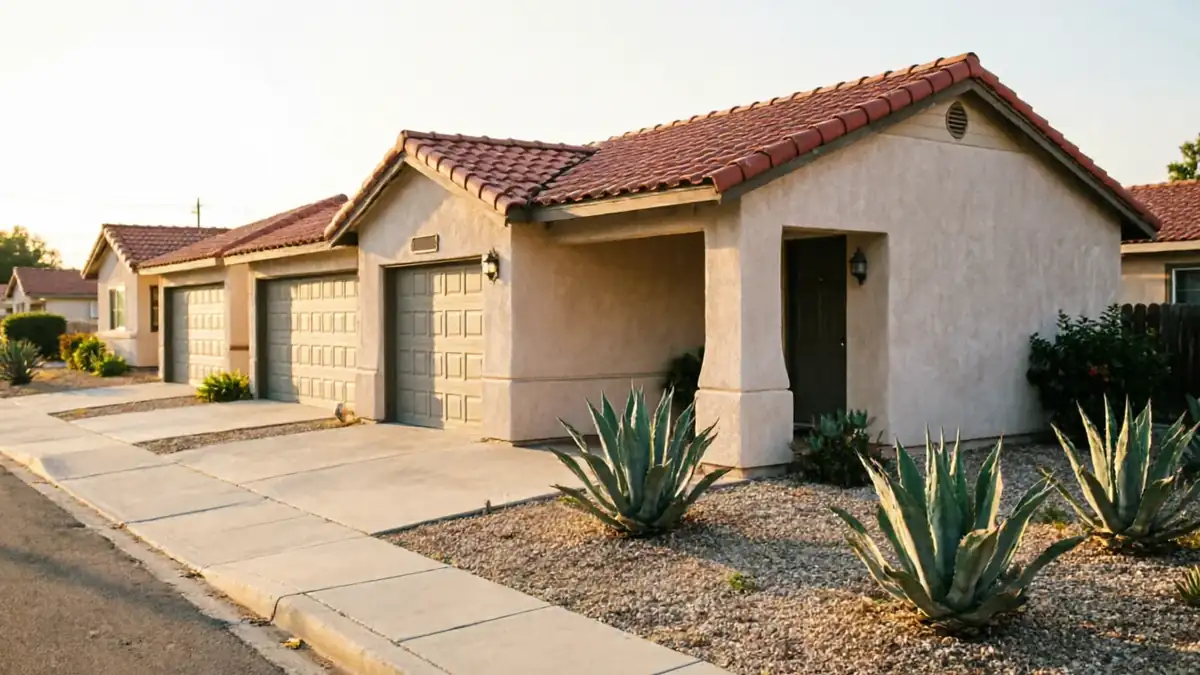
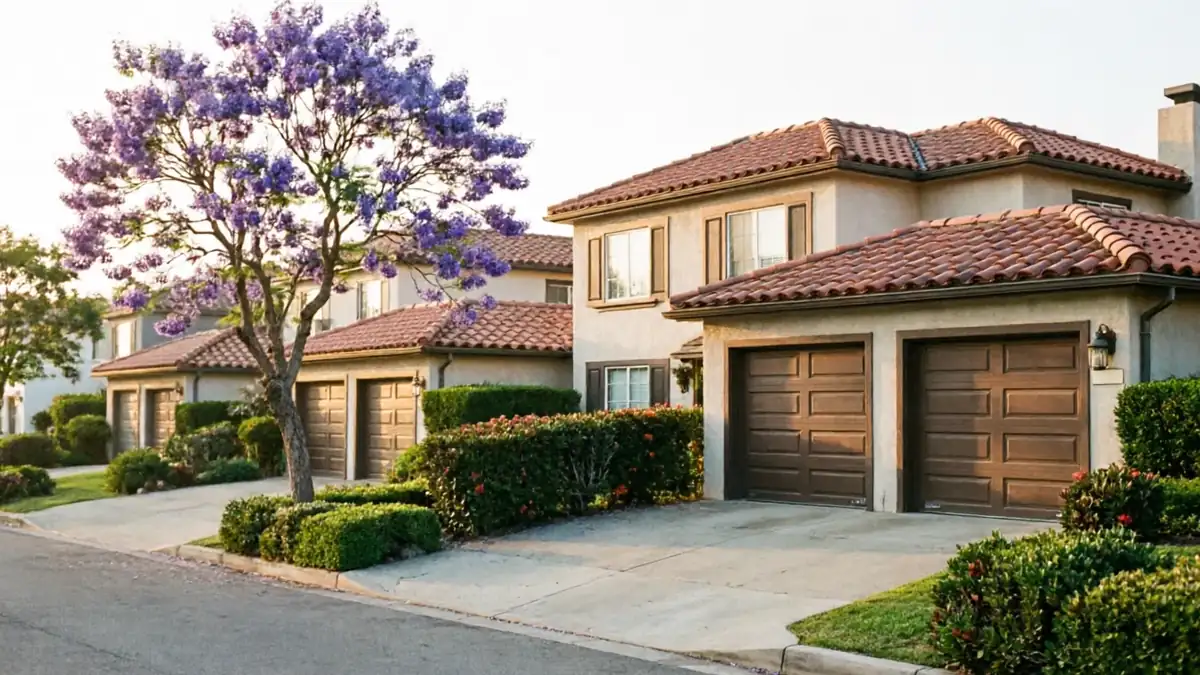
Meadow Vista isn't one uniform build era. The 1978 median sits inside the wider county range of 1938 to 1984, and across the 15 communities we cover that range shows up as a real split - some streets still have doors original to a 1960s build, others have been replaced with modern sectional steel or insulated composite panels at some point in the last couple decades. That mix means two neighbors can have completely different problems: one with a tired extension spring system, the other with a newer torsion setup that just needs a sensor realigned or a worn weatherstrip replaced. We don't assume either way until we look at the door. One honest limit here - if a door's track, hinges, and springs are all original from that era and the panel is dented or rusted through, replacement usually makes more financial sense than patching it piece by piece, and we'll tell you that instead of running up a repair bill on hardware that's past its useful life.
What Was Built Here
With roughly 1,295 households in Meadow Vista and a median income near $95,998 - a bit above the broader service area's $91,135 - a good number of these homes are owner-occupied properties where the garage door has been maintained rather than replaced wholesale. That tracks with the area's 1978 median build year: enough time has passed that original openers have failed and been swapped, springs have been replaced once, but the door panel and track itself is often still the one that went up when the house was framed. Across the wider 15-community area we cover, this is typical of the 1960s-70s stock that makes up most of what's here - sturdy galvanized steel, simple hardware, built in an era with a milder local climate that didn't demand the sealing and insulation standards newer doors carry. If you're not sure how old your door's hardware actually is, that's a five-minute thing to check on-site before we quote anything.