The Complications
Meadow Vista's median home dates to 1978, just a year past the broader service area's overall median of 1977. That's close enough that the hardware isn't a different generation, but it does put Meadow Vista near the newest end of the original torsion-spring era rather than ahead of it. What actually changes the job here is distance. At 15 miles out, Meadow Vista is one of the farther stops we cover from Grass Valley, well beyond places like Nevada City at 3 miles or Rough and Ready at 5. That doesn't change how a torsion spring or a nylon roller wears out, but it changes how a maintenance call gets planned. We don't keep a branch or a standing crew in Meadow Vista, and a routine tune-up out here gets scheduled as part of a route, not squeezed in as a same-day add-on. If your opener is already grinding or your door is dragging on one side, that's worth mentioning when you call, because it affects what we load before we leave Grass Valley.
What the Repair Takes
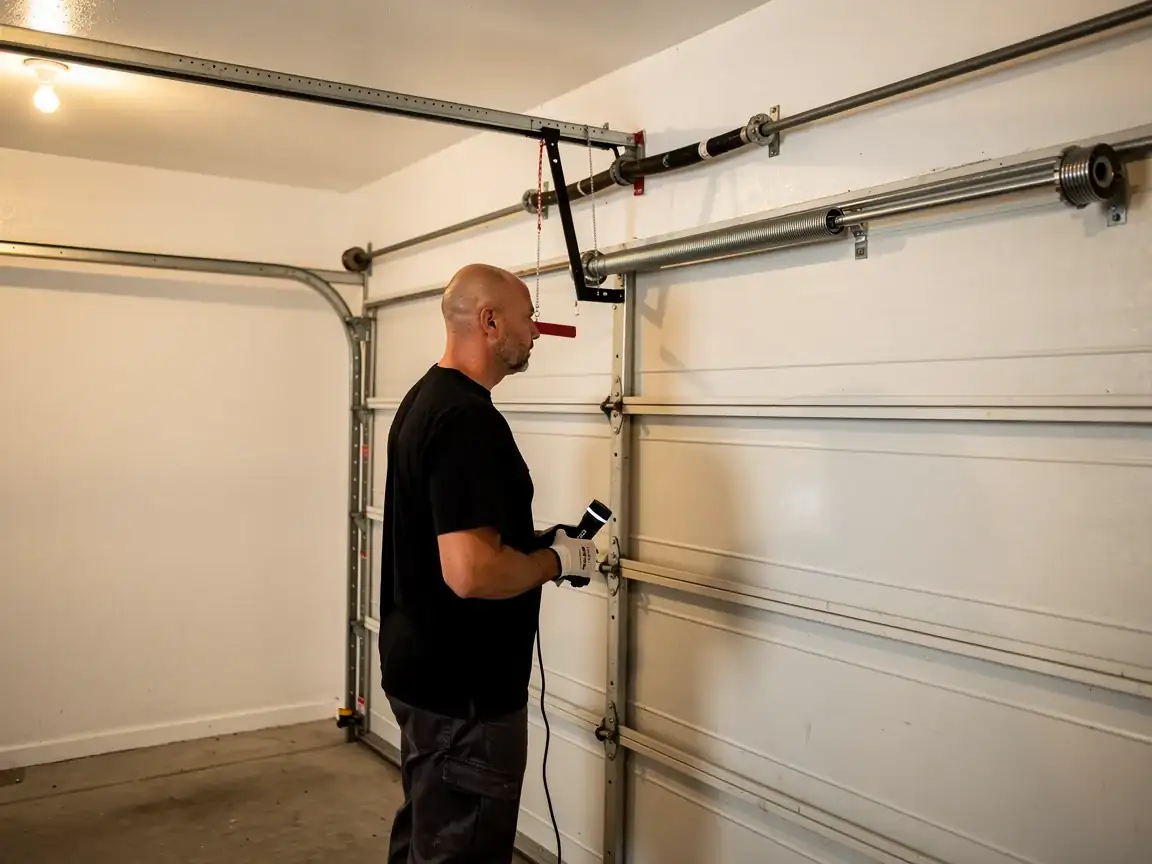
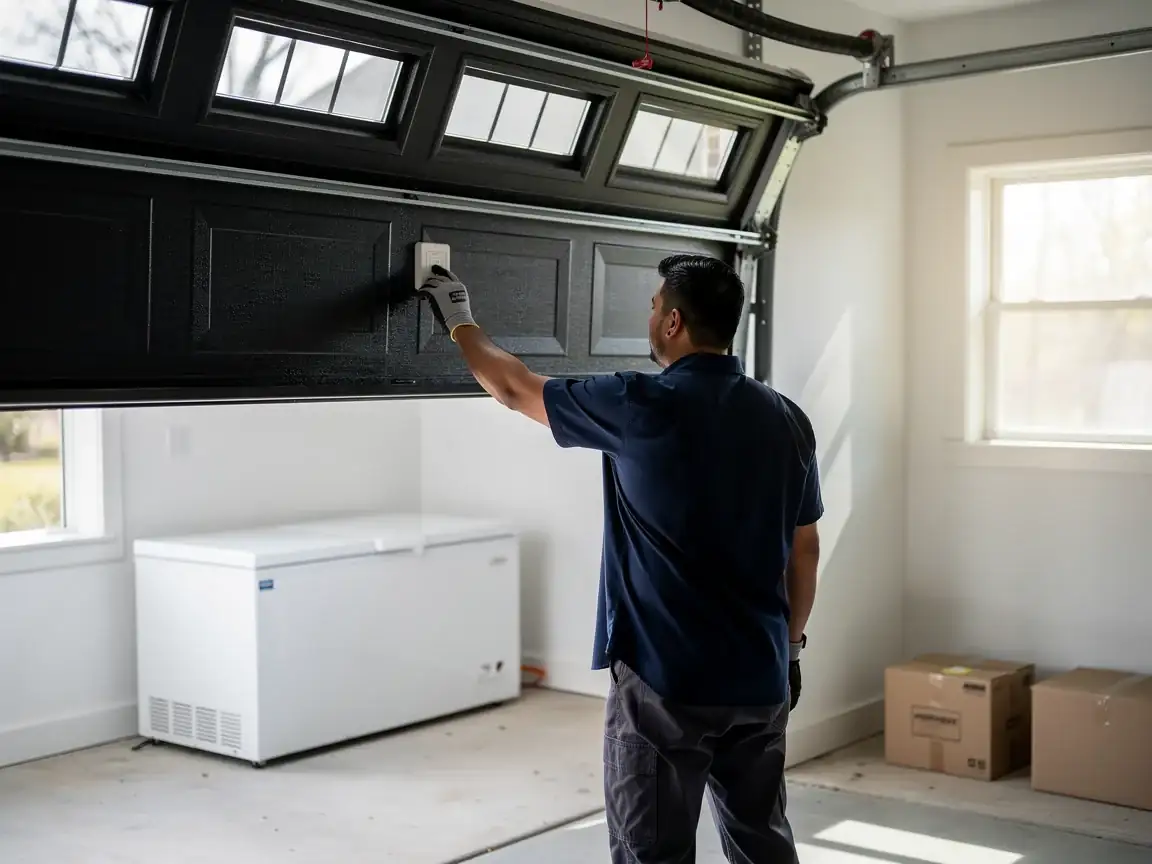
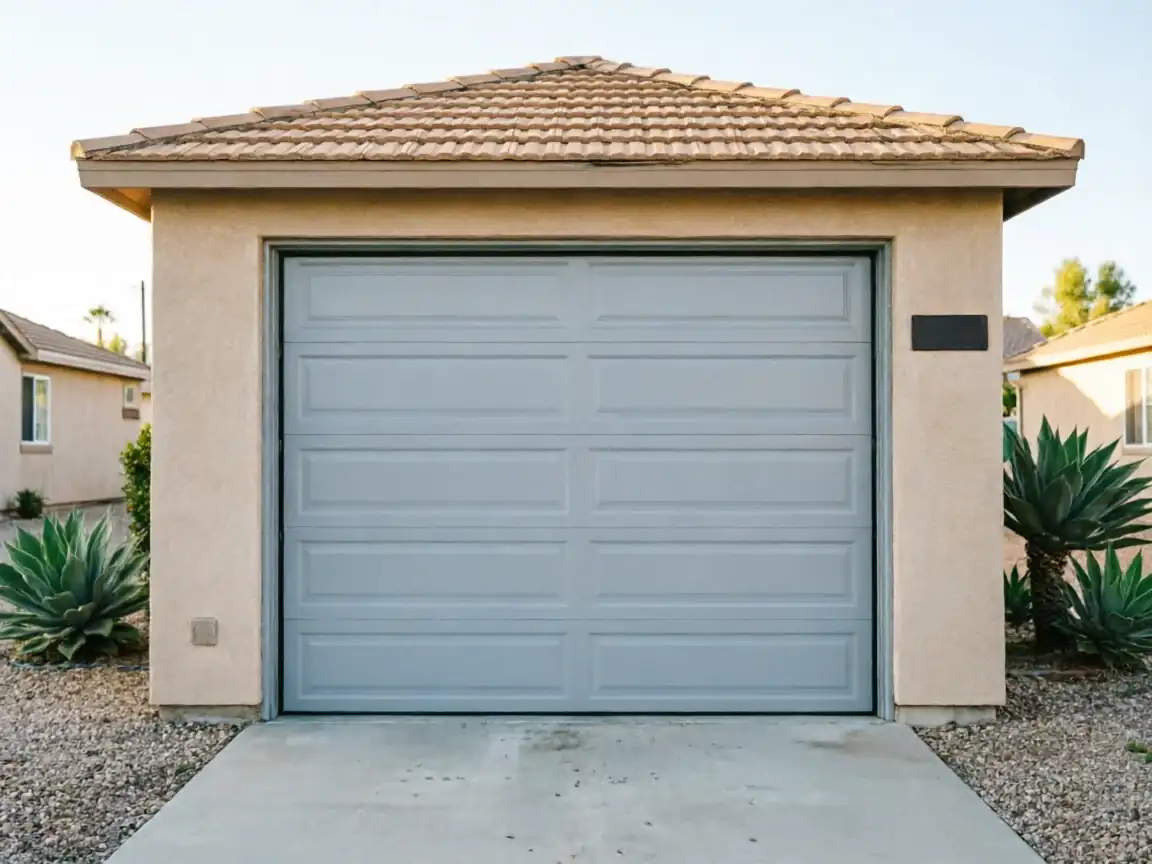
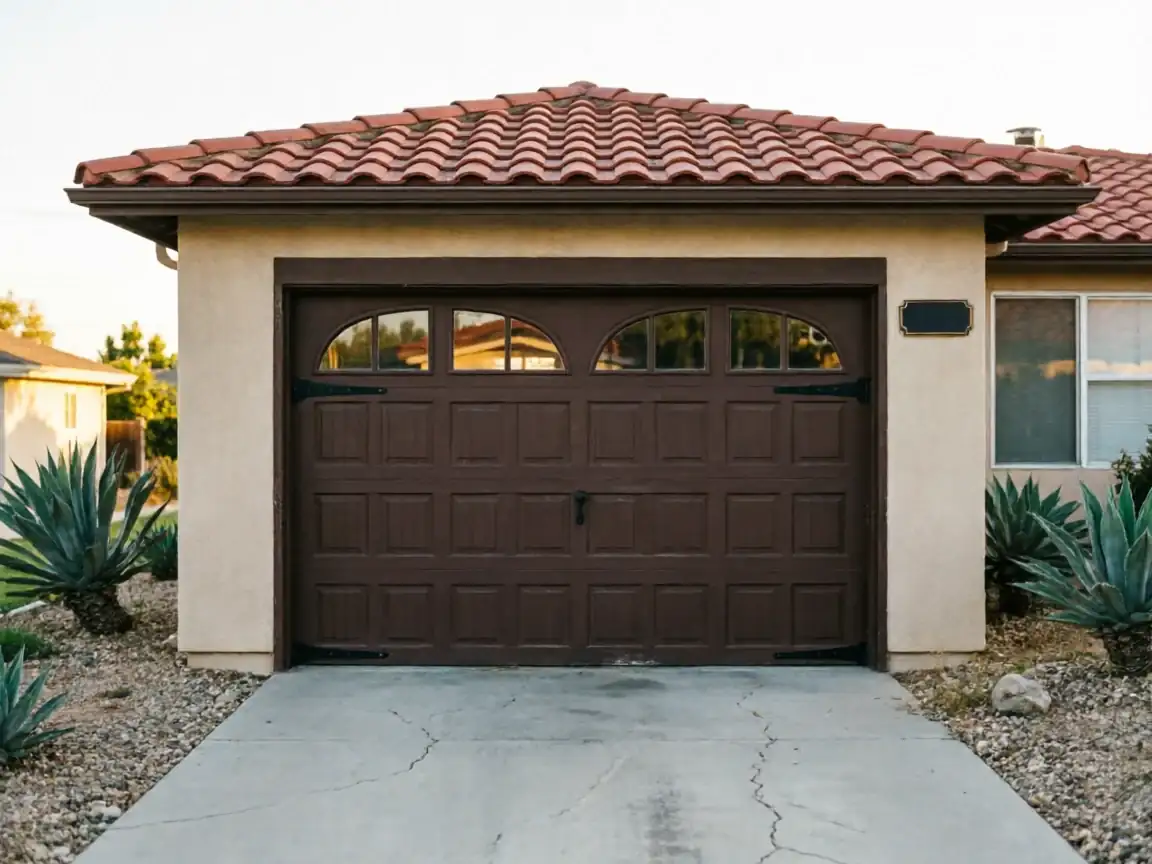
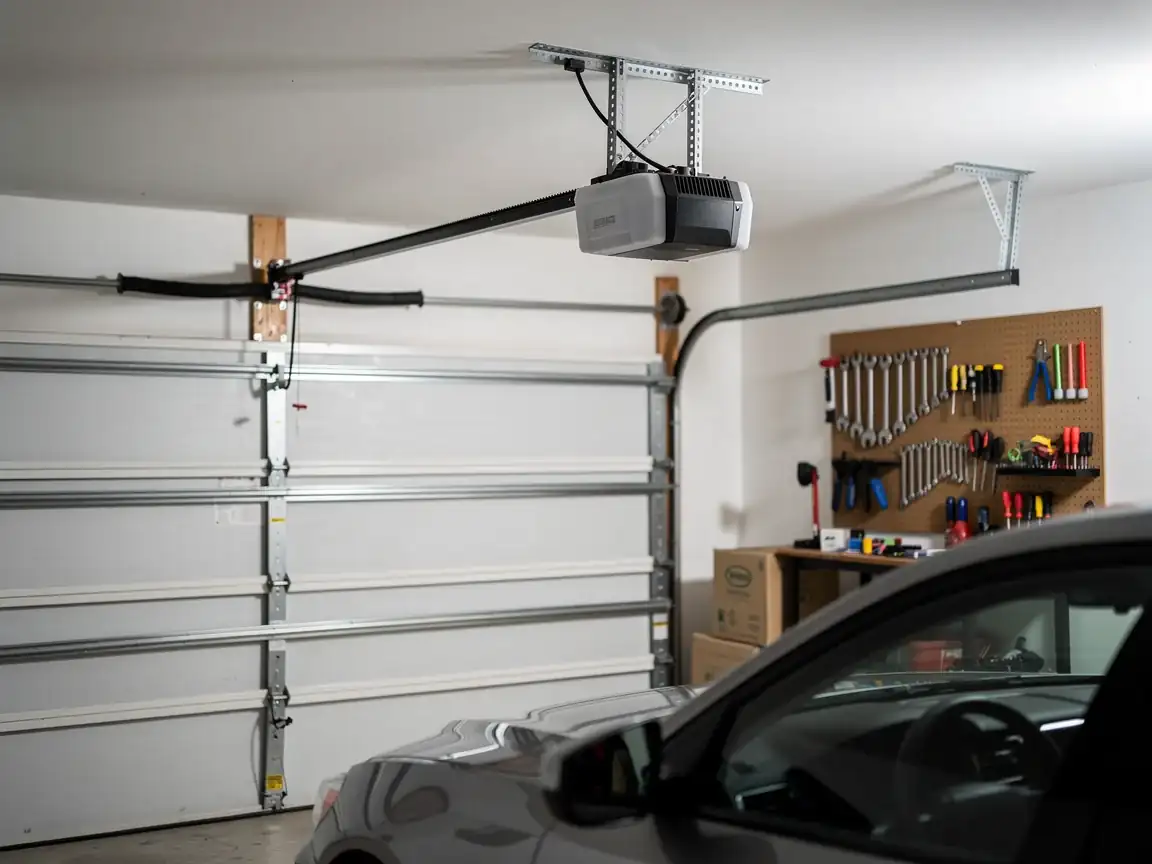
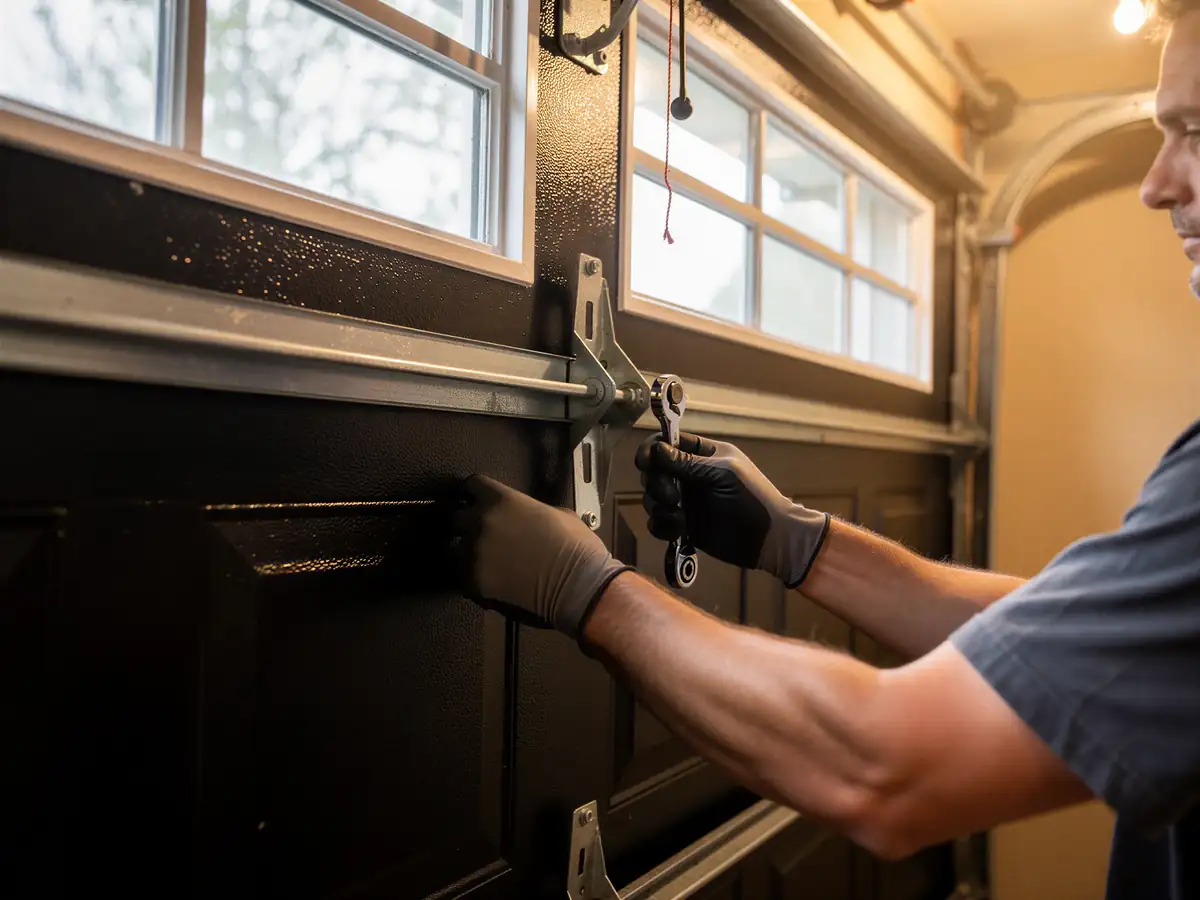
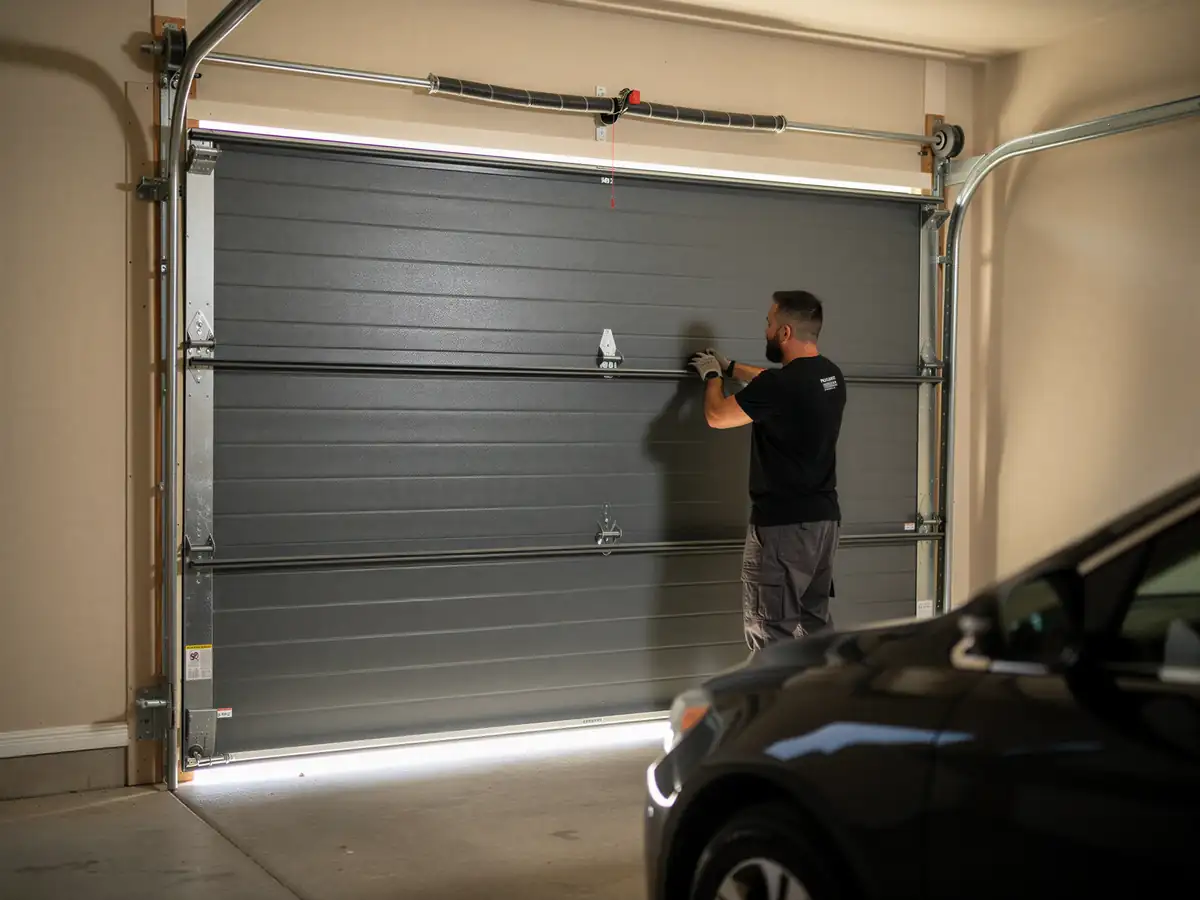
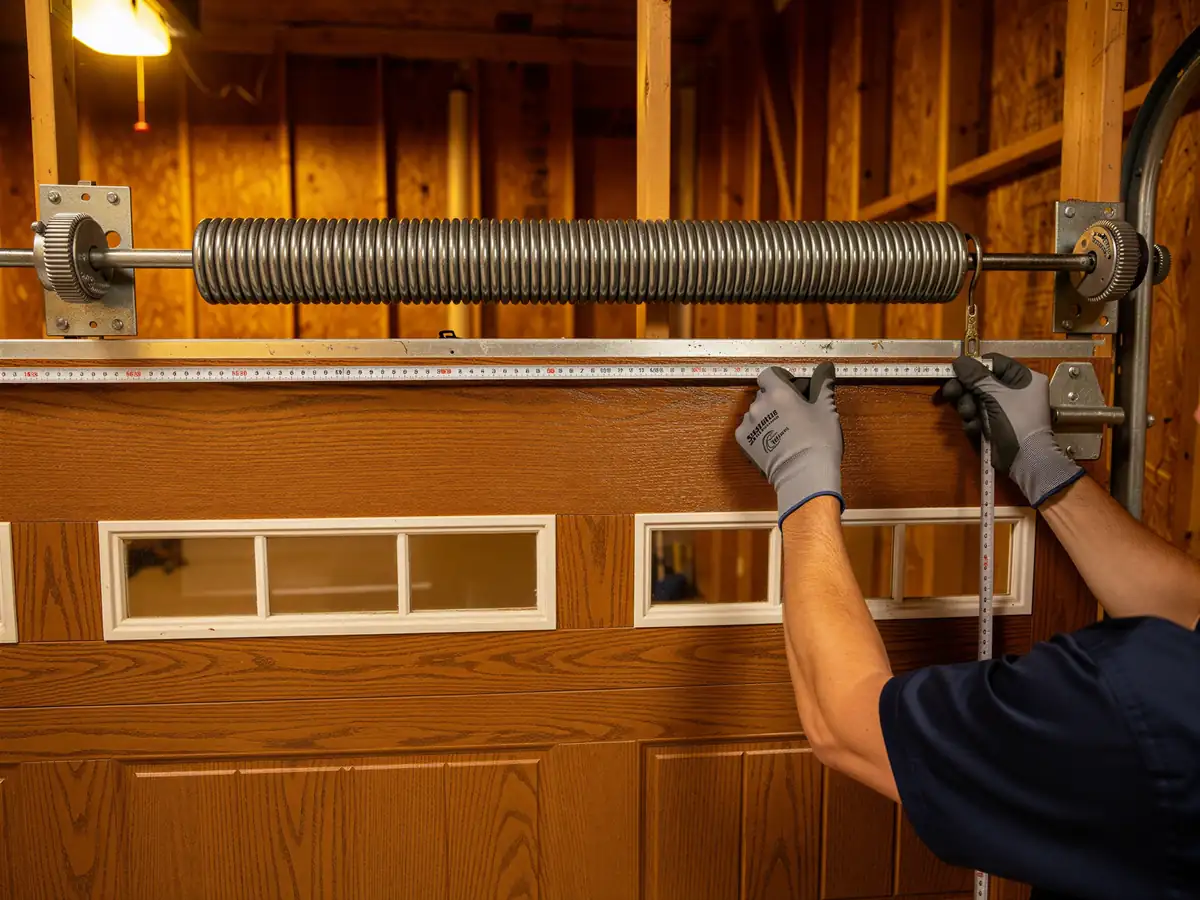
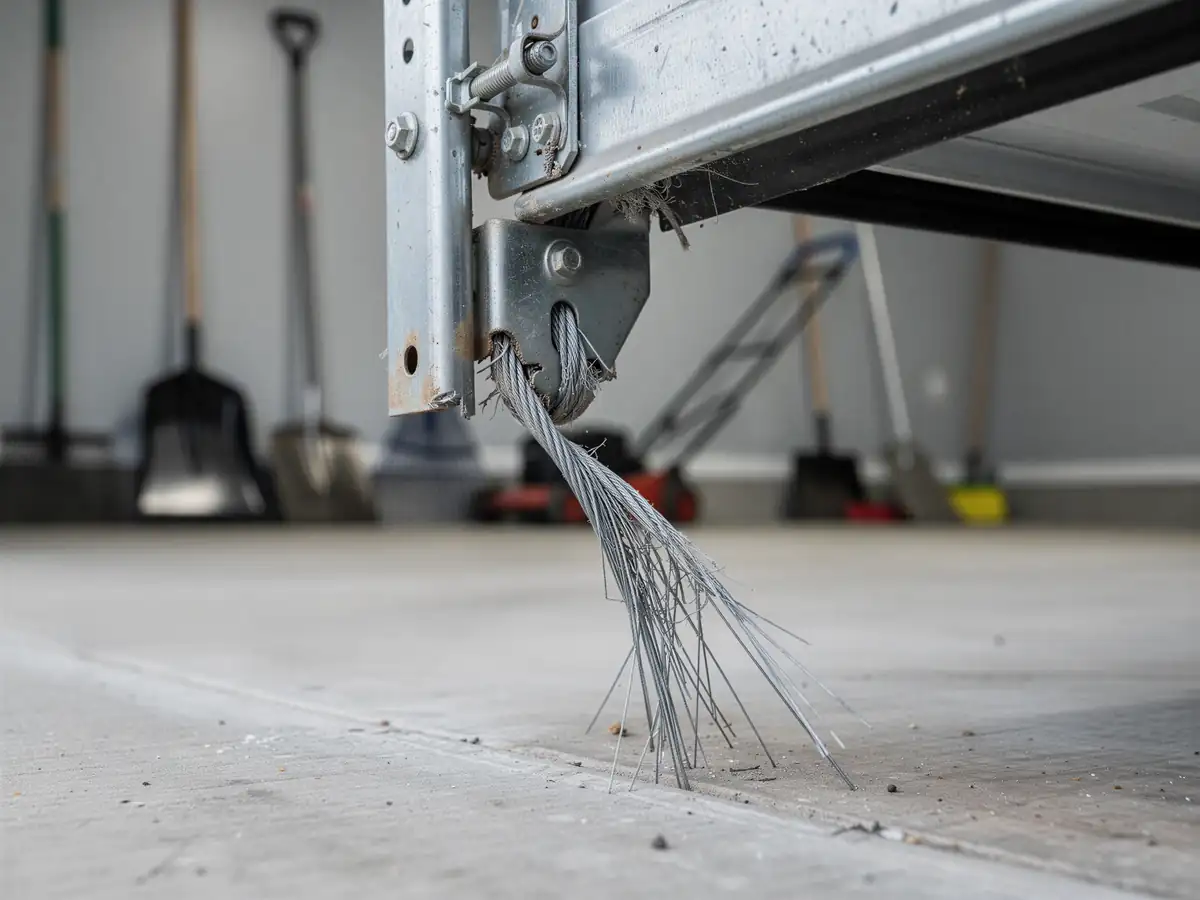
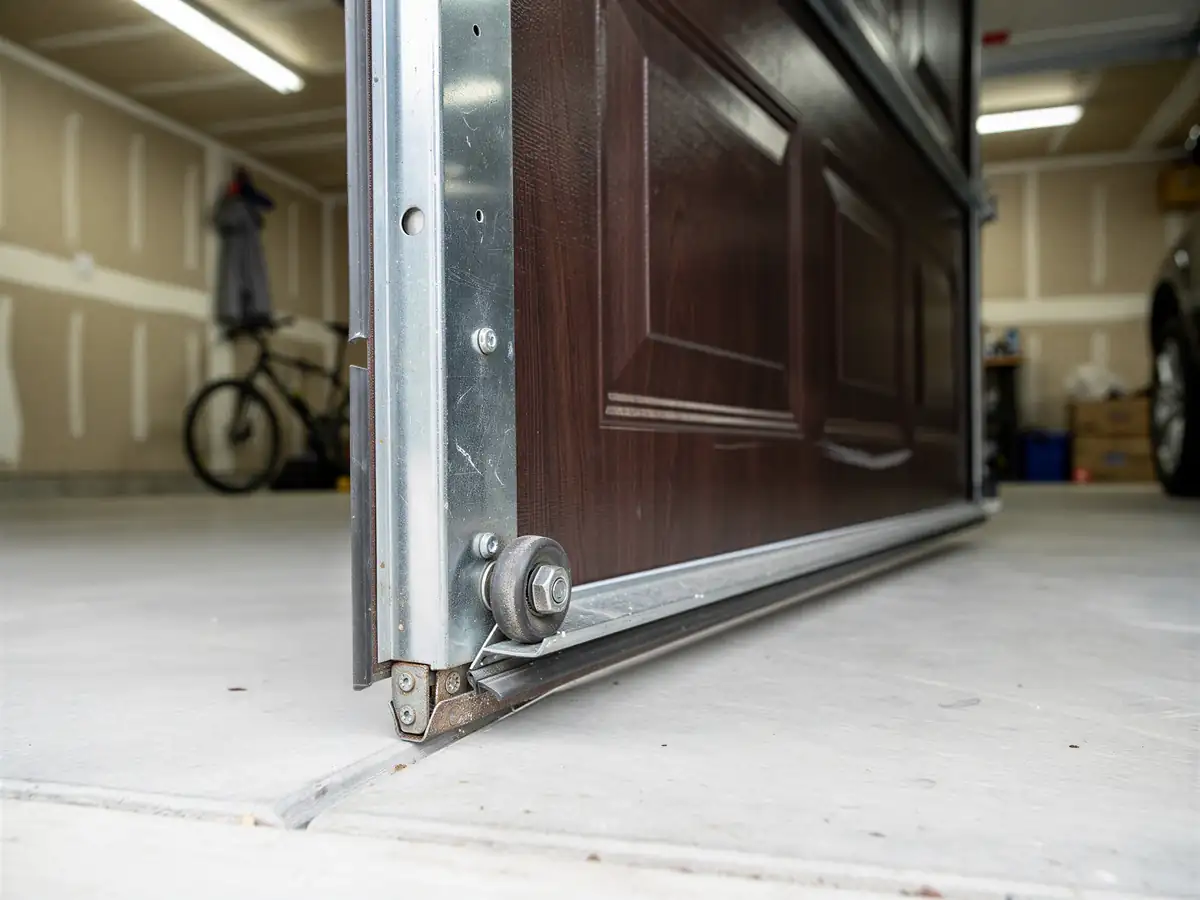
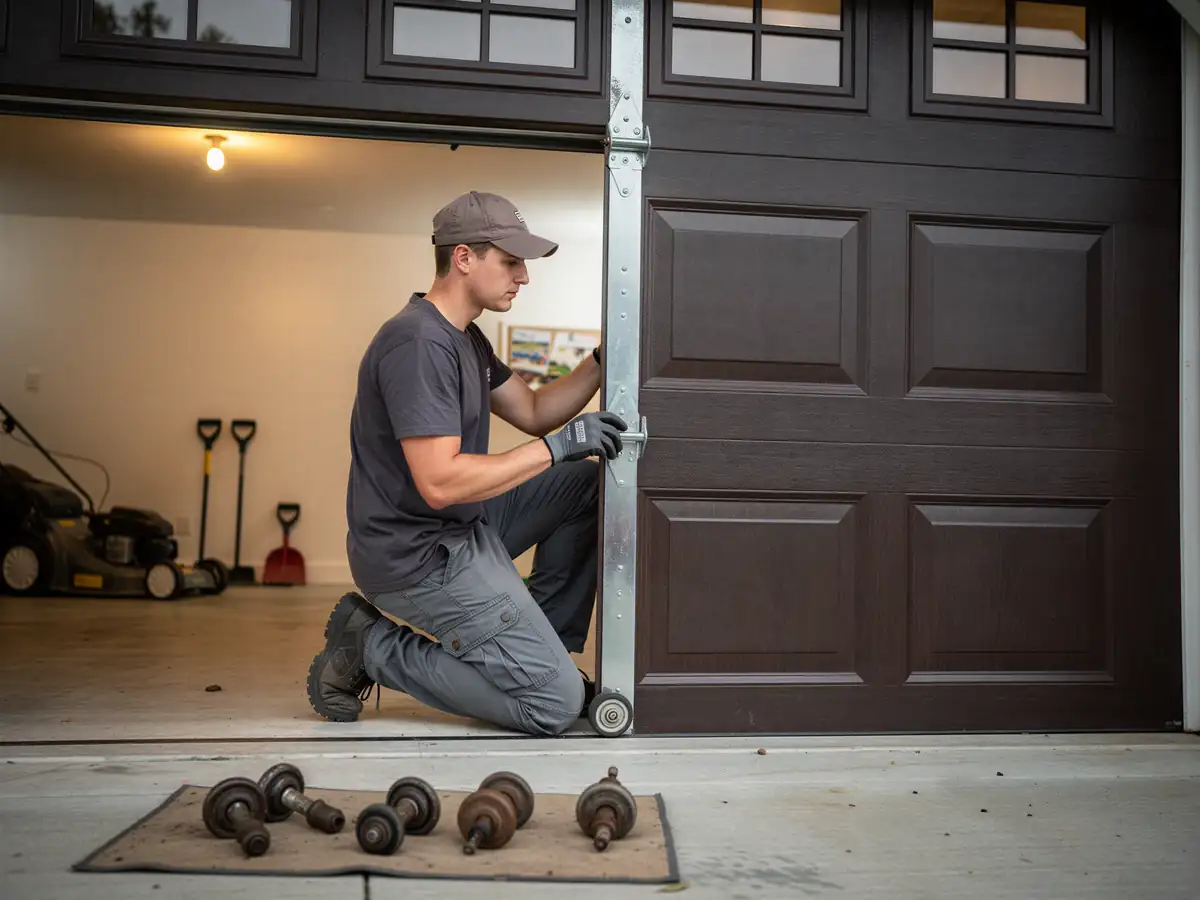
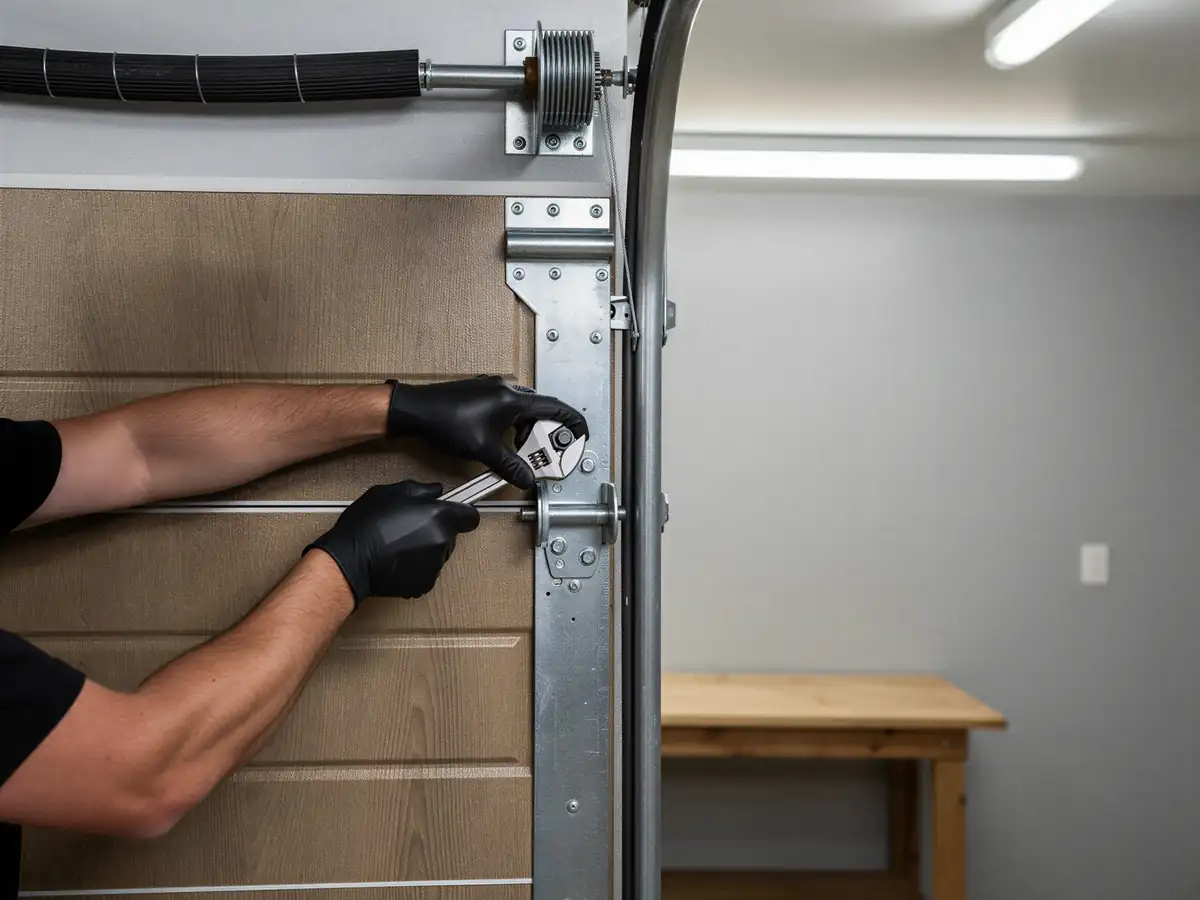
A standard maintenance visit on a late-1970s door covers the same ground regardless of address: torsion spring tension and winding cone condition, track alignment front to back, roller and bearing wear, cable fraying at the drum, and opener force settings that drift over the years. On a door built around 1978, the original hardware has usually been through at least one motor swap and a few spring replacements already, so part of the visit is just documenting what's original and what's been patched. Houses sitting on the tail end of the area's 1938-to-1984 build range tend to have sectional steel doors on galvanized track rather than the older wood panel doors, which simplifies the parts picture. We check hinges for stress cracks, lubricate moving hardware, and torque down mounting bolts that loosen with seasonal temperature swings. None of this is exotic work. The honest limit is that a 40-plus-year-old door with worn-out track and a spring at the end of its cycle count often costs more to keep patching than to replace outright, and we'll tell you that straight rather than keep billing small fixes.
Doing It Yourself
There's real maintenance a homeowner can do between visits. Wipe down the tracks and check for debris, lubricate hinges and rollers with a garage-door-specific spray rather than WD-40, which gums up over time, and watch the door's balance by disconnecting the opener and lifting it halfway by hand to see if it holds. If it drops or shoots up, the spring tension is off. What you shouldn't do yourself is touch the torsion spring itself. It's wound under enough tension to cause a serious injury, and on a door with 1970s-era hardware, the winding cones and shaft are often original and more brittle than they look. Same goes for cable replacement on a wound spring system. We'd rather get a call for that than a call after. If you're unsure whether a noise is a loose hinge or a spring on its way out, that's a reasonable thing to describe over the phone before deciding whether it's worth the trip out.
What Is on the Truck
Because Meadow Vista is a longer drive than most of our calls, the truck carries standard torsion springs sized for sectional steel doors, nylon and steel rollers, lift cables, hinges, and track hardware before heading out, rather than assuming a quick second trip back to Grass Valley is practical. Common opener parts and lubricant for the area's mild-with-freeze conditions are stocked as well. What isn't always on hand is hardware for a door old enough to use a discontinued spring winding size or an obsolete opener model, which does turn up occasionally on homes built closer to the 1938 end of the area's range. When that happens, the part gets ordered and a second visit gets scheduled rather than improvised with a mismatched substitute. We'd rather be upfront that a specialty part takes a few days than leave something installed that we're not confident in.