The Complications
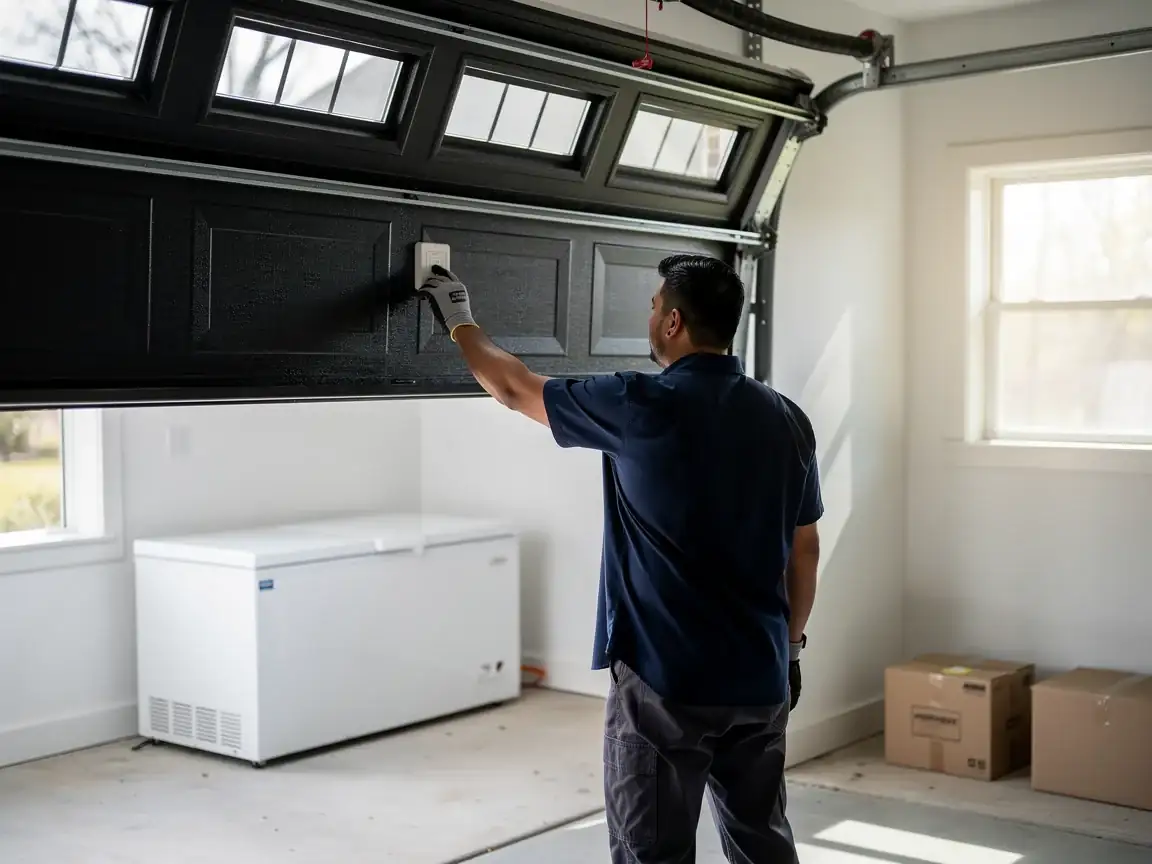
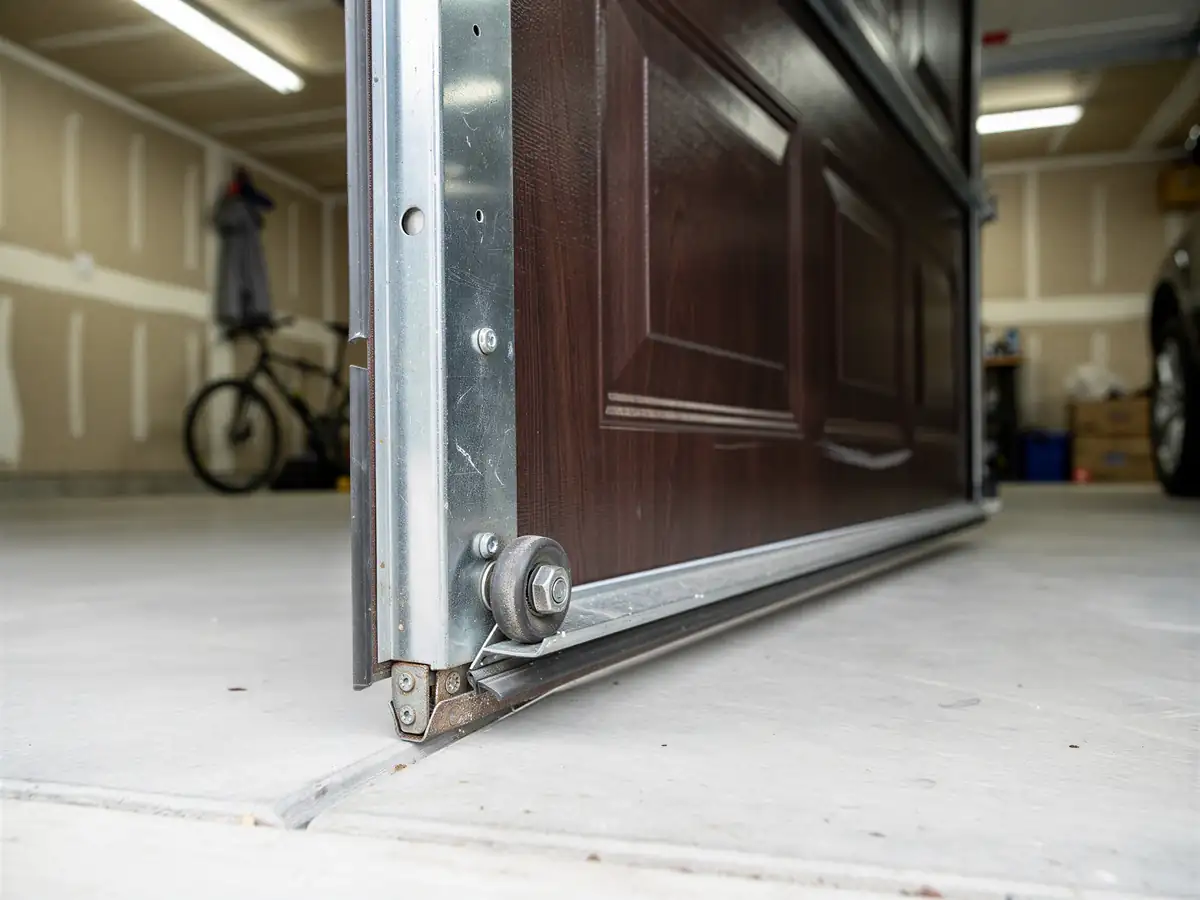
When a door jumps its track, the rollers have come loose from the channel that guides them, and the door either hangs crooked or refuses to move at all. Sometimes it's one roller near the bottom; sometimes the whole panel has twisted and bent the track with it. Either way, the door isn't safe to force up or down by hand.
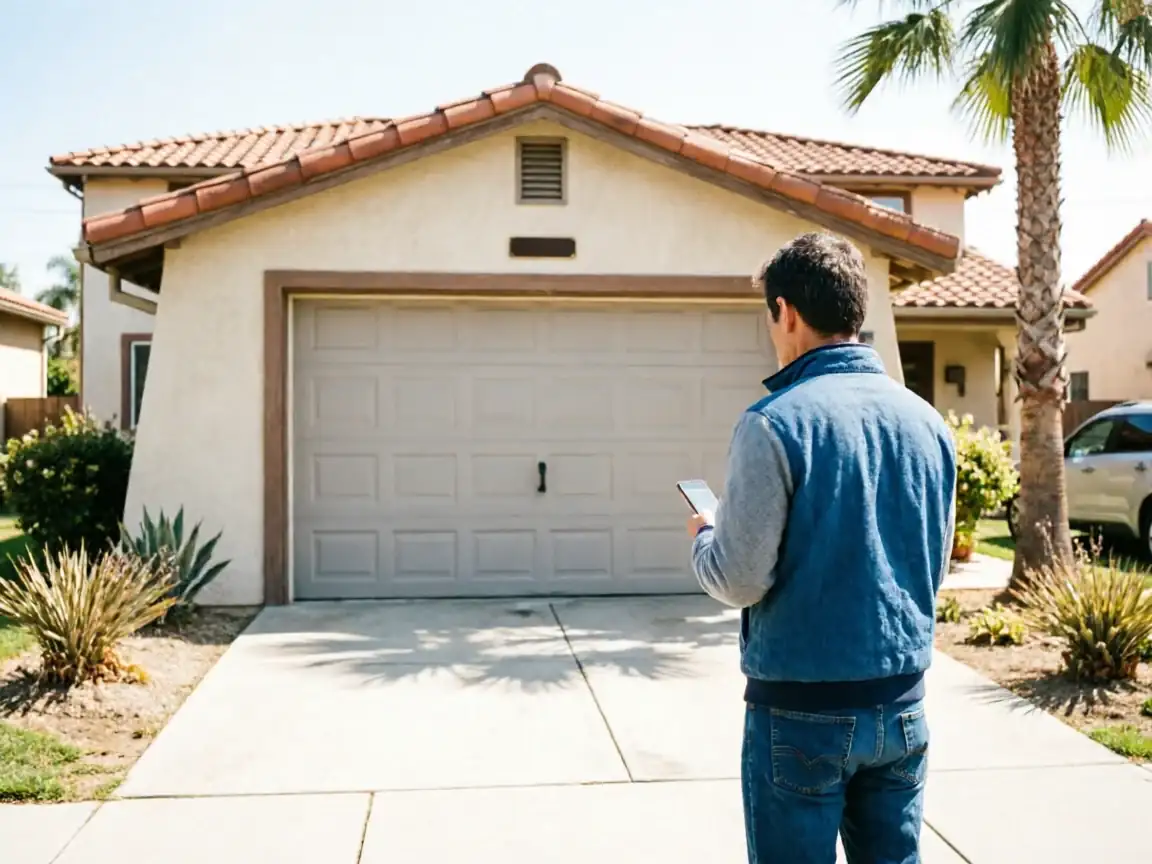
Meadow Vista's housing stock is mostly from the late 1970s and early 1980s - the area's median build year lands around 1978, close to the broader service area's 1938-to-1984 range. Doors from that era were hung on steel track with brackets lag-bolted straight into the framing, no shims, no adjustment hardware. Forty-plus years on, those brackets have usually worked loose a fraction at a time, and a loose bracket is most of what turns a minor bump into a door off its track.
What the Repair Takes
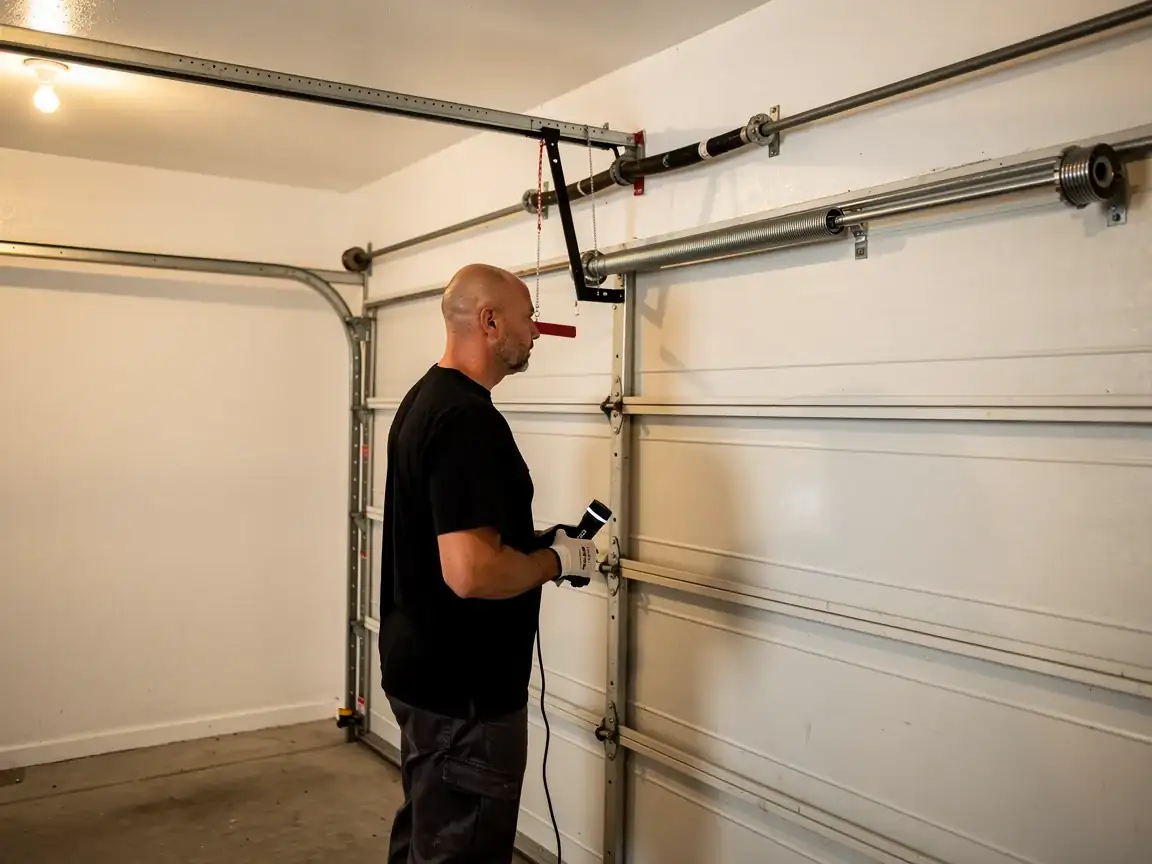
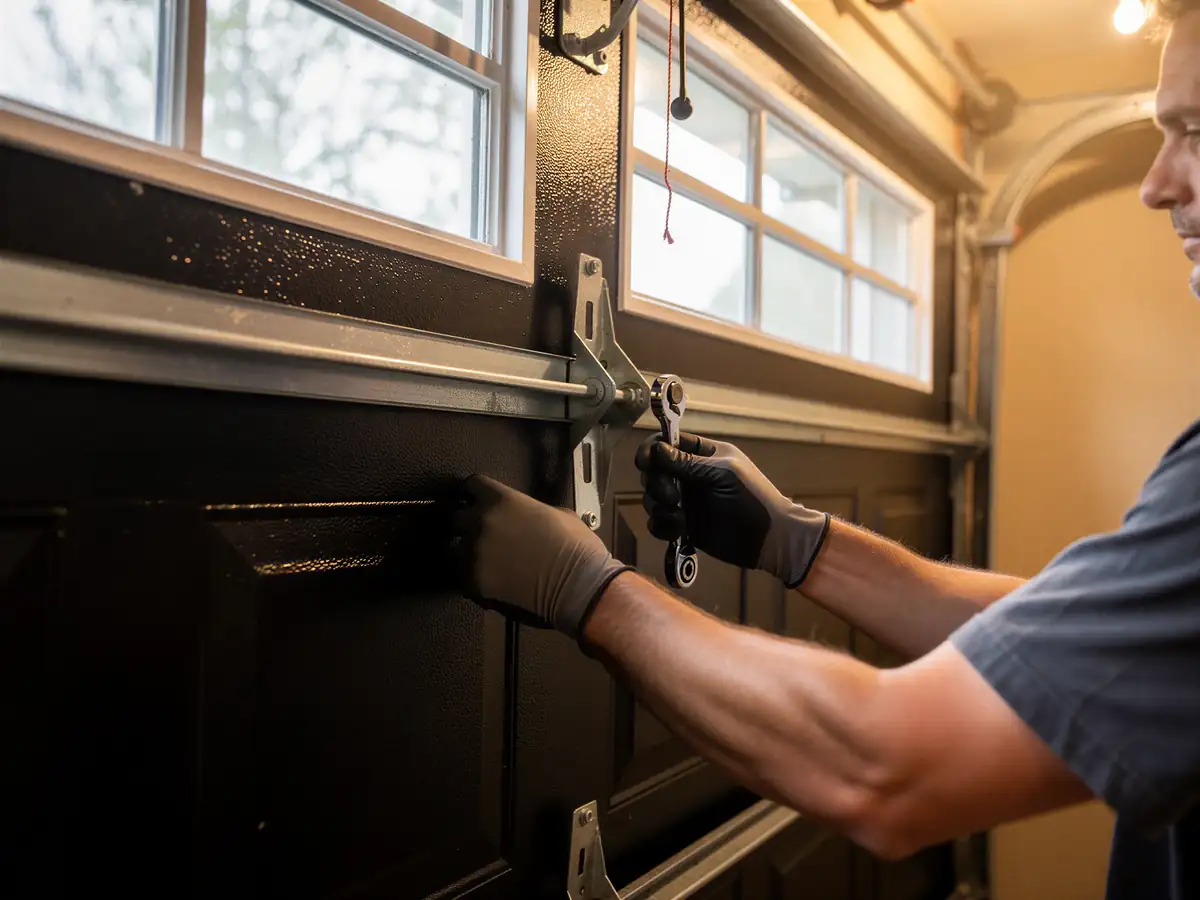
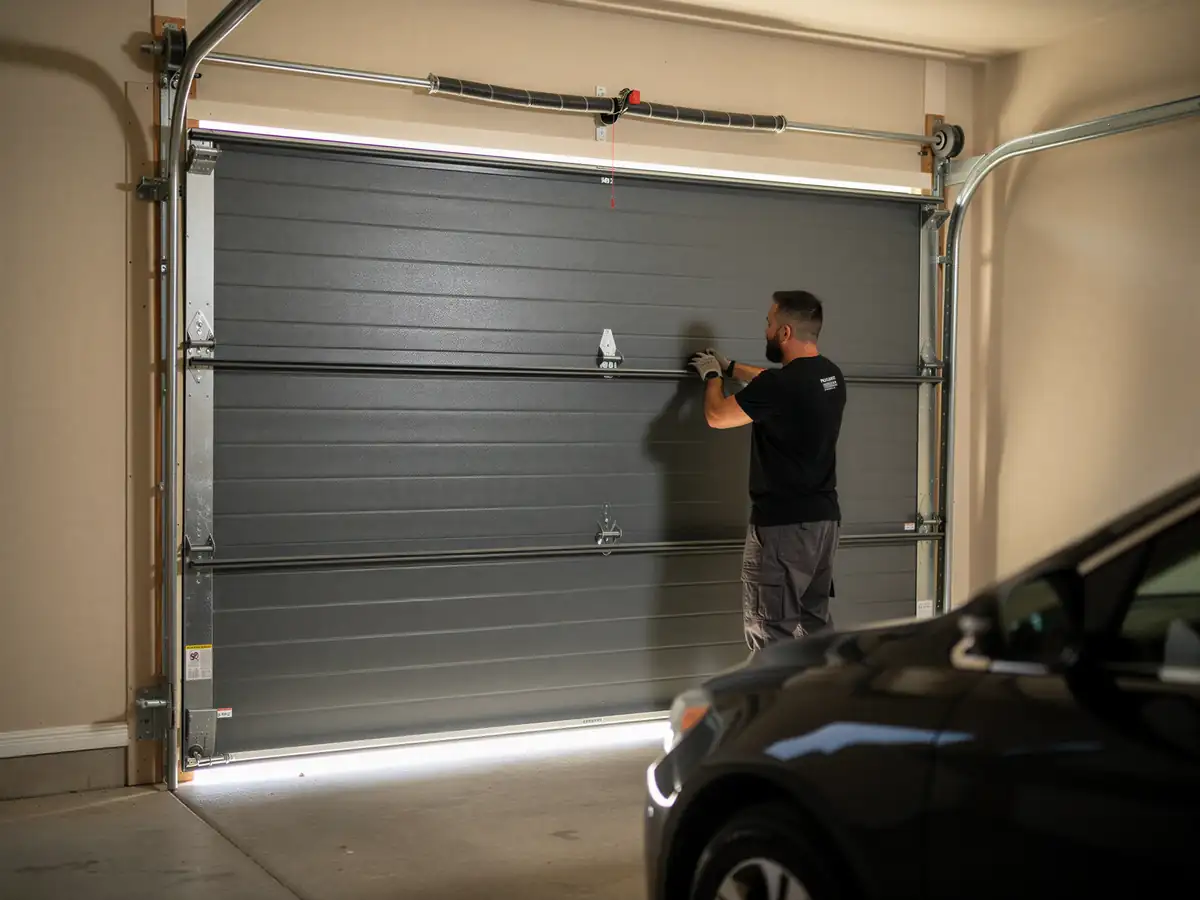
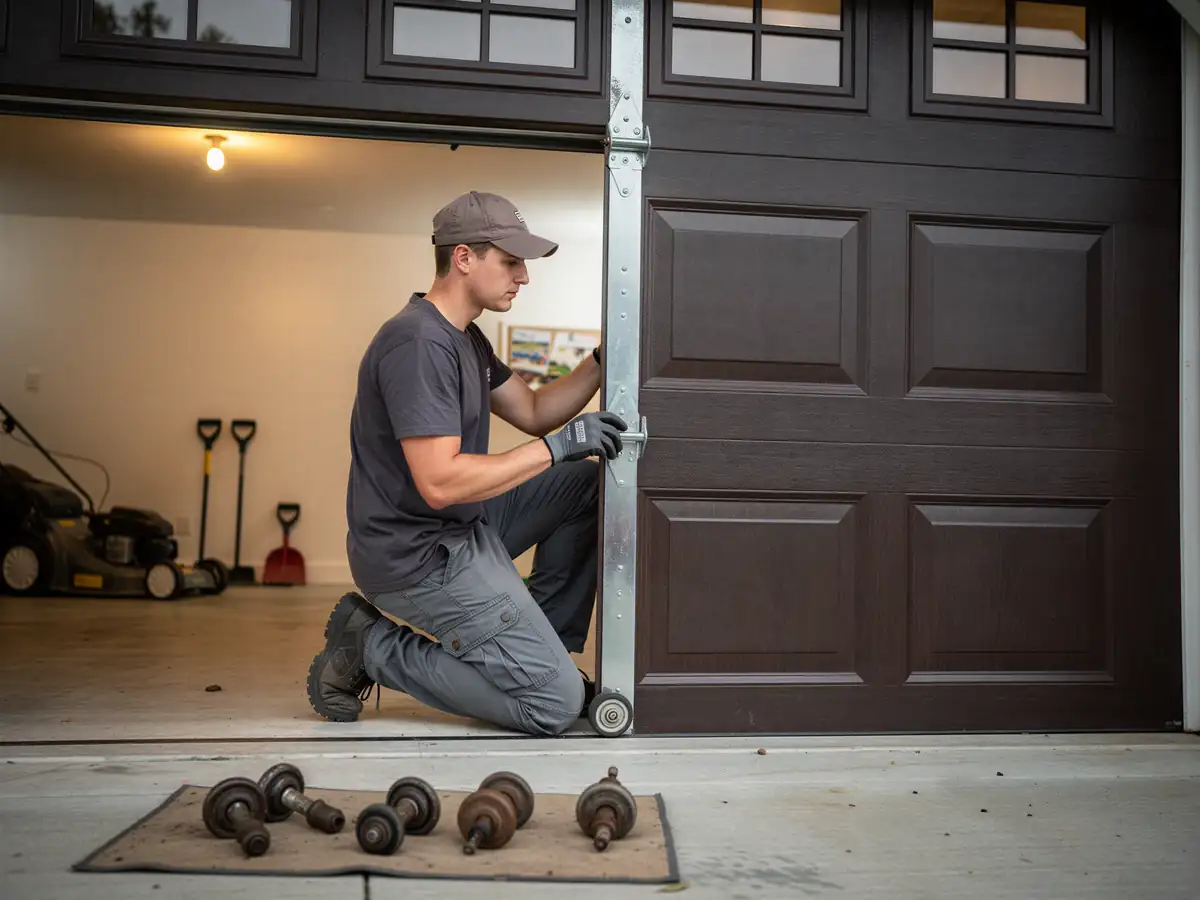
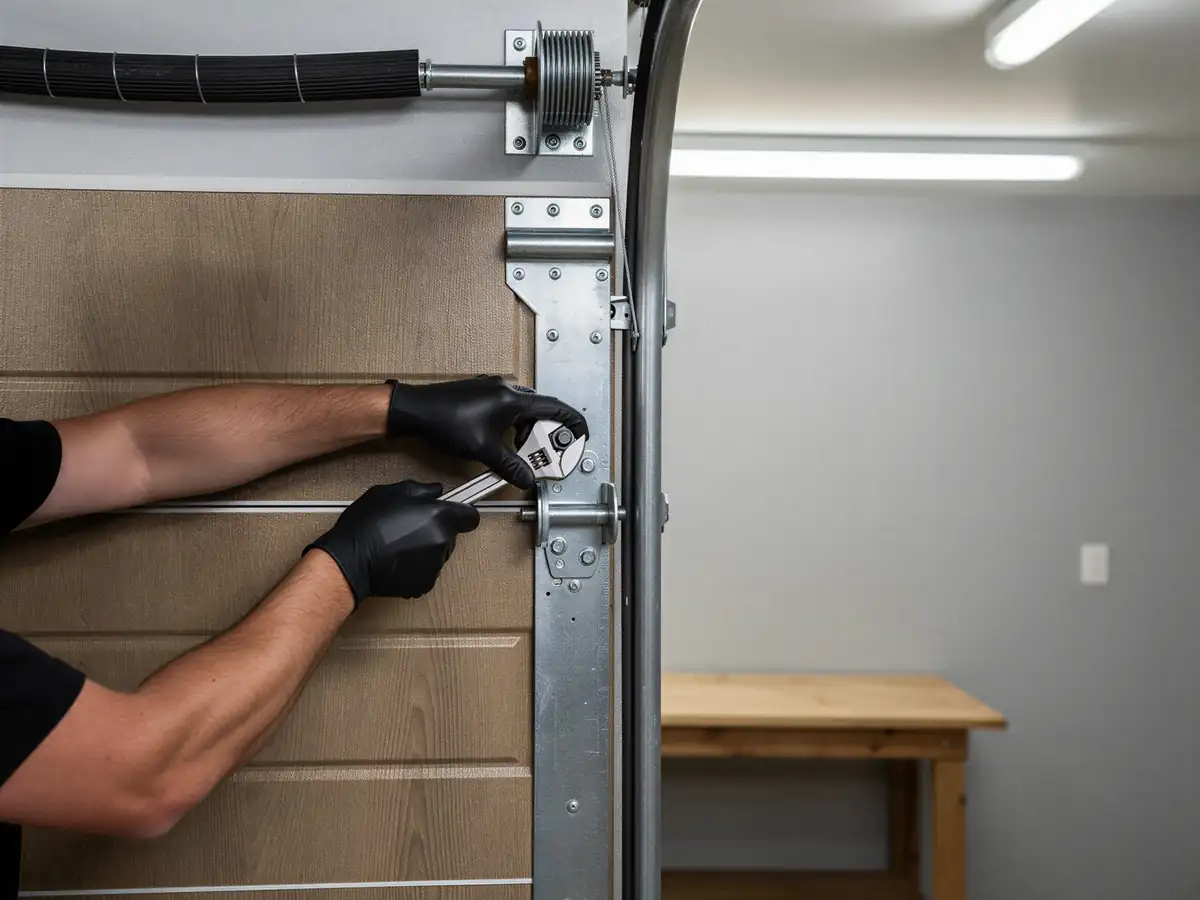
The first job on site is figuring out whether the track is just knocked out of alignment or actually bent. A track that's only shifted can be loosened at the brackets, squared back against the jamb, and re-shimmed. A bent track has to come off - trying to hammer it straight just creates a new weak point a few inches down from the old one.
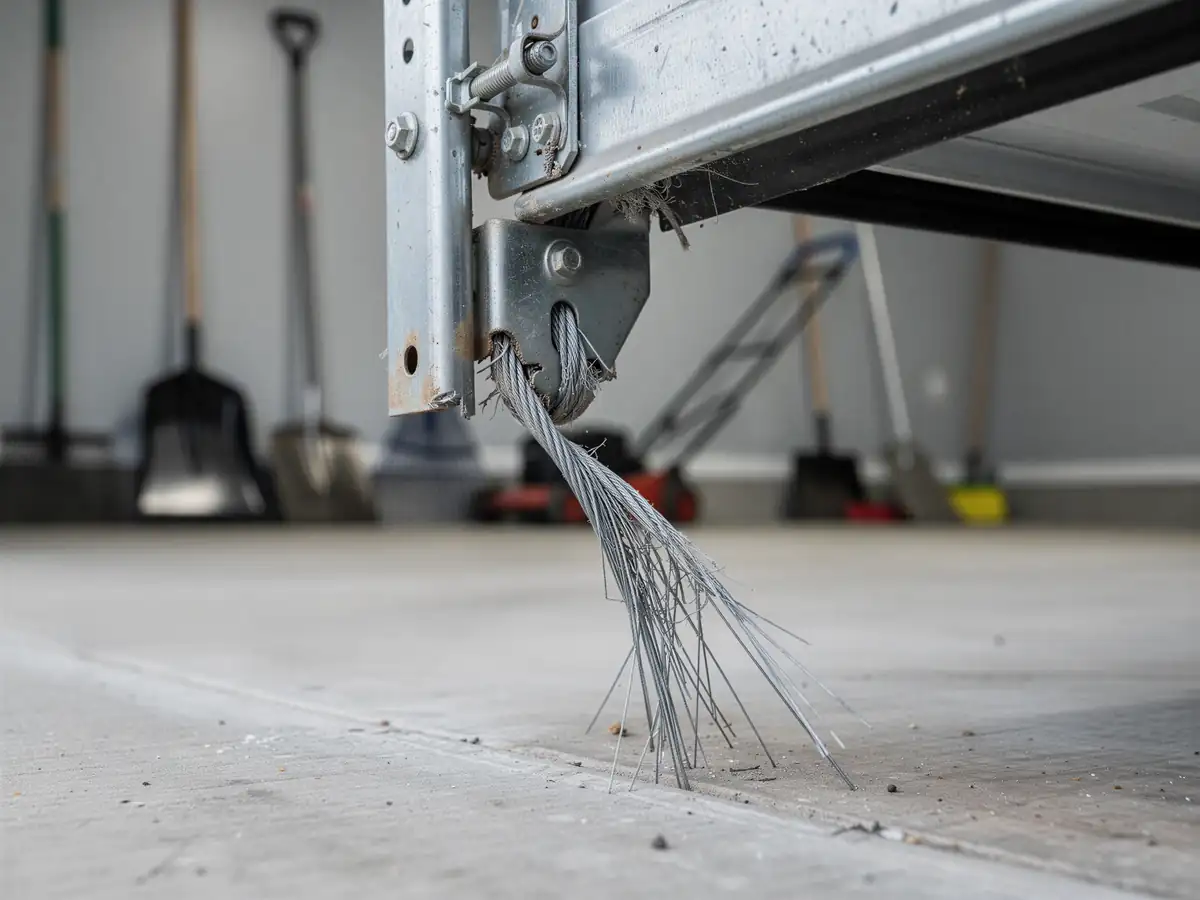
After the track's sorted, every roller gets checked. On a door this age the rollers are usually the original steel wheels, and if one has seized or cracked it's what pulled the door sideways in the first place. We replace what's worn rather than put a straightened track back under a roller that's going to fail again in a month. If the cable or a spring let go at the same time the door derailed, that gets fixed before the door goes back on track - running a door on a bad cable just sets up the next jump.
What Causes It Around Here
The service area sits in a mild climate with occasional freeze
And that matters more for a 1978 door than people expect. Steel track contracts a little on the cold mornings and expands back on the warm afternoons, and over decades that cycle works bracket screws loose in old framing lumber. It's slow, and it's why a door can run fine for years and then suddenly start walking off the rail.
The other common cause is simpler: something hit the door
A car bumper, a bike, a gust catching a door mid-cycle. On newer track systems the rollers are built to pop back into a flared opening at the bottom. The steel track common on houses built through the late '70s doesn't have that forgiveness - a solid knock bends it instead of absorbing the hit.
Doing It Yourself
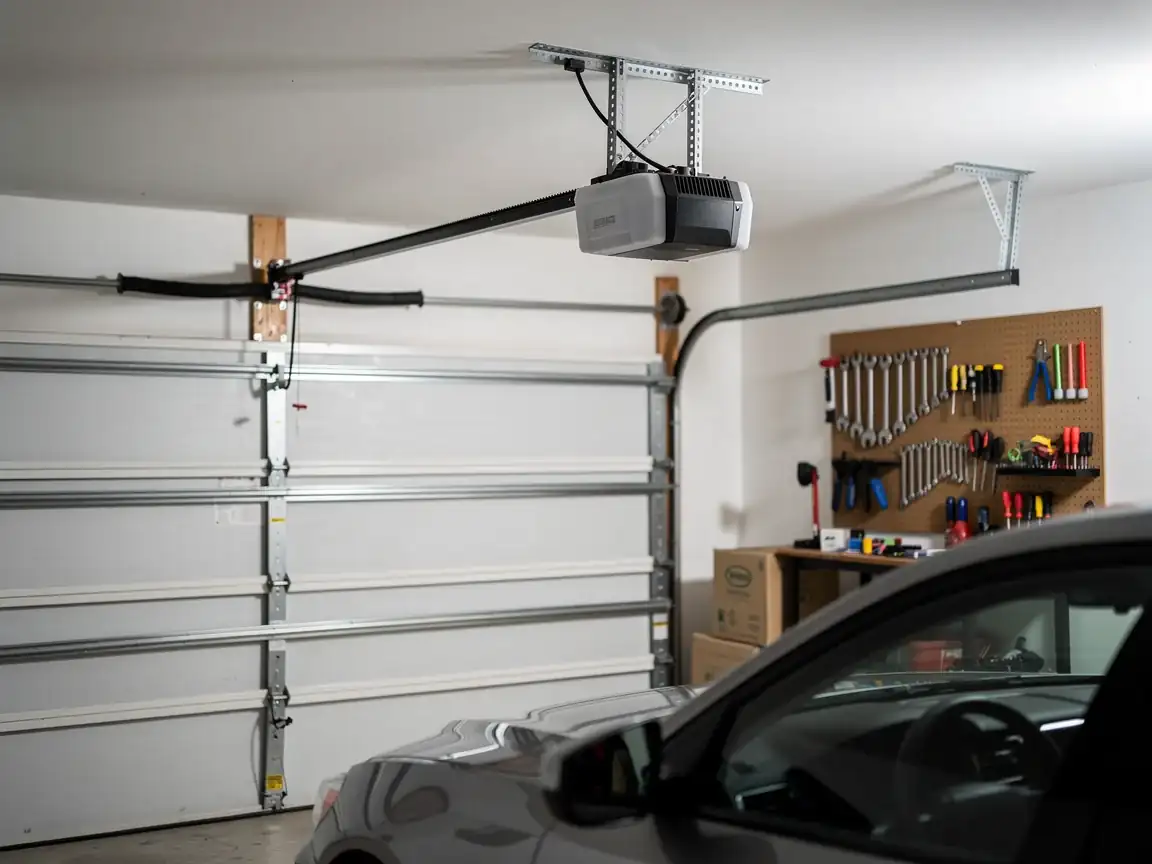
If a door jumps its track, the safe DIY move is to stop using the opener, release the emergency cord if the door is down, and leave it. Don't try to lever the door back onto the track by hand - torsion spring tension is still in the system, and a door that lets go while someone is wedged against it can seriously hurt them.
A quick visual check is fine: look for an obvious bend in the track or a roller that's clearly fallen out of the channel. That tells you whether you're looking at a fifteen-minute realignment or something that needs a new section of track. Either way, this isn't a job for a ladder and a rubber mallet on a torsion-spring door. We'd rather talk you through what to check over the phone than have you find out the hard way what a loaded spring does when it's disturbed.
What Is on the Truck
We carry replacement track sections, roller sets, and bracket hardware sized for the steel track common on doors from the 1960s-70s building wave, which covers most of what we run into in Meadow Vista. Cables and standard torsion springs ride along too, since a cable failure is often what started the derailment.
What we don't always have on the truck is a match for an unusual panel or a discontinued track profile - some of the older custom doors need a part ordered in, and we'll tell you that up front rather than make a return trip look like poor planning. Grass Valley Garage Door Pros covers Meadow Vista from Grass Valley, about 15 miles out, and that trip is built into how we schedule the call, not added on after.