The Complications
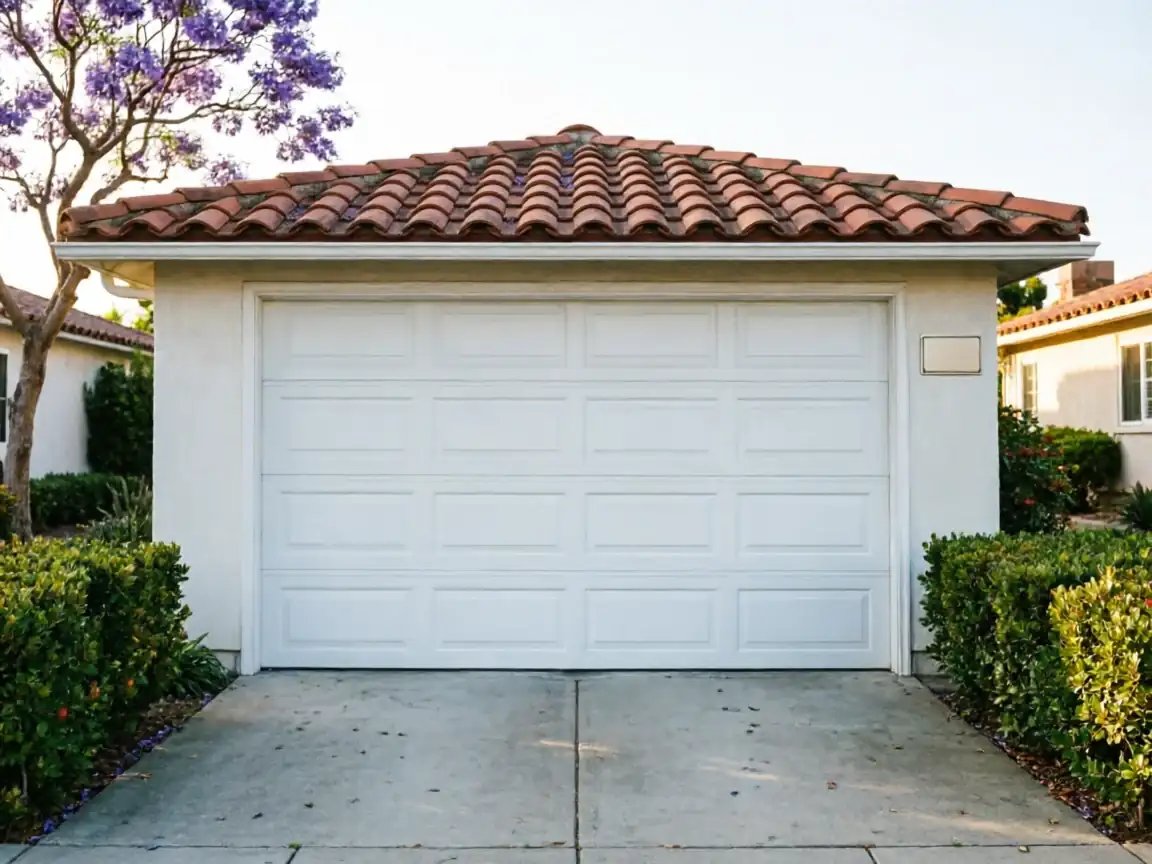
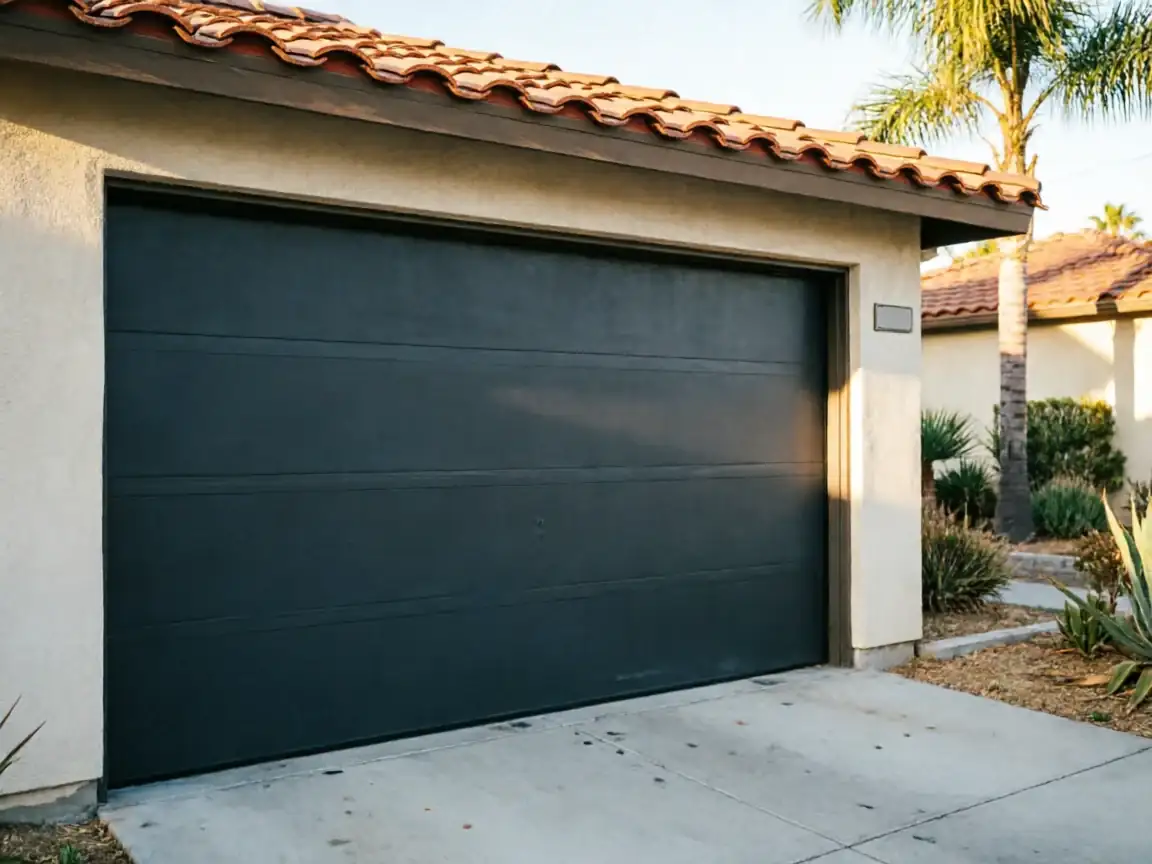
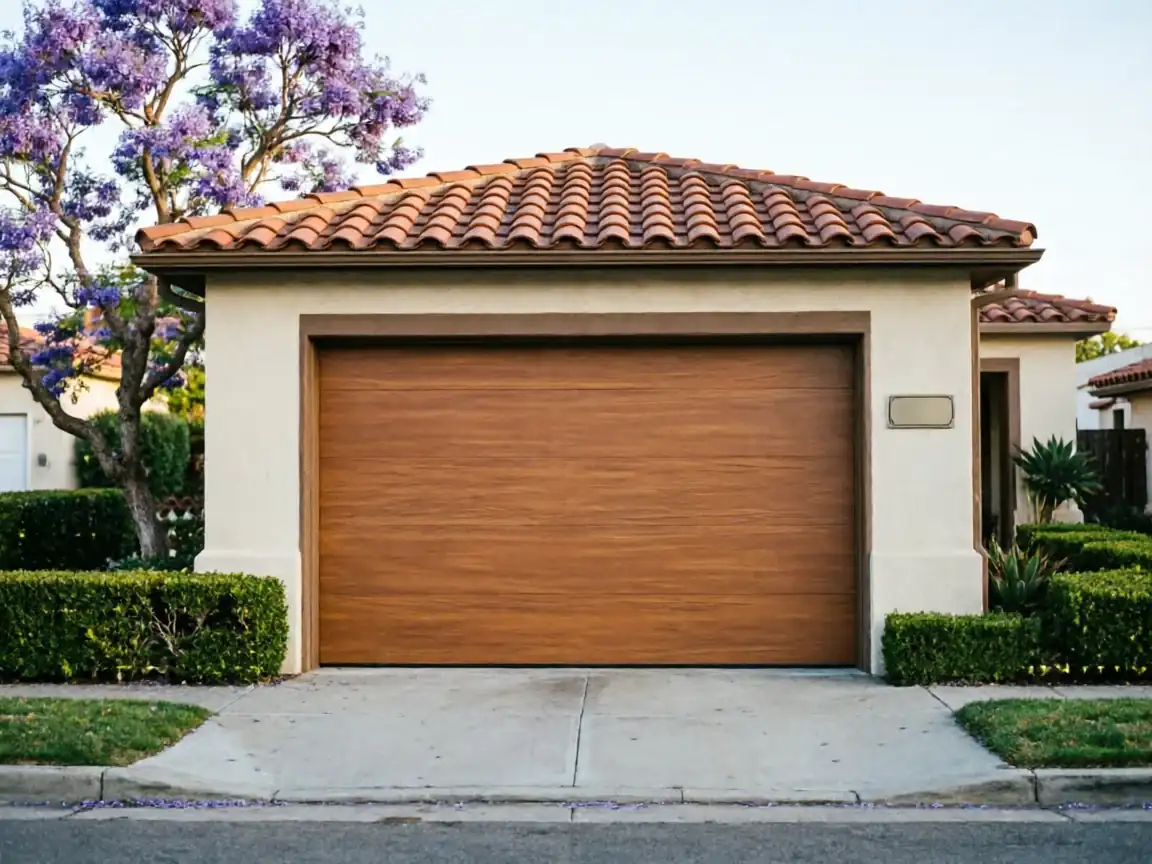
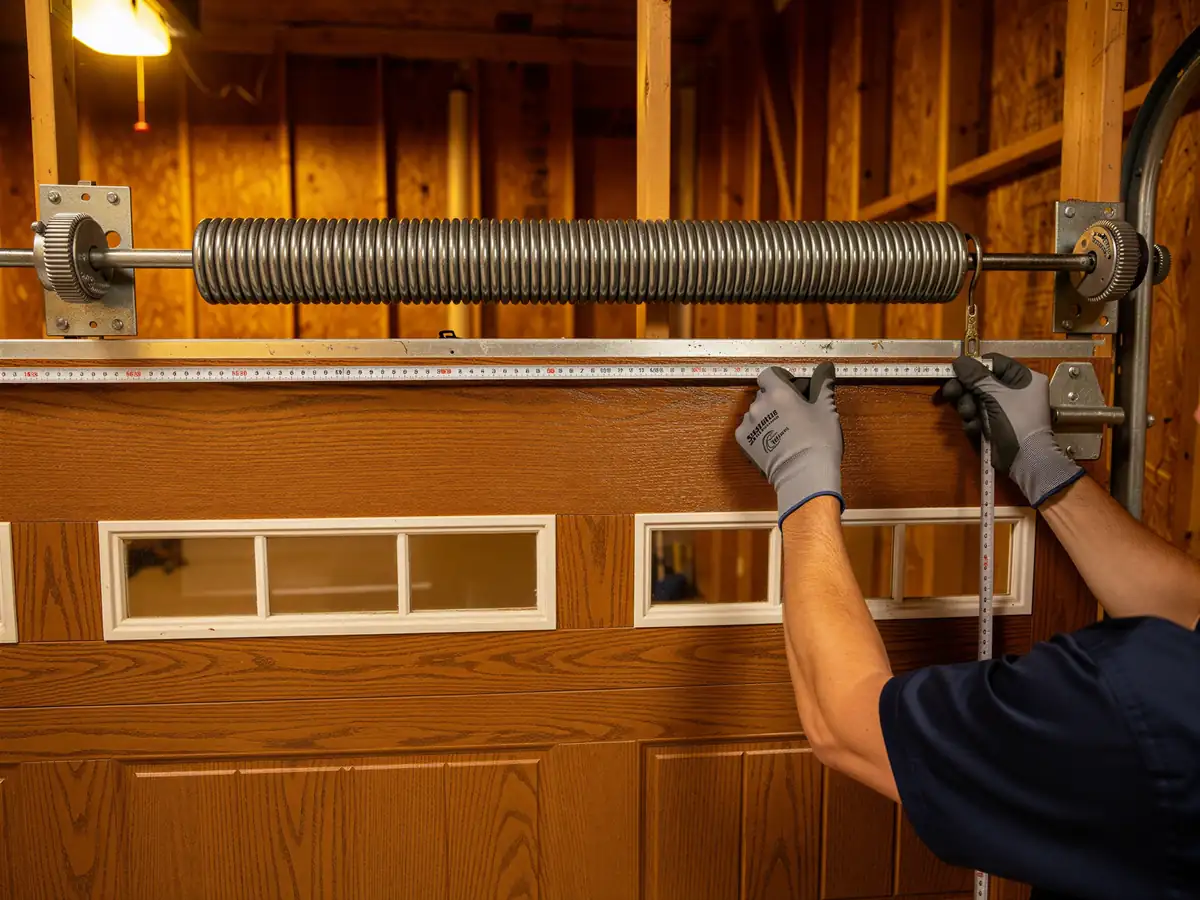
Meadow Vista has about 1,295 households, which is a small enough number that we don't see a dozen jobs a month out here the way we do in bigger pockets of the service area. That matters for installation work, because a town this size doesn't get the volume that keeps every garage door size and track configuration common knowledge to every crew. Most of the houses were built around 1978, which puts the openings, the framing depth, and the header clearance square in the middle of the 1938-1984 range we see across the wider area. That's good news in one way - we've installed into that era of framing plenty of times - and it's a complication in another, because a lot of those original openings were sized for door models nobody sells anymore. Swapping in a new double-car sectional door on a 1978 header sometimes means building out the jamb or adjusting the track radius to clear a lower ceiling than modern doors assume. We don't guess at that from the truck. We measure the opening before we quote a door, every time, because a 15-mile drive out from Grass Valley is not a trip you want to make twice over a half-inch of header clearance.
What the Repair Takes
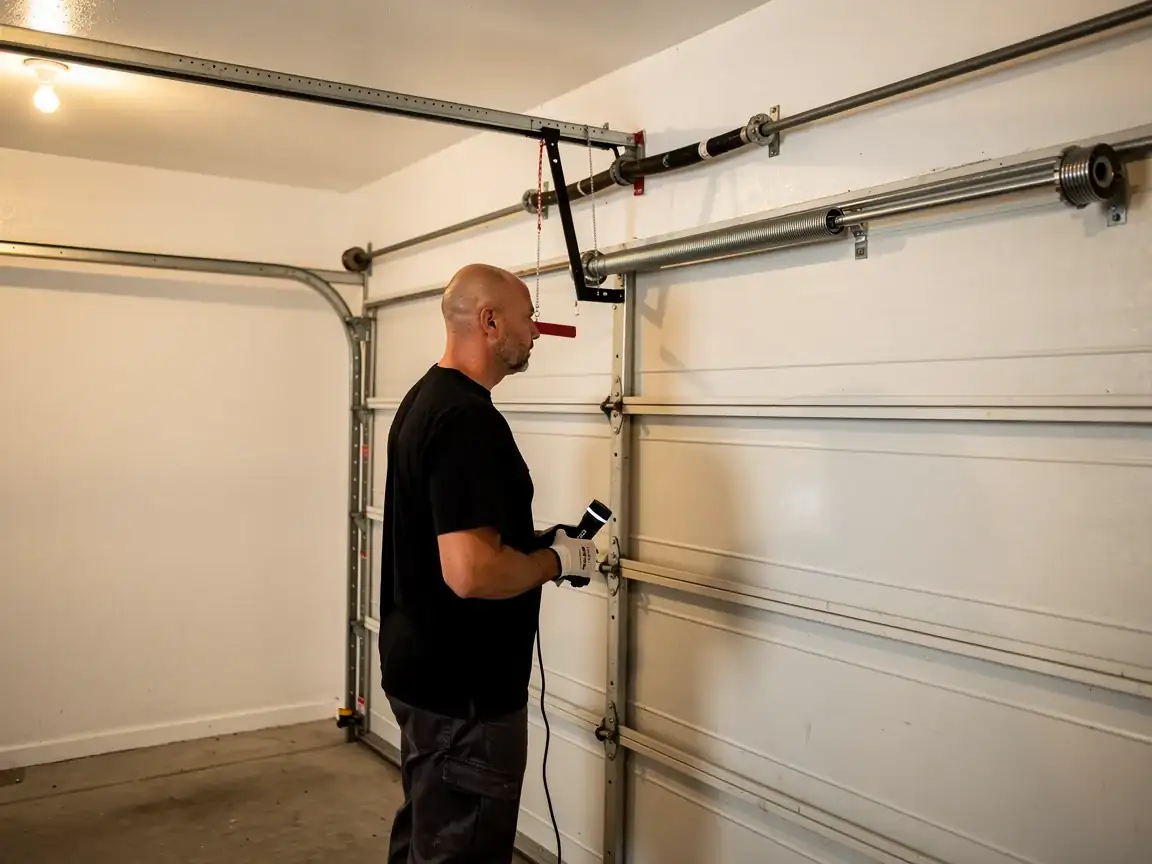
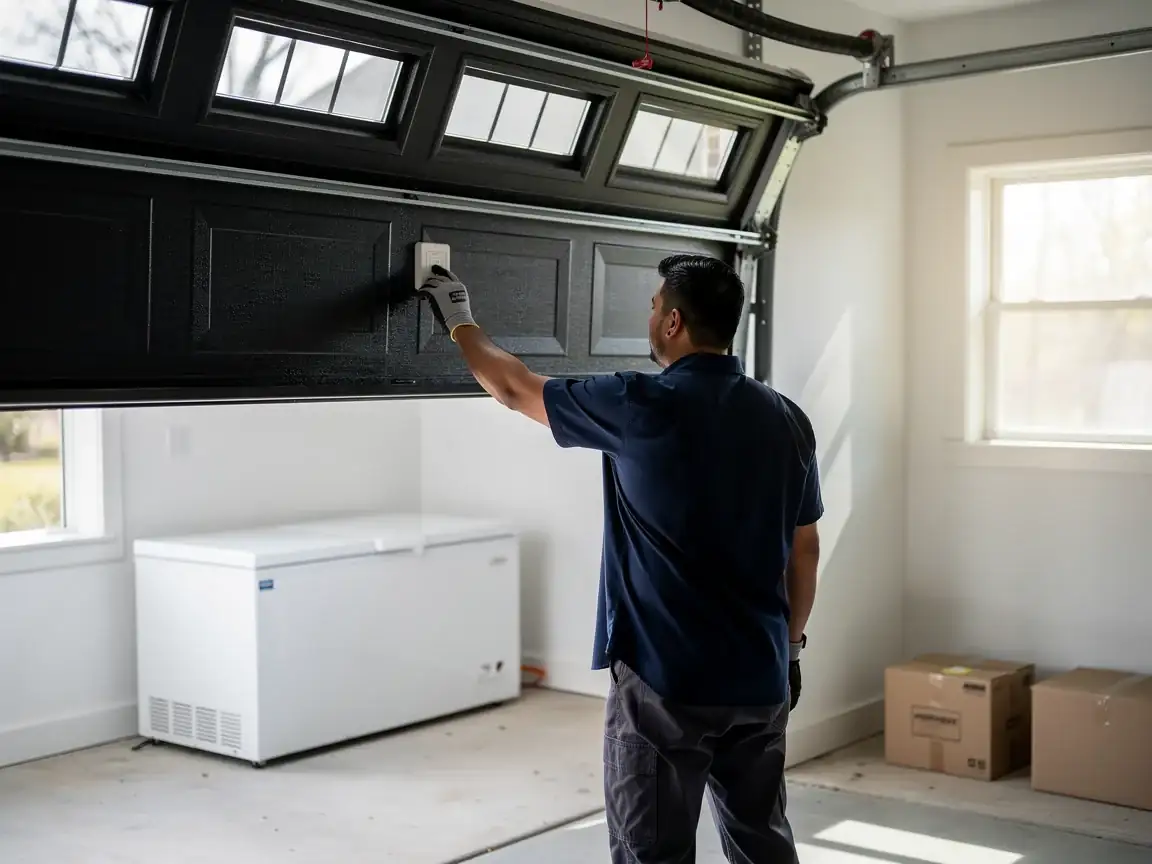
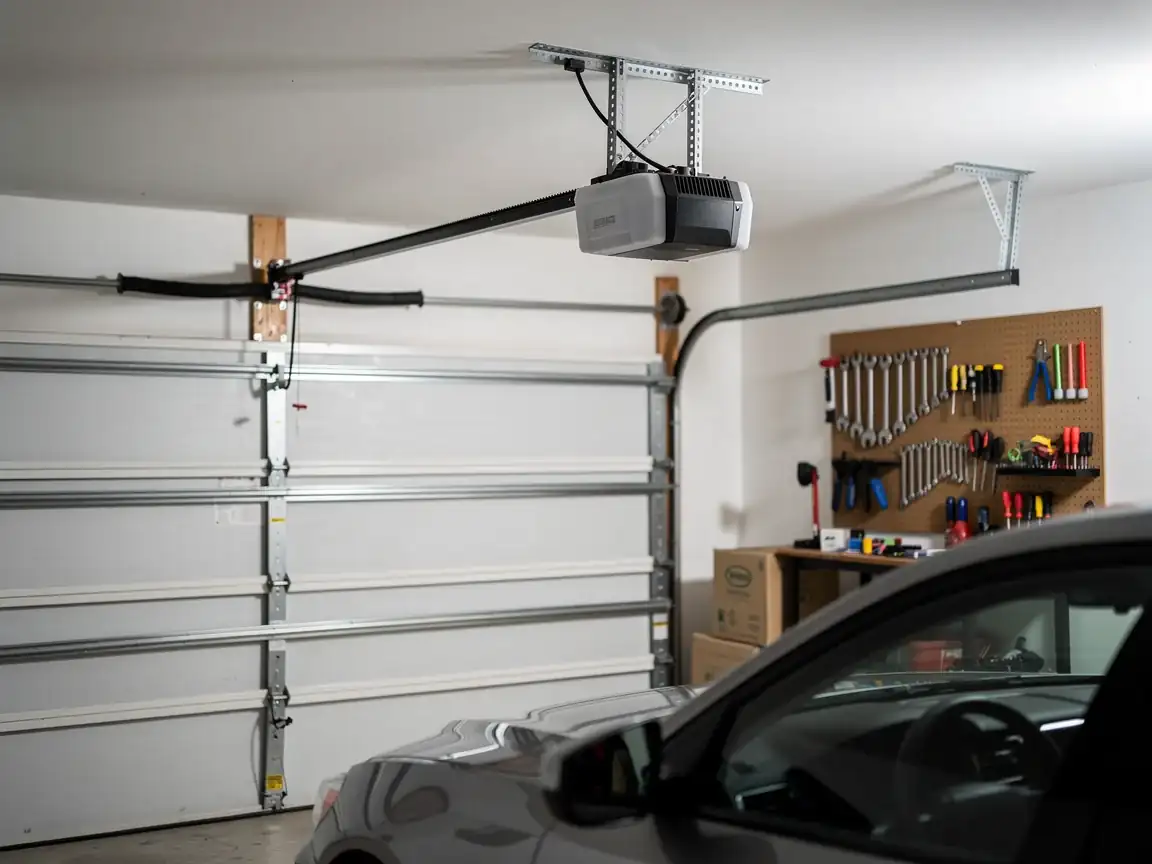
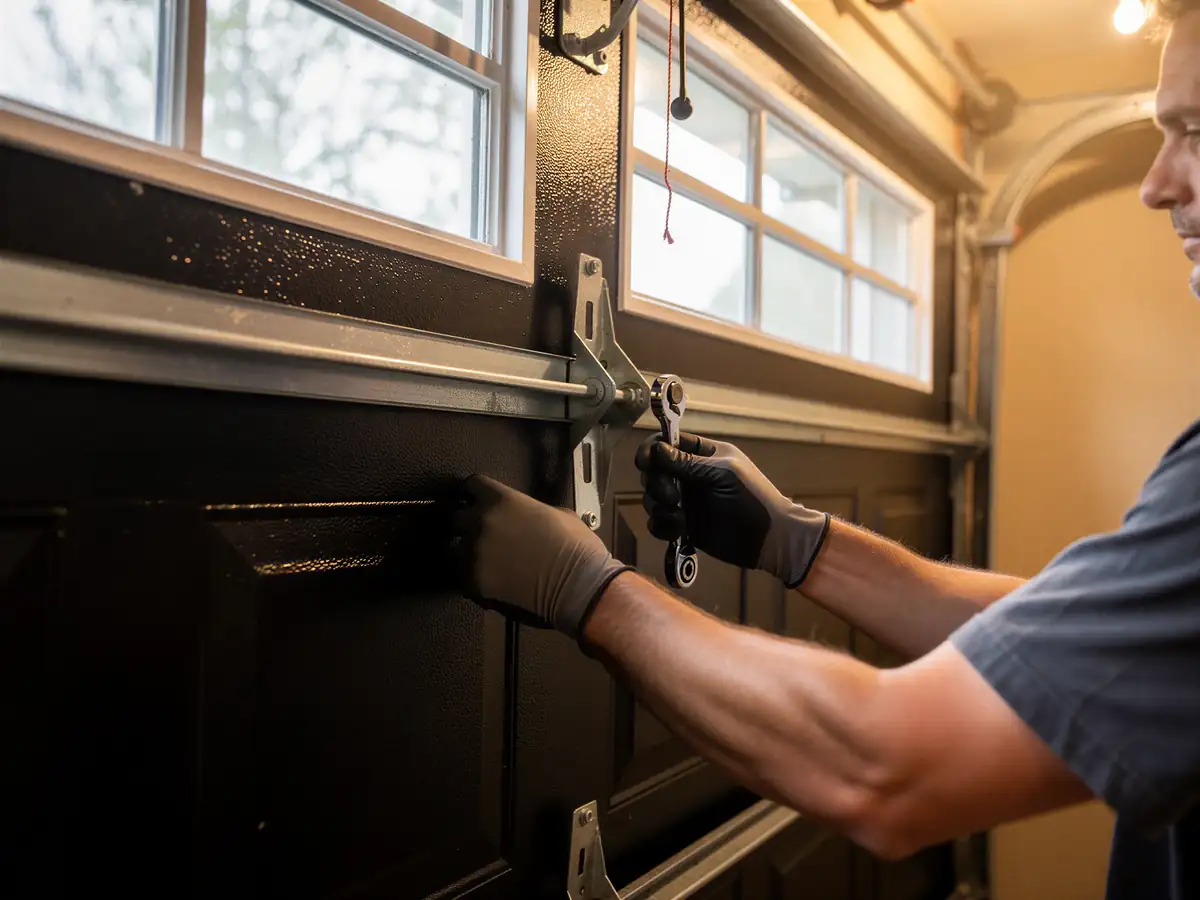
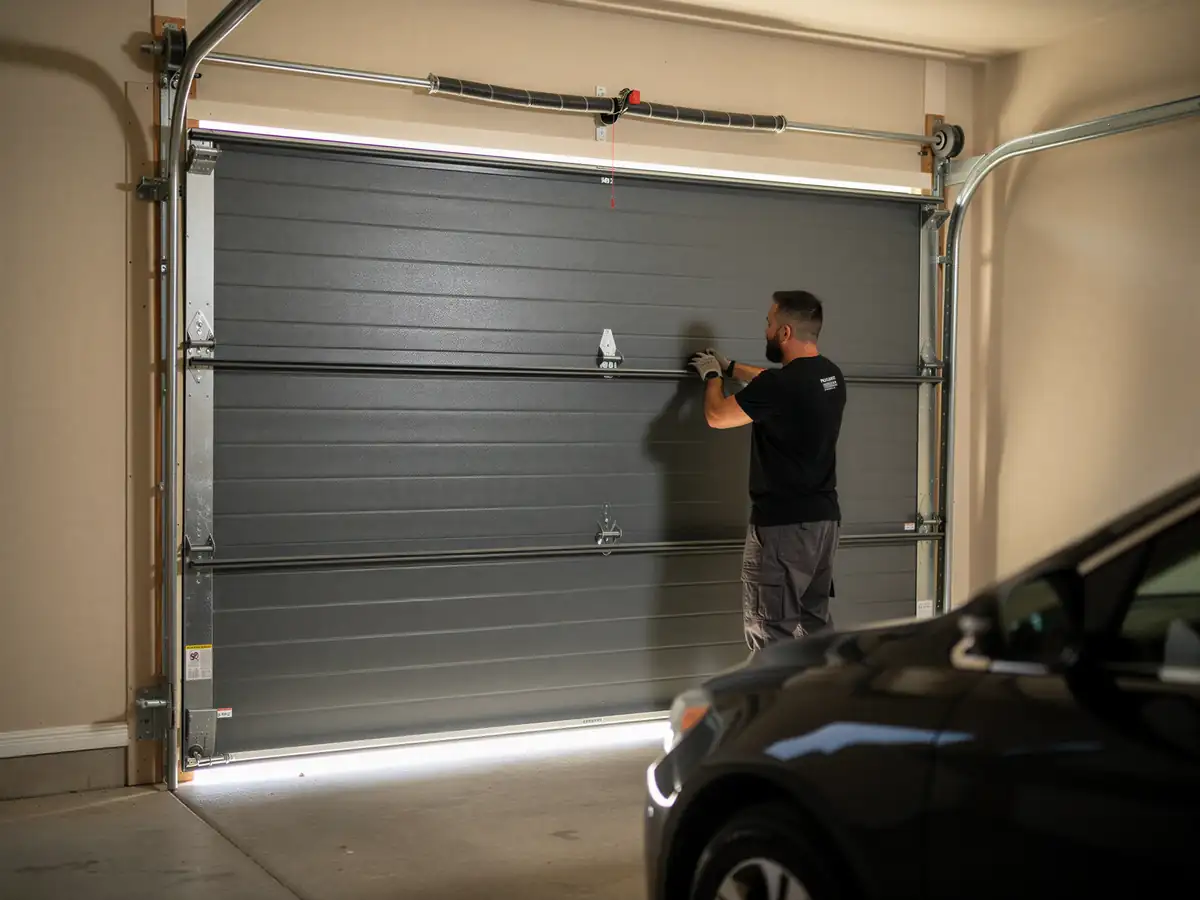
"Repair" isn't quite the right word for a new install, but the groundwork is the same: know what's actually there before you order anything. On a house from the late 1970s, that means checking whether the existing track is a standard lift or a low-headroom setup, whether the framing can take a standard torsion spring system or needs a different mount, and whether the opening itself is square - plenty of houses from that era have settled enough that it isn't. We pull the old door, confirm the opening dimensions against the new door's spec sheet, and reinforce framing where the original builder didn't plan for the weight of today's insulated doors. None of that is dramatic work, but skipping it is how you end up with a door that binds on one side six months in. We order the door sized to what's actually on the wall, not to a catalog guess, and we don't install until the measurements match.
Doing It Yourself
A new garage door is heavy, the springs are under real tension, and a torsion spring system can put someone in the hospital if it's wound or released wrong. We won't talk anyone through doing that part themselves. Where a homeowner can save money is in the small stuff - pulling the old door panels off once it's disconnected, clearing the opening, repainting trim before the new door goes in. Sizing and ordering the door, setting the track plumb, and balancing the spring tension against a specific door weight is not a weekend project, and getting it wrong on a 1978-era opening with non-standard framing is worse than leaving the old door in place.
What Is on the Truck
We don't stock every door model on the truck for a trip out to Meadow Vista - a new installation gets measured and ordered to the opening first, then scheduled once the door's in. What does come out with us on the install day is the track hardware, torsion spring sizes that cover the range of openings common to houses from the late 1930s through the mid-1980s, and the tools to square and shim a frame that's shifted over forty-plus years. If an opening needs structural work beyond what we can reinforce on site, we'll say so before we start, not after the door's half hung.