The Complications
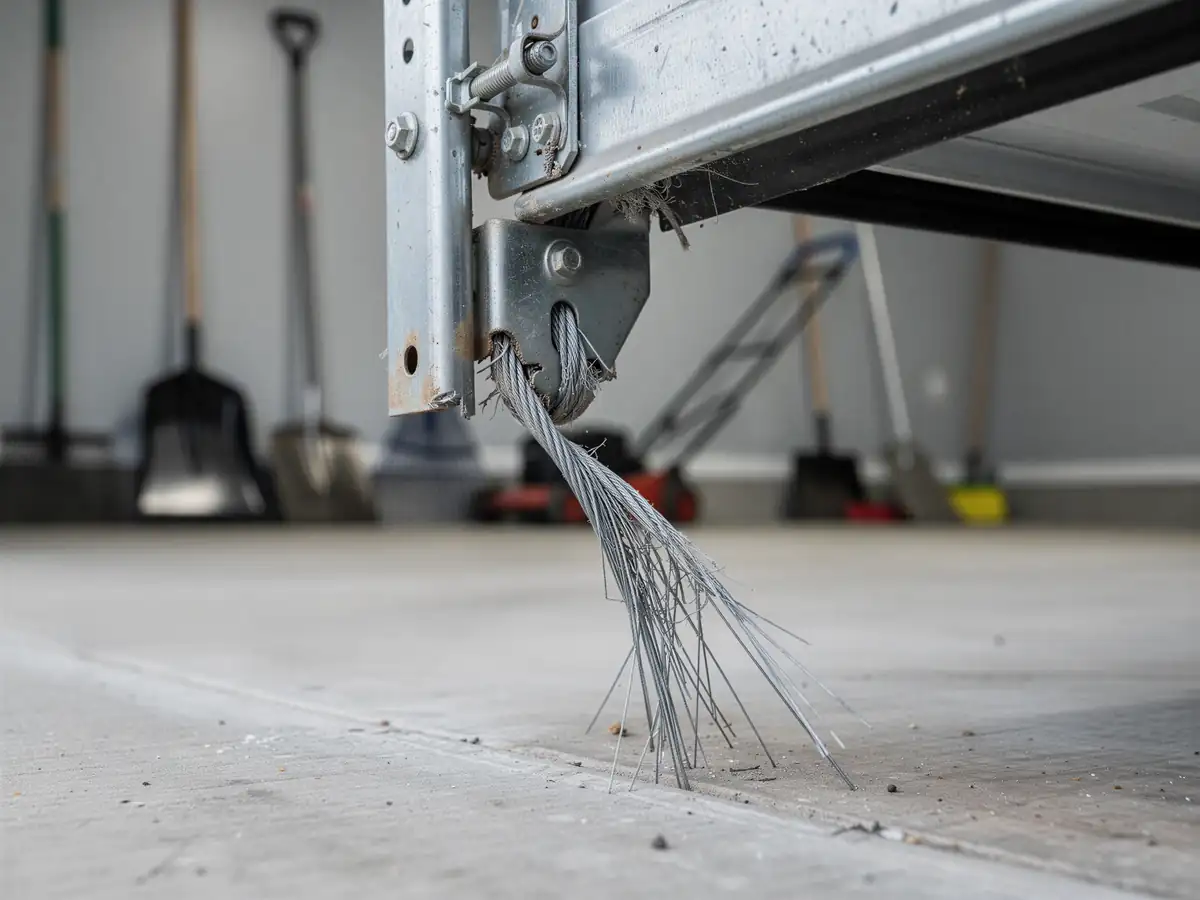
Meadow Vista households run a median income near $95,998, well above the $91,135 median across the broader service area we cover from Grass Valley. At that income level, most owners here aren't choosing cable repair because a new door is out of reach - they're choosing it because the door itself is still sound and only the cable let go. That matters for how we quote the job. A snapped cable on a door with a good panel, good rollers, and a track that still runs true is almost always a repair, not a replacement conversation, regardless of what the house is worth. The complication shows up when the cable failure isn't isolated - when it took a drum with it, bent the bottom bracket on its way down, or let the door drop crooked and rack the track. On a 15-mile drive out from Grass Valley, we'd rather diagnose that over the phone first than roll out for a ten-minute cable swap that turns out to be a half-day job once we're looking at a bent track too.
What the Repair Takes
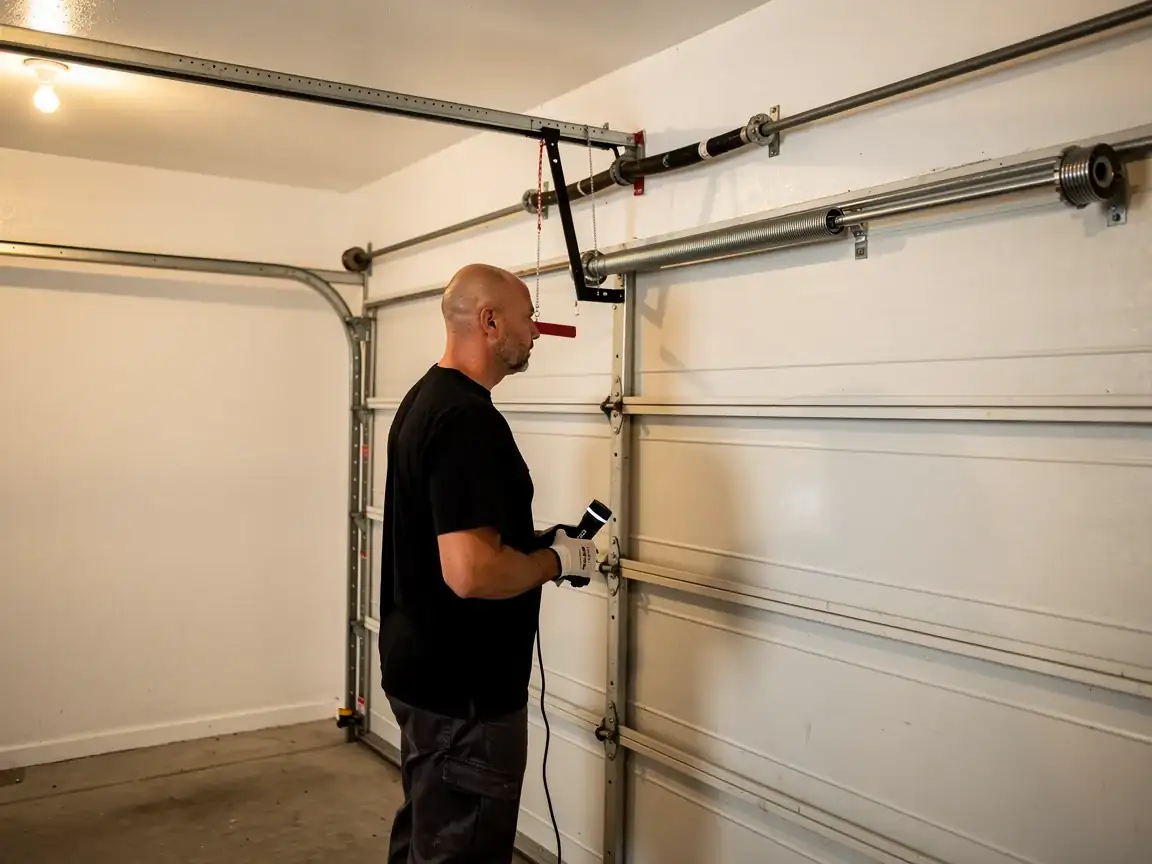
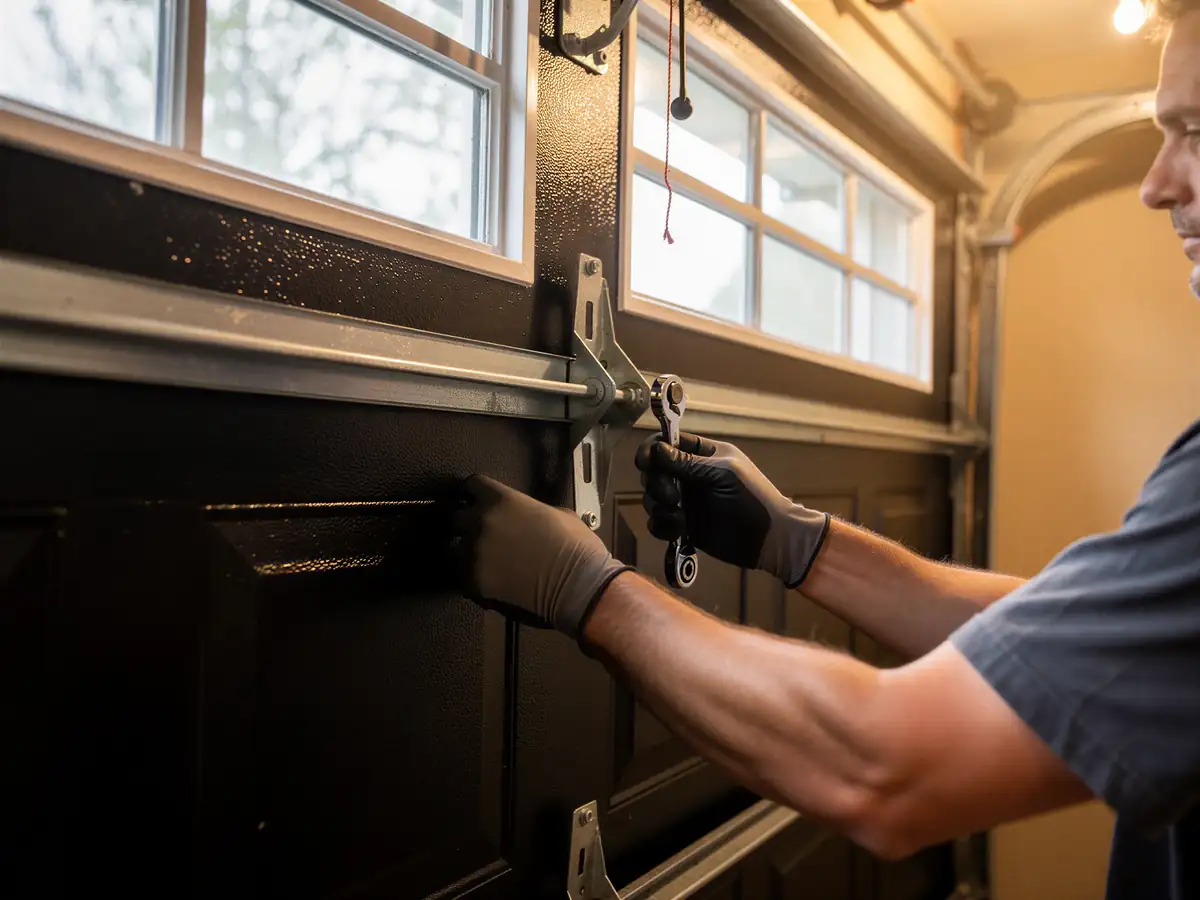
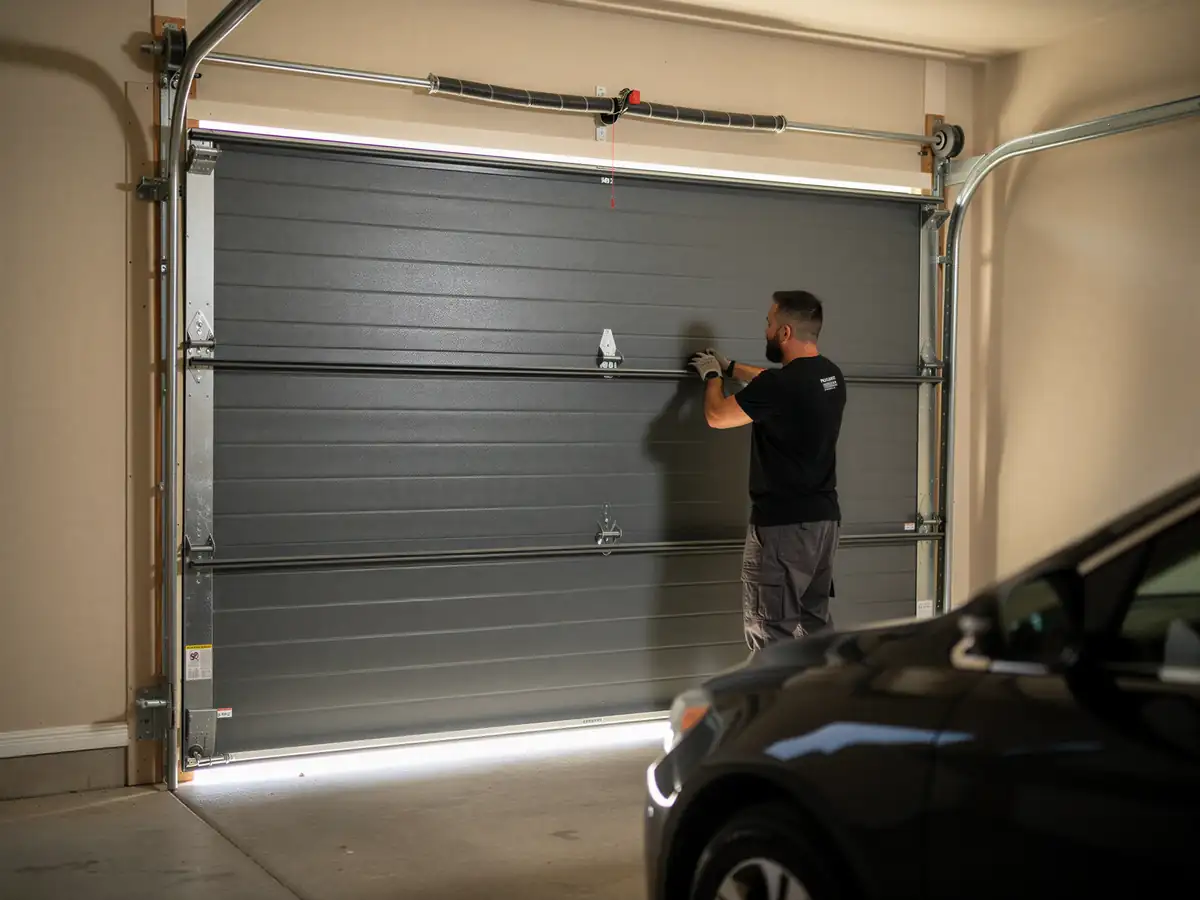
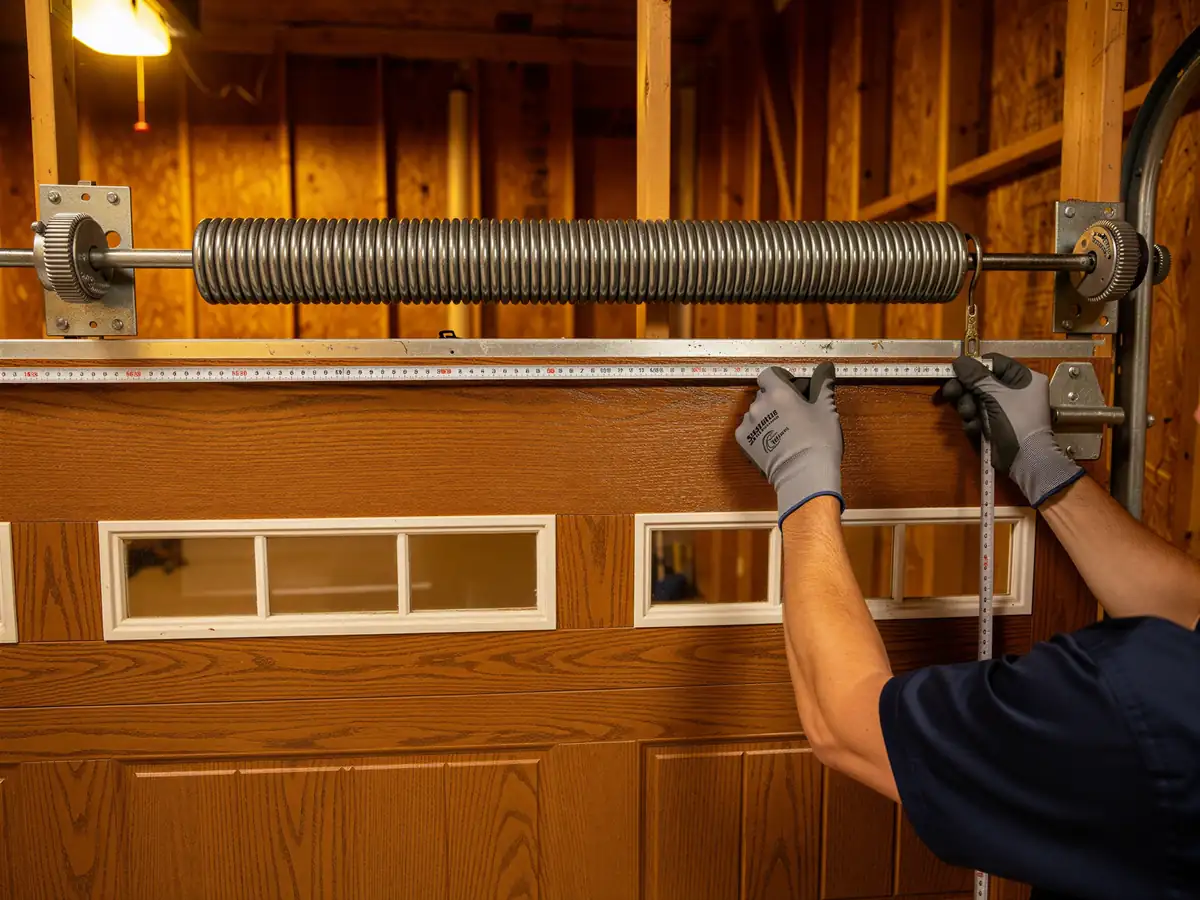
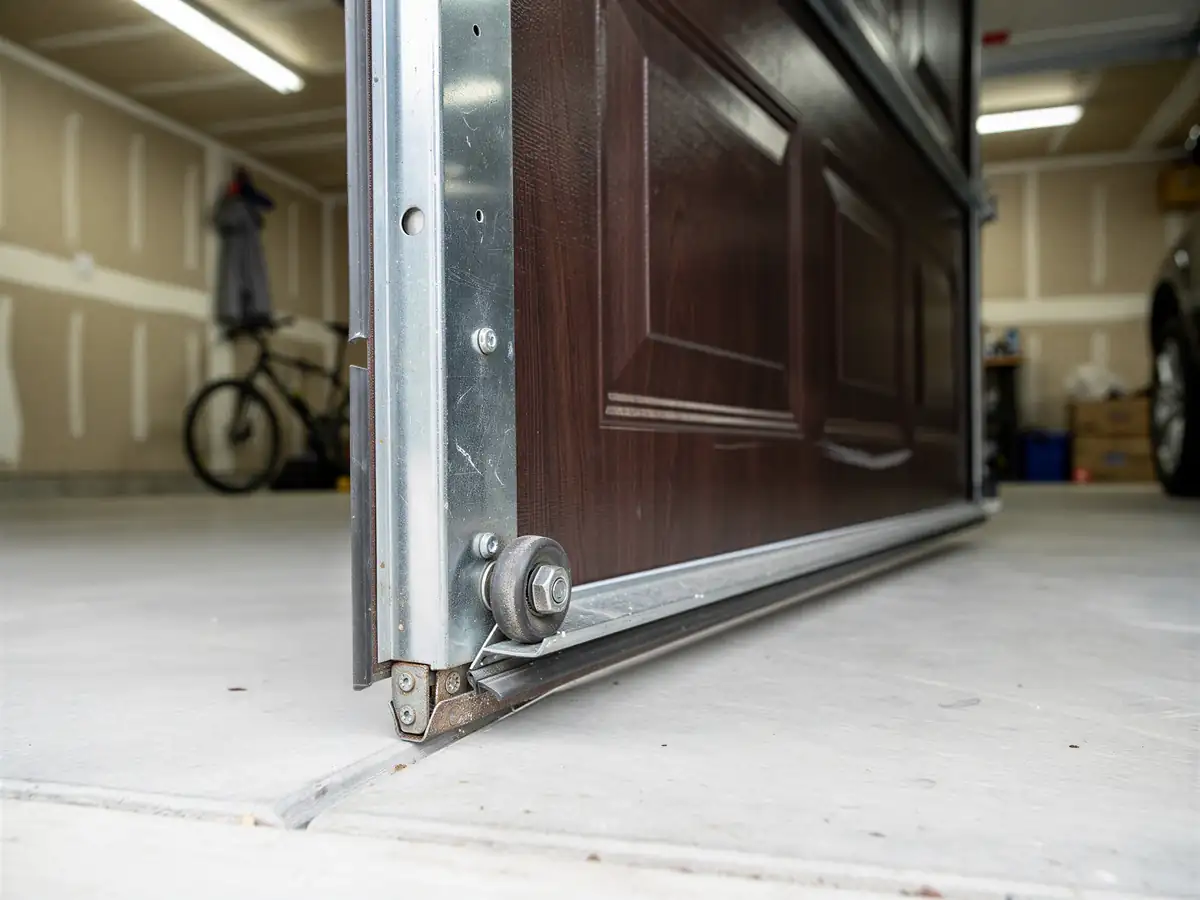
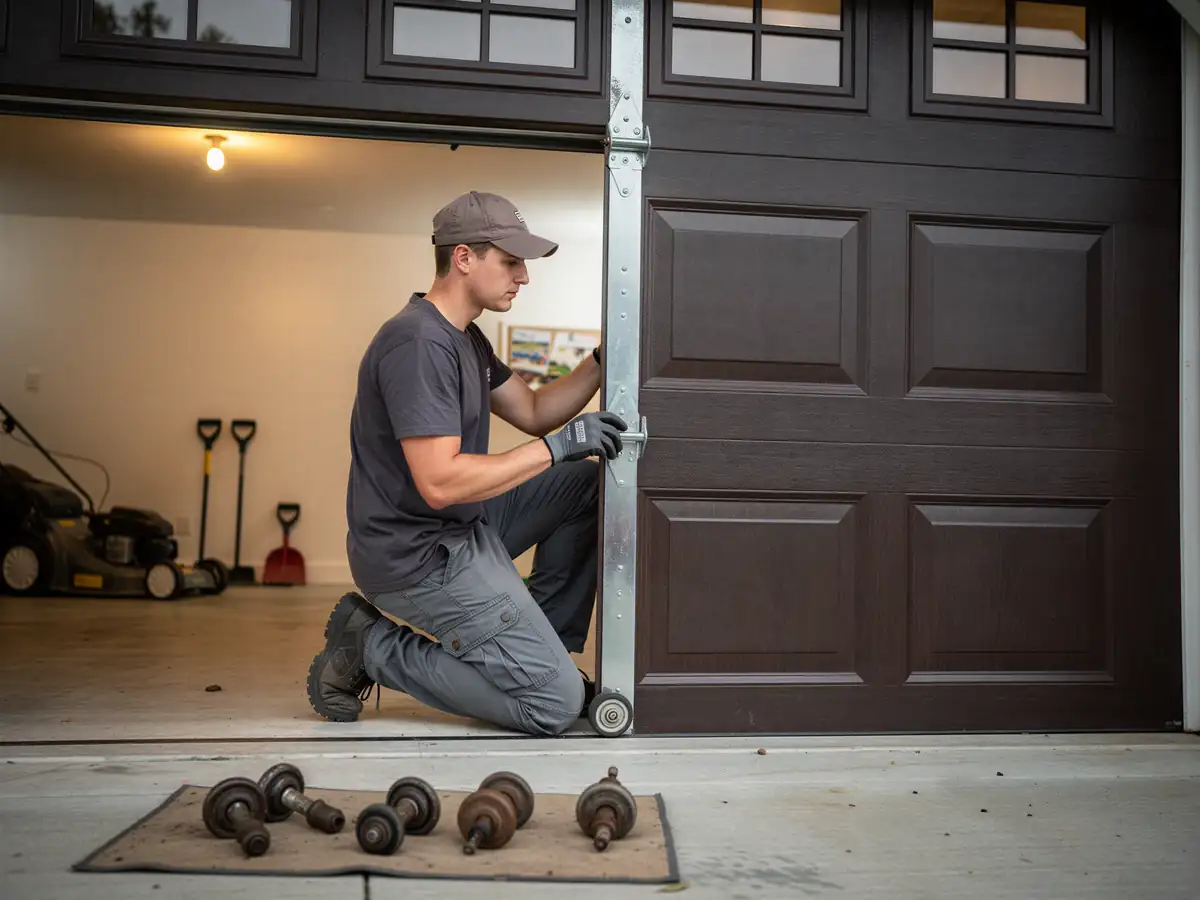
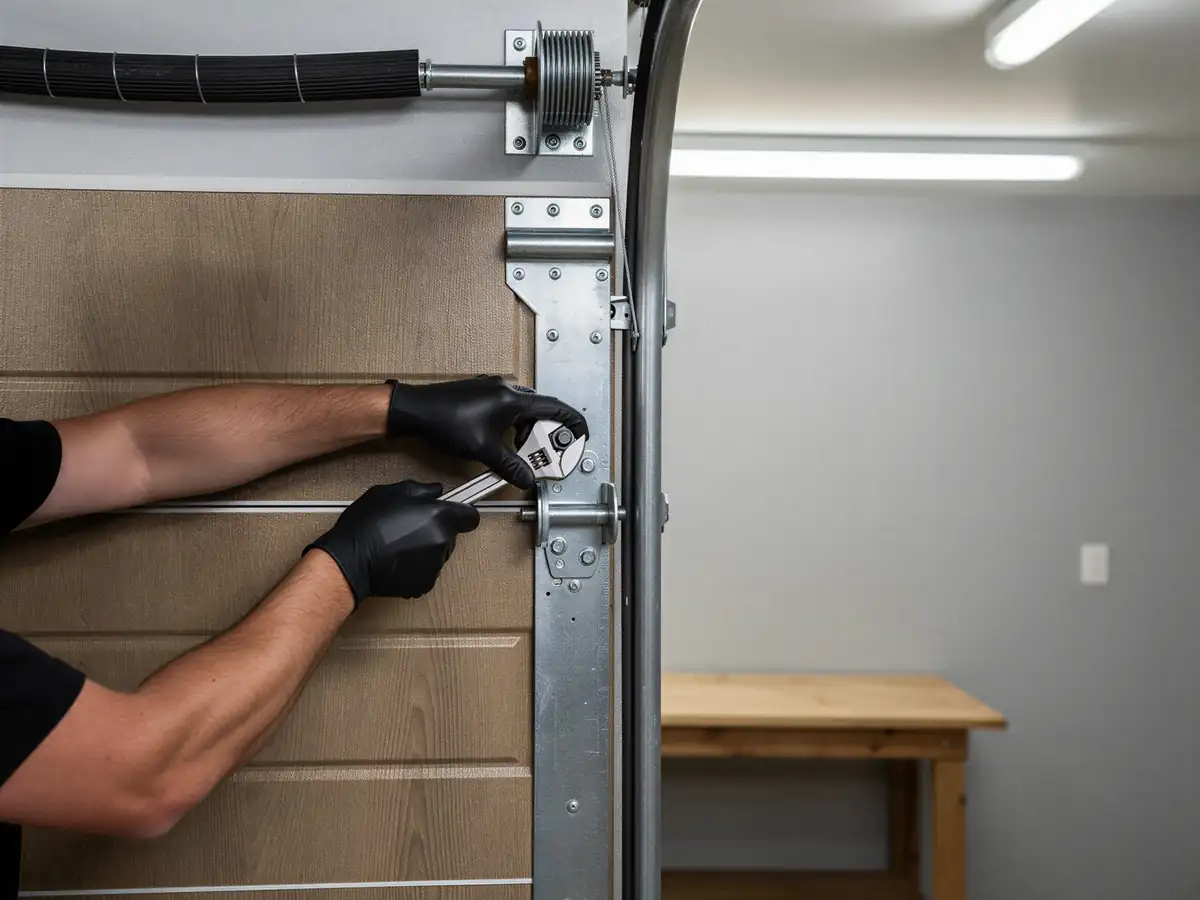
A straight cable repair means releasing spring tension safely, pulling the old cable off the drum, winding on new cable to the correct length, and reseating it with even tension on both sides so the door doesn't pull crooked when it runs. If the drum itself is grooved or cracked from the old cable jumping its track, that gets replaced too - running new cable on a damaged drum just sets up the next failure. We check the bottom brackets and the cable's anchor point while we're in there, since a loose bracket is often what frayed the cable in the first place. For a torsion setup, both cables usually get looked at even if only one failed, because they're the same age and wear at close to the same rate. We don't replace what doesn't need it, but we tell you what's close so you're not calling again in six months for the other side.
Doing It Yourself
A garage door cable is under real spring tension even when the door looks still. Loosening it the wrong way, or working on it while the spring is still wound, is how people lose fingers, not an exaggeration we use to drum up business. If a cable has already snapped and the door is down, leave it down - don't try to force it open or closed, and don't disconnect the opener and muscle the door by hand. That's the one piece of this job we'll say plainly isn't a reasonable weekend project. What you can safely check yourself: whether the cable is visibly frayed or off the drum on one side only, and whether the door is sitting level or canted to one side. That tells us something useful before we even get in the truck.
What Is on the Truck
We carry standard torsion and extension cable in the lengths that fit doors built across the 1938-1984 range this area falls into, plus matching drums for the sizes most common on 1970s-era hardware. Bottom brackets, nylon bushings, and galvanized aircraft cable in the common gauges ride along as standard stock, since a cable job on a house from this era often turns up a bracket or bushing that's past its working life too. What we don't stock for same-visit work is anything custom - an odd imported drum size or a non-standard track width on an older converted door - and we'll say so rather than fake a fit. For Meadow Vista specifically, with the 15-mile run from our Grass Valley base, we try to carry what a 1978-built door is likely to need so one visit covers it.