The Complications
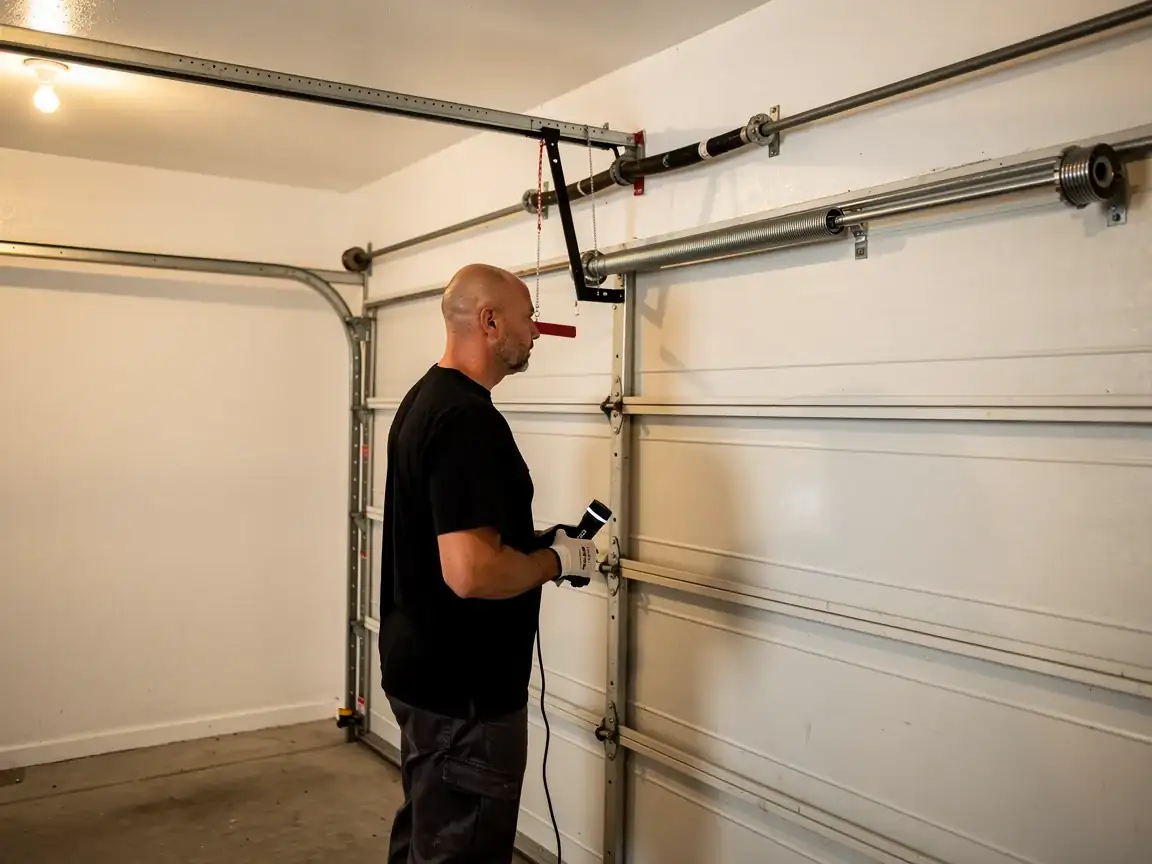
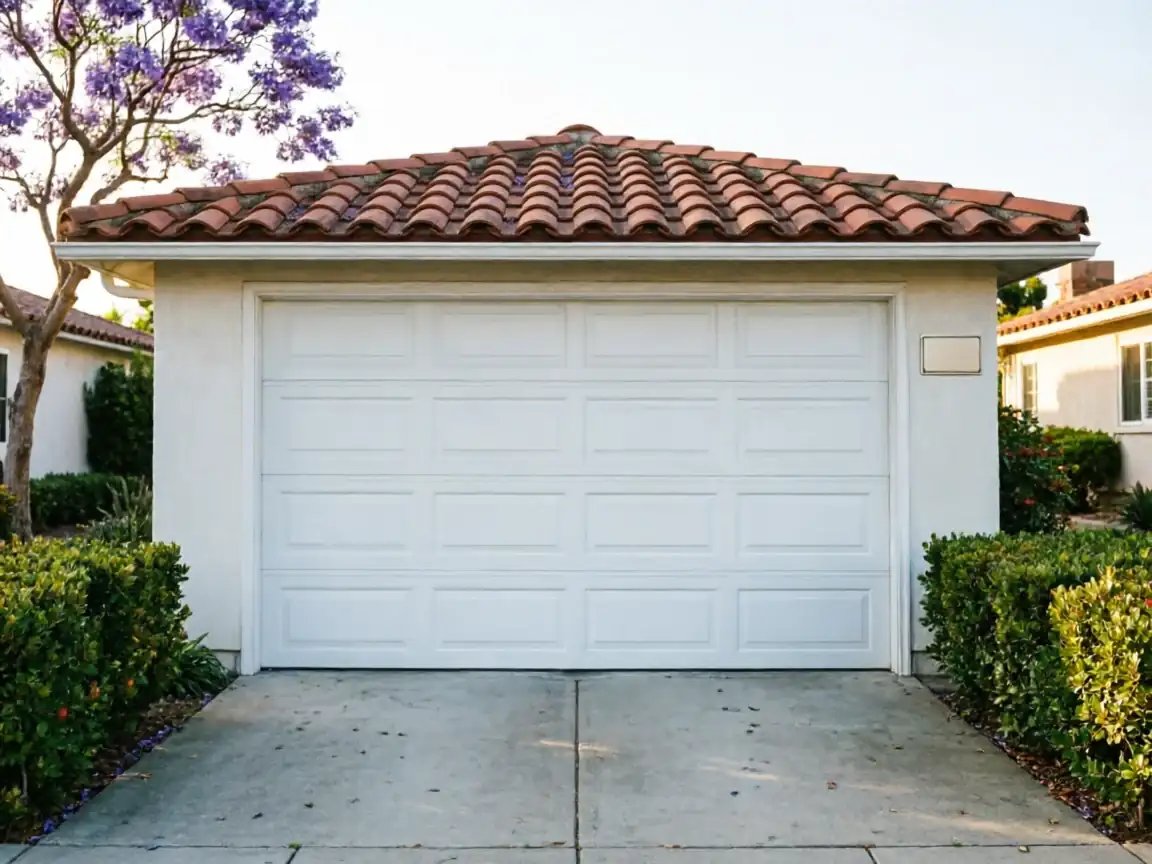
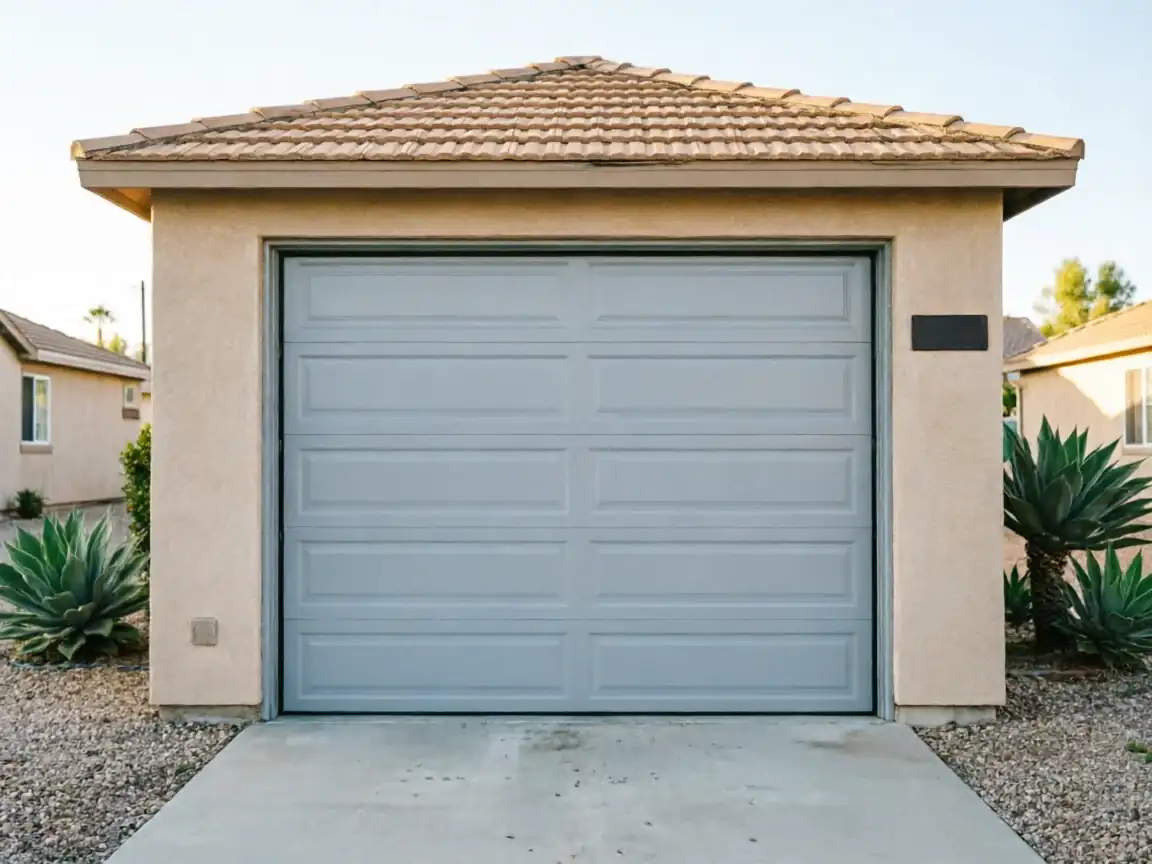
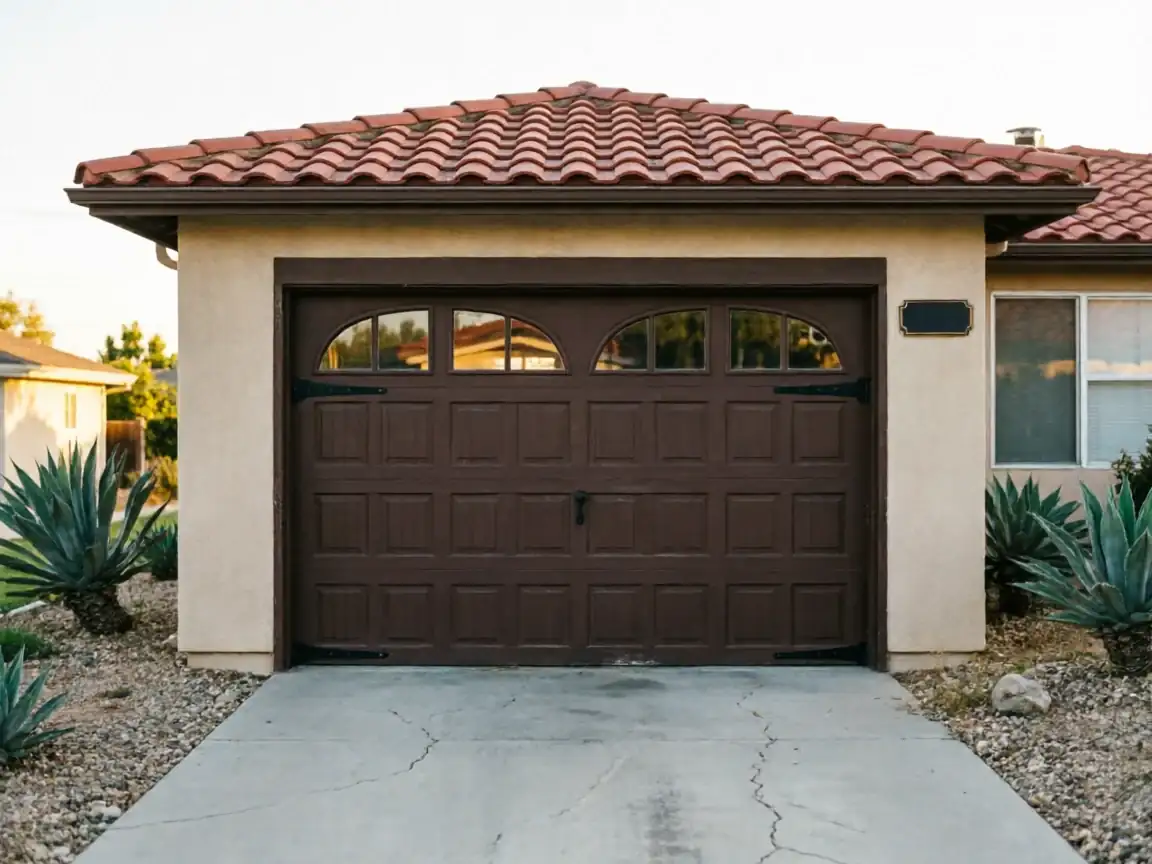
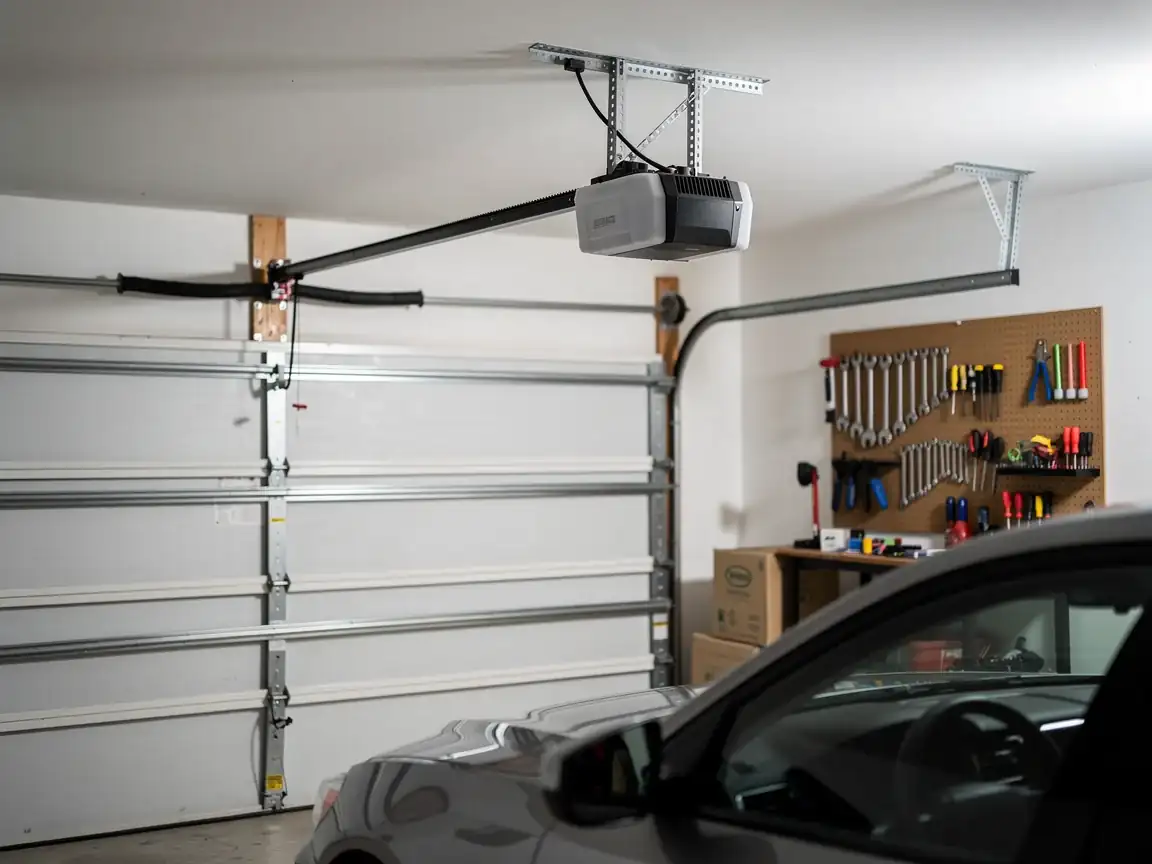
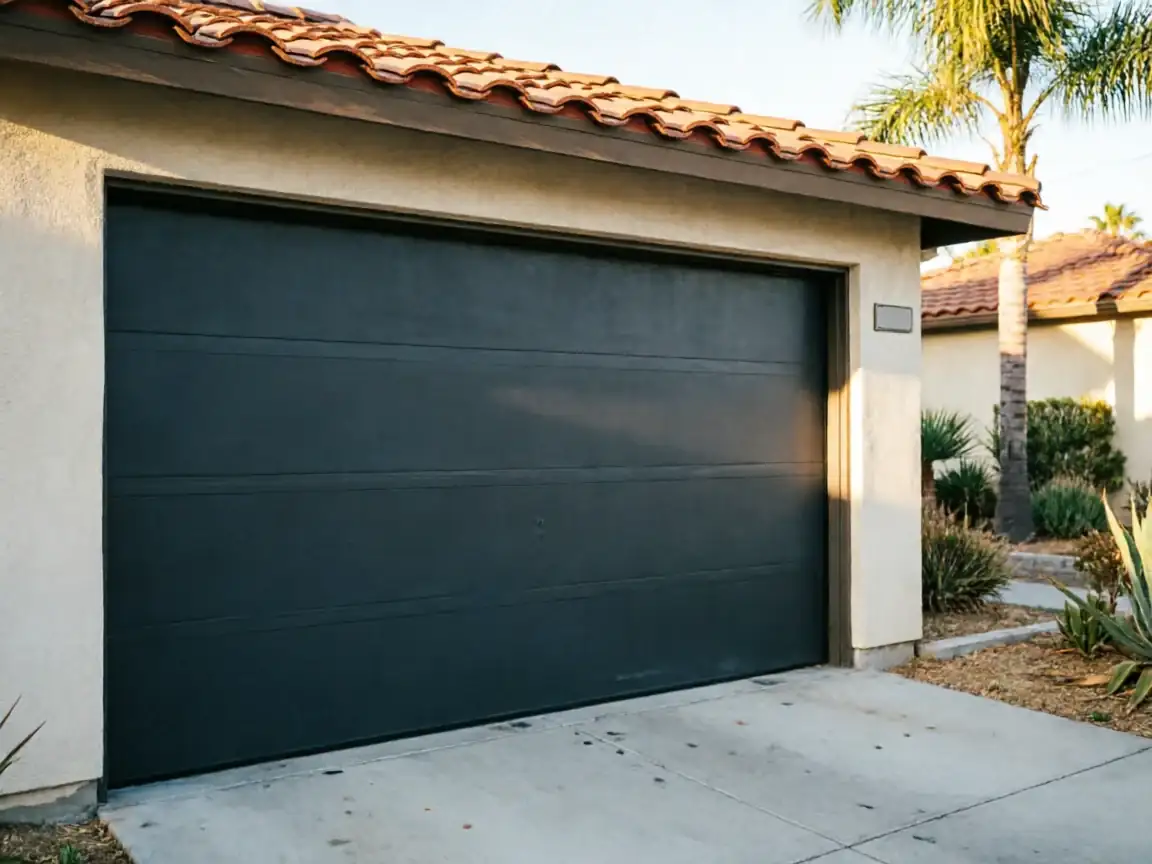
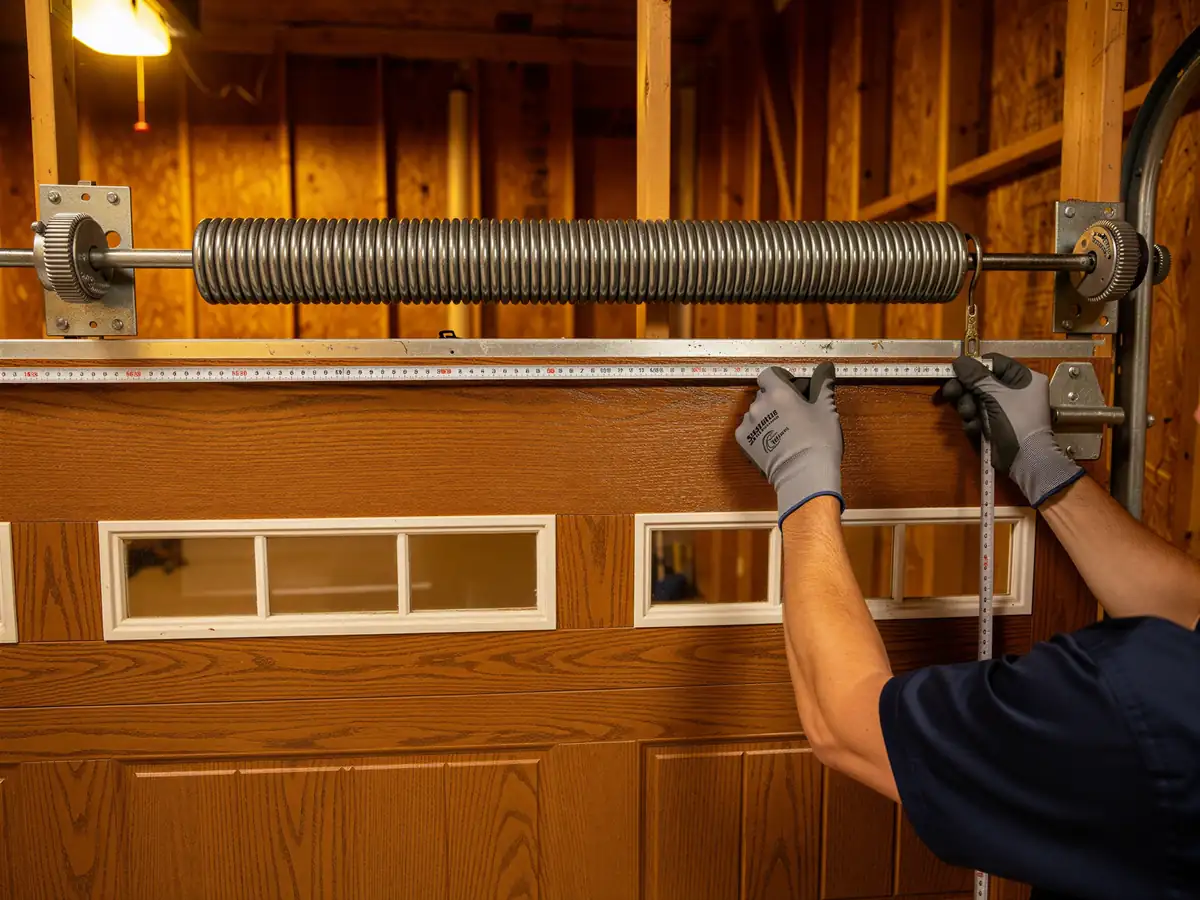
Most garage doors in Meadow Vista are steel sectional panels hung in a standard single or double-car opening, built into houses that went up around 1978 on average - a touch newer than the 1977 midpoint for the wider service area, but still squarely in that same build wave. That matters because a door from 1978 could be running on either hardware: torsion spring wound above the opening on a steel shaft, or the older style with a stretched extension spring riding each horizontal track. Both setups are common in houses from this era, and they fail differently. A torsion spring that lets go drops the door fast and can bend the shaft or crack a panel if nobody's standing clear. An extension spring that snaps can send a cable whipping loose along the track. Neither is a two-minute fix, and neither should be opened up by someone guessing which type is actually installed overhead. The complication in Meadow Vista specifically isn't the door size or the opener brand - it's that a house built in 1978 could have either spring configuration, and the wrong assumption wastes a trip.
What the Repair Takes
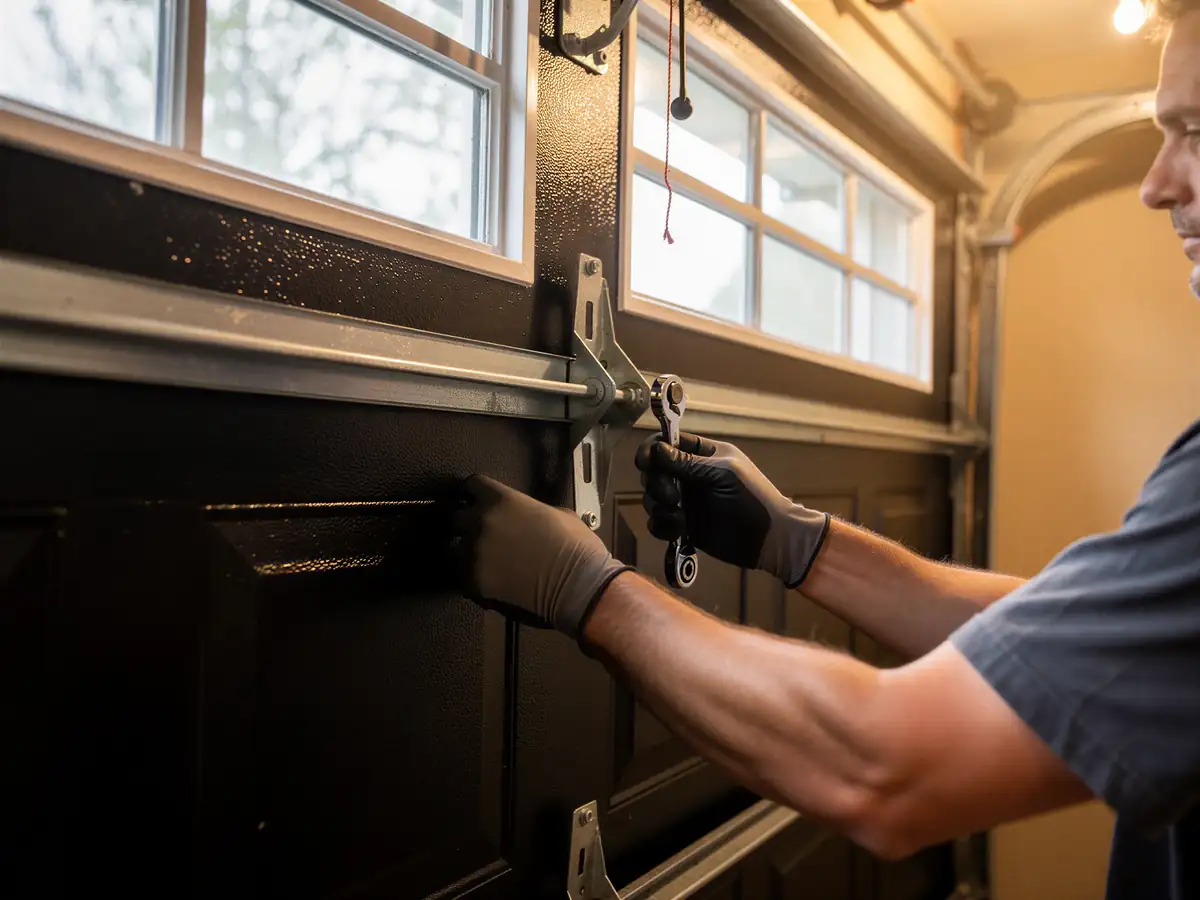
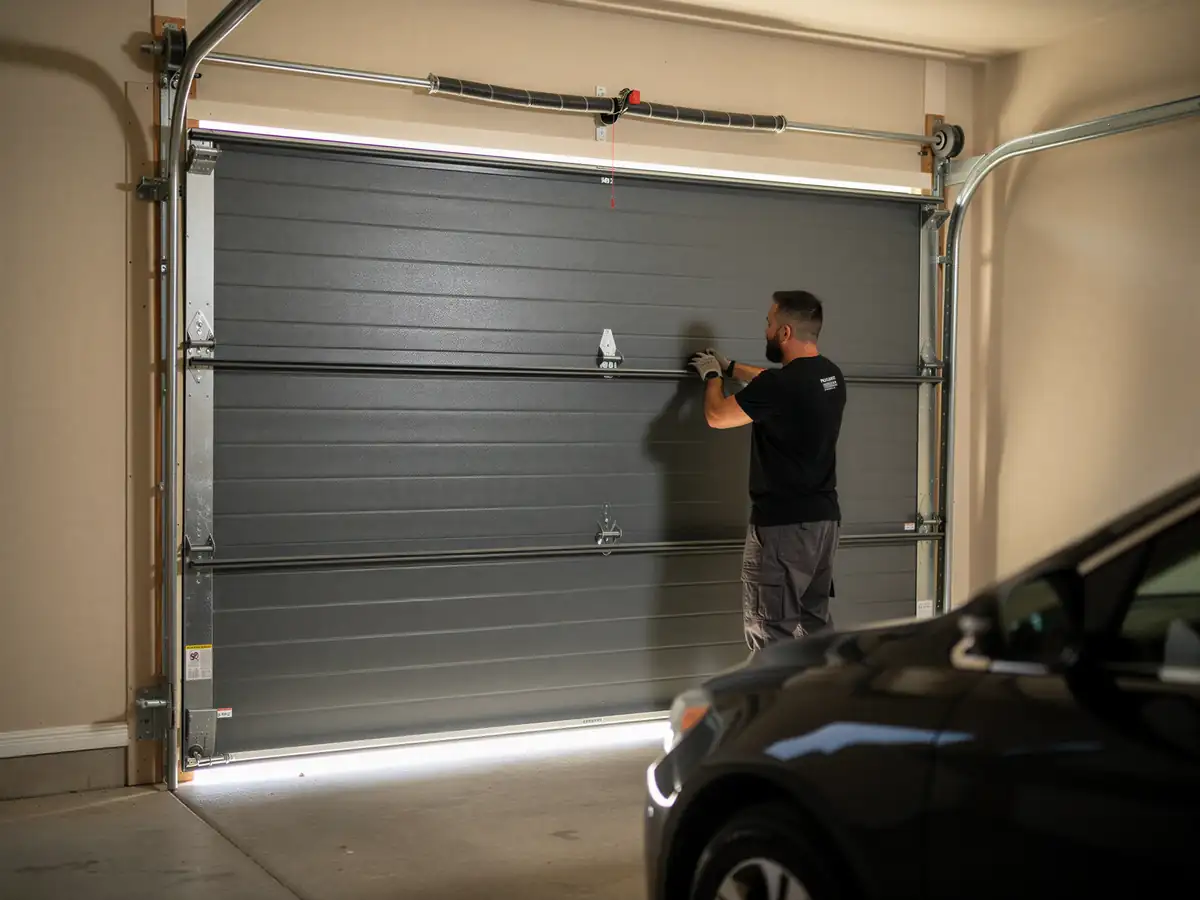
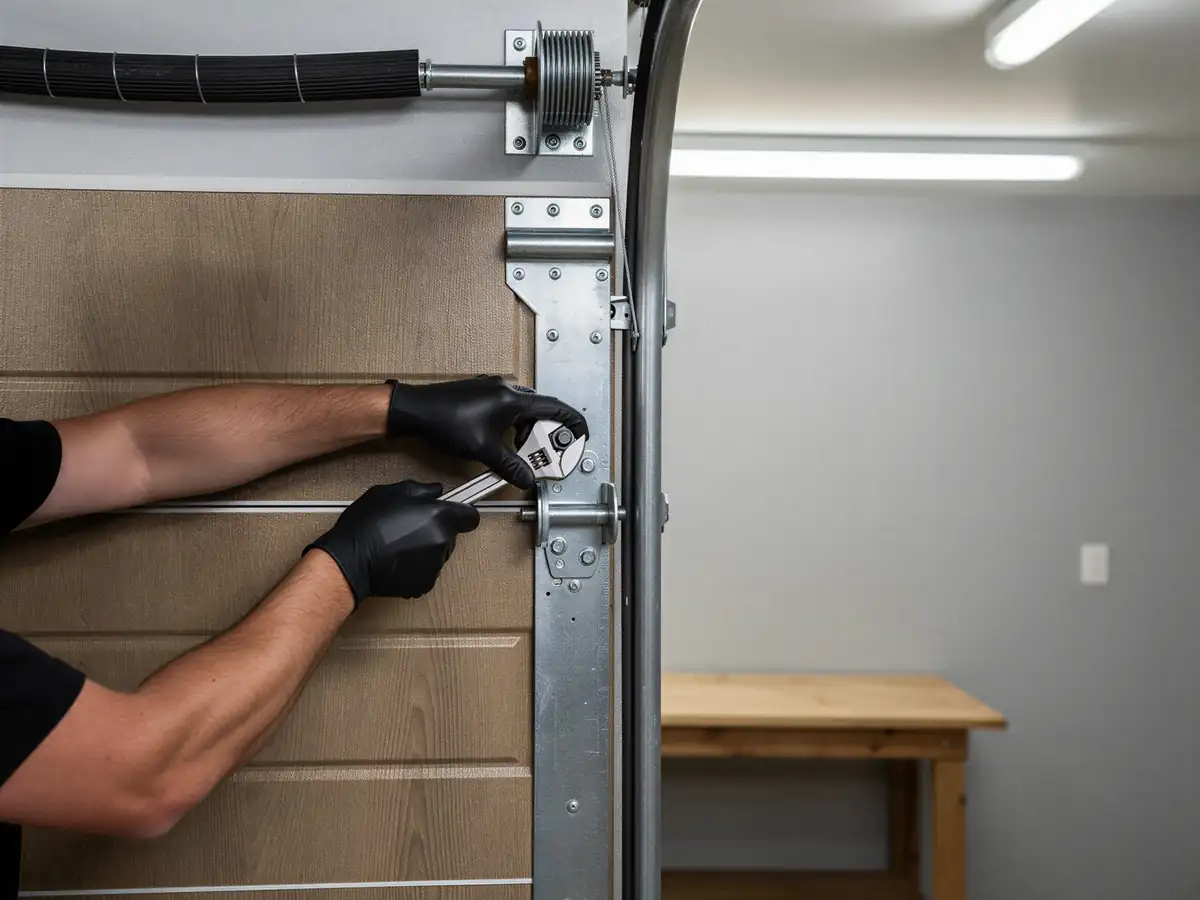
A spring job starts with figuring out which of the two systems is actually on the door, because torsion and extension springs aren't interchangeable and the tools for each differ. For a torsion spring, that means winding bars, a correctly sized replacement spring rated to the door's weight, and clamping the shaft before anything gets unwound - this is the step that hurts people who try it without the right bars. For extension springs, it's a matter of matching the stretch length and wire gauge to the door, then checking that the safety cables are still in place so a broken spring can't become a projectile. Either way, the door gets cycled a dozen times after the new spring goes in, balance gets checked with the opener disconnected, and the opener's force settings get reset once the door is actually carrying its own weight correctly again. On a standard double door, this runs under an hour. On a door with a stuck or rusted shaft - more common on the older end of the 1938-1984 build range than on a 1978 house - it takes longer, because the shaft has to come free before anything else happens.
Doing It Yourself
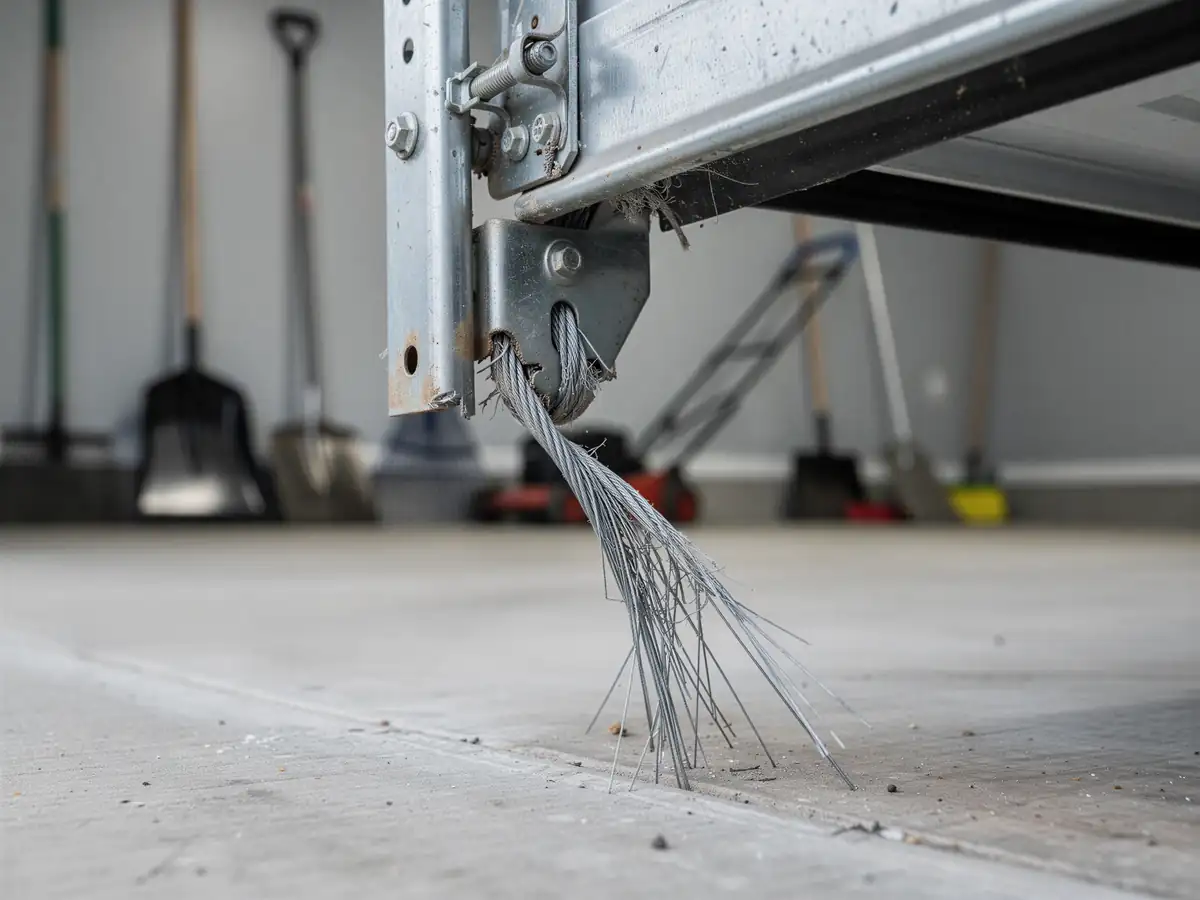
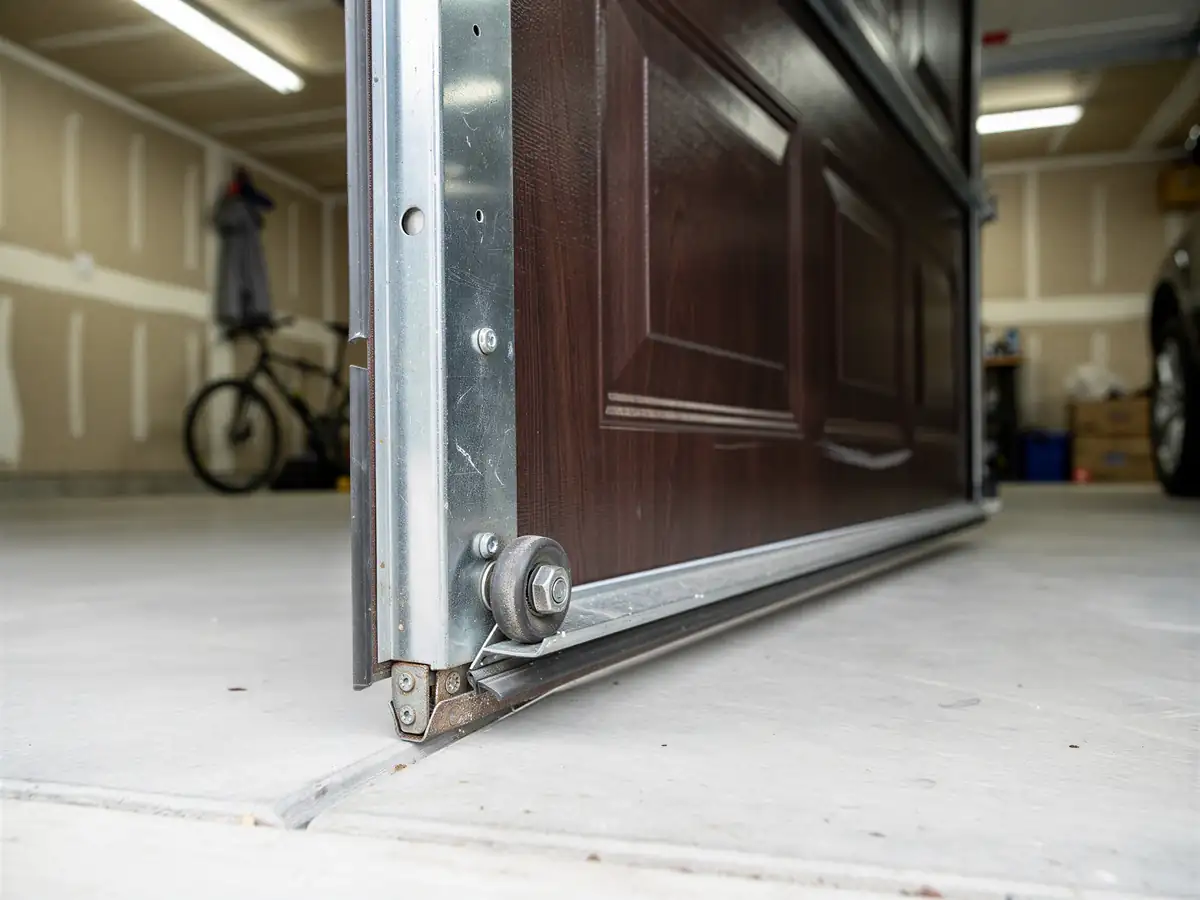
A torsion spring is wound under enough tension to break a bone or worse, and that's true whether the house is in Meadow Vista or anywhere else - it's not a town-specific warning, it's just physics. Extension springs are lower-tension but still dangerous without the safety cables properly routed, and on an older door those cables are sometimes missing or frayed, which isn't obvious until the spring already let go. If the door is stuck shut, the honest move is to leave it shut and not force the opener against a dead spring, which can strip the gear inside the opener and turn a spring job into a spring-and-opener job. The one place DIY genuinely works is cosmetic - tightening a loose hinge screw or lubricating a roller is fine for a homeowner to do. Winding or unwinding a spring is not, and we won't talk anyone through it over the phone.
What Is on the Truck
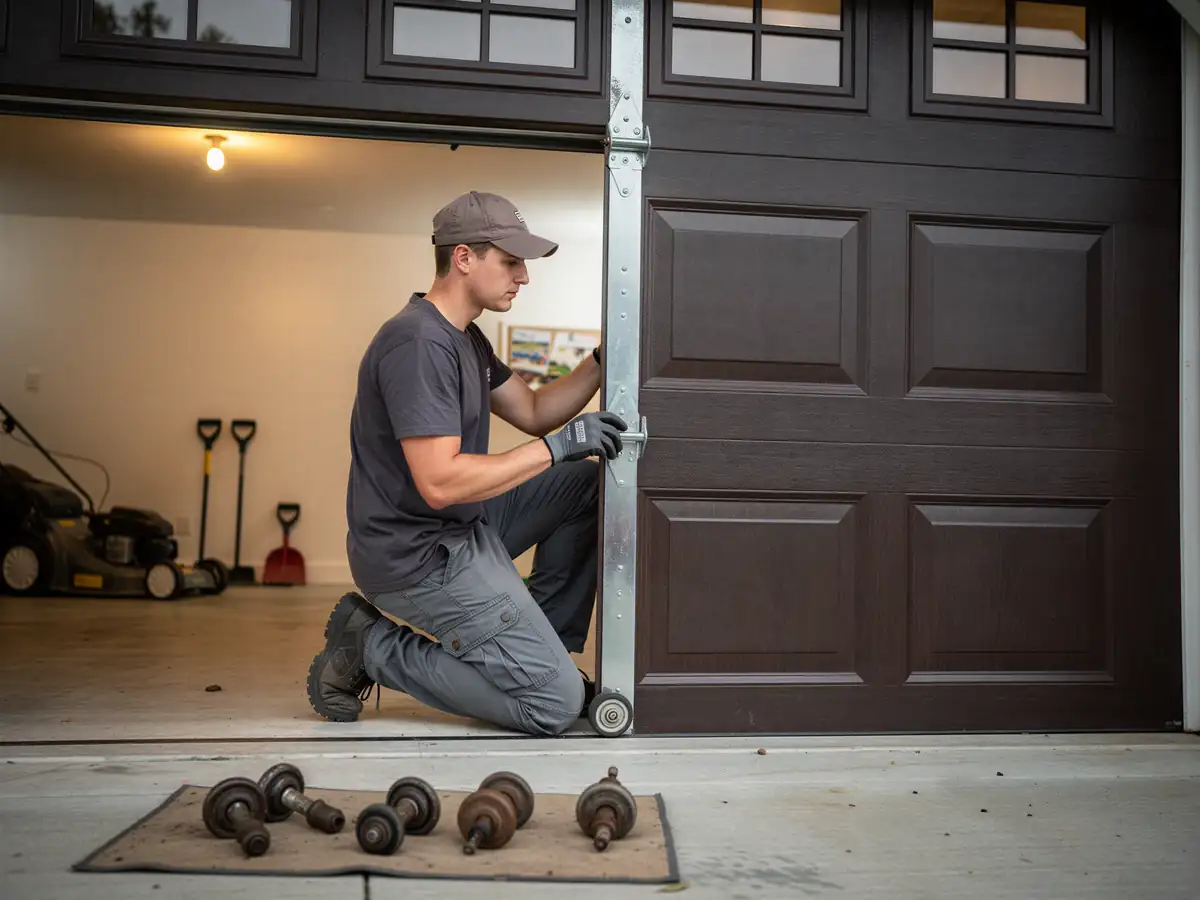
The truck carries torsion springs across the common weight ratings for residential doors, winding bars, a selection of extension springs with matching safety cables, and the shaft and bearing hardware that tends to wear out alongside a spring on an older door. What isn't always on the truck is an exact-match spring for a nonstandard or custom door - those sometimes need a day or two to order, and that's the honest limitation here: a standard torsion or extension job gets handled same-visit, but an odd-sized or discontinued door hardware setup may need a return trip once the part is in. For Meadow Vista specifically, given the 1978-era build pattern, most doors on this route are standard sectional sizes, so a second trip for parts is the exception rather than the rule.