What That Means for Doors
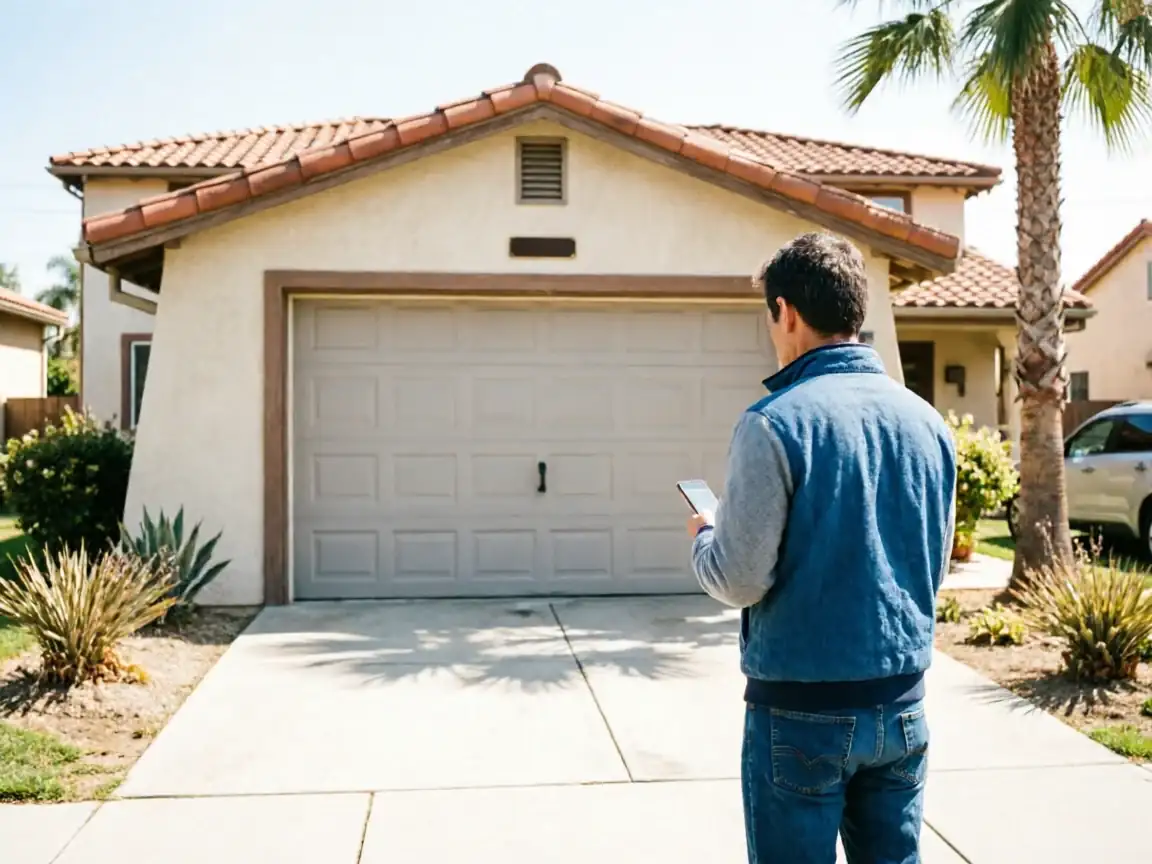
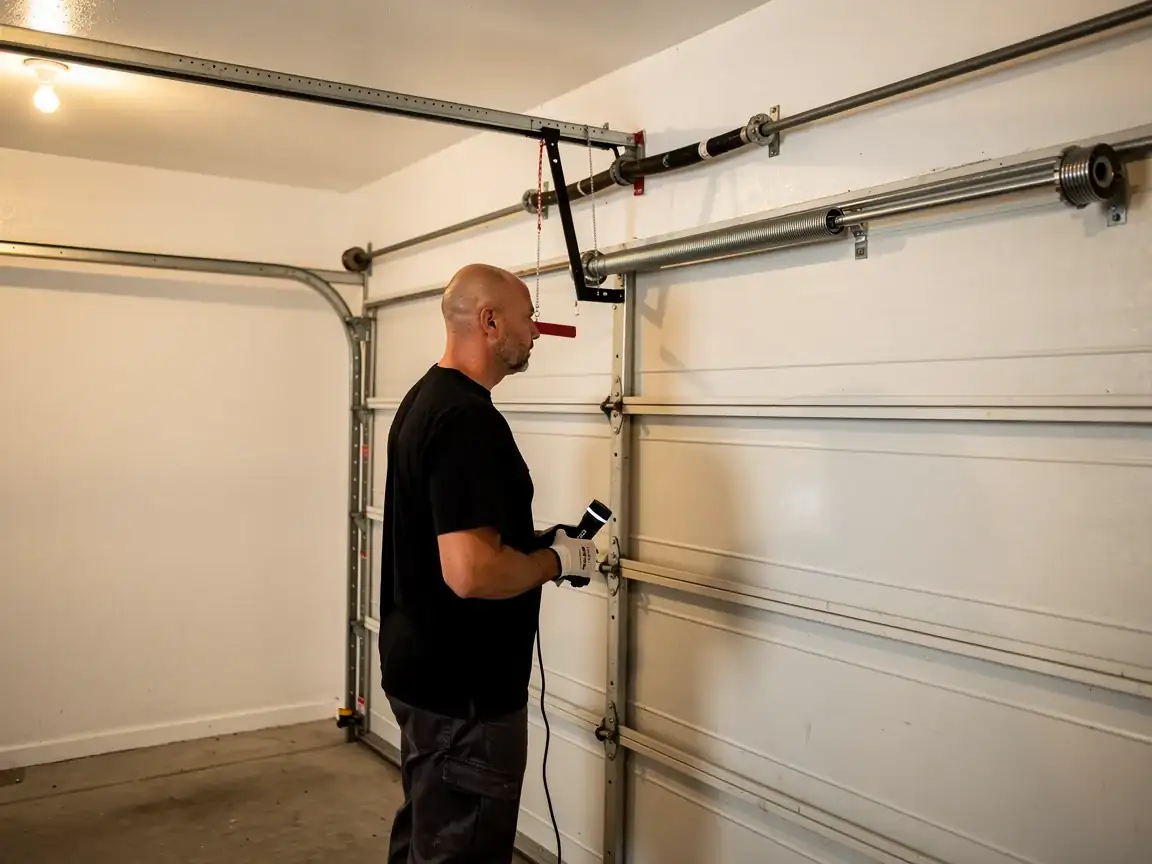
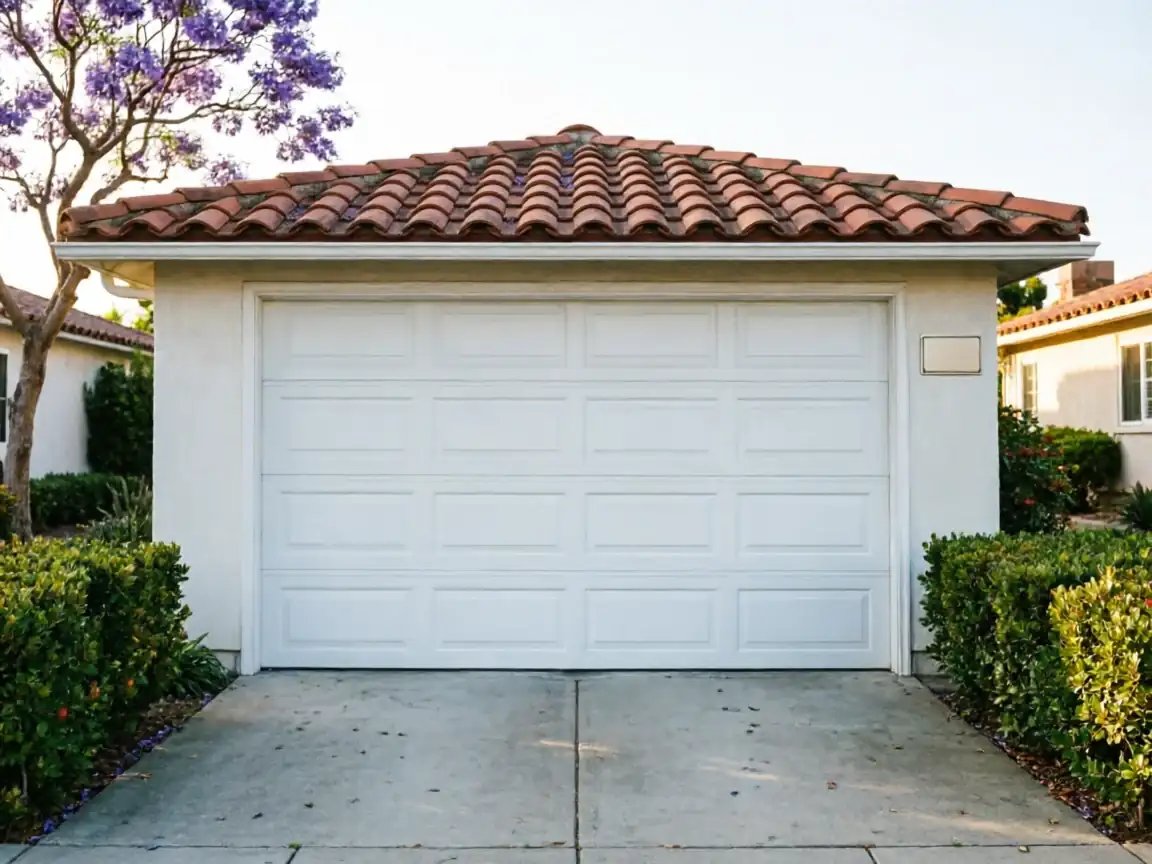
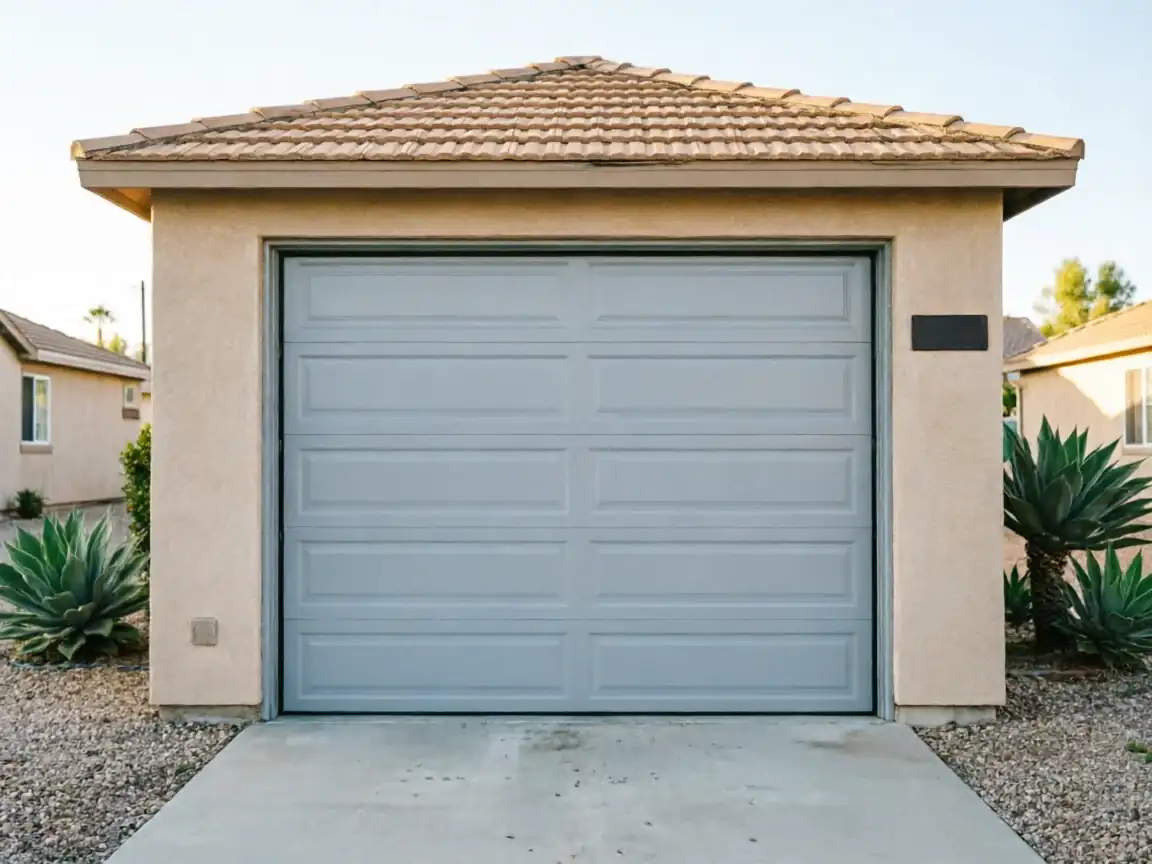
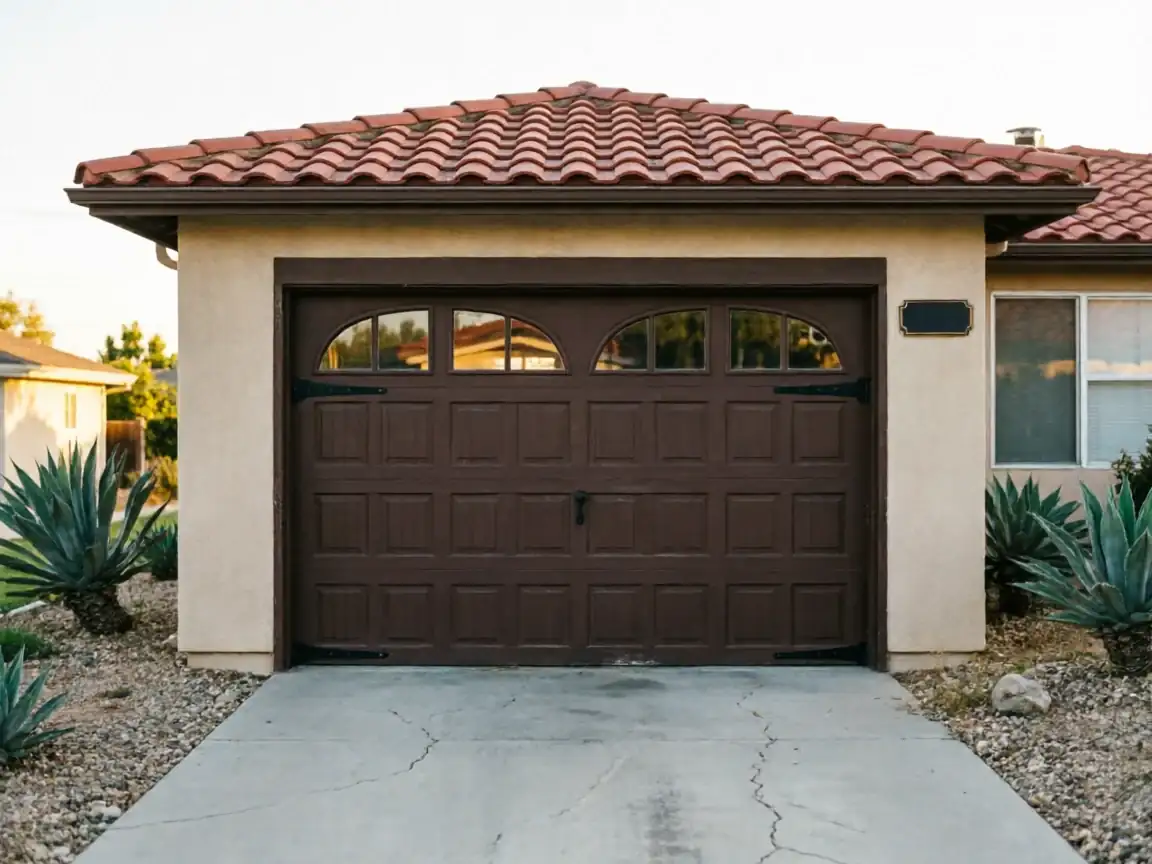
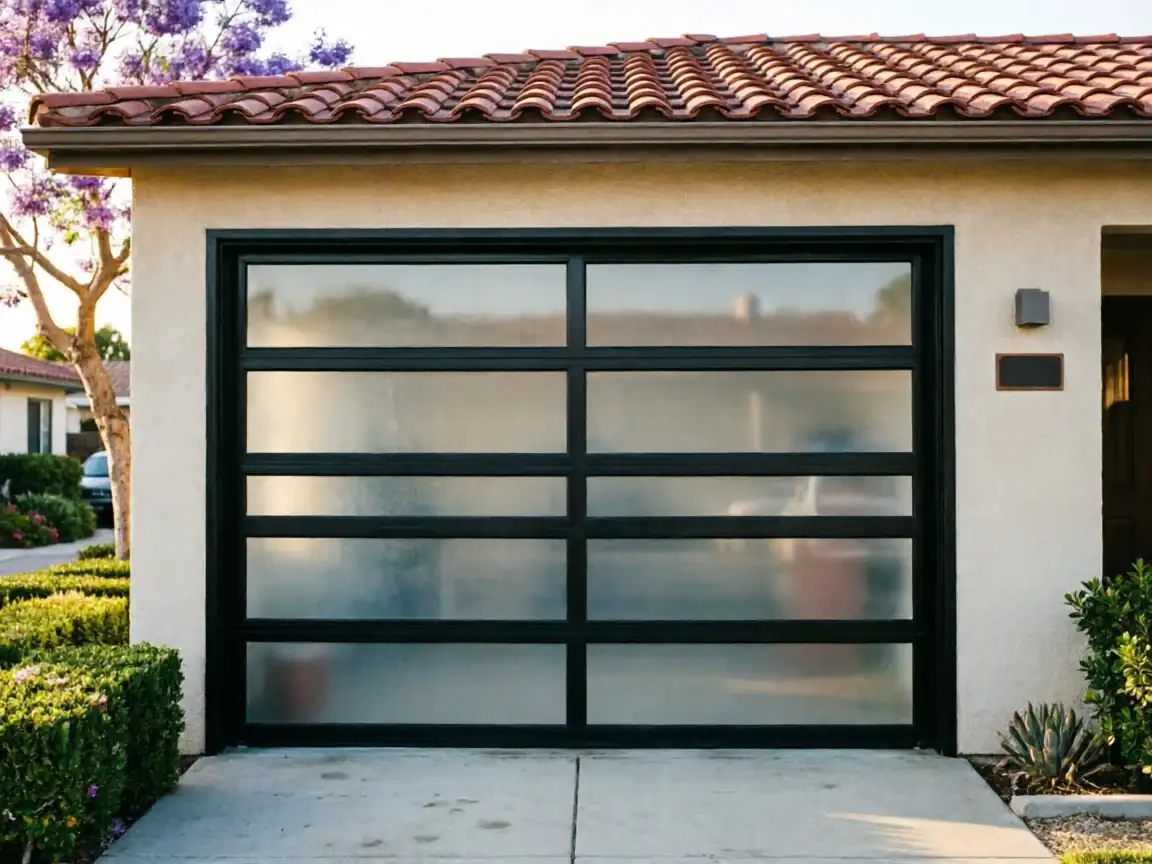
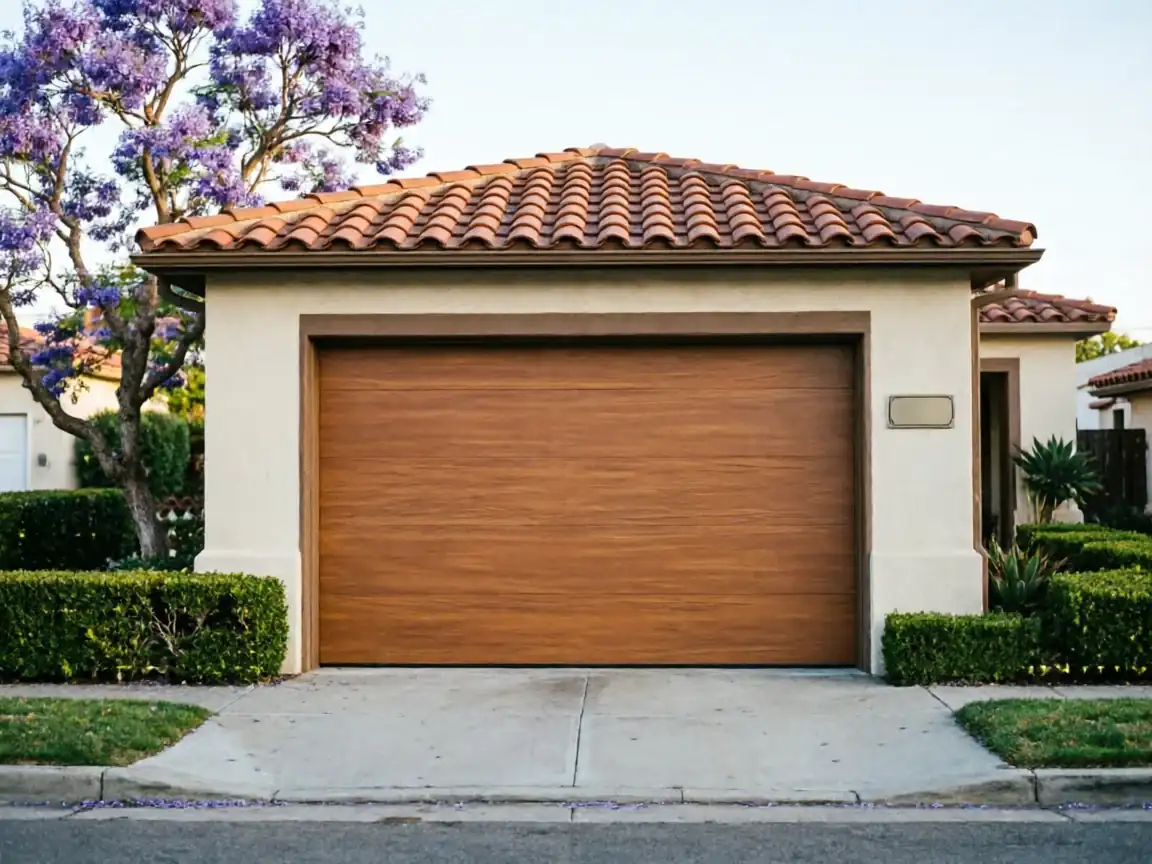
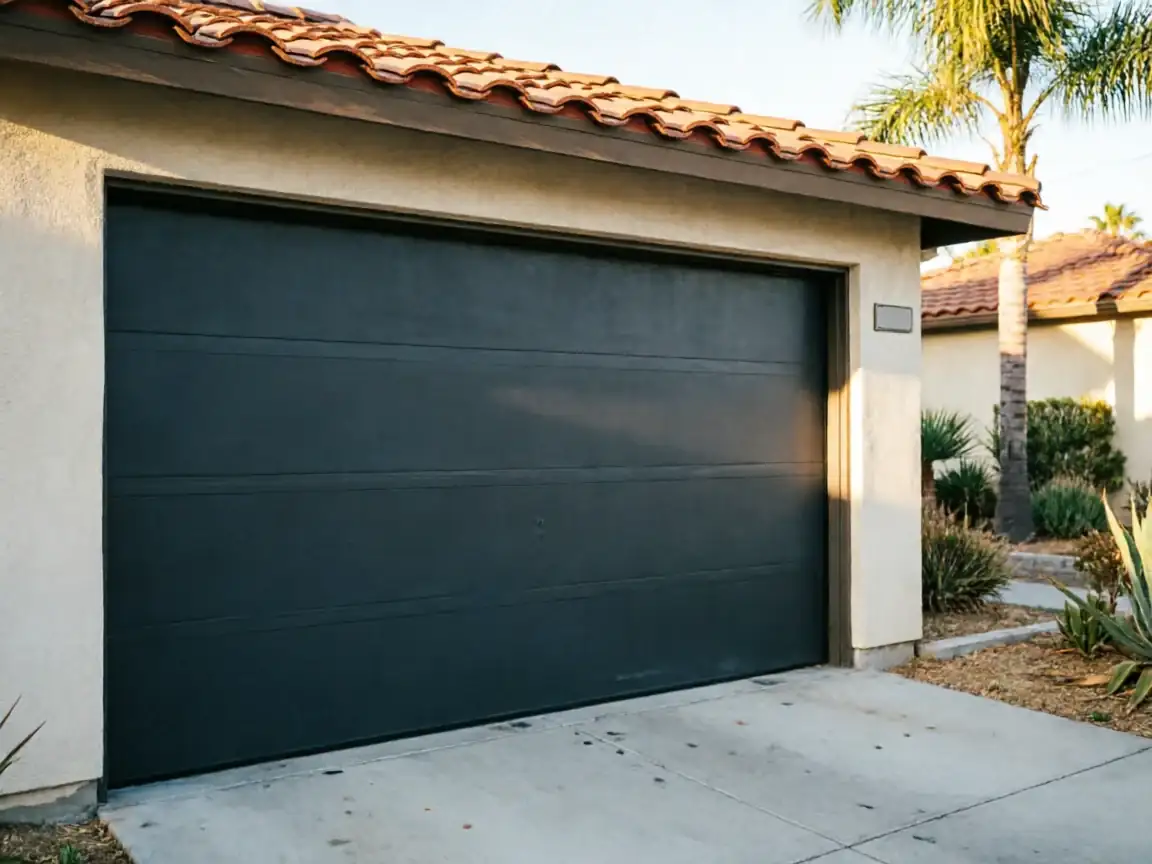
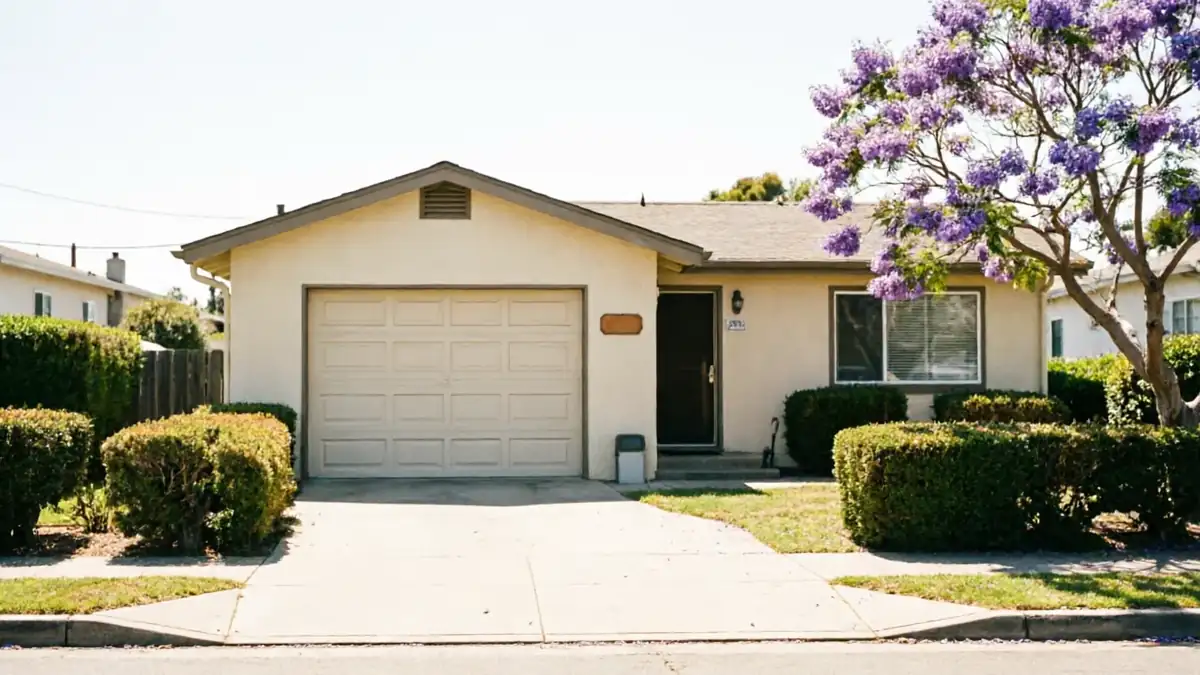
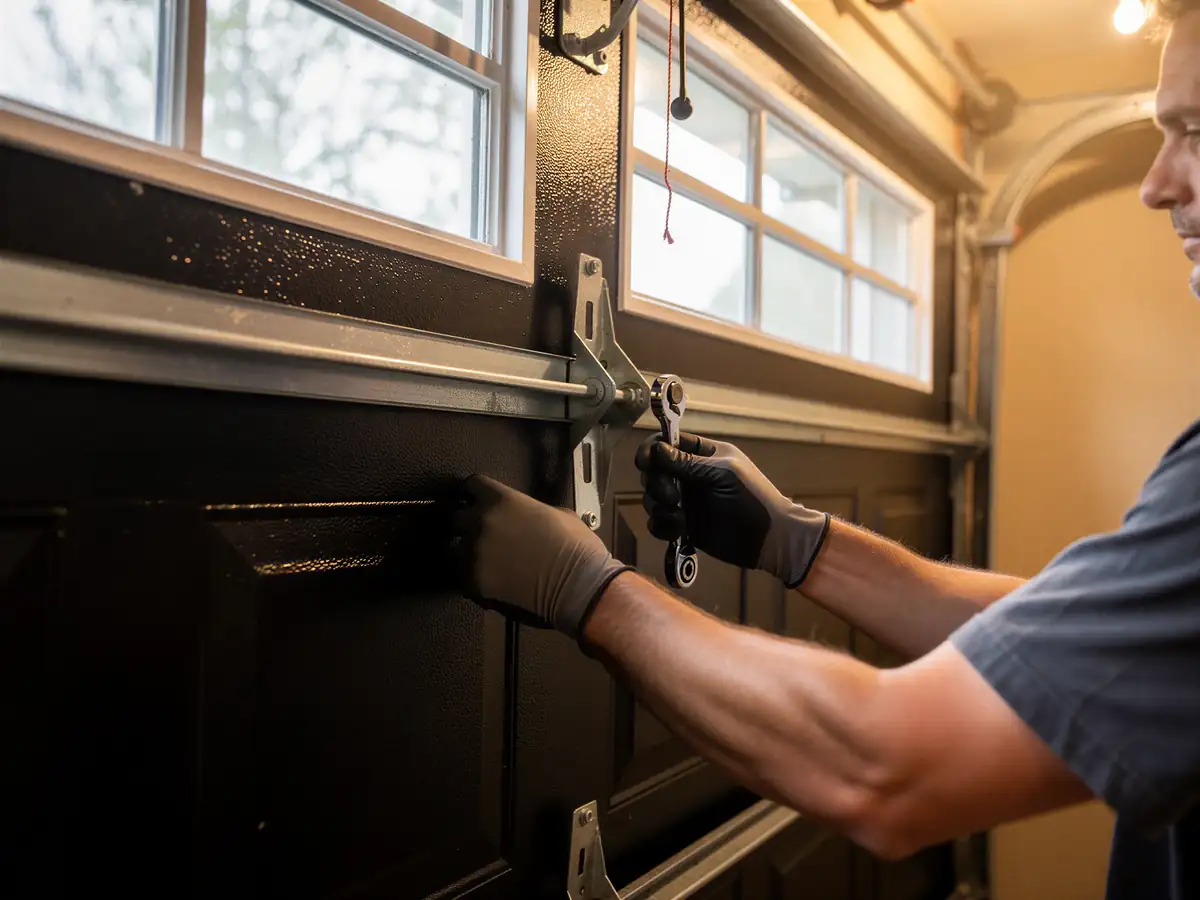
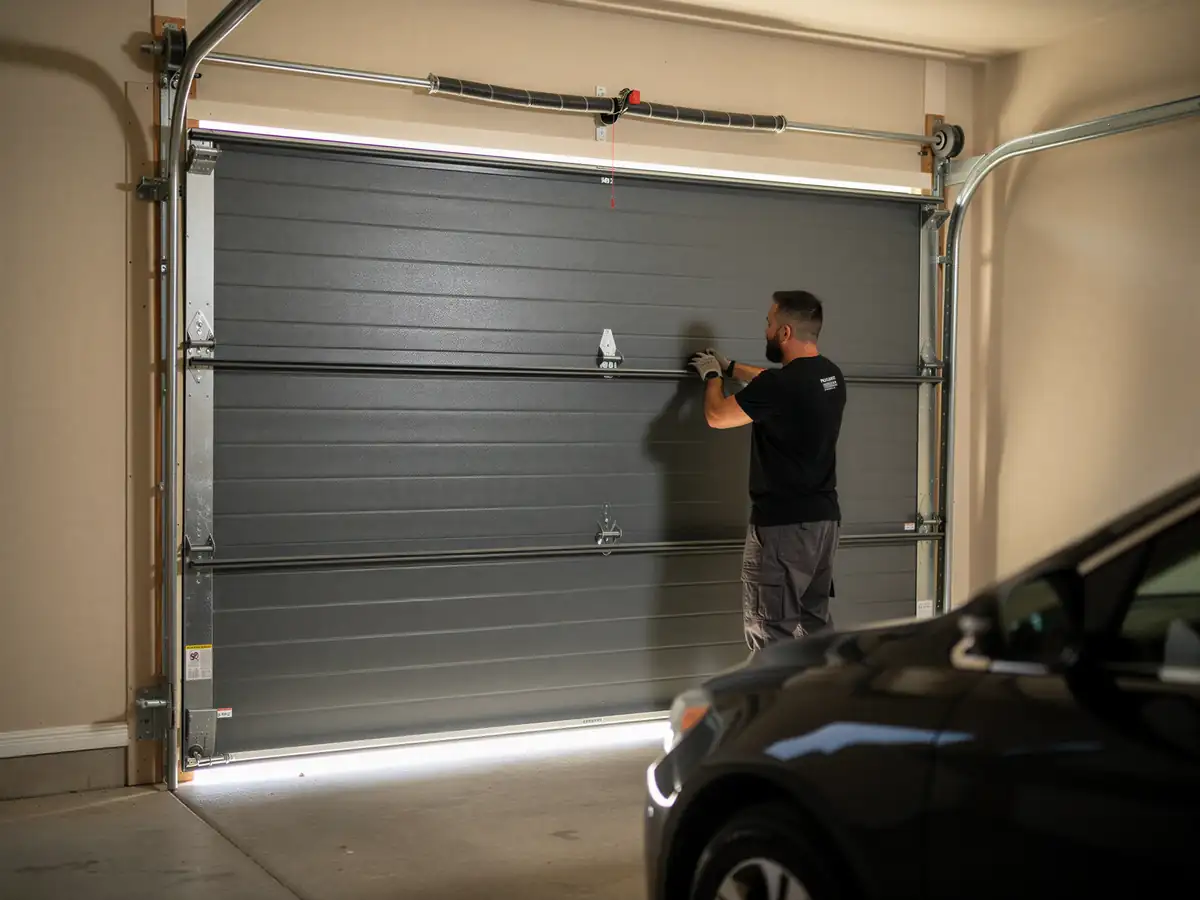
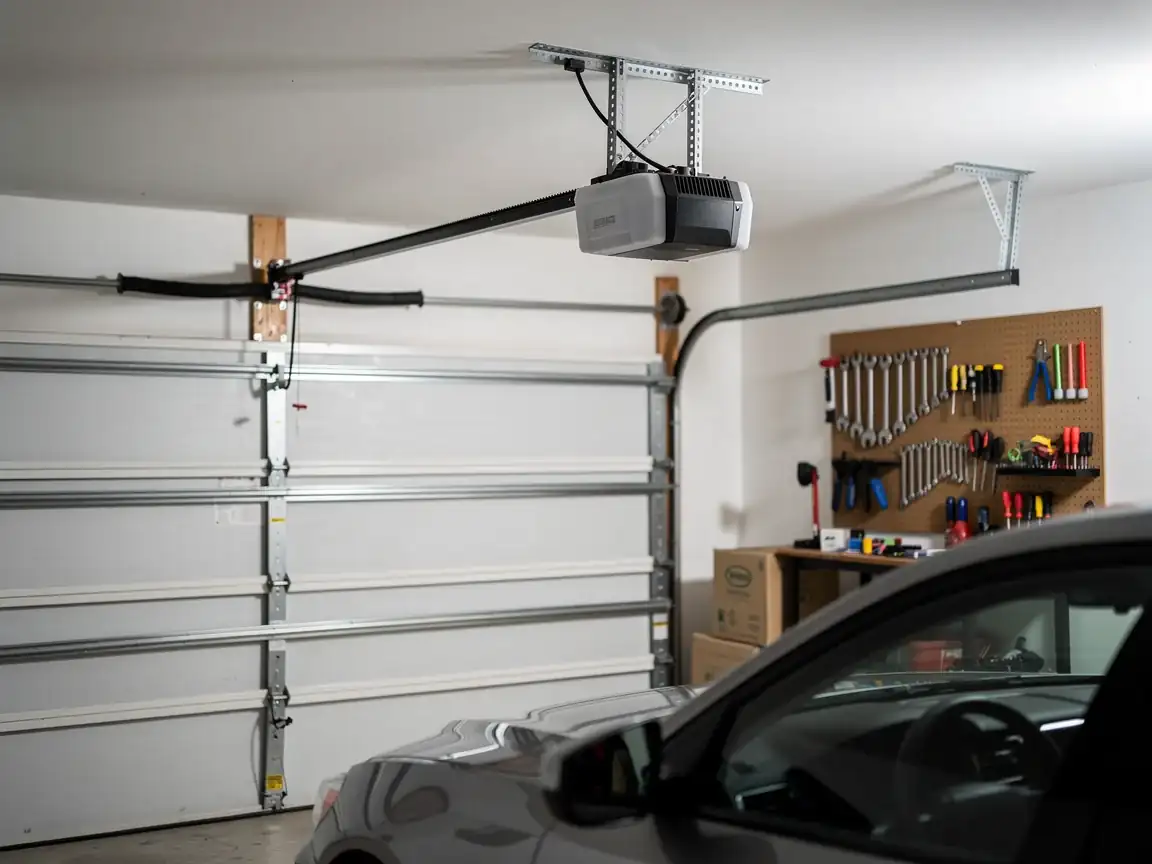
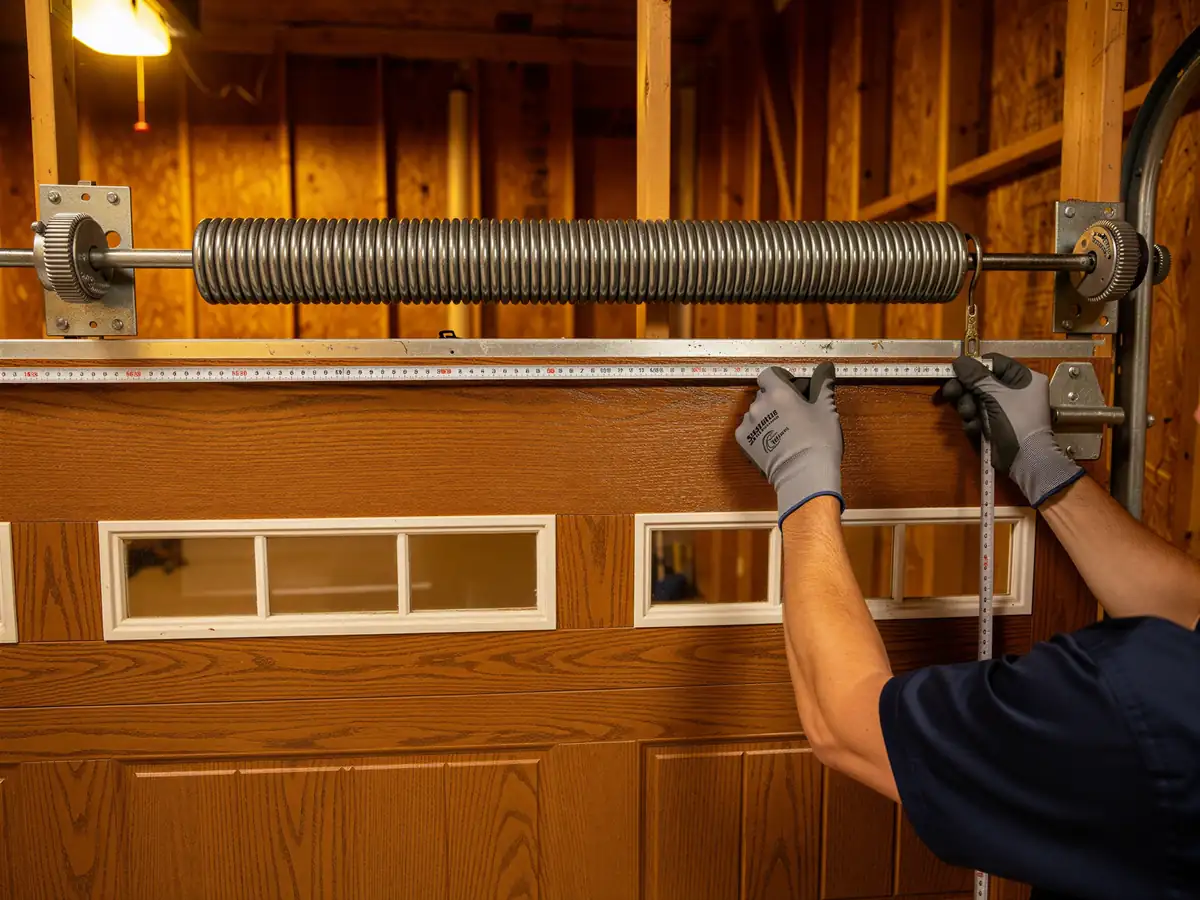
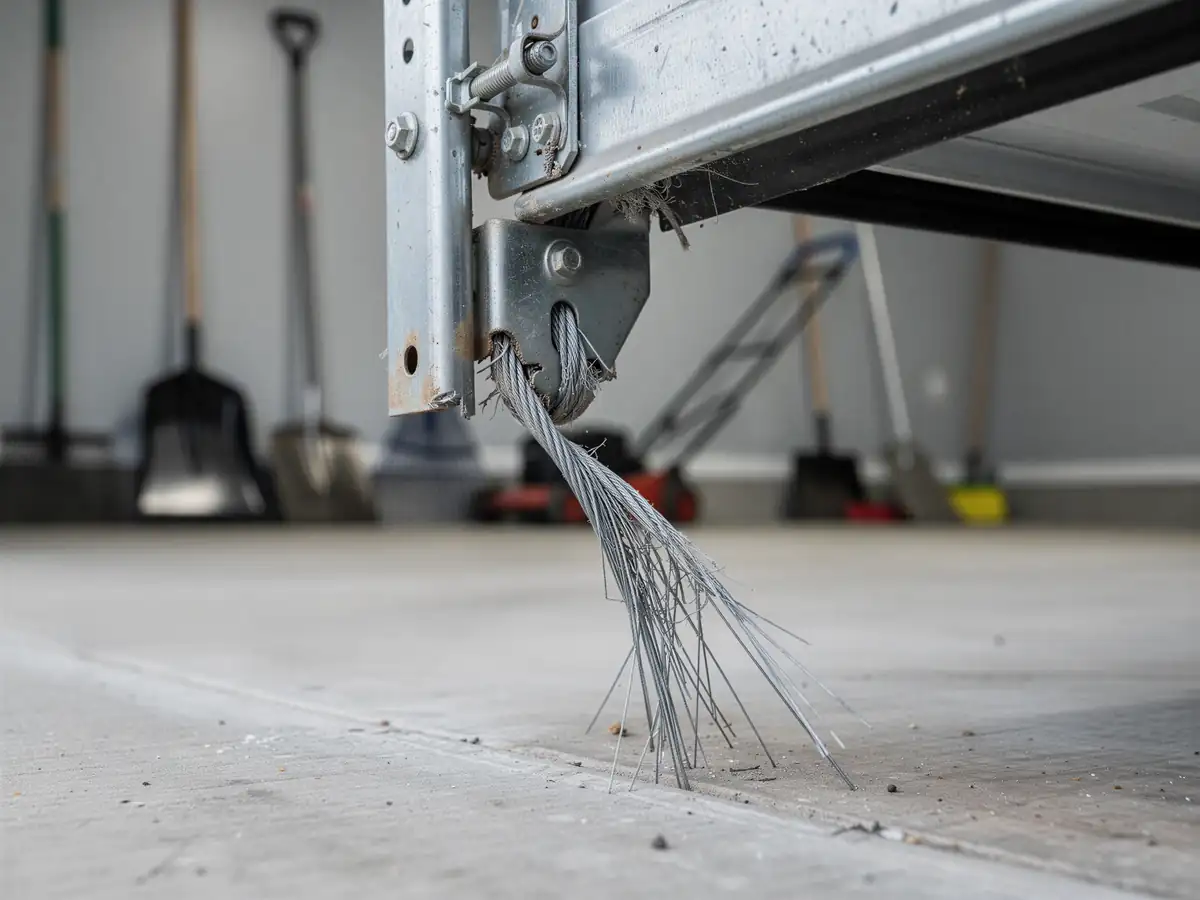
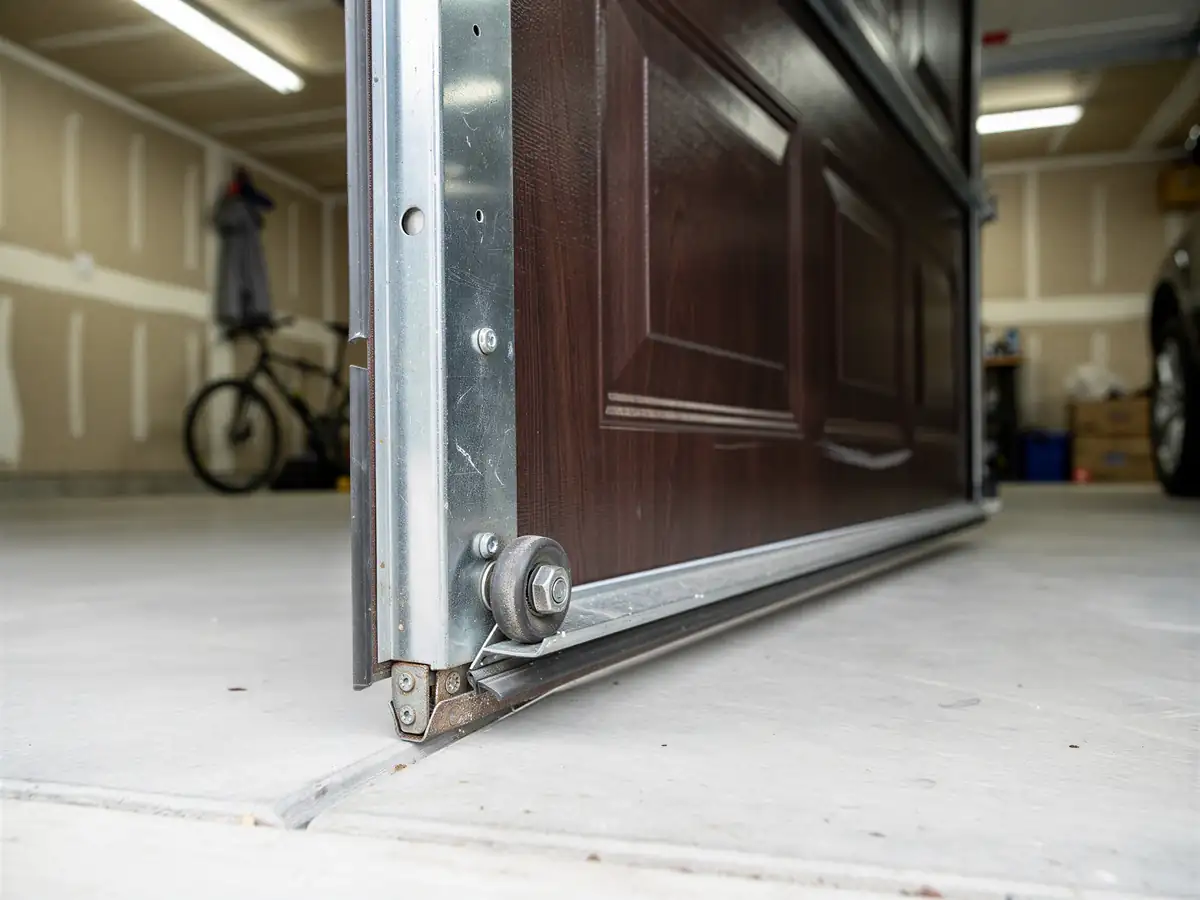
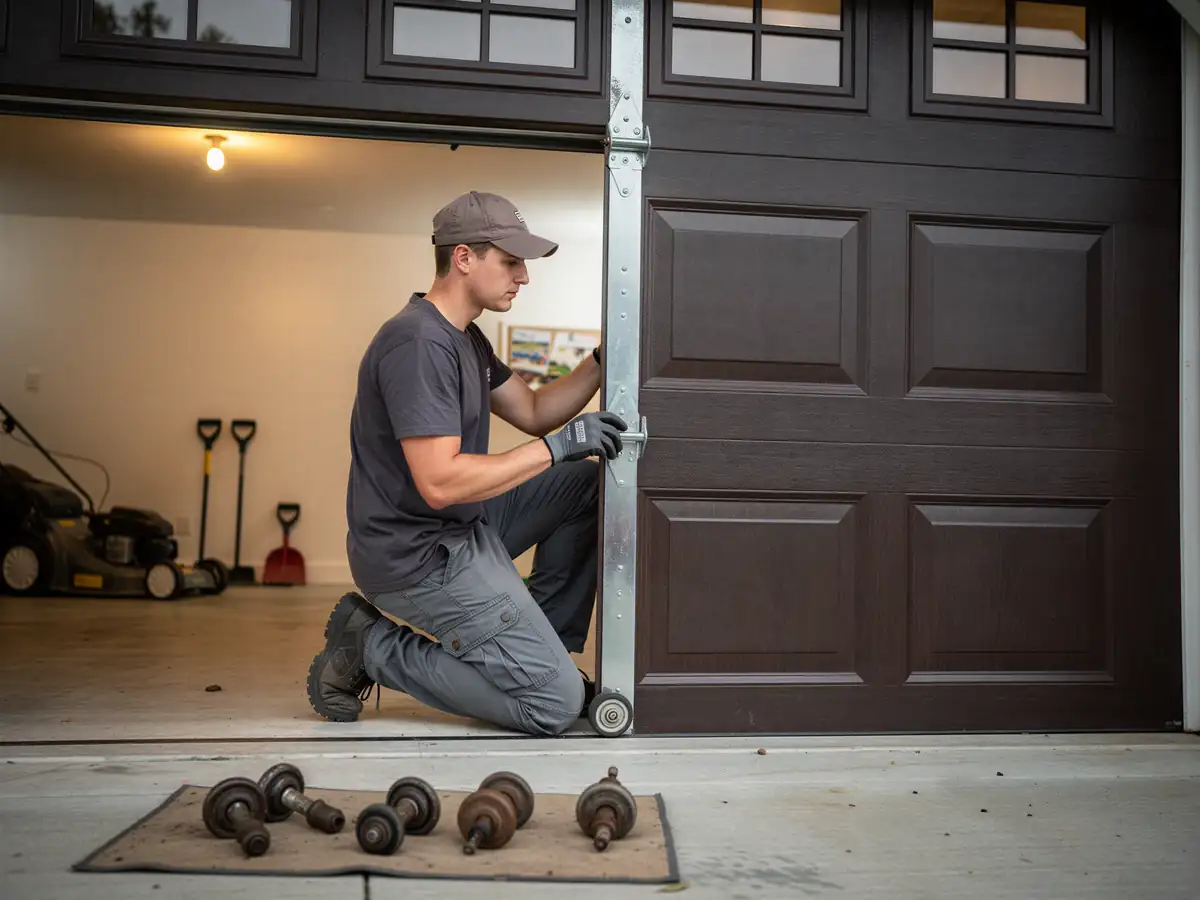
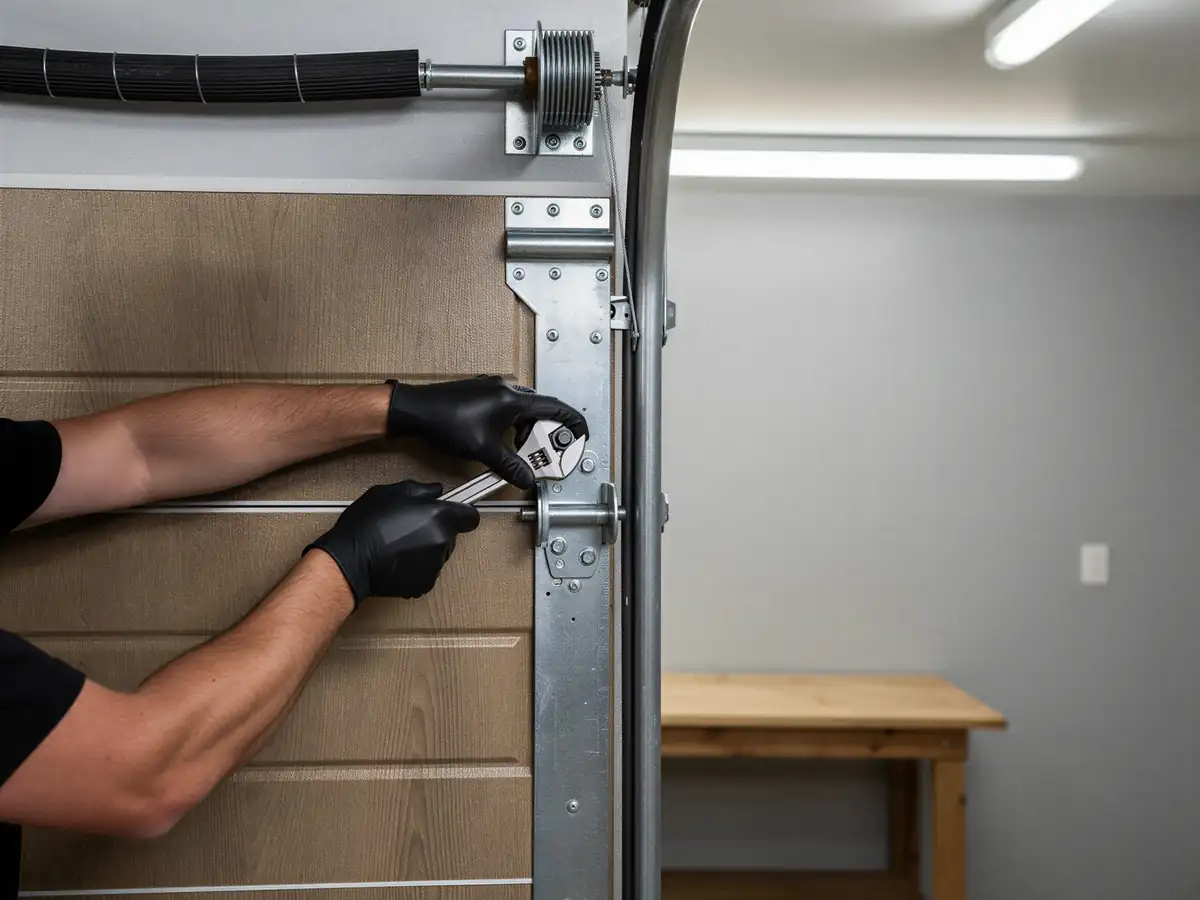
Alta Sierra's housing is newer than most of the Grass Valley service area. The median home here went up in 1984, a good seven years past the area-wide median of 1977, and that gap shows up in the garage. Doors here are more likely to be the lighter steel sectional panels that came standard once builders moved past the old one-piece slab designs, running on overhead extension or torsion springs rather than the side-mounted hardware you still find on the older stock closer to the center of town. Openers tend to be chain or belt drive units from the same build era, not the older screw-drive units that show up on pre-1970s homes. That doesn't mean Alta Sierra doors never break. Extension springs wear out, nylon rollers crack, and the cheaper steel tracks from that period dent easier than people expect. But the common failure here is a worn spring or a stripped opener gear, not a seized side bearing on hardware nobody makes parts for anymore. Knowing which era a door comes from changes what we bring on the truck before we even pull into the driveway.
The Split Between Old and New
Across the wider service area, home construction runs from 1938 to 1984, with most of the stock dating to the 1960s and 70s. Alta Sierra sits at the tail end of that range. A neighborhood built right at the 1984 mark means fewer of the original 1960s torsion setups and more of the later double-track, roller-door designs that became common as builders standardized hardware through the late 70s and into the 80s. The practical split is this: homes from the earlier decades in the service area often need spring and bearing retrofits because the original parts are long discontinued, while a house built here in the early 80s is more likely to need a straightforward spring replacement or opener swap using parts that are still on the shelf. That's a real difference when it comes to job time and part availability, and it's worth knowing before a repair quote gets written.
What Was Built Here
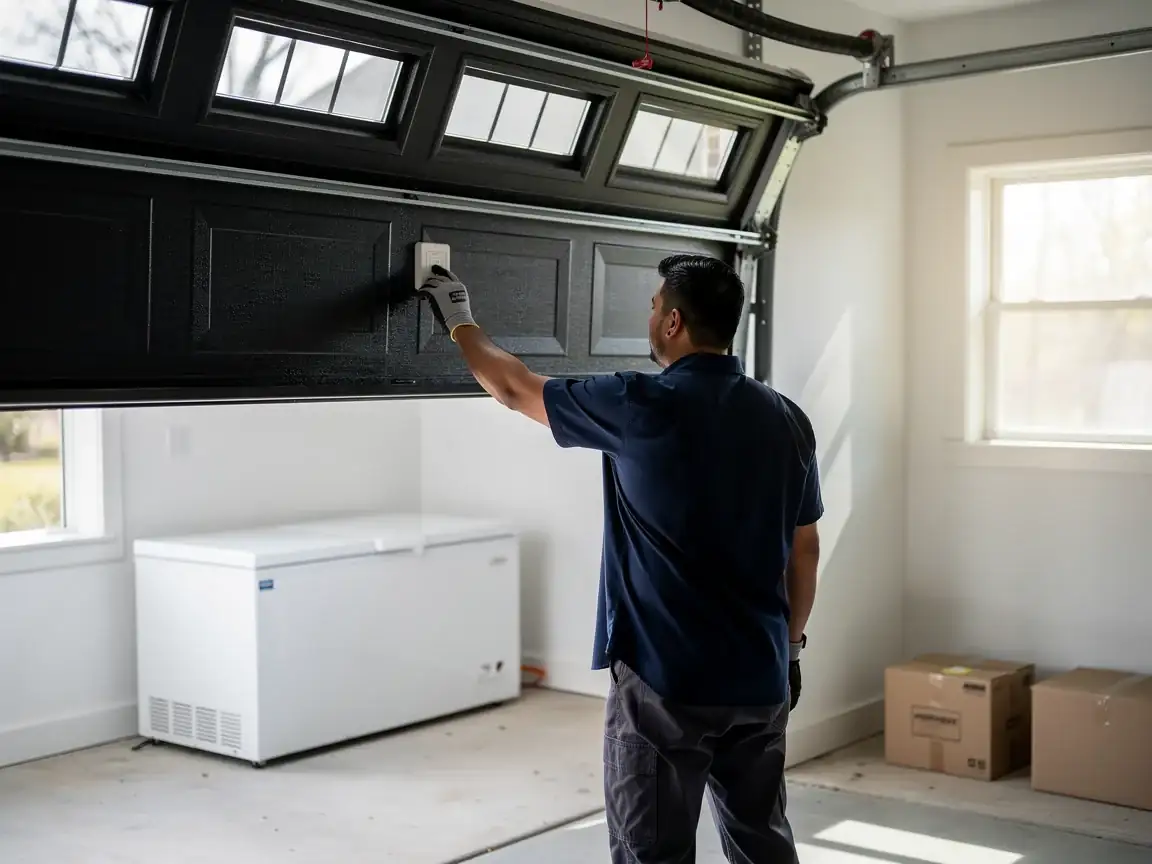
With roughly 2,920 households in Alta Sierra and a median household income of $99,576 - noticeably above the $91,135 median across the broader service area - this is a neighborhood where homeowners tend to invest in keeping a door running right rather than limping it along. That tracks with the housing age: a door built alongside a house from the early 1980s is usually a better repair candidate than a total replacement, since the opening sizes and track widths from that era are still standard. We'll say plainly where that's not the case - if a torsion spring has seized and pulled the drum off true, or if the panel itself has delaminated from water, patching it costs more over time than putting in a new door. We'd rather tell you that up front than sell a repair that won't hold.