What Is on the Truck
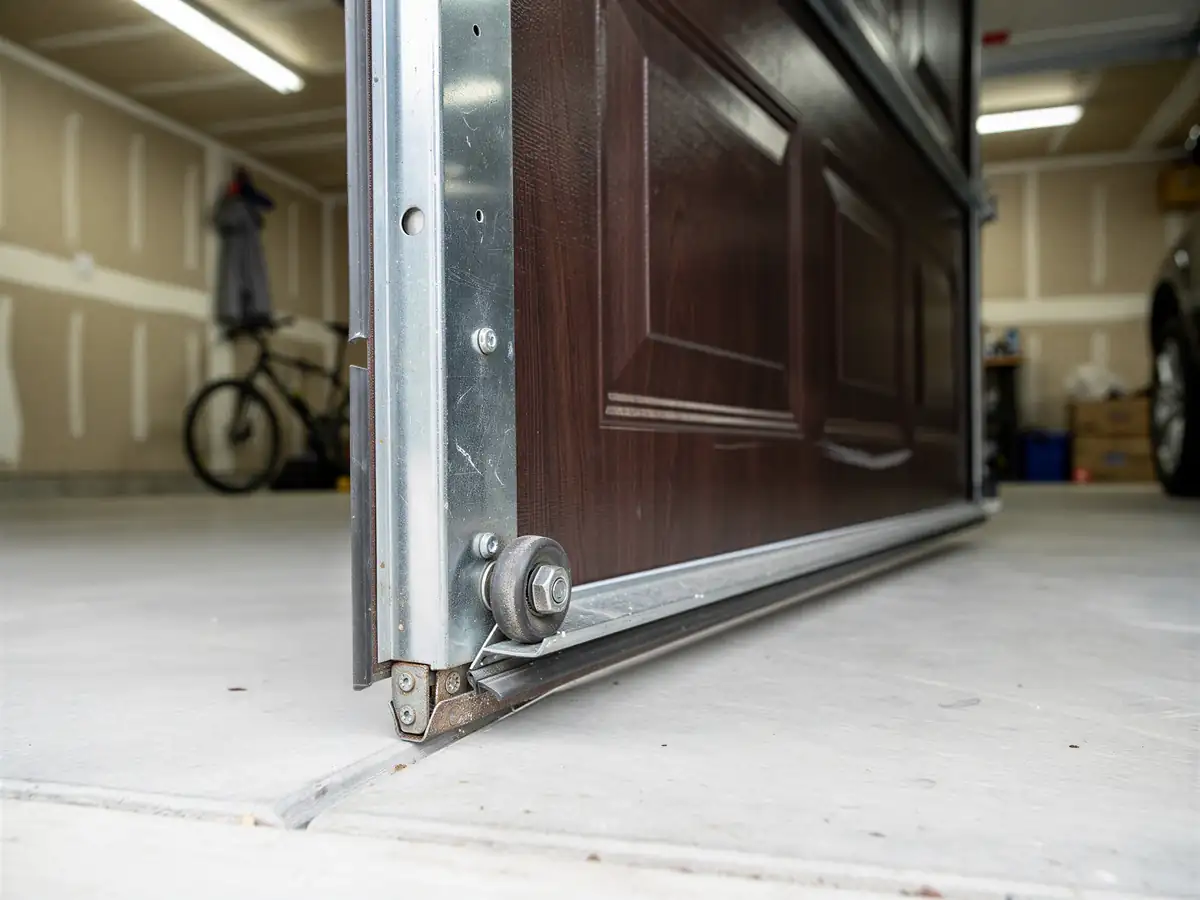
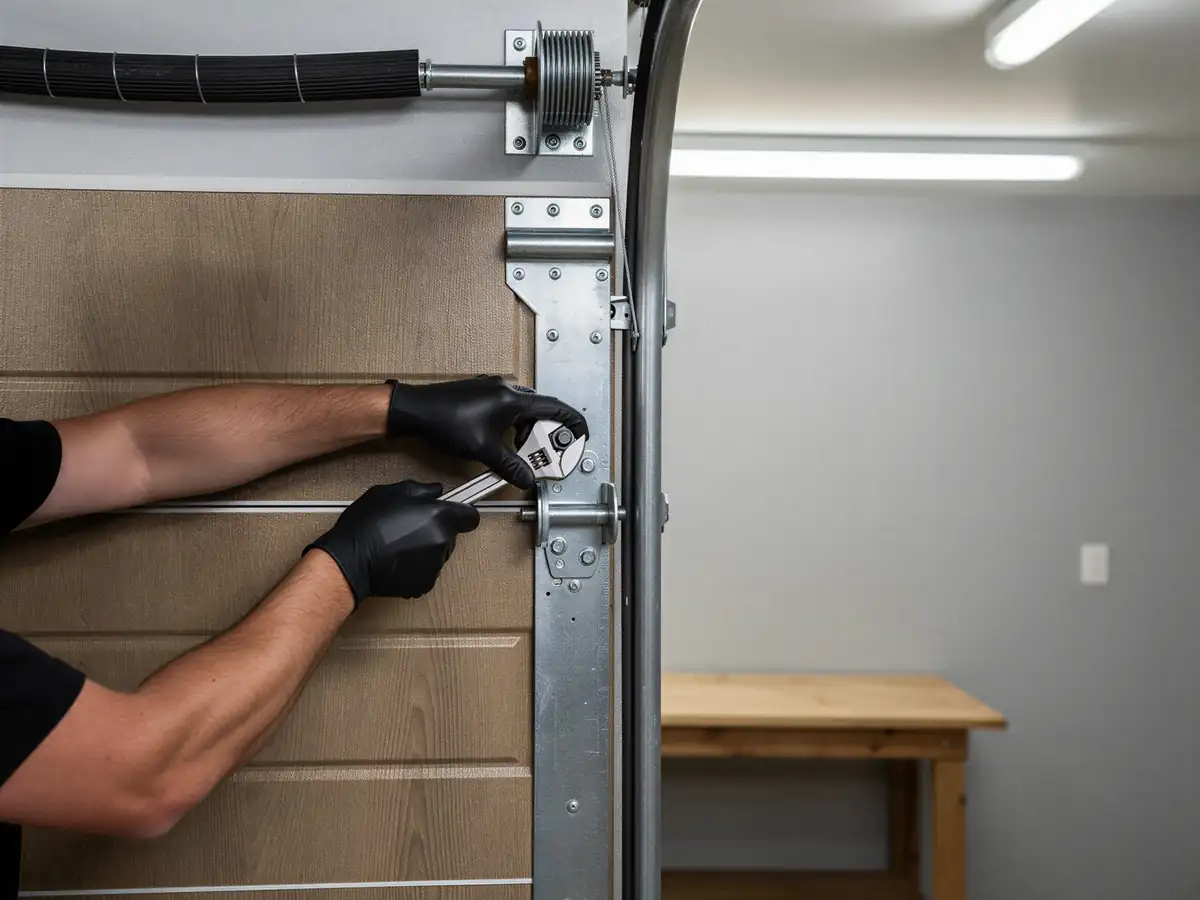
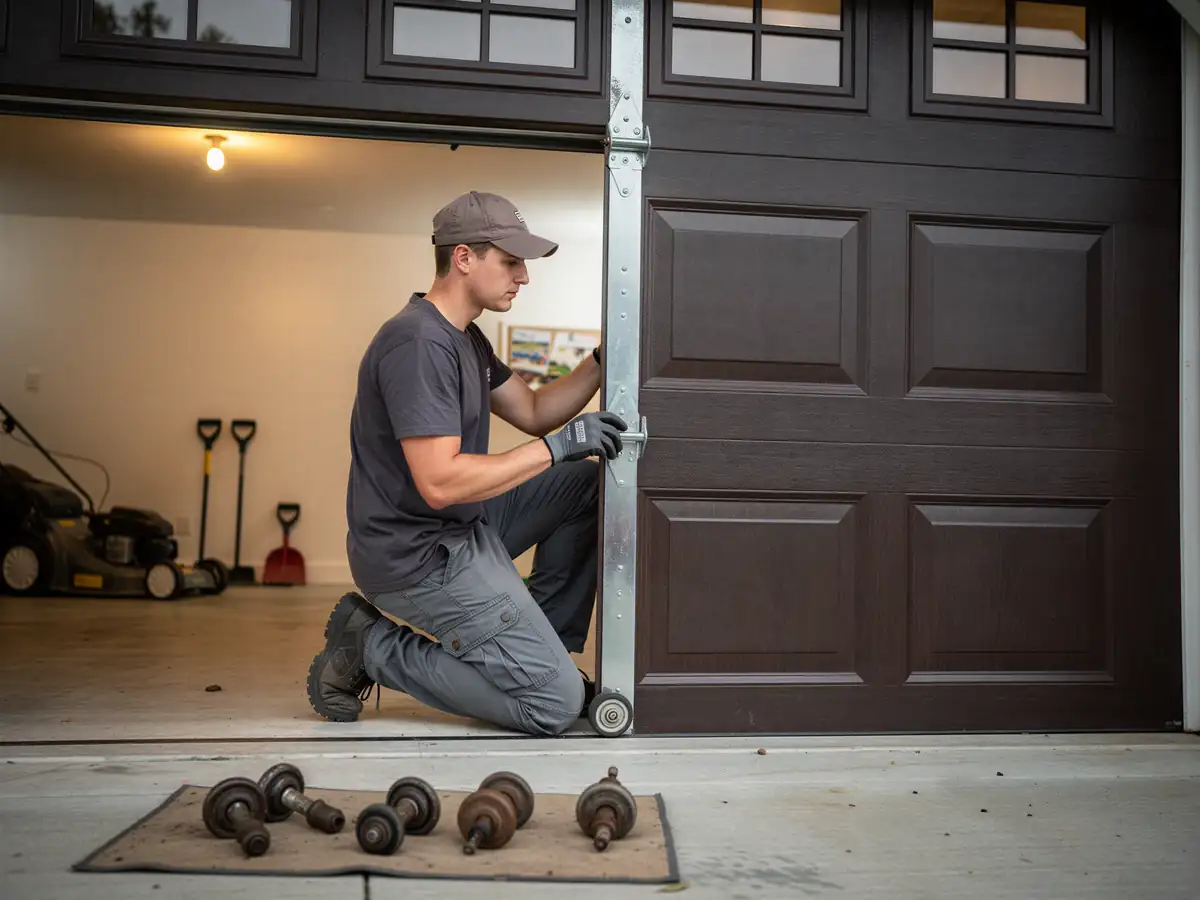
A lot of Alta Sierra's garage doors went up around 1984, which puts them at the tail end of the steel-roller era. Builders in that stretch were still hanging 10-ball steel rollers with open bearings on galvanized track, not the sealed nylon rollers that became standard later. That's the part we stock for this area: 7-inch and 10-inch stems in sealed nylon, the sizes that actually fit an early-80s track gap, plus the longer-stem rollers some of those doors need at the bottom bracket. We also carry the steel rollers themselves, because a few owners want to match what's already there rather than switch systems, and that's a fair call on a door that's otherwise sound. What we don't carry is a guess - if your track gauge is non-standard, we measure before we quote, not after.
We come out of Grass Valley, about 6 miles down to Alta Sierra, so the truck is stocked for the trip rather than restocked mid-job. That means if your rollers turn out to be a size we didn't expect, we tell you straight rather than pad the invoice with a return visit.
The Complications
Steel rollers from the 1984-era stock wear a specific way: the bearing dries out first, then the roller starts chattering in the track, then the track itself picks up a flat spot from years of a rough roller riding it. By the time you hear the door, the track may already need straightening or replacing alongside the rollers, not after them. That's the complication we see most in this part of the service area - a roller job that was a roller job five years ago and is now a roller-and-track job.
Alta Sierra sits in a mild climate with occasional freeze nights, and cold snaps make dry steel bearings seize rather than just squeak, which is often what pushes an owner to finally call. Nylon rollers handle that swing better because there's no metal-on-metal bearing to gum up. One limitation worth saying plainly: if the track is bent, not just worn, swapping rollers alone won't fix the noise - that's a track repair or replacement call, and we'll tell you which one you're looking at before we touch anything.
Booking a Visit
We book Alta Sierra jobs out of Grass Valley, so the visit is scheduled, not drop-in
When you call, the two things that speed up the quote are the rough age of the door and whether the noise happens when it's moving or only when it stops - that second detail usually points to rollers versus opener before we even arrive.
Alta Sierra households here report a median income of about $99,576, higher than the wider service area's $91,135
And we mention that only because it tends to correlate with owners replacing rollers before a full breakdown rather than after - fewer emergency calls, more scheduled ones. If that's you, a weekday booking usually works fine. See coverage for Alta Sierra for how we route service through this area.
The Symptom
The giveaway on these early-80s steel-roller doors is a rhythmic grinding or clunking that keeps pace with the door's travel - one knock per roller, per rotation, not a single pop. That's different from a spring issue, which usually shows up as the door feeling heavy or refusing to stay up on its own. If your door sounds like it's dragging gravel through the track on the way up, that's roller wear talking, and on a door from this era it's almost always steel rollers that have outlived their bearings.
A door that's silent but slow to close, or one that reverses partway, is pointing somewhere else - sensors or the opener, not rollers - and we'd rather say so on the phone than charge you for a roller swap that doesn't fix the actual complaint. For the broader service-area writeup on this repair, see roller replacement in Grass Valley.