What Is on the Truck
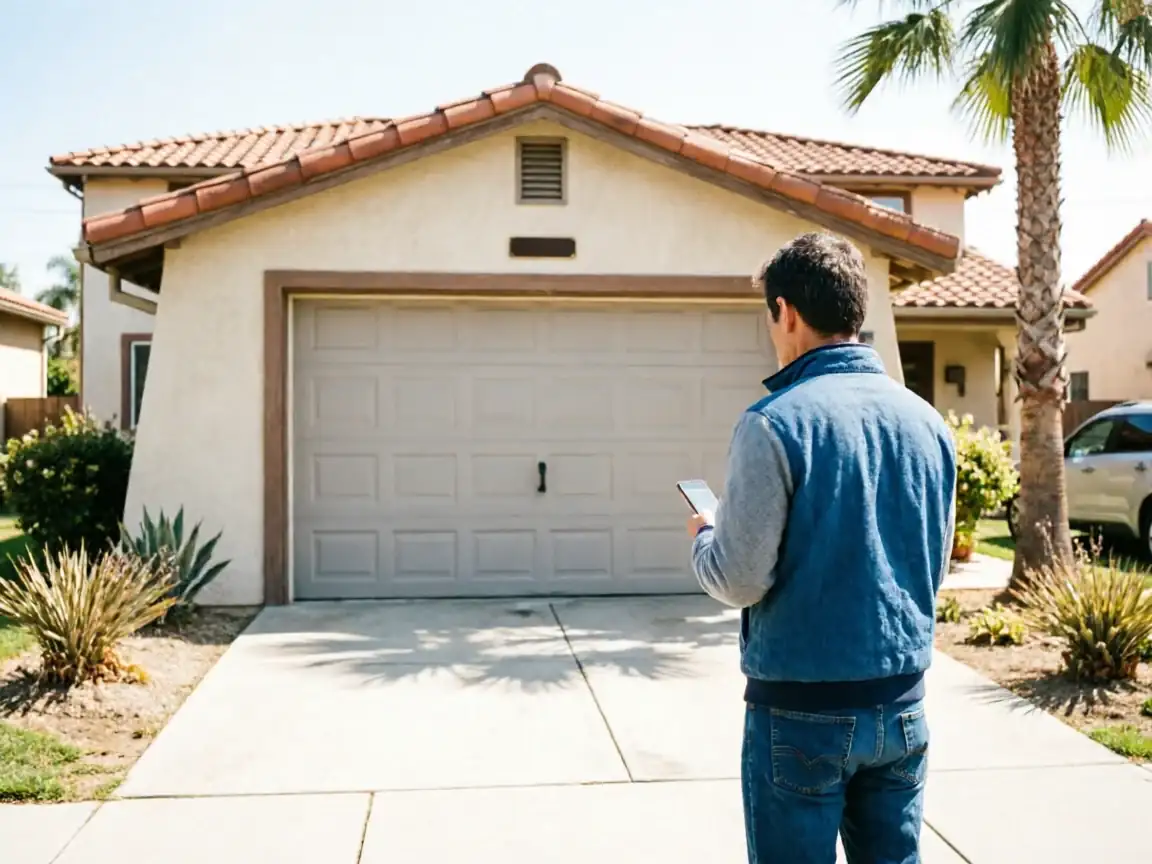
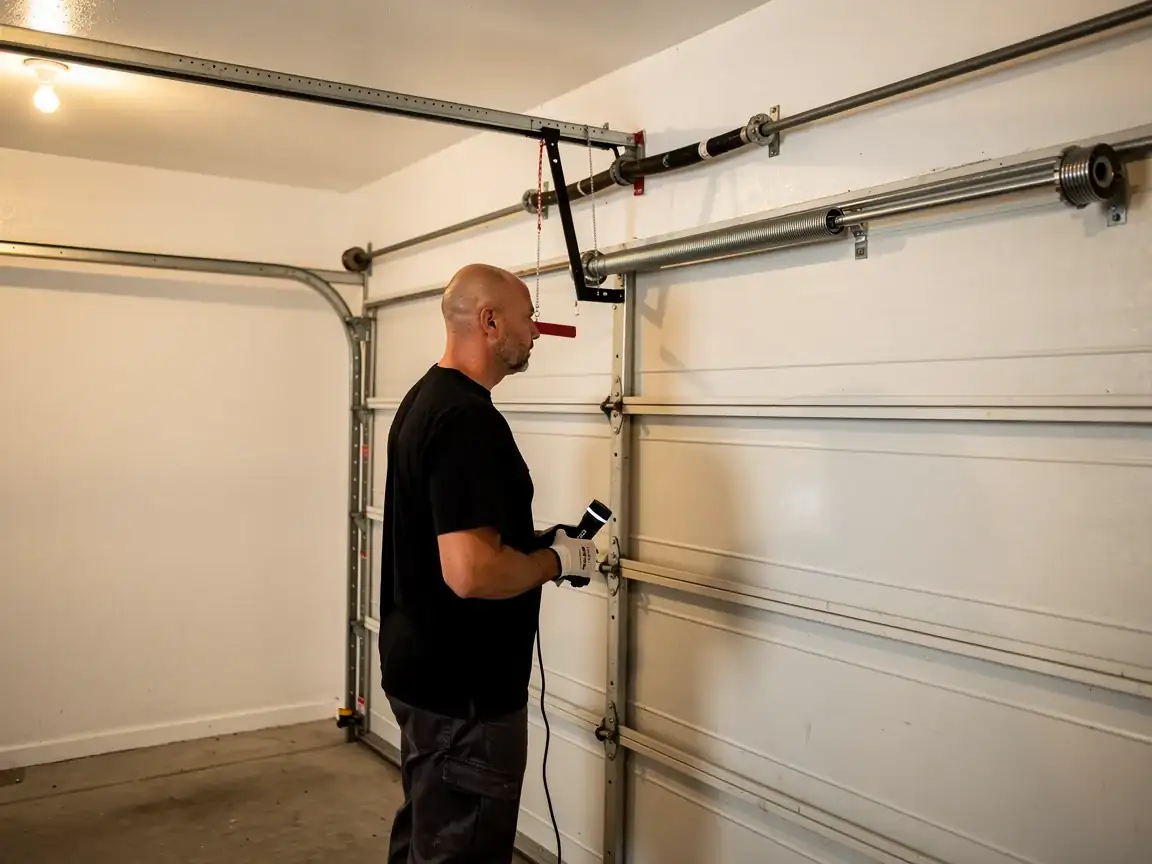
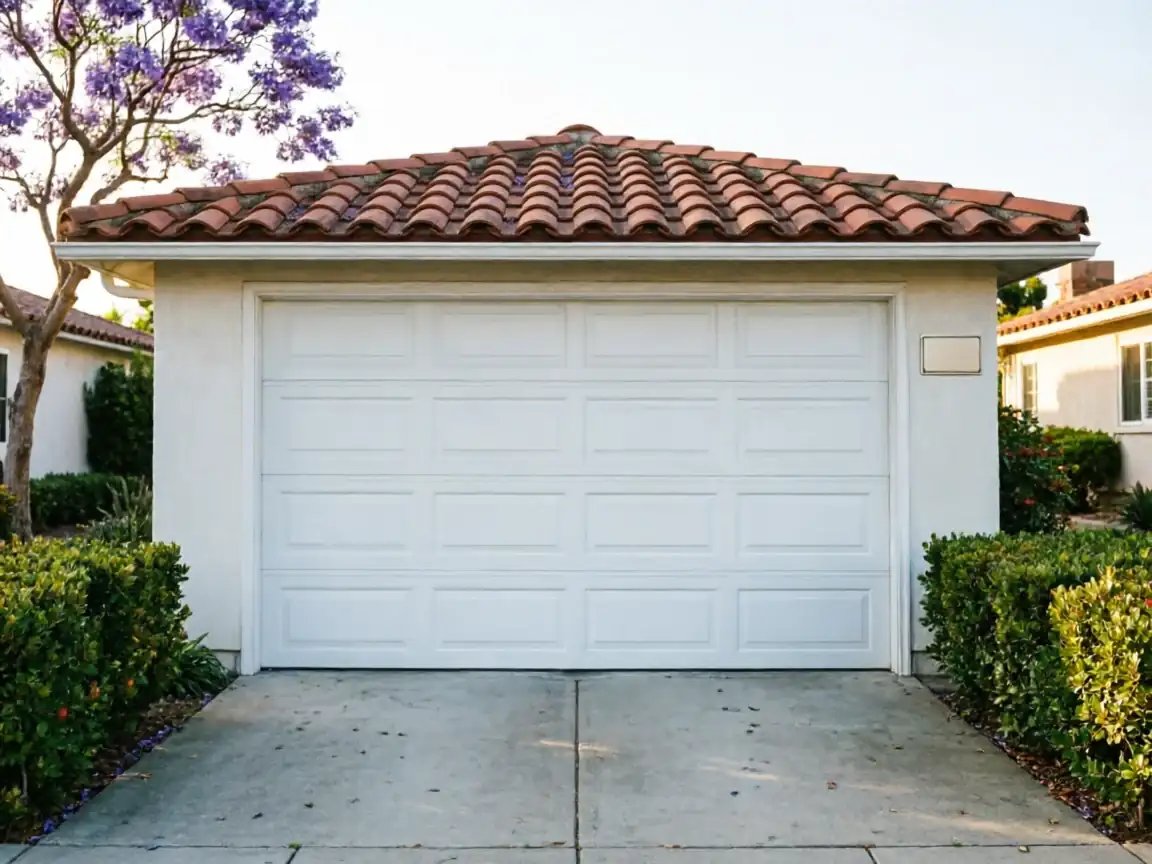
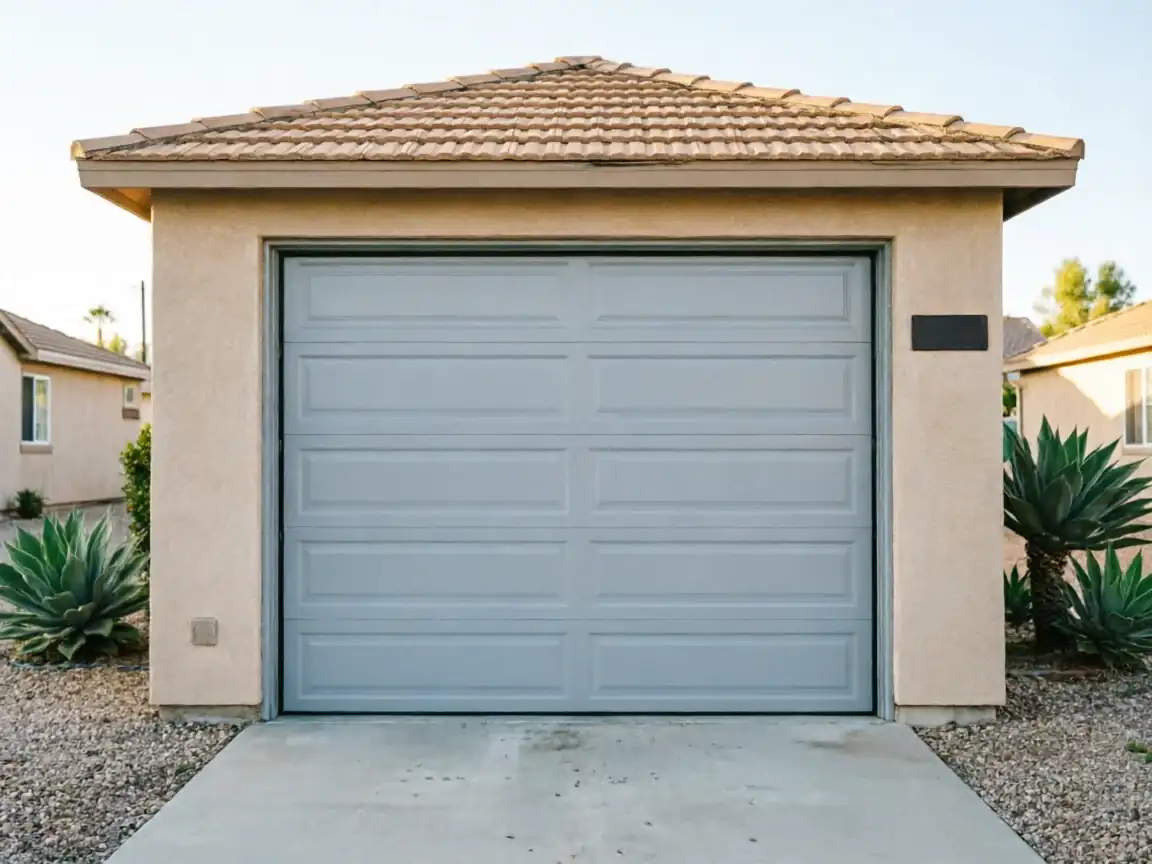
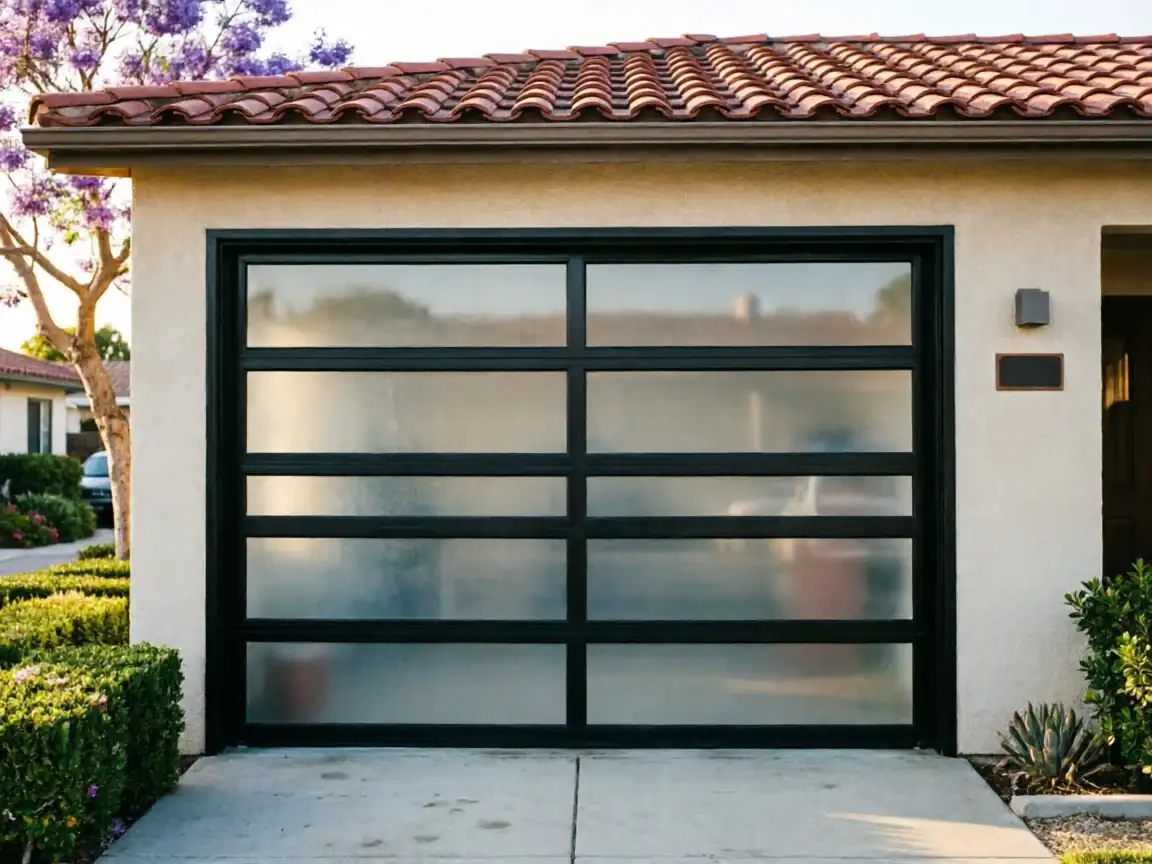
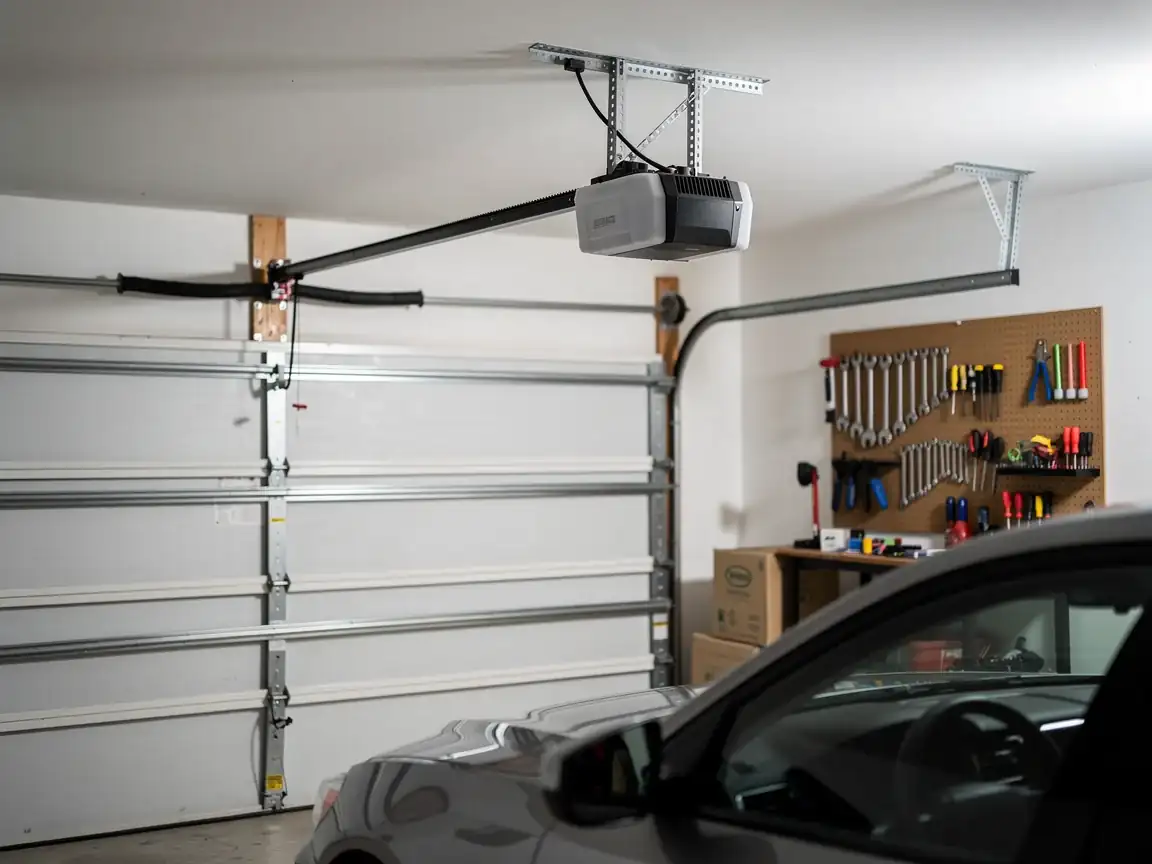
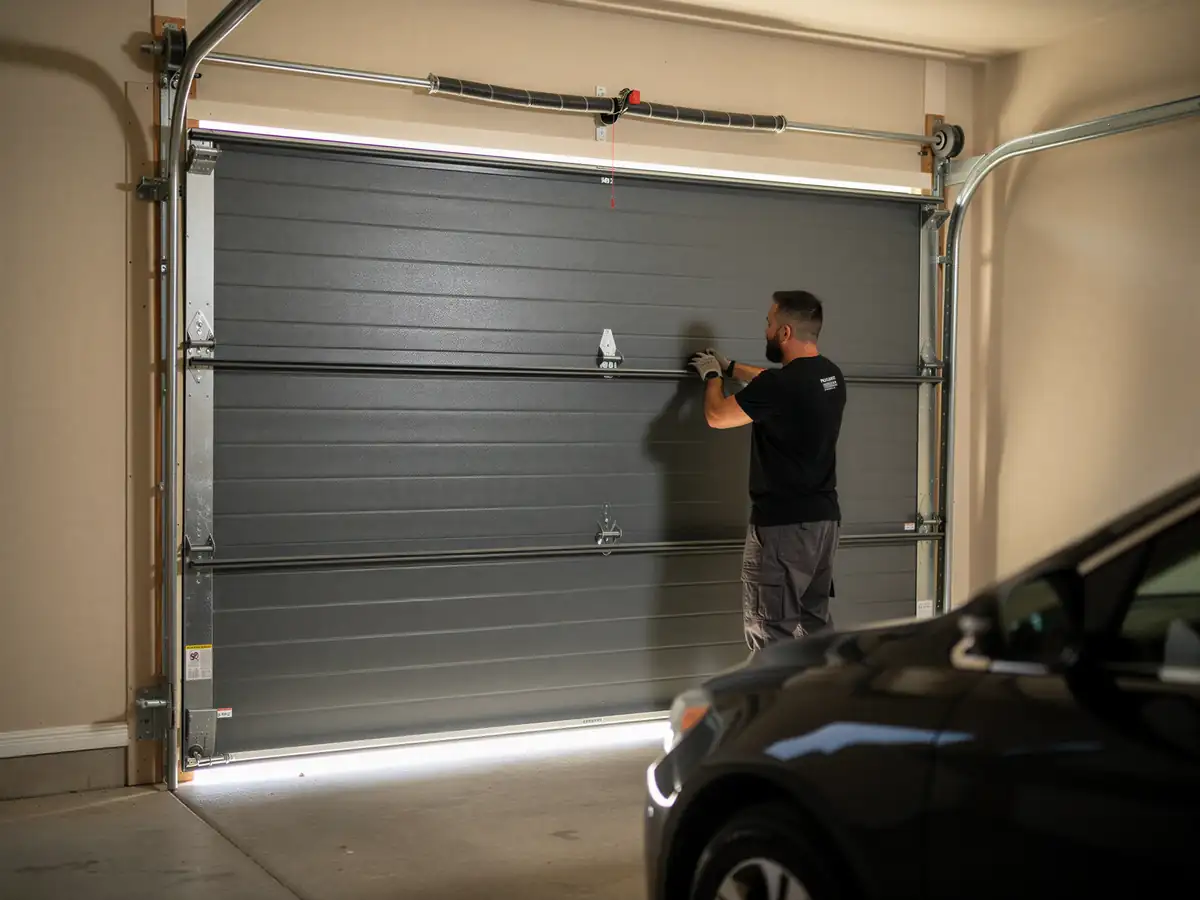
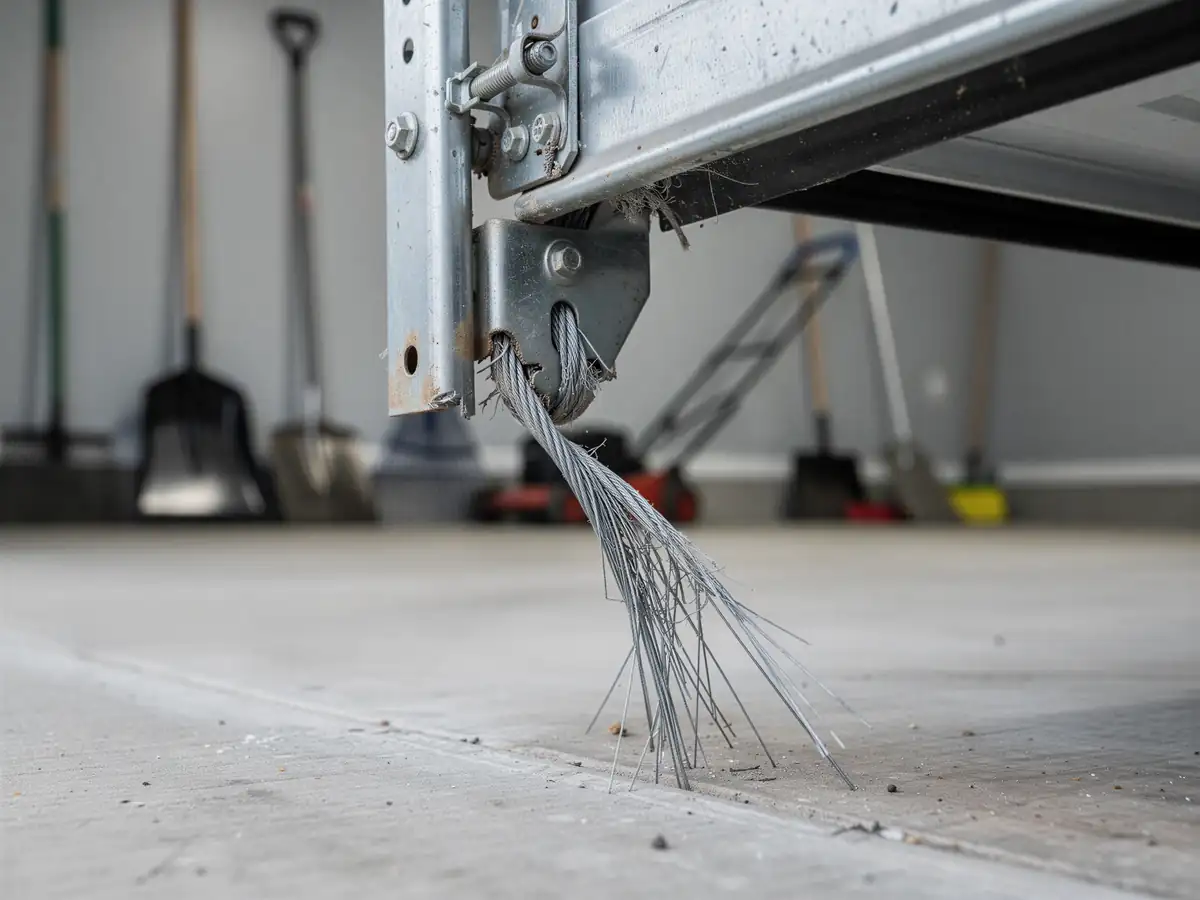
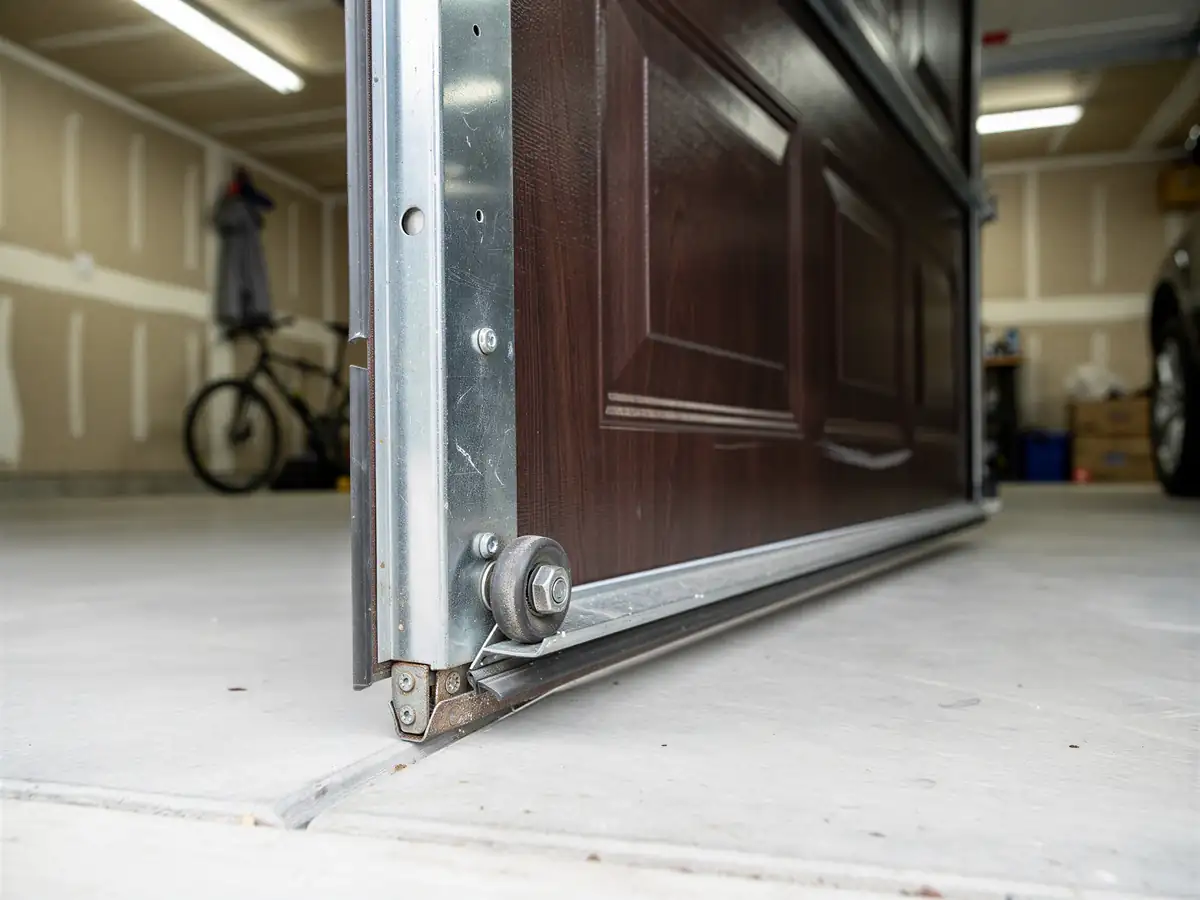
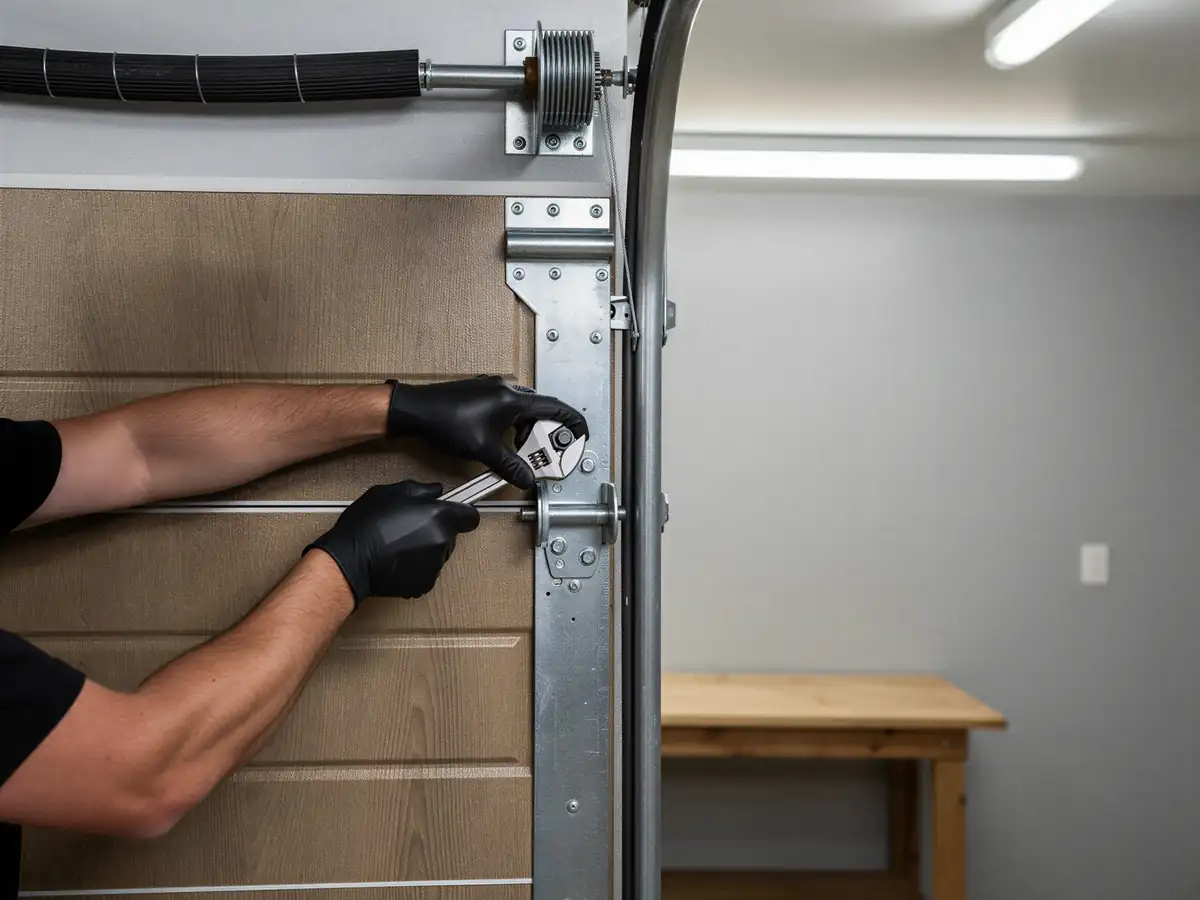
Alta Sierra sits six miles from our shop in Grass Valley, and the mix of doors we carry out there looks different from what we load for the older in-town streets. Census data puts the median year this area's houses went up at 1984, a good seven years newer than the 1977 median across the wider service territory. That gap matters on a service call: newer 1984-era garage doors were mostly built to take a standard torsion spring on a steel header, not the older extension-spring setups common on pre-1970s construction nearby. So the truck carries torsion spring sets in the common 1984-build sizes, galvanized cable to match, and steel rollers rated for the heavier sectional doors that started showing up in that construction wave. We also keep a couple of standard-width torsion bars for two-car doors common on larger Alta Sierra lots, since income here runs well above the area median - $99,576 against the service area's $91,135 - and higher-income lots in this bracket tend to run wider garages. What we don't load for every call: custom insulated glass-panel doors. Those get special-ordered after we see the opening, not guessed at from the truck.
The Complications
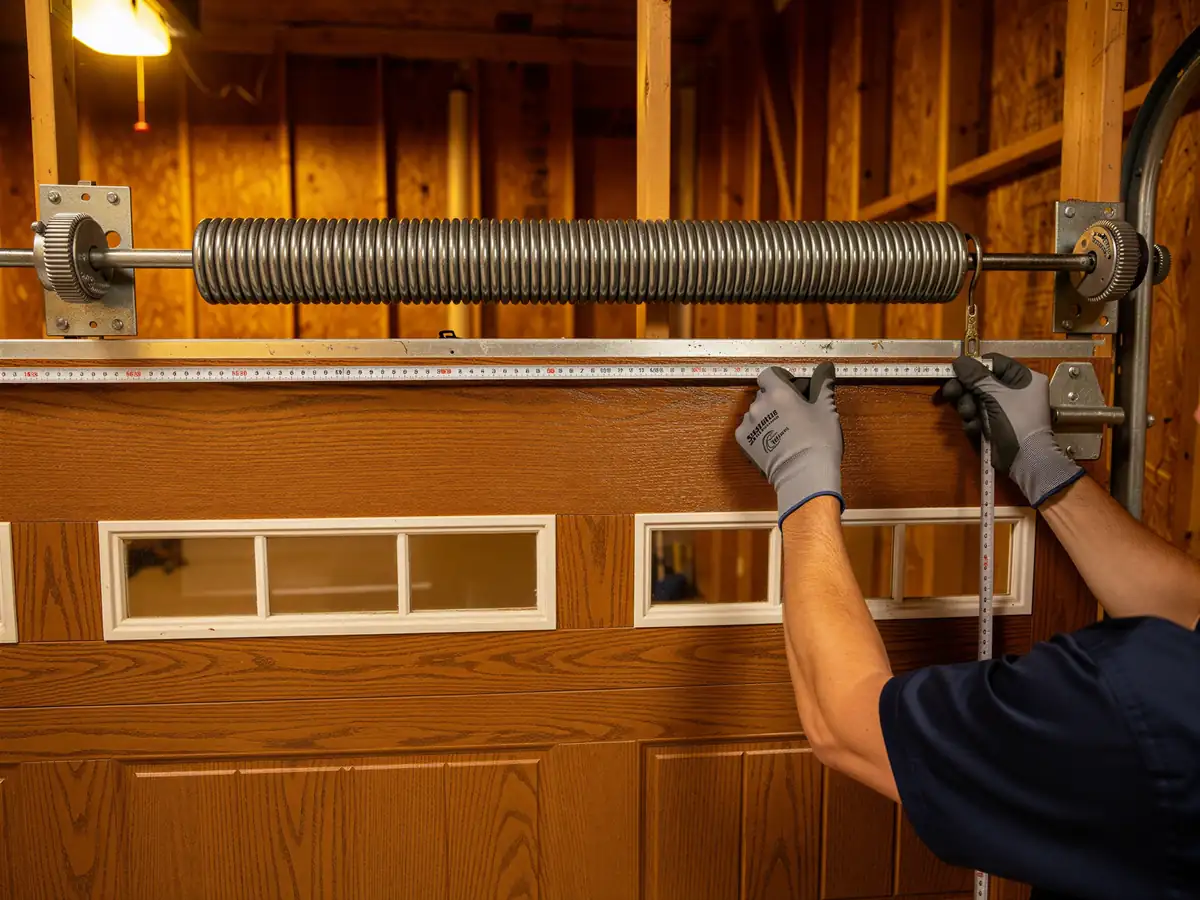
The climate here is the same mild band with occasional freeze that covers the rest of our territory, so we're not fighting the extreme swings that wreck springs in a single season. The complication in Alta Sierra is less about weather and more about what the 1984 build date means for hardware availability. Doors from that era used spring wind cones and drums that later manufacturers changed dimensions on, so a 1984-vintage door sometimes needs a cable length or drum that isn't the current factory default. That's a five-minute measurement job on site, not a guess. The six-mile run out from Grass Valley also means we try to diagnose what we can over the phone first - opener codes, whether the door moves at all, whether it's one spring or two - so the first visit carries the right parts instead of a bare toolbox. With 2,920 households in this pocket and a tighter cluster of similar build years than you'd find across the full 15-area territory, a lot of the openers and spring sizes repeat from house to house, which helps us load correctly before we leave the shop.
The Symptom
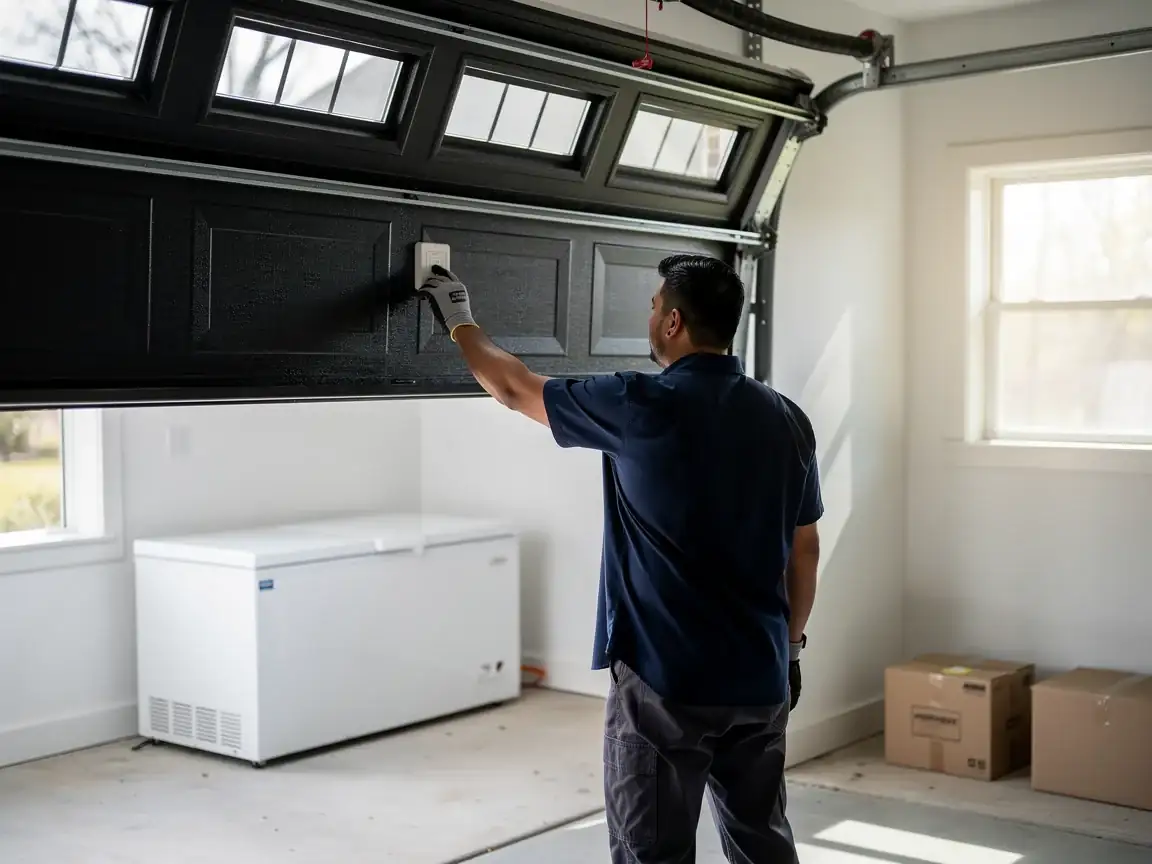
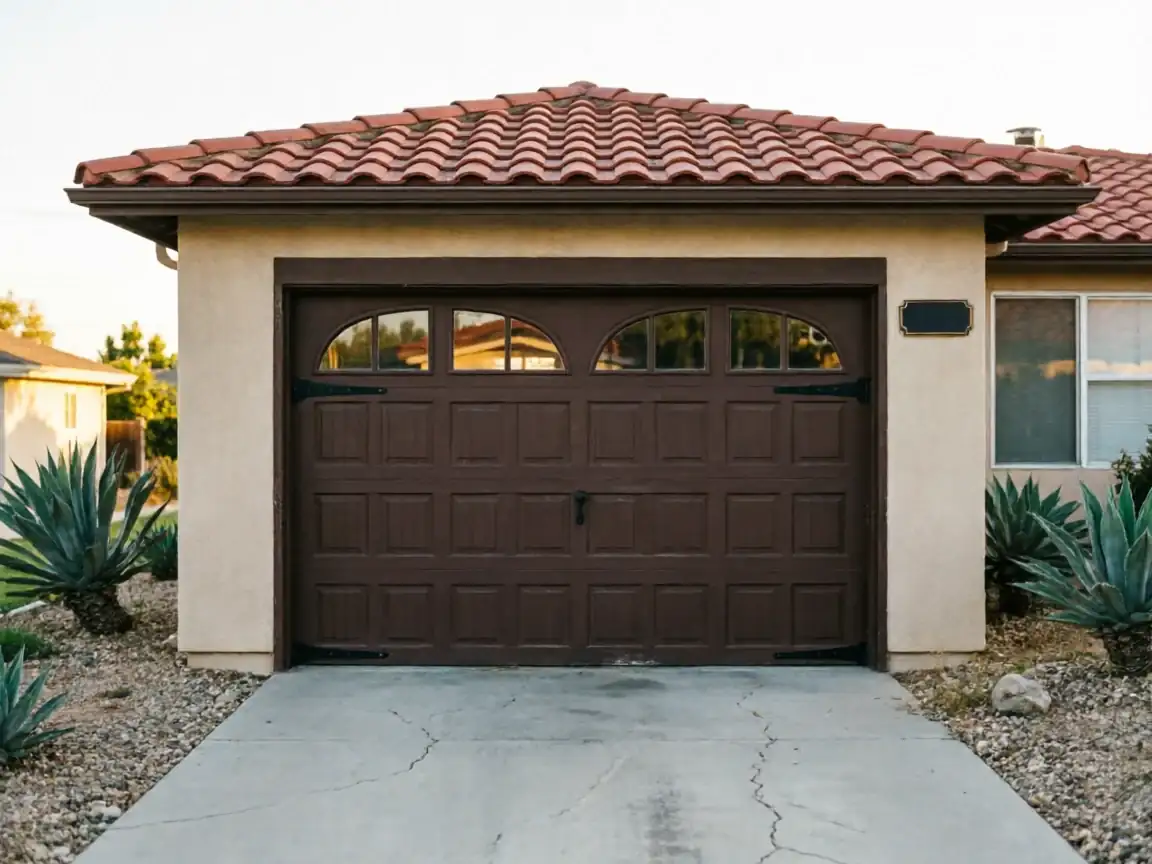
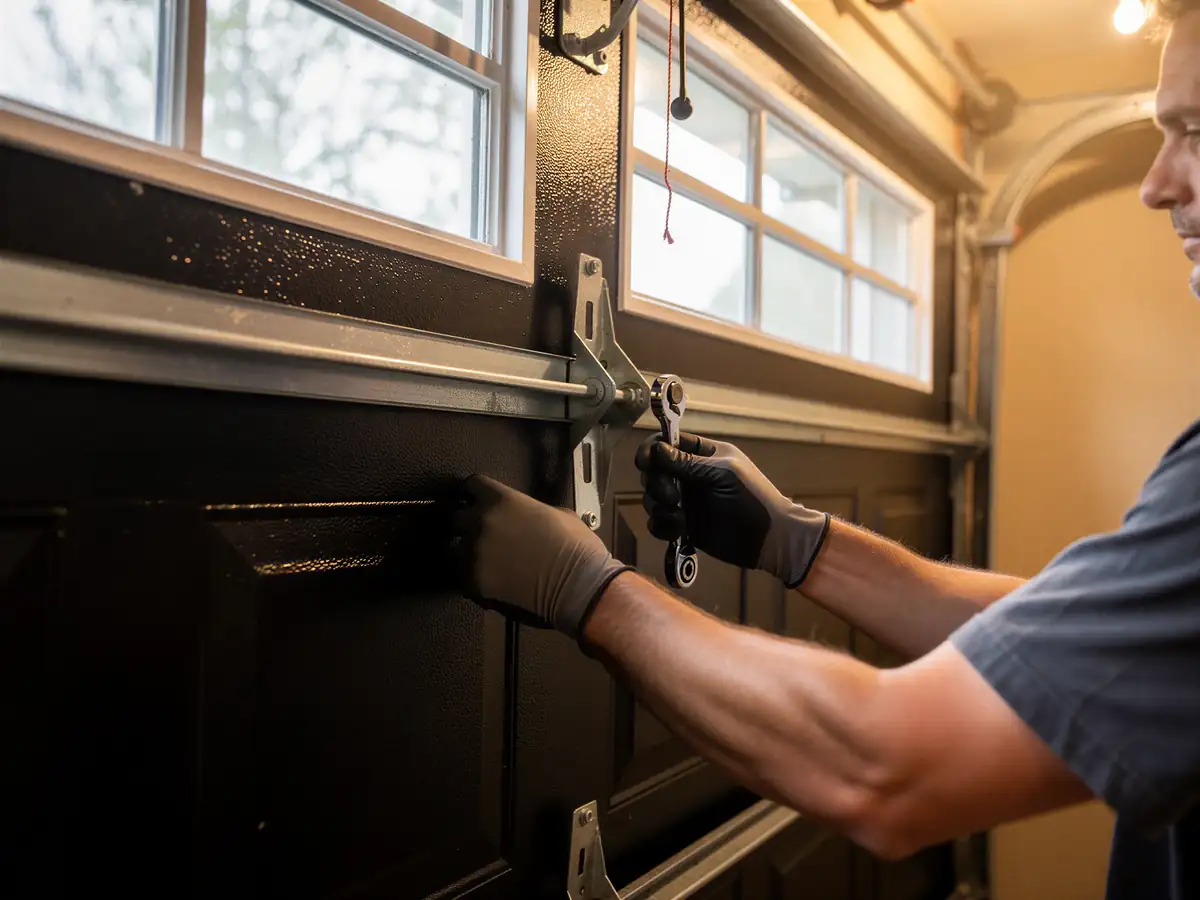
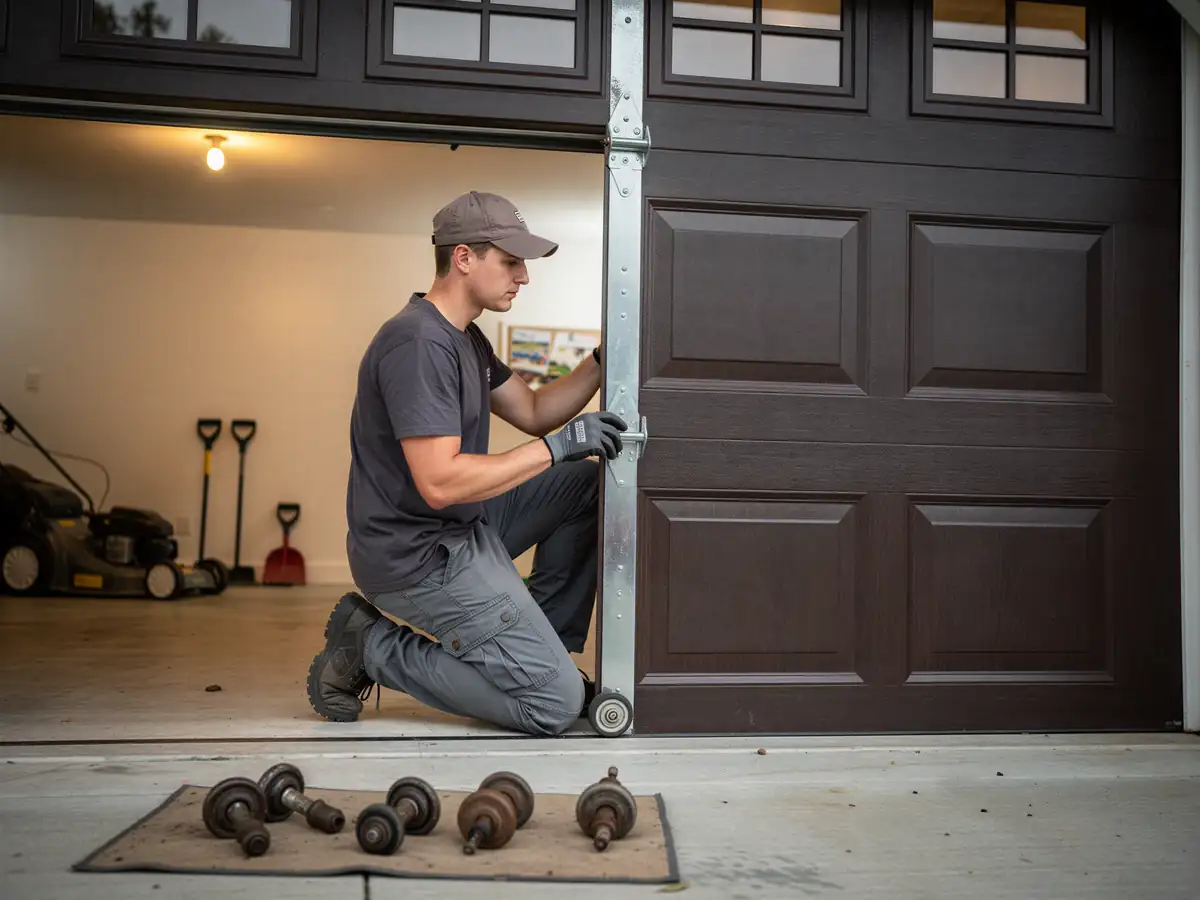
The complaint we hear most from this stretch of Alta Sierra is a door that won't stay open, or one that slams down fast once you pull the release cord. On a 1984-built house, that's almost always a torsion spring that's lost tension after close to four decades of cycles, not a sensor or opener problem. The second most common symptom is a grinding noise on the way up - galvanized rollers original to that construction wave wearing their bearings out. Either one is a straightforward swap once we know the door's spring size and cycle count, and most of these doors are worth fixing rather than replacing: a 1984-era steel sectional door with good panels and a new spring set still has plenty of service life left in it. Where we'd tell a homeowner to replace instead of repair is a door with rot or rust through the panel skin, or an opener drive system from that era that no longer has parts made for it at all - at that point you're paying repair money toward a door that'll need the same call again in a year.