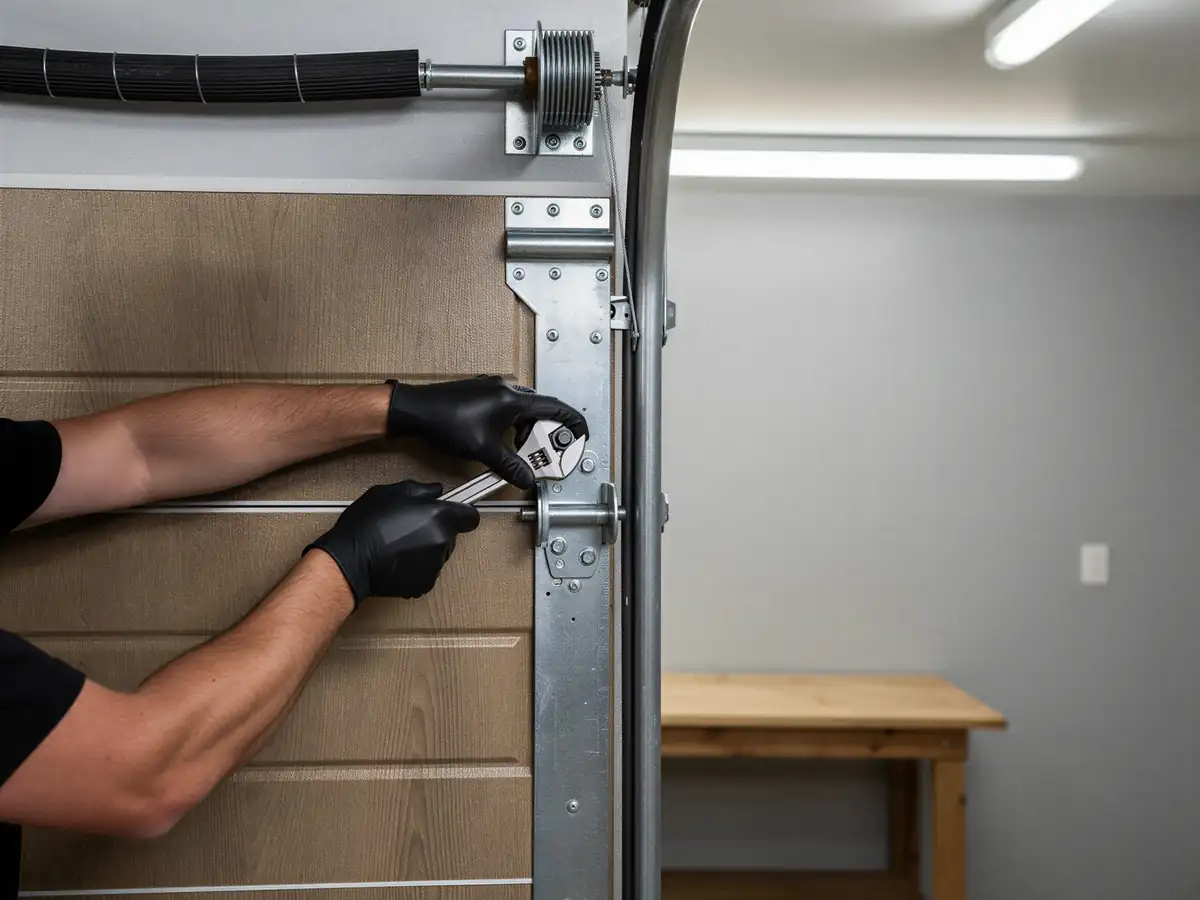
What Is on the Truck
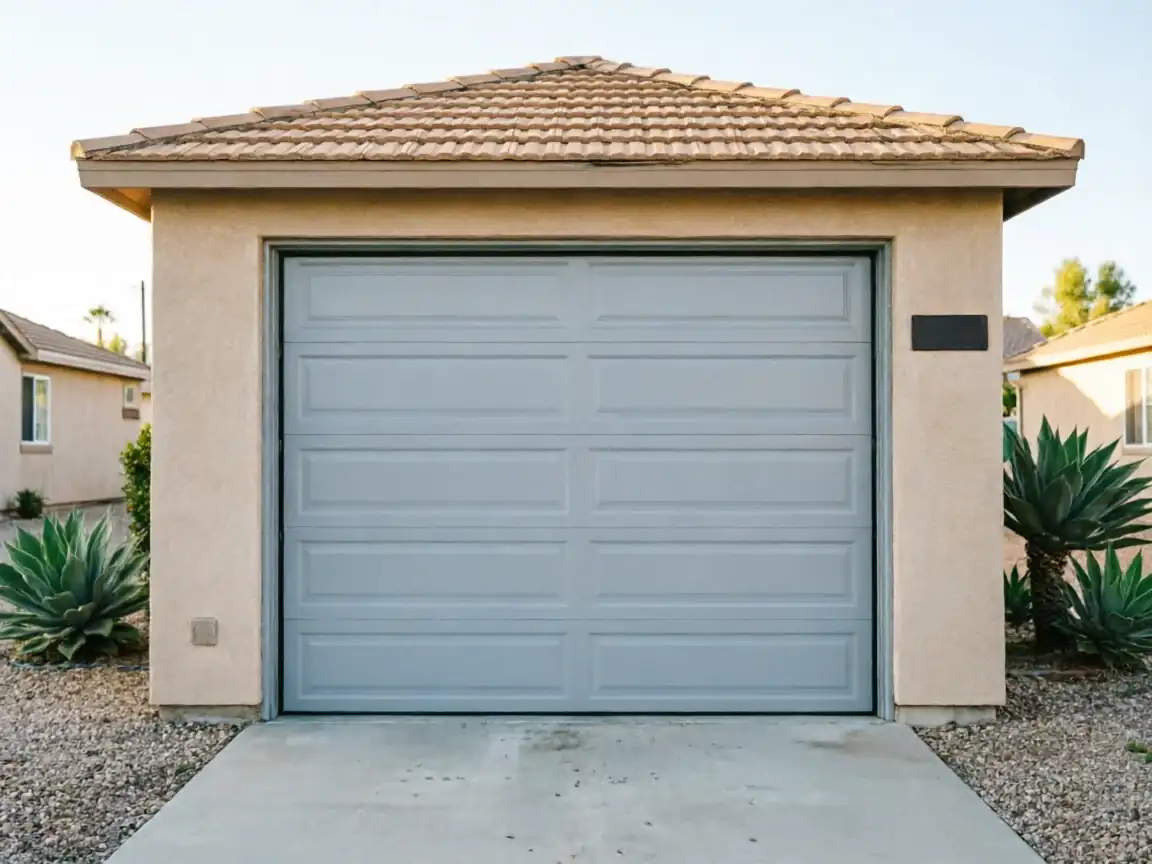
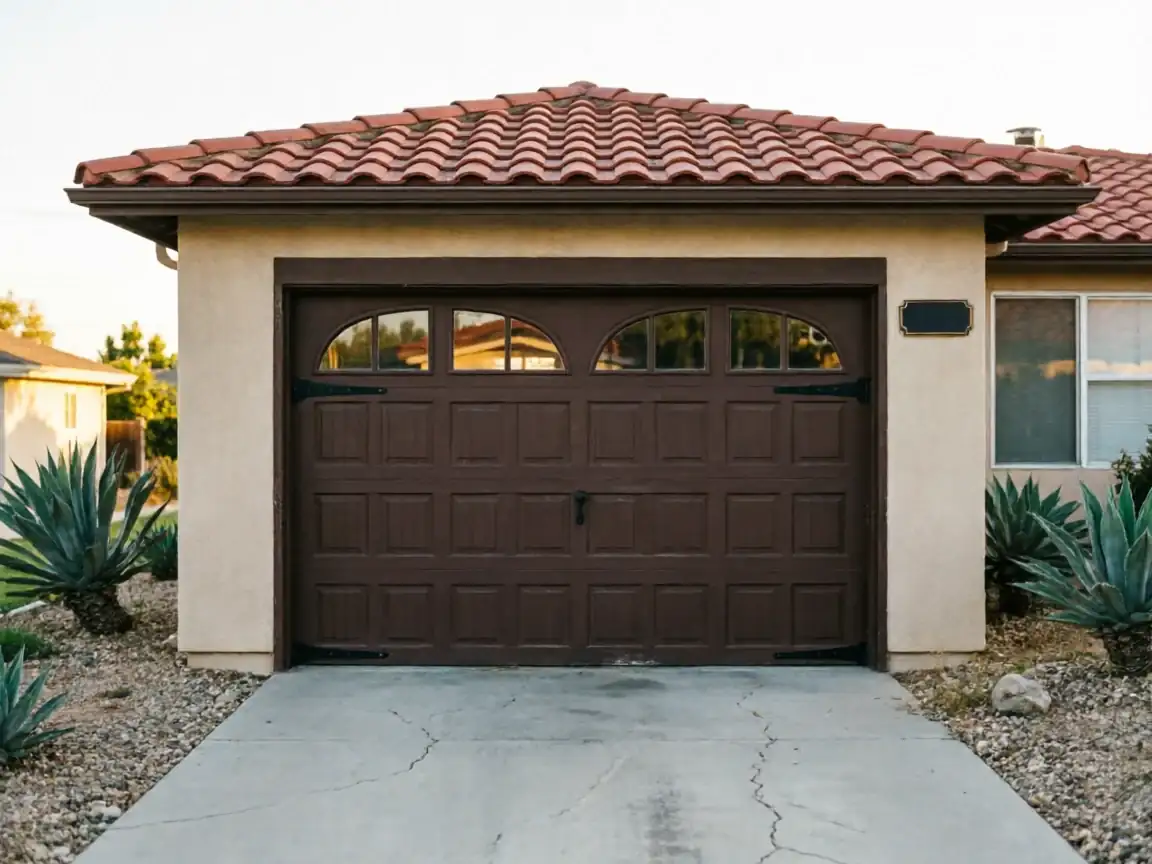
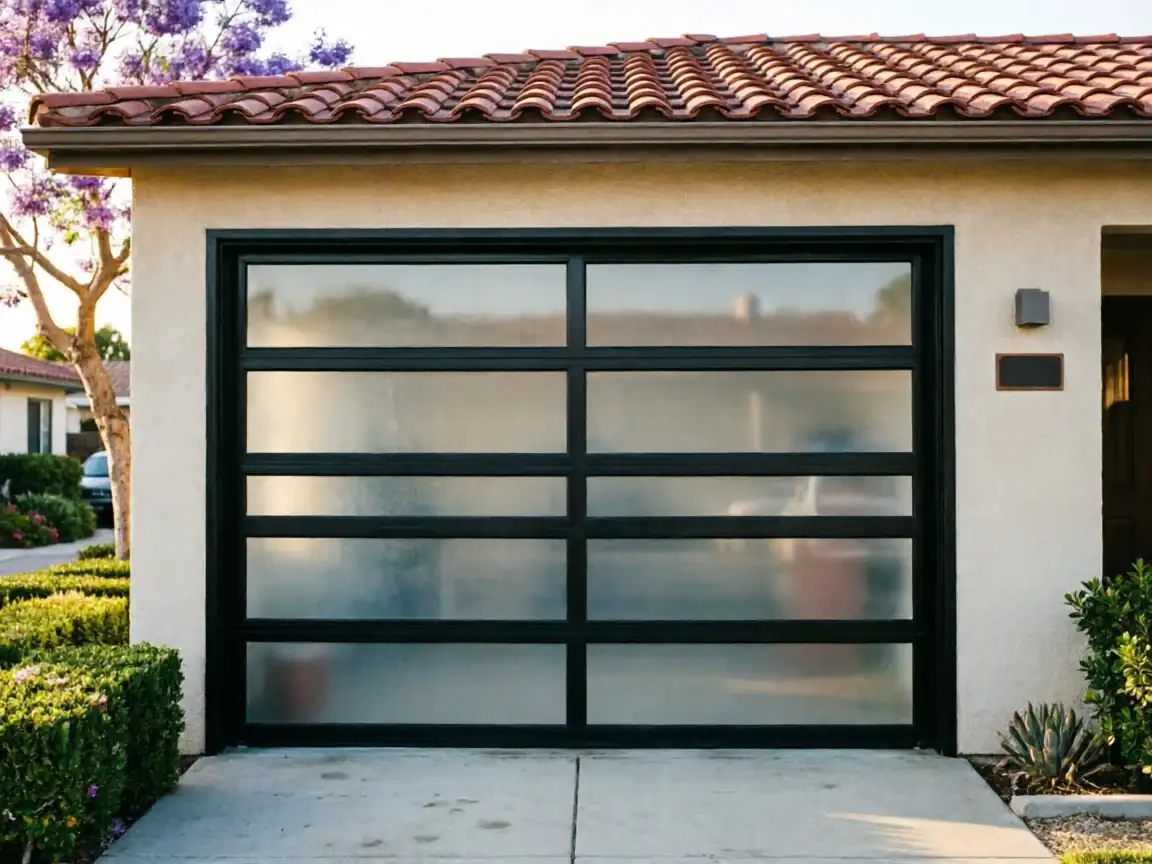
Alta Sierra sits newer than a lot of what we service. The broader Grass Valley area runs on housing built between 1938 and 1984 with a median around 1977, but Alta Sierra's own median build year lands closer to 1984 - late in that span. That matters for what's still bolted to the header above your door.
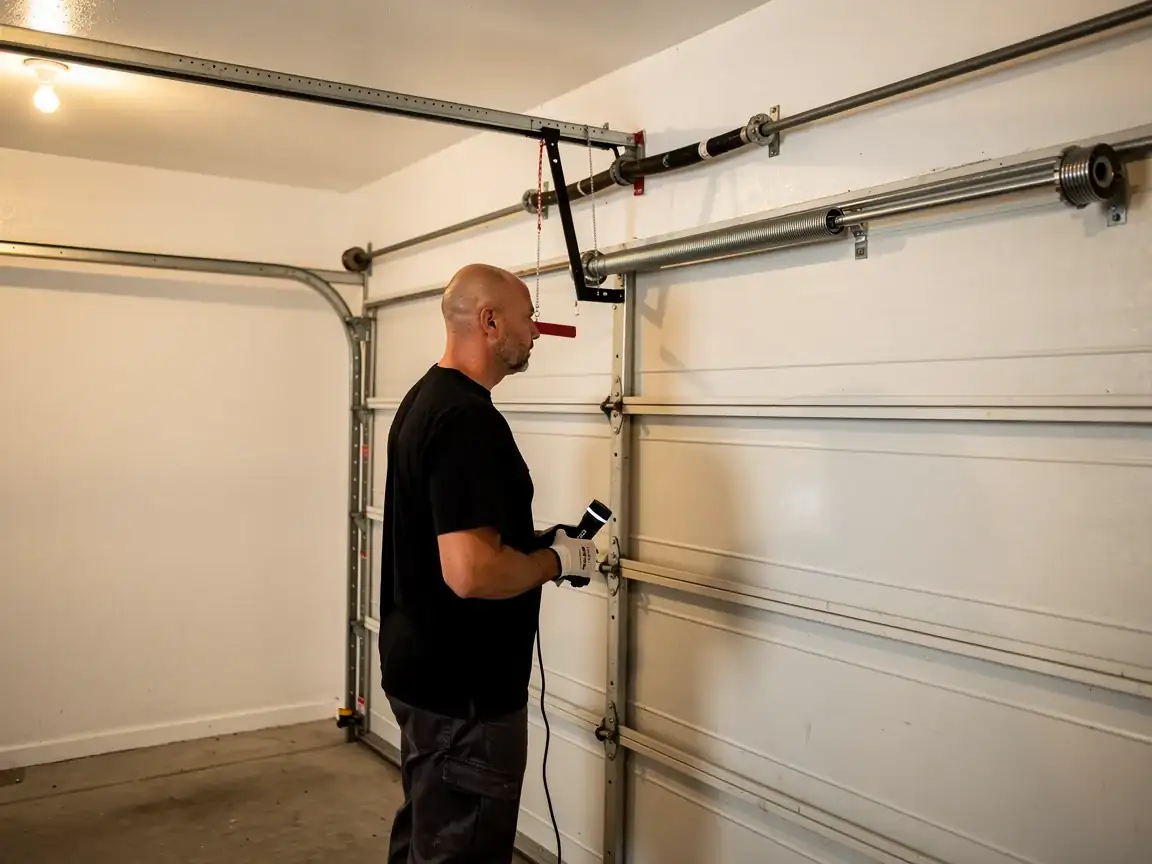
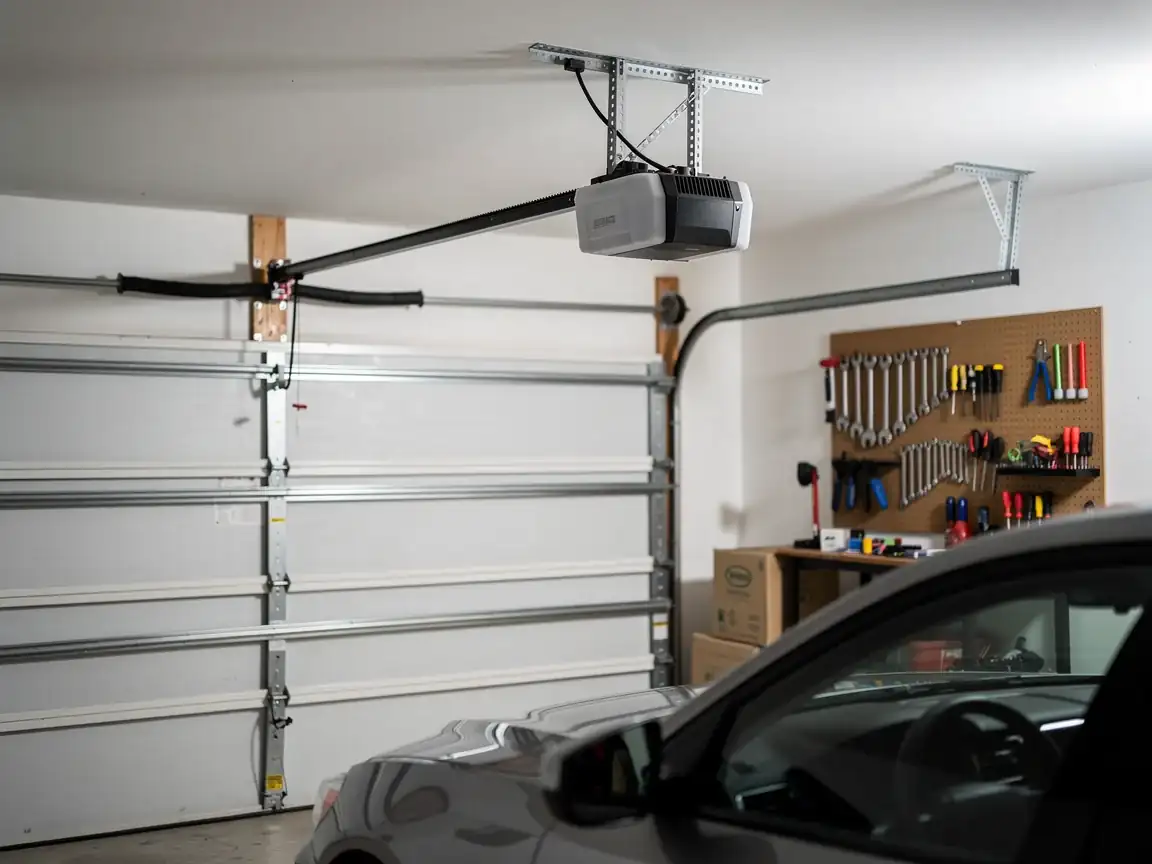
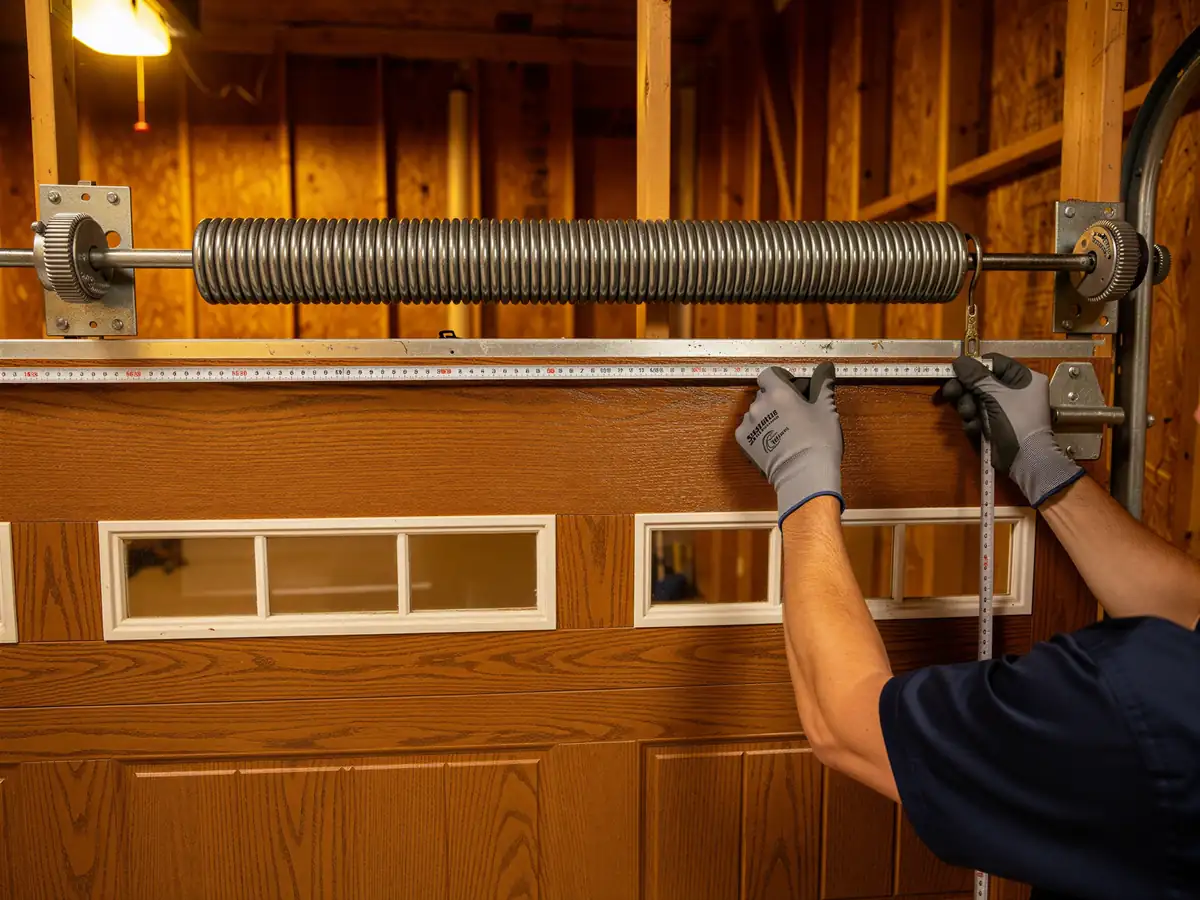
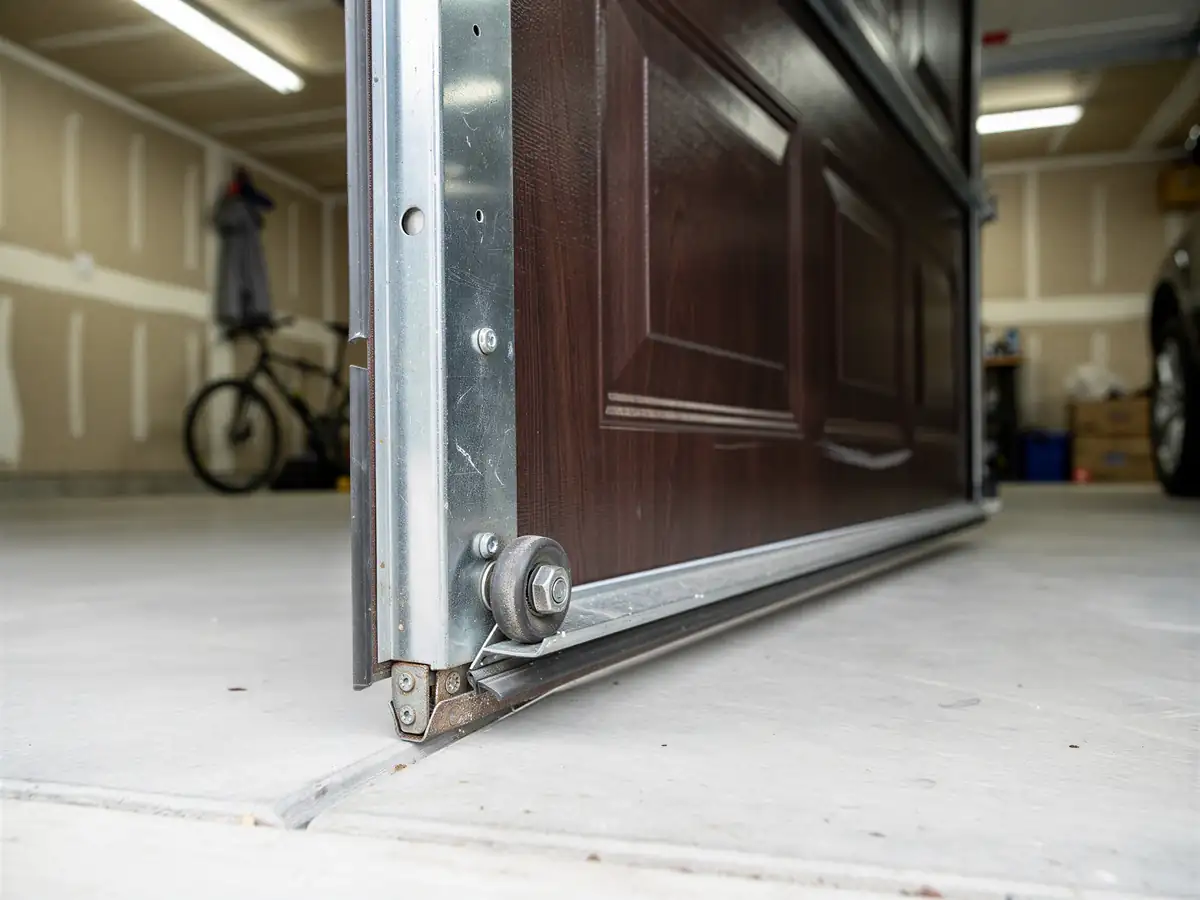
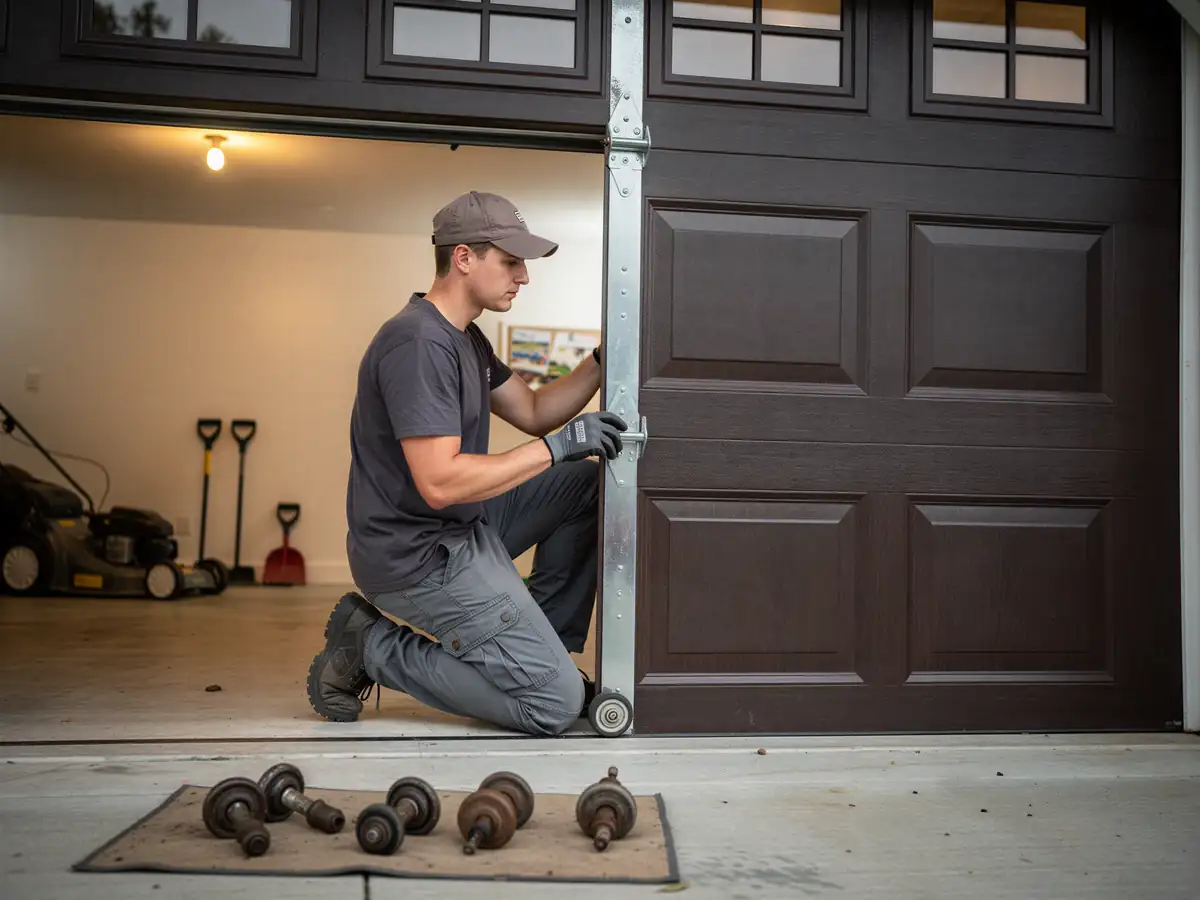
A house framed in the early-to-mid 1980s usually shipped with a torsion spring rated for somewhere between 7,000 and 10,000 cycles, a steel track with galvanized rollers, and an opener that, if it's survived this long, is almost certainly not the original unit - openers rarely outlast two decades, but the spring, the track, and the hinges often do. So the truck carries torsion springs in the common residential sizes, roller sets, hinge hardware, and lube rated for the lighter freeze exposure this climate band sees, rather than heavy cold-weather grease that gums up in our mild winters.
What we don't carry as standard stock: anything custom-width or an opener model specific to a builder package from that era. If your door or opener turns out to be a less common size or a discontinued model, that's a second trip once we've identified the part, not a guess made on the first visit.
The Complications
The complication in Alta Sierra isn't age in the way it is in older parts of the service area - it's that 1984-era hardware is old enough to be tired but was built to a spec nobody questioned at the time. A torsion spring installed in 1984 and never replaced is past its rated cycle count by now even on a door that's seen light use, and most owners have no way to know that without someone looking at the coil wind and the wear on the stationary cone.
The other factor is Alta Sierra's spread - lower density than the Grass Valley core, fewer households per mile, which usually means larger lots and sometimes longer driveways with doors that see more weather exposure on the track side than a tightly packed subdivision door would. The service area's mild climate with occasional freeze means we're not dealing with deep cold snapping springs, but the morning-to-afternoon swing still stiffens grease and tightens metal-on-metal tolerances enough to matter on hardware this age.
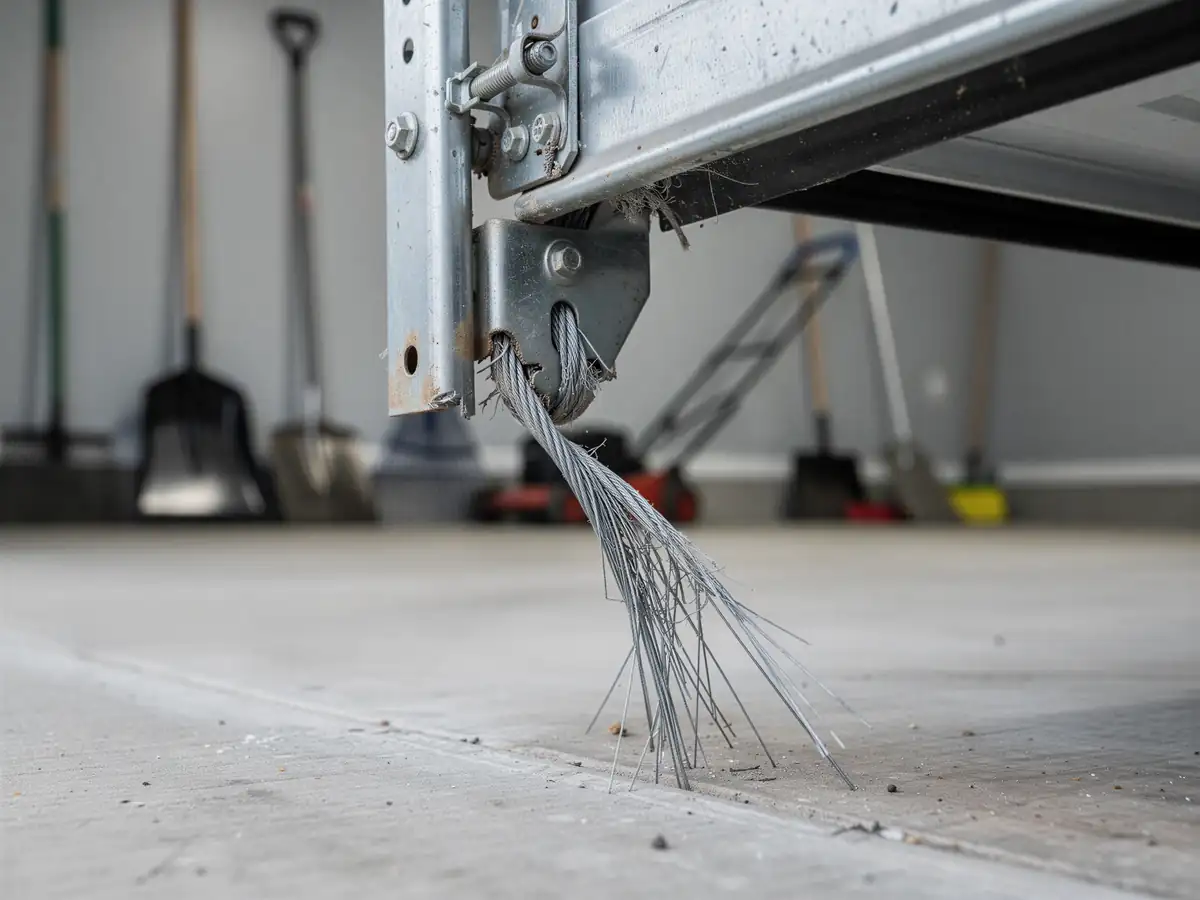
Honest limitation: if the door's original torsion spring has already stretched or shows rust pitting on the coils, a tune-up doesn't fix that - it buys you a diagnosis and a quote for the spring, not a repaired spring. We'll tell you straight when a tune-up is cosmetic on a part that needs replacing, not maintaining.
Booking a Visit
We run out of Grass Valley
And Alta Sierra is about six miles out - closer than most of the other communities on our route. That's not a promise of a specific arrival window, just context: it's a short haul, not a long one, when we're scheduling the day.
When you call, have the door's approximate age ready if you know it
For Alta Sierra specifically, that's often going to track close to the neighborhood's own build years around the early 1980s rather than the older end of the service area's range. That one detail changes which spring size and track hardware we load before we leave the shop, which means less back-and-forth on site.
If you're not sure whether what you need is a tune-up or a repair, tell us what the door is doing
Grinding, sagging on one side, slow to close - rather than guessing at a diagnosis yourself. We'll sort out on the call whether it's a maintenance visit or something that needs parts ordered first.
See coverage details for Alta Sierra for how the area fits into our route
Or check the general maintenance page for Grass Valley if you're comparing service across the wider area.
The Symptom
The symptom that shows up most on doors from Alta Sierra's build era is a door that still opens and closes fine but takes noticeably more effort than it should - you notice it on the opener's motor working harder, or if you're lifting it by hand, a heaviness that wasn't there a year or two ago. That's a spring losing tension gradually, not all at once, and it's easy to write off as the opener aging rather than the spring underneath it doing the real work.
The second common symptom is a door that's quieter on one side than the other when it travels - one roller worn enough to rattle, the other still original and smooth. On a house built close to 1984, original rollers are now old enough that this unevenness is common rather than unusual.
Neither symptom is an emergency. Both are the kind of thing a maintenance visit catches before the spring actually lets go or a roller jumps the track. If the door is already stuck, grinding loudly, or won't move at all, that's past maintenance - that's a repair call, and we'll treat it as one rather than running a routine tune-up on a door that needs a part replaced first.