What Causes It Around Here
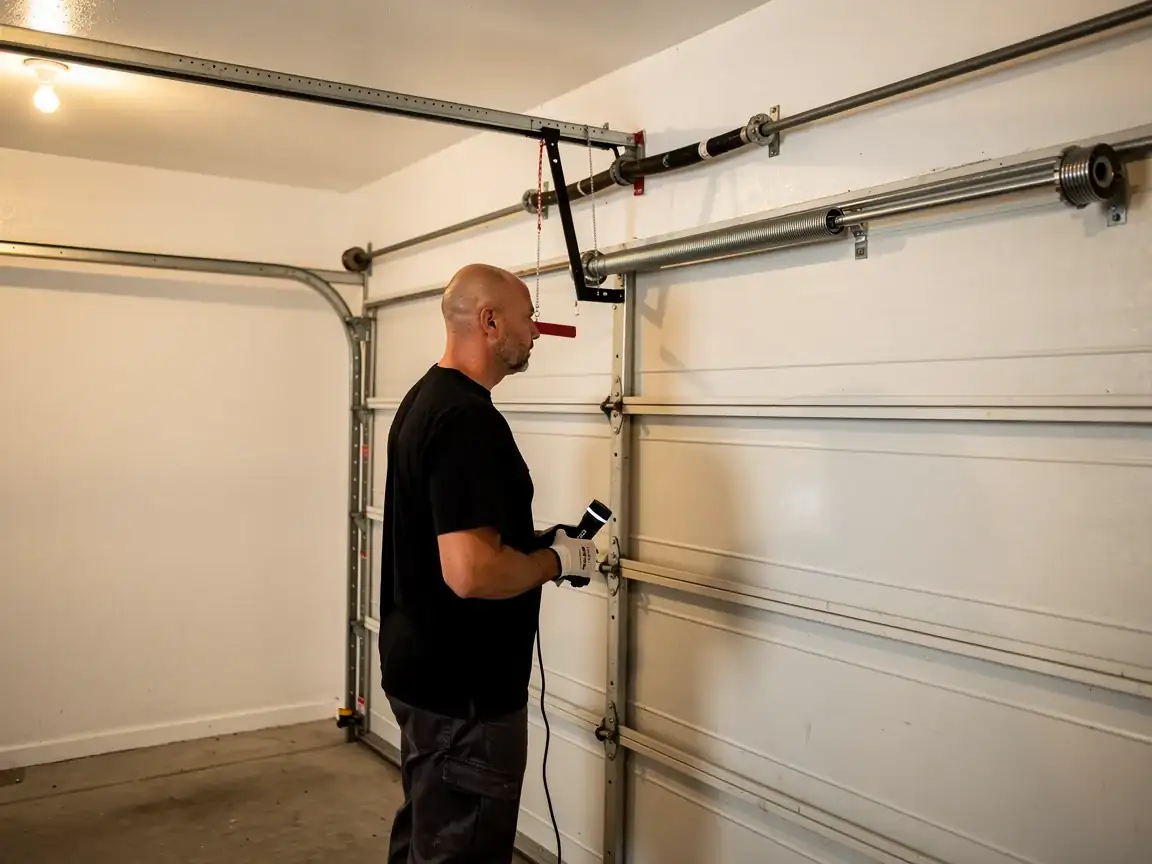
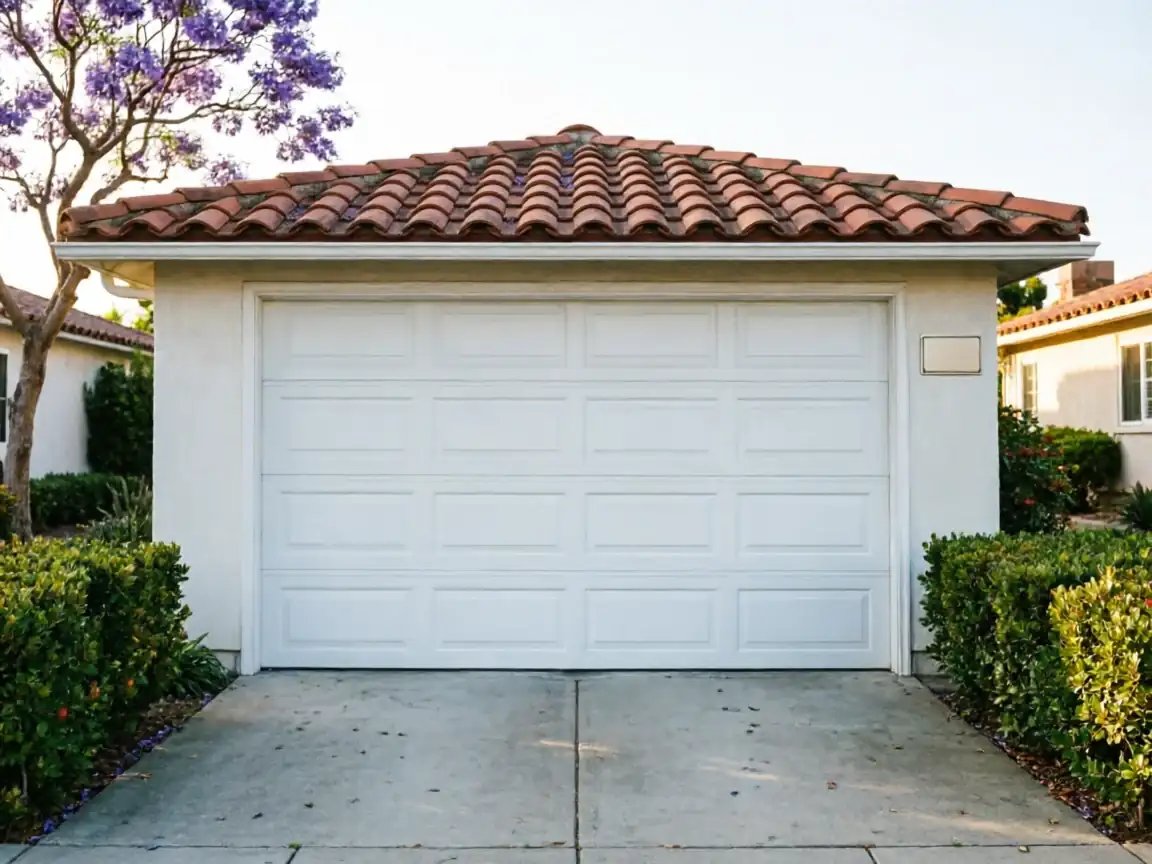
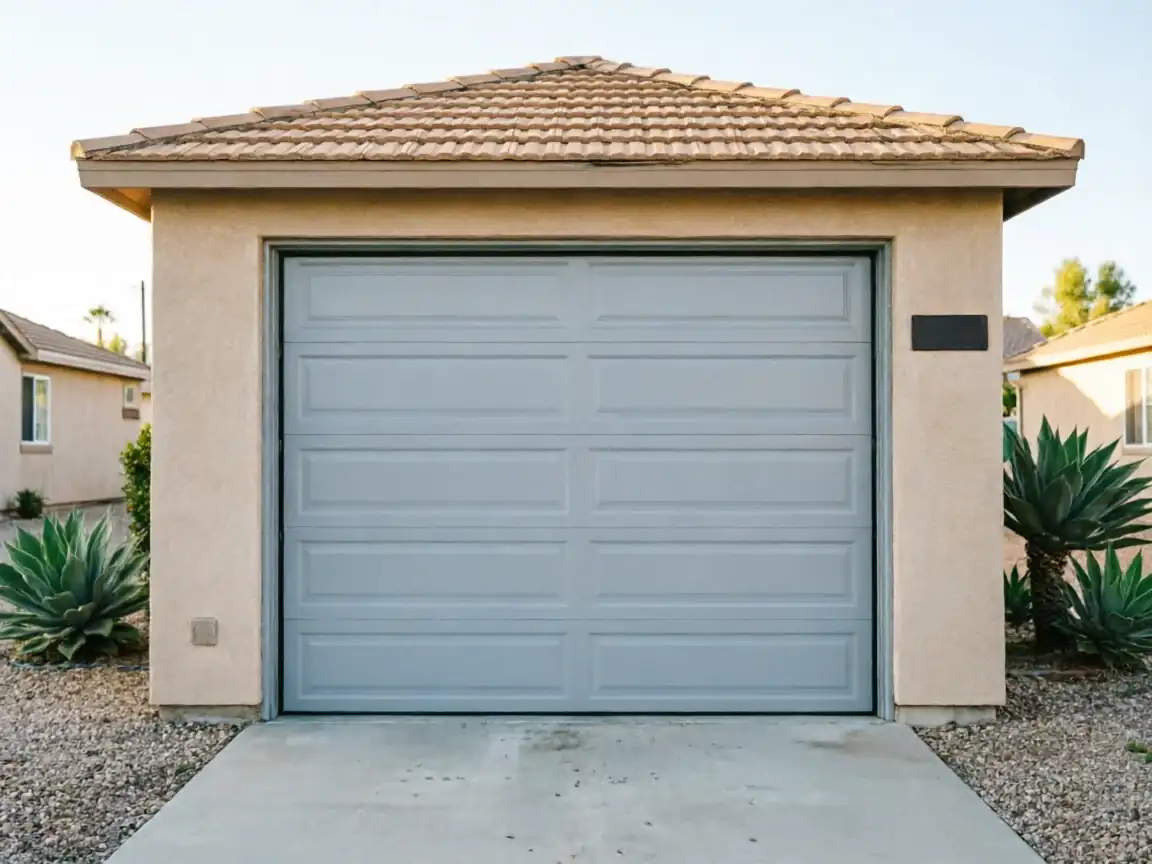
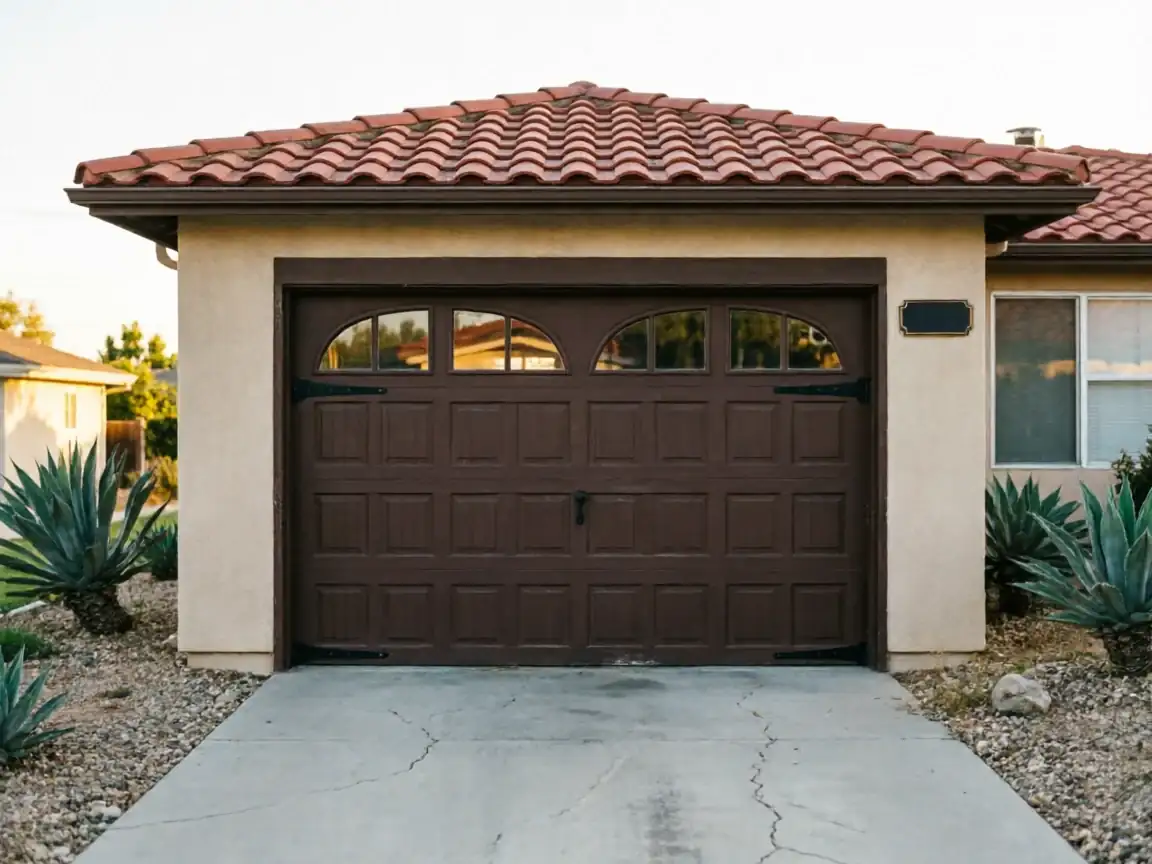
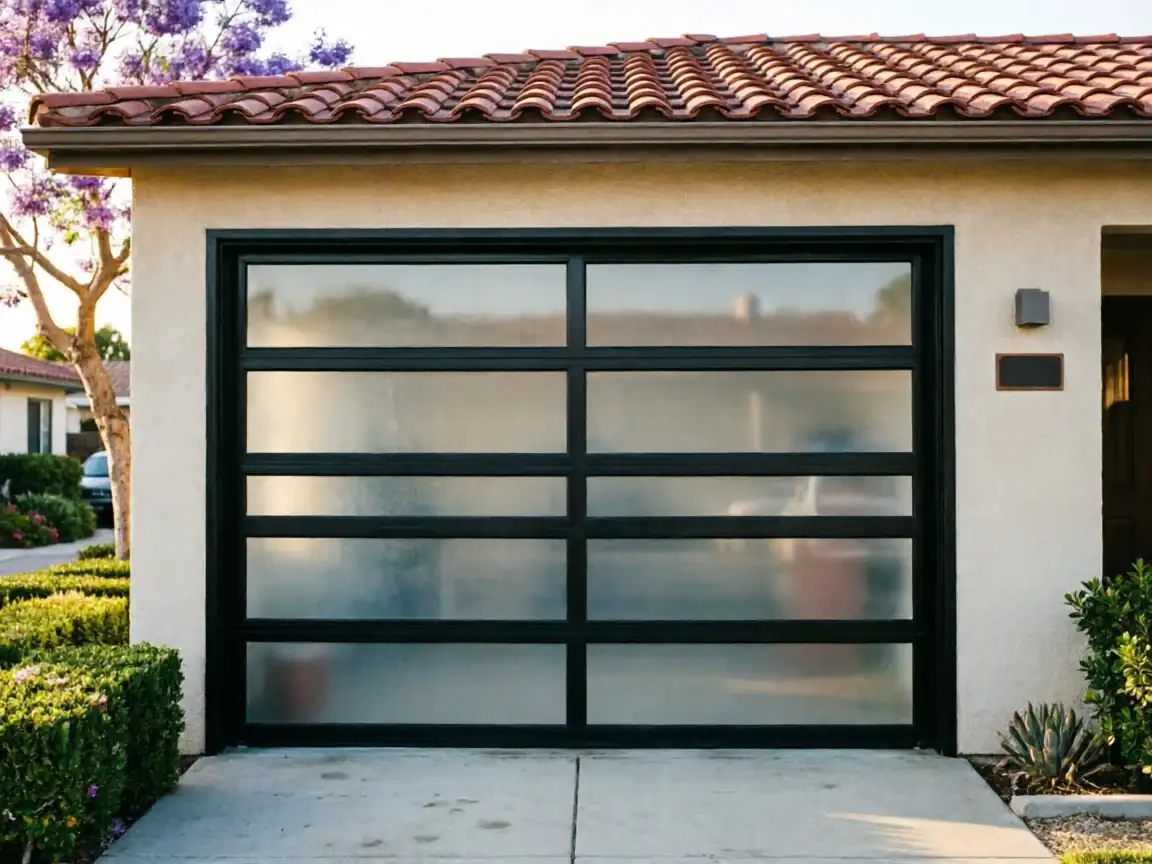
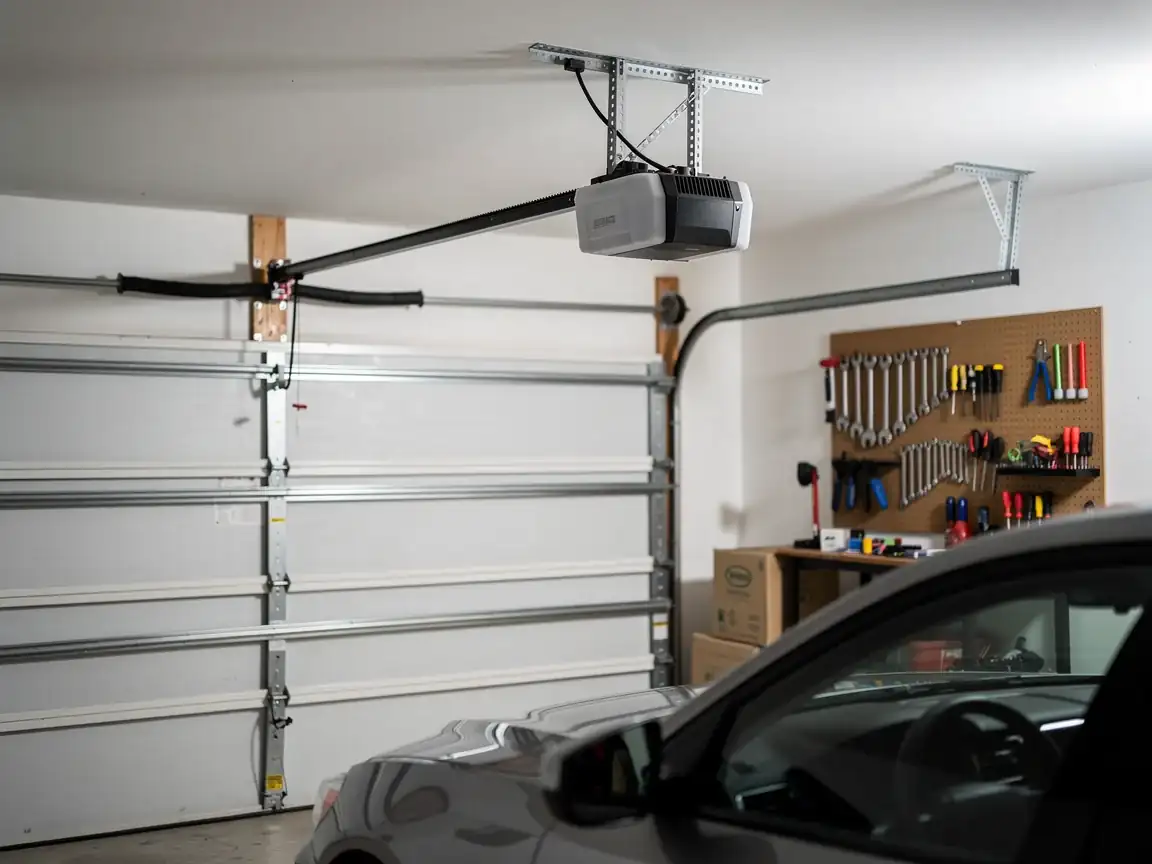
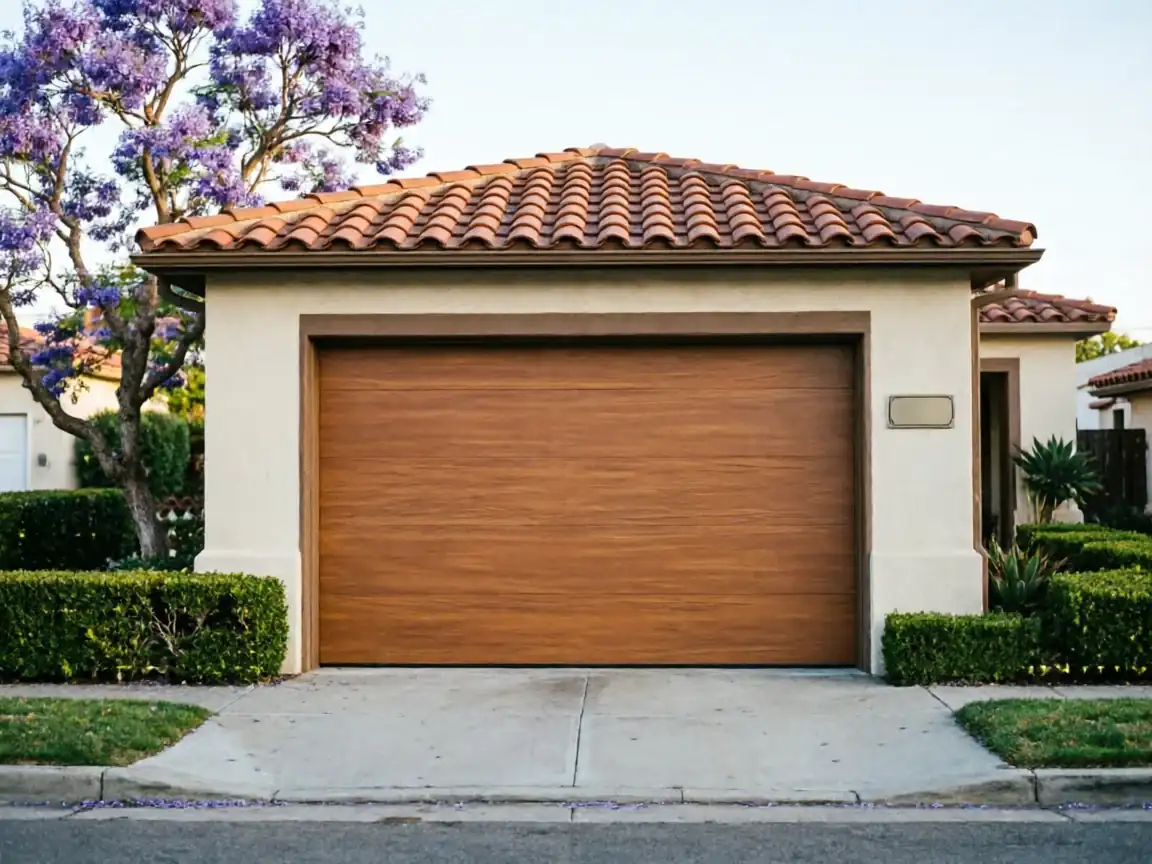
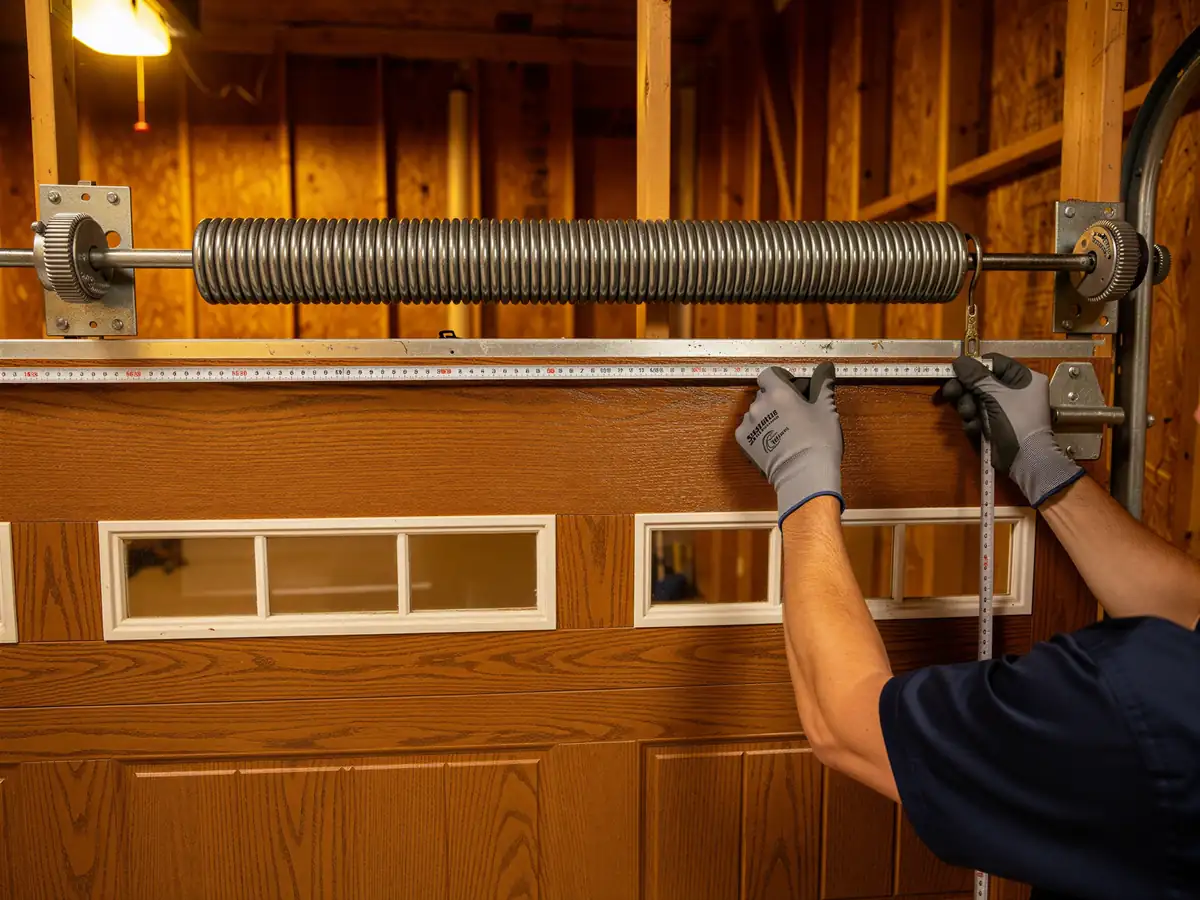
Penn Valley's housing stock centers on 1977, square in the middle of the broader 1938-1984 build range for this part of the county. That matters for springs because a door built in the mid-70s almost always shipped with a single torsion spring on a standard-lift track, sized for the plain steel panels of that era - not the thicker insulated doors a lot of owners have swapped in since without upgrading the spring to match the new weight. We also still find extension springs on older single-car garages from the earlier end of that build window, the kind with open coils and a separate pulley system rather than a torsion bar over the header. Both setups are decades past their design life by now, and the fatigue shows the same way: the spring doesn't snap on a quiet morning for no reason, it snaps after years of cycling under a weight the coil was never rated for once a panel got heavier or a second opener got added. The climate here runs mild with occasional freeze, so we're not fighting the kind of swing that cracks metal outright, but cold mornings still stiffen old coil steel enough to push a spring that's already near its cycle limit over the edge.
Time on the Job
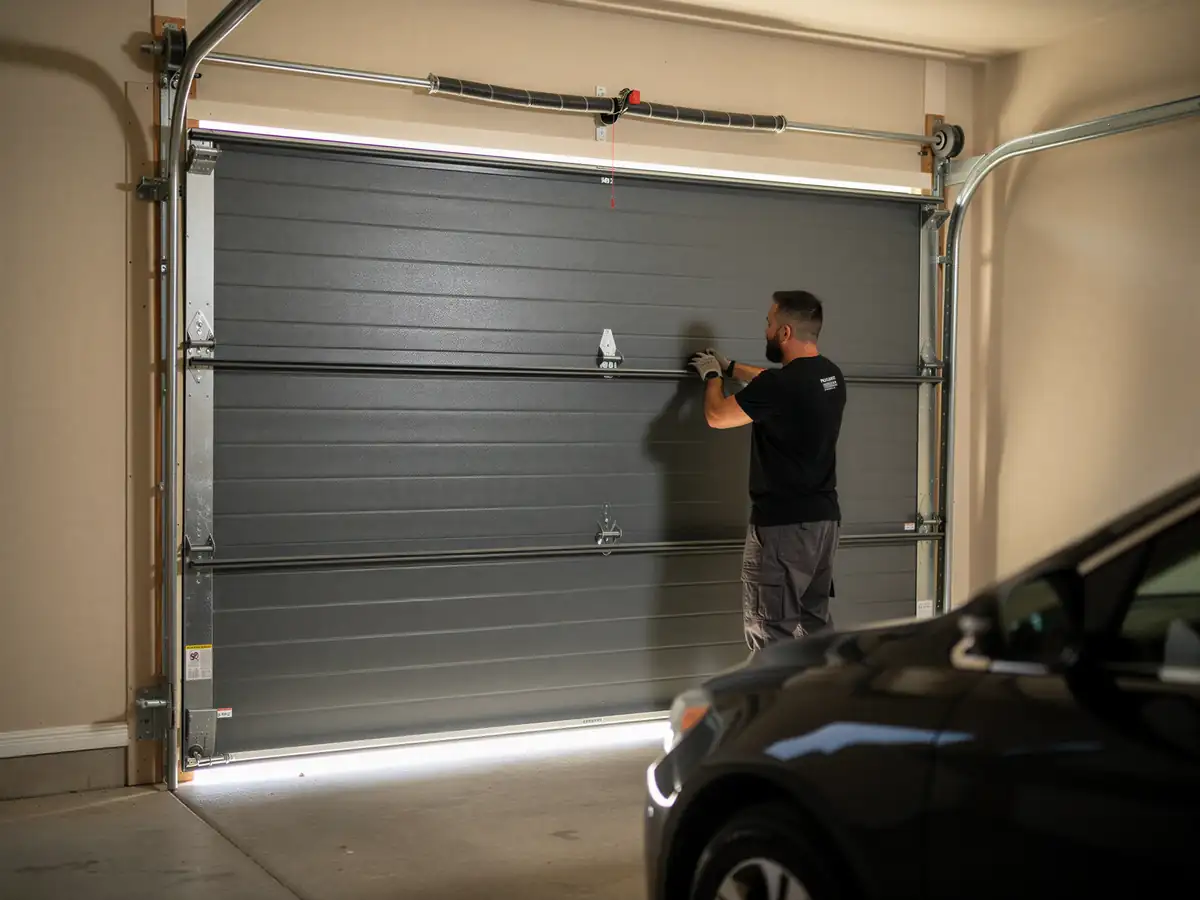
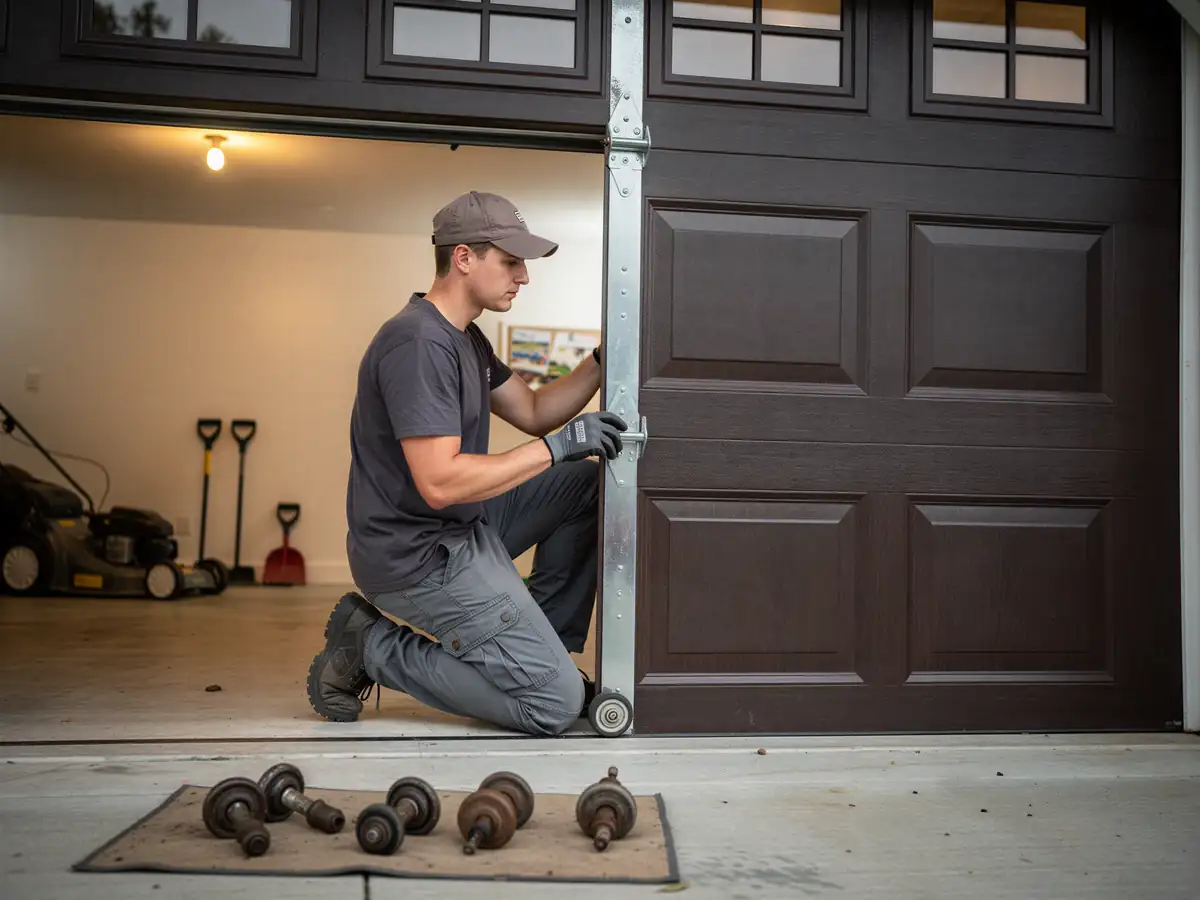
A straightforward single spring swap on a standard torsion setup usually runs under two hours once the truck is on site. Extension spring jobs on the older single-car doors can go faster if both springs are matched and in reach, slower if the pulley brackets have rusted enough to need replacing along with the cable. We travel the 8 miles out from Grass Valley for every call, so the time quoted is work time at the house, not time on the road - we don't pad the job to cover the drive.
The Complications
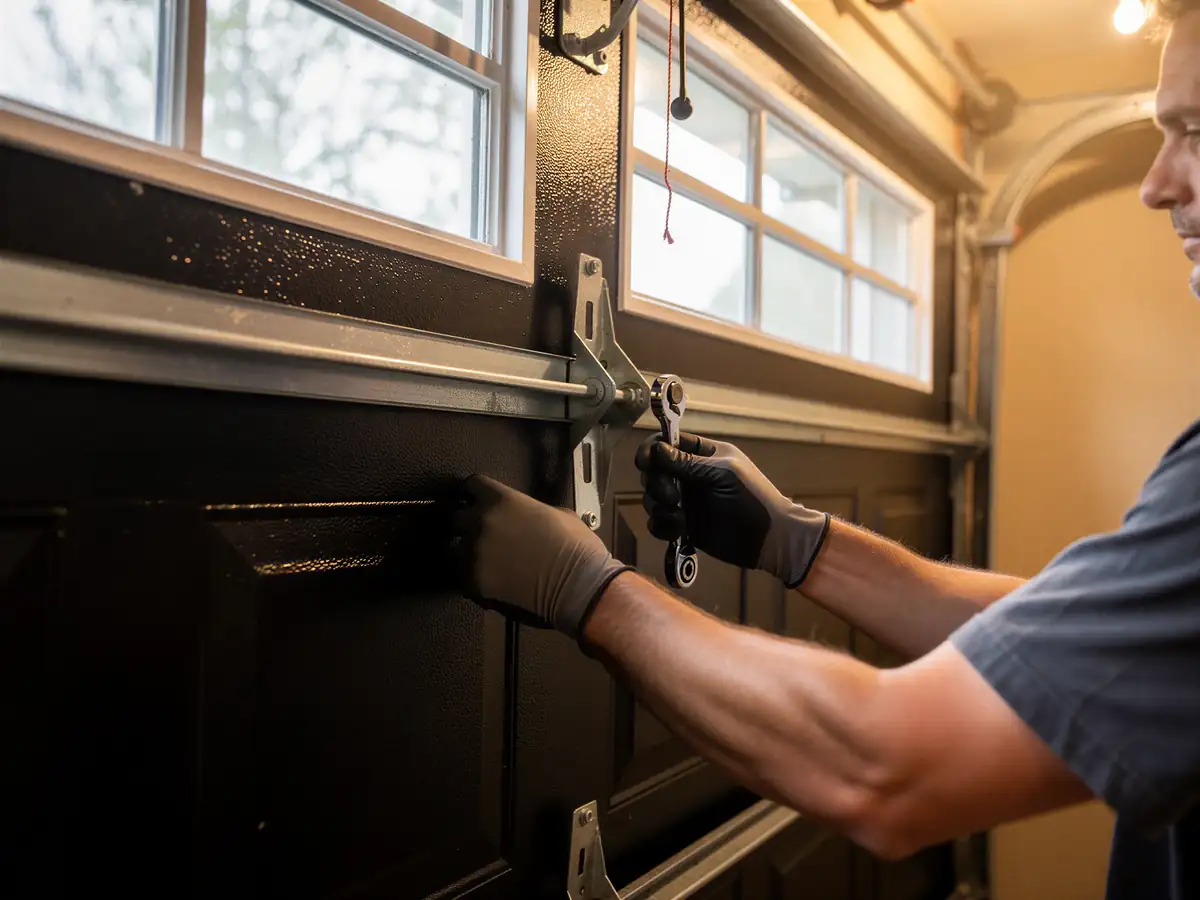
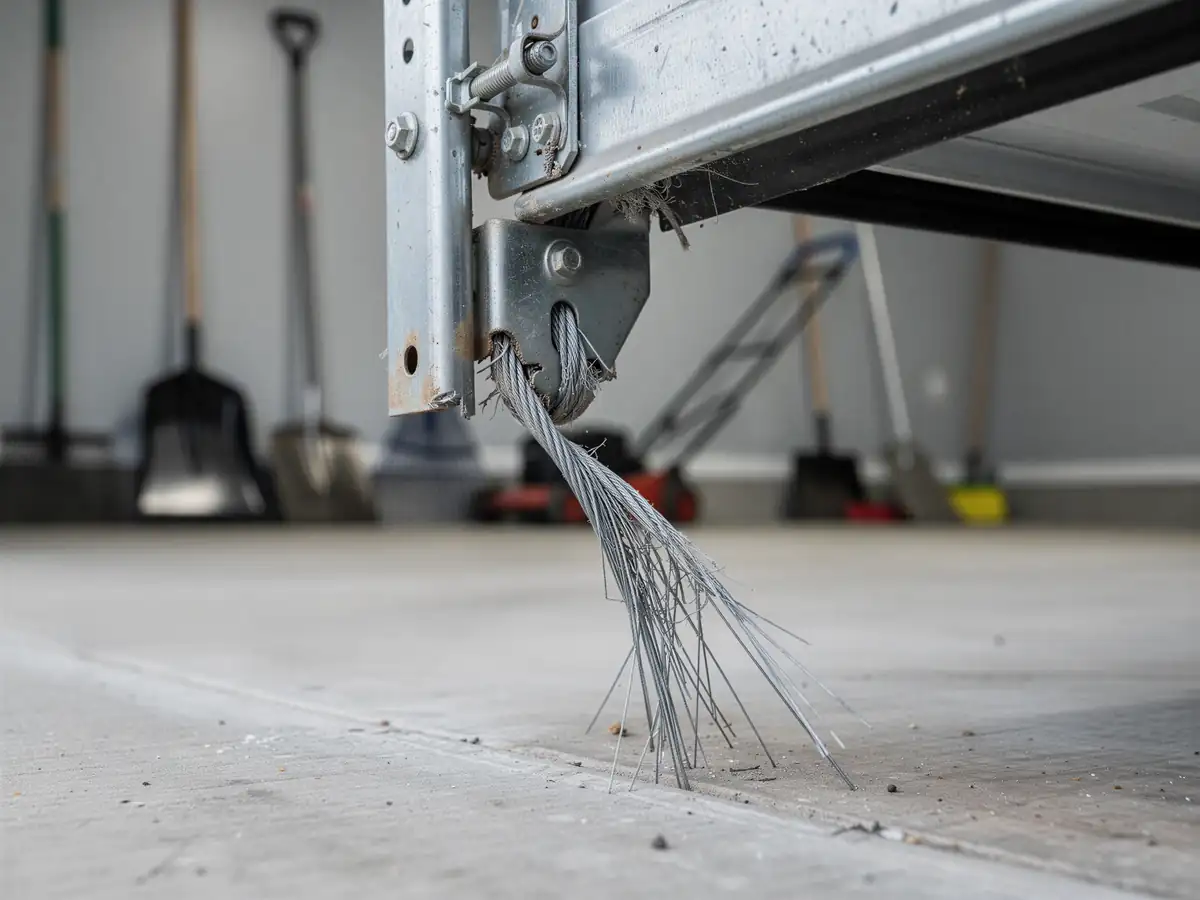
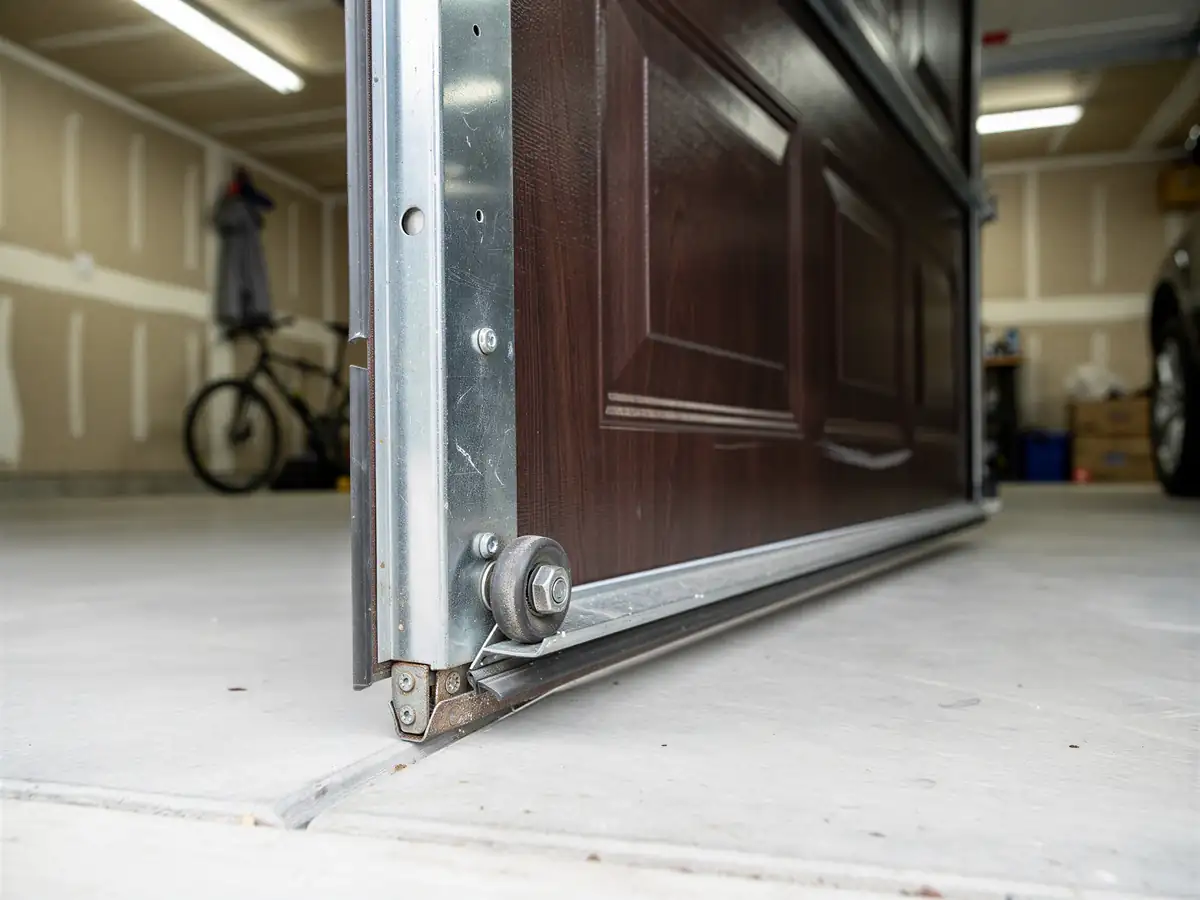
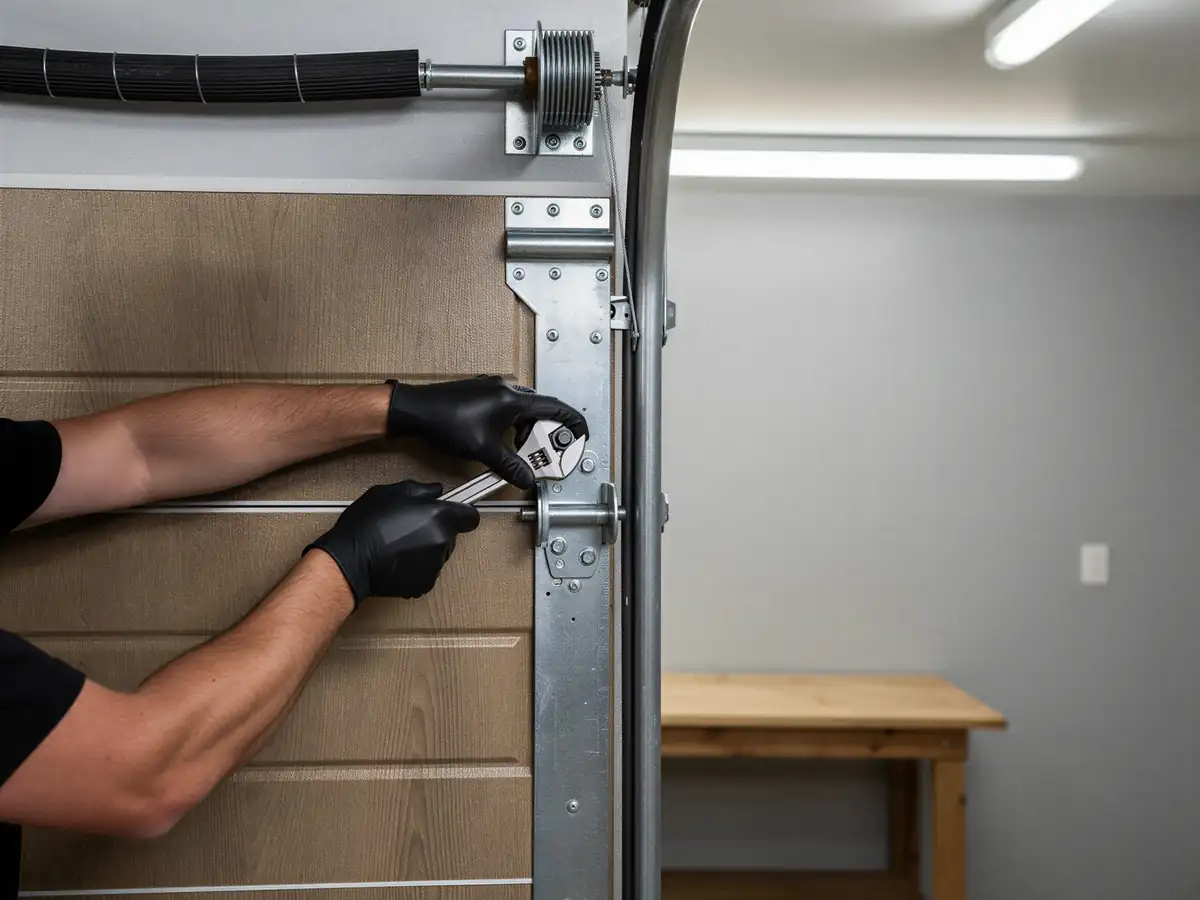
The complication we see most in Penn Valley isn't the spring itself, it's what's bolted around it. Doors from the 1977 median build year often still run their original torsion shaft and bearing plates, and forty-plus years of cold-morning cycling leaves those bearings seized or the shaft pitted where the cable drum rides. Swap the spring onto a seized bearing and you've bought yourself a second failure within a year. We check the shaft and bearings before we wind anything, and if they're worn we'll say so before we quote the job, not after. The other thing worth knowing: on the oldest extension-spring doors, the track itself can be bent from decades of a spring working unevenly, and no spring repair fixes a bent track - that's a separate conversation.
What It Costs
We don't have a published price list to quote here, and giving you a number without seeing the door would be a guess, not a quote. What we can tell you is that a single torsion spring swap on a standard 70s-era door costs less than a job complicated by seized bearings, a bent shaft, or a nonstandard spring size - the kind of thing that shows up more often the older the hardware gets. Given that Penn Valley's housing sits right at that 1977 median, expect us to actually inspect the shaft and bearings before quoting rather than pricing off the spring alone.