What Causes It Around Here
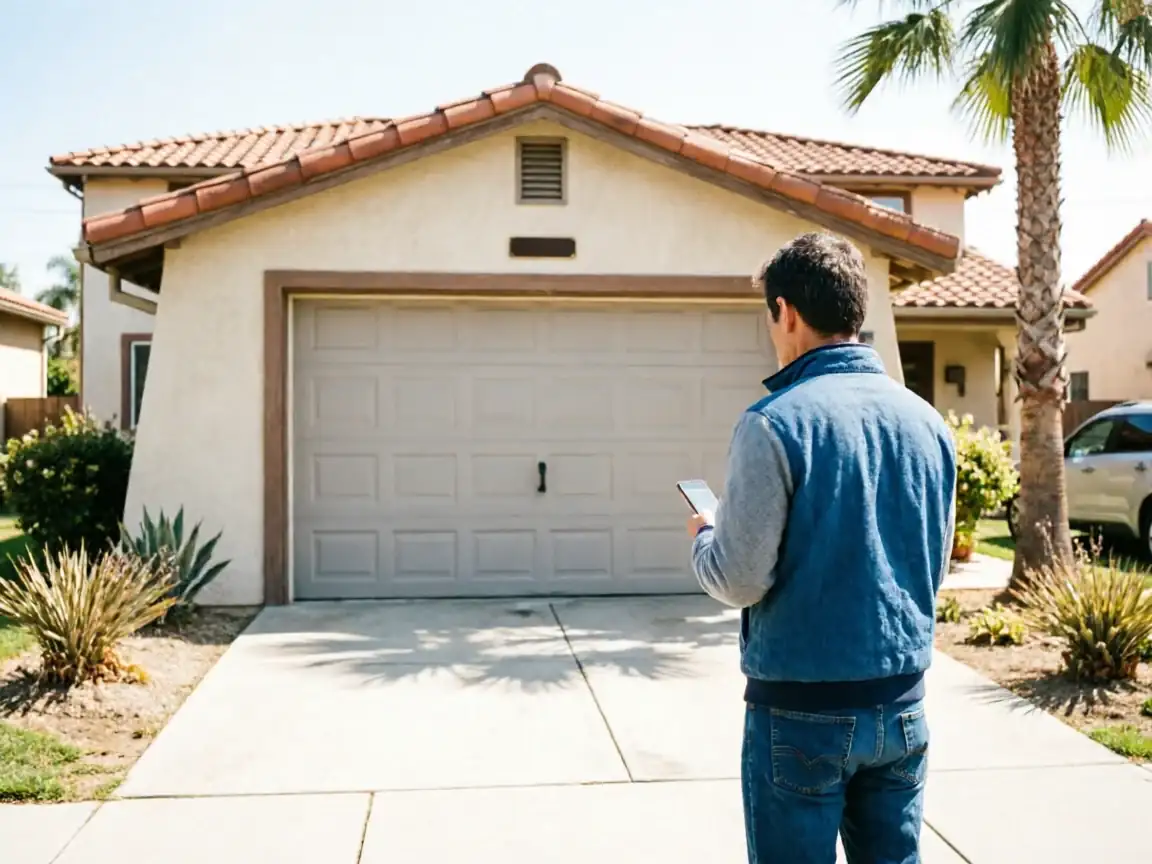
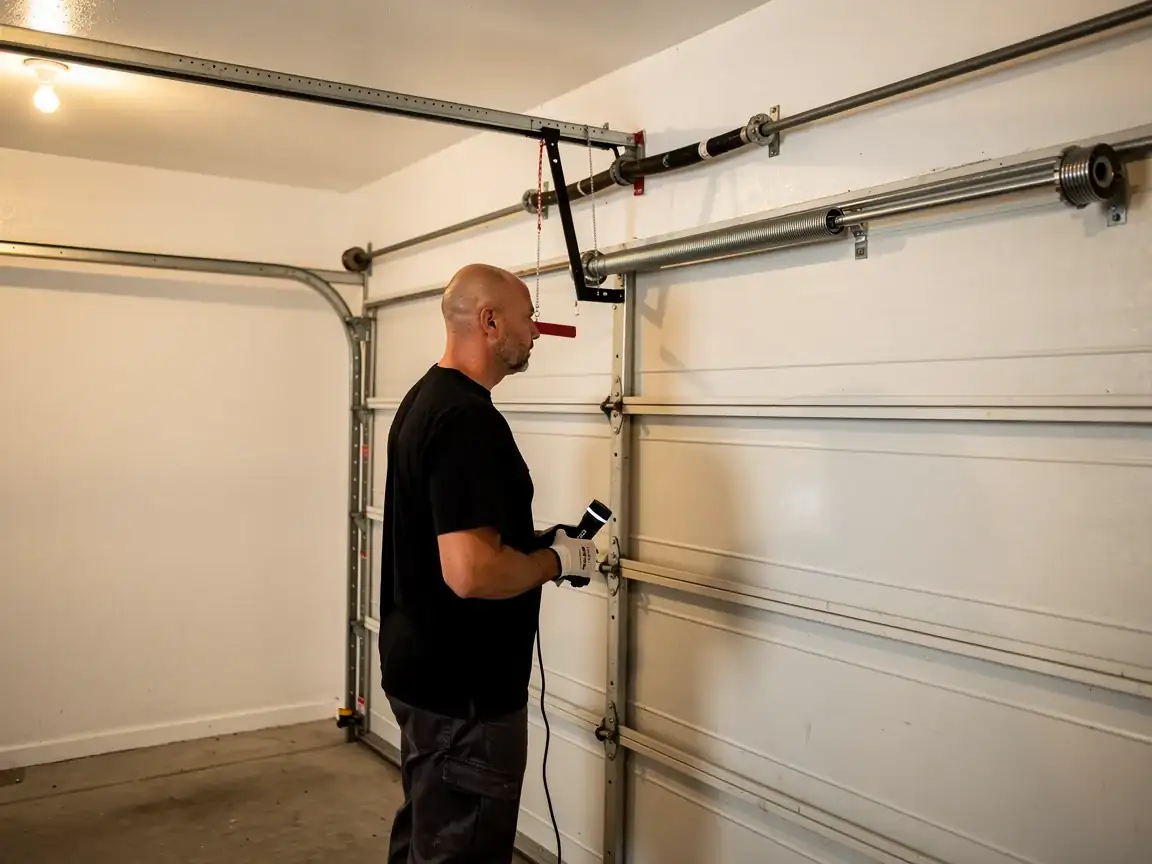
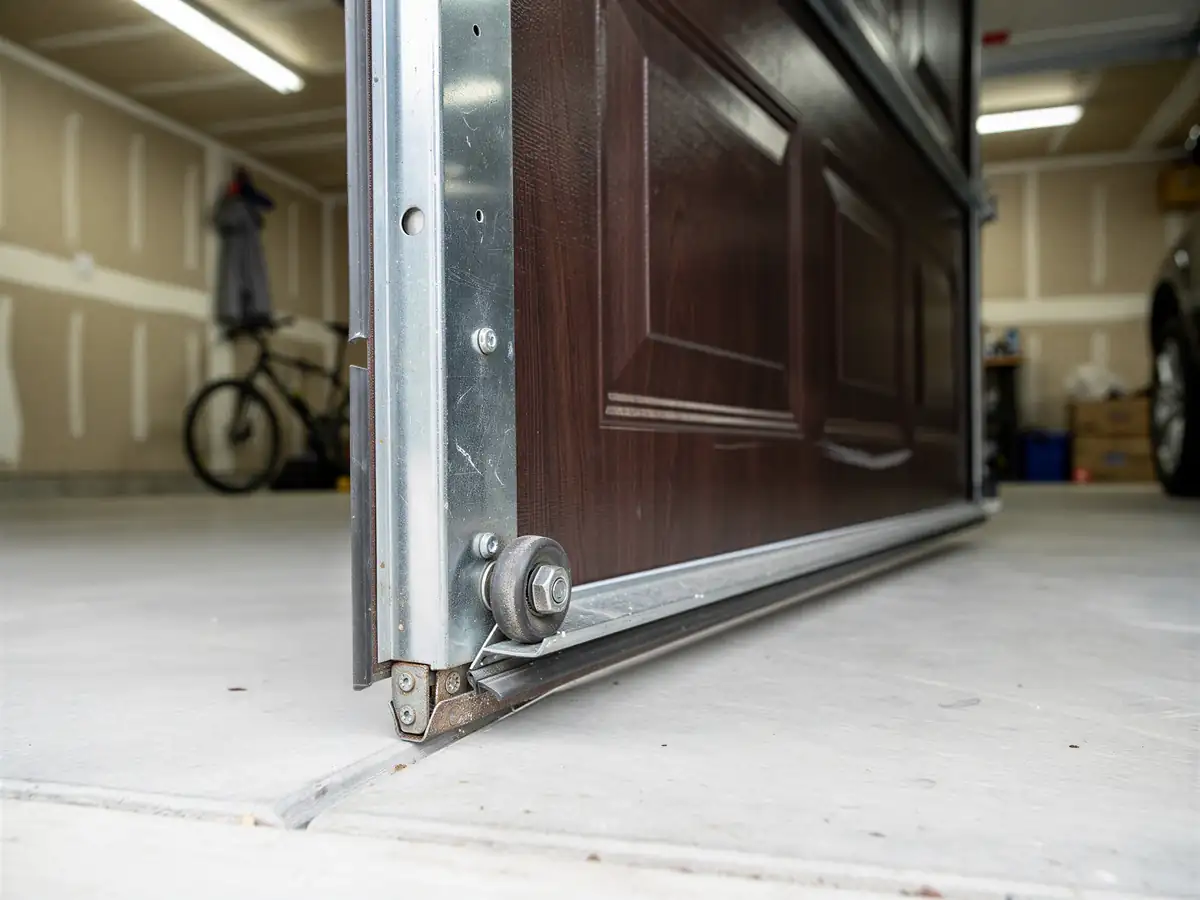
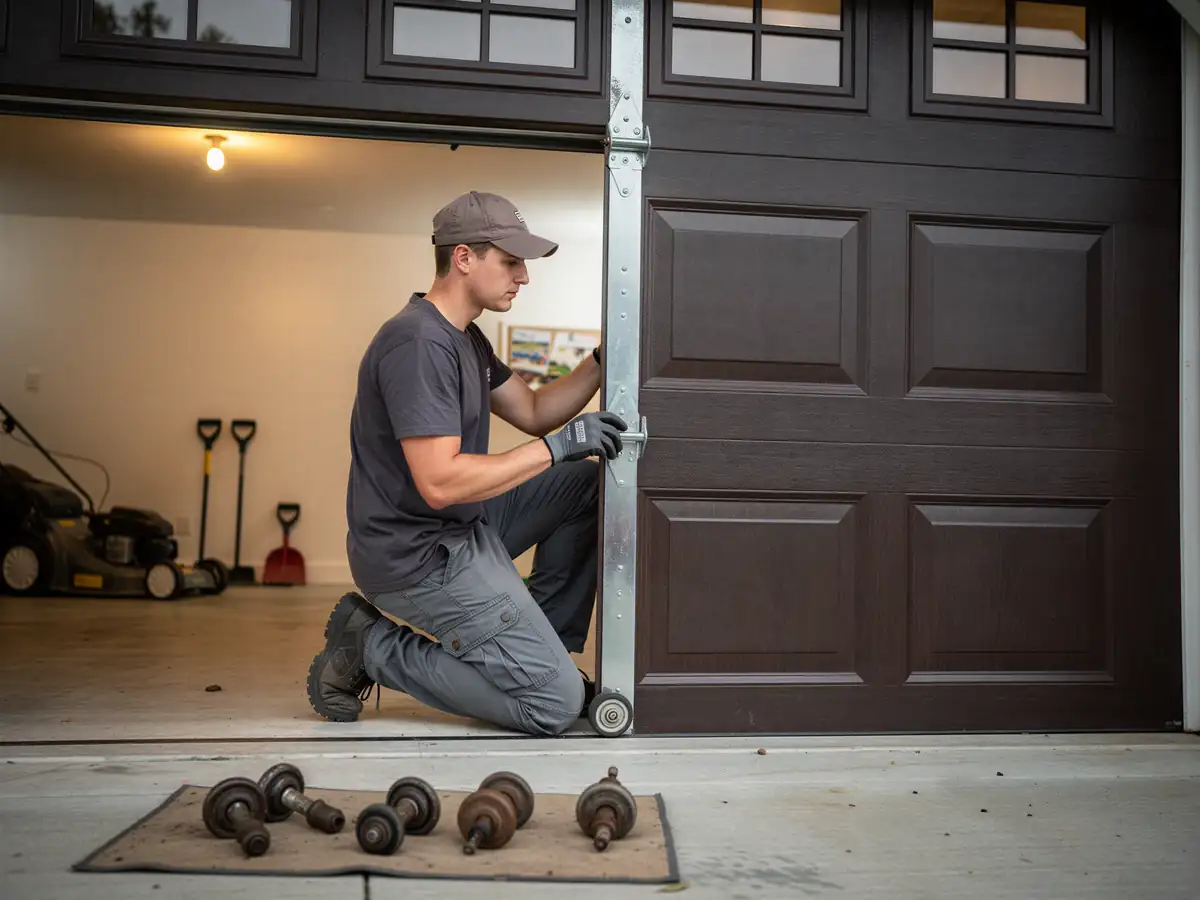
Most garage doors in Penn Valley went up when the area's median house did, in 1977, and that's not a coincidence worth skipping past. A door from that window is a steel panel, usually single or double car, hung on hardware built for openings a few inches narrower than what gets installed new today. The rollers on those doors are stamped steel stems with open ball bearings - no seal, no sleeve, just exposed metal running in a track that was never resurfaced. After decades of up-and-down, the bearings dry out, pit, and start to wobble in the track rather than roll through it. You hear it before you see it: a grinding or clunking on the way up, worse on the first cold start of the day. The mild climate out here doesn't rust rollers out the way a wetter region would, but it doesn't stop the wear either - sheer cycle count does that on its own. Across the 15 named areas this company covers, the 1960s-70s building wave is the dominant stock, and Penn Valley sits right in the thick of it. That's the door you're dealing with before anything else about the fault matters.
Time on the Job
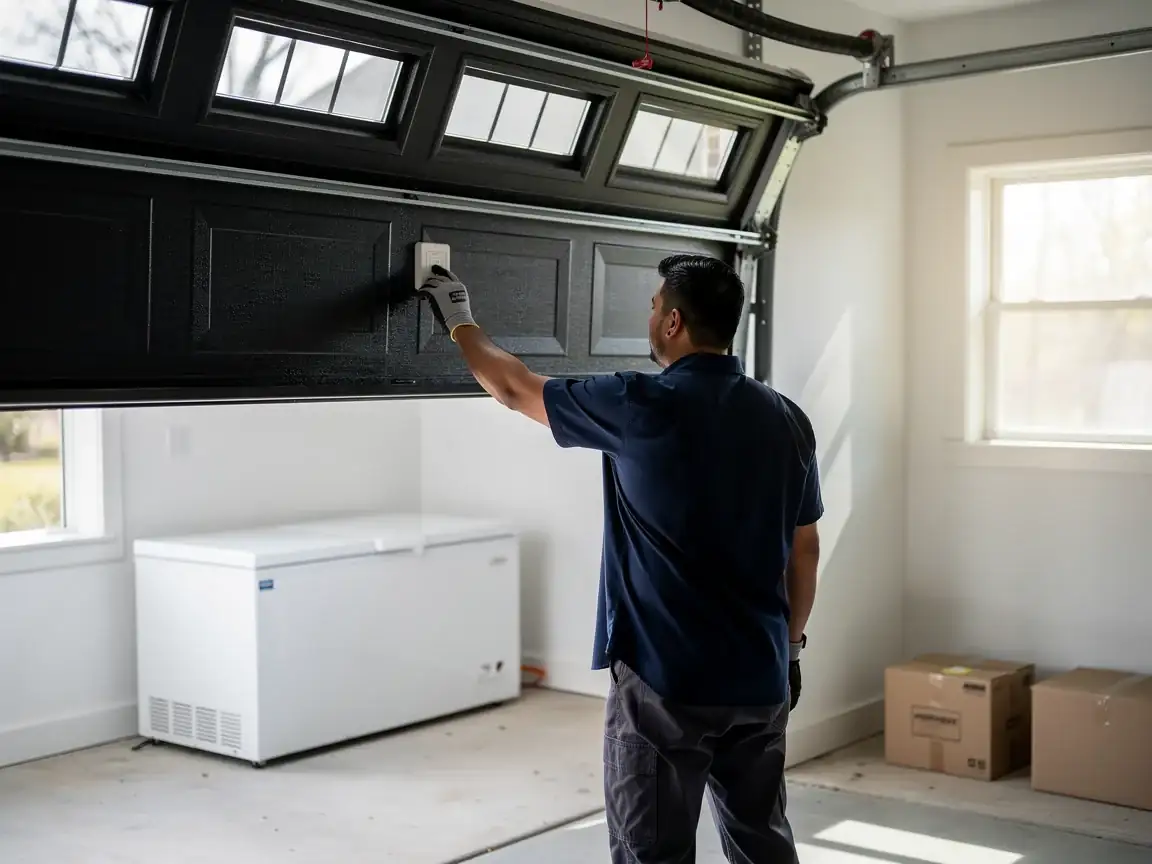
Penn Valley is 8 miles out from the Grass Valley shop, which is close enough that a roller swap doesn't turn into a half-day trip, but it does mean the truck rolls out loaded for the job rather than restocking partway through. A straight roller-for-roller replacement on a double door, done after the track's checked for straightness, is a contained job - it's not a full teardown. What stretches it out is anything found once the door's open: a bent track section, a bowed panel, hinges worn past matching. Those get flagged and priced separately rather than guessed at from outside. We don't quote a fixed window over the phone for Penn Valley calls, because the 8-mile drive plus whatever's actually wrong with the door changes the math every time.
The Complications
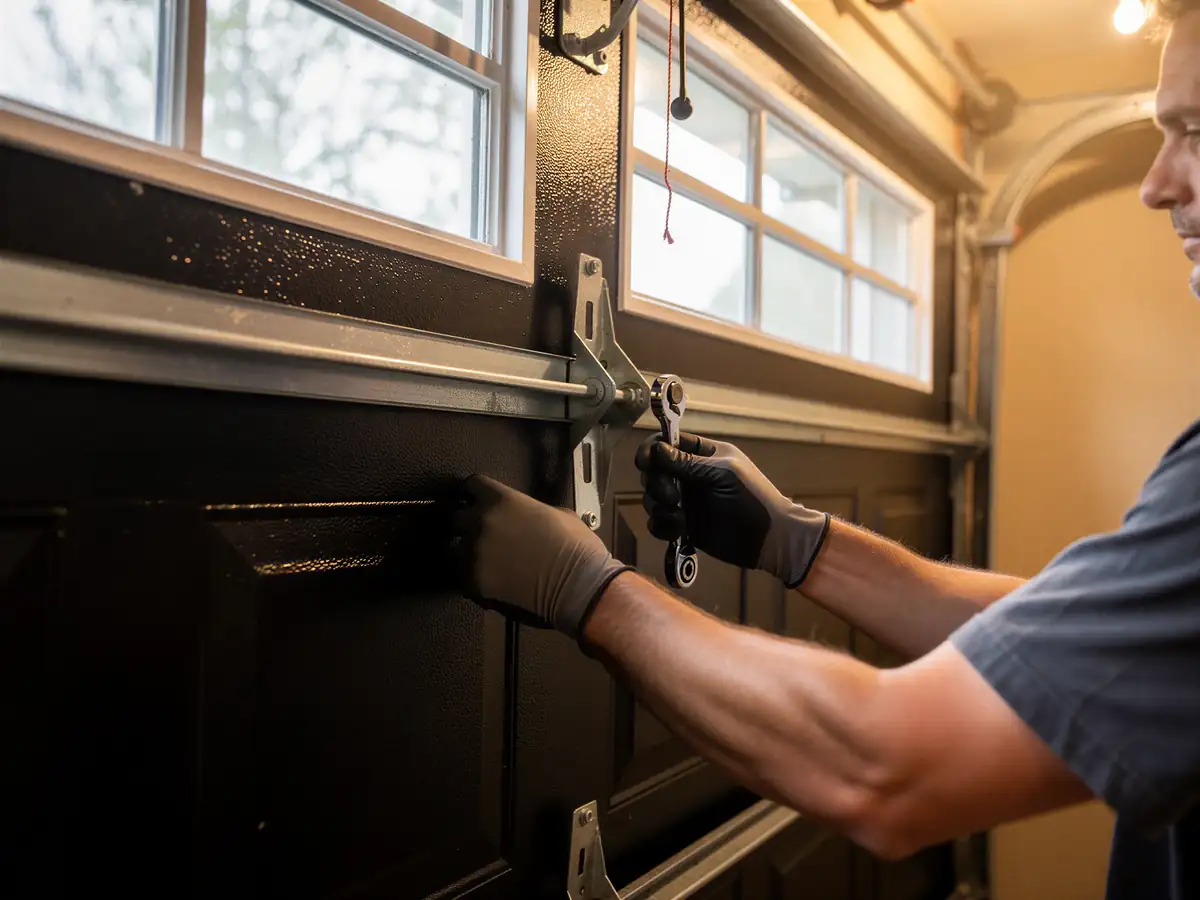
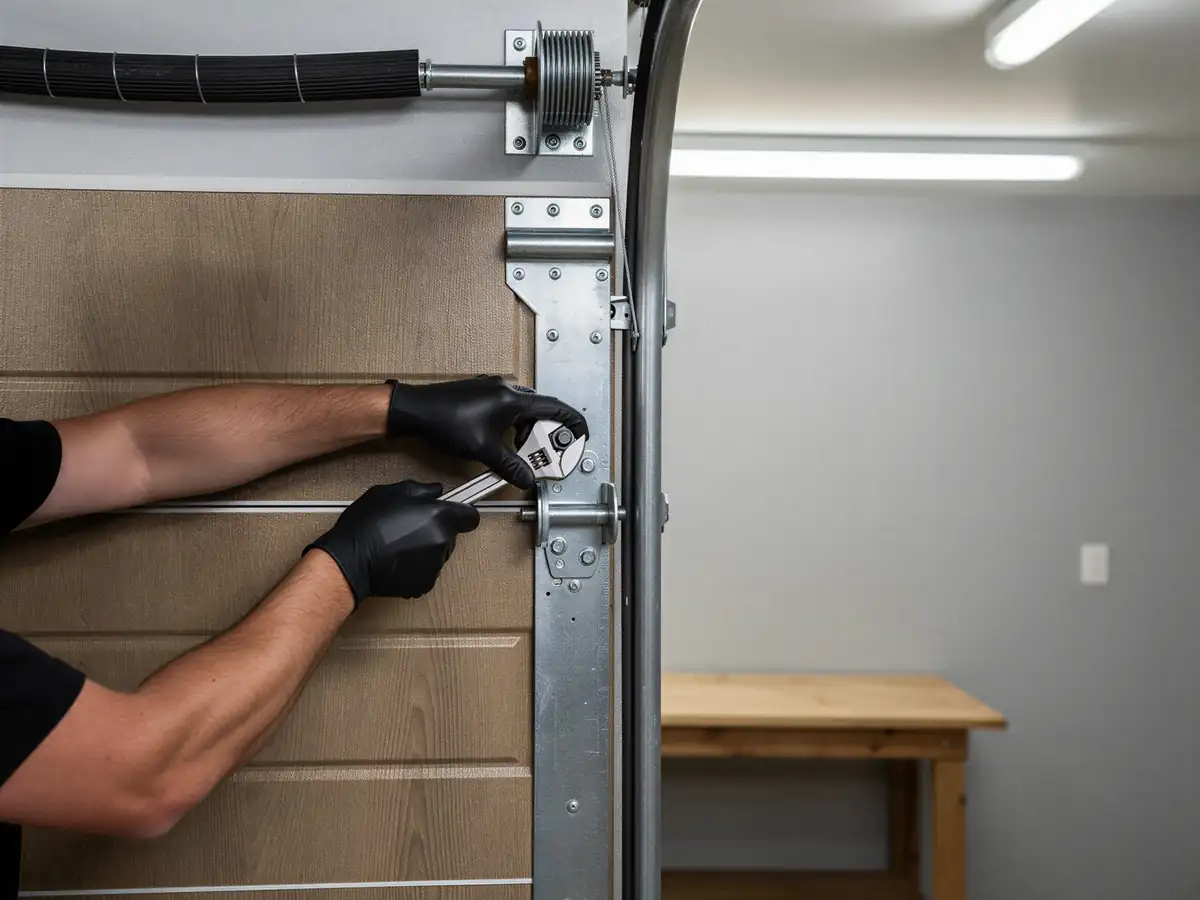
The complication on a door this age usually isn't the roller itself - it's what the roller's been masking. A track that's been running worn rollers for years often develops a slight bow or a flattened spot where the roller has been riding wrong, and swapping in a new roller onto a bent track just moves the grinding somewhere else instead of fixing it. On older Penn Valley houses, we also see brackets that have stretched or cracked at the mounting bolt, which won't hold a new roller any better than the old one. Here's the honest limit: if the track is bent badly enough, replacing it costs more than the roller job and sometimes approaches what a full door section would run - at that point we say so rather than selling a roller swap that won't last. We don't guess at this over the phone; it gets confirmed with the door open.
What It Costs
We don't post a flat number for Penn Valley roller jobs, because the spread between a clean roller-only swap and a job that turns up a bent track or cracked bracket is real, and quoting one price would undersell the second kind of job and oversell the first. What we can say is that Penn Valley's own median household income sits at $62,966, noticeably under the roughly $91,135 median across the wider service area, which is part of why we stock a mid-grade nylon roller as the standard option here rather than leading every quote with the premium sealed-bearing upgrade. You can ask for that upgrade - it's on the truck - but it's not pushed as the default. A final number gets confirmed once the door's actually open and the track's been checked.