What Causes It Around Here
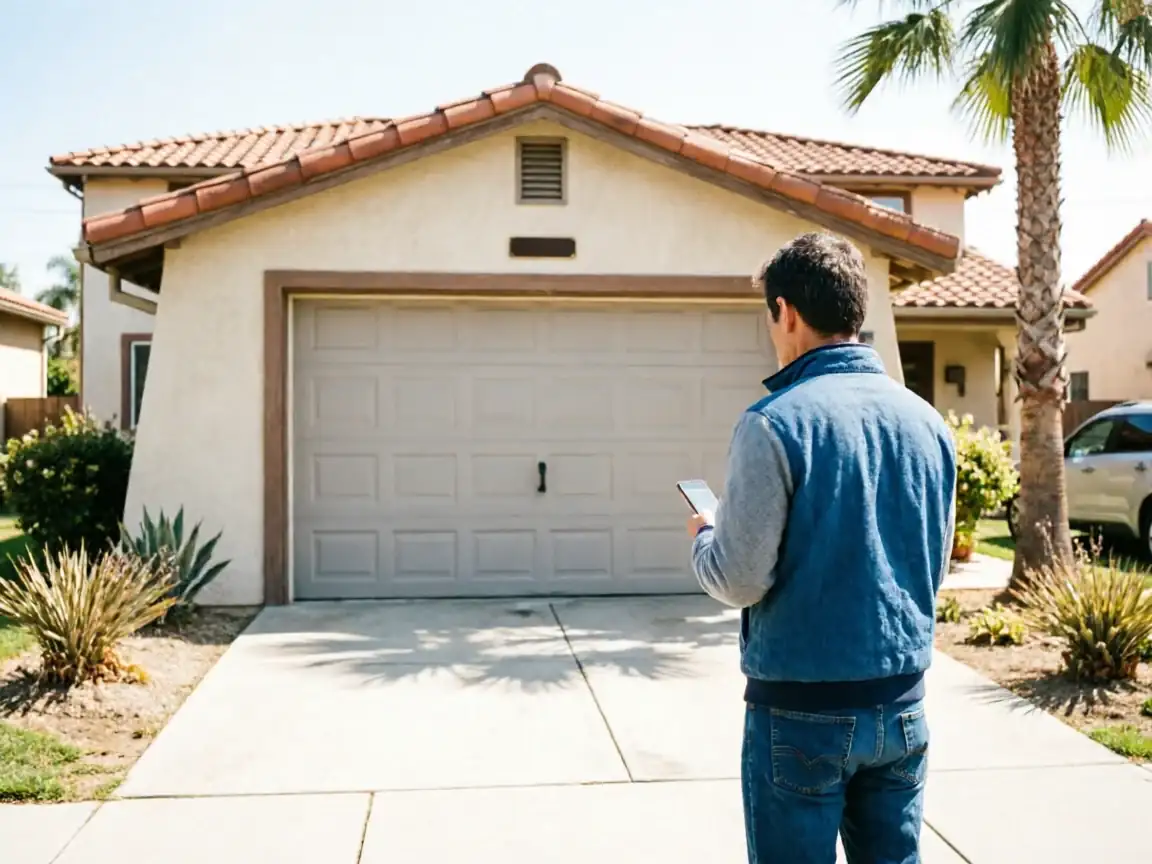
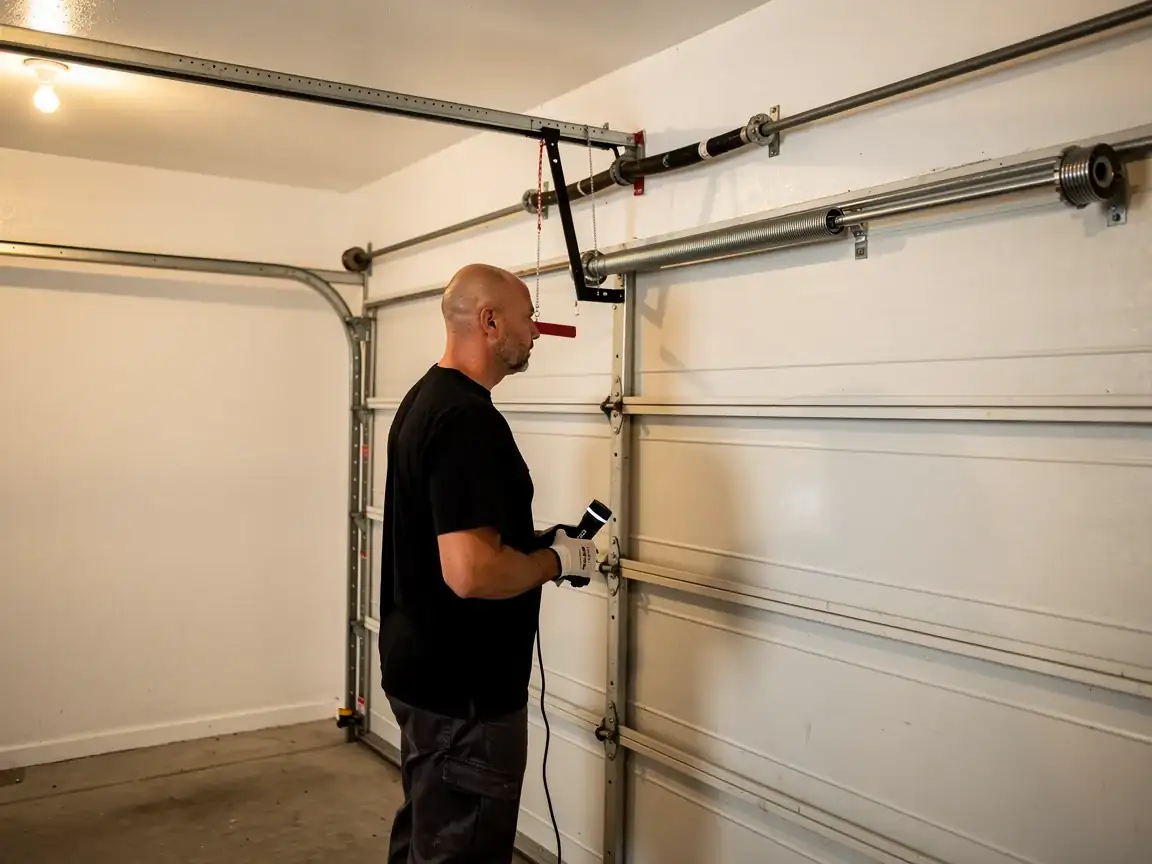
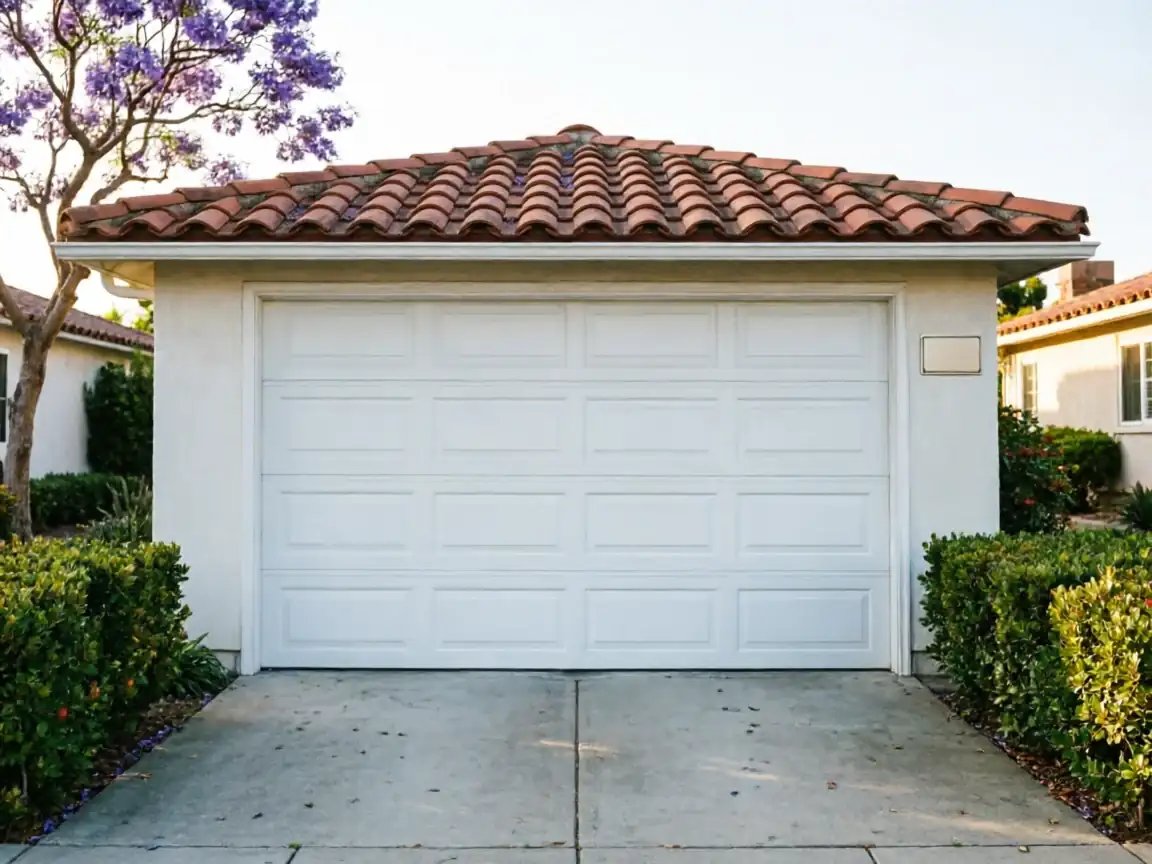
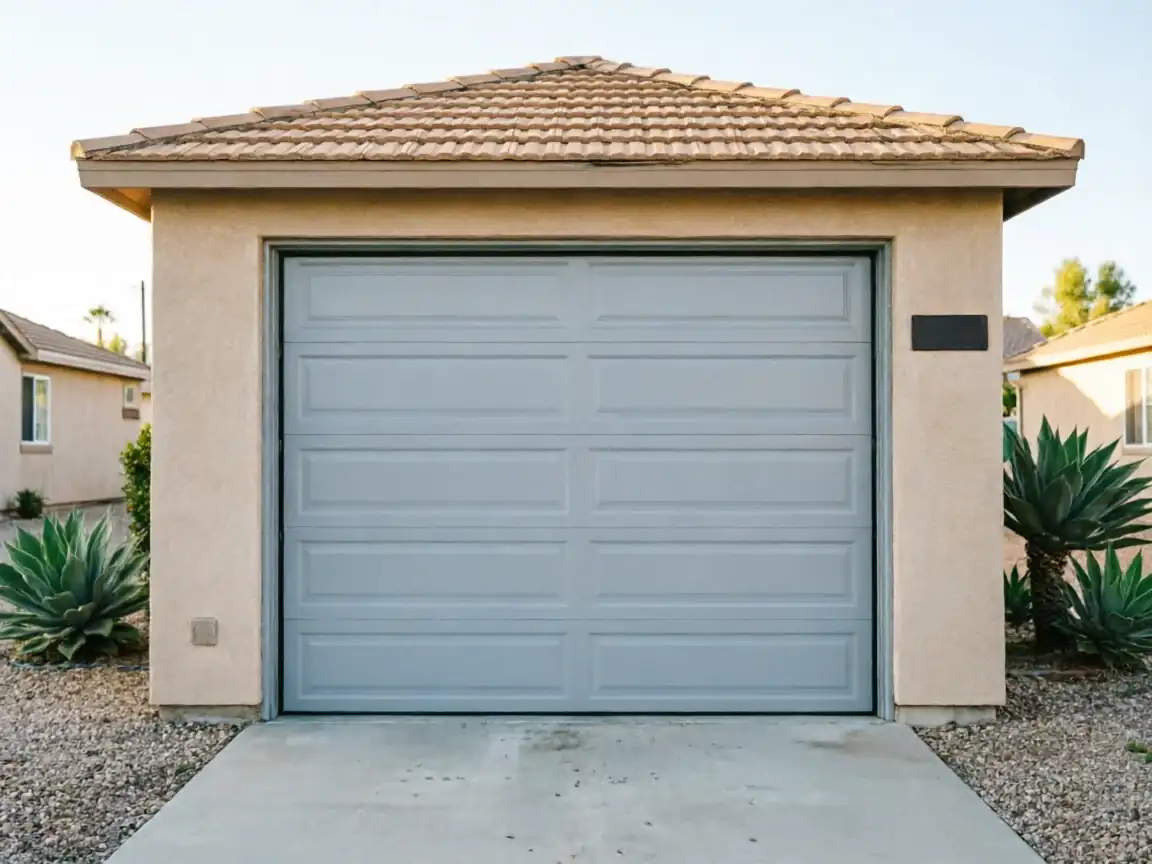
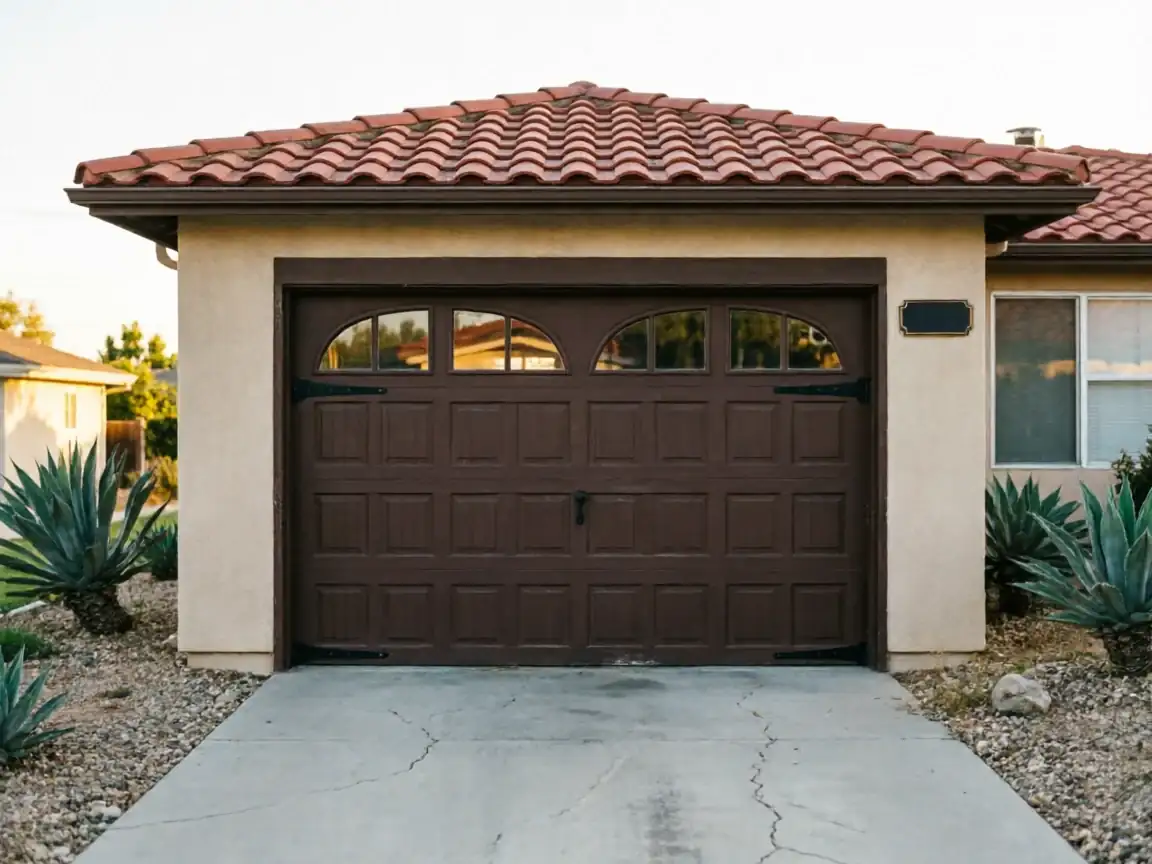
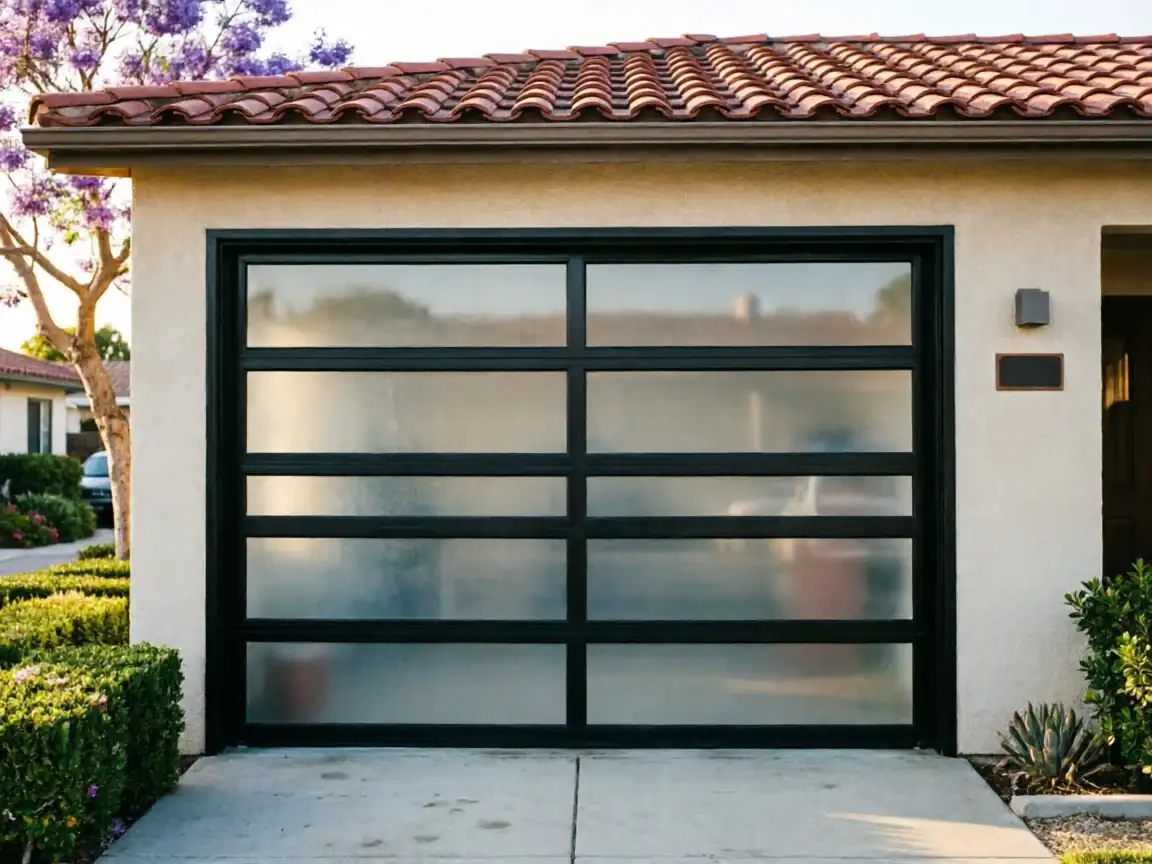
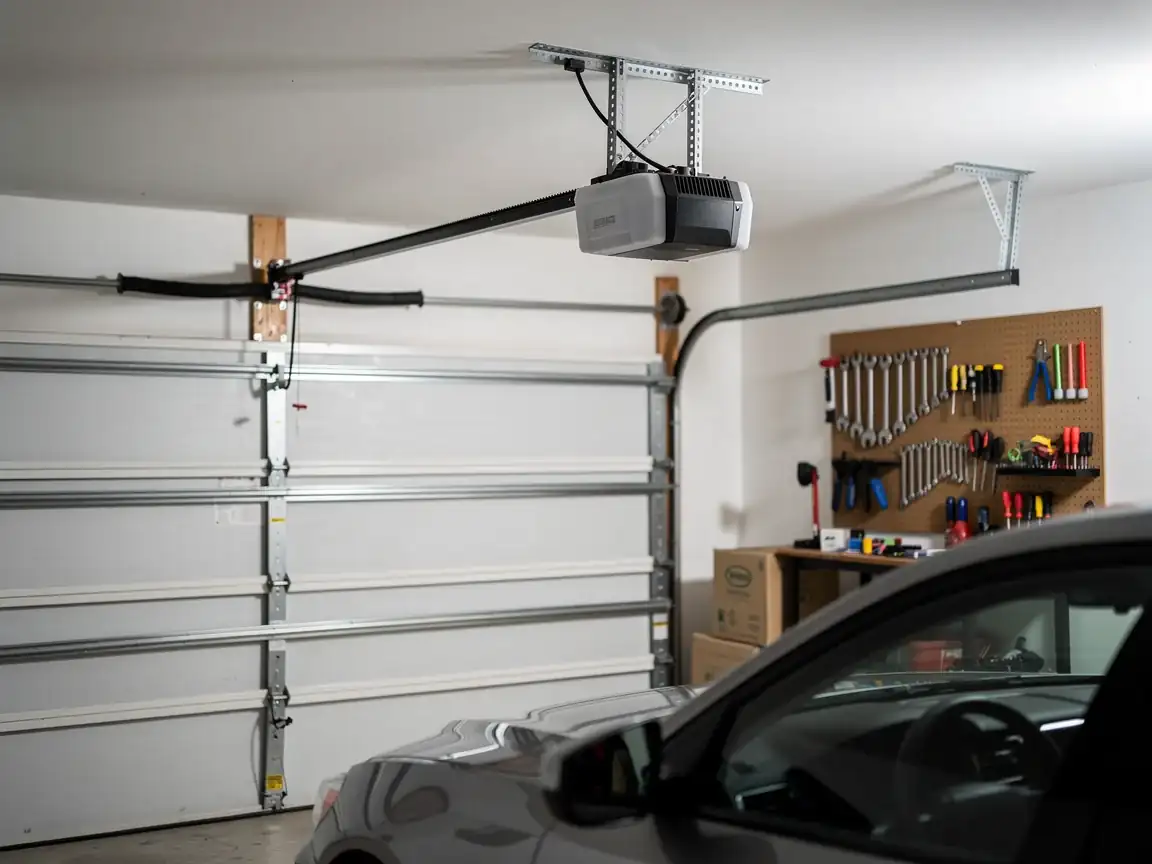
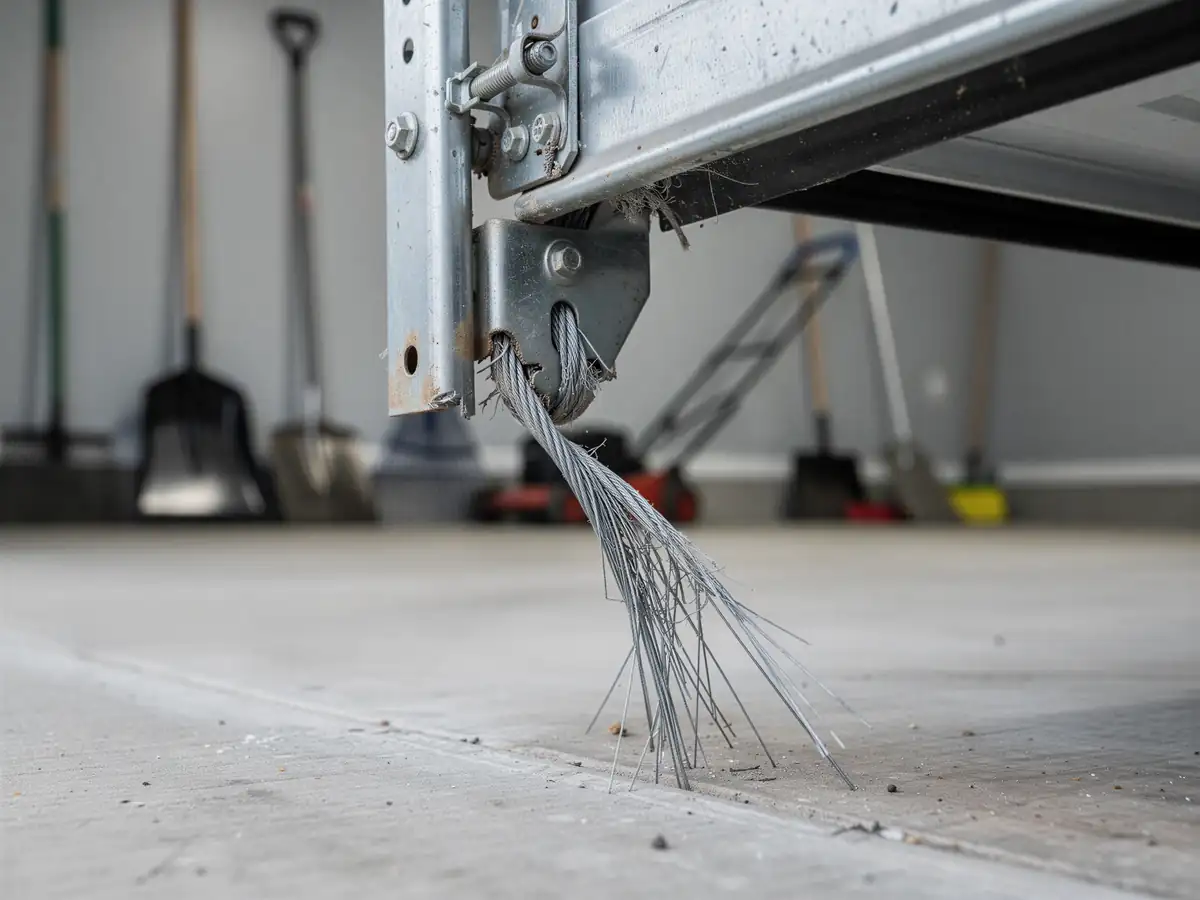
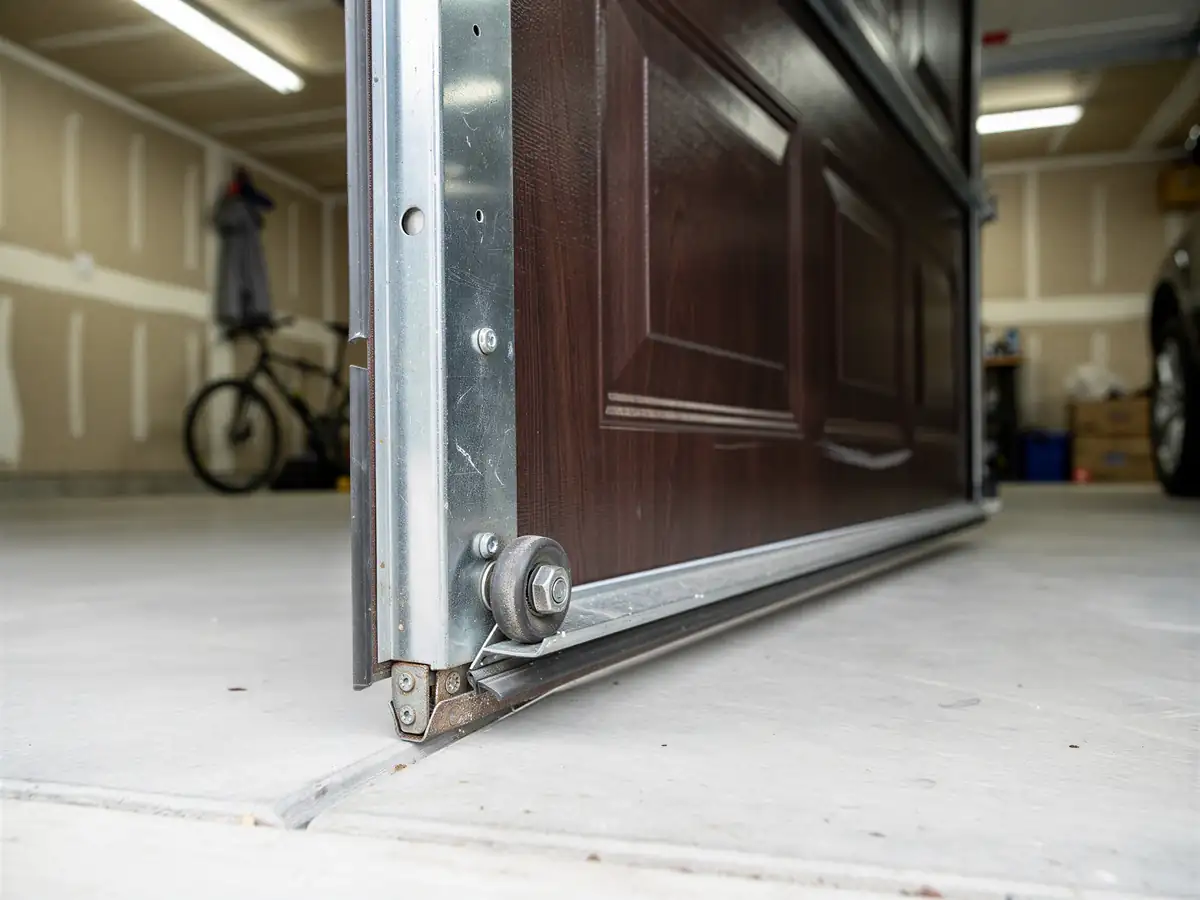
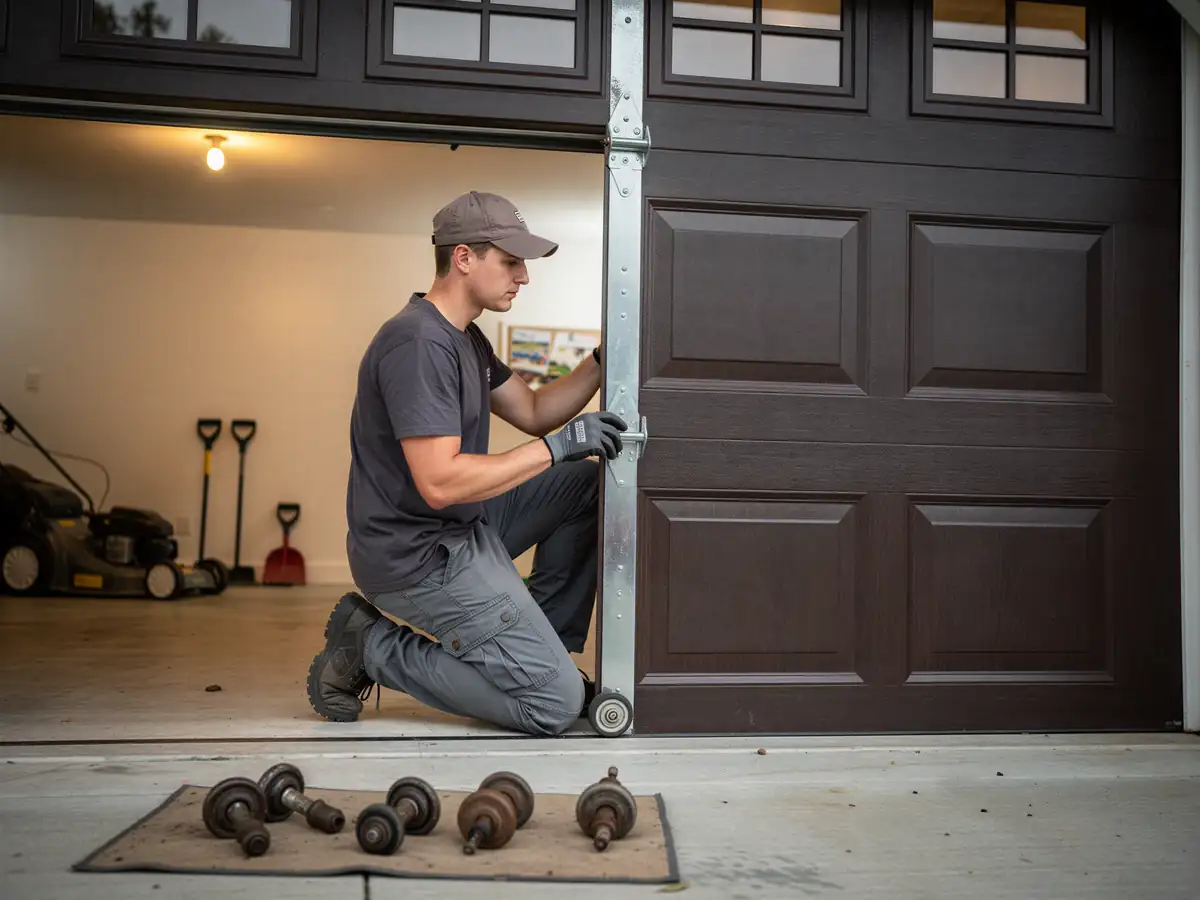
Penn Valley sits about eight miles out from our shop in Grass Valley, and the drive matters more than it sounds like it should, because it's long enough that a tech doesn't double back for a part he guessed wrong on. The median home in Penn Valley went up around 1977, right in the middle of the 1938-1984 range that covers most of this service area, and that era tells you what's usually wrong before anyone touches the door. Sectional steel doors from that build-out run on torsion or extension spring setups that are now pushing fifty years old if nothing's been swapped. Galvanized coating on the original springs wears thin, cable ends fray at the drum, and rollers that were never sealed bearings start grinding. The climate band here is mild with occasional freeze, so you don't get the brutal cold-snap spring snaps some regions deal with, but a cold morning still stiffens old grease enough that an opener strains against a door that isn't moving as freely as it should. None of this is dramatic. It's just age doing what age does to steel and tension, on hardware installed back when gas was under a dollar.
Time on the Job
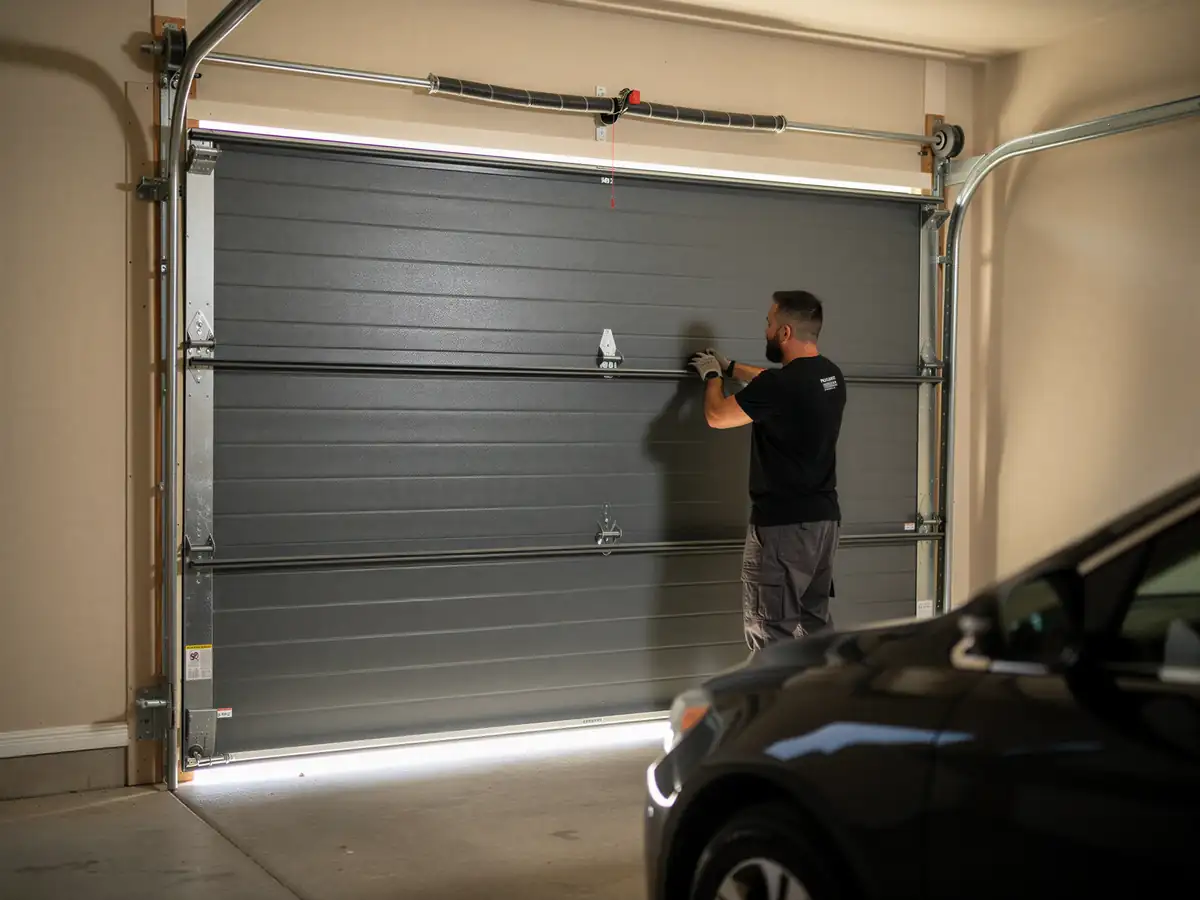
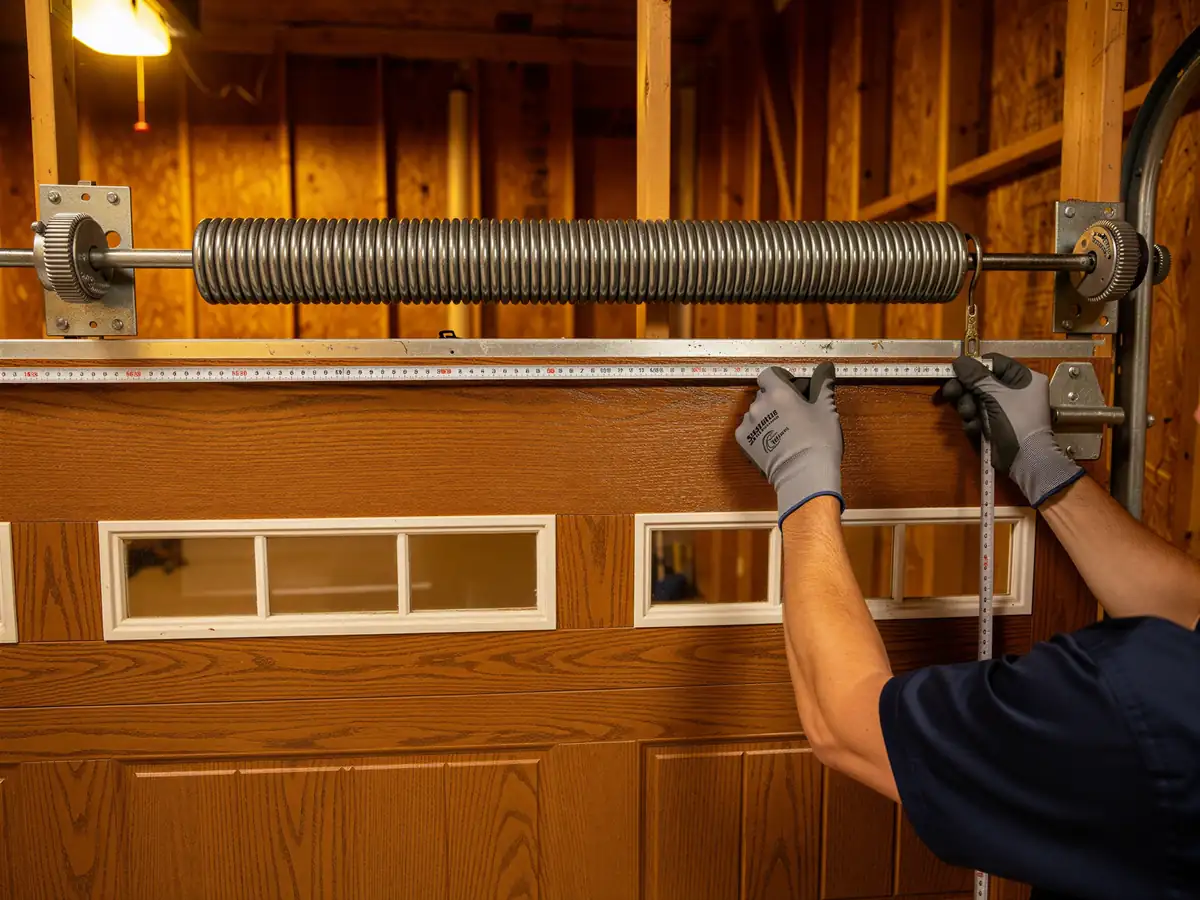
There's no Penn Valley branch - every call here is a truck coming from Grass Valley, eight miles in. That drive gets folded into how the day gets scheduled, not into a separate fee structure, but it does mean a tech isn't swinging back twice in an afternoon on a guess. First visit is diagnosis and, if the part's a common size, often the fix in the same stop. If the spring or track hardware turns out to be a less common gauge - more likely on a door that's original to a 1970s build - that visit becomes the measuring trip, and the fix is the second one. We'd rather tell you that up front than promise a one-stop fix on hardware we haven't seen yet.
The Complications
The main complication in Penn Valley isn't the door itself, it's documentation. With 537 households in town, there isn't the same volume of recent garage door jobs here as in denser parts of the service area, which means more doors with no record of what was last replaced or when. A 1977-era door might have had one spring swap in its life, done with whatever matched at the time, and that can mean non-standard wire gauge or a drum that doesn't match current stock sizes. That's a measure-first job, not a show-up-and-fix one. Beyond that, rural lots out this way sometimes mean longer runs for extension cords or ladders than a tract-home garage, but that's a logistics footnote, not a technical one.
What It Costs
Penn Valley's median household income, at $62,966, runs well under the $91,135 median across the wider service area we cover. That gap shows up in the kind of calls we get out here - more requests for a straight spring or cable repair, fewer calls for a full door replacement when the existing door still has life in the panels. We don't carry a published price list for this page because the final number depends on what hardware is actually on the door once a tech has eyes on it, but the general pattern holds: repair gets chosen over replacement more often in Penn Valley than it might in a higher-income pocket of the same service area, and that's a reasonable call on a door that's structurally sound.