What Causes It Around Here
Penn Valley's median household income is $62,966, well under the $91,135 median across the rest of the territory we cover. That number matters more than it sounds like it should, because it changes the math on whether a door gets fixed or replaced. A household at that income level doesn't have much room to gamble on a repair that might buy six more months versus a new door that solves the problem outright.
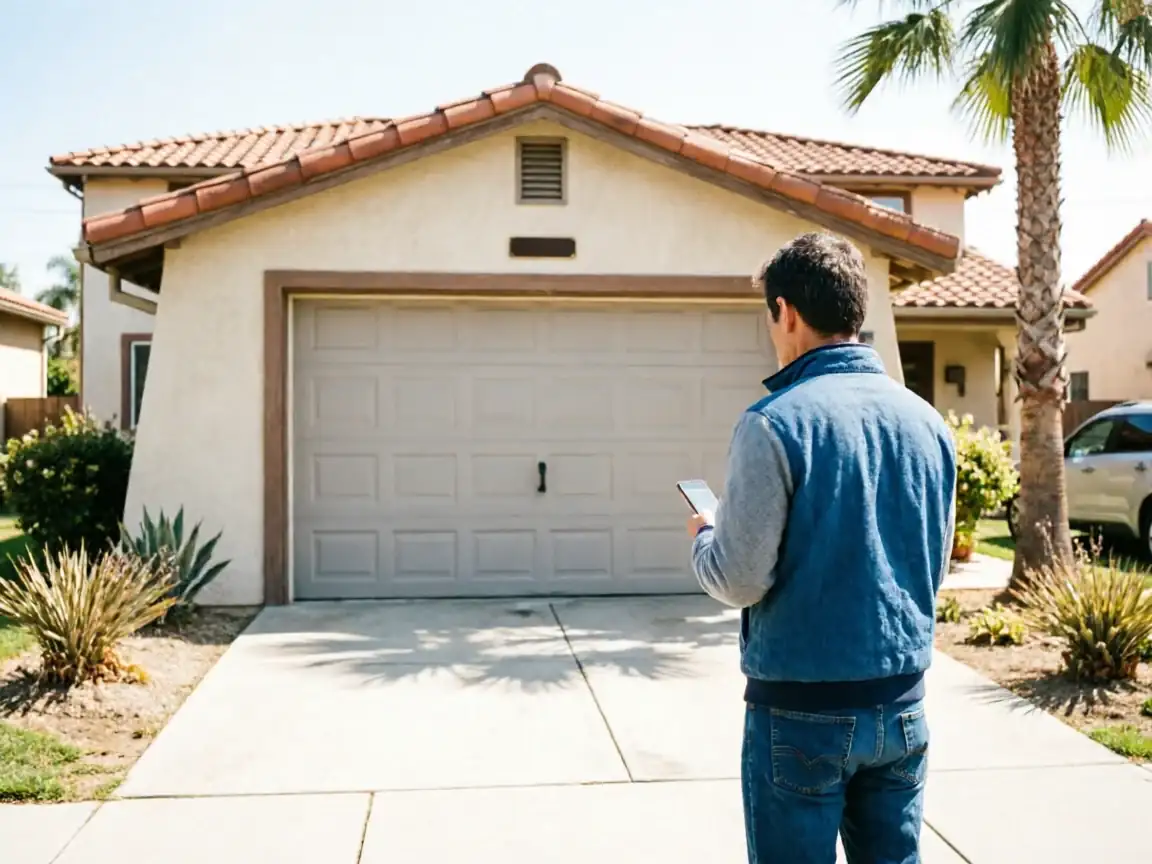
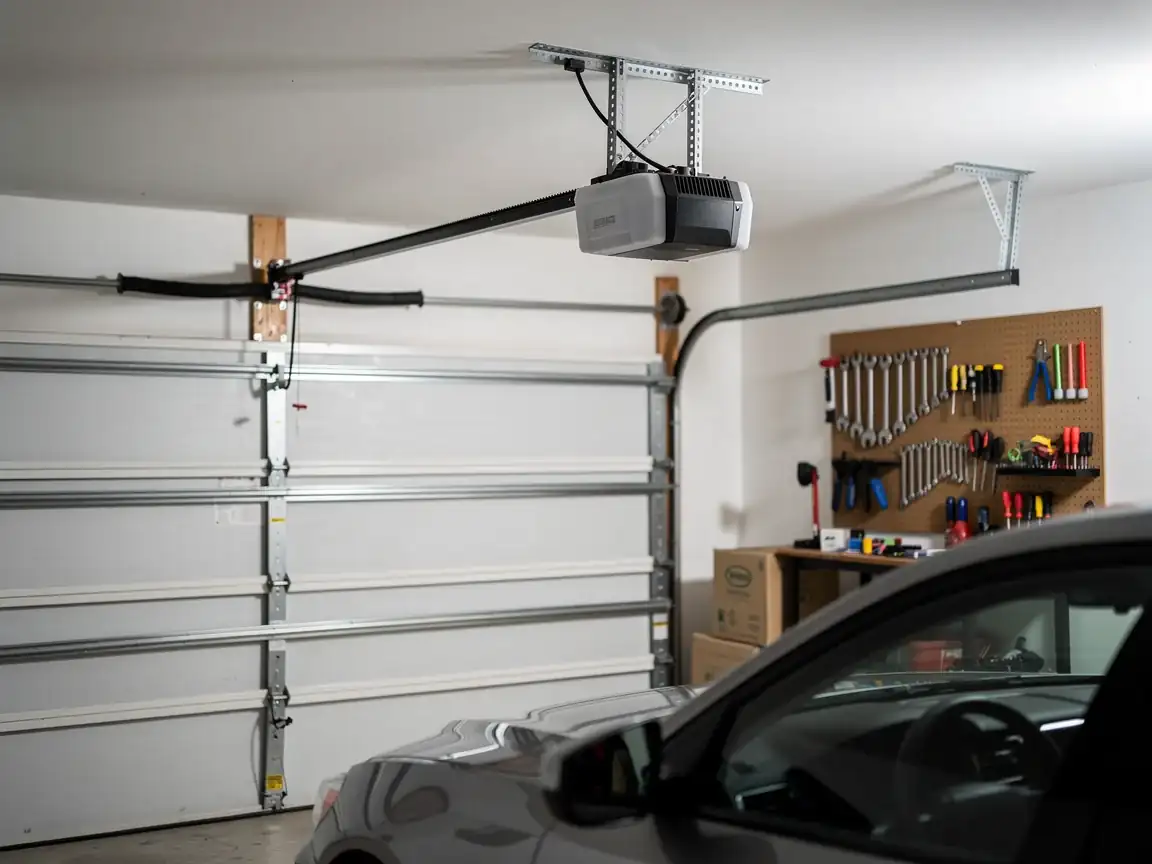
The houses themselves set the second half of the problem. Penn Valley sits inside the 1938-1984 build window that covers most of this service area, with the heaviest concentration from the 1960s and 70s. A door and track system installed when a house went up in 1972 has outlived its hardware twice over. Springs stretch past their cycle count, tracks warp slightly out of true, and the opener - if it's even been swapped since - is often a chain-drive unit nobody stocks parts for anymore.
The area has 537 households, a small enough number that most of the housing stock aged in together. When one door on a street starts failing, the one next to it usually isn't far behind, because they went up the same year with the same materials.
Time on the Job
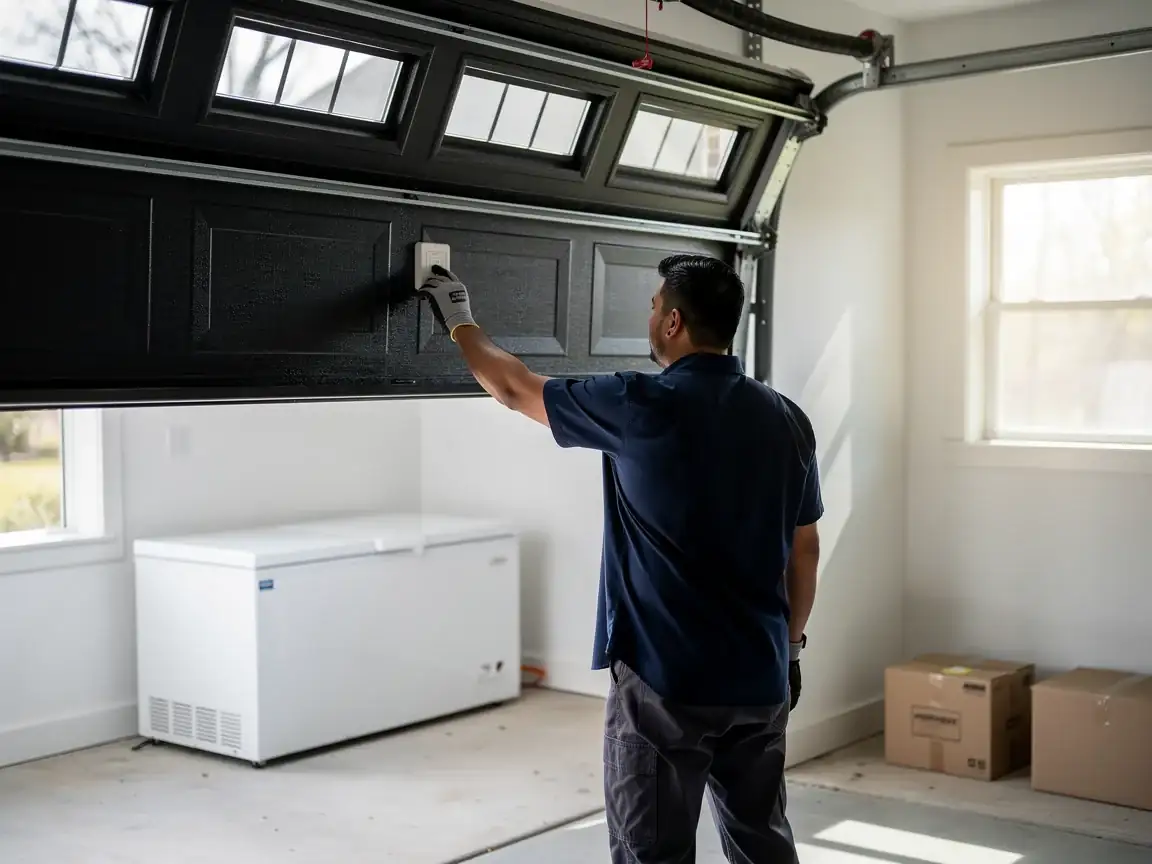
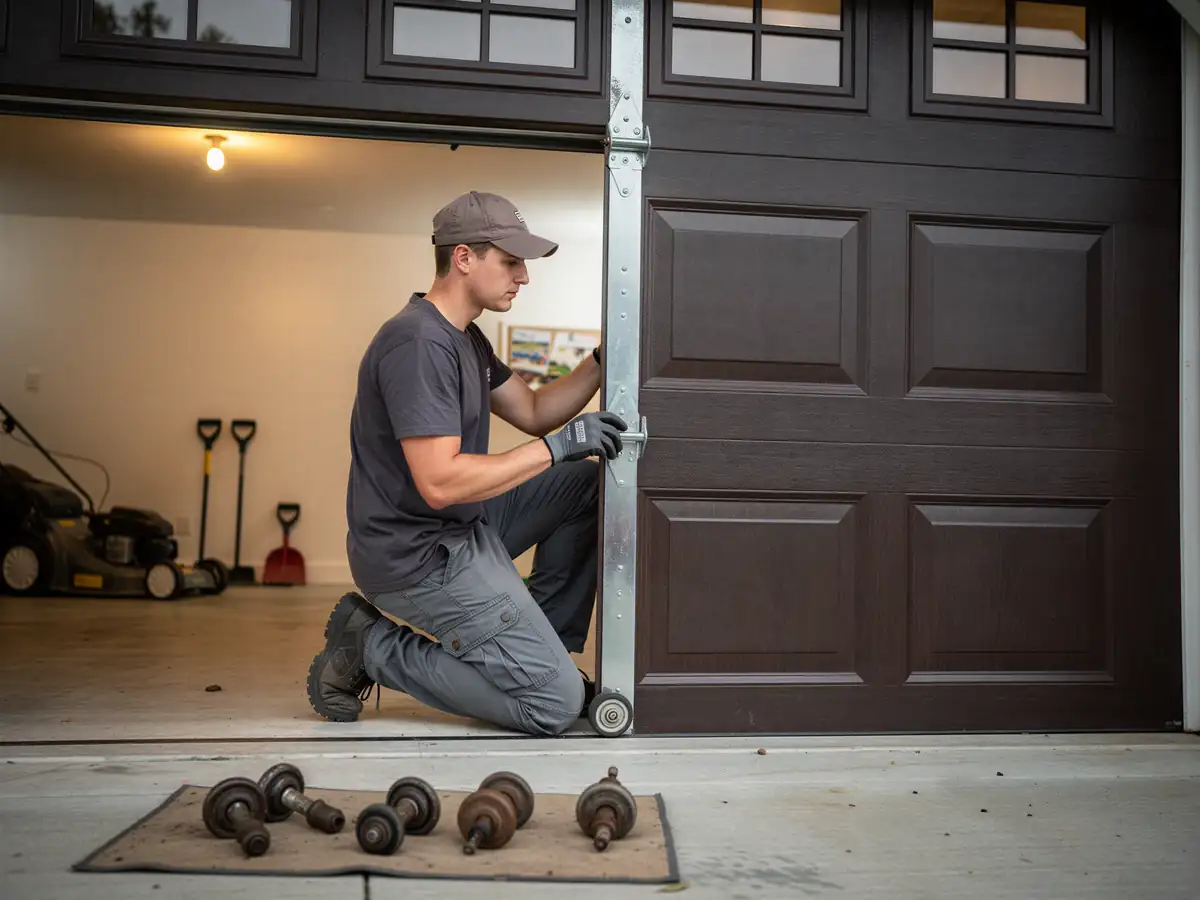
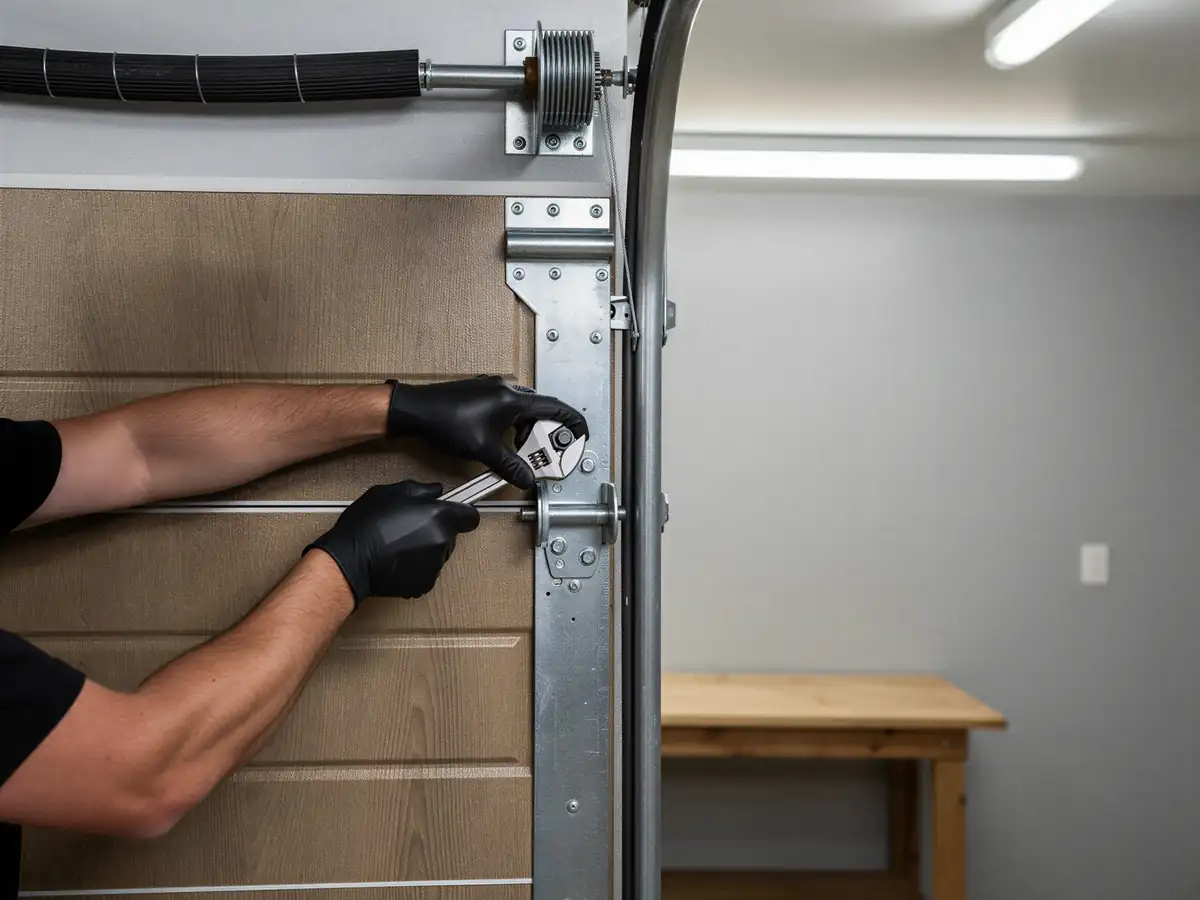
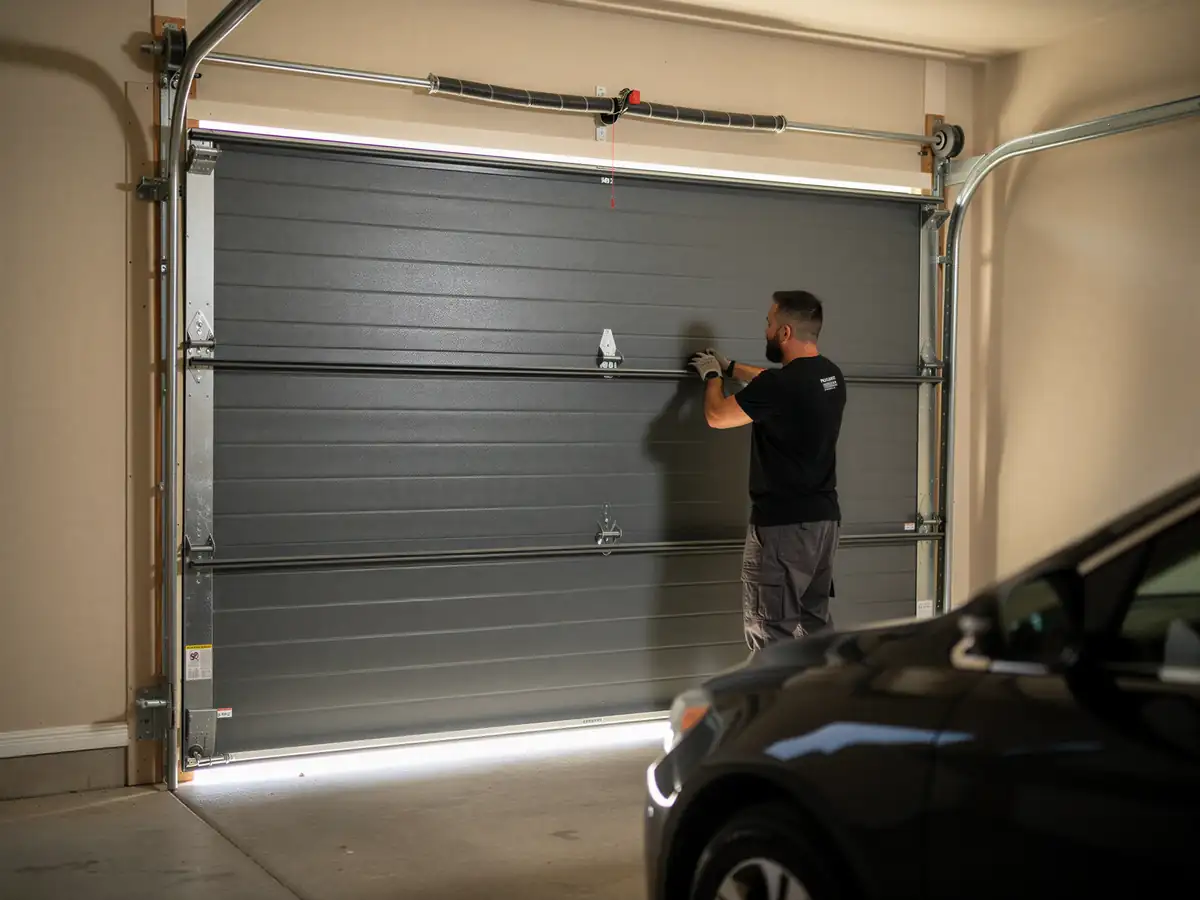
A straightforward single-door swap - old door off, new door and standard hardware on - runs a half day once the truck is on site. Where it stretches longer in Penn Valley specifically is the opener and track work on houses from that 1960s-70s run: the rail is often mounted to framing that's shifted a little over fifty-plus years, so we're squaring brackets and sometimes adding blocking before the new rail goes up true.
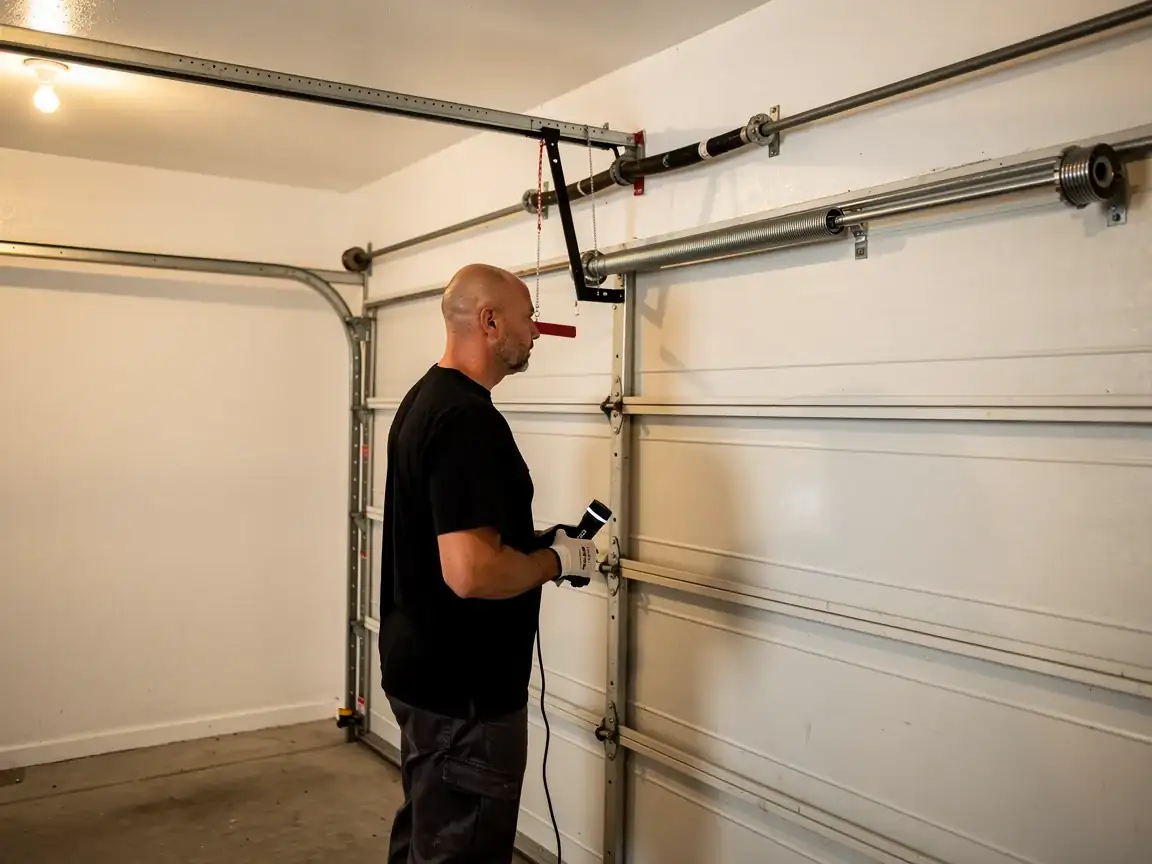
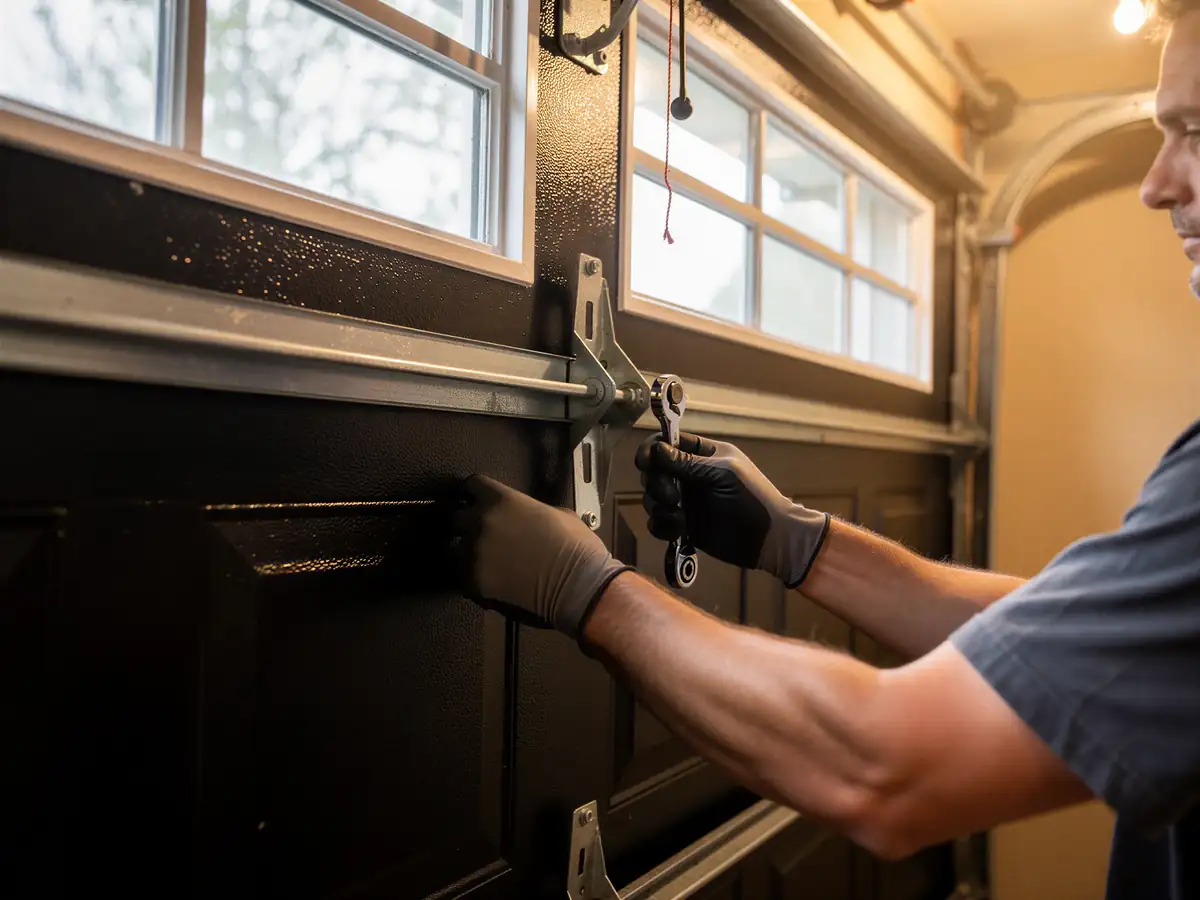
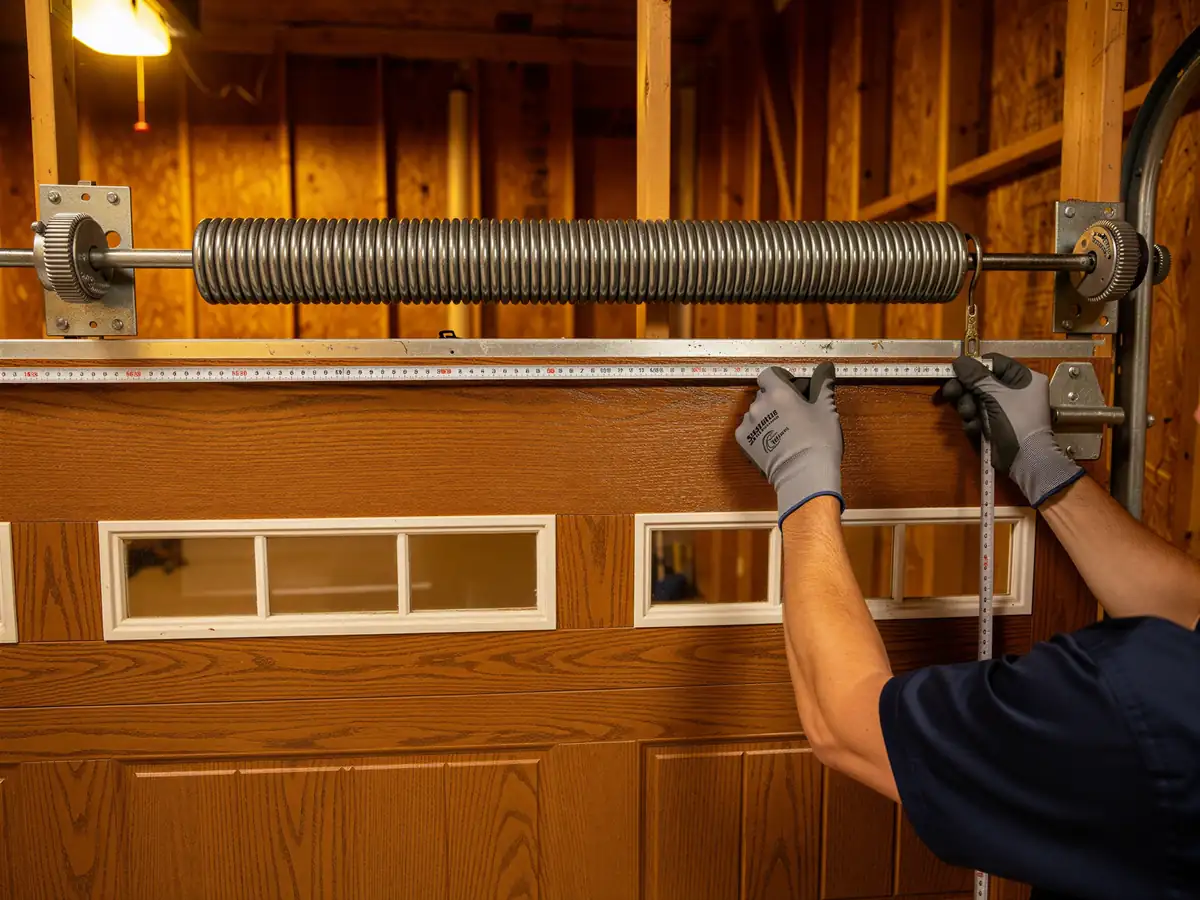
Two-door jobs or anything where the old track needs full replacement, not just the door panels, takes the better part of a day. We don't rush a torsion spring set to save an hour - that's the one step where speed and safety trade off directly, and we don't make that trade.
What Is on the Truck
For a Penn Valley install we load for the hardware era we expect to find
Not just the door itself. That means spare brackets, extra lag hardware, and a range of track sizes, because houses built in the 1960s and 70s rarely have a stud pattern that matches a new door kit without adjustment.
We carry torsion springs in a working range of sizes rather than one fixed size
Since original openings on houses from that build window vary more than newer construction does. Standard steel and insulated door panels ride on the truck in common widths; anything outside that range gets ordered ahead, which we'll flag before we schedule the job, not after we've already made the 8-mile drive out from Grass Valley.
The Complications
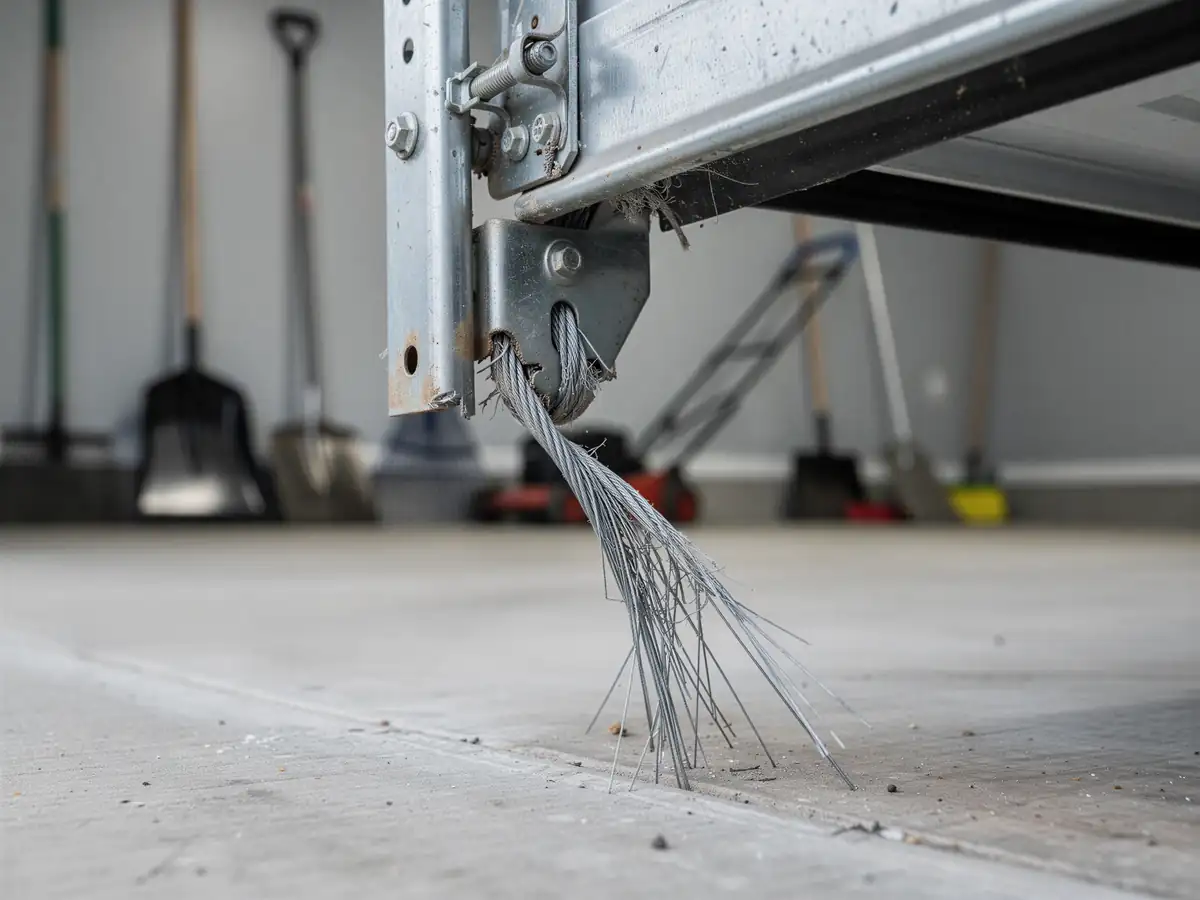
The climate here is mild with occasional freeze, which doesn't do much damage on its own - but it does mean galvanized hardware that's been sitting exposed since the 1970s has had forty or fifty freeze-thaw cycles to work on it, even a mild version of that cycle. Bolts seize. Hinges don't move freely. None of that shows up until the old door's off the wall and we're looking at what it was actually hanging from.
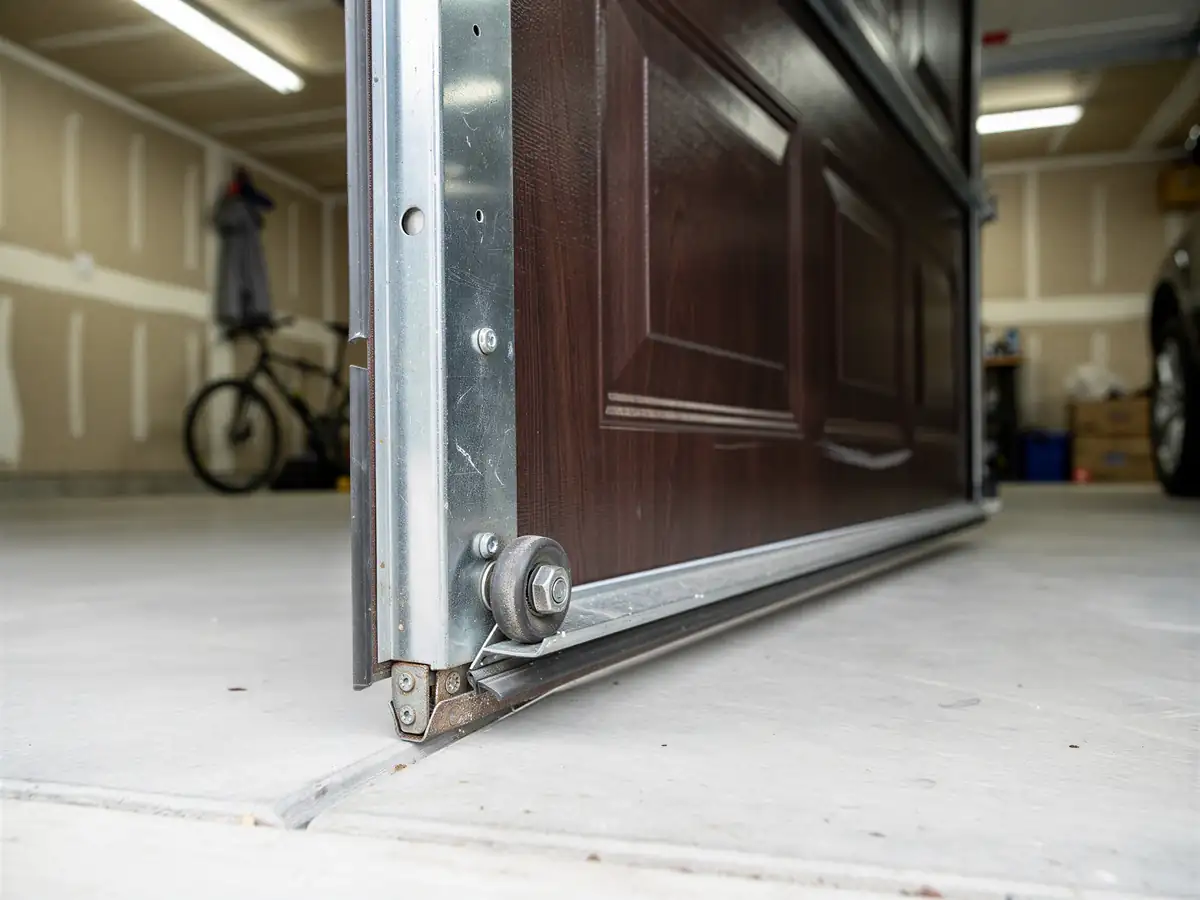
The other complication is simpler: a house built in 1977, which is close to the median build year for this stretch, may have had one or two doors replaced since but rarely a matching opener and track overhaul. We often find a newer door bolted onto 1970s track hardware that was never meant to carry it. That mismatch is usually invisible until something binds.
What Costs
We don't publish a flat number here because door width, track condition, and whether the opener needs replacing all move the total, and guessing a price before seeing the job isn't honest. What we will say: at a median household income of $62,966, the repair-or-replace line sits lower than it does elsewhere in the territory. If a torsion spring job on a door that's already near the end of its service life is going to run close to half of what a full new door costs, replacement is usually the better use of that money, not the repair.
We'll give you both numbers - repair and replace - before any work starts, so the decision is yours to make with real figures in front of you, not ours to make for you.
Doing It Yourself
Swapping weatherstripping, lubricating rollers, or replacing a remote are fine DIY jobs on any door of any age
Torsion spring replacement is not one of them, and that's not a sales line - a wound torsion spring under tension has put people in the ER, and it's the one repair we'd tell you to leave alone even if we weren't the ones doing it.
On a house from the 1960s-70s era common around Penn Valley, there's a second reason to call rather than DIY
You often can't tell from the garage floor whether the track bracket is original lag hardware or something a previous owner patched in. Pulling the wrong bolt on old framing can do more damage than the door problem you started with.