What Causes It Around Here
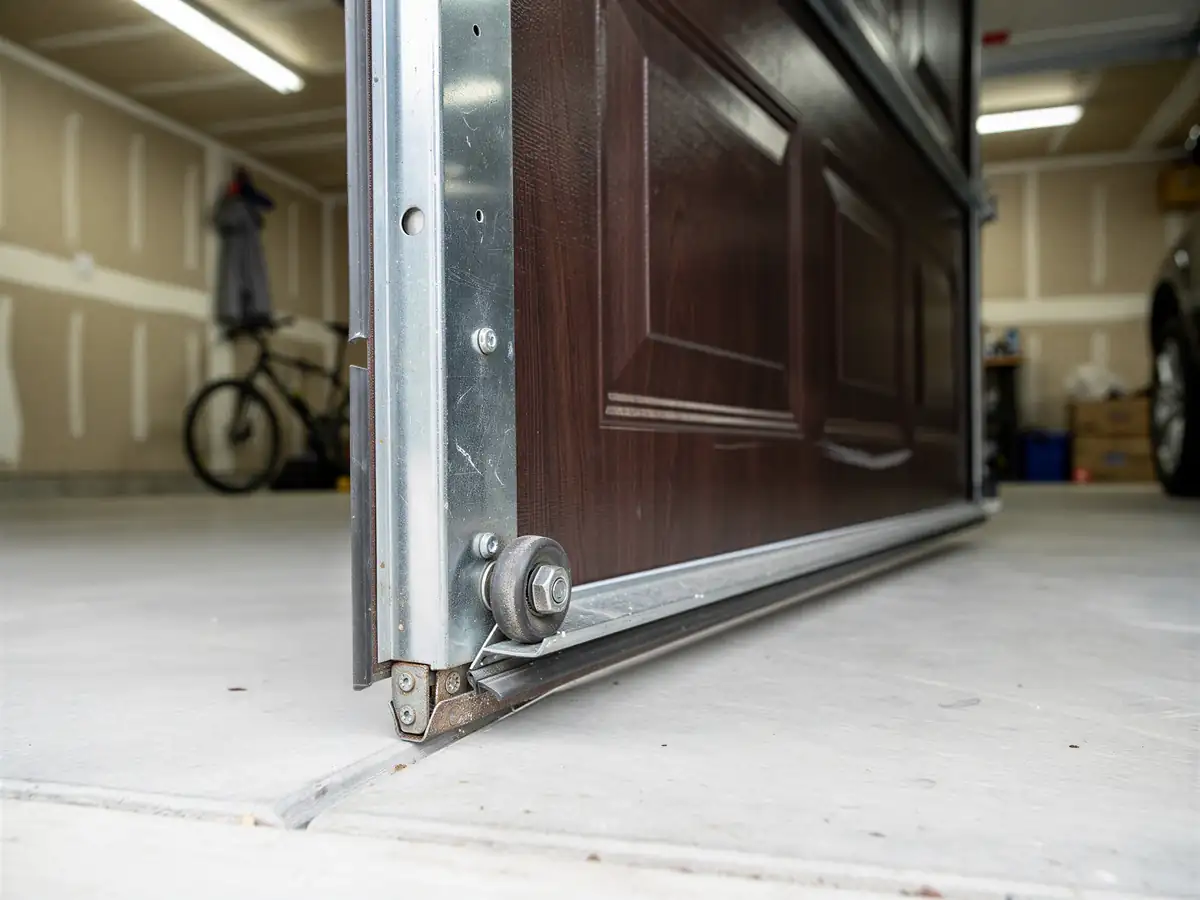
The typical Penn Valley house dates to around 1977, and a lot of that original track, hinge, and roller hardware has never been swapped out. When a door built in the Carter era comes off its track, it's usually not a fluke - it's forty-plus years of steel wearing the way steel wears. Track brackets loosen a quarter-turn at a time. Rollers wear down to a shape that no longer rides the channel square. One bent section, often from a bumped car or a slipped cable, and the panel walks sideways until it jumps the rail entirely.
Our wider service area runs about 12,417 households and skews 1960s-70s in build year, so Penn Valley fits that pattern closely rather than standing apart from it. The climate here is mild with occasional freeze nights, which isn't brutal on steel the way a true freeze-thaw region is, but damp mornings still work rust into old track seams over four decades. That combination - original hardware plus slow corrosion - is what we see most when a call comes in from this side of the county.
Time on the Job
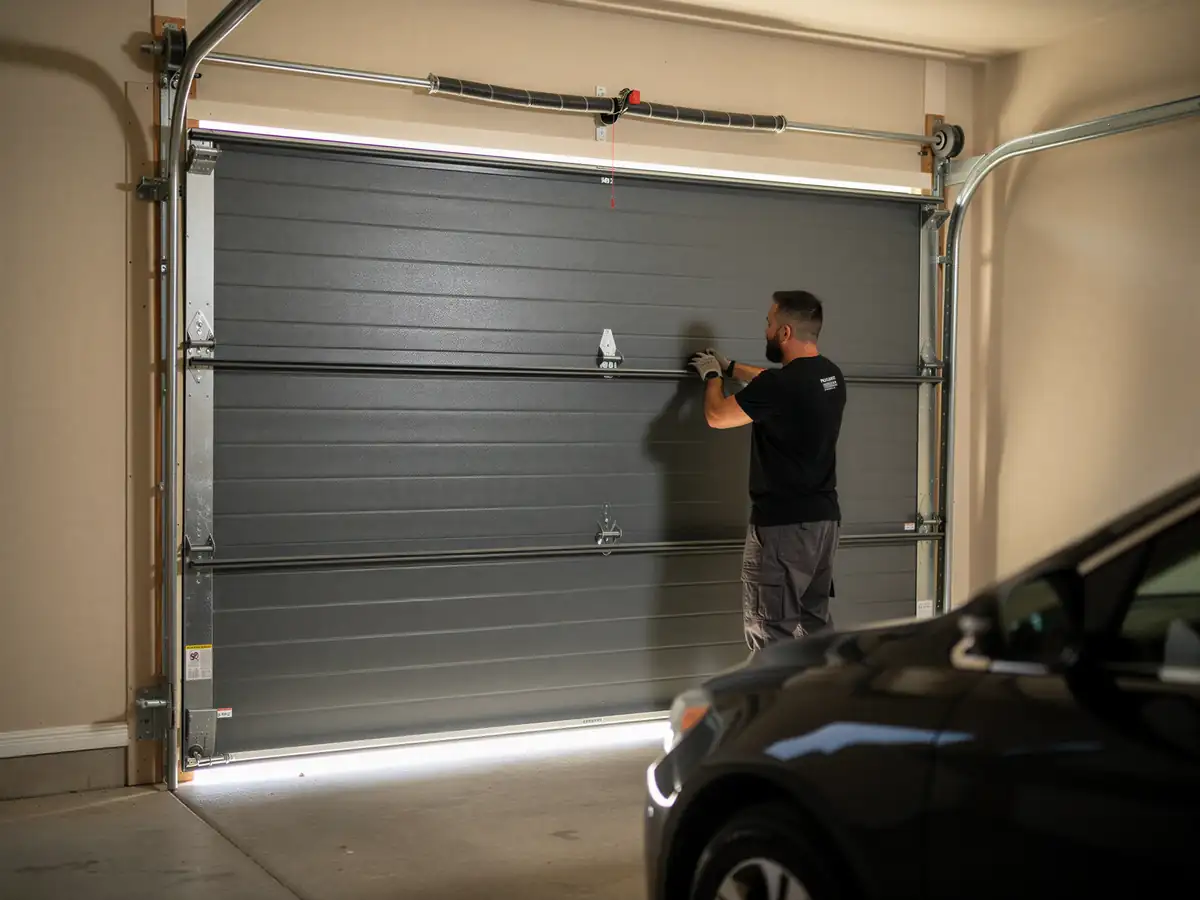
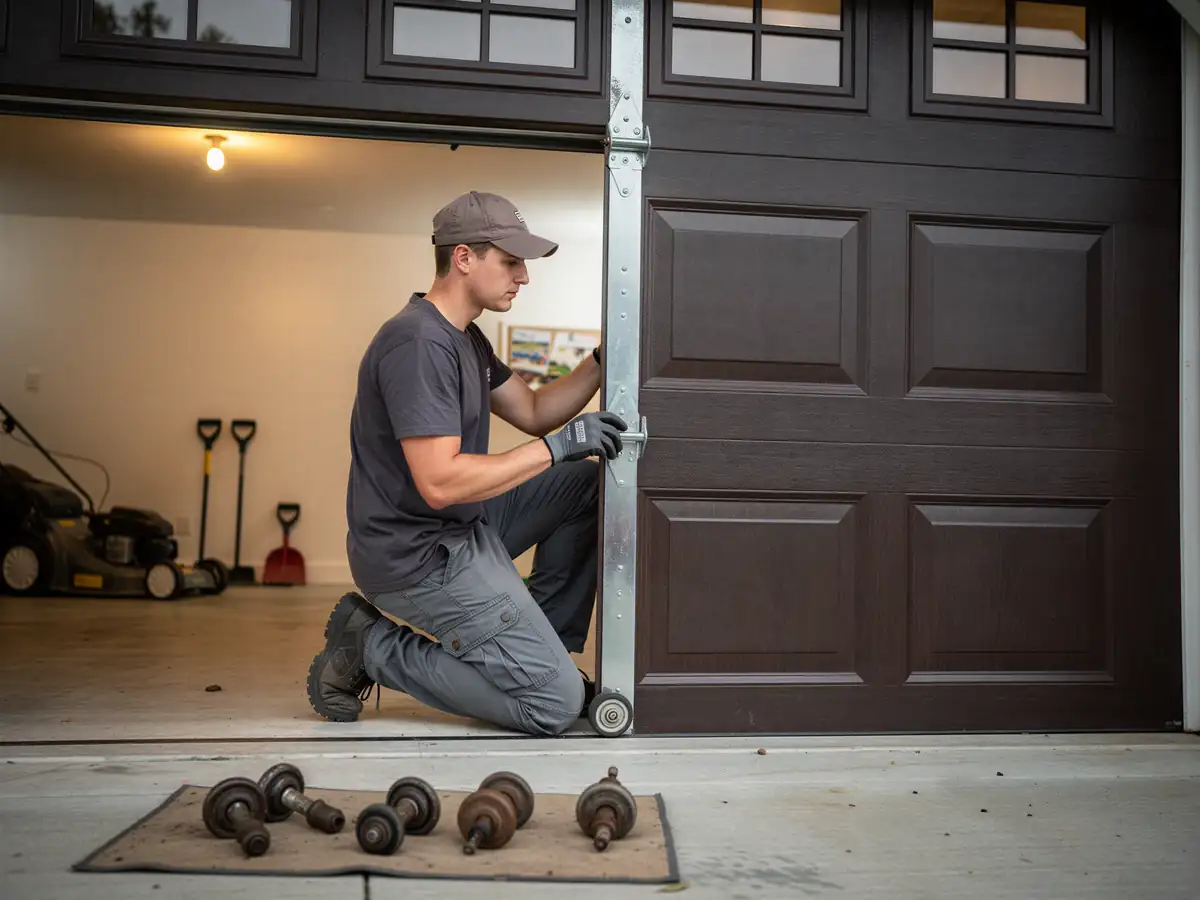
We're not based in Penn Valley - the truck comes out from Grass Valley, about 8 miles in. That drive is short enough that it doesn't change how we scope the job once we're on site: pull the door, check the track alignment, check the rollers and hinges for wear, and decide whether this is a reset or a hardware swap.
A straightforward off-track reset, where the track itself is still true and the rollers aren't shot, is usually the faster visit. If the bracket mounting has pulled out of old framing or the track is bent, it takes longer because we're fitting new hardware to a door that was never designed with today's parts in mind. We don't quote a flat time here because every Penn Valley call we've scoped has depended on what that original 1977-era hardware looks like once the door's open.
What Is on the Truck
For a house with original hardware from the build era
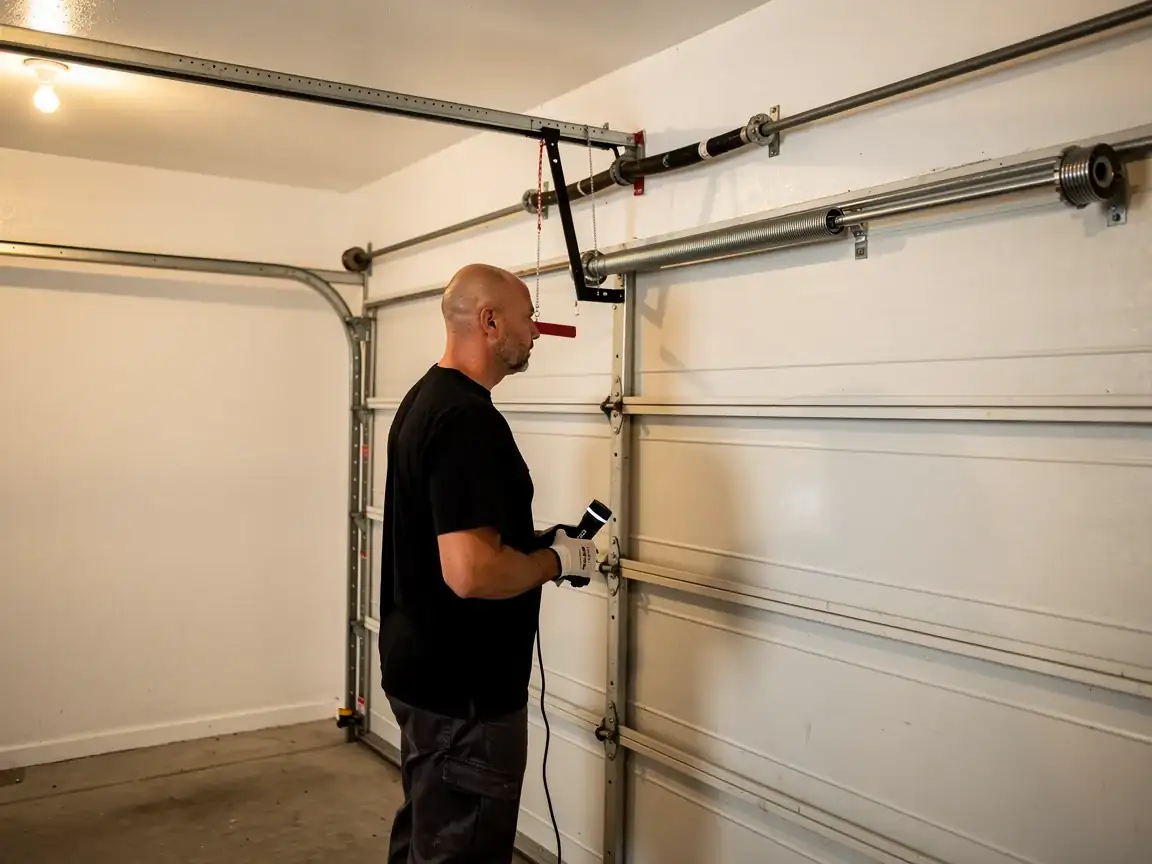
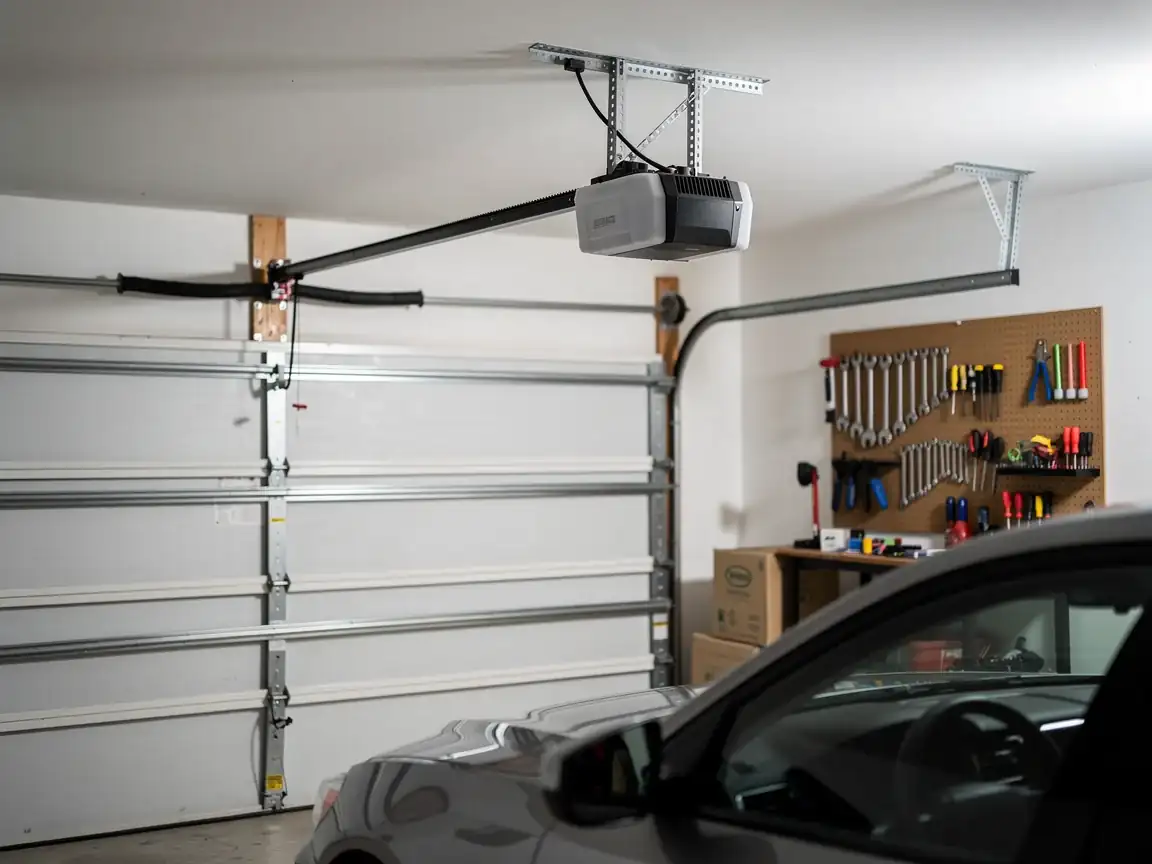
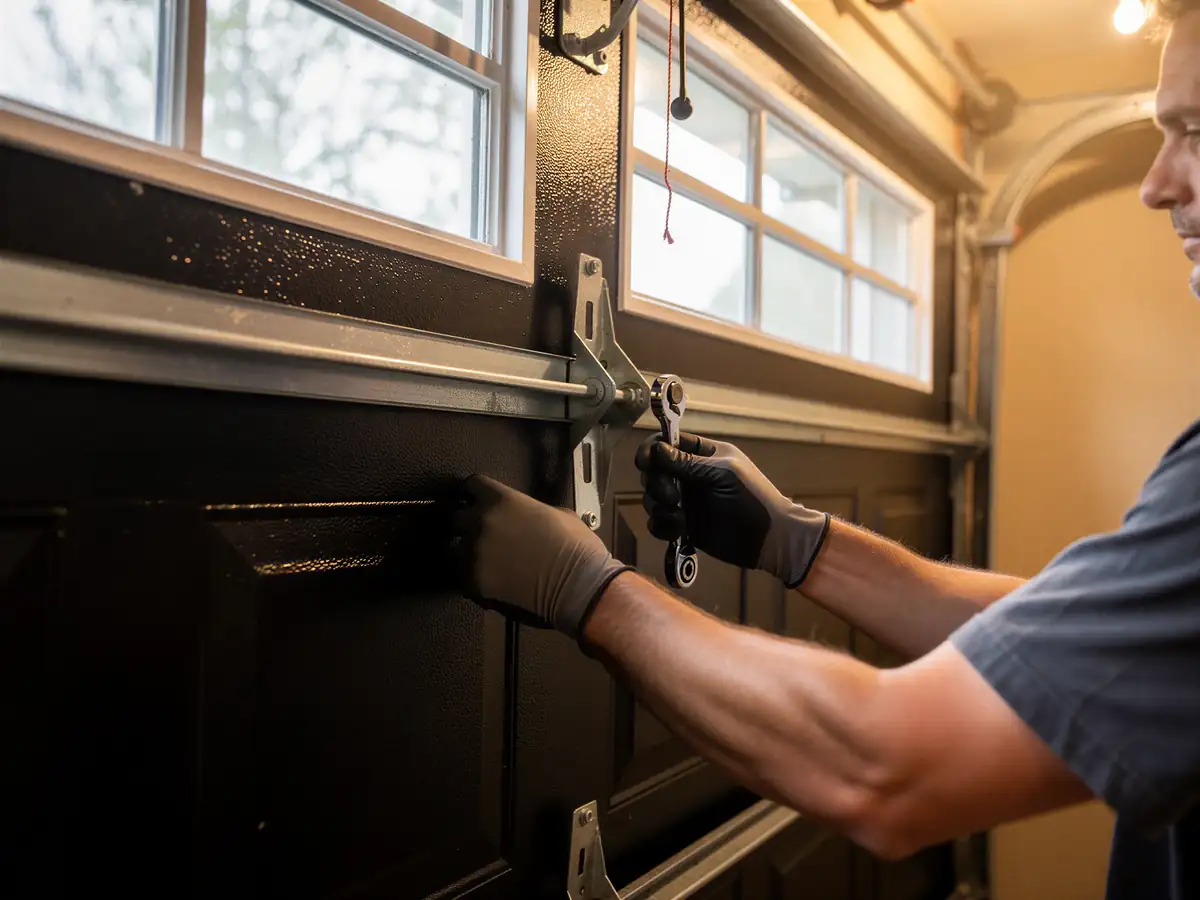
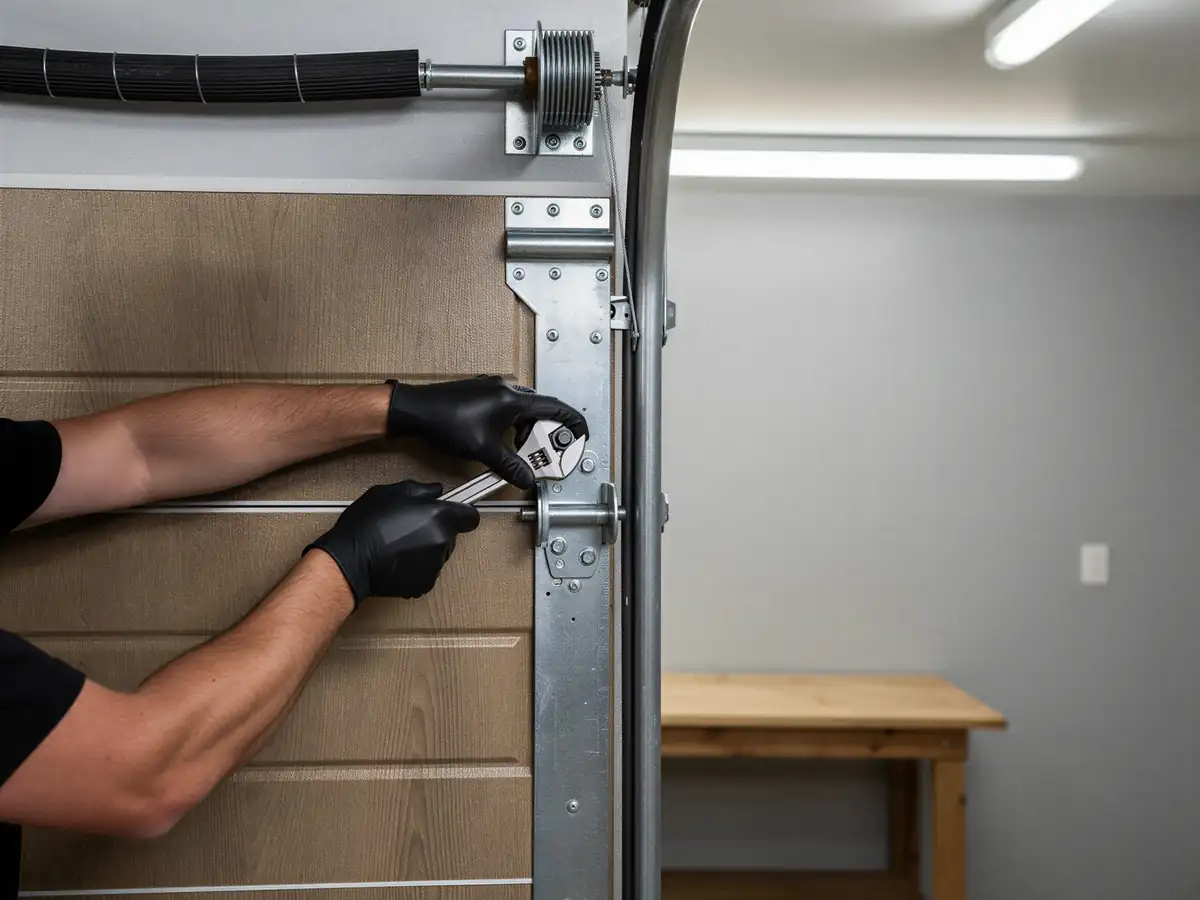
The truck carries standard track sections, replacement rollers (nylon and steel), hinges, and the brackets that mount track to the jamb. Most of what goes wrong on a door this age is the roller and bracket assembly, not the panel itself, so that's what gets replaced first.
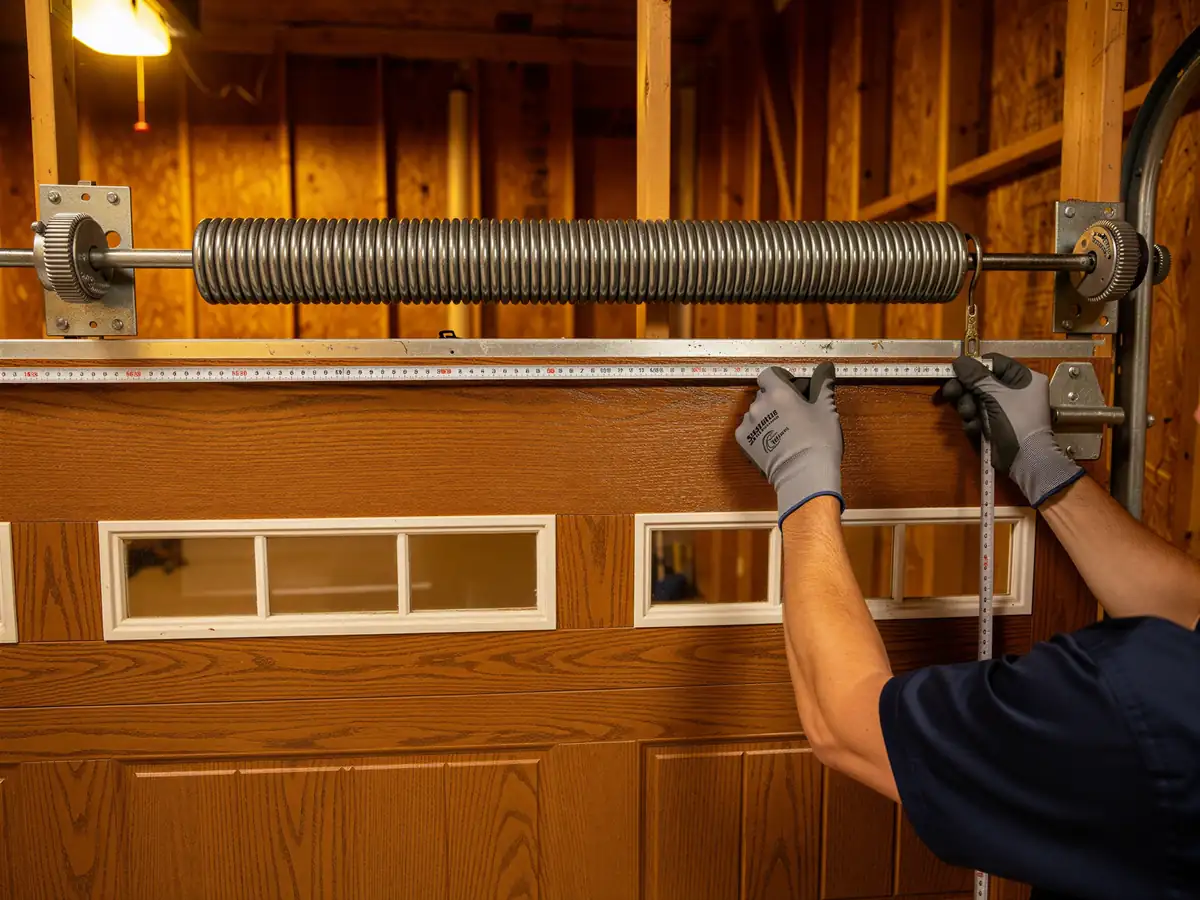
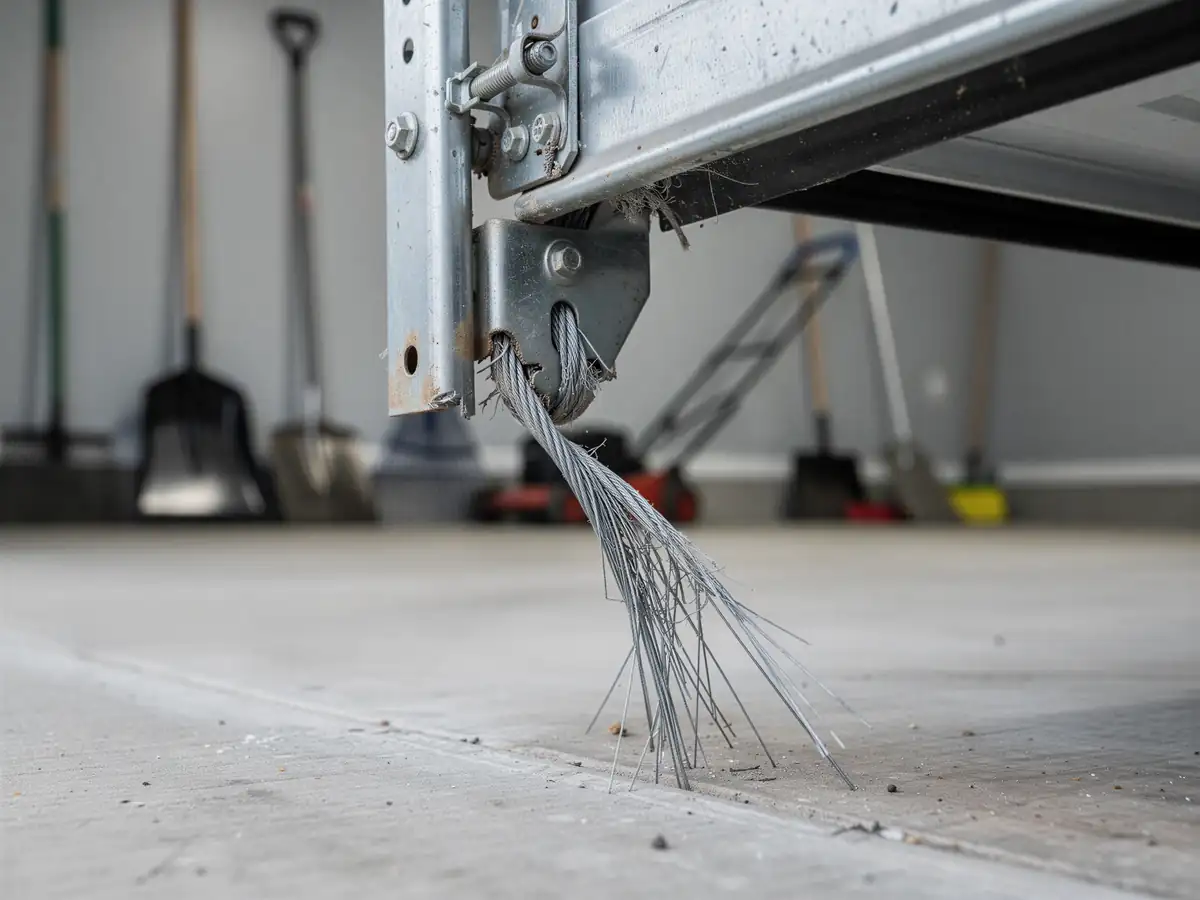
We also carry cable and a stock of torsion spring sizes
Because a door that's jumped track sometimes did so because a cable frayed or a spring lost tension and let the panel drop crooked. What we don't carry is obsolete, discontinued panel sections - if the door itself is cracked or warped on top of being off-track, that's a conversation about replacement, not a part we can pull off the shelf.
The Complications
Income in Penn Valley runs lower than the wider service area average - median household income here is around $62,966, against roughly $91,135 across the full coverage area. That's not a technical detail, but it shapes the conversation we have on site: more often than not, the question isn't just "can you fix it" but "is it worth fixing versus replacing," and we try to give a straight answer either way instead of pushing the bigger job.
The other complication is the hardware itself. On a door built around 1977, parts have usually been through one or two partial repairs over the decades - a roller here, a cable there - so the track alignment isn't always original even when the door looks original. That mix of old and newer parts can make a reset trickier than it looks, because what threw the door off track might not be the thing that's obviously bent.
What It Costs
We don't have a set price to publish for Penn Valley specifically, and we'd rather say that than guess. A simple off-track reset with no hardware replacement costs less than one where the track, rollers, and brackets all need to come out and get replaced because they're original 1977 stock. The honest answer is that we price it after we've seen the door, not before - a quote given sight-unseen on hardware this old is usually wrong in one direction or the other.
Doing It Yourself
If the door jumped track but the panel isn't bent and the cable is still intact
Some homeowners are tempted to muscle it back onto the rail themselves. We'd rather you didn't. A door under spring tension that's already off track is one of the more dangerous states for a garage door to be in - the spring doesn't know the track is misaligned, and a cable under that kind of load can snap back hard.
What you can safely check yourself
Whether the track bracket mounting screws are visibly pulled loose, and whether a roller has clearly split or fallen out of its track groove. That tells you roughly what you're dealing with before you call. Beyond that, especially on original hardware from a house this age, it's a two-person job with the right clamps, not a weekend fix.