What Causes It Around Here
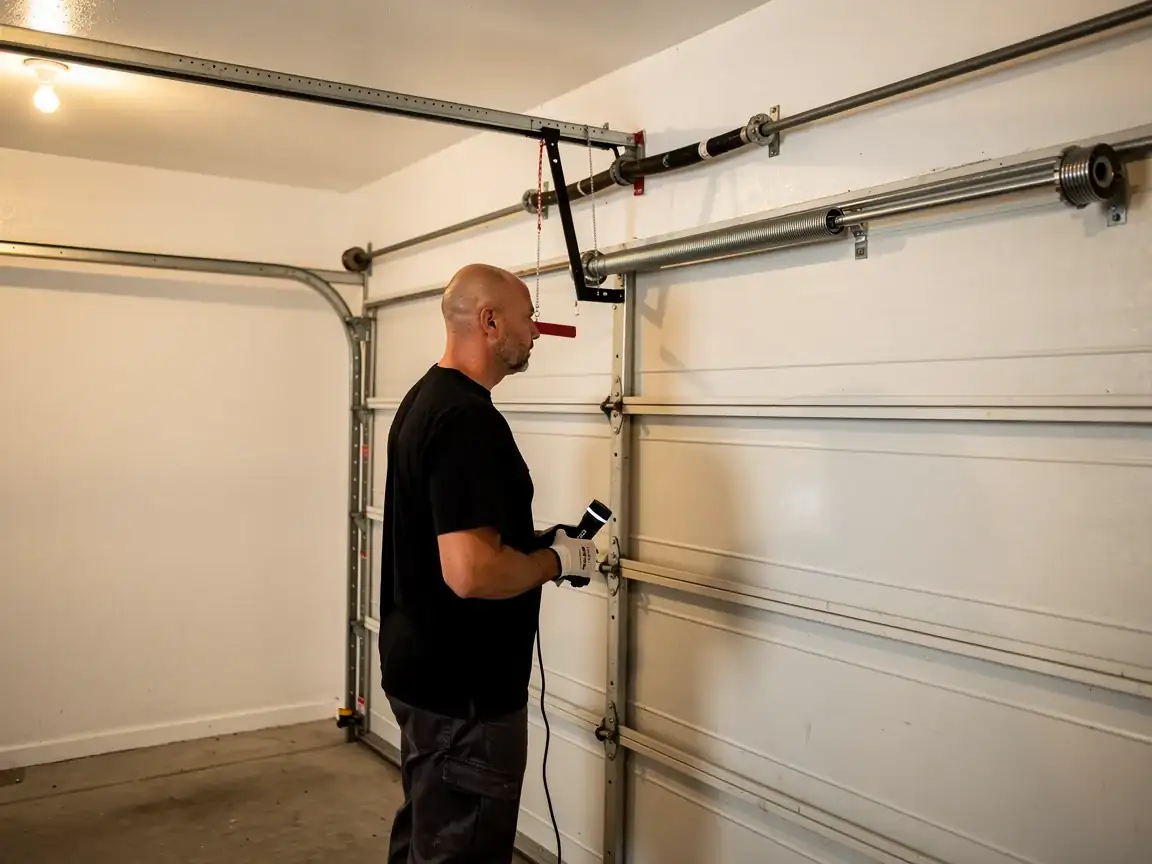
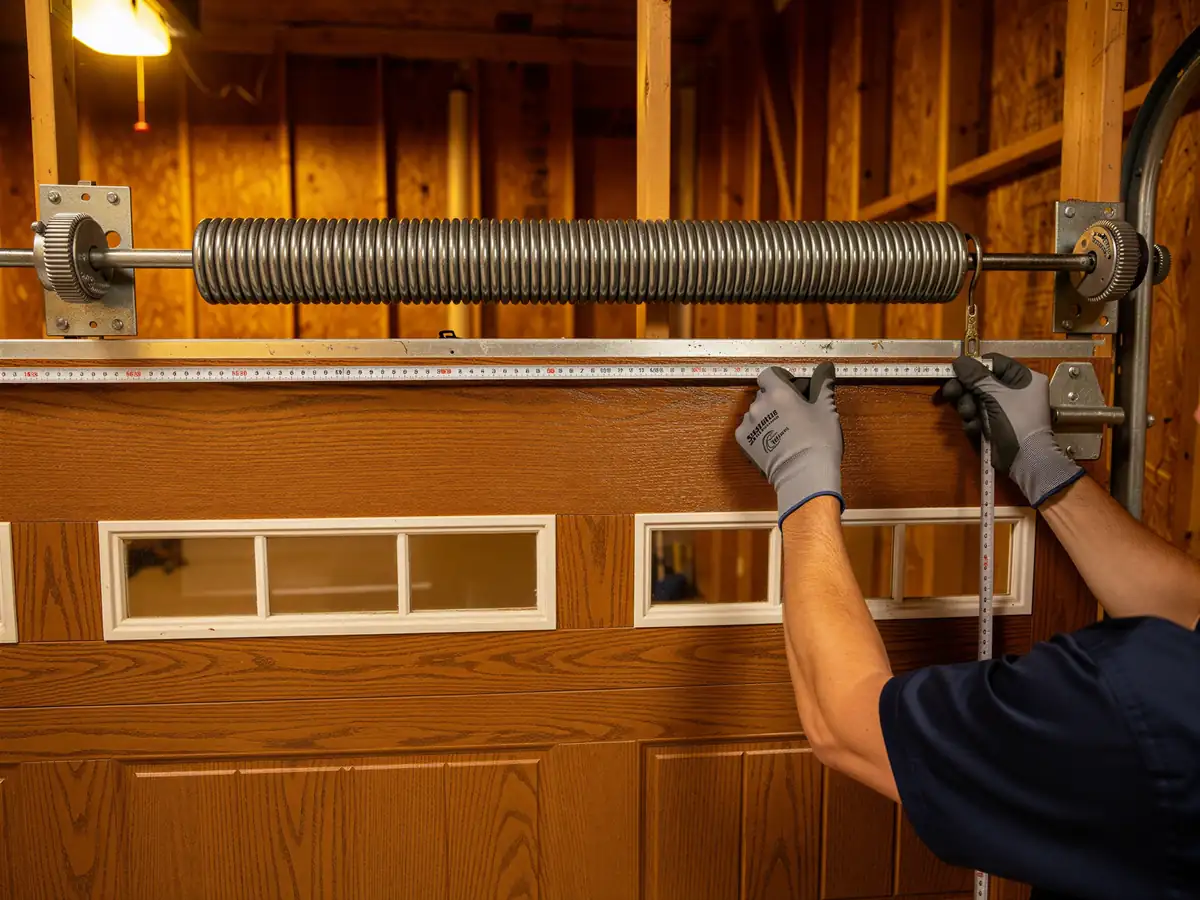
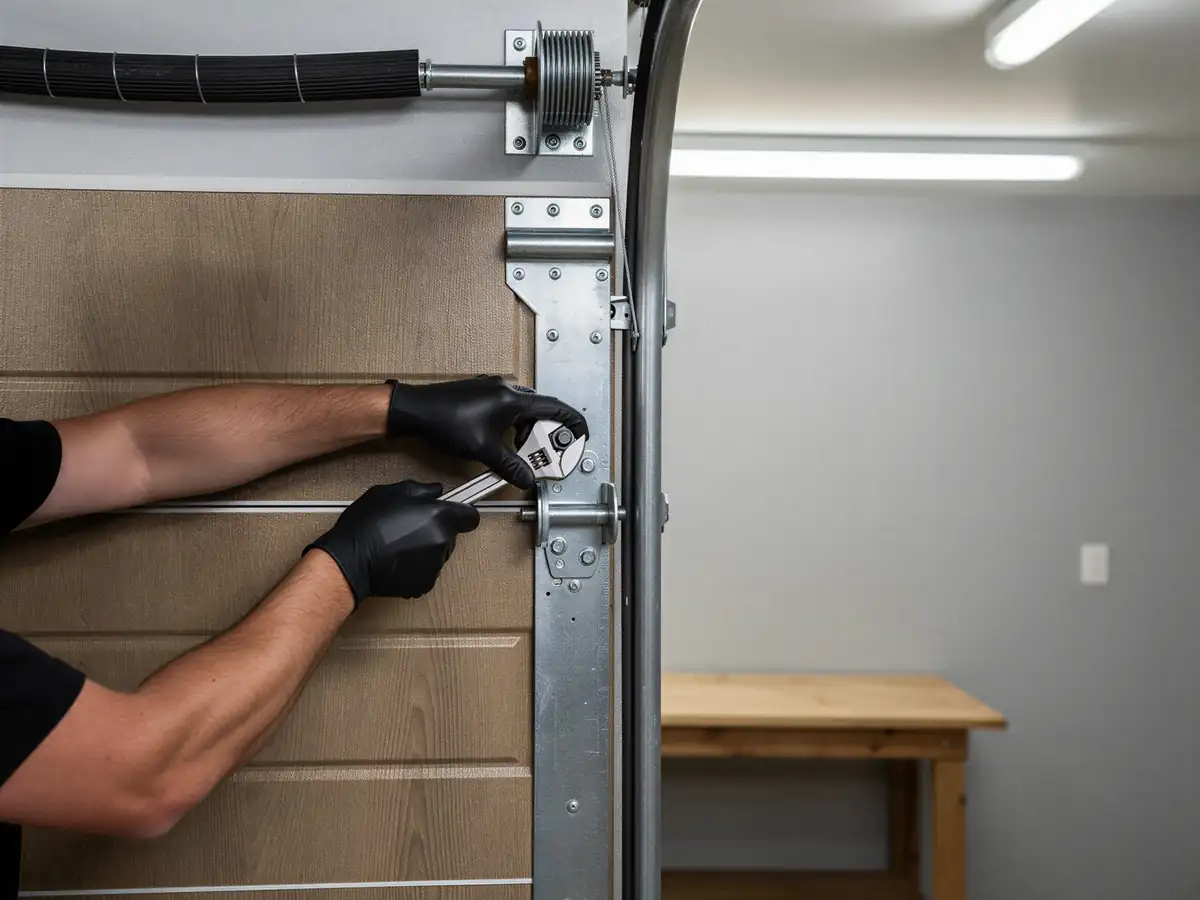
The fault we see most in Penn Valley is a torsion spring that's worn out its cycle count, usually on a door that's never had the spring swapped since the house was built. Penn Valley's housing stock centers on a median build year of 1977, which lines up with the broader area's 1938-to-1984 range and its heavy concentration of 1960s and 70s construction. A spring rated for roughly 10,000 cycles and installed when the house went up has had four-plus decades to work through that count, and a lot of them are past it.
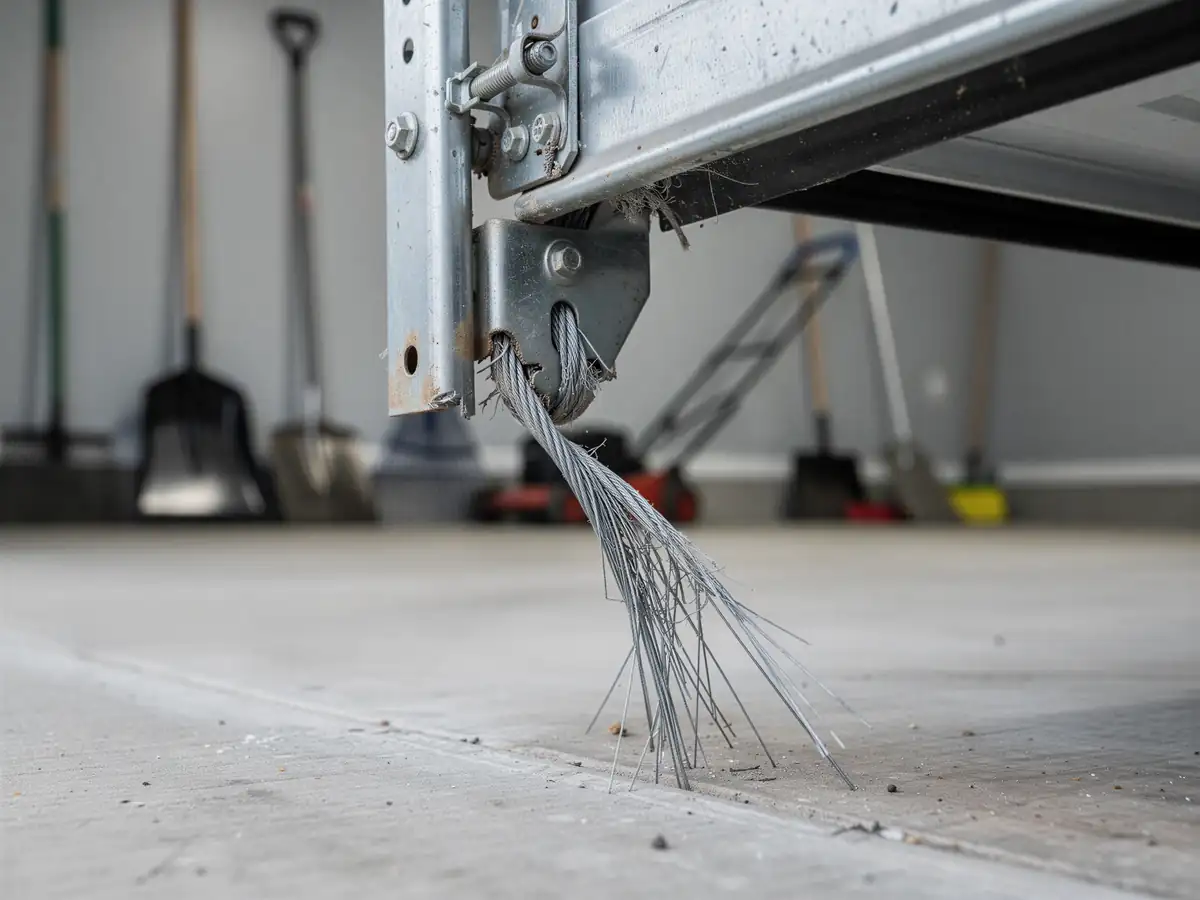
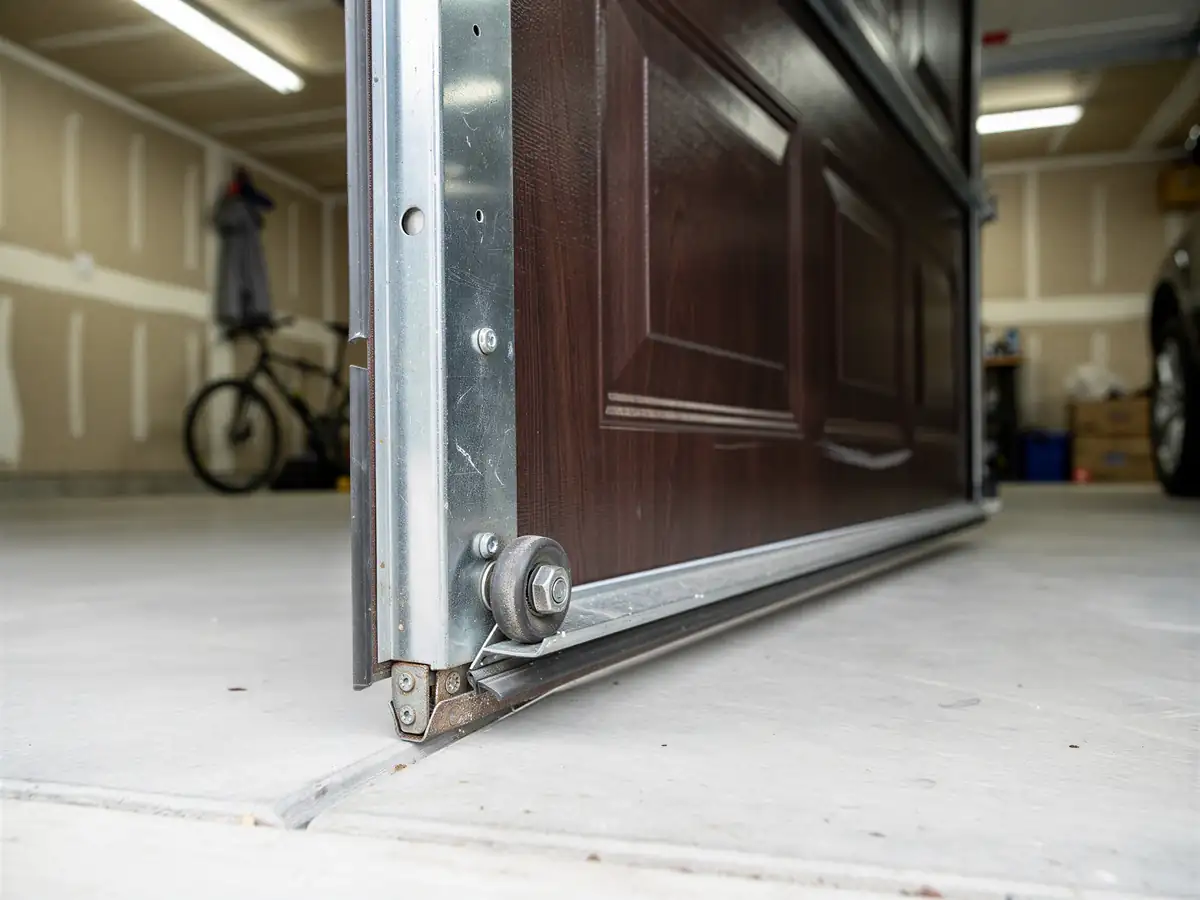
That same build era means a lot of these doors are running original or close-to-original track and roller setups - steel rollers, single-point attachment, hardware that was standard then but isn't what you'd spec today. Add in a climate that's mostly mild but still sees occasional freeze nights, and the metal fatigue shows up as brittle cable strands and stiff hinges before it shows up as anything dramatic. Nothing exotic - just age catching up with parts nobody thought about when the door still opened fine.
Time on the Job
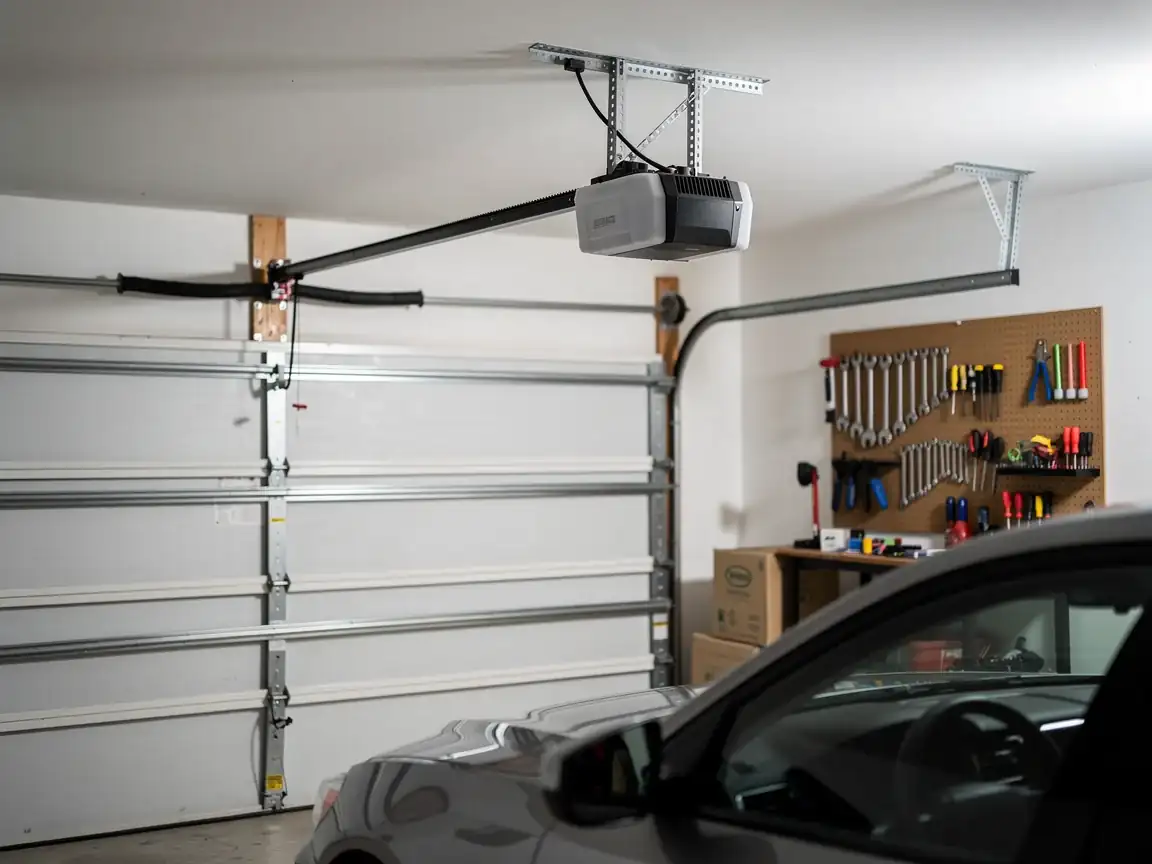
A standard maintenance visit - spring check, track alignment, roller inspection, opener lube and safety test - runs about the same whether the house is in town or out toward Penn Valley. The drive adds to the day, not the job itself: Penn Valley sits about 8 miles out from Grass Valley, so that's built into scheduling rather than the time spent at your door. If a spring needs replacing on the spot, that adds time beyond a routine check, but we don't pad the estimate with travel.
The Complications
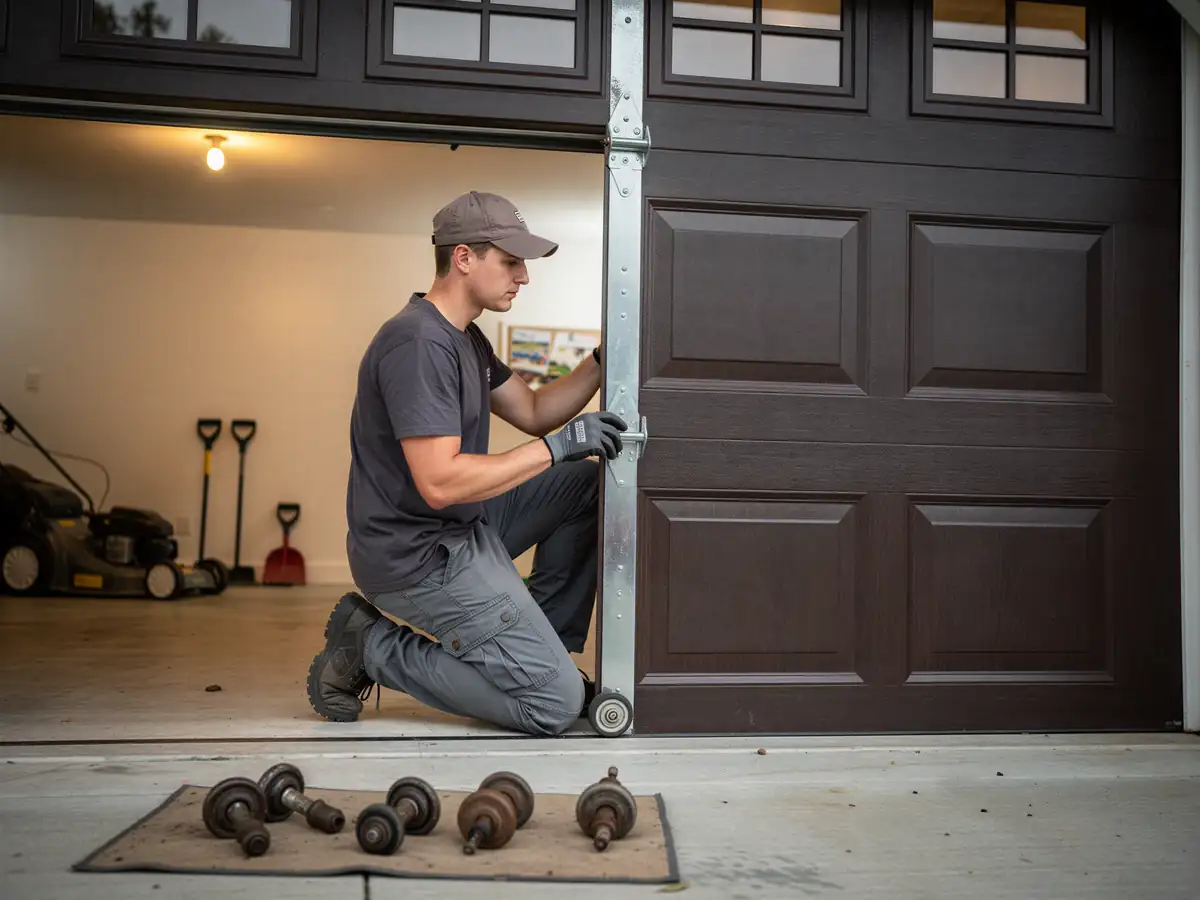
The complication in Penn Valley isn't exotic hardware, it's the gap between a 1977 median build year and a door that's been patched piecemeal over the decades. A homeowner might have replaced the opener in the 2000s but kept the original torsion spring and track, which means the parts on one door can span three different eras of garage door design. That mismatch makes diagnosis slower, because a fix that works on a fully original 1970s setup can bind on a door that's already been half-updated.
We also run into doors where a prior repair used a spring sized for a different door weight, which throws off the balance even though everything looks fine at a glance. It's an honest limitation of maintenance work: we can tune and inspect what's there, but if the hardware underneath is a mismatched stack of eras, a tune-up sometimes surfaces a problem that was already building rather than solving it outright.
What It Costs
We don't have a posted price specific to Penn Valley to quote here, and we'd rather say that than make one up. What we can say is that cost tends to track with the age and mismatch of the hardware described above - a door with original 1970s parts in good shape costs less to maintain than one with a patchwork repair history, simply because there's less to untangle.