Booking a Visit
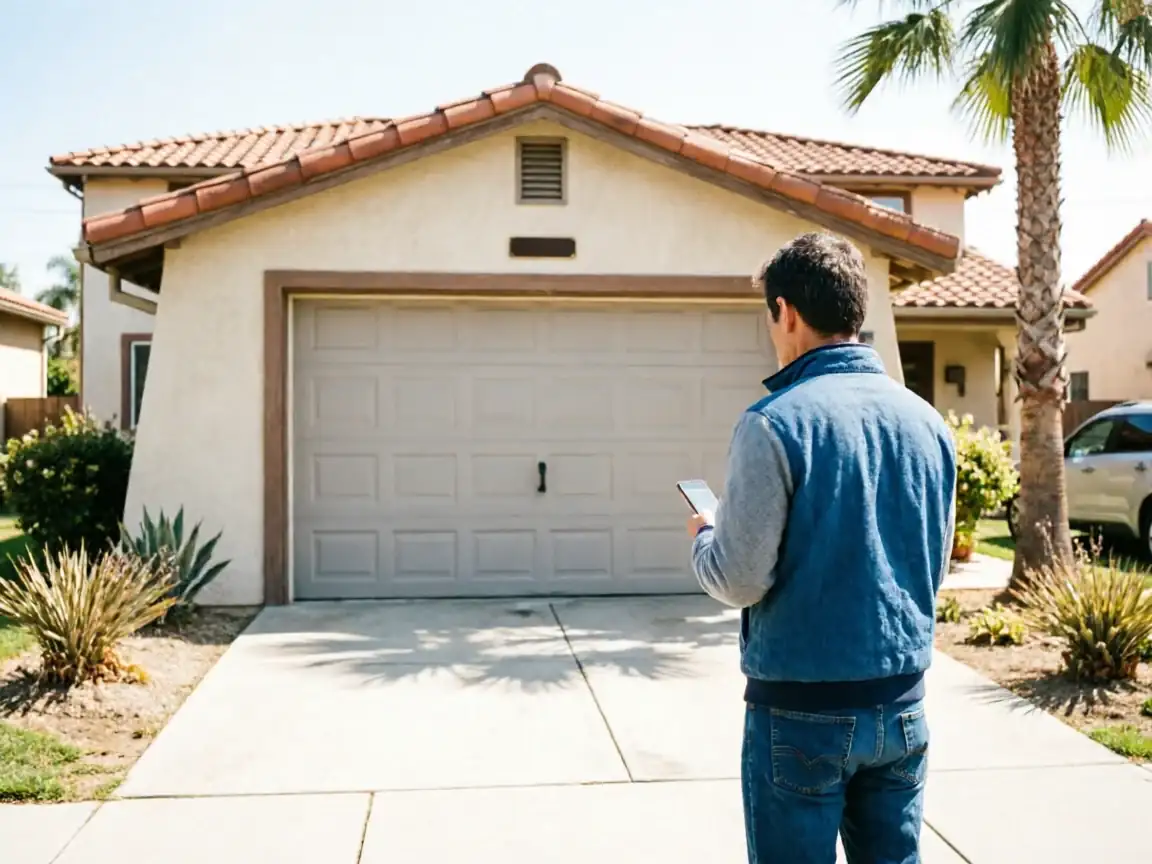
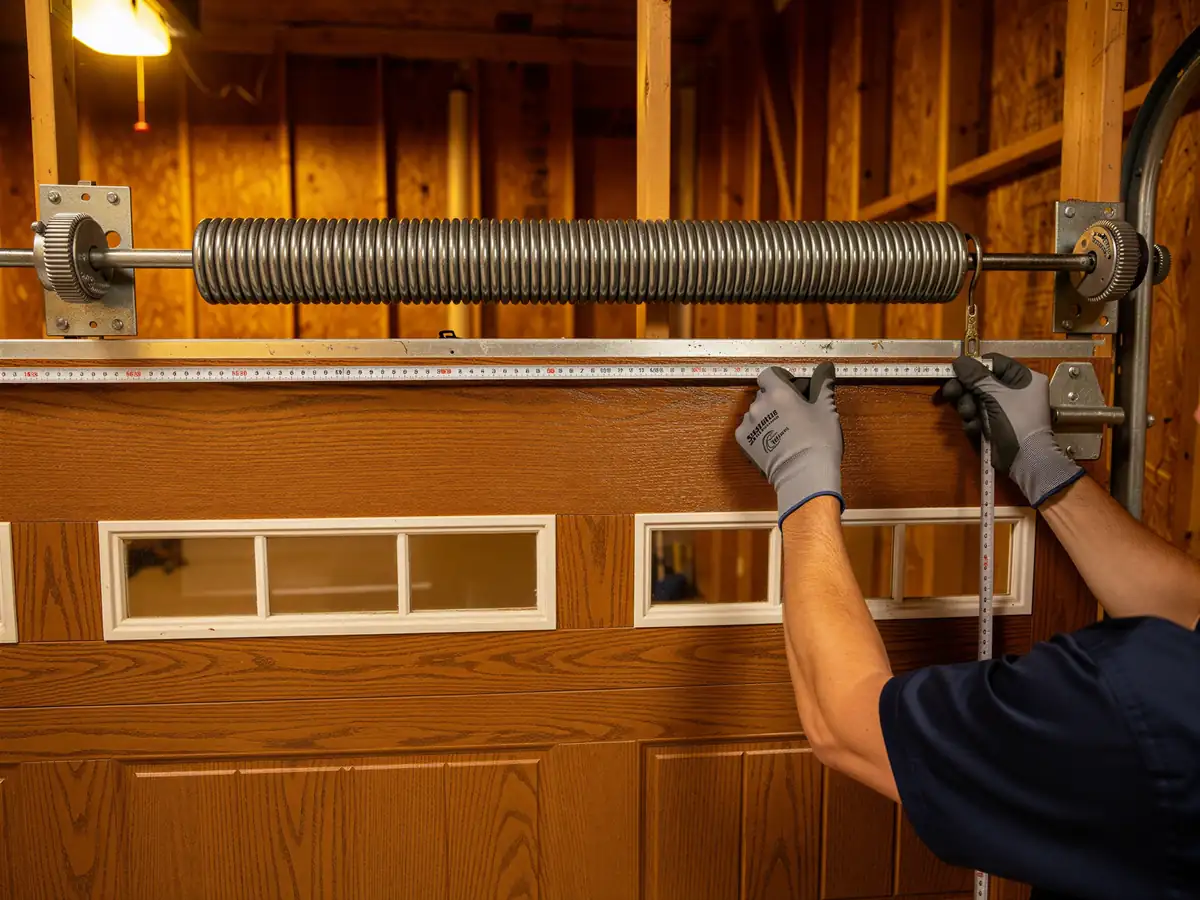
Lake of the Pines sits about 13 miles out from our shop in Grass Valley, which is the first thing worth knowing if you're planning a new door install here. That drive isn't a quick hop across town - it means we schedule installs out here as a planned trip, not a same-hour add-on, so when you call we're going to ask what you're working with (door size, opener type, whether you want insulated panels) before we load the truck. That's not us stalling. A new door job carries panels, track, and spring stock that we want matched to your opening on the first run, not the second one. Give us the width and height of your current opening, and whether it's a single or double bay, and we can usually tell you on the phone whether it's a standard order or a special-order width. Because this is a trip out and not a local call, we try to confirm specifics before the truck leaves Grass Valley. If you've already measured your opening, have that number ready - it saves a return visit for a size we could have caught upfront.
What Causes It Around Here
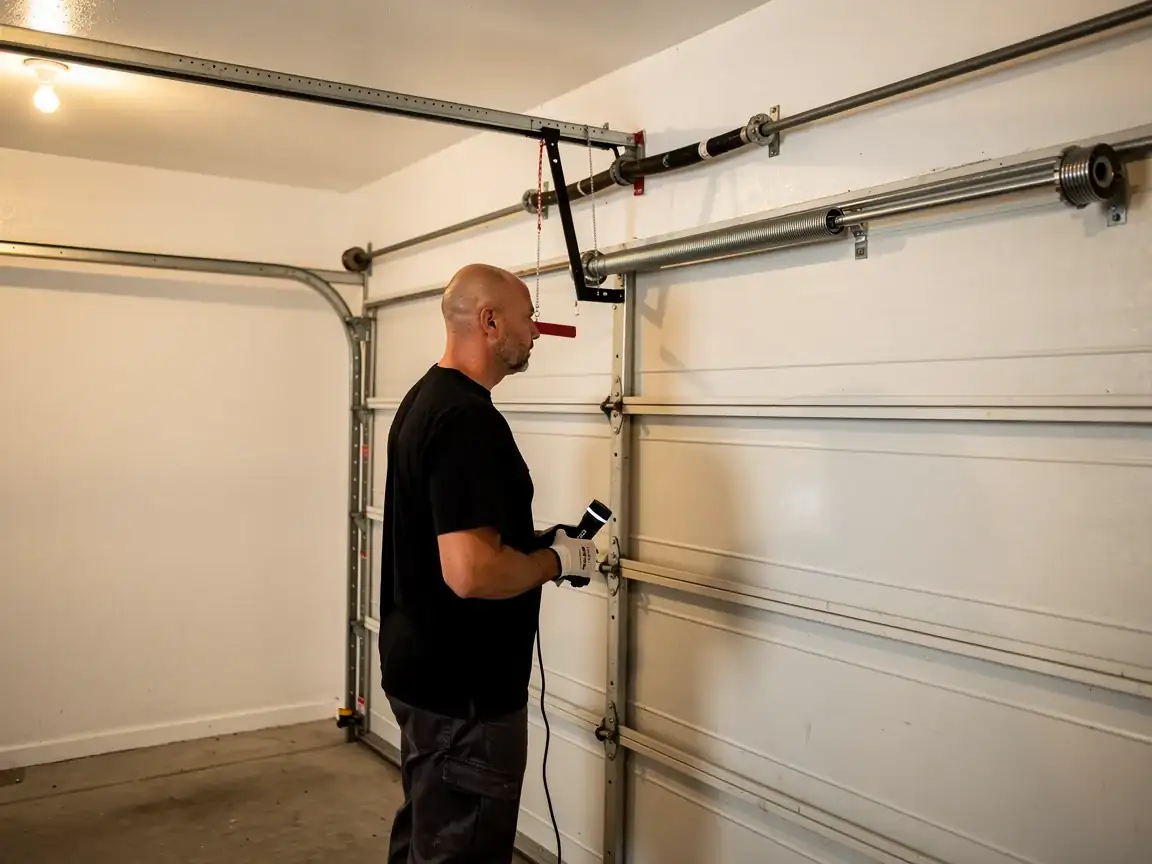
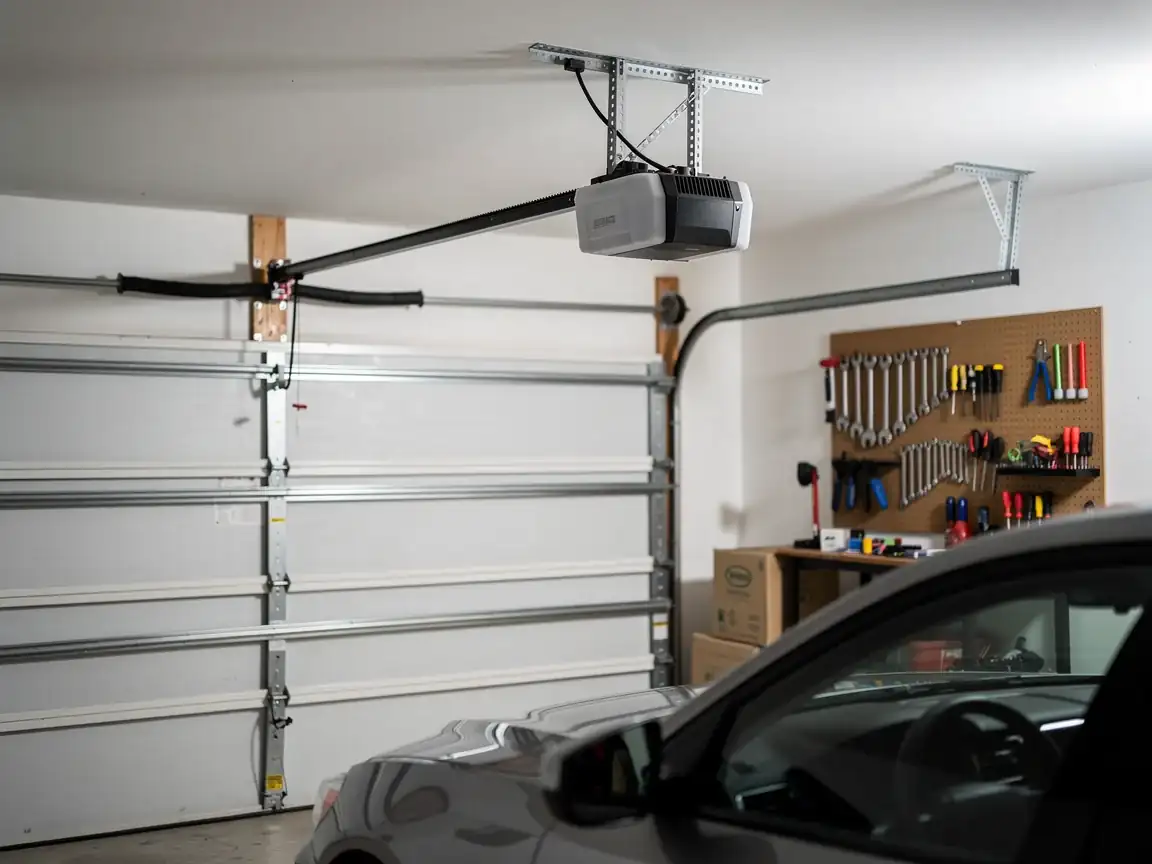
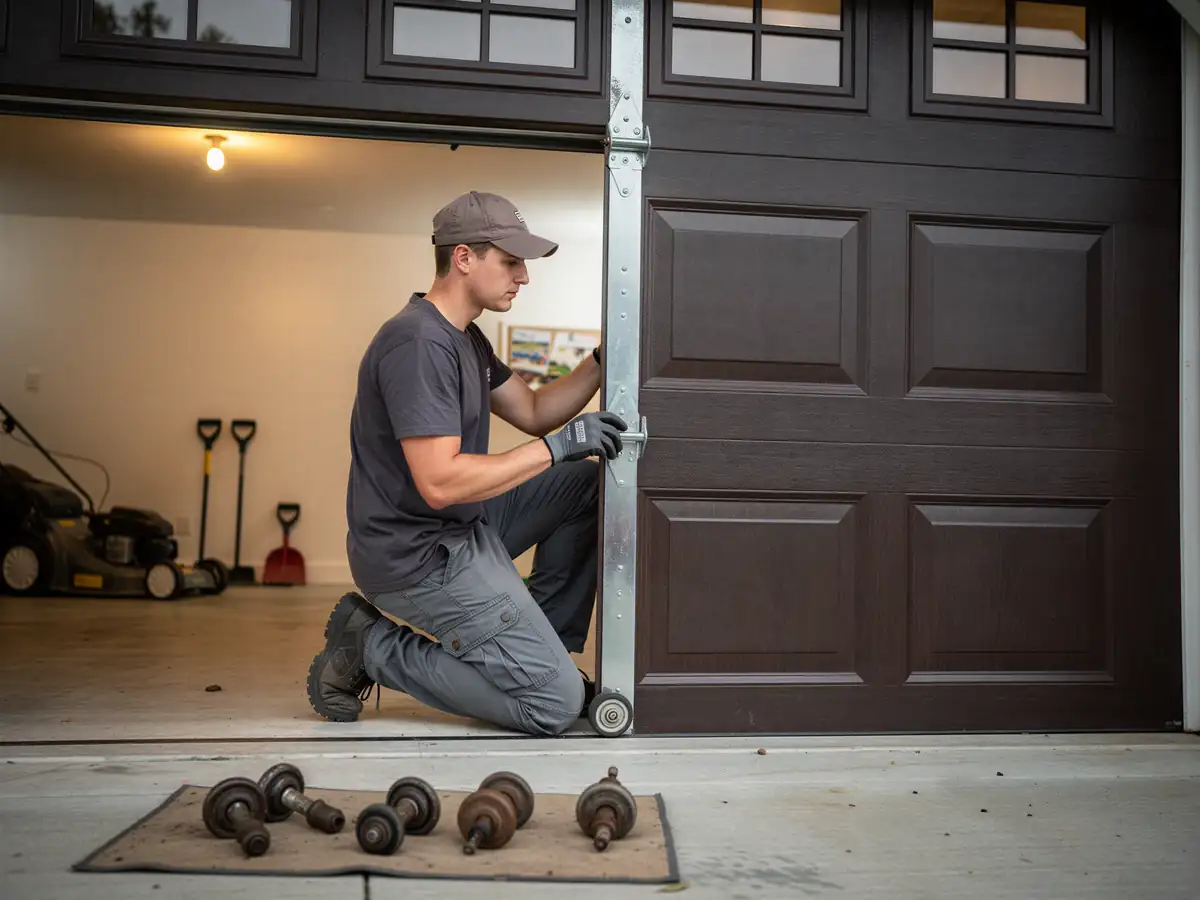
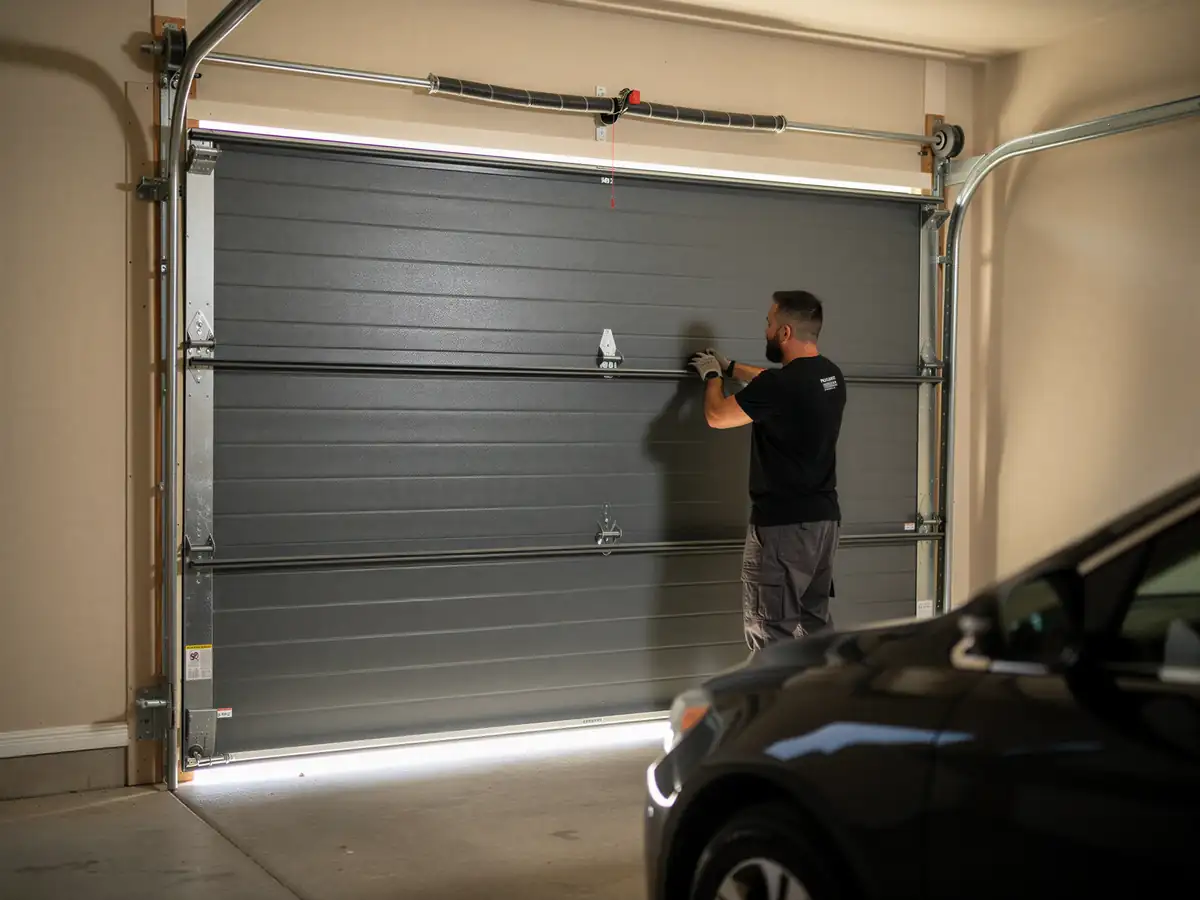
Most houses in this area went up around 1981, a touch newer than the broader 1938-1984 range you'll see across the wider Grass Valley service territory, where the median build year runs closer to 1977. That handful of years actually matters for door hardware. Homes from the early 80s were far more likely to leave the factory with a torsion spring setup and a single steel panel door rather than the older wood or two-piece doors you'll find in the oldest pockets of the territory. The failure mode we see out here tends to be factory-original torsion springs and section hardware that have simply run their full service life - not the mismatched retrofits and patched-together hardware common in older housing stock. A door that's been fine for four decades doesn't fail gracefully; it fails all at once, usually a spring, and that's often the point where replacing the whole door beats patching it again.
The Symptom
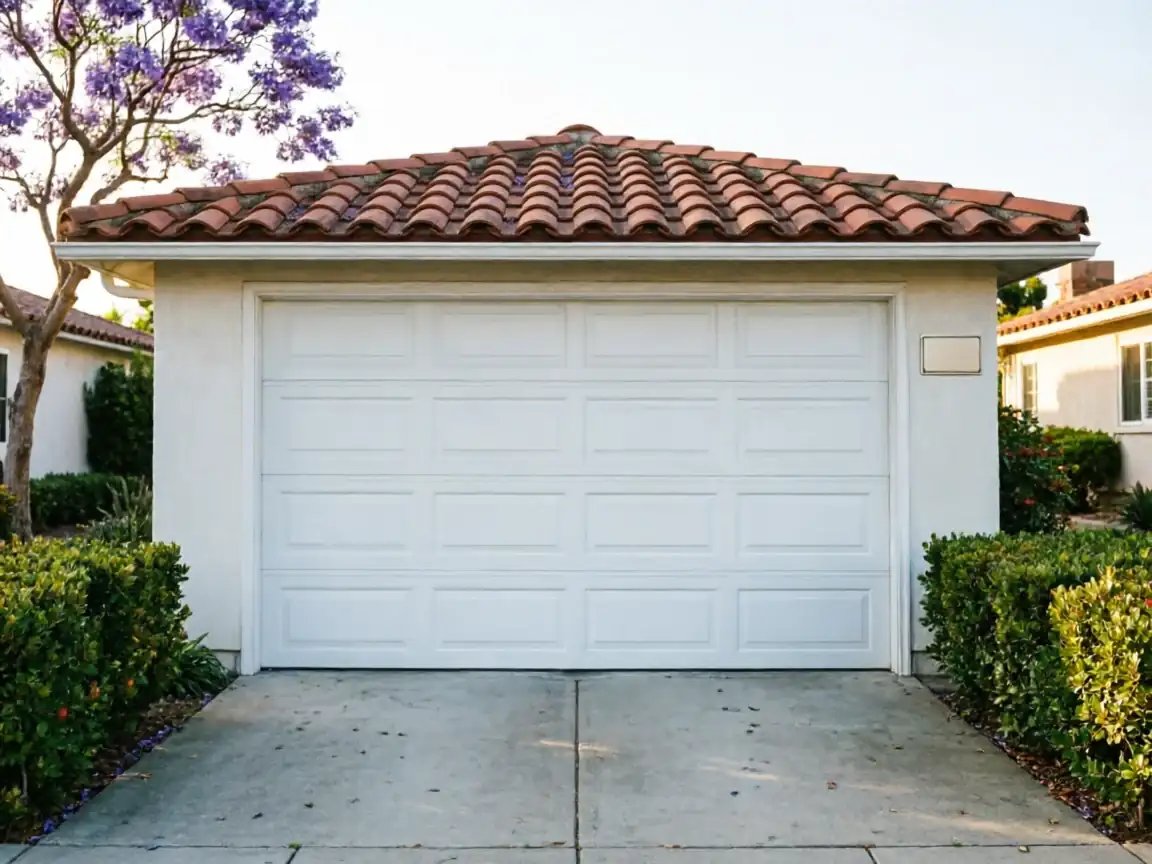
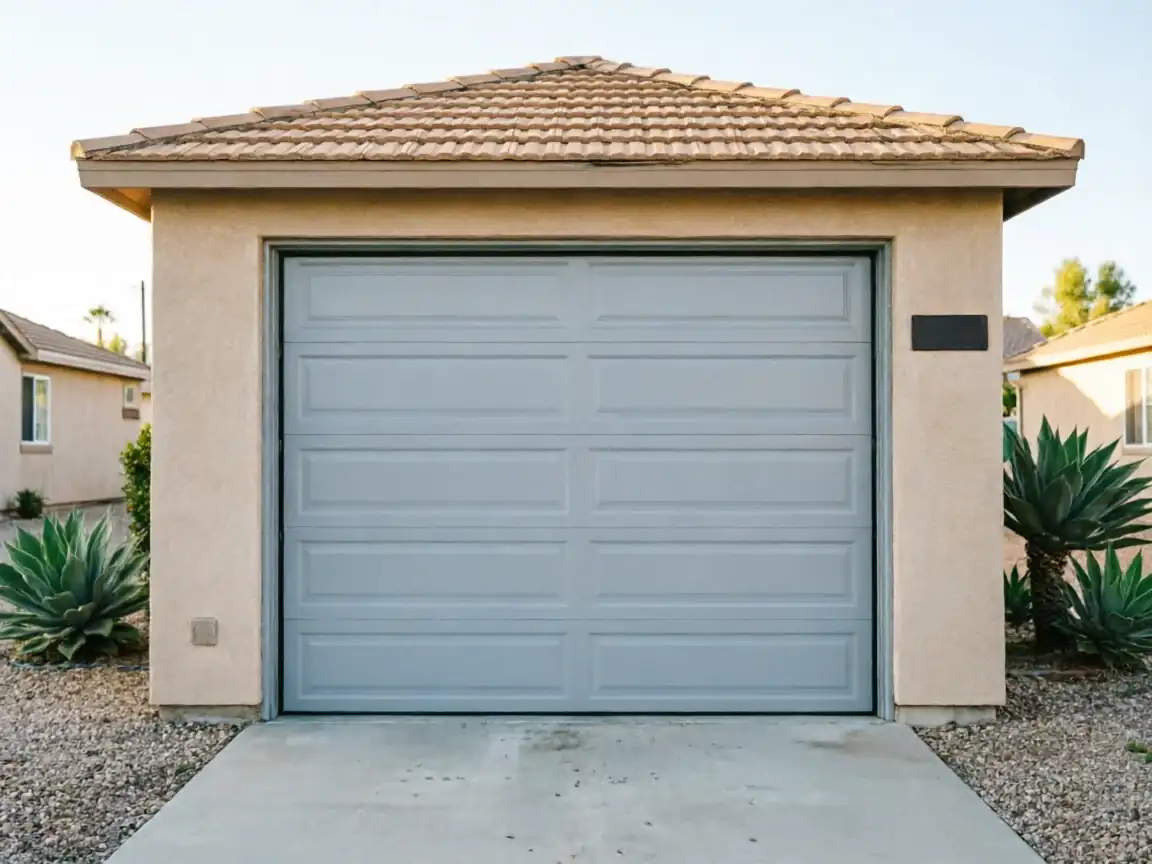
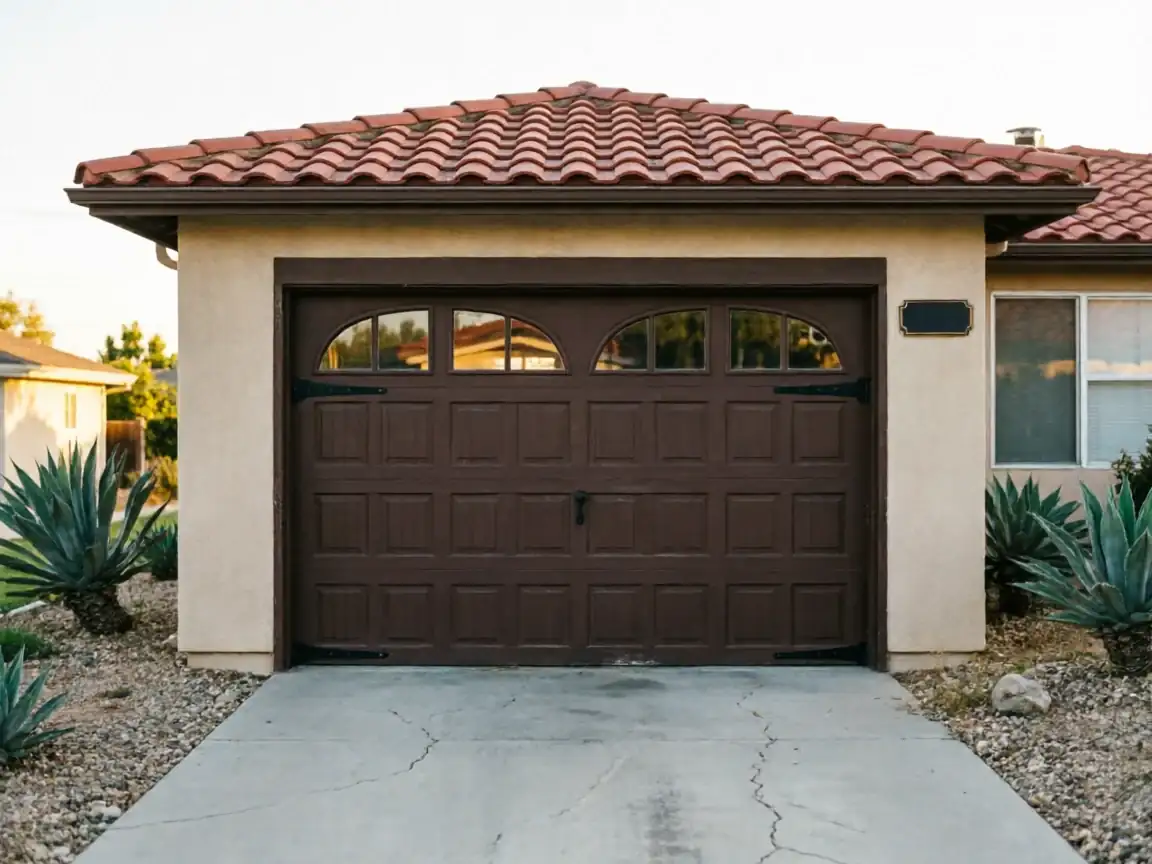
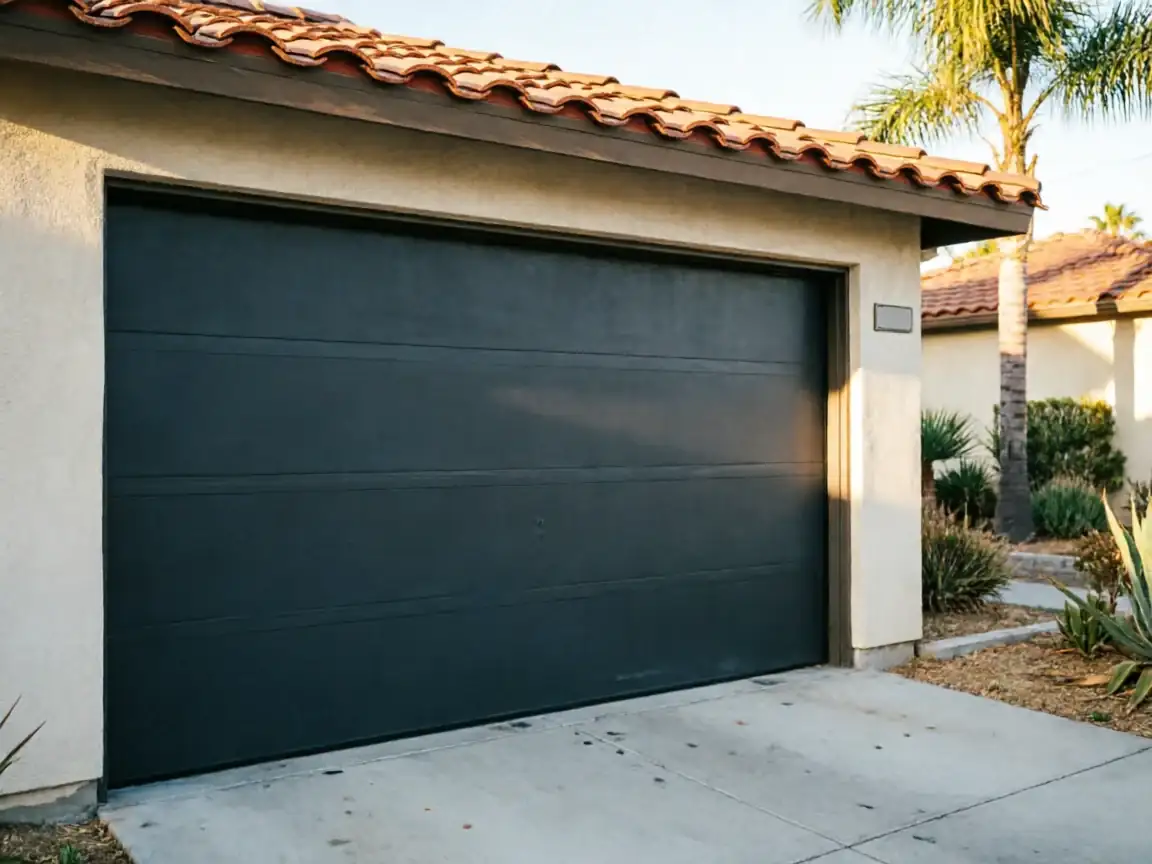
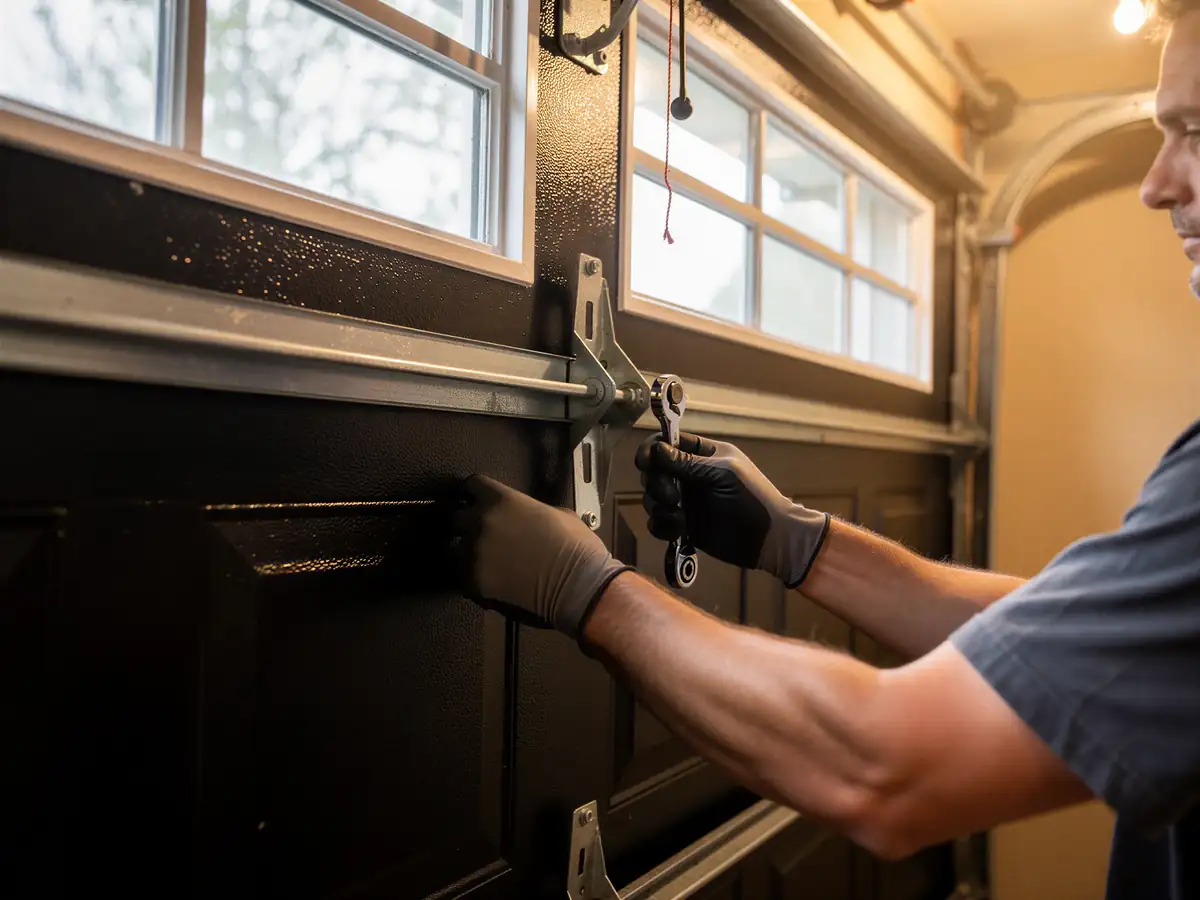
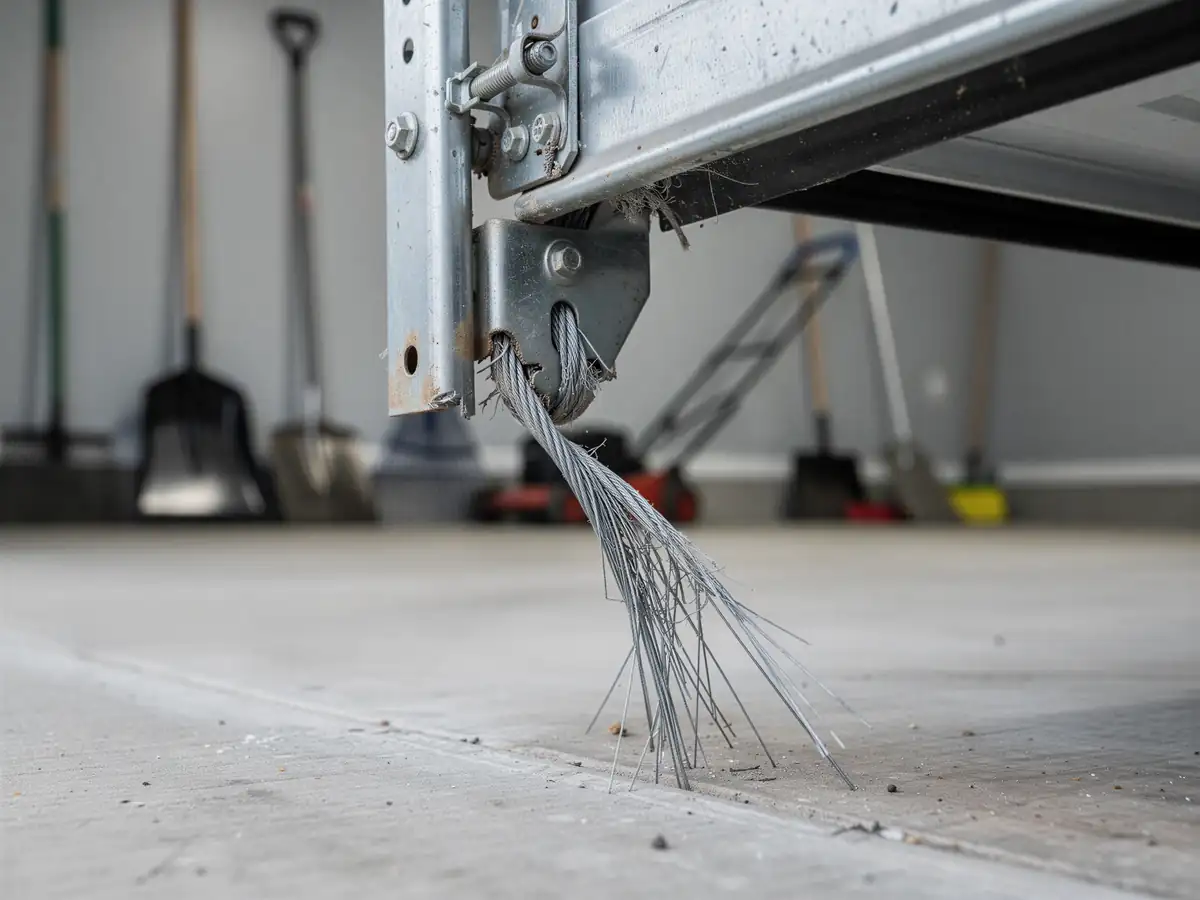
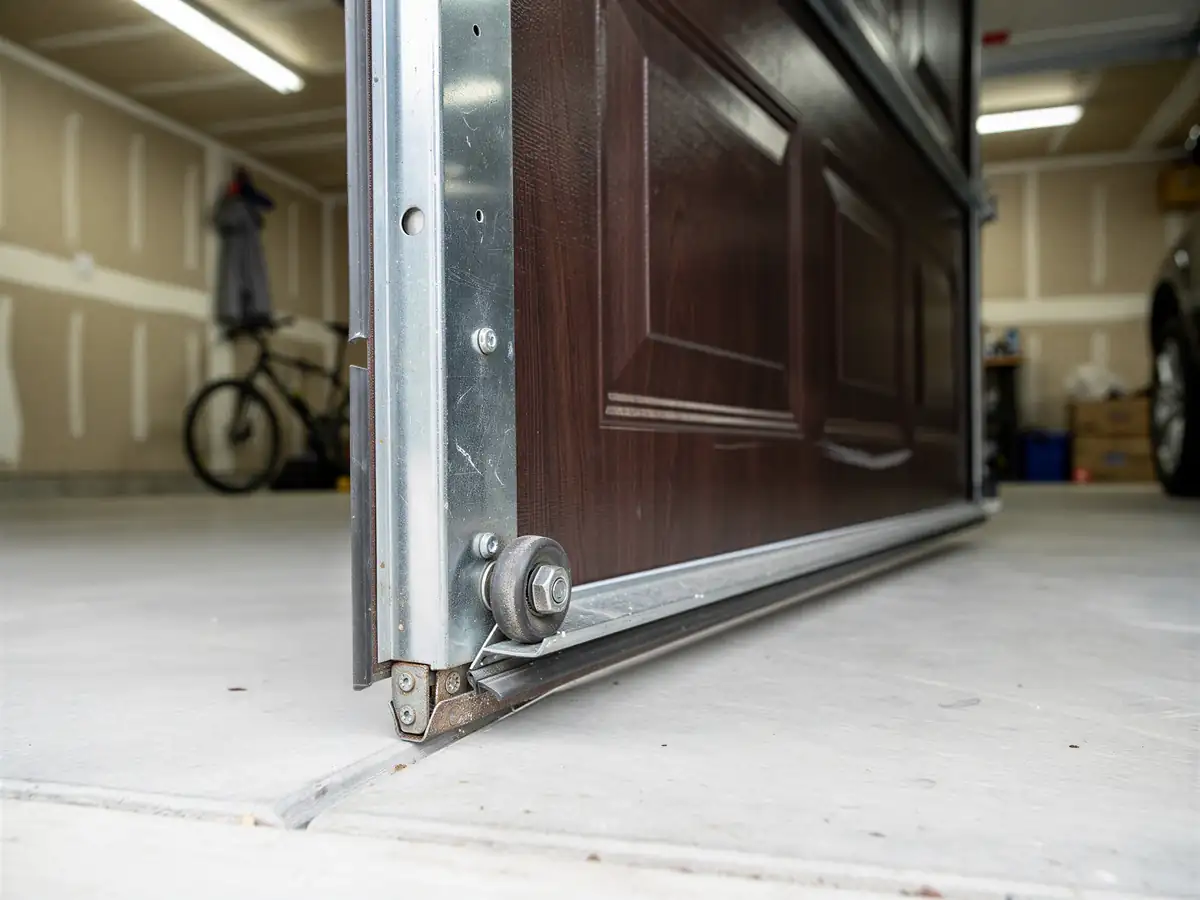
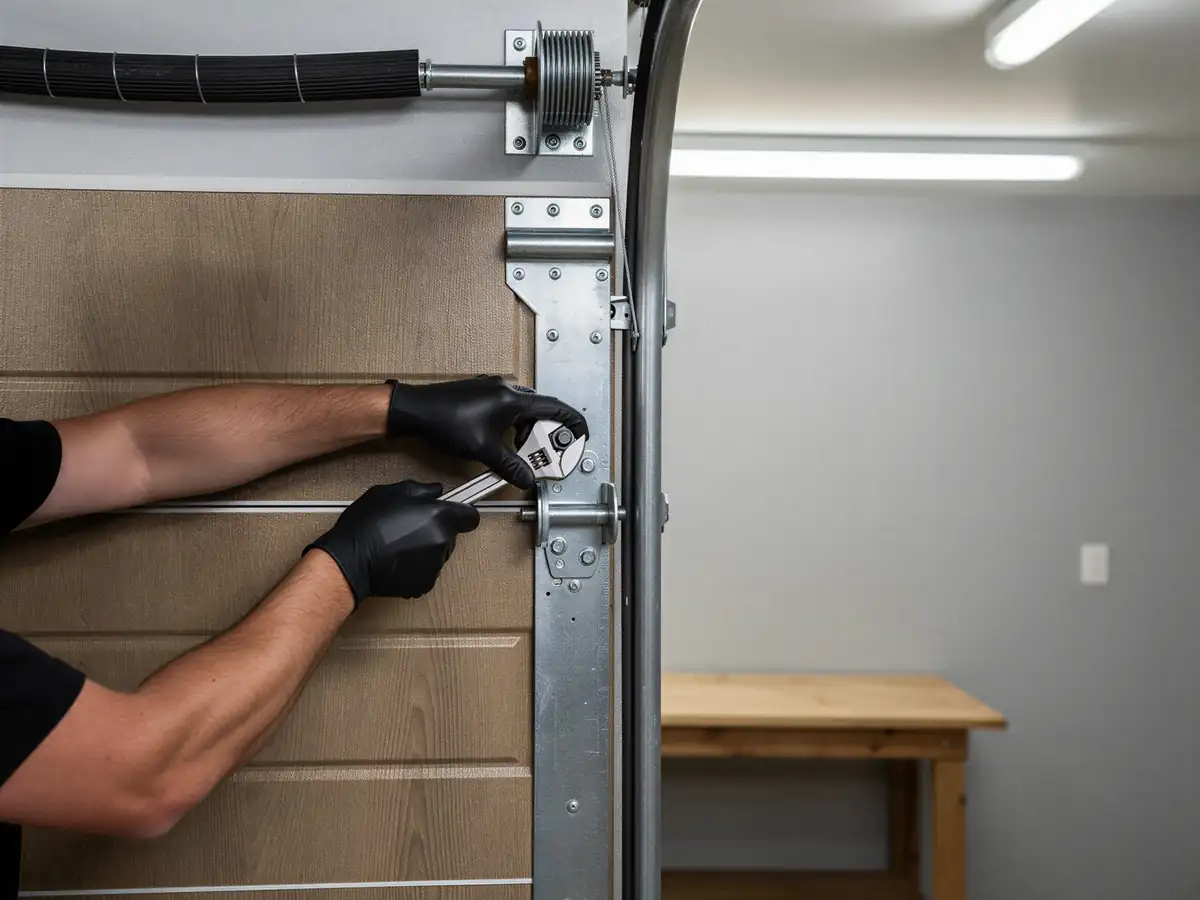
If your door is from around the 1981 era that's typical in this area, the symptom that usually points to installation rather than repair is a door that's heavy to lift by hand even with the opener disengaged, visible rust or pitting on the torsion spring coils, or a panel that's started to bow or dent along the bottom section. None of those are things a new cable or a lubed roller fixes for good. We'll always tell you straight if a repair will hold - sometimes it will, and we're not going to talk you into a new door you don't need. But a door built in that early-80s window that's showing spring fatigue or panel damage has usually earned a replacement, not another patch.
What It Costs
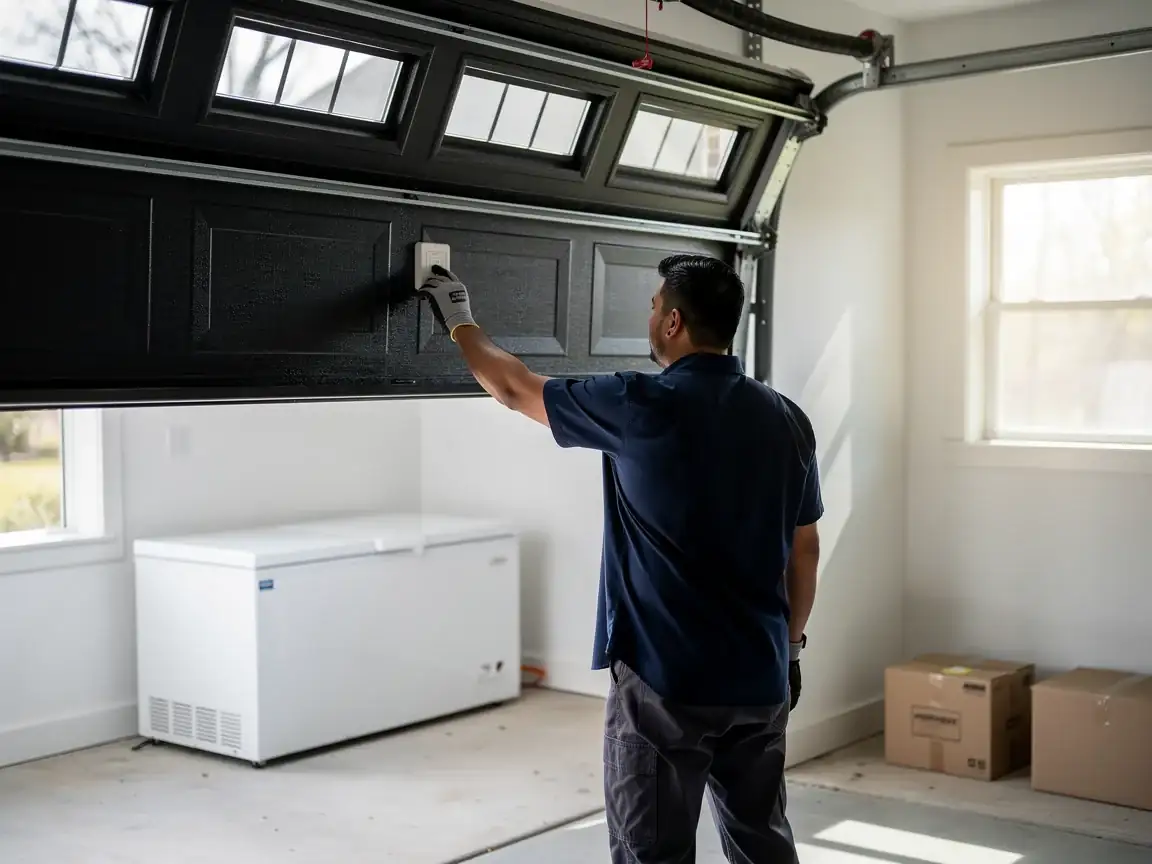
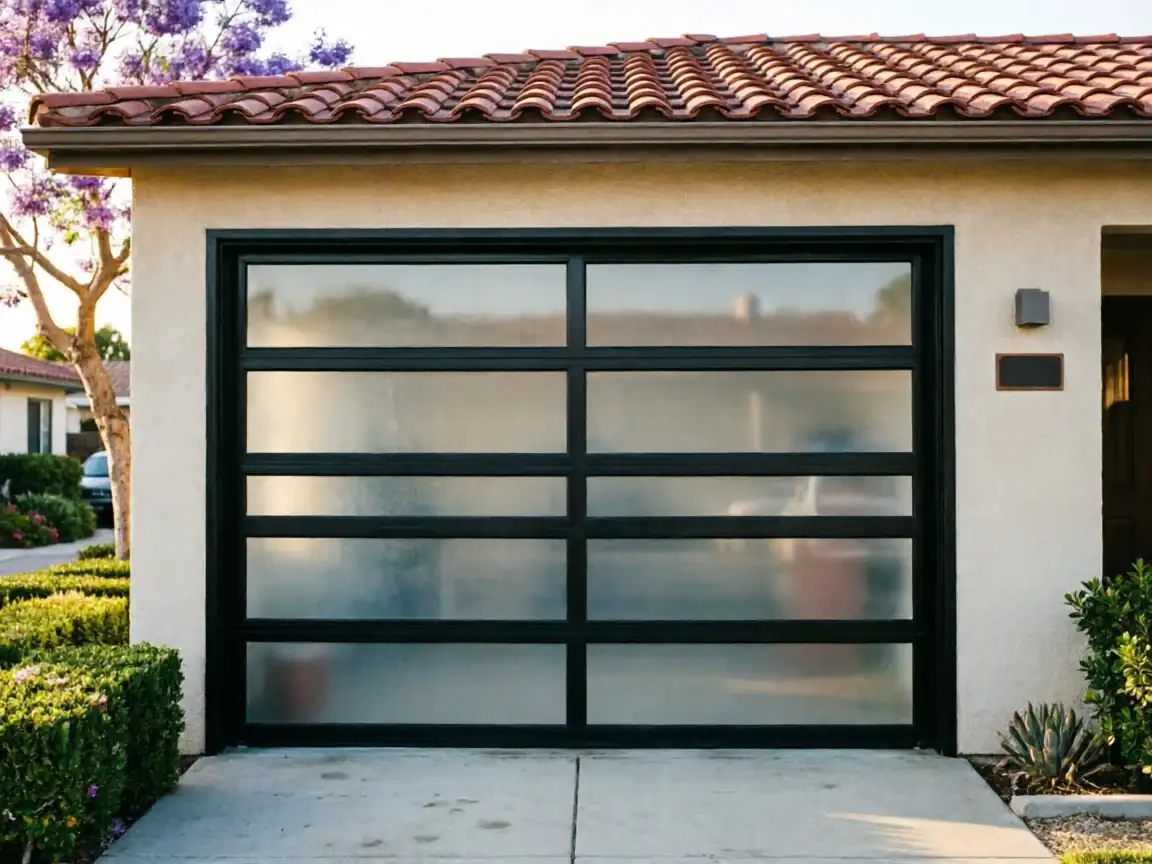
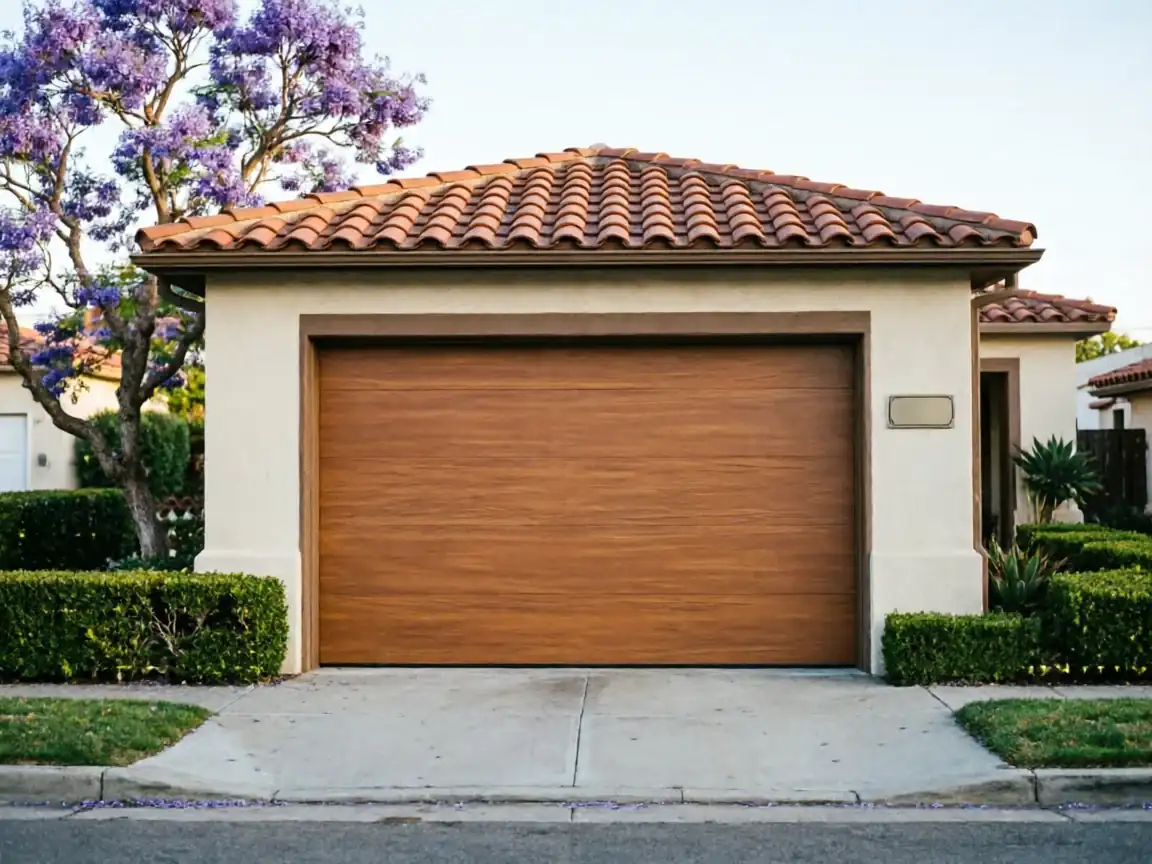
We don't have a published price list for installs out here, and we're not going to make one up to fill this space - every new door job depends on size, insulation level, and whether the opener needs replacing alongside the door. What we can tell you is that the quote you get will reflect the trip out from Grass Valley as part of the job, not as a separate line item sprung on you later. Households in this area report a median income around $118,661, noticeably higher than the roughly $91,135 median across the wider coverage territory, and we mention that only because it's the kind of area where owners more often choose insulated steel or higher-end wood-look doors over the base builder-grade option - worth knowing before you start comparing quotes. Call and give us your opening size and we'll walk the real numbers with you on the phone.