Booking a Visit
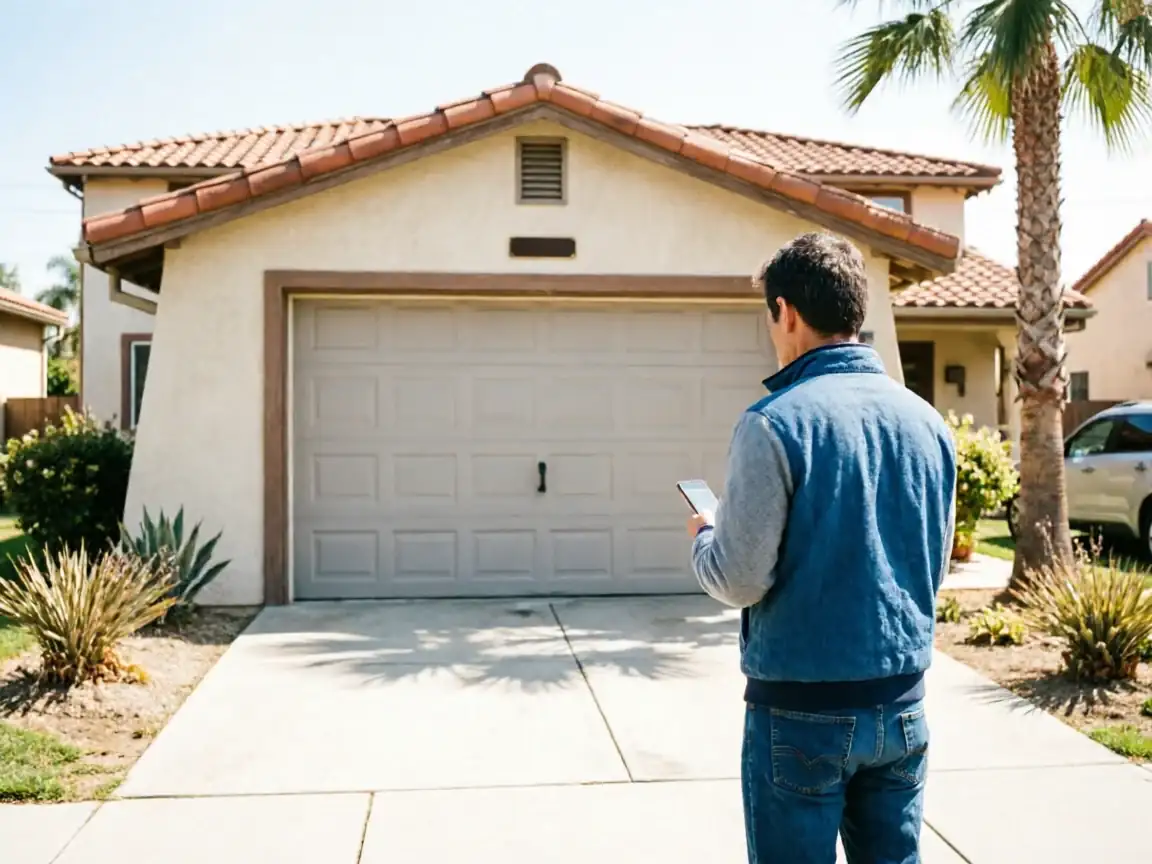
We run out of Grass Valley, about 13 miles from Lake of the Pines, so there's no branch office or drop-in counter out here - a technician books your repair ahead of time and drives out with the parts your door is likely to need based on what you tell us on the phone. That matters more here than in a denser town, because a wasted trip for the wrong torsion spring size costs you the better part of an hour each way. Tell us the door's approximate age, whether it's a single or double, and what it's doing (won't open, grinding, off track) and we'll bring the right stock. We cover this stop as part of our regular route through the area, not as a special call-out, so scheduling works the same as it does anywhere else we serve. Use the Lake of the Pines coverage page to confirm we're headed your way this week, or check the main Grass Valley repair page if you want the broader service area details.
What Causes It Around Here
The median home in Lake of the Pines went up around 1981, which puts most garages here at the newer end of the 1938-to-1984 range that covers the wider service area. That's good news in one sense - you're less likely to still have a door from the 1960s with hardware nobody stocks - but a door installed new in 1981 is now over 40 years old regardless, and the torsion springs on it were never meant to last that long. Original steel sectional doors from that era are usually single-layer, with no insulation and no thermal break, which doesn't cause failure by itself but does mean they move more than a modern door when temperatures swing. The climate here is mild with occasional freezes, and that freeze-thaw cycle is what actually gets you: grease in the roller bearings and track stiffens overnight, the opener strains against it in the morning, and over a few winters that strain is what snaps a spring or burns out a motor that was otherwise fine.
The Symptom
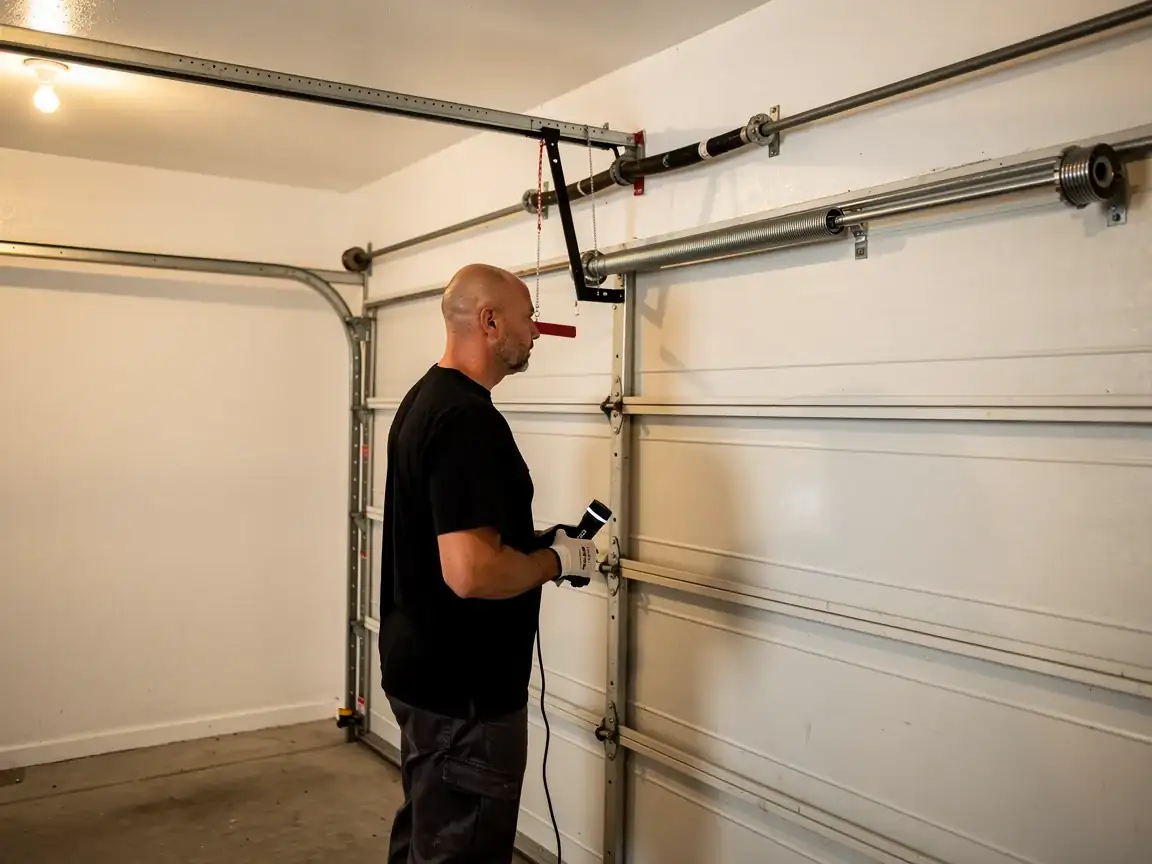
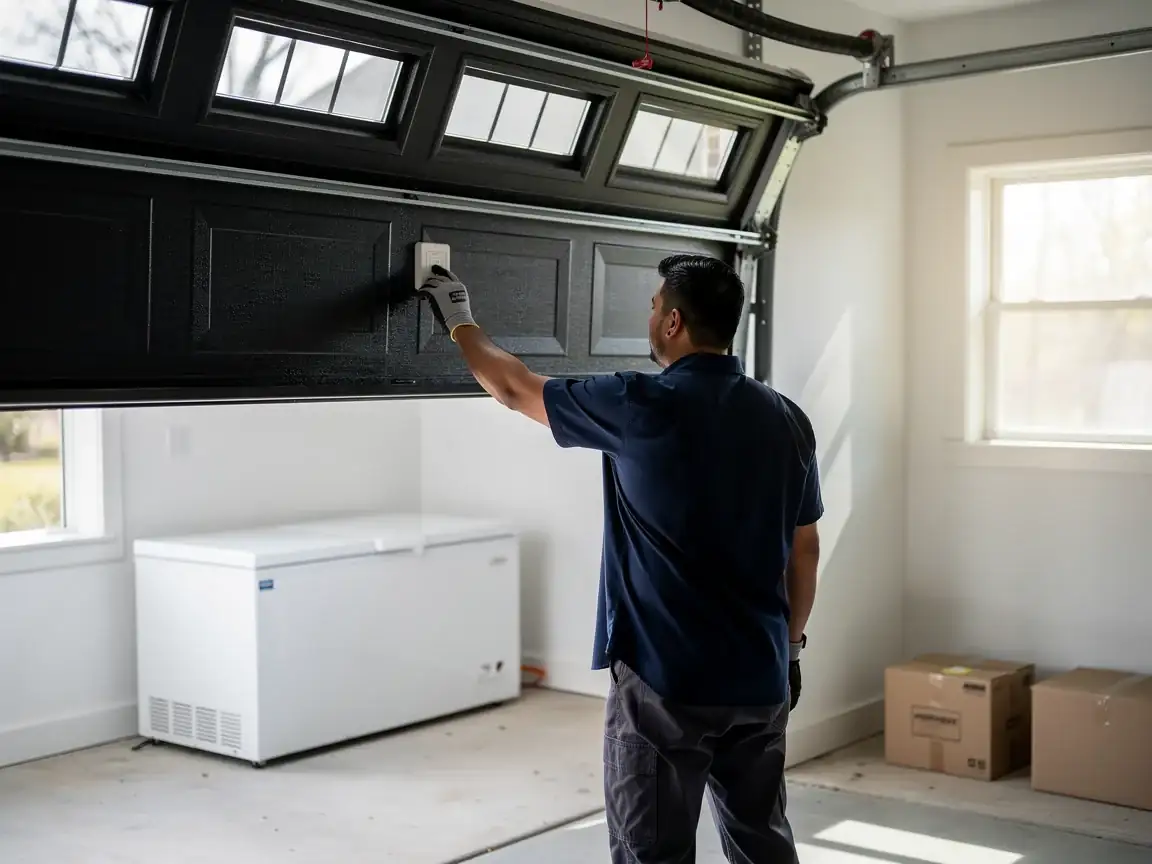
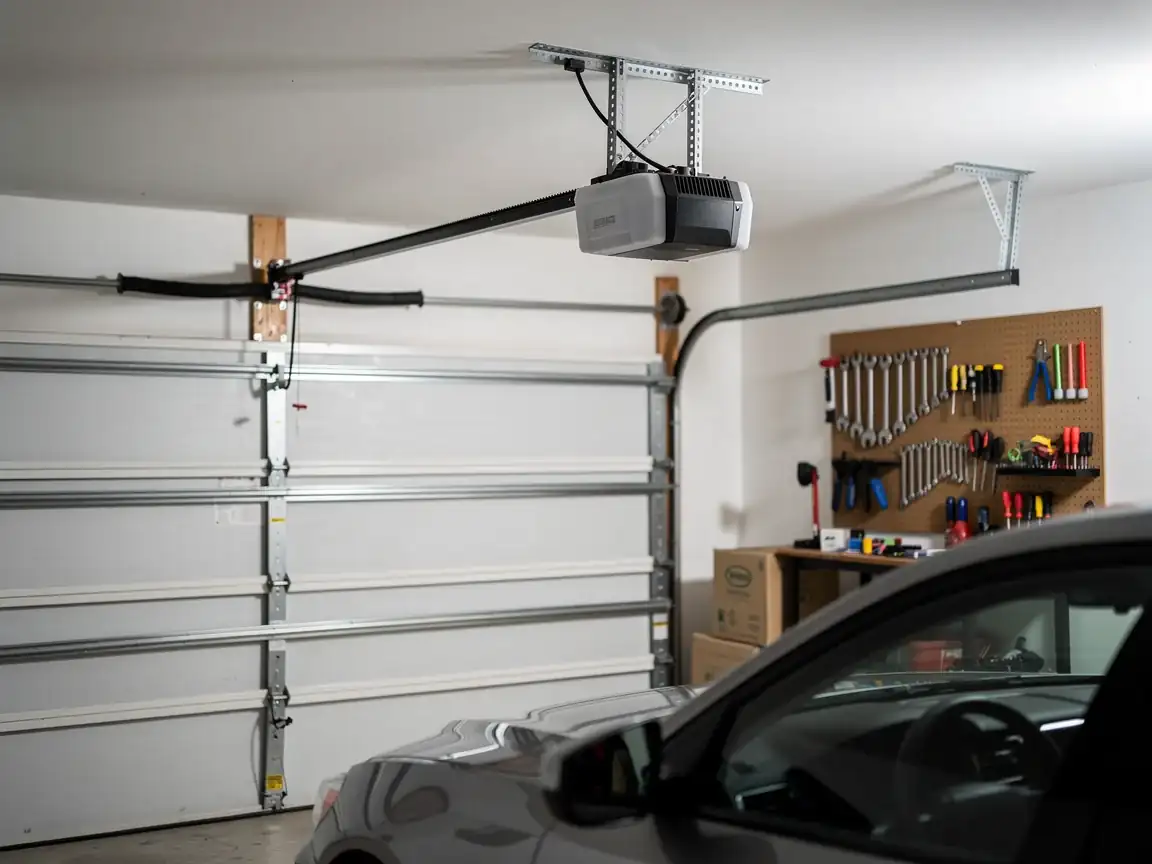
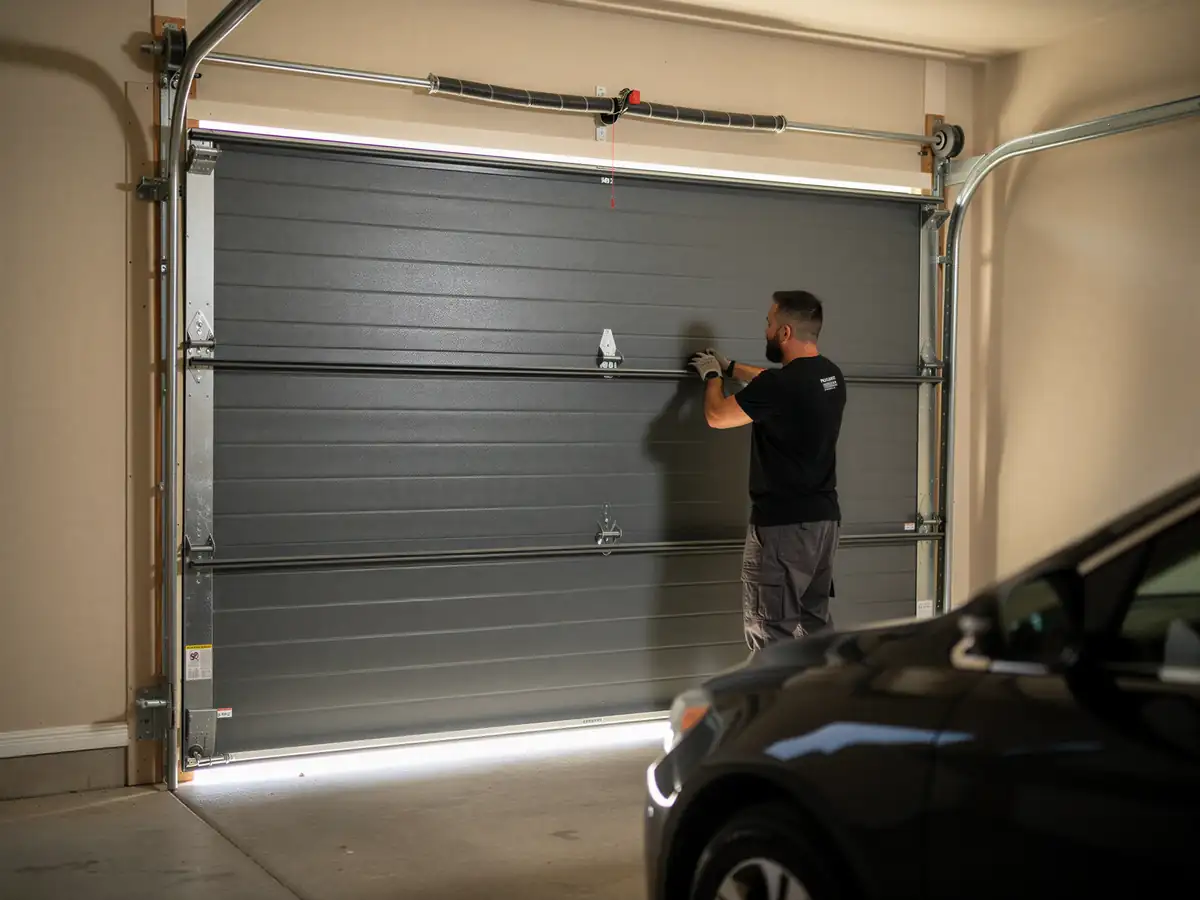
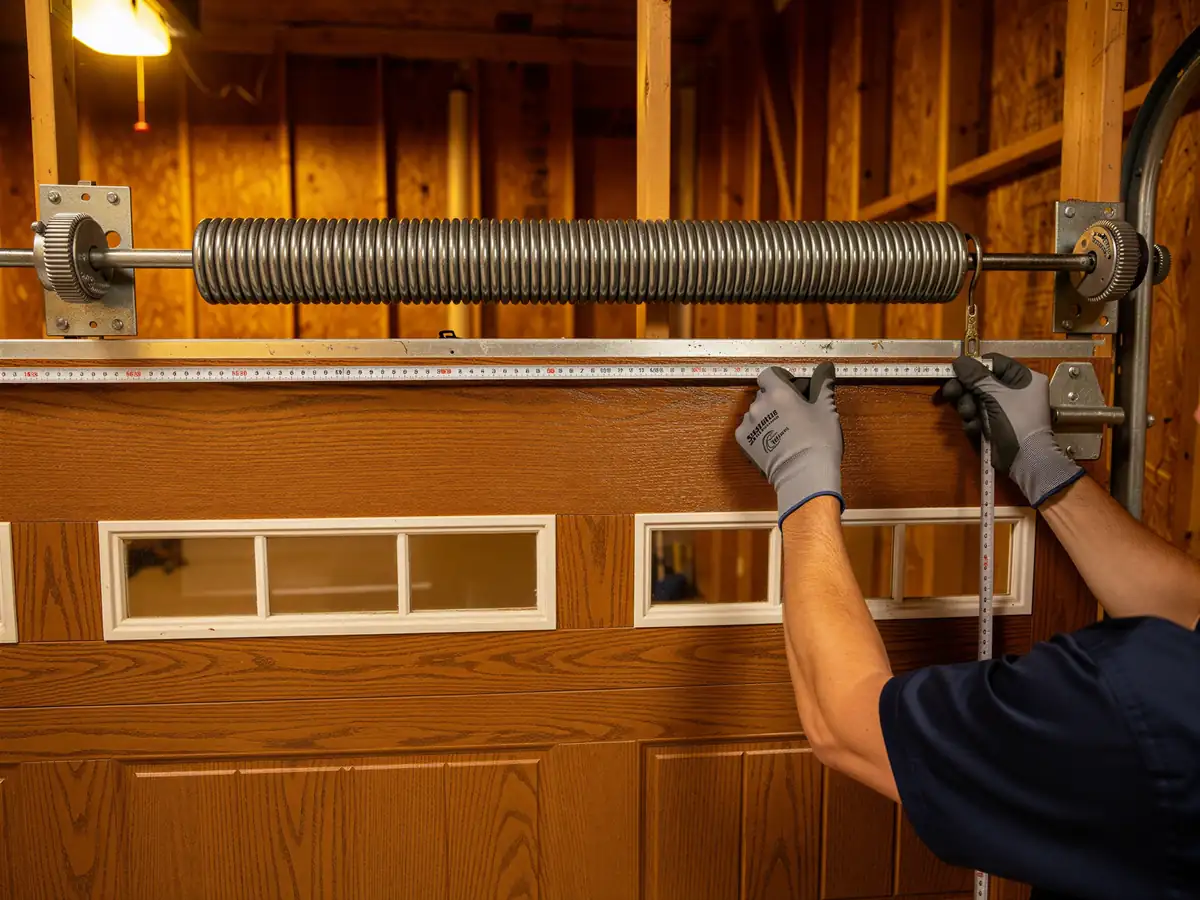
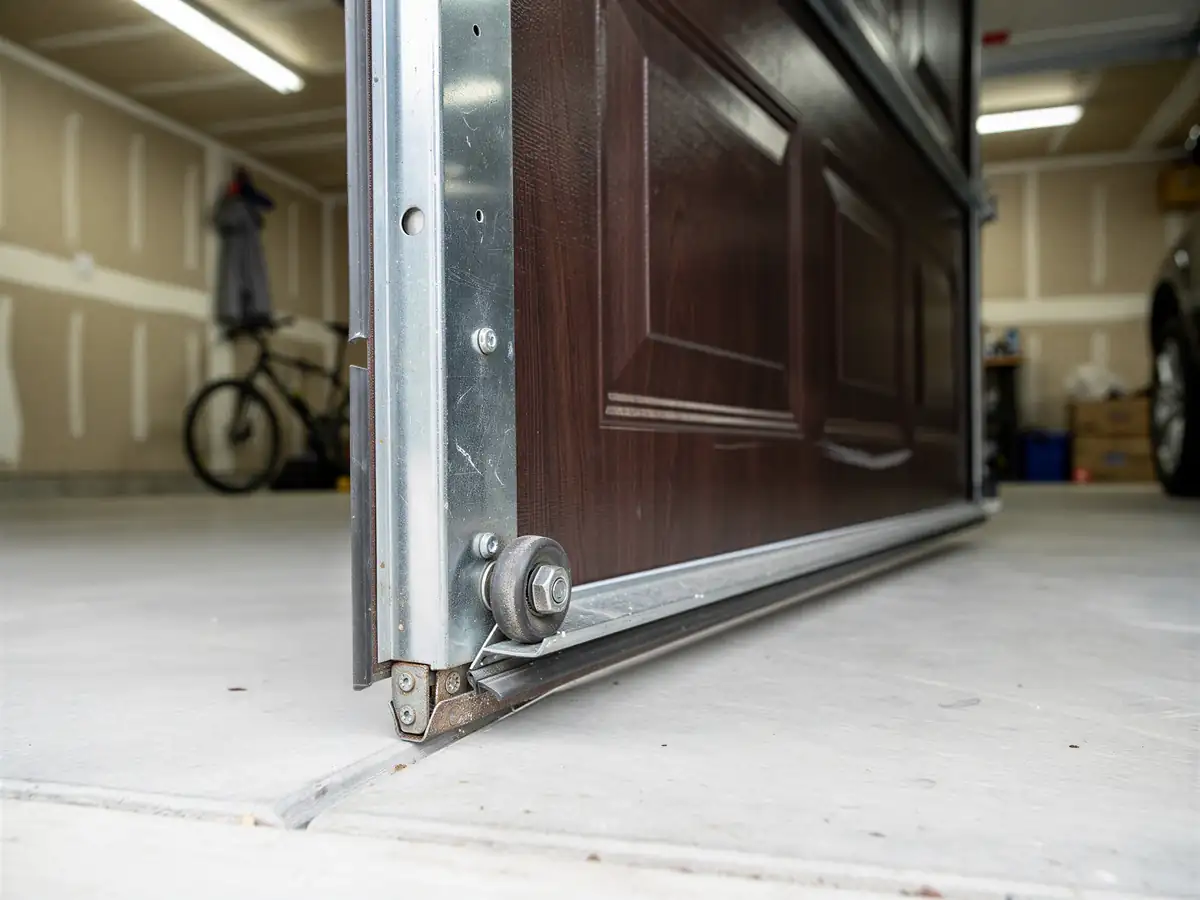
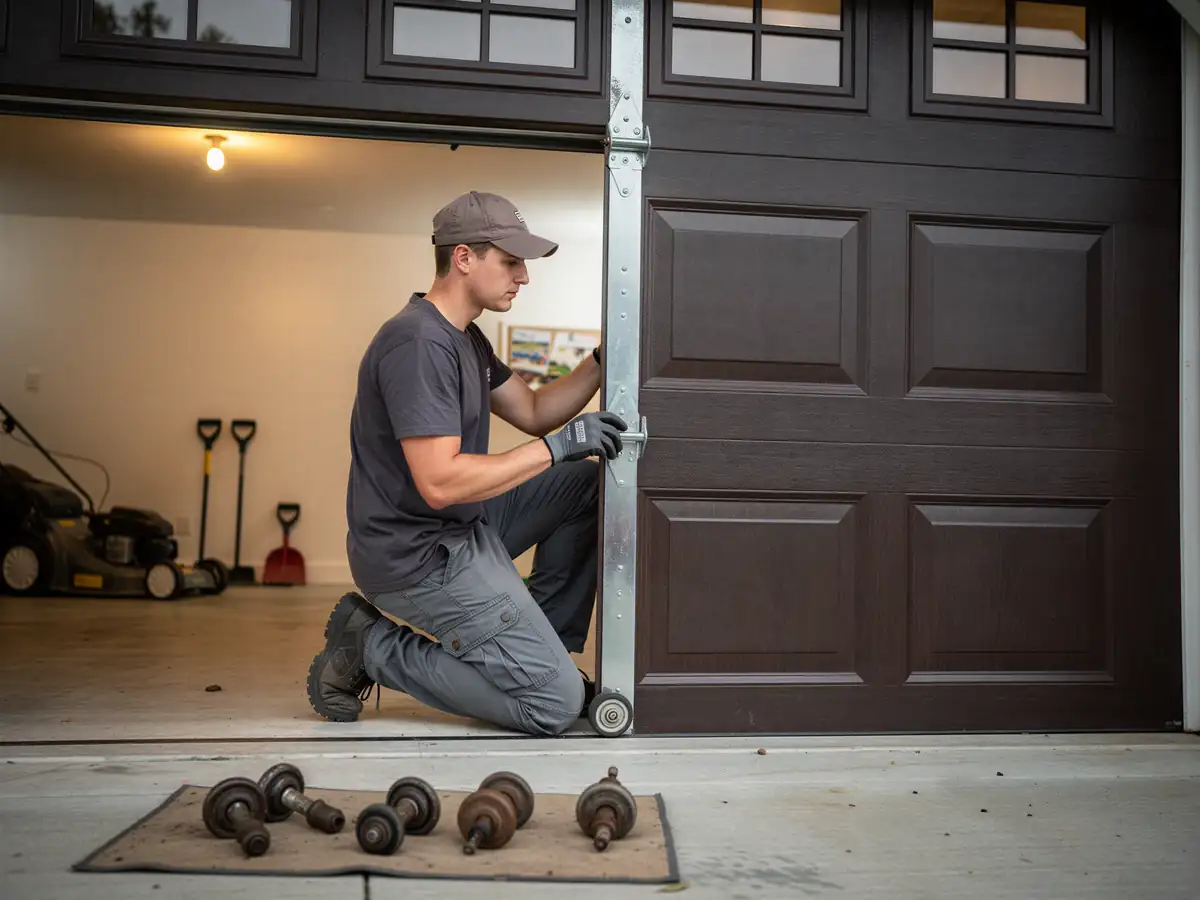
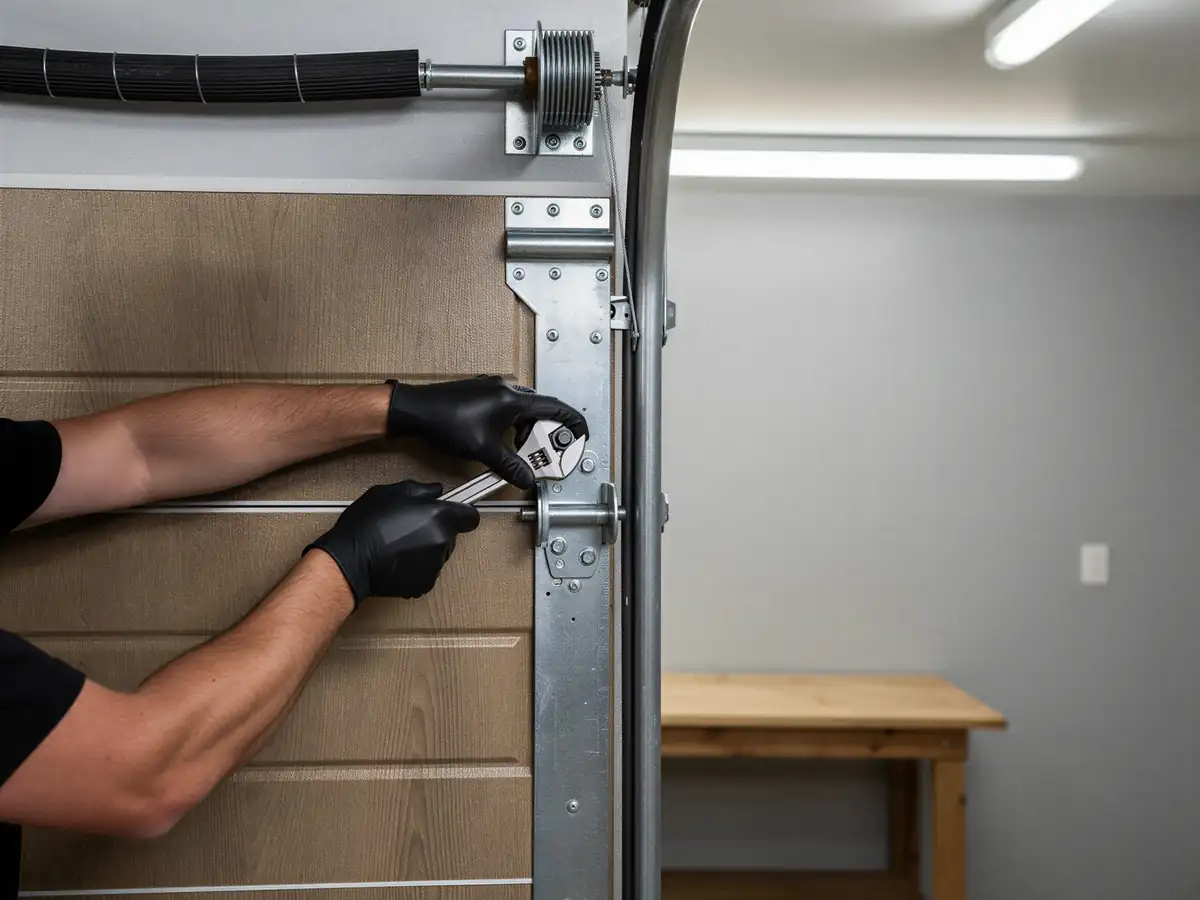
The most common call from this area is a door that won't open at all, or opens a few inches and stops - that's almost always a broken torsion spring, and on a door this age it's rarely a surprise once you look at the spring coil and see the gap. Second most common is a door that's loud and rough on the way up, which on 1981-era hardware usually means the original steel rollers are worn past their nylon or hard enough that they're chattering in the track rather than rolling through it. Less often we see a door that opens fine but reverses partway - that's typically the opener's force or limit settings drifting out of adjustment over years of seasonal temperature swings, not a dangerous safety sensor fault, though we check the sensors anyway since a reversing door is also the first sign of a genuine safety issue.
What It Costs
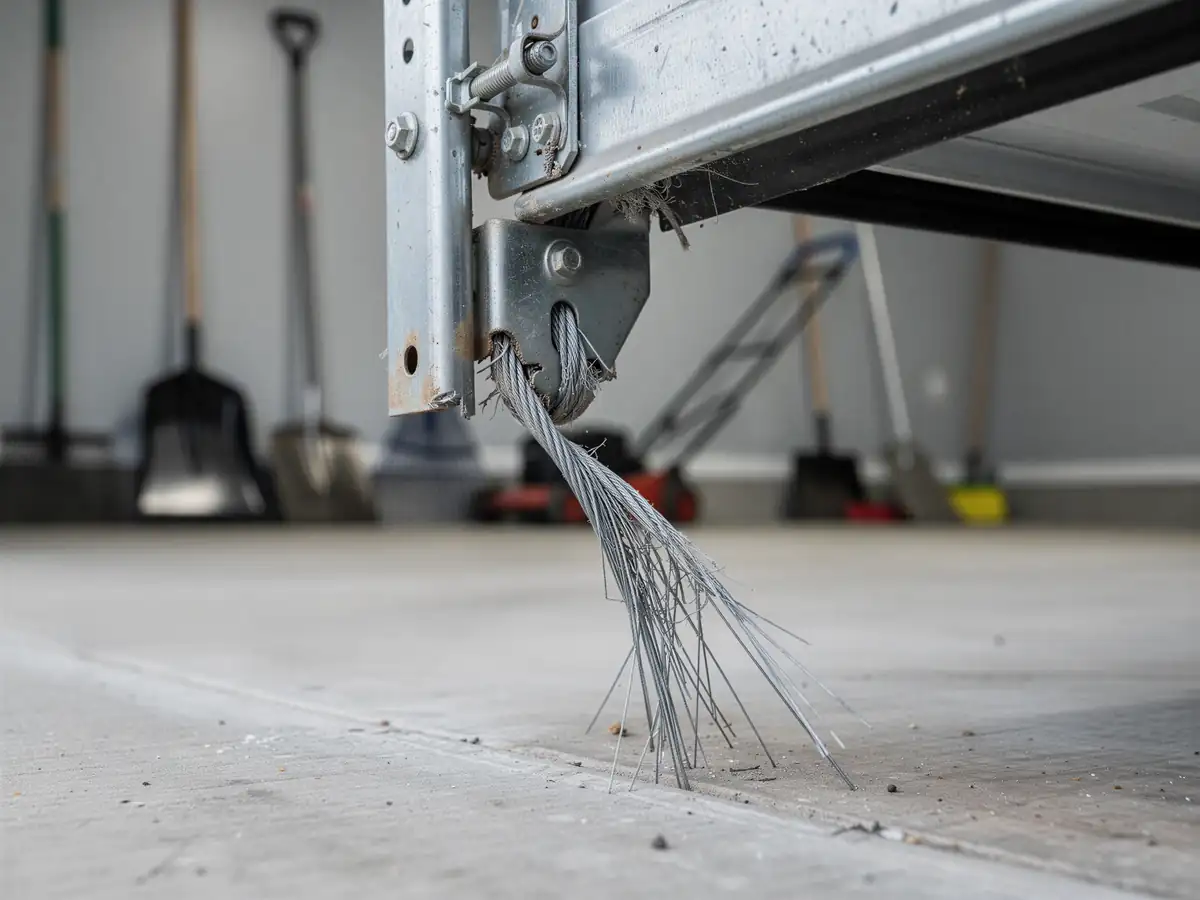
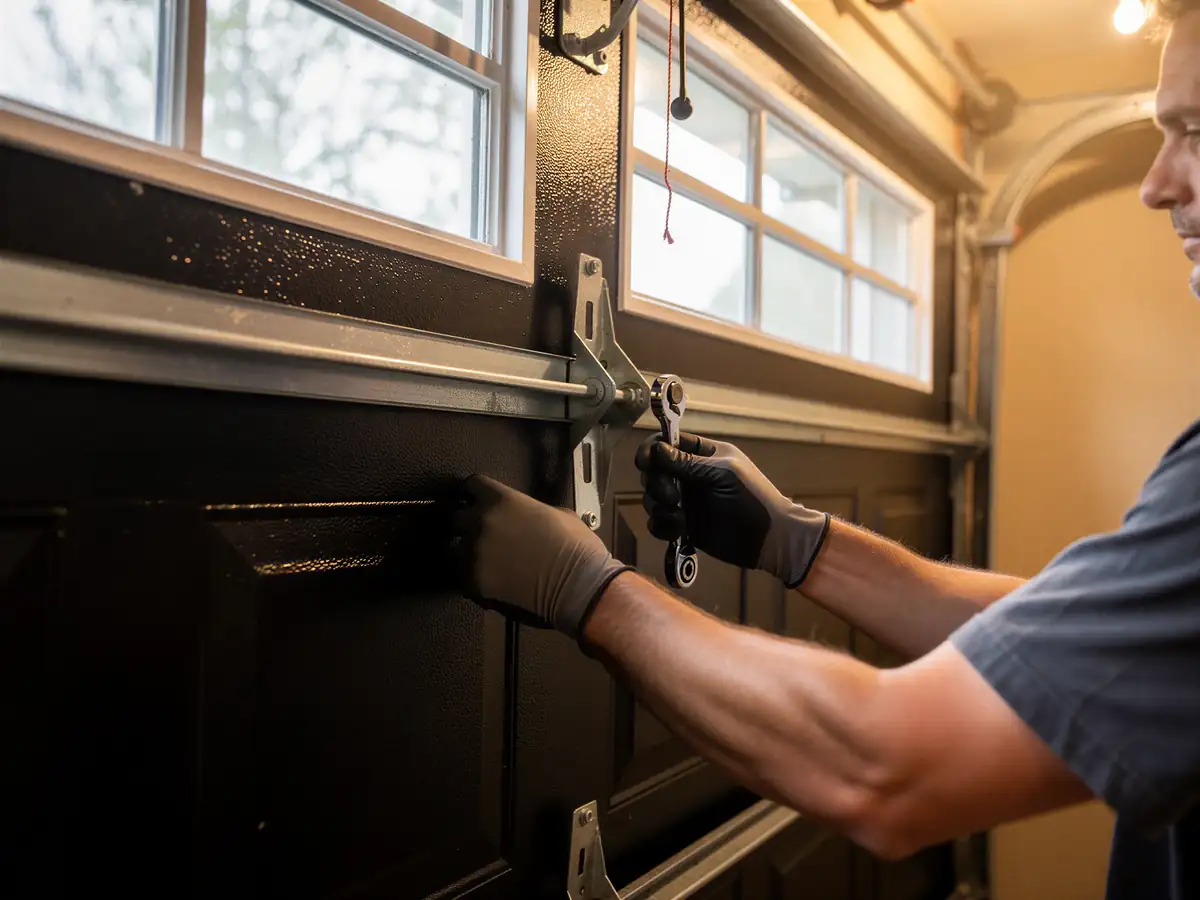
We don't have a flat number to quote here, and we'd rather tell you that than make one up. Cost depends on whether it's a spring, a cable, a roller set, or the opener itself, and on whether the door is a standard single or the heavier double common in this area's newer-built homes. What we can tell you honestly: a straightforward torsion spring replacement is a same-visit repair, not a multi-day job, and on a door that's over 40 years old we'll tell you flat out if a second repair six months from now is more likely than not - sometimes replacing the door is the better math than patching it twice. We'd rather lose the second repair call than have you pay for a fix that doesn't hold.