Booking a Visit
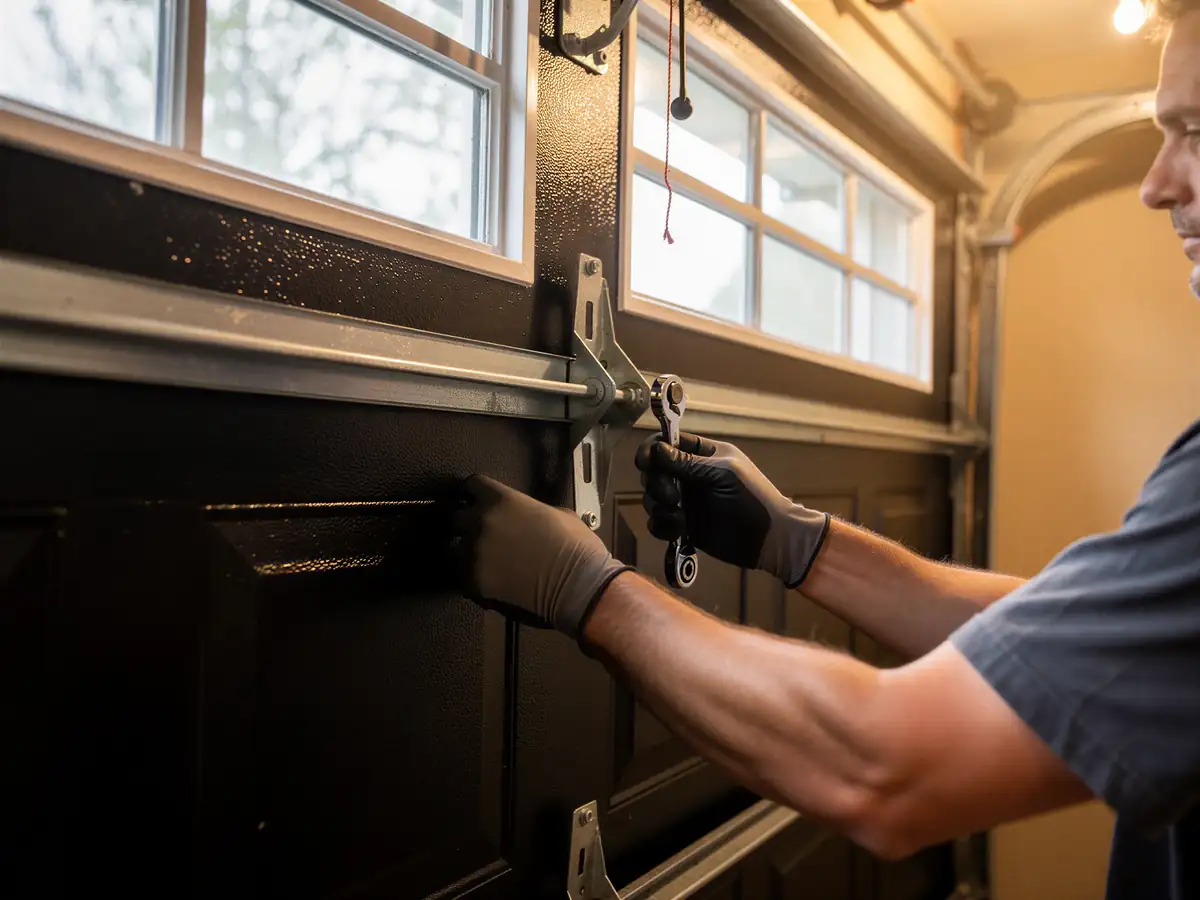
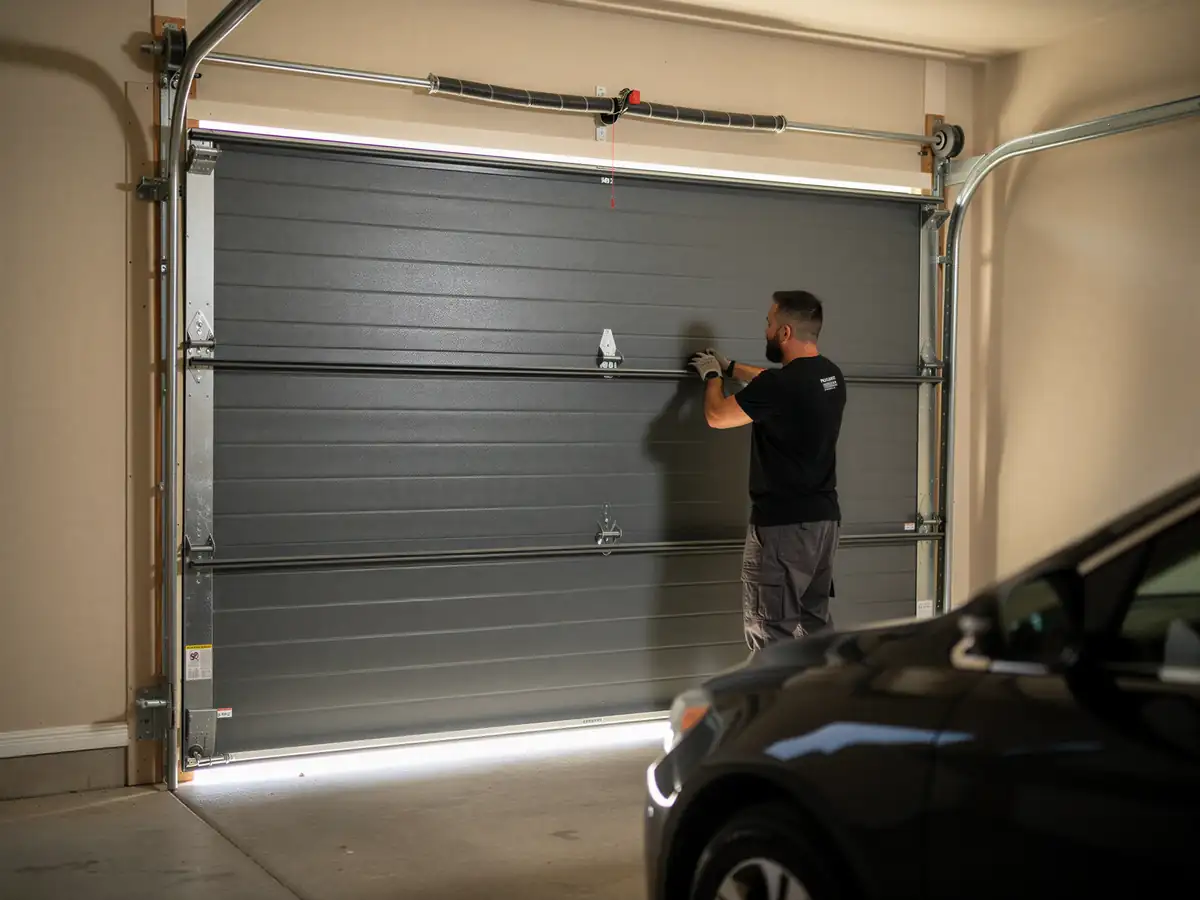
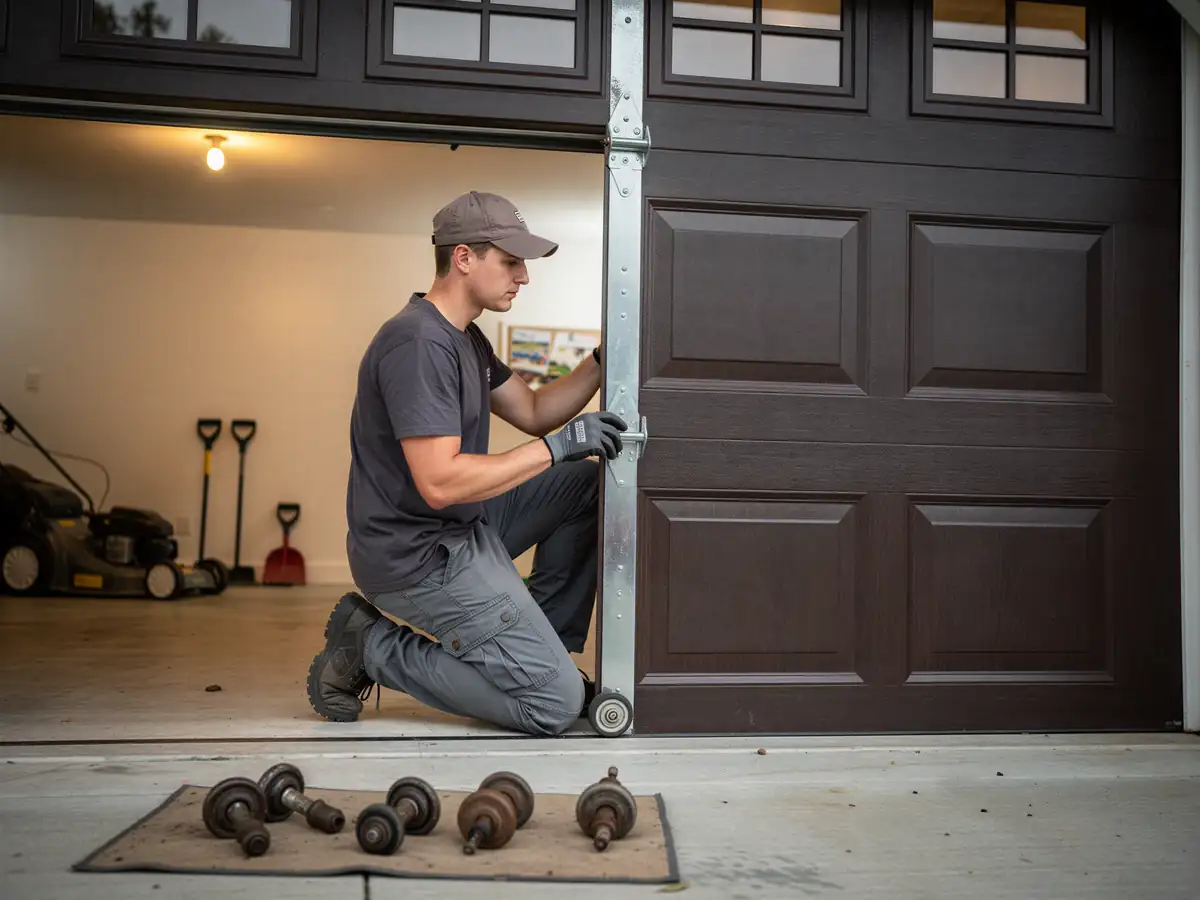
We run out of Grass Valley, about 13 miles from Lake of the Pines, so a maintenance visit here is a scheduled trip, not a drop-in. That's worth knowing up front: we don't keep a crew stationed in the lake community, and we're not going to pretend otherwise. What we can do is bundle the drive with the actual work - a full tune-up (lubrication, hardware check, balance test, opener inspection) rather than a quick look that has us back out again in six months. If you're calling because something's already making noise, tell us that when you book so we bring the right parts the first time instead of guessing from the truck.
Given the distance, it makes sense to think about maintenance on a schedule rather than waiting for a symptom. A once-a-year visit catches the kind of wear that turns into an after-hours call, which costs more in both money and hassle than the original tune-up would have.
We cover the broader Grass Valley area, including Lake of the Pines, Nevada City, Rough and Ready, Alta Sierra, and the rest of the communities within about a 20-mile radius.
What Causes It Around Here
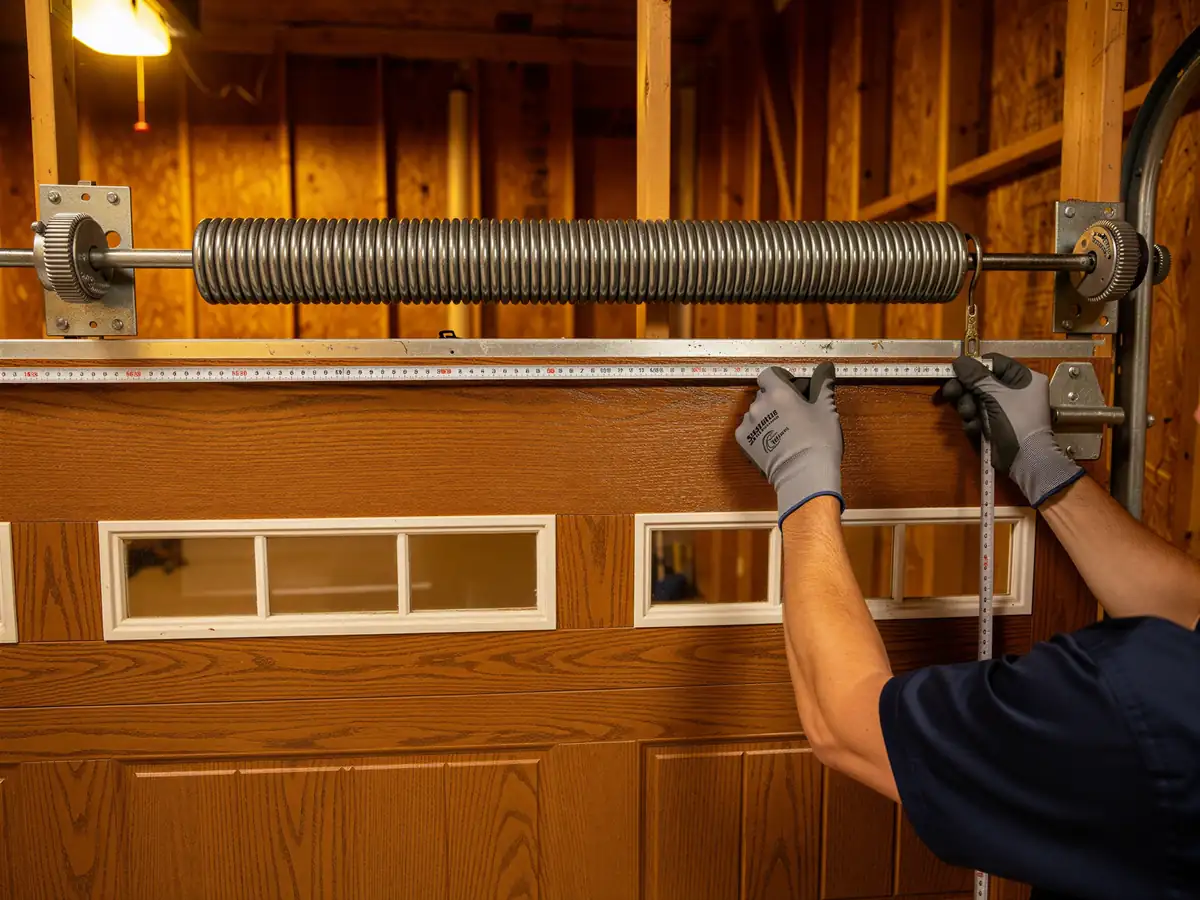
The median home in Lake of the Pines went up around 1981 - a good decade newer than the typical house across the wider service area, where the median build year sits closer to 1977 and plenty of stock goes back to the late 1930s. That matters for maintenance because 1981 construction usually means a door and opener setup from the early torsion-spring era, not the older side-mount extension systems you still find on a lot of pre-1970s houses nearby. The failure points are different: 1981-era torsion springs are rated for a certain number of cycles, and by now most original springs in this age bracket are past or near the end of that rating, even if they look fine.
The climate here is mild with occasional freeze nights, which isn't the extreme swings that chew up seals and lubricant fast, but repeated cold snaps still stiffen grease in rollers and hinges over a winter. On a 1981-vintage door, that stiffness shows up as a grinding or hesitation on cold mornings before anything else goes wrong - it's usually the first sign that the hardware is due for a real service rather than a spray-and-forget fix.
The Complications
A 1981-era garage door in good shape is usually easier to service than older stock
The hardware is more standardized and parts are more likely to still be made. The complication shows up when a homeowner has already done a partial upgrade: a newer opener bolted onto original 1981 track and rollers, for instance. That mismatch is common in houses this age, and it means a maintenance visit sometimes turns up a spring or cable rated for the original door weight but working against a heavier insulated panel installed later. We won't push a swap just because the age fits a pattern; we check what's actually on the door before recommending anything.
One honest limitation
If a part on an older torsion system has been discontinued, we may need to order it rather than carry it on the truck, which can mean a short wait before a repair is finished. We'd rather tell you that upfront than promise same-visit completion we can't back up.
The Symptom
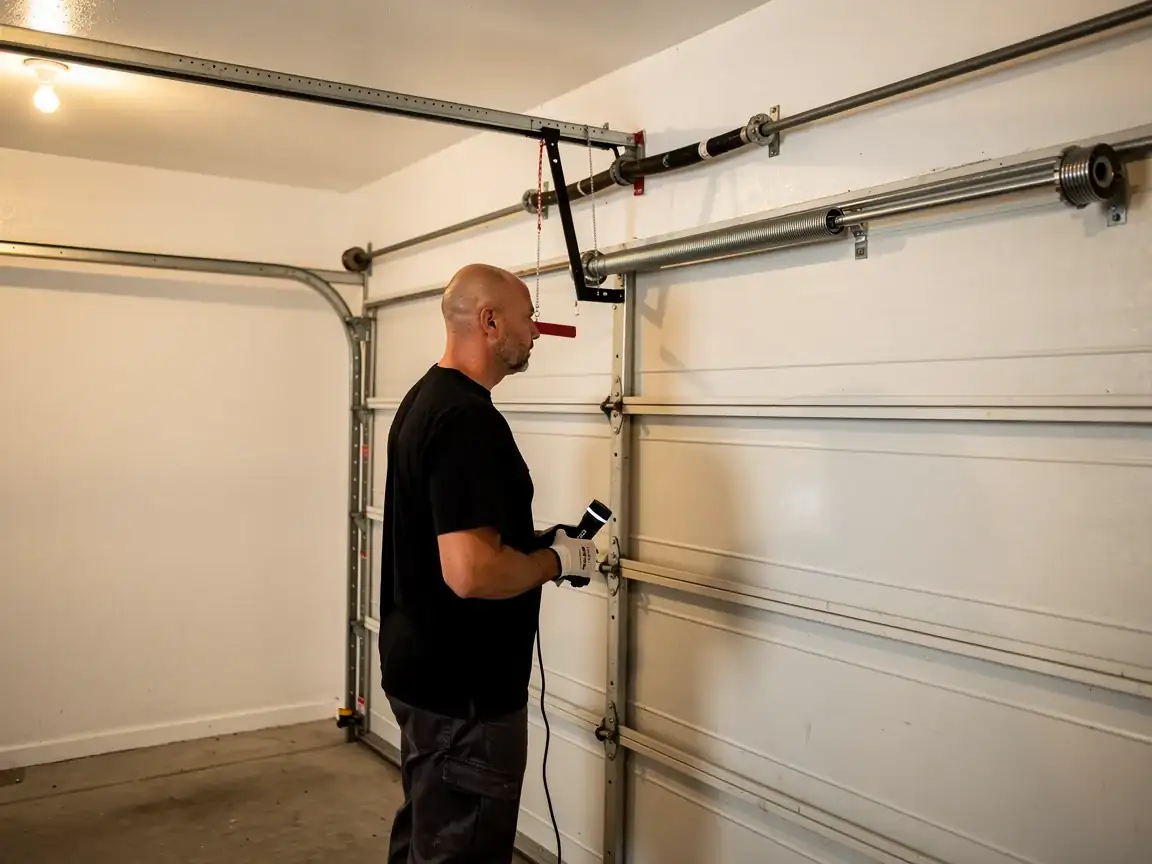
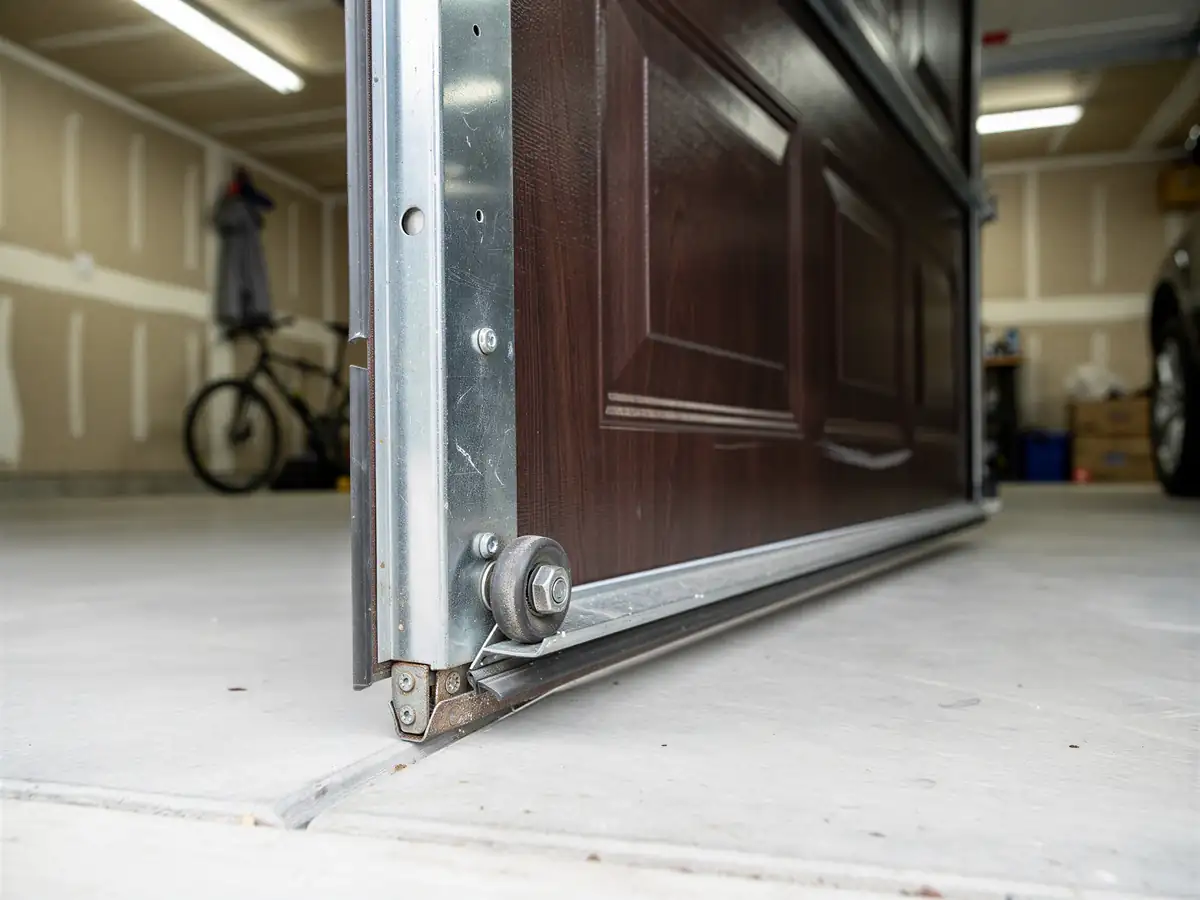
The two symptoms worth paying attention to on a door this age are a door that reverses partway up for no clear reason, and a visible gap or unevenness where the door meets the frame. Both point to spring or cable wear rather than the opener itself, which is an easy thing to misdiagnose if you just swap the opener's sensors and call it fixed. On 1981-era torsion setups, a spring nearing the end of its cycle life often shows up first as a door that feels heavier when you lift it manually - try the emergency release and lift by hand if you want to check before calling anyone.
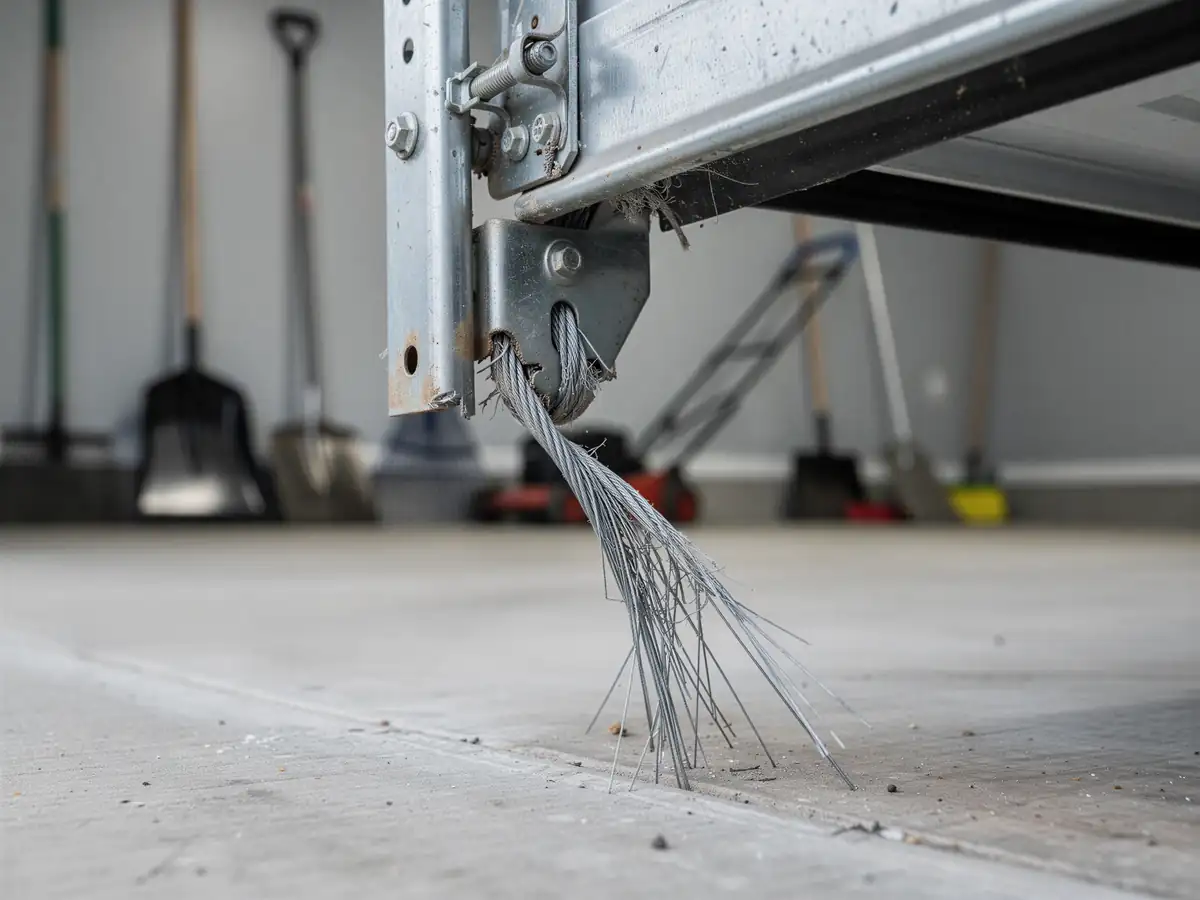
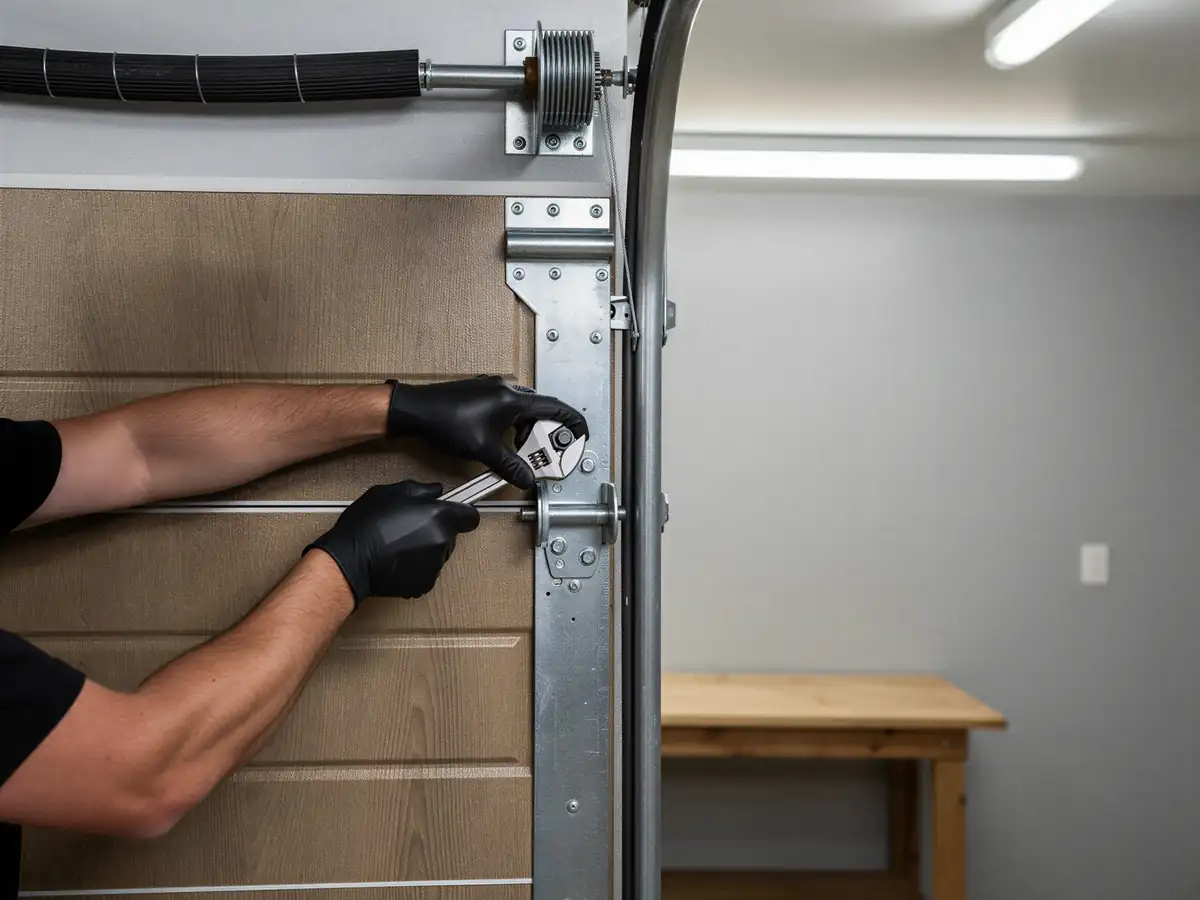
Noise is the other tell: a consistent squeal or grind at the same point in the door's travel usually means a roller or hinge, not the whole system. Catching that early with lubrication and a hardware check is far cheaper than letting it run until a cable frays.
What It Costs
Lake of the Pines carries a median household income of $118,661, well above the roughly $91,135 median across the wider Grass Valley service area. That gap matters for the repair-or-replace decision: at this income level, replacing an aging door system outright is a more realistic option sooner than it would be for a household at the area's overall median, where stretching a repair as long as possible usually makes more financial sense. We still won't push replacement on a door that's maintaining fine - a door from 1981 with intact hardware and a properly adjusted spring can keep going for years with routine service.
The line we actually use: if a repair would need more than one major component (spring, cable, and track, say) replaced at once, replacement often costs about the same over time and comes with a warranty the patched-together repair doesn't. We'll lay out both numbers at the visit so you're deciding with real figures, not a guess.