Booking a Visit
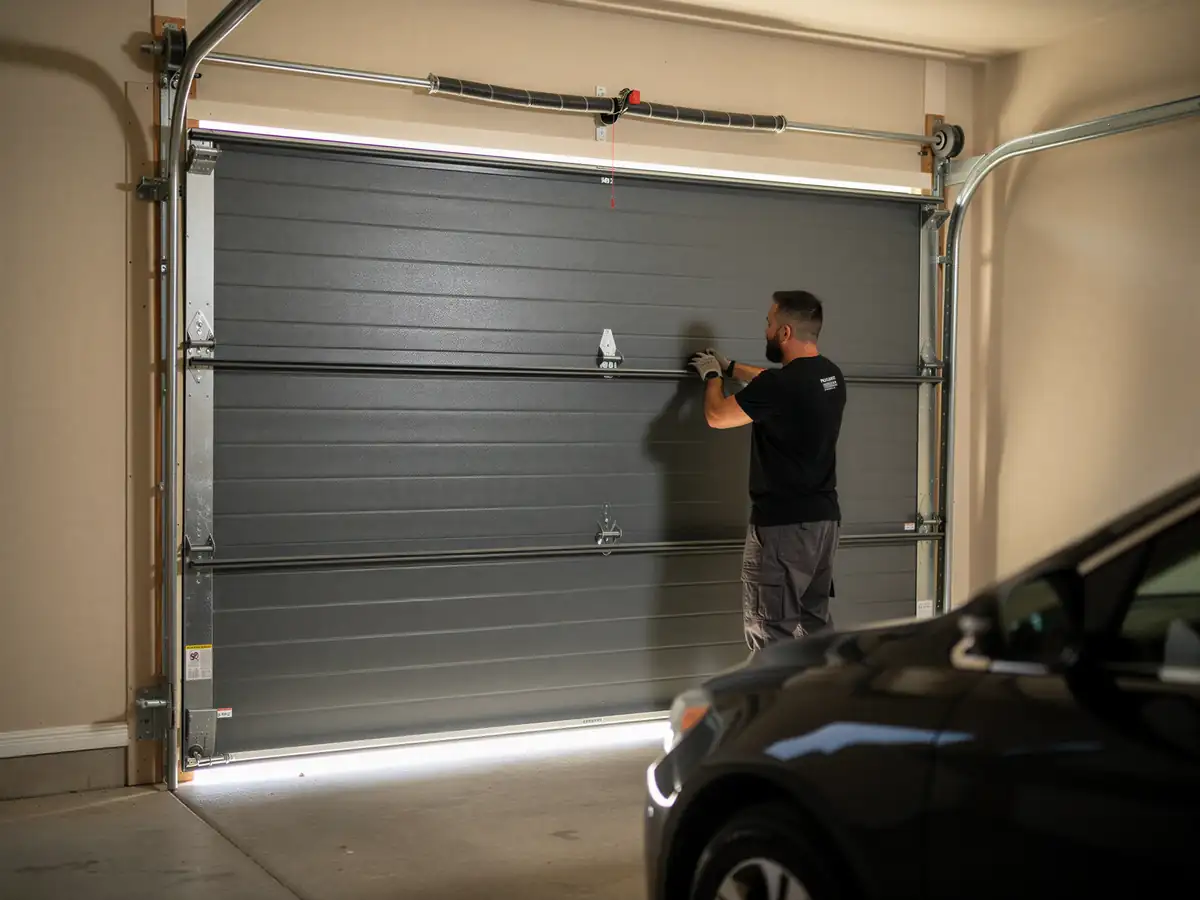
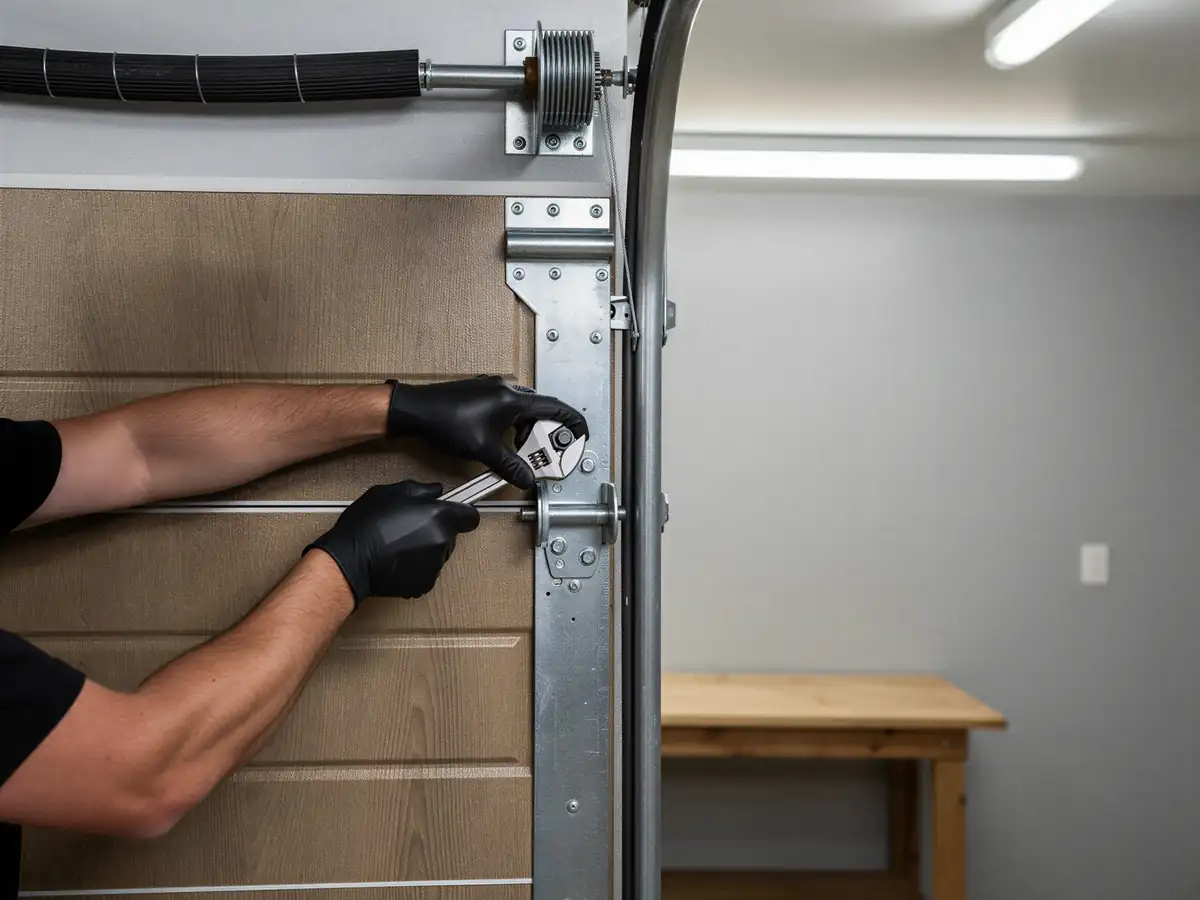
Lake of the Pines is about 2,142 households tucked into the hills 13 miles out from our shop in Grass Valley. That's a small enough number that we're not running a crew through the gate every day, but it's steady work - a cable doesn't care how many neighbors you have. We don't keep a branch or a drop box out here; every truck that comes to you starts in Grass Valley and makes the drive in. When you call, tell us if the door is stuck down, stuck up, or hanging crooked on one side - that tells us which cable failed and whether it's safe to leave the door where it sits until we arrive. If a cable has already jumped the drum, don't force the opener again. You can crack a track trying to force a door that's off-balance on one side.
What Causes It Around Here
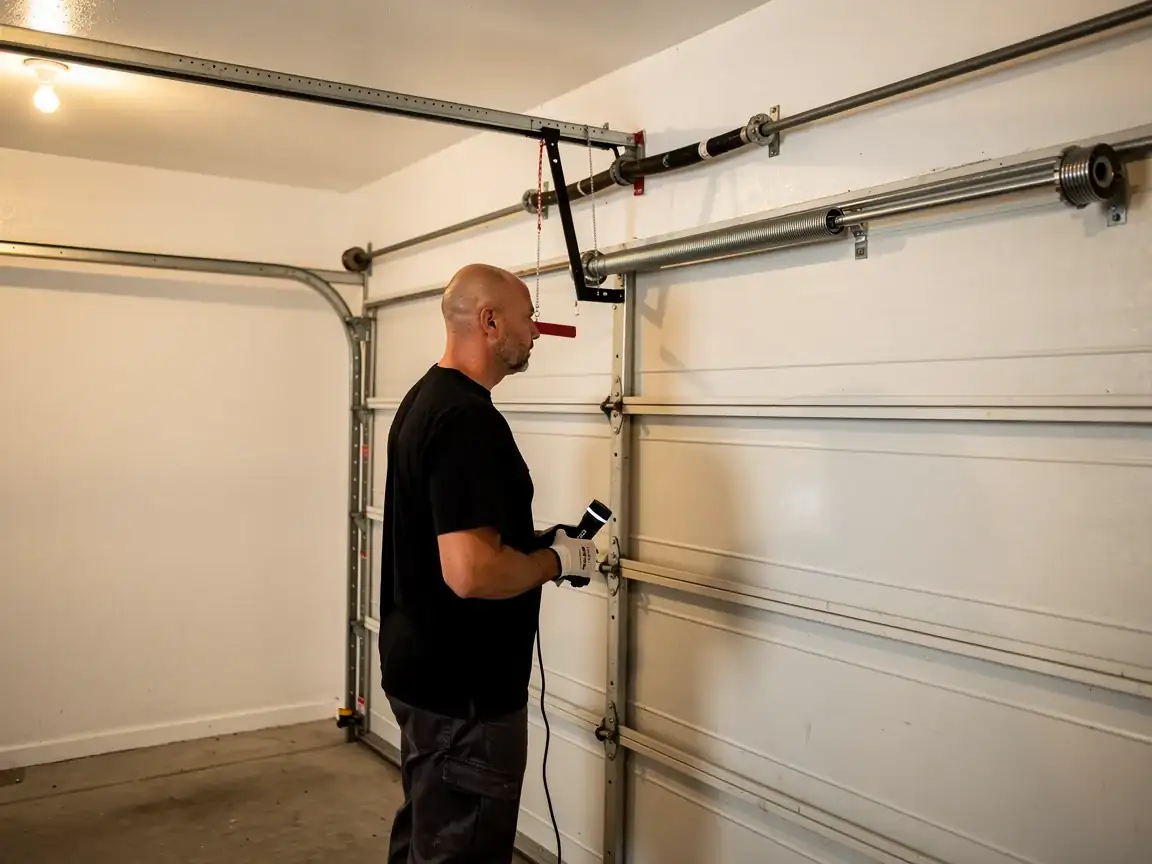
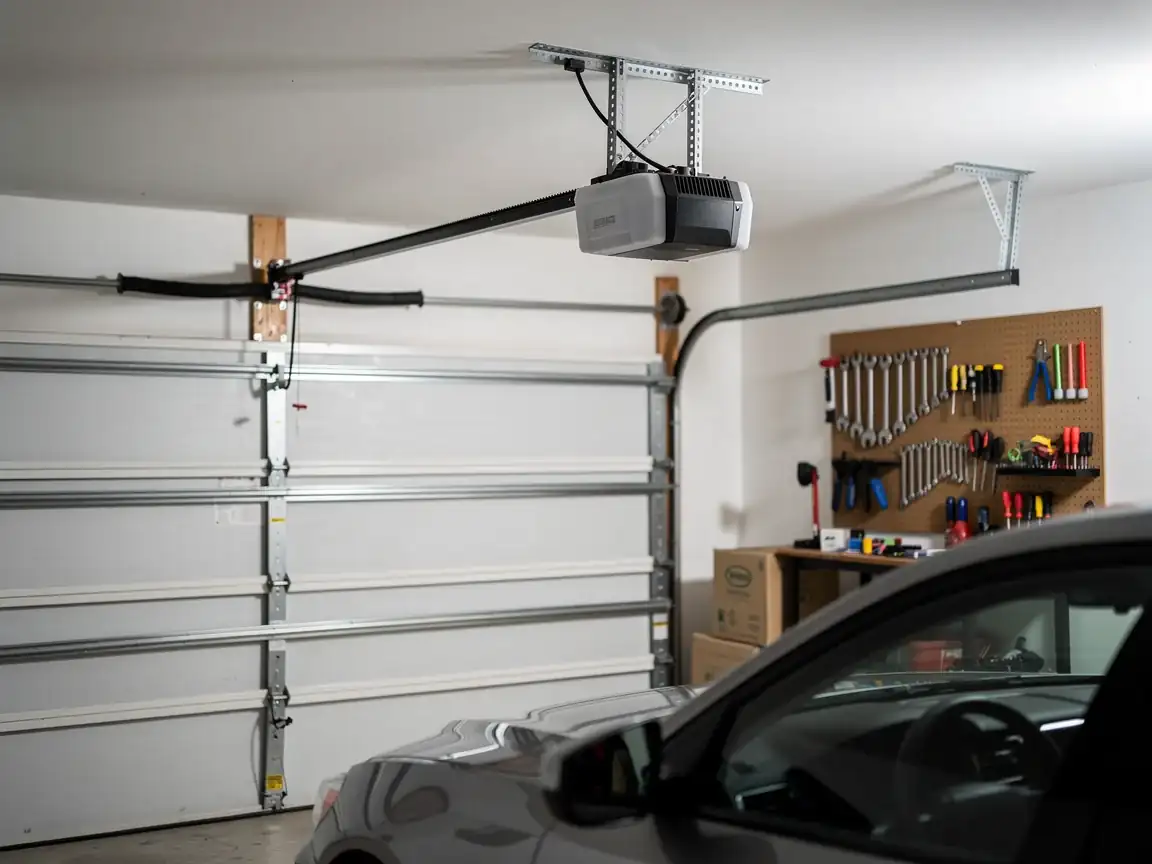
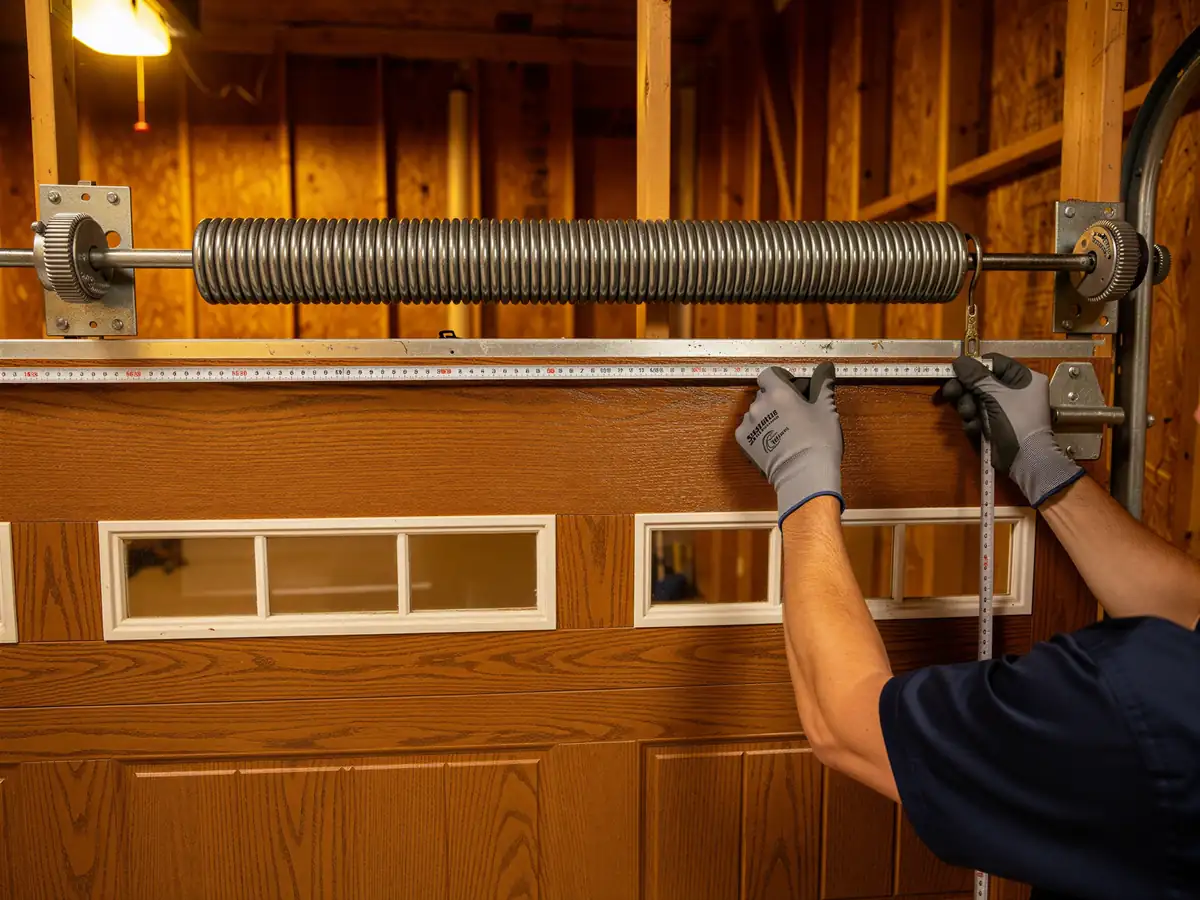
Median year built out here is 1981, which puts a lot of these garage doors on hardware from the original extension-spring era - galvanized lift cables running off a pulley at the bottom bracket, not the torsion-and-drum setup you'd find on a newer install. Those original cables, if nobody's swapped them since the house went up, are now past 40 years old. Add the area's climate - mild most of the year with occasional freeze - and you get repeated contraction and expansion at the cable ends, plus surface rust working into the strands where they wrap the bottom bracket or the drum. That's where a cable gives out: not a clean snap in the middle, but a slow fraying at the one spot that flexes every single cycle. On a household income median of $118,661, a fair number of these owners have already put in a replacement opener or spring without ever touching the cable itself - it's the part that gets skipped because it's quiet until it isn't.
The Symptom
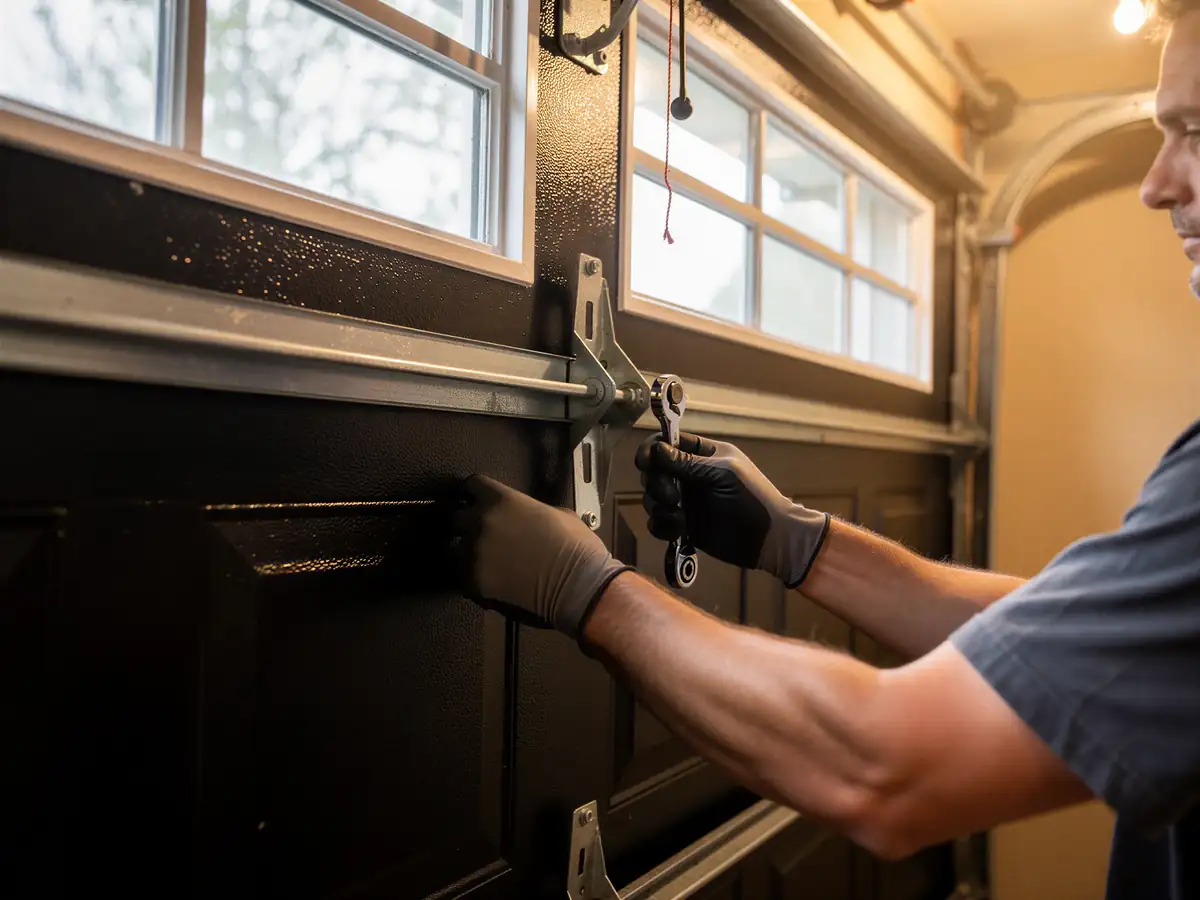
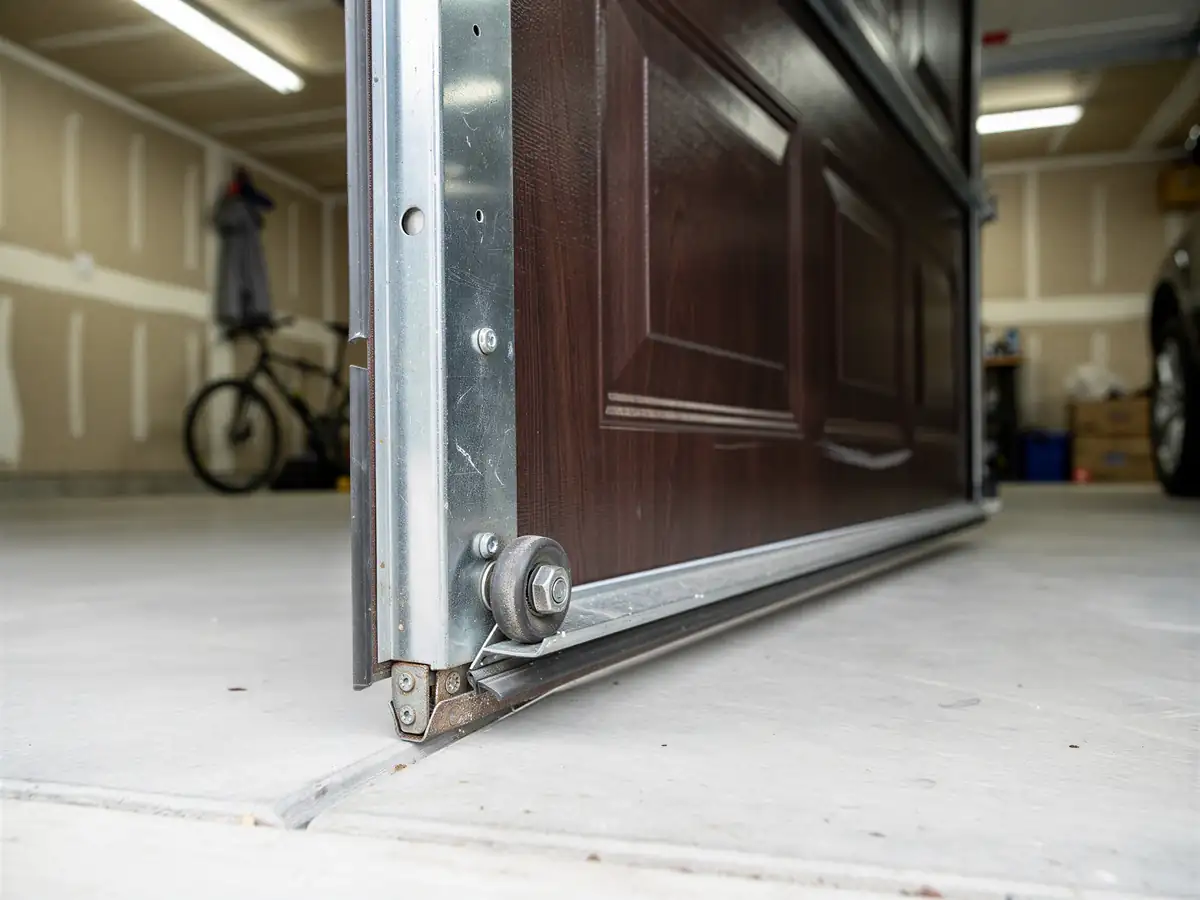
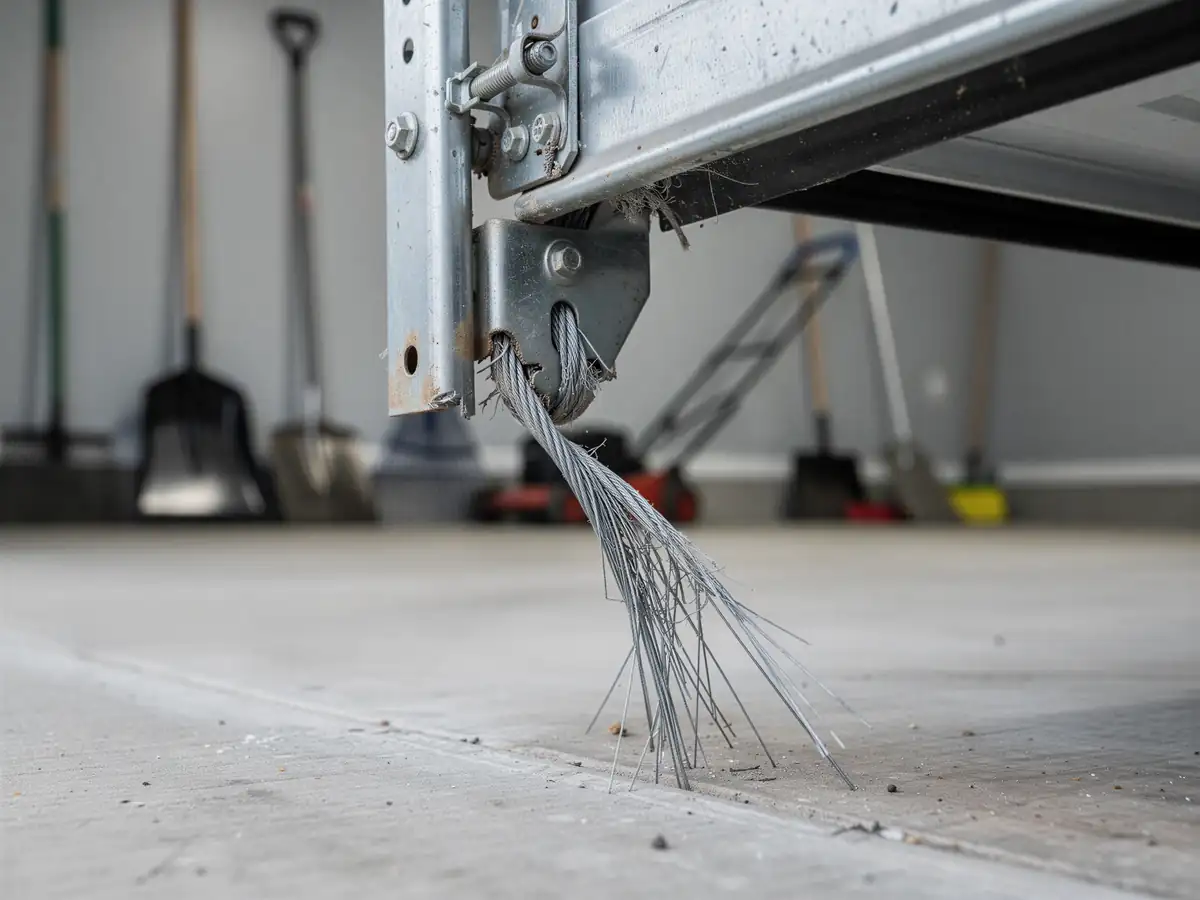
The most common call we get from this part of the hills is a door that drops hard and uneven - one corner coming down faster than the other, or the whole door refusing to lift past a few inches before the opener strains and reverses. Look at the bottom bracket on either side of the door: a frayed cable shows as thin wire strands poking out like a broken shoelace, usually right where it wraps the drum or the pulley. Sometimes the door looks fine sitting closed but won't budge on the next open - that's a cable that's slipped off the drum rather than broken outright, and it's an easier fix if caught before the door gets forced.
What Costs
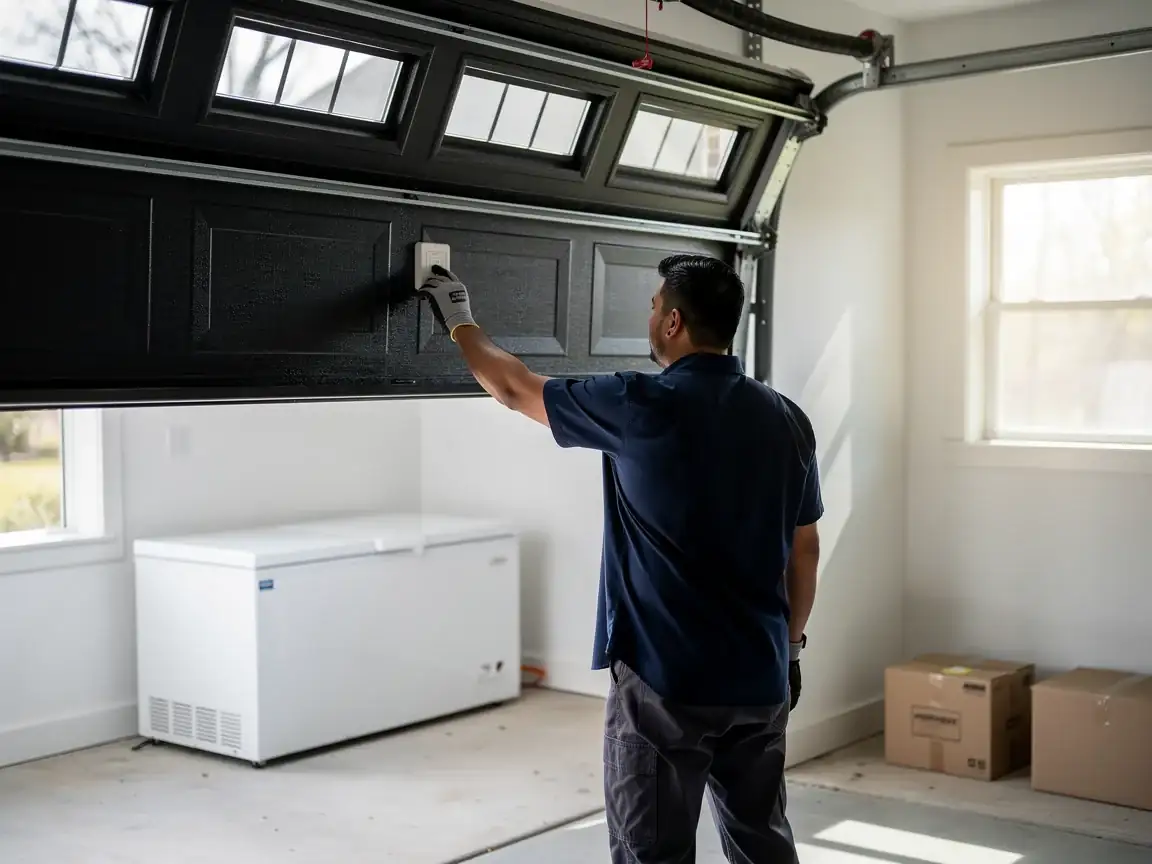
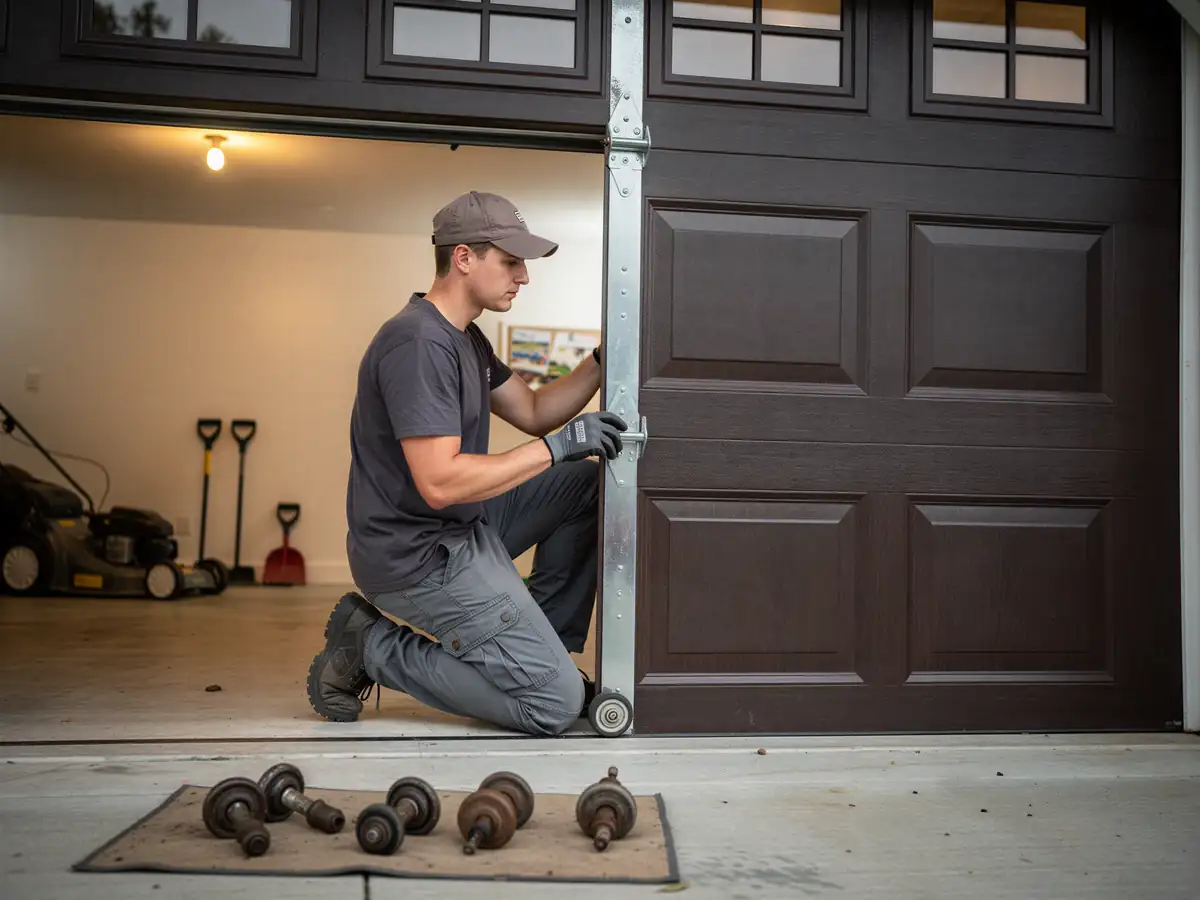
We don't post a flat price here because the job changes with what's attached to the cable. A single frayed cable on a one-car door is a different job than replacing both cables on a two-car door where the drums or pulleys have also worn grooves from four decades of use. If the bracket or track got bent during the failure, that's added to the visit. What we can tell you up front: we price the repair after we see the door in person, not off a phone description, because a door that's merely frayed and one that's already racked sideways aren't the same job even if they sound the same over the phone.