What It Costs
Colfax sits ten miles out from our shop in Grass Valley, and that drive is the first thing that shapes how a roller job here actually runs. It's not a same-block call - we build the trip into the route, which means we're most efficient when we can pair a Colfax stop with another job nearby rather than making the trip for one door. We don't have a posted roller price to quote you here, because the number depends on whether you need nylon rollers with sealed bearings, steel rollers, or a full track-and-roller swap if the rail is bent. What we can tell you is that rollers are one of the cheaper fixes on a garage door - cheaper than a spring, cheaper than an opener - and if your door is loud or jerky but still tracks straight, rollers are usually the first thing we check before anything bigger. Ask for a number when we're on site looking at the actual door, not before.
What Is on the Truck
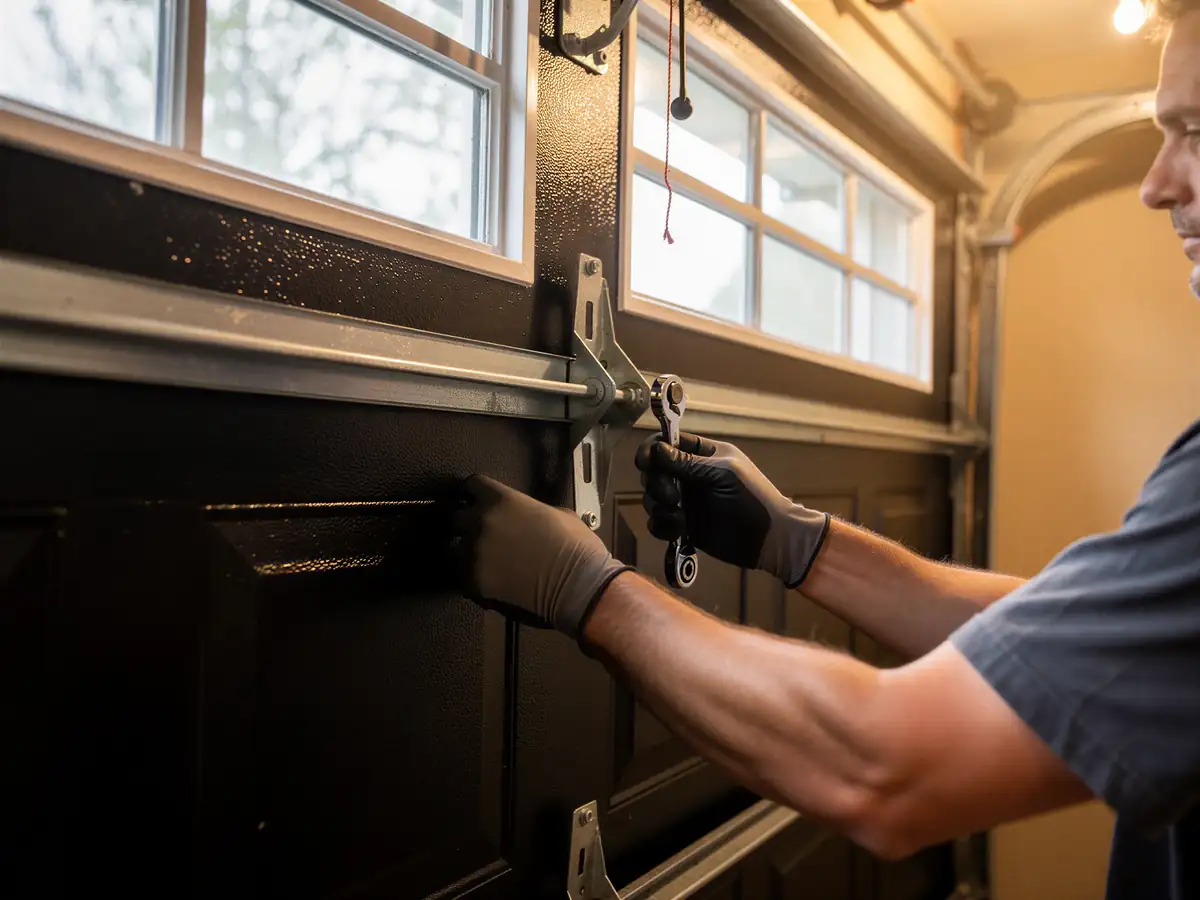
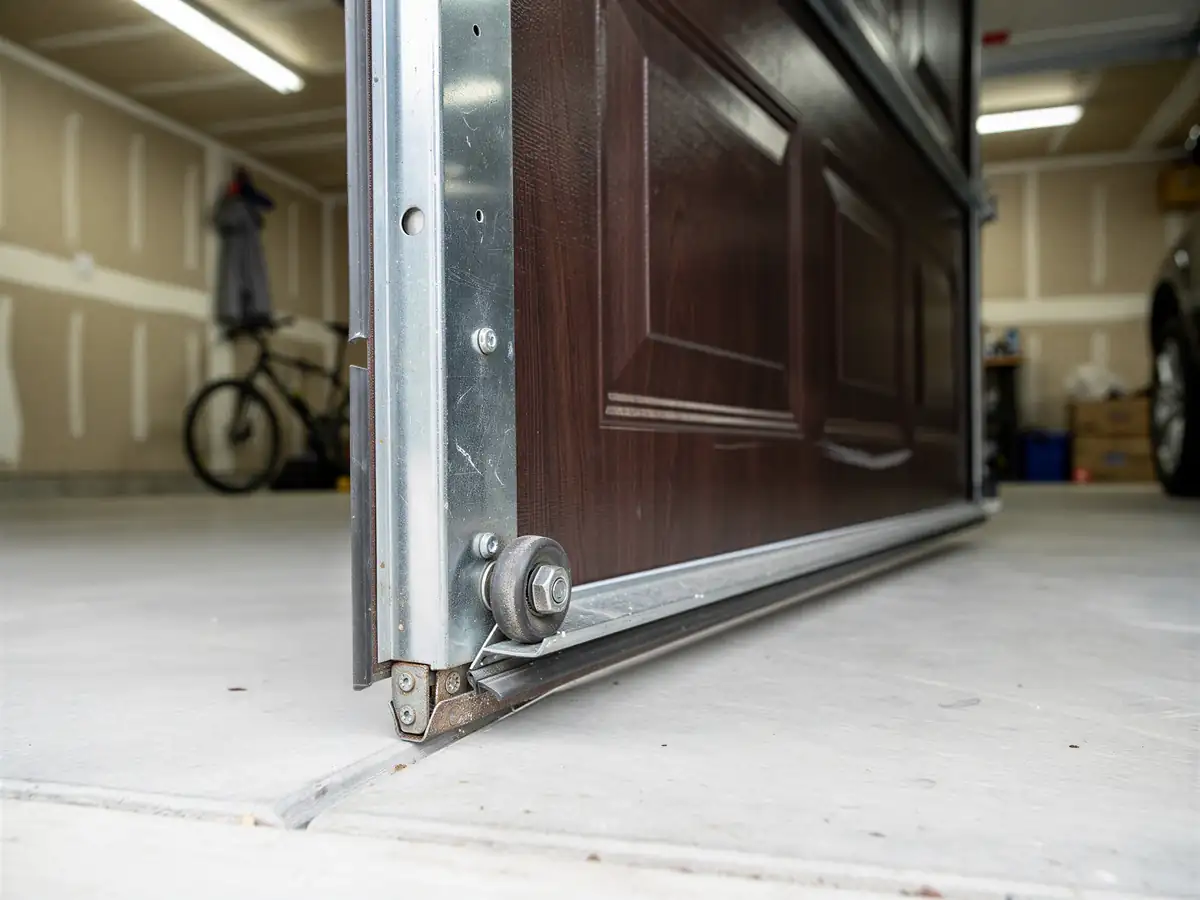
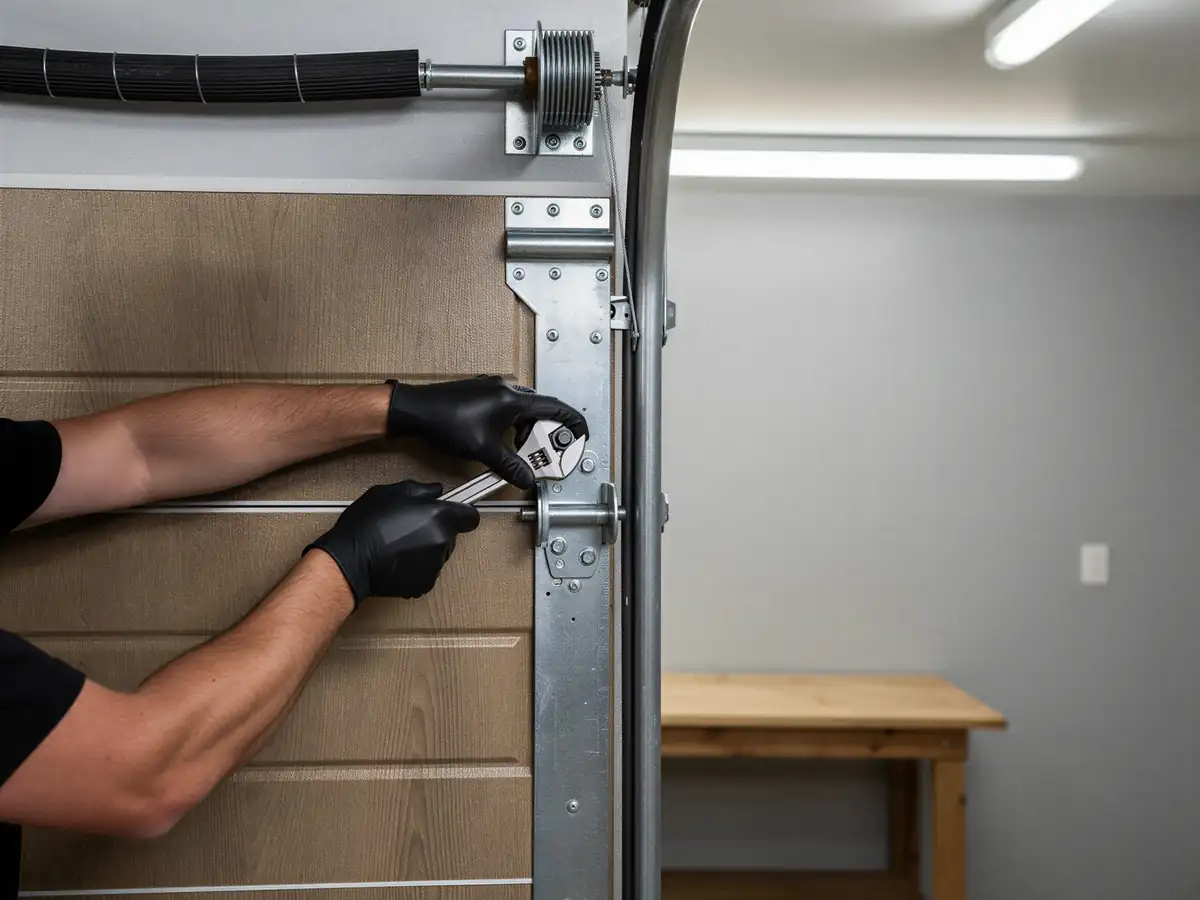
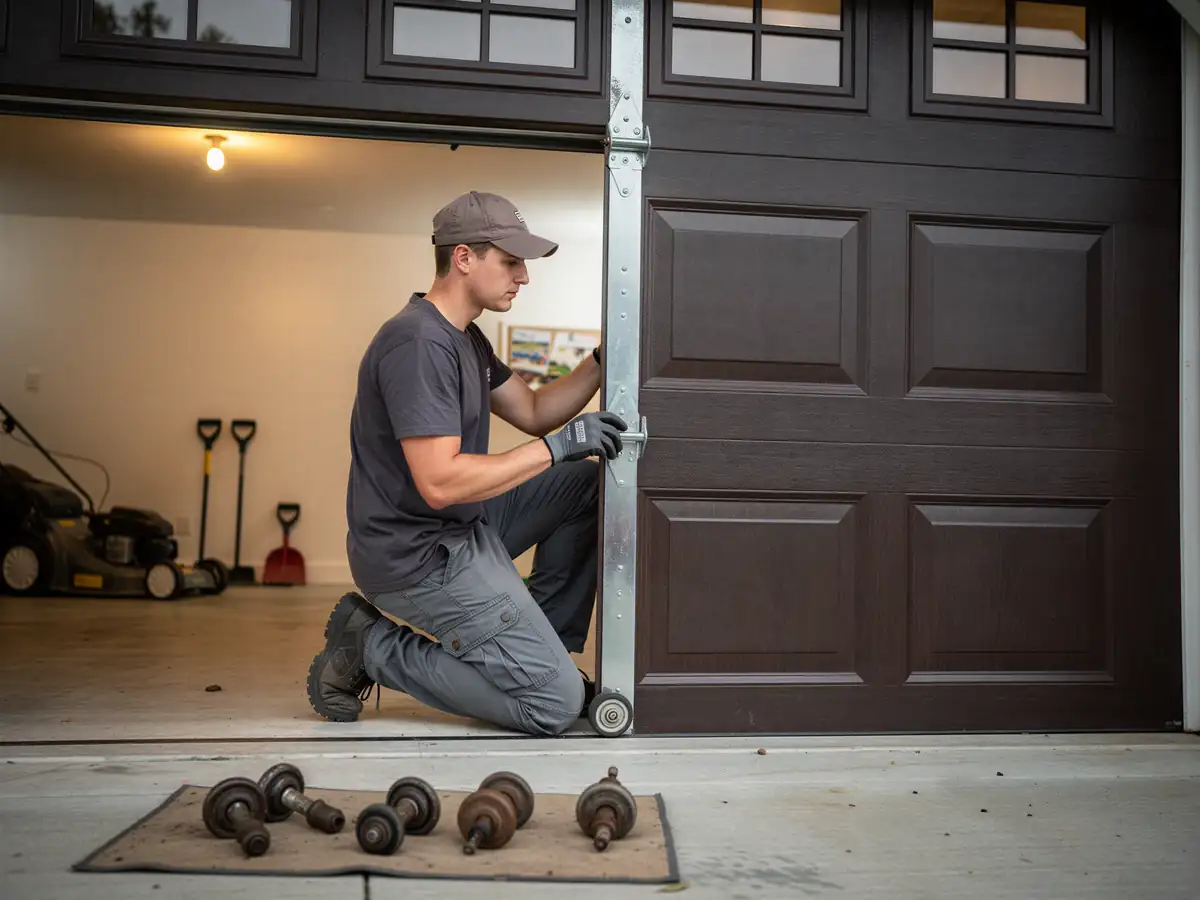
For roller work we carry both nylon rollers on sealed bearings and steel rollers in the common stem lengths, plus the hex-stem and round-stem variants that show up depending on which track hardware a door was built with. Houses in this area median out to construction around 1983, which puts a lot of doors here on steel rollers from an era before nylon became the standard upgrade - so we stock steel replacements as often as we stock nylon, not just nylon as an upcharge. We also carry roller brackets, since a worn roller sometimes takes the bracket with it, and a short length of track in case the roller damage has already started chewing into the rail. What we don't carry is custom or oversized track for a nonstandard door opening - if a Colfax door turns out to need that, it's a return trip once the part is ordered.
What Causes It Around Here
With a median build year around 1983, most Colfax garage doors are old enough that their original rollers have outlived any reasonable service life - ten rollers a side, run for four decades on a door that's opened and closed tens of thousands of times, are going to be worn smooth, cracked, or missing their bearing entirely. Across the wider area, housing generally dates from 1938 to 1984, with the bulk of stock from the 1960s and '70s, so Colfax sits at the newer end of that range - which in practice means steel rollers on hardware that was built to last, not the cheap plastic rollers found on some newer tract construction. The climate band here is mild with occasional freeze, which isn't hard on rollers the way a hot-and-dry or salt-air climate would be - so when a roller fails here, it's almost always age and cycle count, not weather.
The Complications
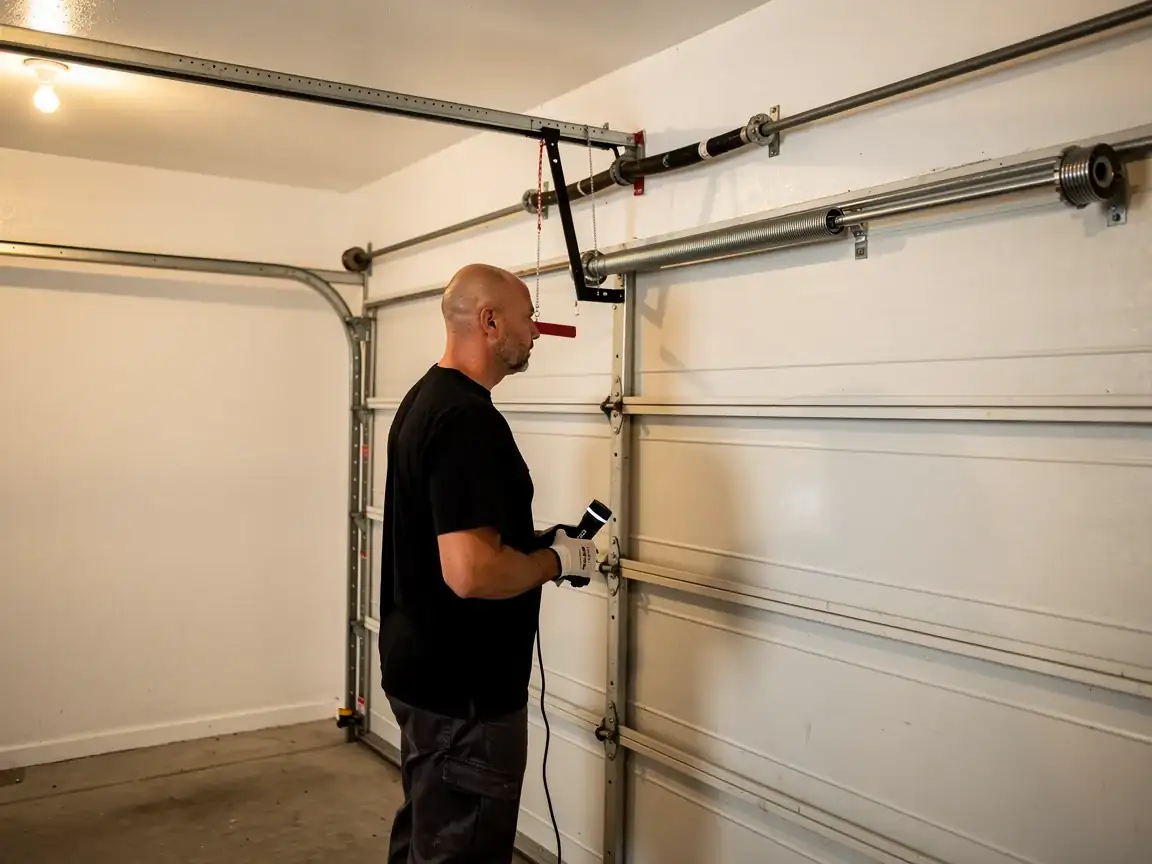
The complication that shows up most on a door this age is a bent or worn track riding alongside the bad rollers - once a roller starts to go, it can walk sideways in the track and wear a groove that a fresh roller won't ride smoothly in. We check the track on every roller call for that reason, and if it's worn, swapping rollers alone won't fix the noise. The other complication, less common but real, is a bottom bracket that's rusted or stripped from decades of the door's own weight pulling on it - that's a bracket-and-roller job, not a roller-only job, and it changes both the time and the parts list. We don't straighten badly bent track on site; past a certain point of bend, replacing the section is faster and holds up better than trying to hammer it back true.