What It Costs
Colfax's median household income sits at $74,583, well under the $91,135 median across the rest of the Grass Valley Garage Door Pros service area. That gap matters more than it sounds like it should, because it's the number that decides whether a broken spring or a dead opener gets fixed or replaced. At the area-wide income level, a full door-and-opener swap is an easier call to make. At Colfax's level, more households are better served by repairing what's there - a new torsion spring, a new logic board, a cable and drum set - and getting another decade out of the door instead of starting over. We don't quote a number here because it depends on what's actually broken and what the door is, but the math changes which option we lead with. A door that's otherwise sound and just lost a spring is almost always worth fixing on a budget like this one. A door with a bent track, a rusted-through bottom panel, and a spring gone in the same visit is a different conversation.
We'll tell you straight which side of that line your door falls on before we start work, not after.
What Is on the Truck
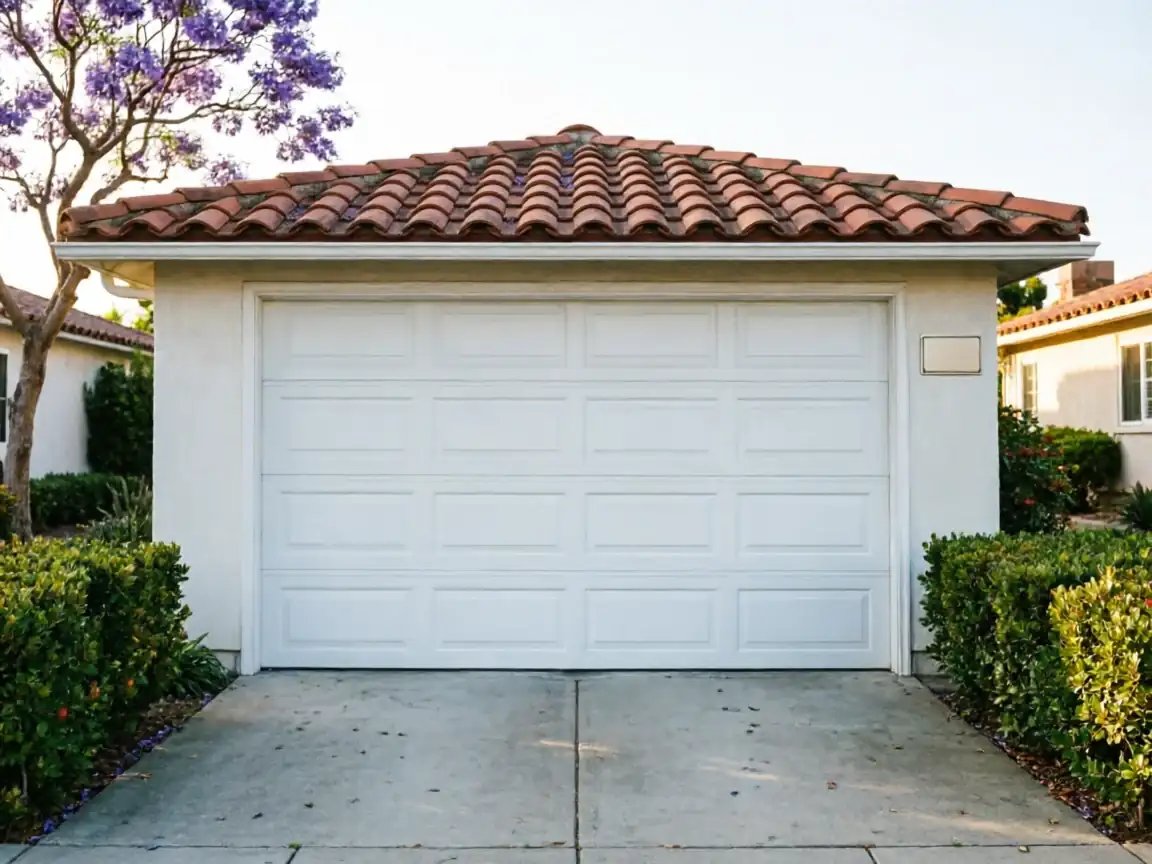
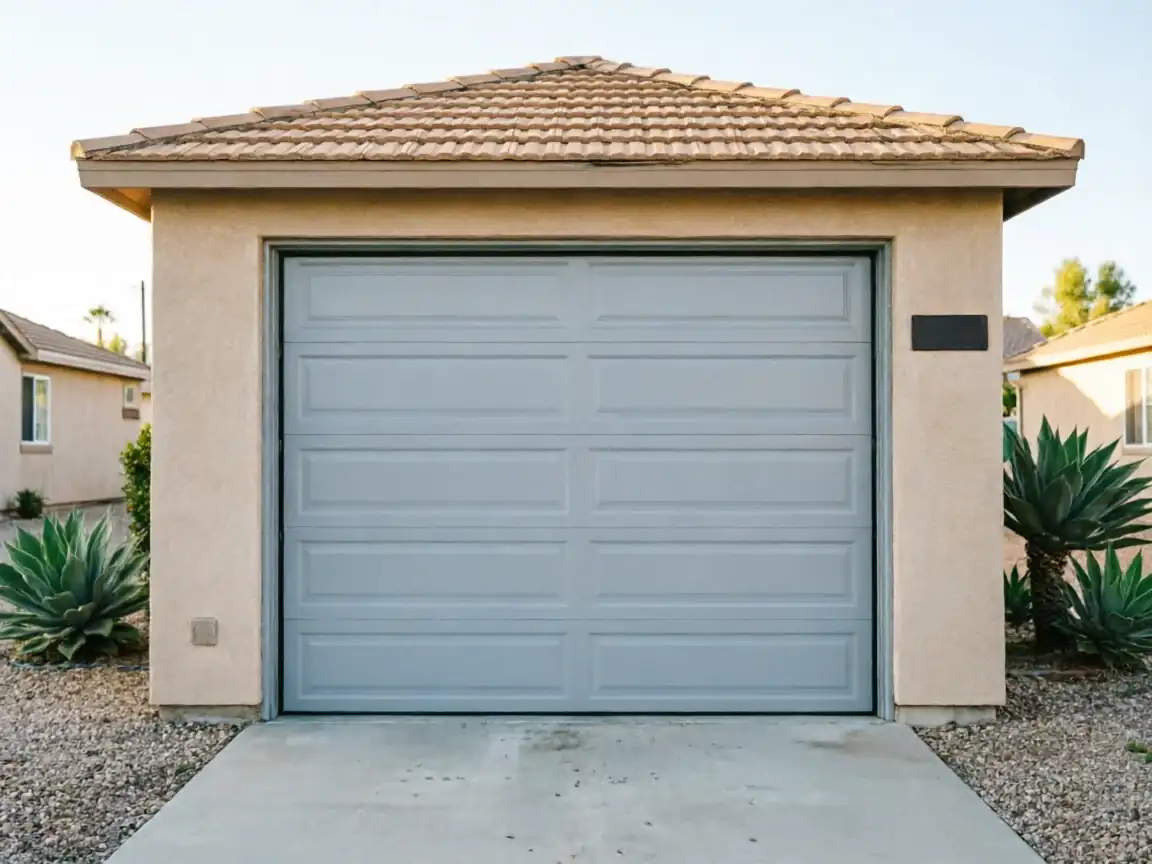
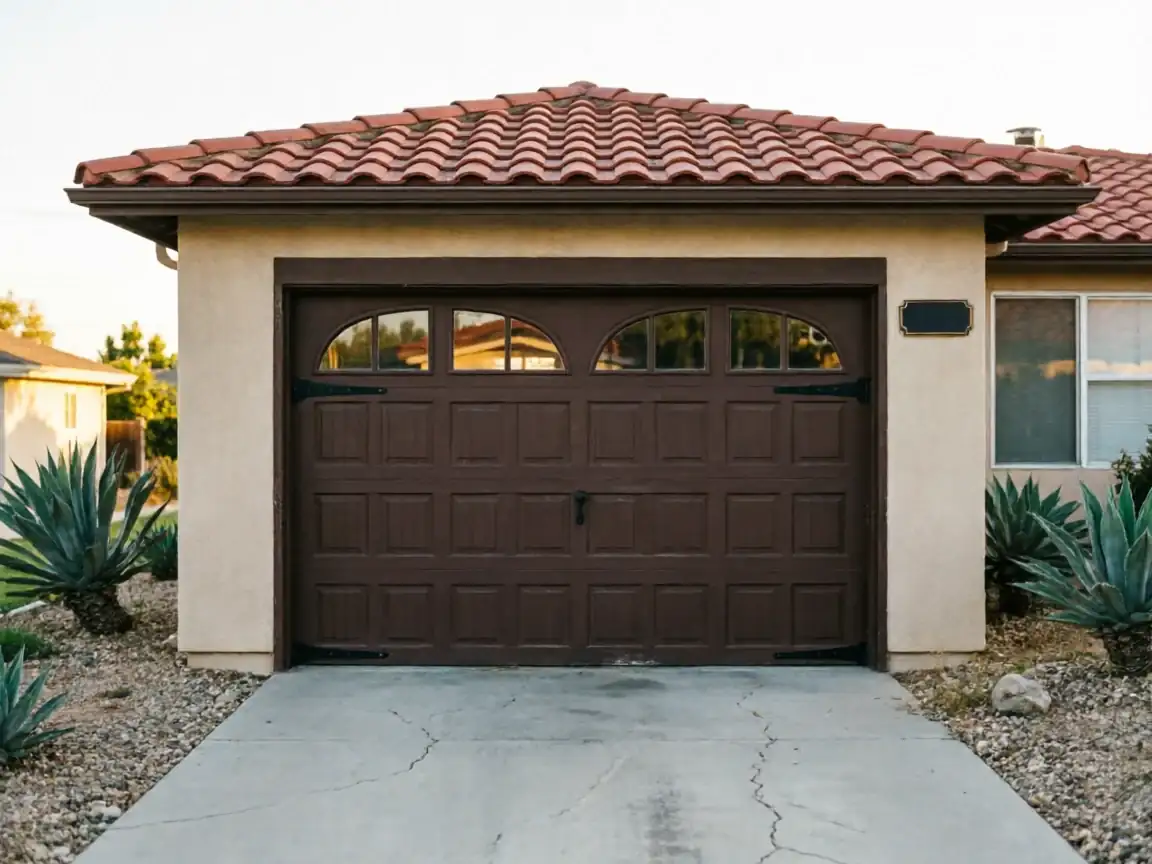
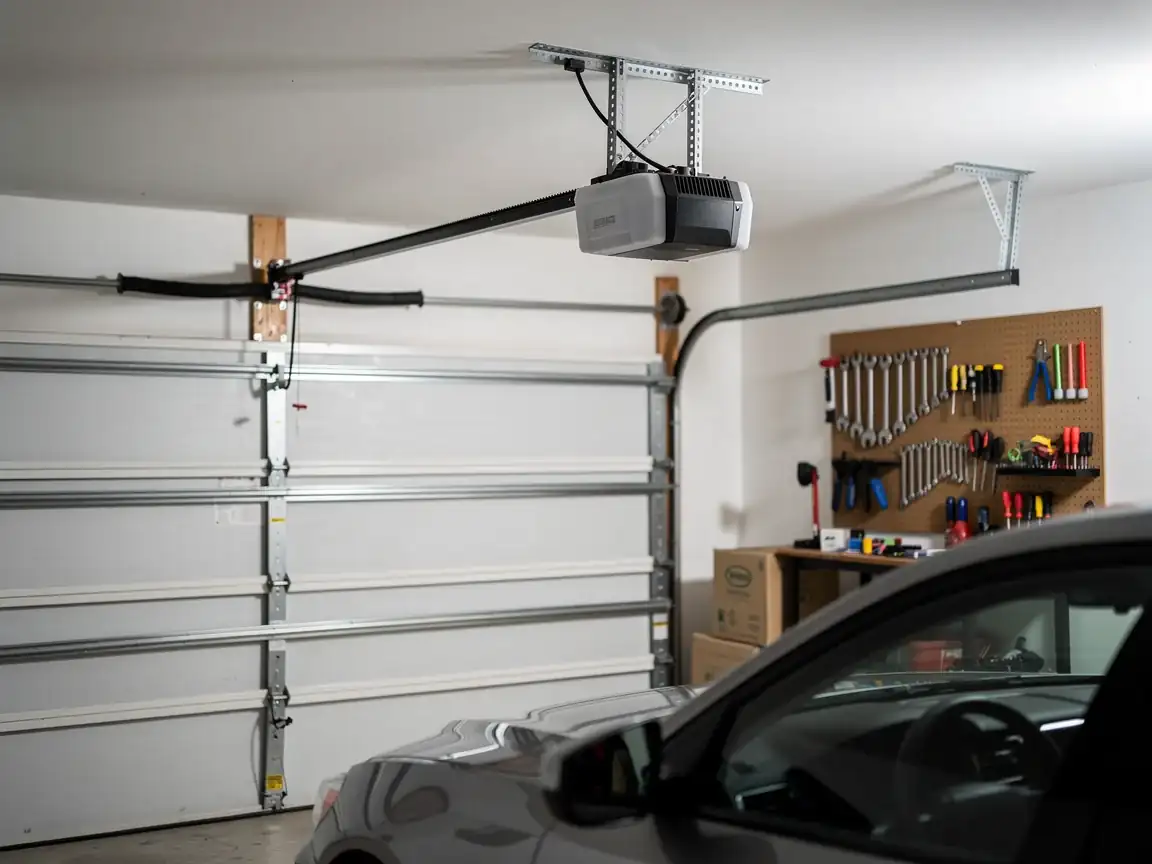
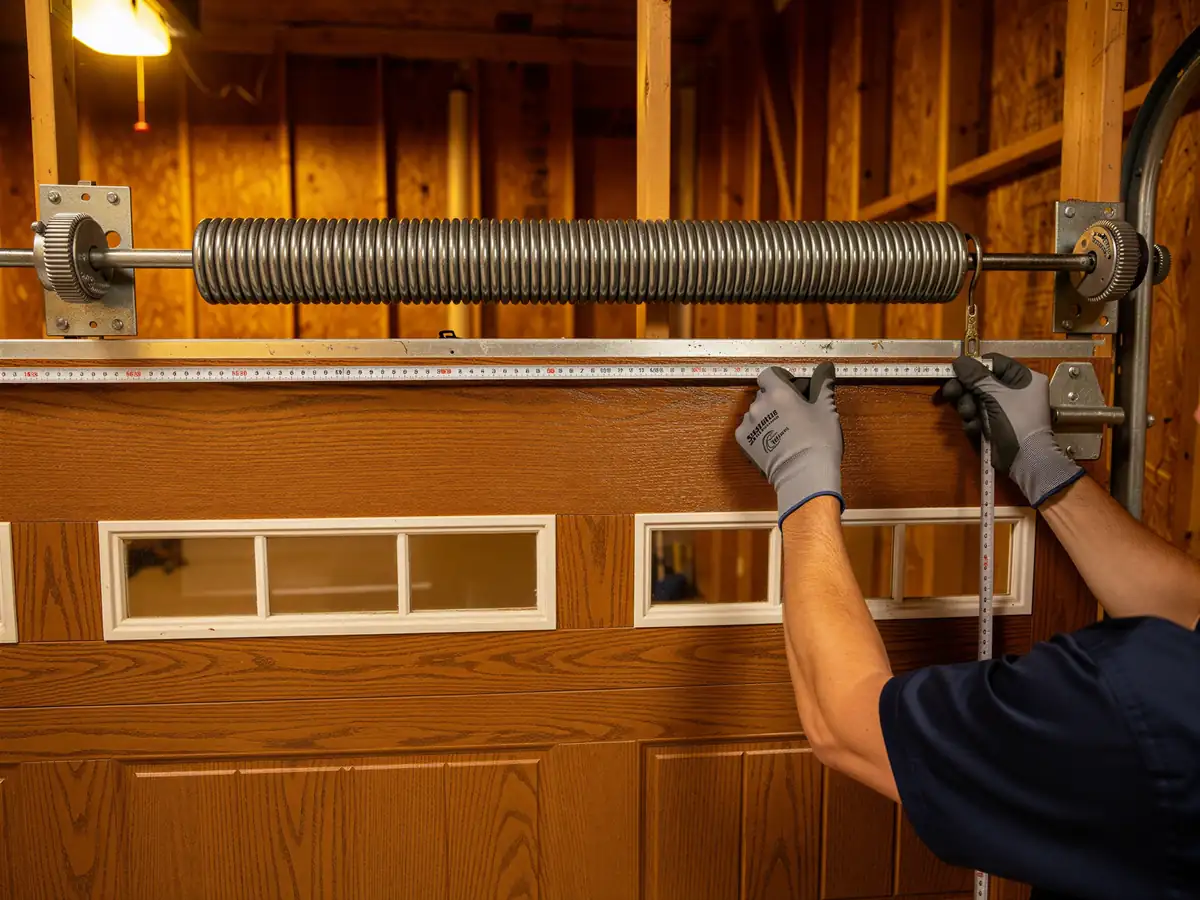
Colfax's housing stock runs newer than a lot of the surrounding area - the median home here was built around 1983, compared to the broader service area's median of 1977 and a housing range that stretches back to 1938. That difference shows up in what we carry for this town specifically: factory steel sectional doors with torsion springs mounted on a center shaft, not the older side-mounted extension setups or the one-piece tilt-up doors you still find in the pre-1960s pockets closer to town. We stock common torsion spring sizes, standard galvanized cable, nylon and steel rollers, and openers that fit the chain-drive and belt-drive units typical of early-80s garage construction.
Here's the honest limit: if your door is an oddball width, a custom wood panel job, or an opener model that stopped being made years ago, we may not have the part on the truck. Some of that hardware has a lead time of a few days through a supplier, and we'll tell you that up front rather than promise something we can't deliver same visit.
Time on the Job
Colfax is about 10 miles out from Grass Valley
Farther than Rough and Ready at 5 miles or Alta Sierra at 6, closer in than Dutch Flat at 12 or Lake of the Pines at 13. That distance doesn't change how long the repair itself takes once the truck is parked in the driveway; a spring swap is a spring swap wherever it happens. What it does change is scheduling. Jobs out this way get grouped with other calls in the same direction when we can, which is why we'll ask what else is going on with the door before we lock in a time, rather than just the one symptom you called about.
On site, most single-issue repairs
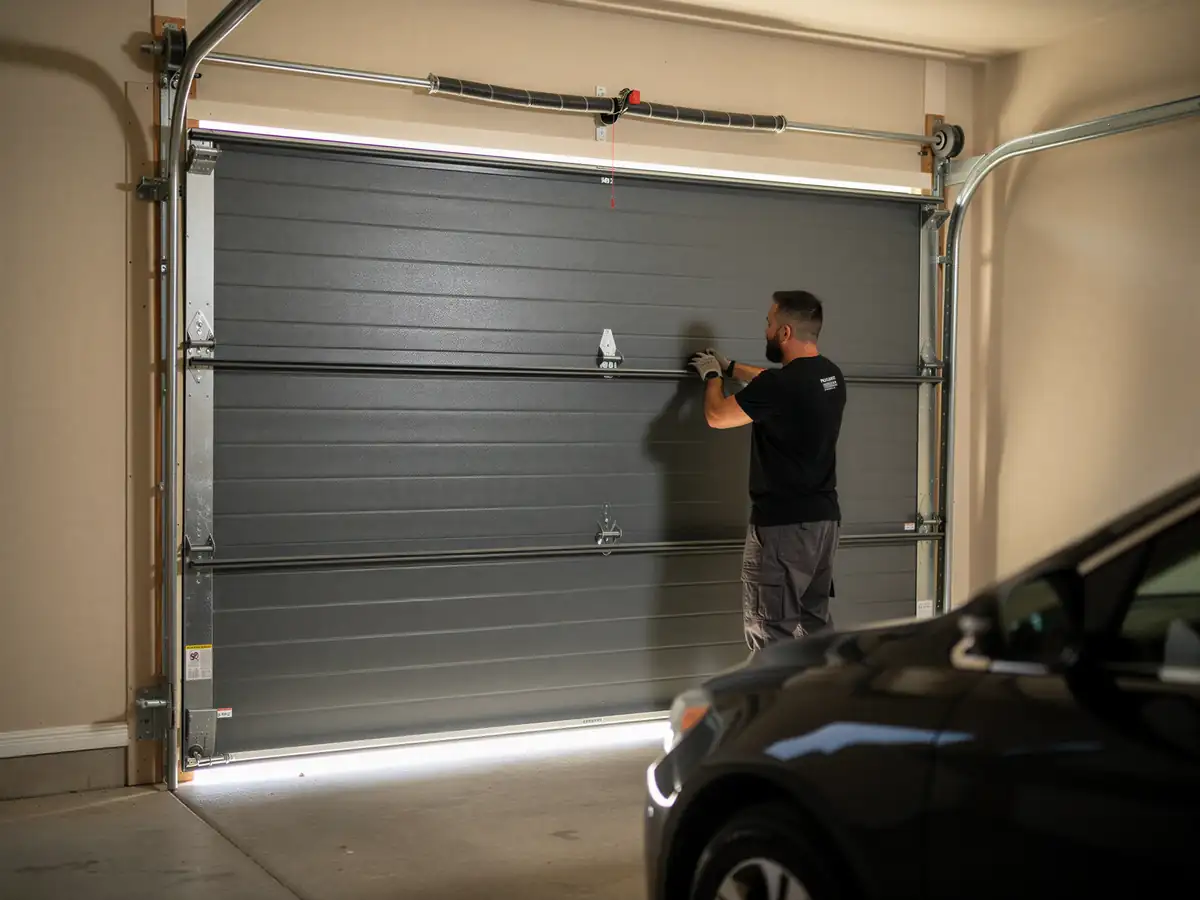
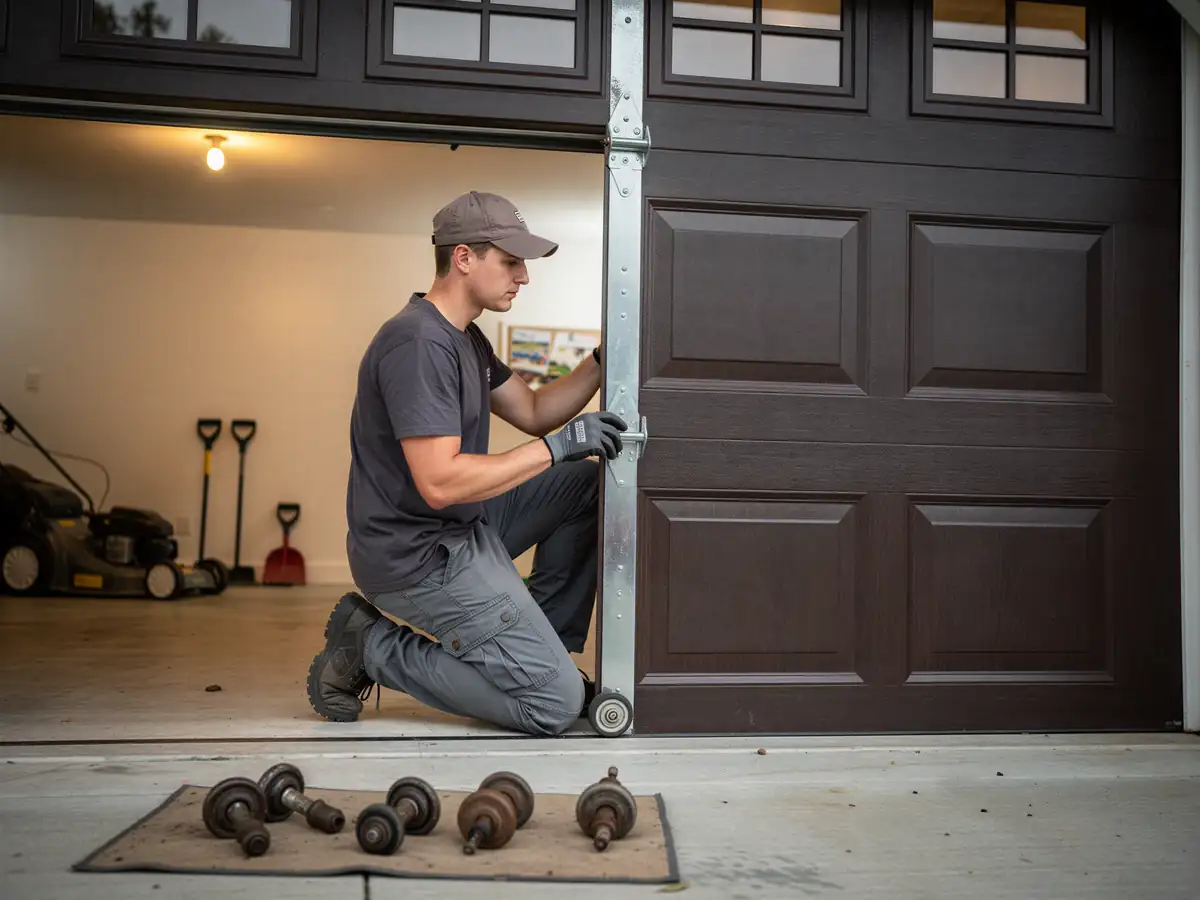
One broken spring, one bad sensor, one opener logic board - run under two hours. Full door replacements, including removing the old door and setting new track, take longer and usually get booked as their own appointment rather than squeezed into a repair slot.
What Causes It Around Here
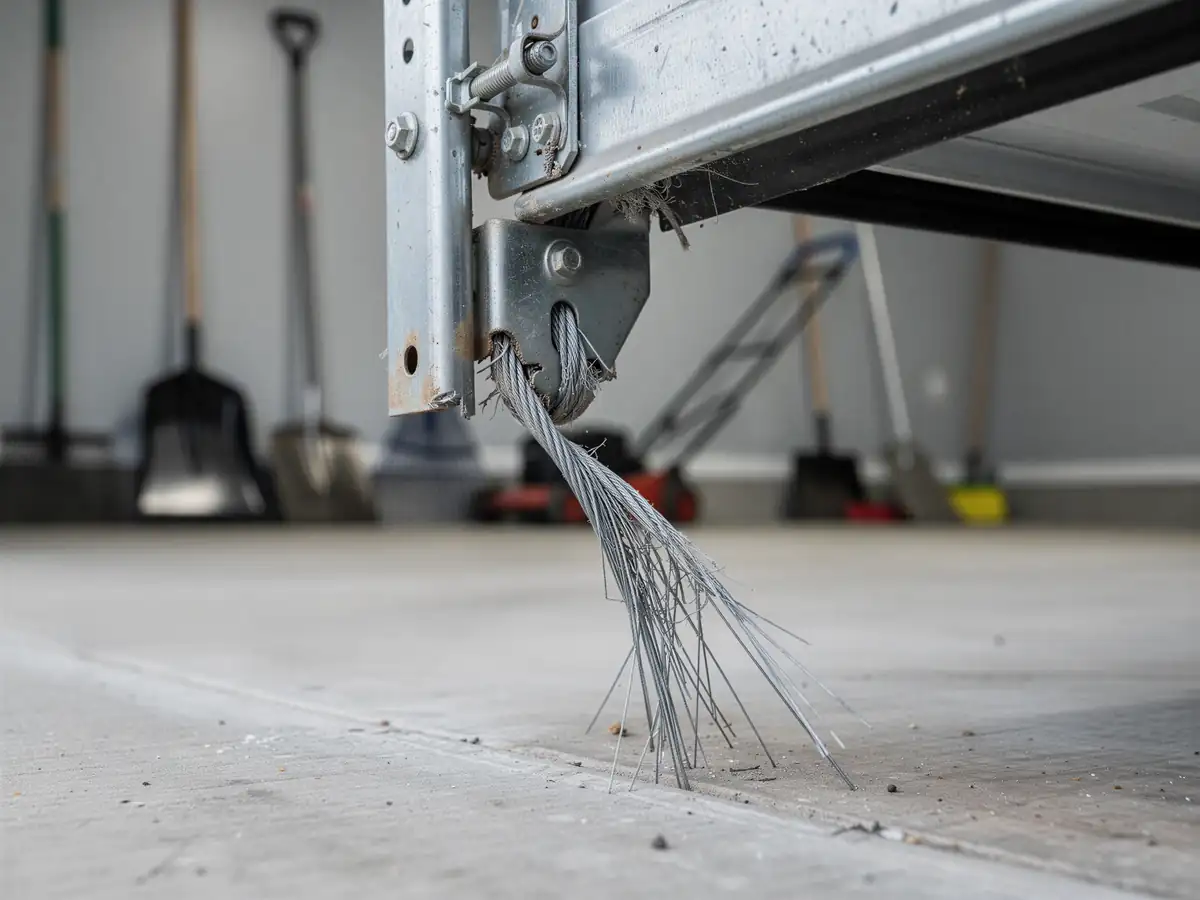
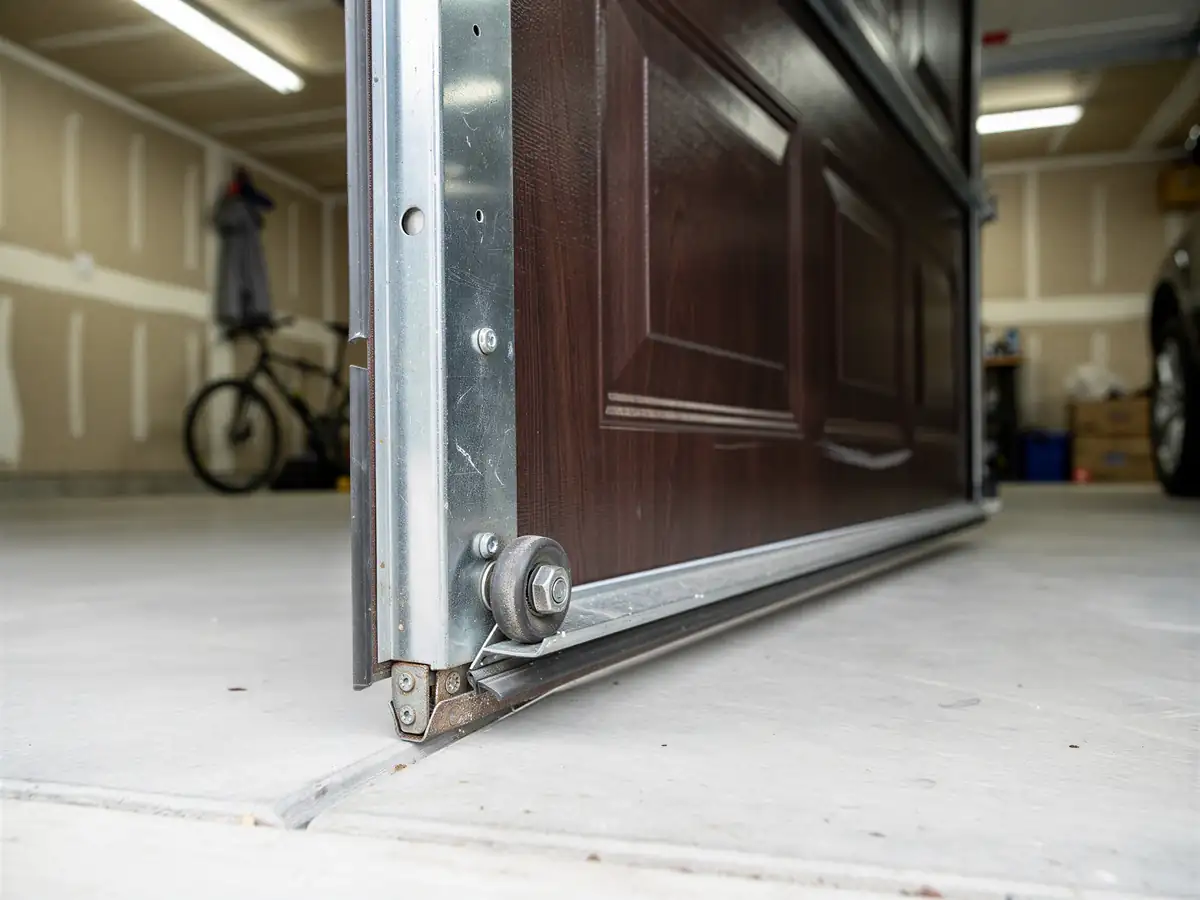
A door built around 1983 is now past 40 years old, and torsion springs are rated for a number of open-close cycles, not a number of years - so age itself is a factor even on a door nobody's touched. The most common call out here is a torsion spring that's simply fatigued out, usually on a double-wide door that gets more daily cycles than a single. Second most common: rollers that have worn down enough to bind in the track, which on an 80s-era steel door often shows up as a grinding or shuddering sound right before the opener gives up.
The region's climate band is mild with occasional freeze, which isn't severe weather by any stretch, but a cold enough night can stiffen spring steel and tighten cable just enough to turn a door that was marginal in the fall into one that won't lift at all come a cold morning. It's rarely the whole story on its own - usually it's the last push on a spring or cable that was already near the end of its life.
The Complications
Colfax has roughly 880 households, which is a small enough number that we're not running into the same handful of production-builder door models over and over the way we might in a bigger subdivision. That's a mixed bag: it means less chance of a part being a dead match for what's already on hand, but it also means more variation door to door, even on houses built the same year. Two homes from 1983 on the same street can have different opener brands, different spring configurations, and different track widths depending on who built them and what got swapped out over the decades since.
The other complication is distance-driven, not hardware-driven: if a job turns out to need a part we don't carry, the trip back costs more time out here than it would closer to Grass Valley. We try to catch that on the first visit by asking what's wrong in enough detail to load the right parts before we head out, but garage doors don't always tell the whole truth over the phone.
What the Repair Takes
Most repairs on a door from this era come down to three things
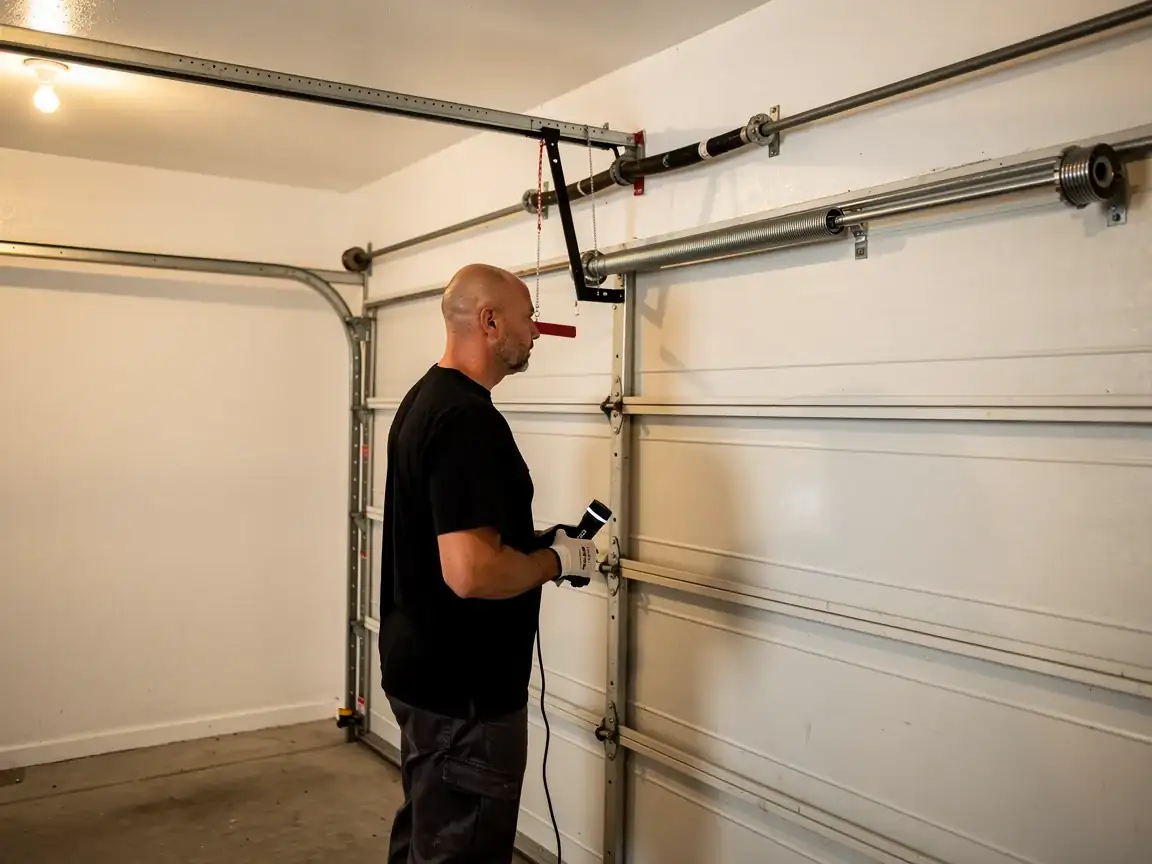
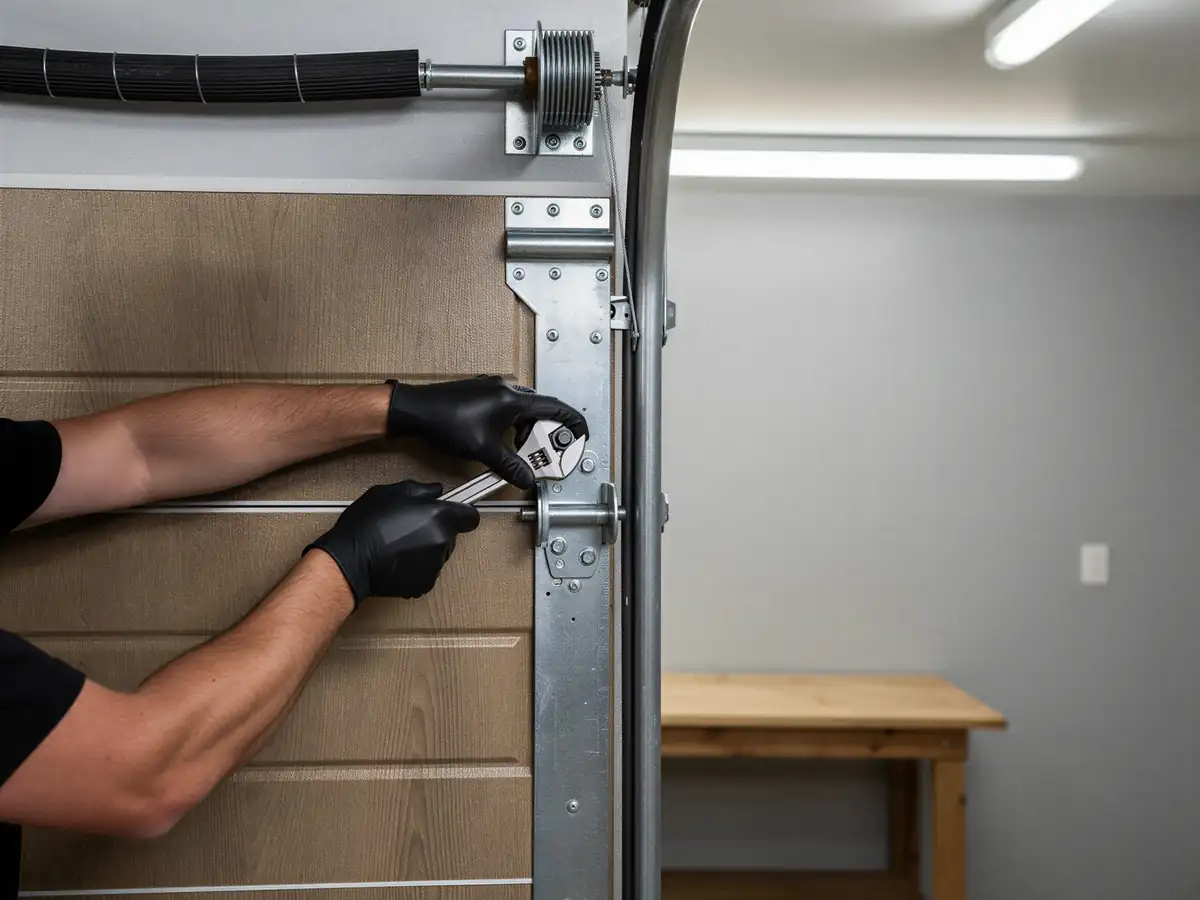
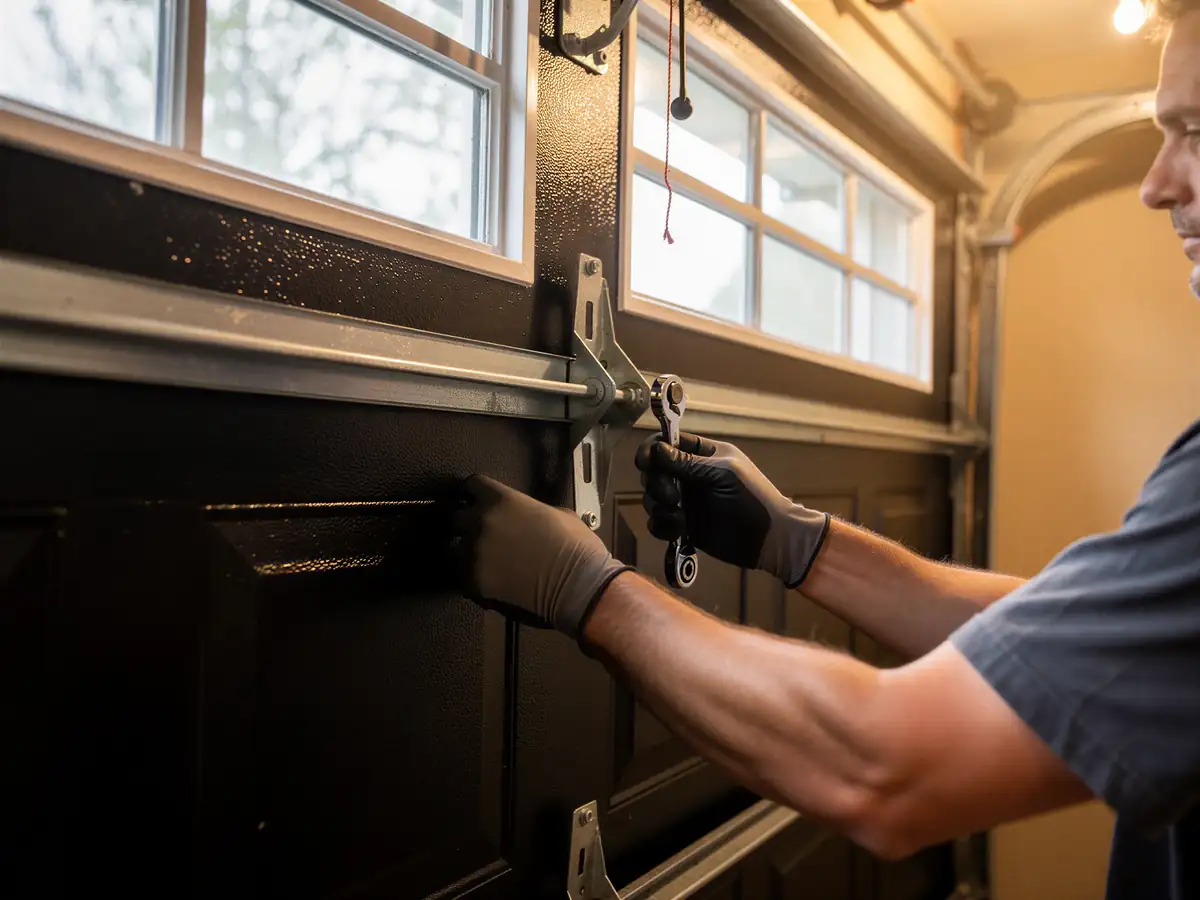
The spring system, the rollers and track, and the opener electronics. We check the spring tension and balance first - a door that's hard to lift by hand is usually a spring problem before it's an opener problem, and replacing an opener on a door with a bad spring just burns out the new opener too. Track alignment comes next, especially on doors that have had a bent section straightened out at some point rather than replaced; a straightened track holds for a while but it's never quite as sound as new.
The limitation worth saying plainly
If the door itself has sagged, split a panel, or rusted through at the bottom, no spring or roller swap fixes that. At that point repair is throwing good money after a door that's going to need replacing within a year or two anyway, and we'd rather tell you that now than sell you a patch job.