What It Costs
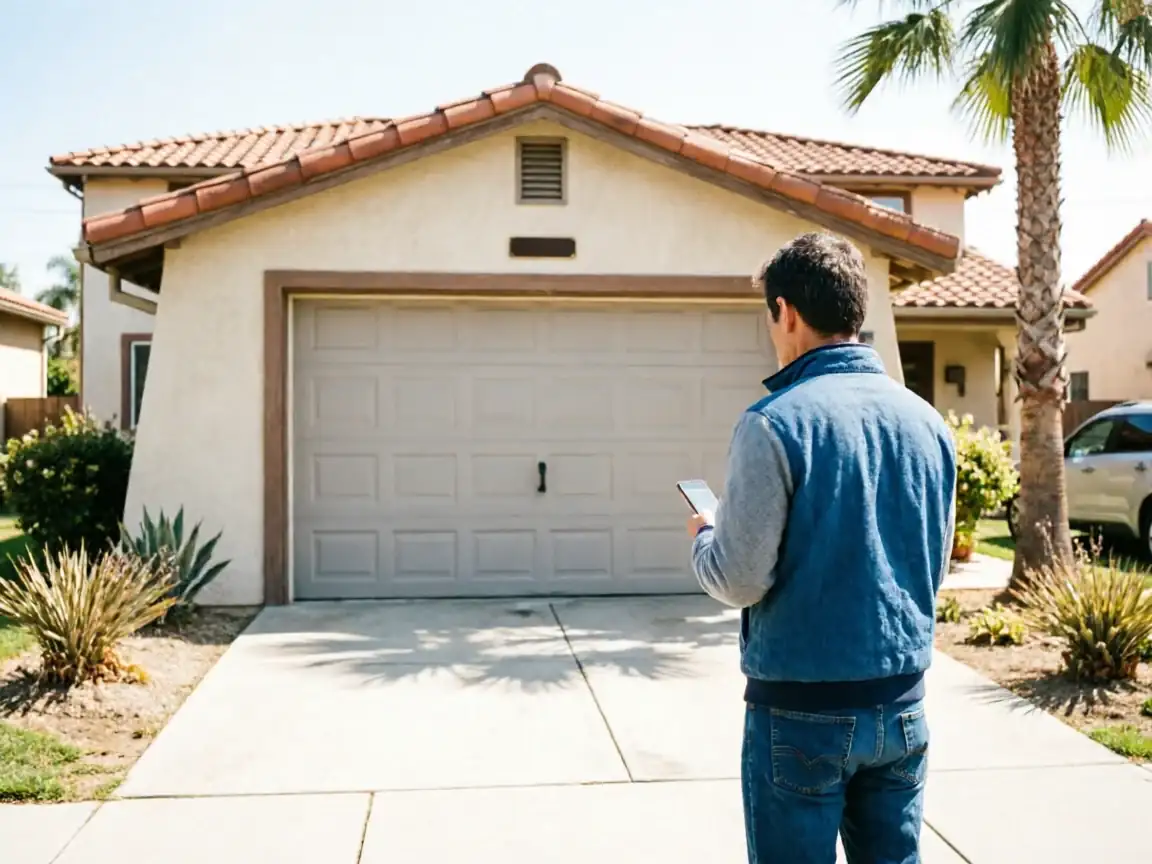
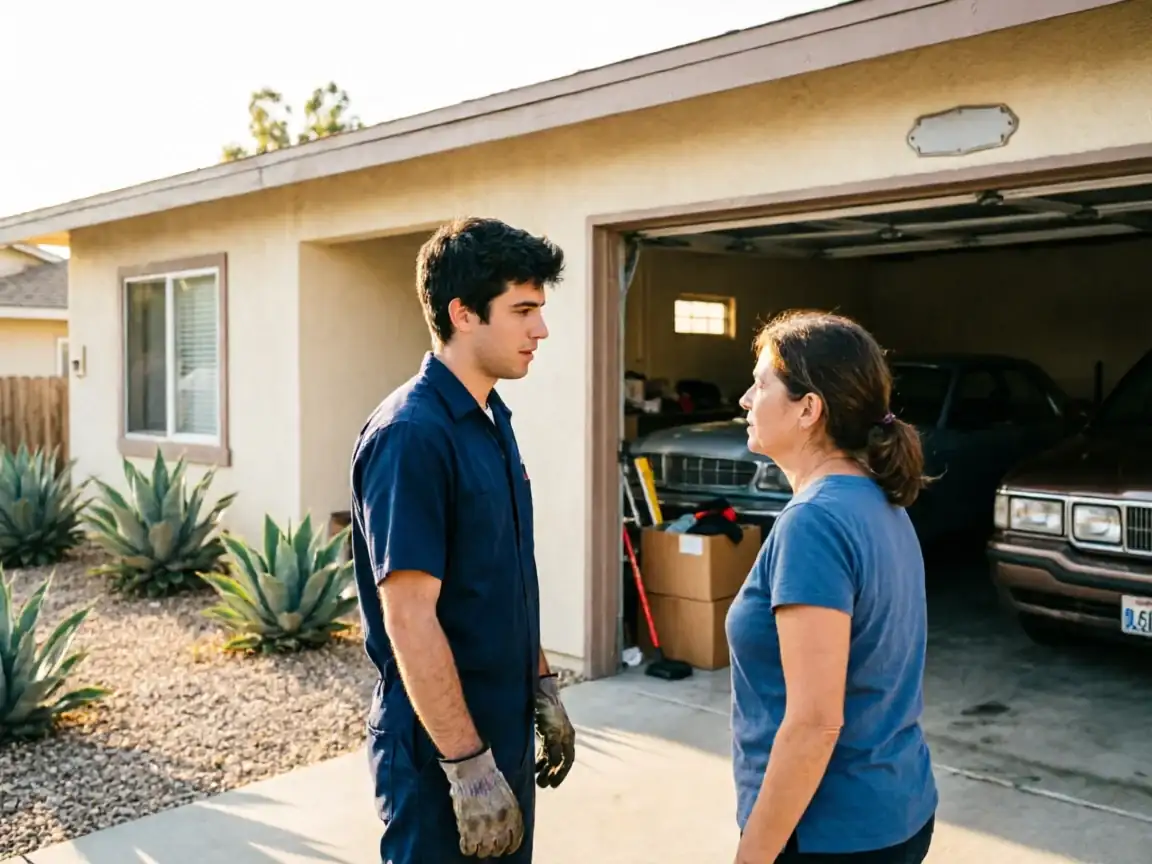
We don't quote a price over the phone for an off-track door, and we won't invent one here. What it costs depends on whether the rollers jumped the track and bent nothing, or whether a cable came off the drum and pulled the bottom bracket out of square. Colfax houses run newer than a lot of what we see closer to Grass Valley - the typical build year out here is 1983, late enough that many garages got extension-spring setups or early torsion conversions rather than the oldest one-piece hardware. That generally means standard track and standard brackets, which keeps parts simple even when the labor to re-square everything isn't quick. We'll look at the door, tell you what's bent and what's not, and give you a number before we touch anything.
What Is on the Truck
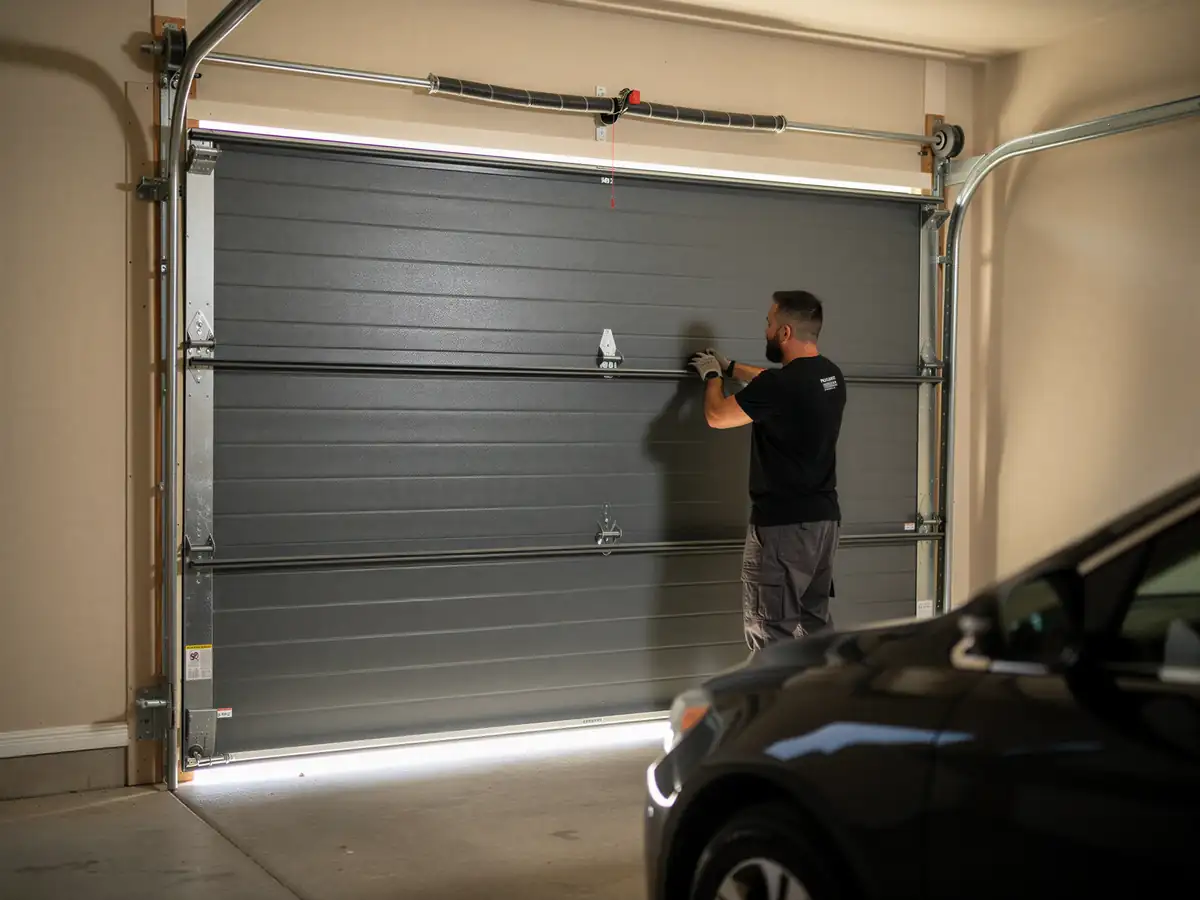
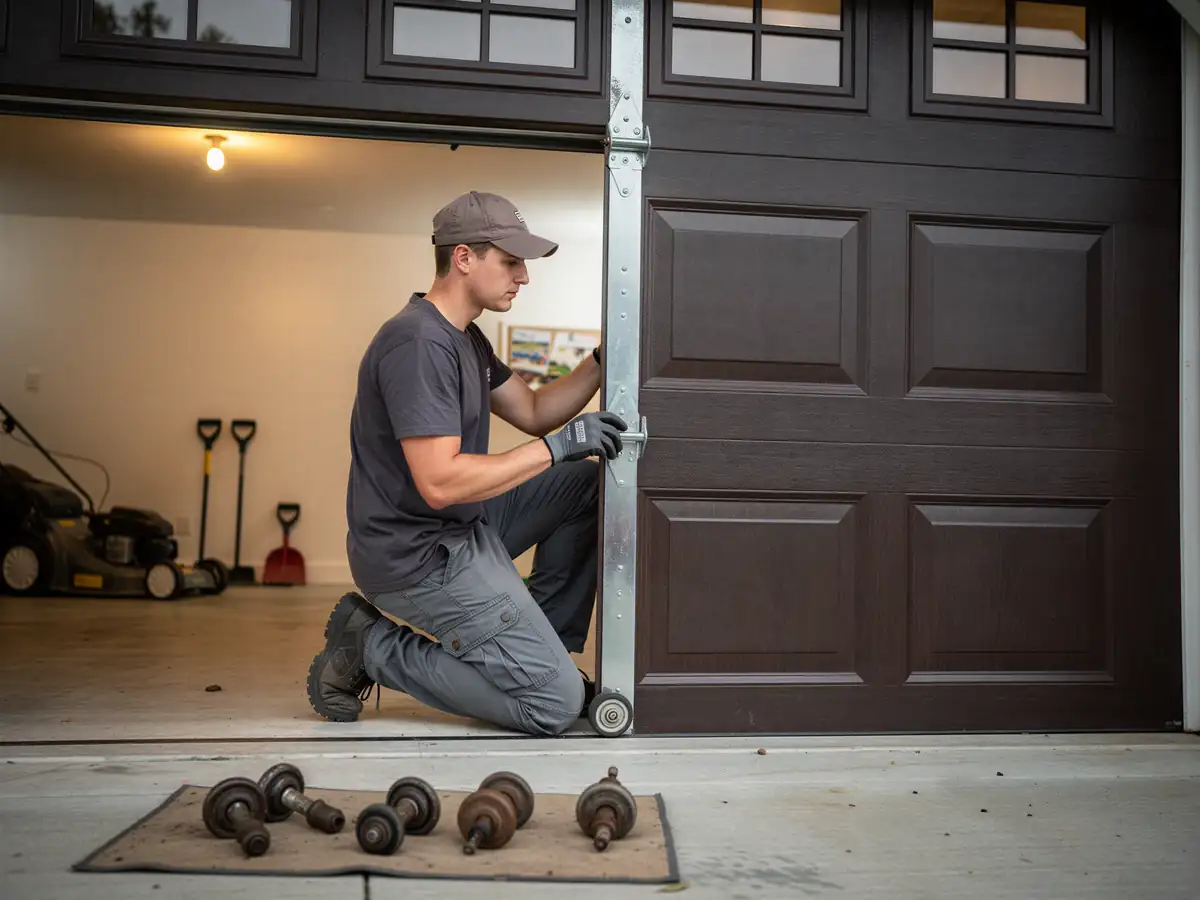
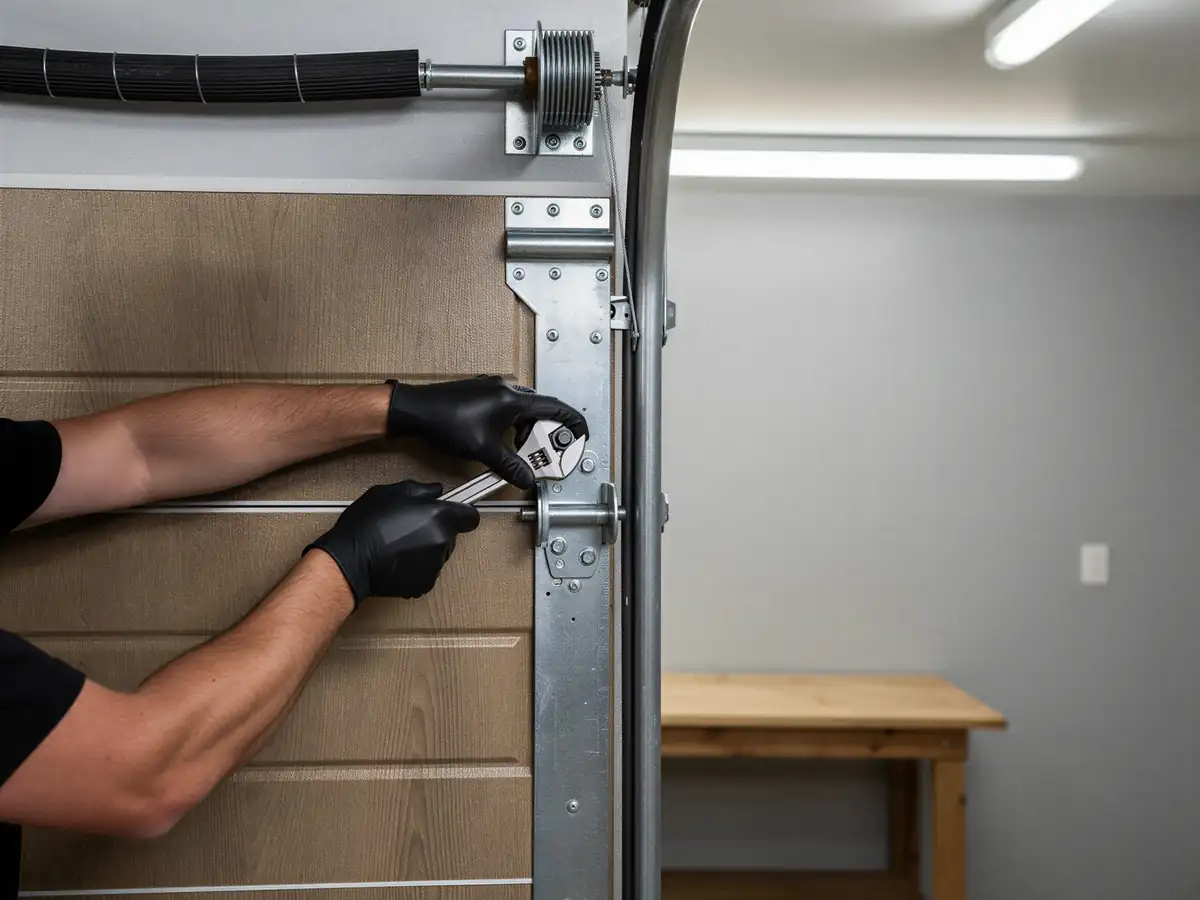
The truck carries track sections, roller sets, cable, and bottom brackets sized for the sectional doors that went up on homes from the late 1970s through the mid-80s, which is most of what's in Colfax. That covers the common failure - a roller that's worn its wheel down and let the door walk sideways out of the track. What we don't stock for every call is a replacement panel matched to an odd paint or a discontinued profile; if a track jump cracked a panel on an older-style door, that part may need to be ordered, and we'll tell you the lead time instead of guessing at it.
What Causes It Around Here
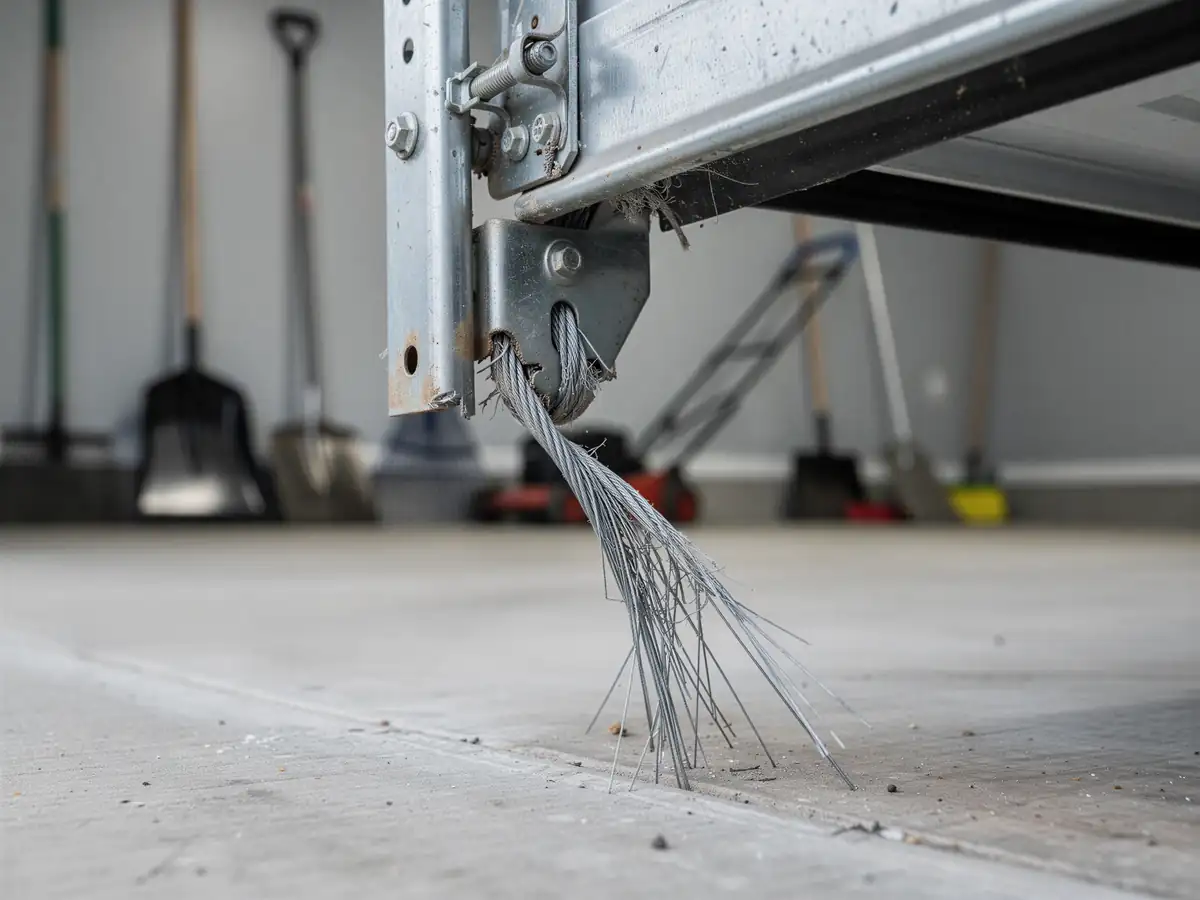
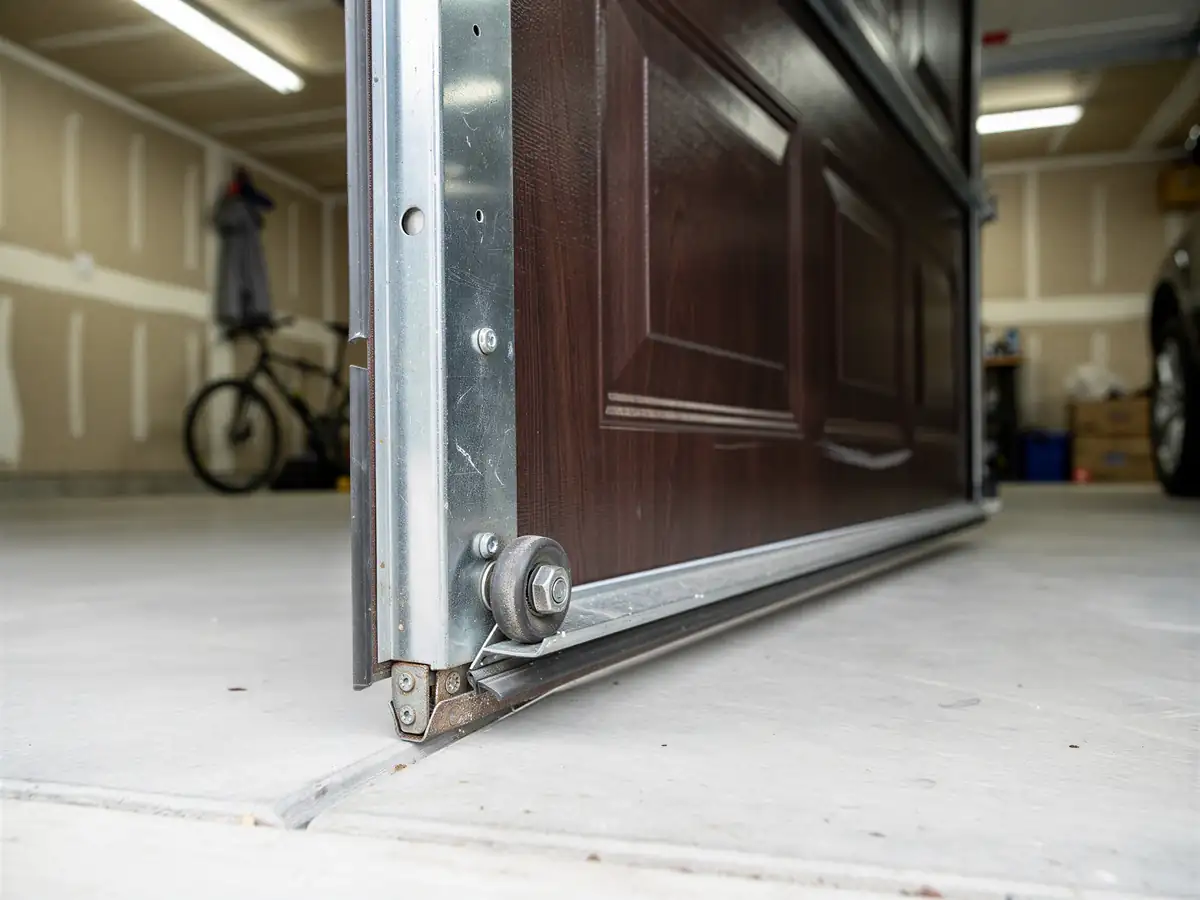
The 1983 median build year in Colfax means most garage doors here are original or close to it on hardware that's now pushing four decades old. Rollers that have run that long wear unevenly, and a worn roller is the single most common reason a door climbs out of its track instead of riding smooth. We also see it after someone backs into a partially open door, or after a cable frays and lets one side of the door drop faster than the other, twisting it off the rail. None of that is specific to extreme weather - this area sits in a mild climate band with only occasional freeze, so we're not chasing ice-jammed tracks like you'd see at real elevation.
The Complications
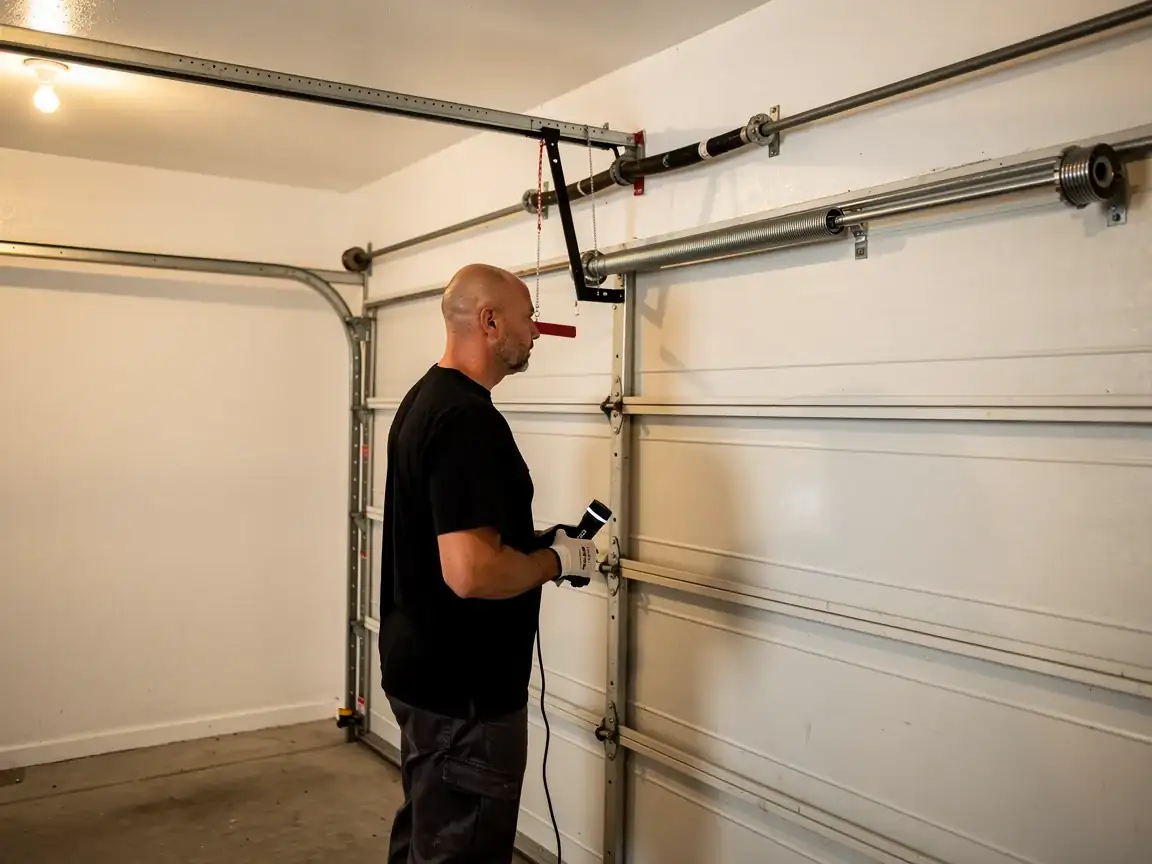
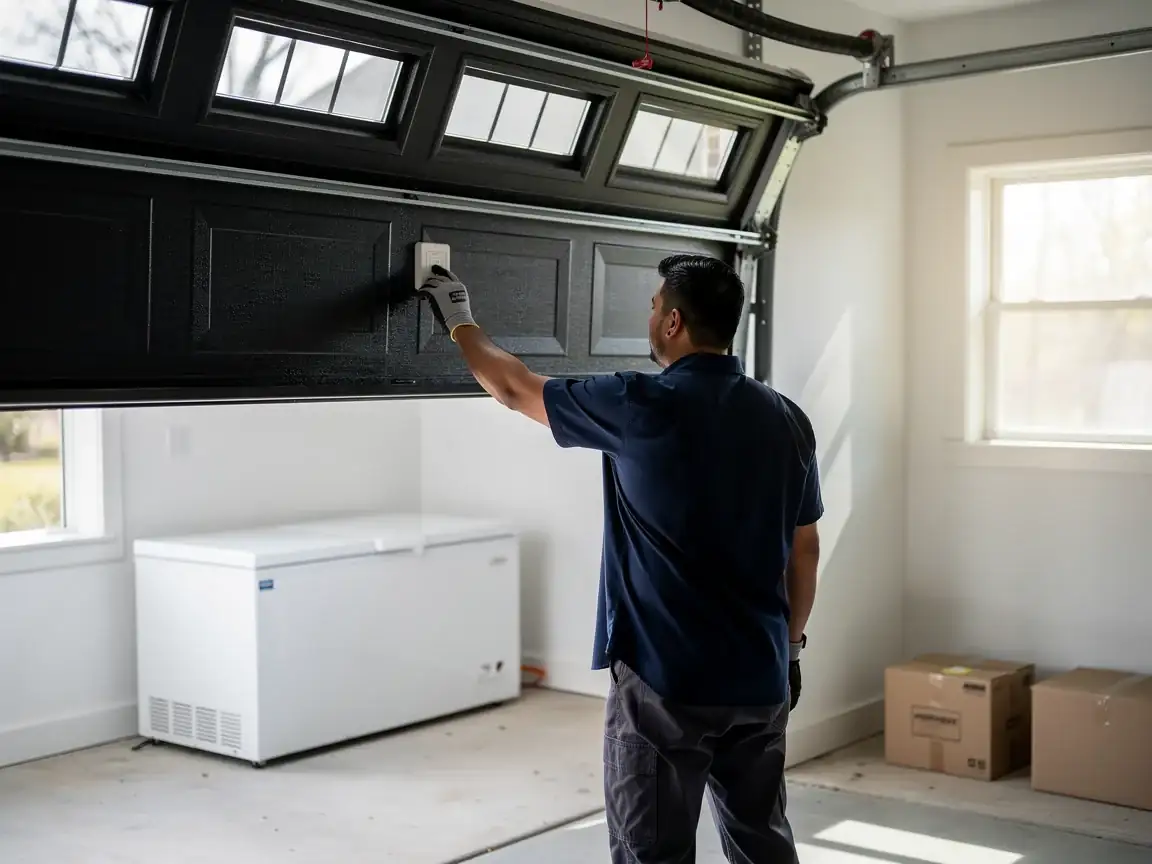
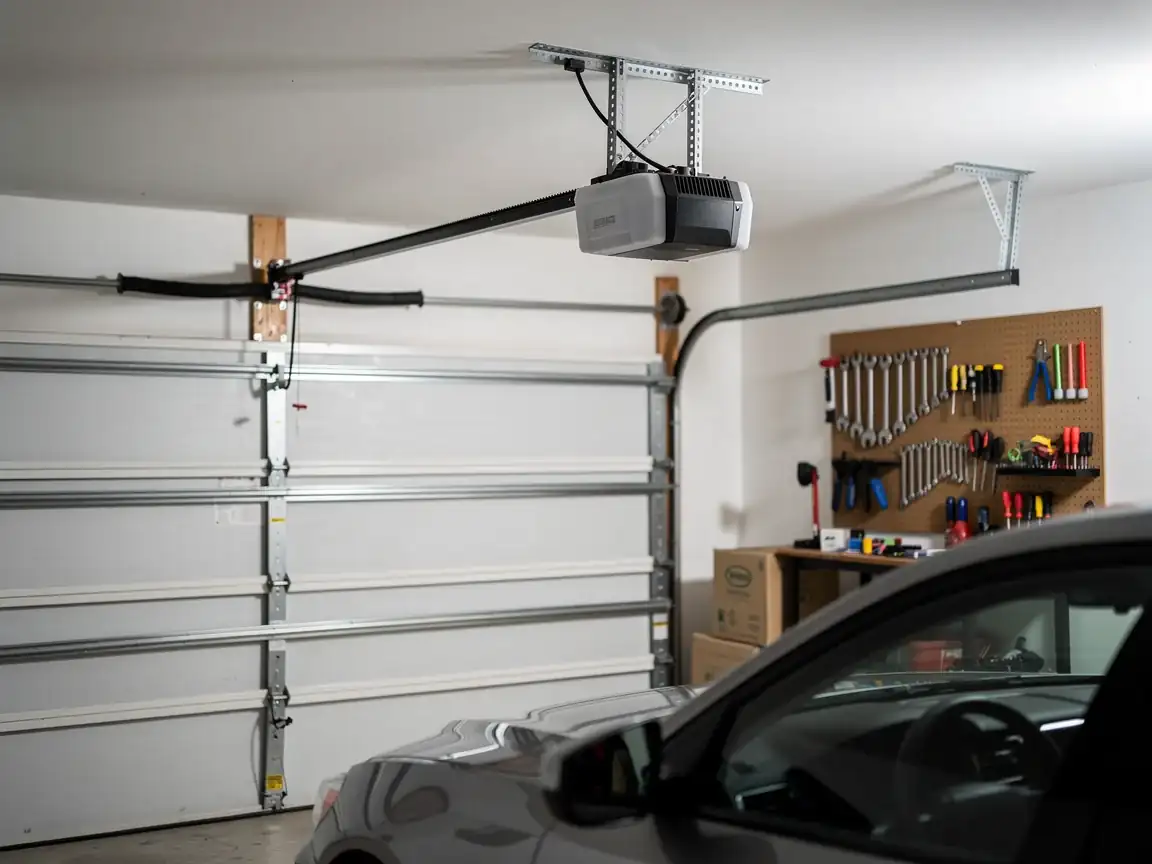
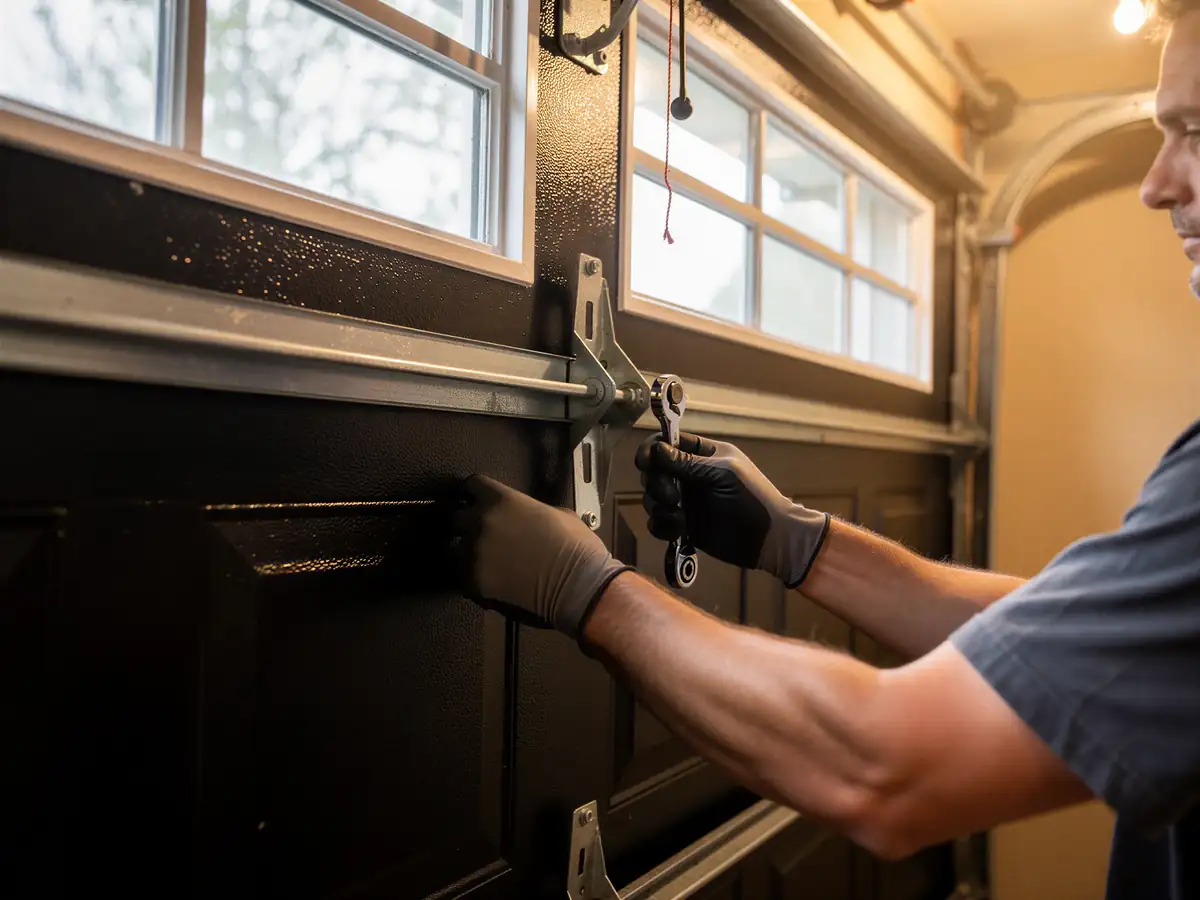
The complication that actually changes the job is a bent track versus a track that's just empty. A door that comes off clean, with the track still straight, is a bracket-and-roller job. A door that got forced - somebody kept pulling the opener after it jumped - can tweak the horizontal track enough that it needs replacing, not just re-seating. We also check the bottom brackets and cables while we're in there, because a cable that caused the derailment in the first place will do it again if we only fix the symptom. Honest limitation: if the track is bent in more than one spot or the opener's drive gear got stripped fighting the stuck door, that's no longer a quick fix and we'll say so rather than patch it and have you call again in a month.