What It Costs
We don't have a Colfax-specific price list to post here, and quoting a number without seeing the door would be a guess, not a fact. What we can tell you is that the age of your door matters more than most homeowners expect. Colfax's housing stock runs younger than the wider Grass Valley service area - the median build year out here lands around 1983, a few years past the 1977 median across the broader territory. That gap sounds small, but it's often the difference between a door still on its original torsion spring and one that's already had a spring swap or two. A newer door usually means more common hardware, which usually means a faster parts match and a simpler bill. An older one can mean special-order track brackets. We price the job after we've looked at what's actually on the wall, not before.
What Is on the Truck
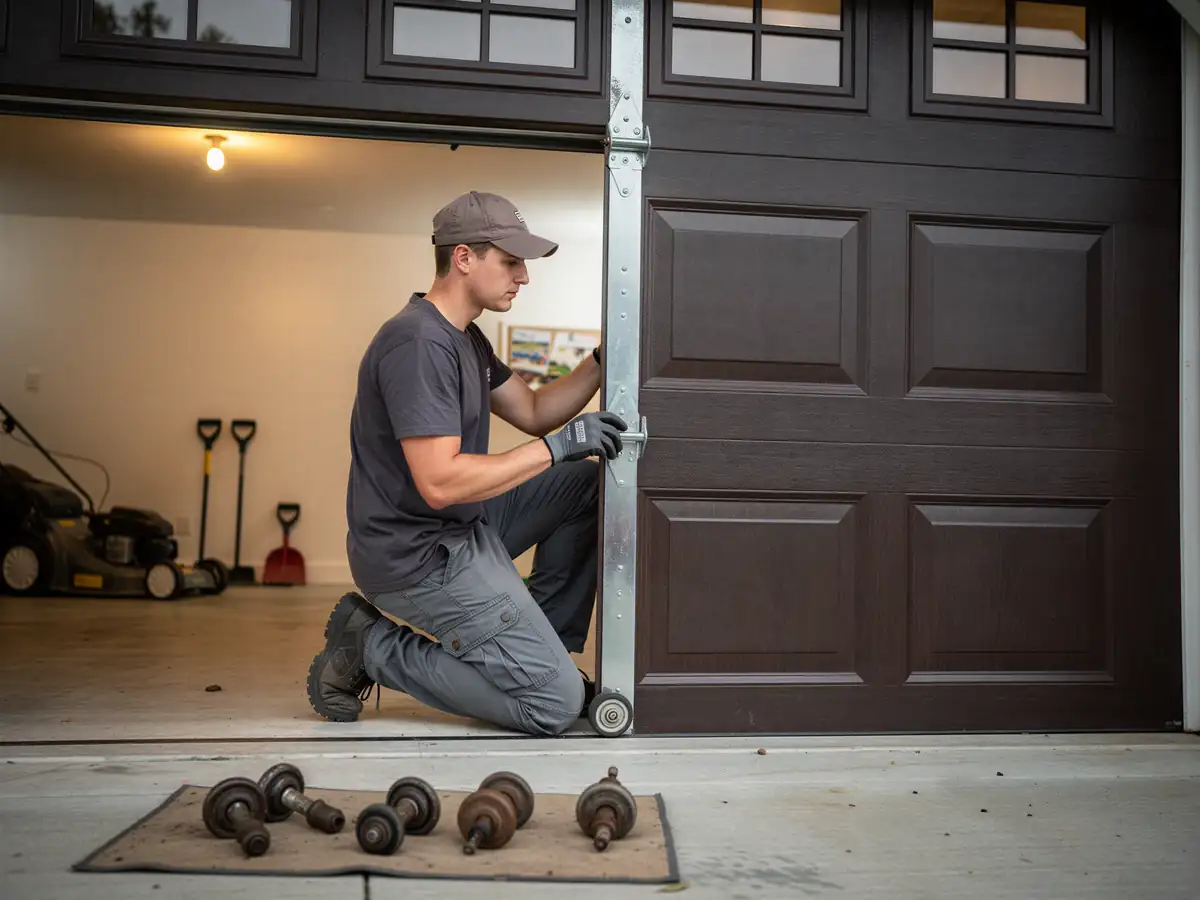
The truck comes from Grass Valley, about 10 miles out, stocked for the mix of door ages we see across the service area - torsion springs in the common sizes, standard roller and cable stock, and openers that fit the bracket patterns typical of homes built from the late 1930s through the mid-1980s. Because Colfax's homes trend a bit newer within that range, the parts that fit are usually the parts already on the truck rather than something we have to order in. We don't stock every obsolete bracket or motor from the oldest builds in the territory, and we won't pretend otherwise - if your door is an outlier for its era, that's the one case where we might need a return trip for a part.
What Causes It Around Here
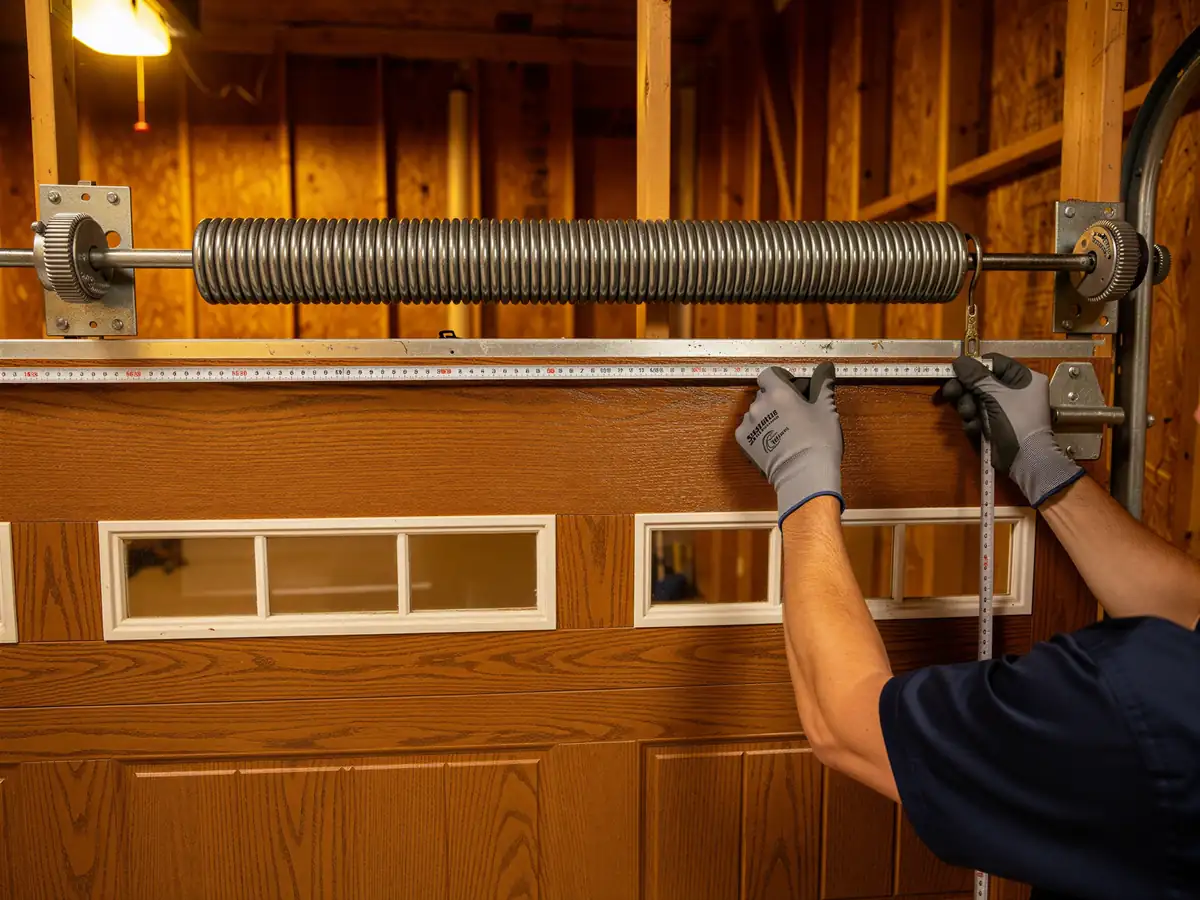
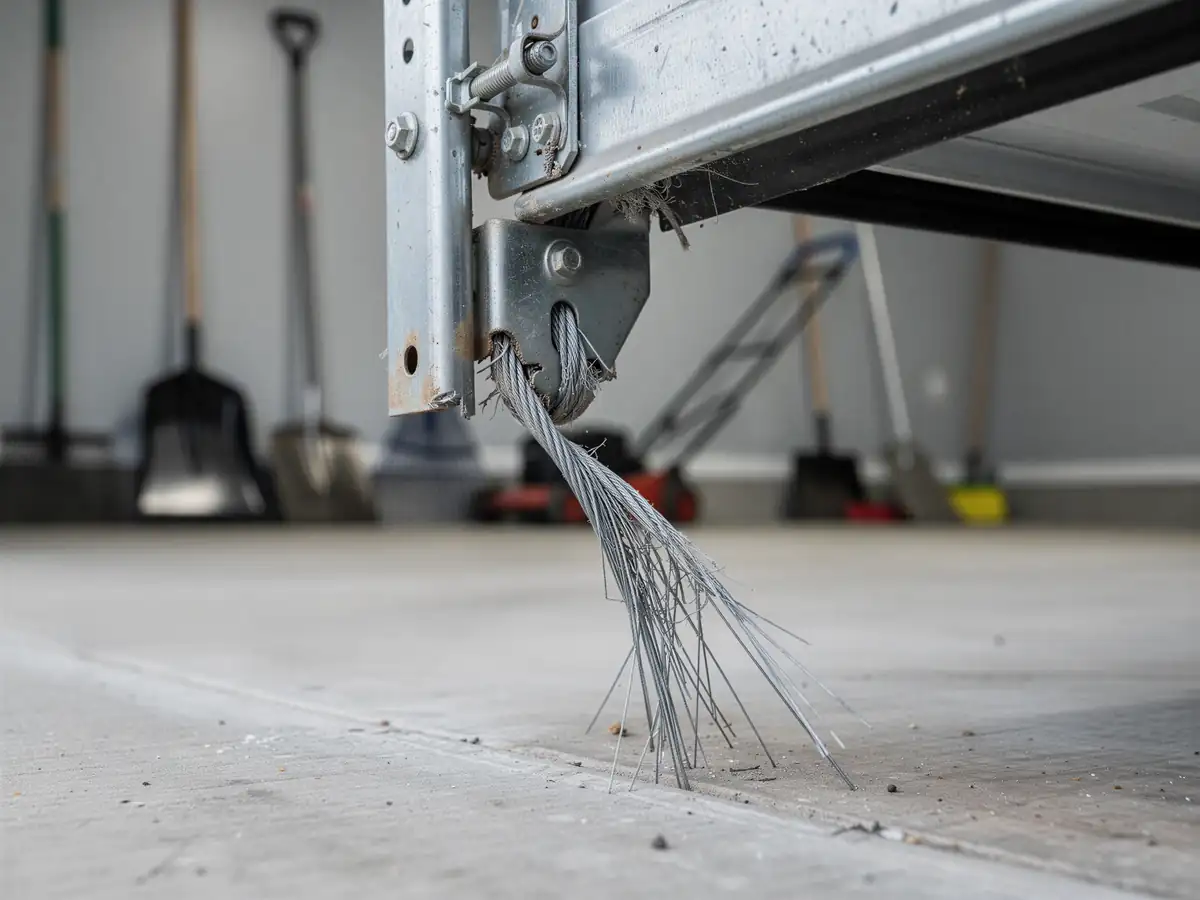
The climate band across this part of the territory is mild with occasional freeze, which isn't hard enough to crack steel panels on its own, but it does stiffen grease and tighten metal-on-metal tolerances on cold mornings - enough to make a weak spring or a dry roller fail on the first cold snap rather than gradually. With Colfax's median build year sitting around 1983, most doors here are past the original-spring stage already, meaning the failure we see is more often a second or third spring, sometimes mismatched to the door's actual weight by whoever installed it last. That mismatch - wrong wire gauge for the panel - is a more common call-out here than straight wear-and-tear.
The Complications
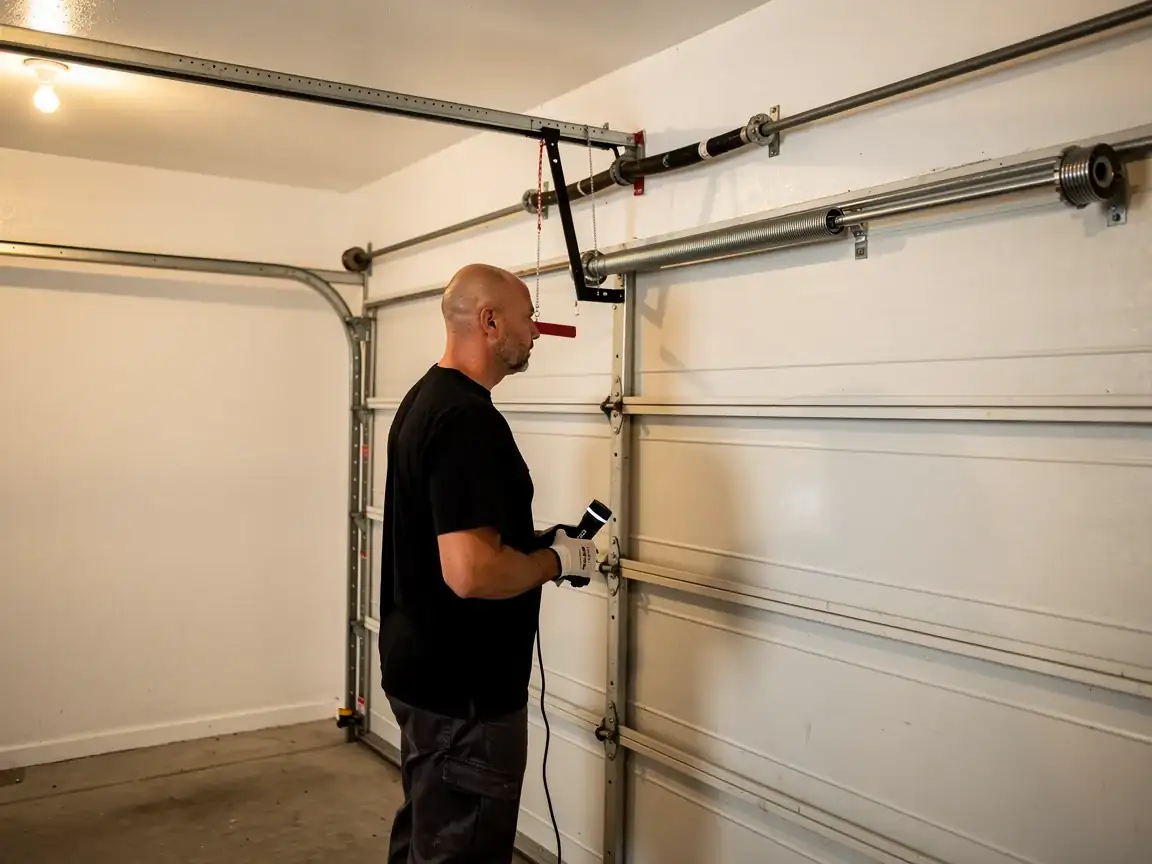
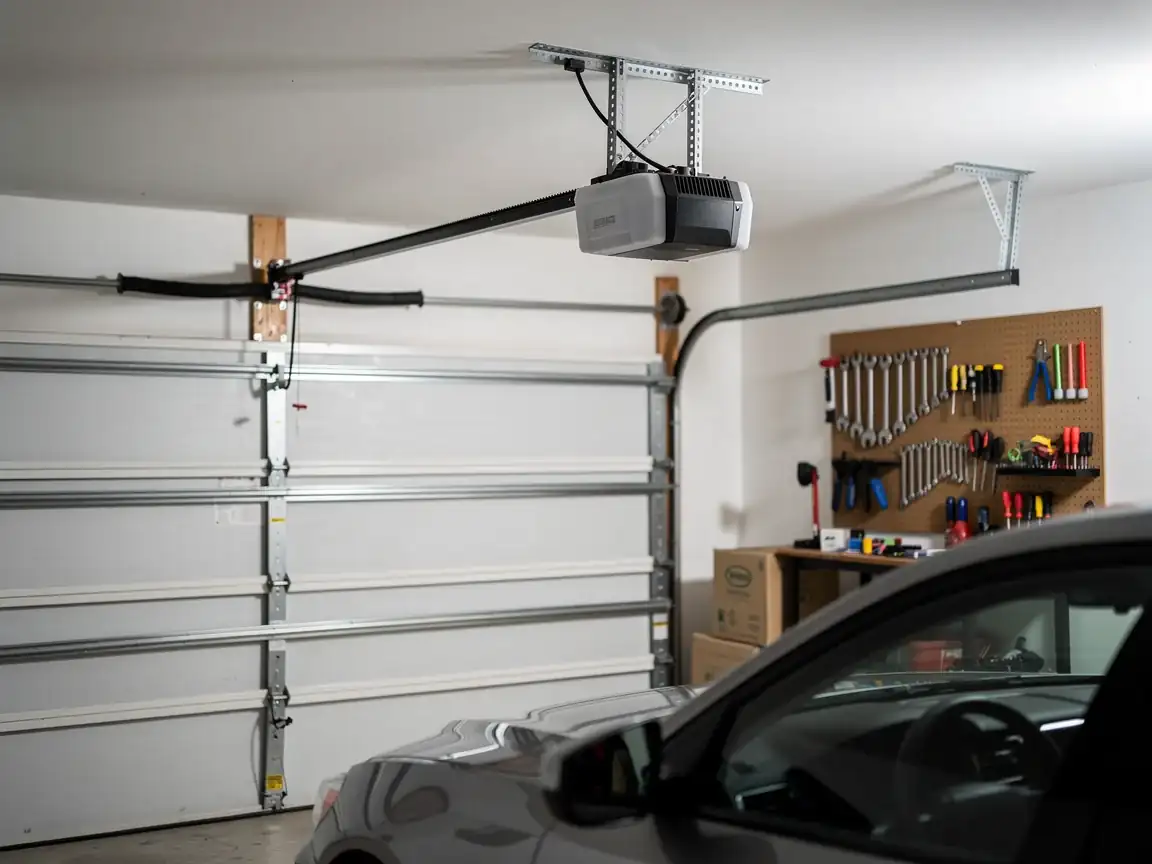
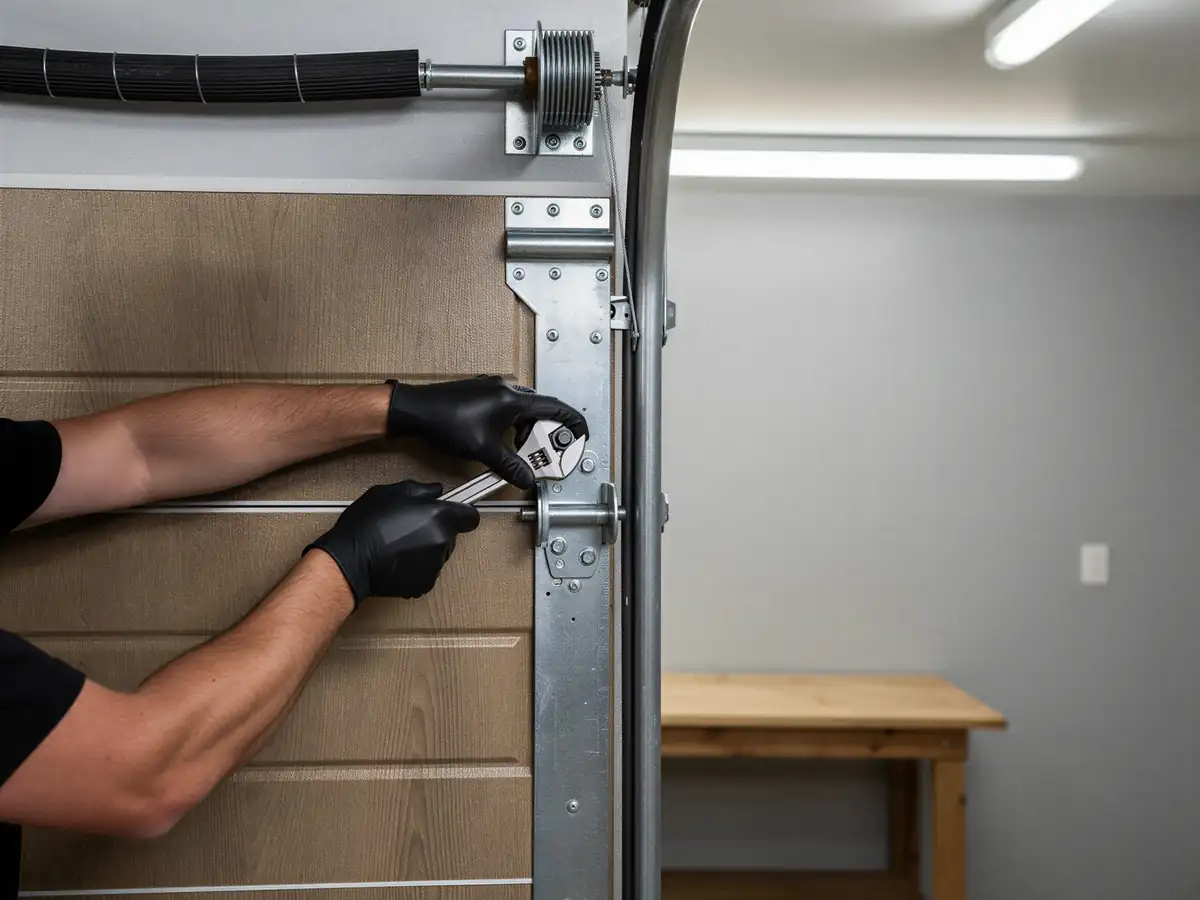
A door built around 1983 usually sits on standard torsion hardware, which keeps most jobs straightforward. The complication shows up when a homeowner has swapped the opener or added insulated panels since then without updating the spring to match the new weight - we see this more in houses that have had upgrades layered on over forty years than in untouched originals. Double doors add another variable: two springs instead of one, and if only one failed, the other is usually close behind. We'll tell you when that's the case rather than replacing one spring and sending you off to call again next month.