What It Costs
We don't post a flat number for a Colfax install, because what actually drives the quote is the door width, the insulation level, and whether the opening needs reframing - and that last one comes up more here than in the newer parts of the territory. For general price ranges and door options, see our main installation page.
What we can tell you up front is that Colfax's own numbers sit a step below the rest of the service area. Median household income here is $74,583, well under the $91,135 average across the service area's 12,417 households. That gap shows up directly in which doors homeowners ask us to quote: standard steel over custom wood, single R-value over double foam, 16-foot standard openings over oversized custom runs. We'll give you a real number once we've seen the opening and know what's behind the trim - not before.
What Is on the Truck
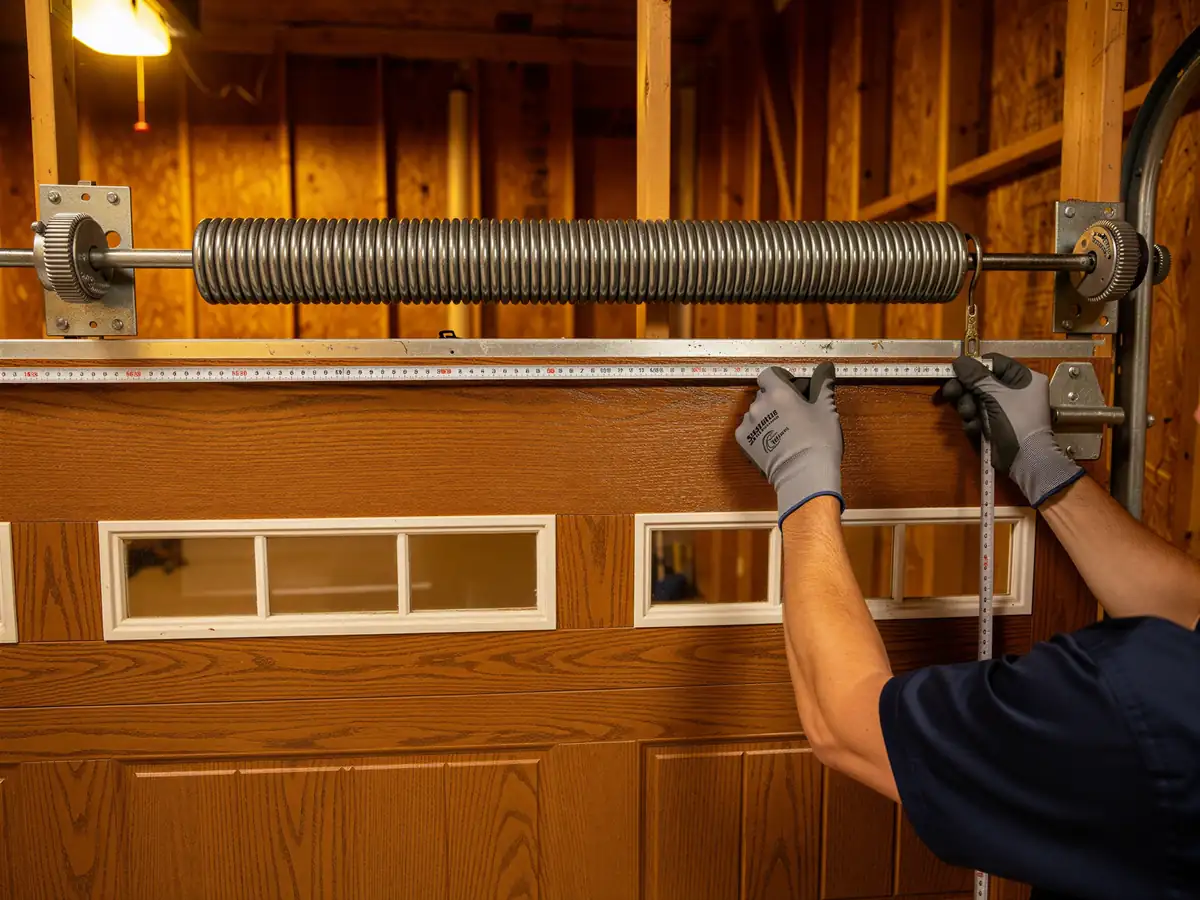
For a Colfax install we're carrying standard torsion spring sets sized for a 7-foot single or double door, galvanized track in the lengths that fit a typical 1980s stud bay, and steel panel sections in the gauges most homeowners here ask for - not the heavier insulated units that go into newer custom builds elsewhere in the territory.
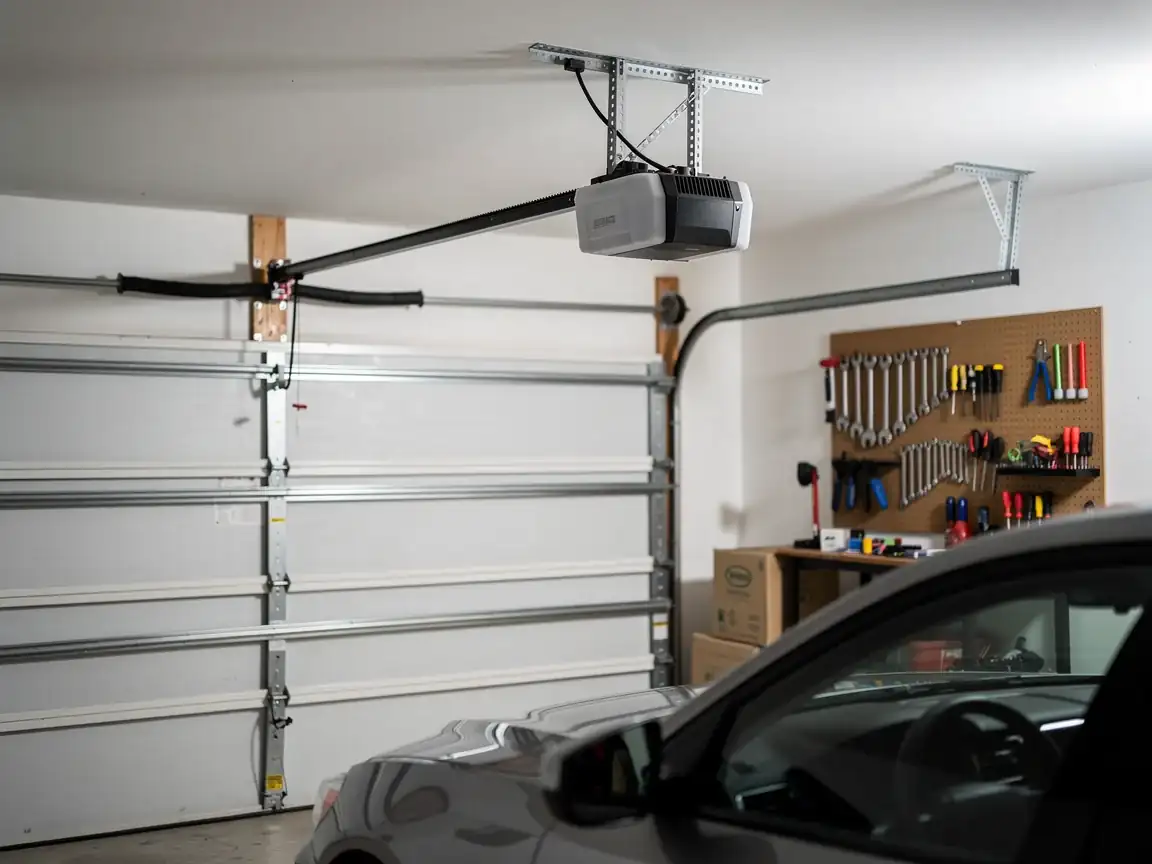
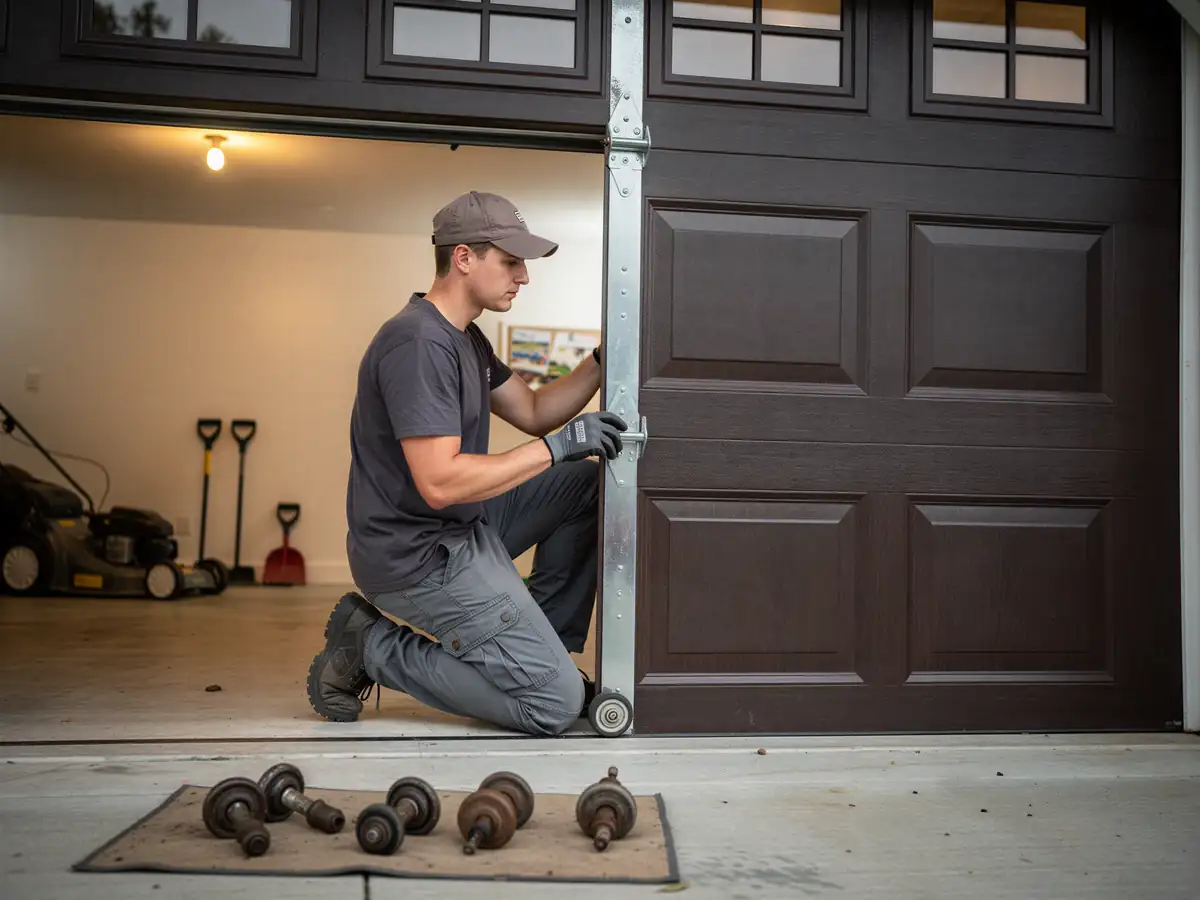
We also bring openers with the safety reversal sensors and battery backup that didn't exist when most of these houses were framed, plus the jamb hardware to remount track square against openings that have settled over four decades. If a Colfax job turns up a non-standard rough opening - common in houses from this era that predate today's garage-door sizing conventions - we note it and come back with the right header kit rather than force a stock unit into a space it doesn't fit.
Time on the Job
A straight swap - same size opening, new door on existing track
Runs shorter than a job where we're also replacing track, header, or framing. Colfax skews toward the second kind more often than some of the newer subdivisions in the territory, simply because the openings here were framed to 1983-era conventions rather than current door sizing.
We won't quote you an hours figure until we've looked at the opening
Because the honest answer depends on whether the jambs are square and whether the header can take a new spring anchor without extra bracing. What we will say is that we build the day's route around the drive from Grass Valley, so once we're on site in Colfax we finish the job in one visit rather than splitting it across two trips.
What Causes It Around Here
Colfax's median home dates to 1983, near the tail end of the service area's broader 1938-to-1984 build range. That puts most of the doors we're replacing here at single-layer steel on chain-drive openers, installed before insulated doors and belt-drive units became standard elsewhere in the territory.
The climate band covering this stretch of the county is mild with occasional freeze nights, not the deep-freeze swings you'd design heavier panels around - but it's enough. Thin, uninsulated steel from that era expands and contracts across those freeze-thaw nights until the seams along the panel edges start to separate, and the door stops sitting flush in the track. That's usually the point where a homeowner calls us about a new door rather than another patch repair, and it's a direct result of the build year, not bad luck.
The Complications
Colfax sits roughly 10 miles from our Grass Valley shop - farther out than Nevada City, Rough and Ready, or Alta Sierra, which we reach sooner on the same route. We don't keep a branch or any stock in Colfax itself, so every install is planned as a single round trip with the parts loaded before we leave.
The other complication is the housing stock itself. With only 880 households in Colfax, there isn't a large supply of recently-replaced openings to work from, which means more jobs here involve an opening that's never been resized since the original 1983 framing. That can mean header work we didn't plan for until we're standing in front of it. We'll tell you on site if that's the case before we start cutting anything, rather than padding the quote up front to cover a problem that might not exist.
What the Repair Takes
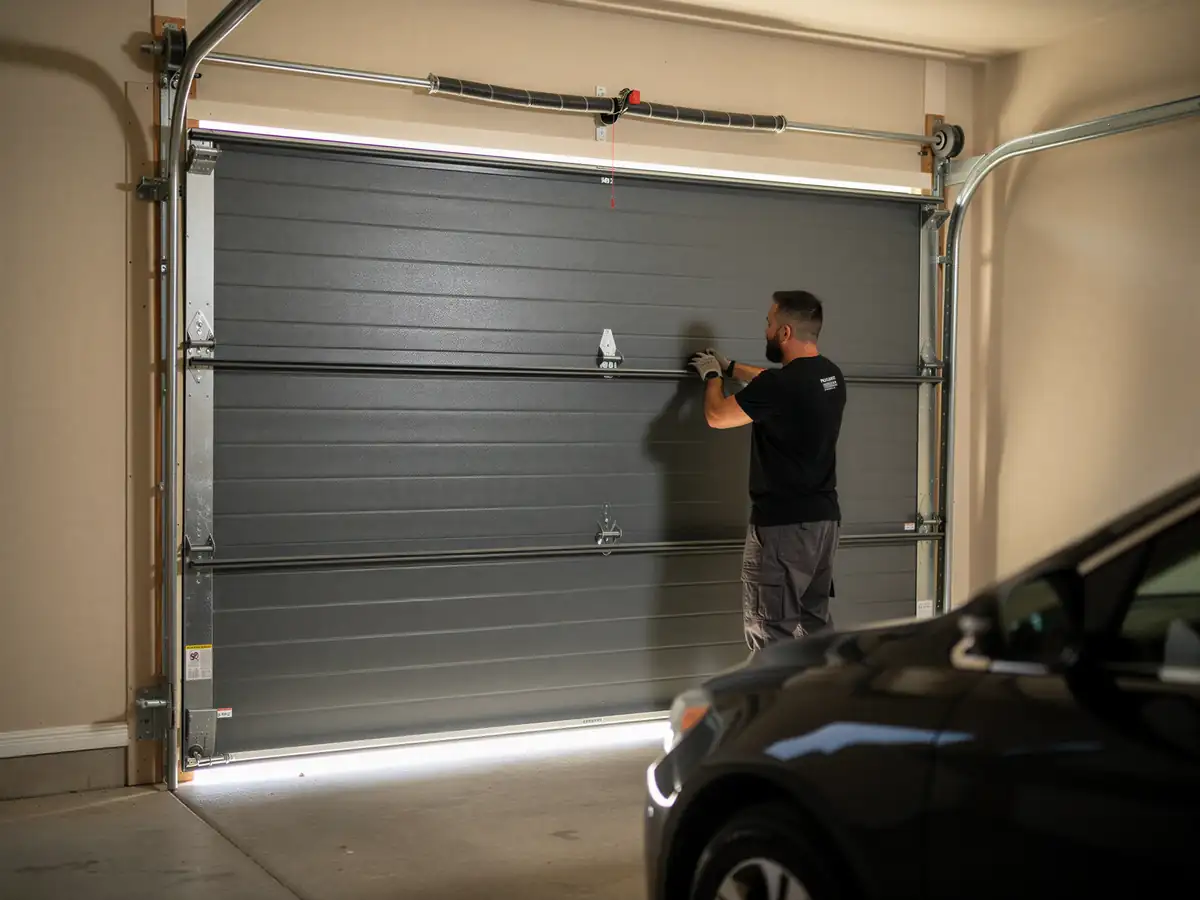
A new install means stripping the old door and track to the jamb
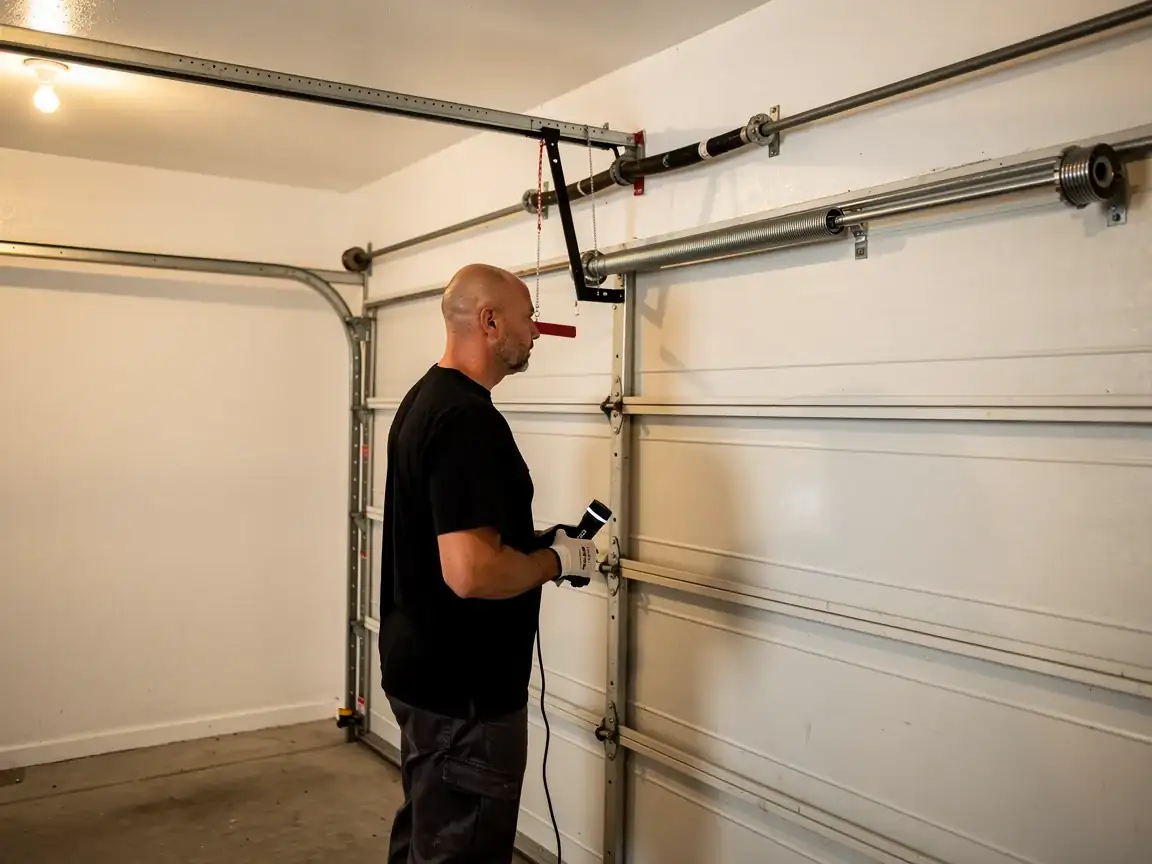
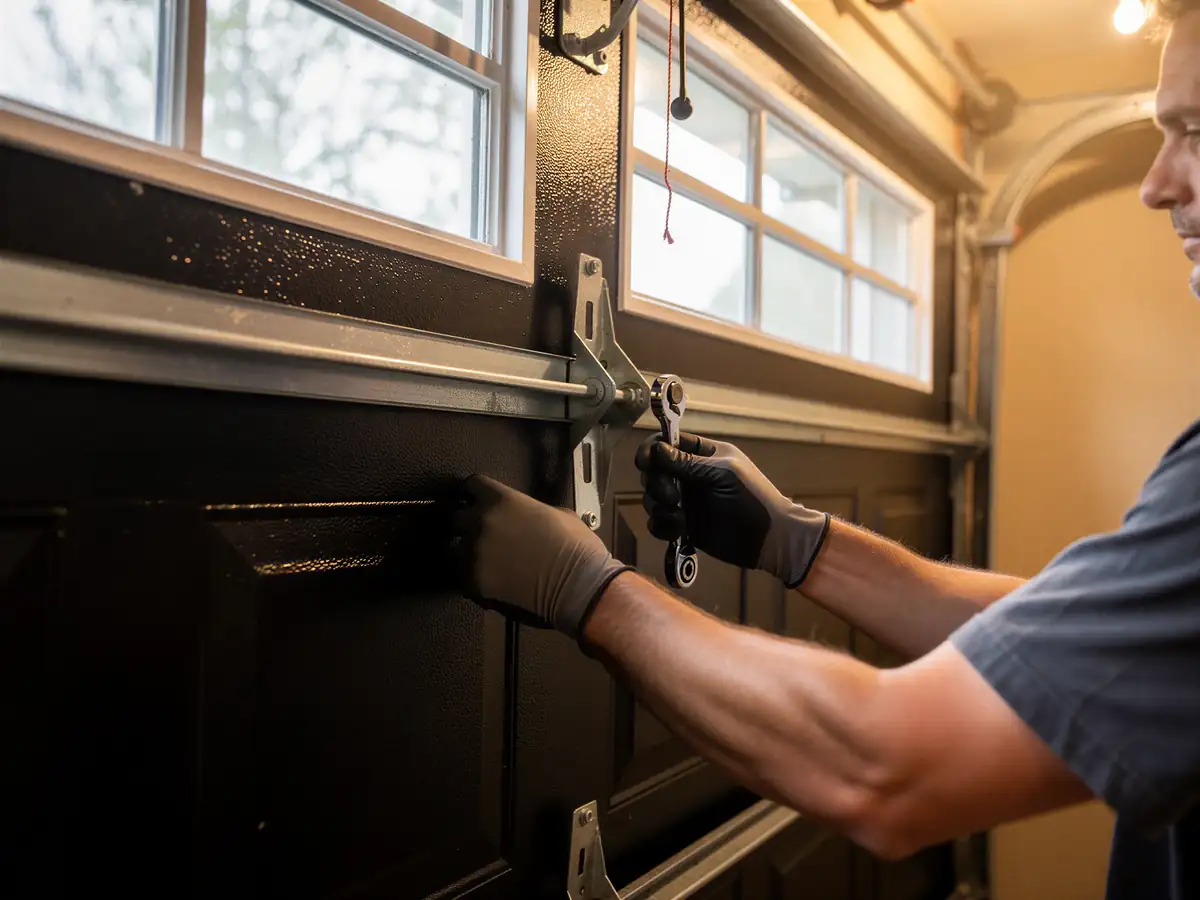
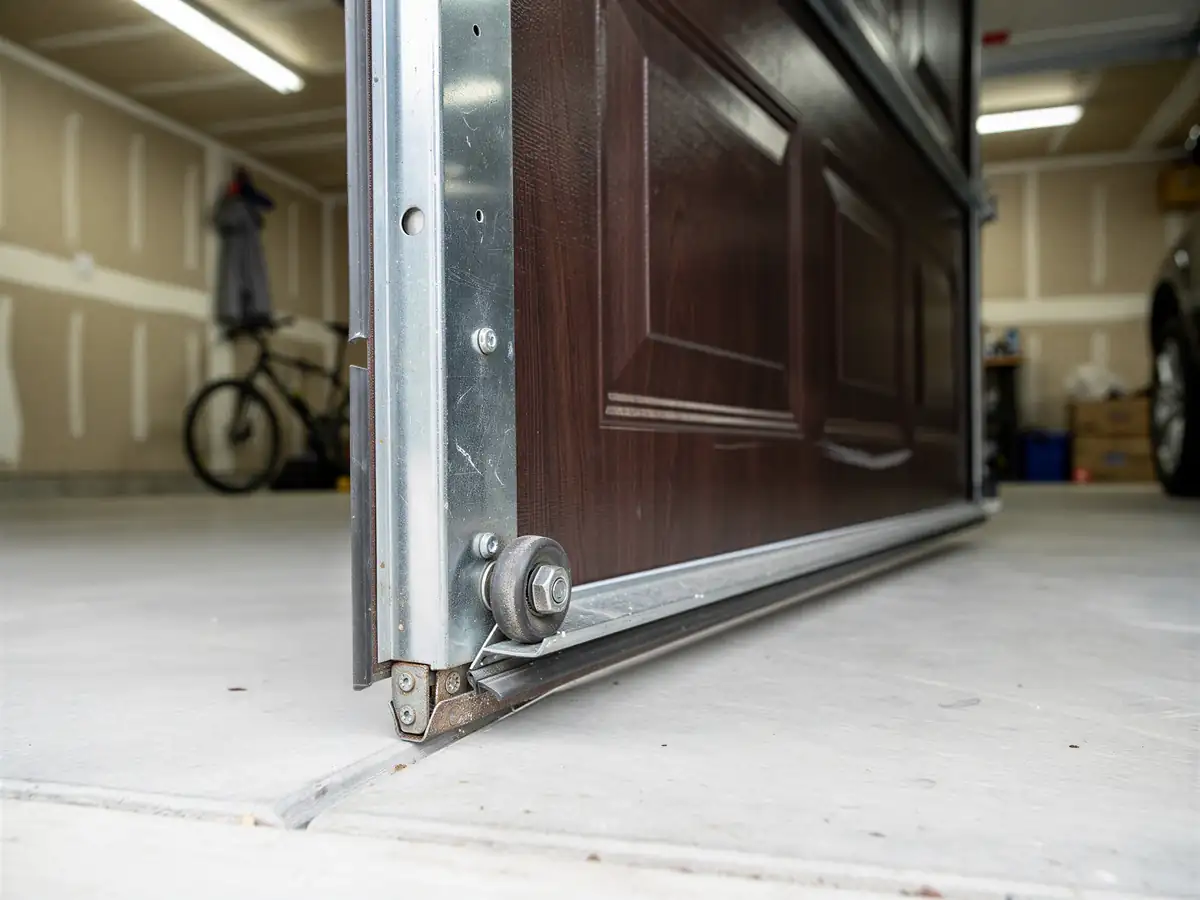
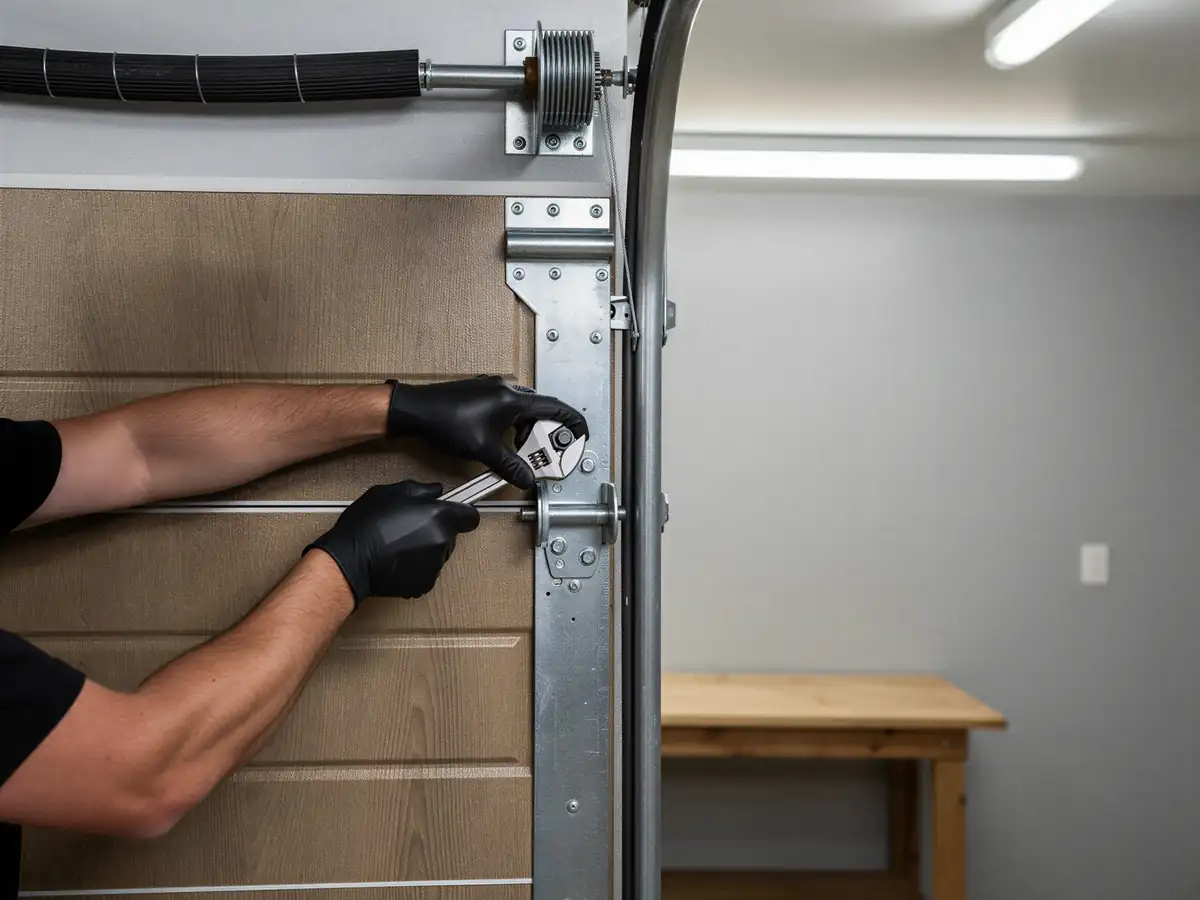
Checking that the header can carry a new torsion anchor, and setting fresh track square to the opening - not just hanging a door on what's already there. On a Colfax job built to 1983 framing, that check matters more than it would on a newer build, because original hardware from that era wasn't always set to current spring tension standards.
Once the frame is confirmed, it's panel assembly, spring set and cable run
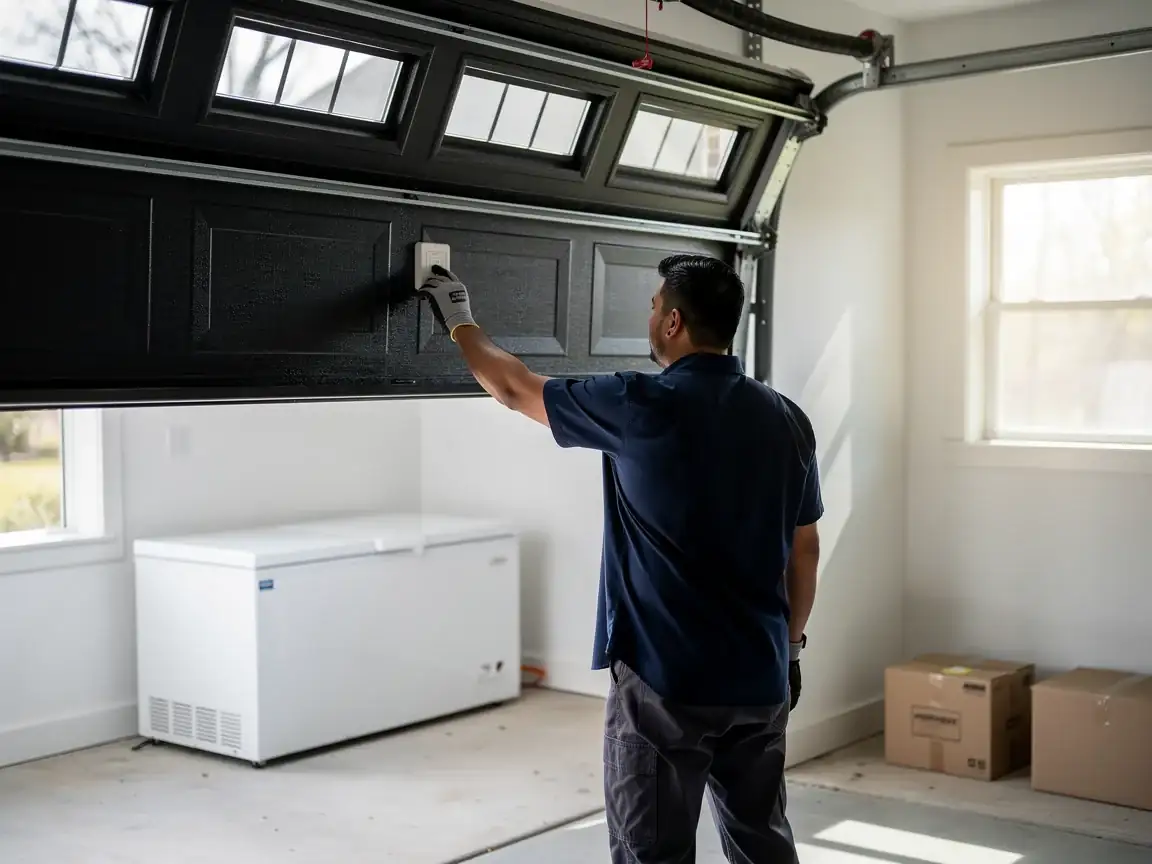
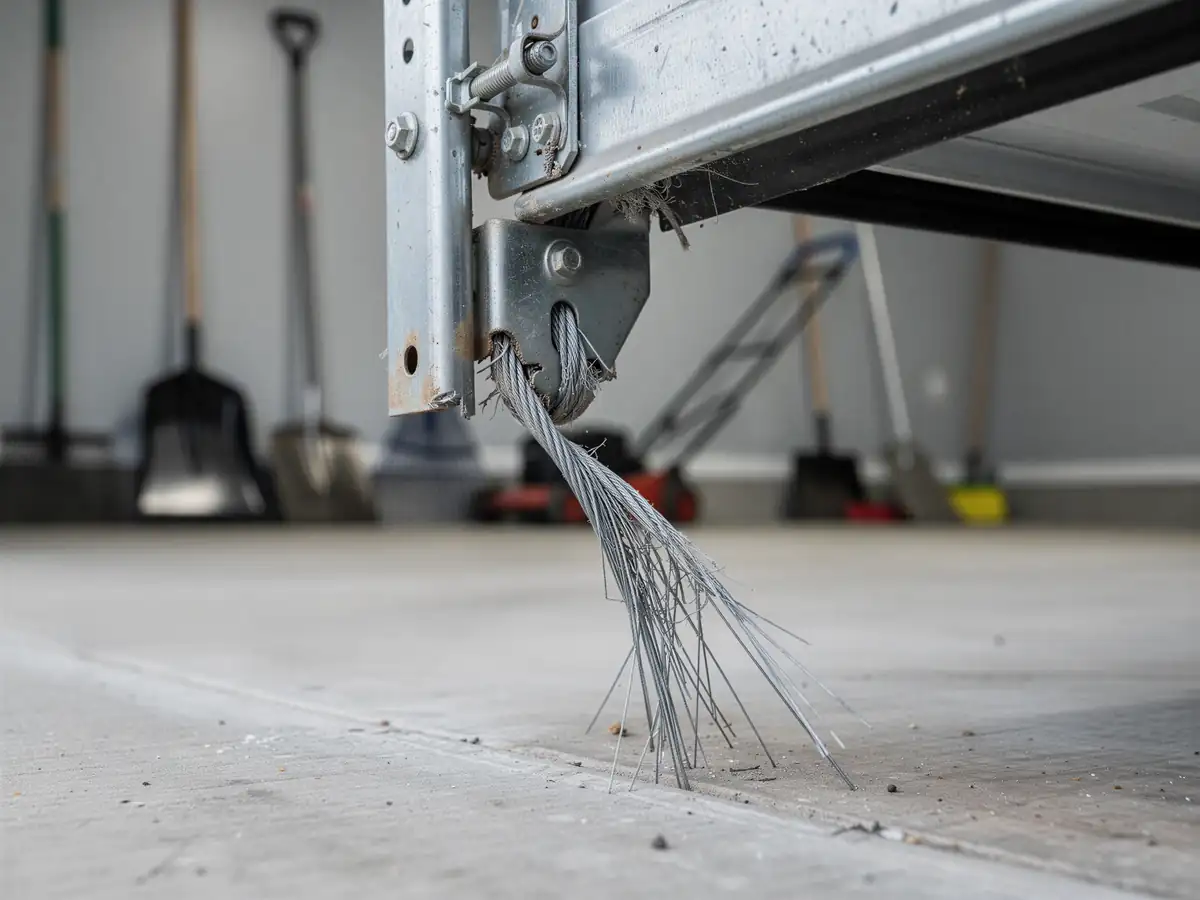
Then the opener mount and travel calibration. The one honest limitation here: if the opening turns out to be a non-standard width common to some of these older Colfax builds, the matching header kit isn't something we carry on the truck every day, and that can push the finish date out while it's ordered. We'd rather tell you that up front than promise a same-day finish we can't back.