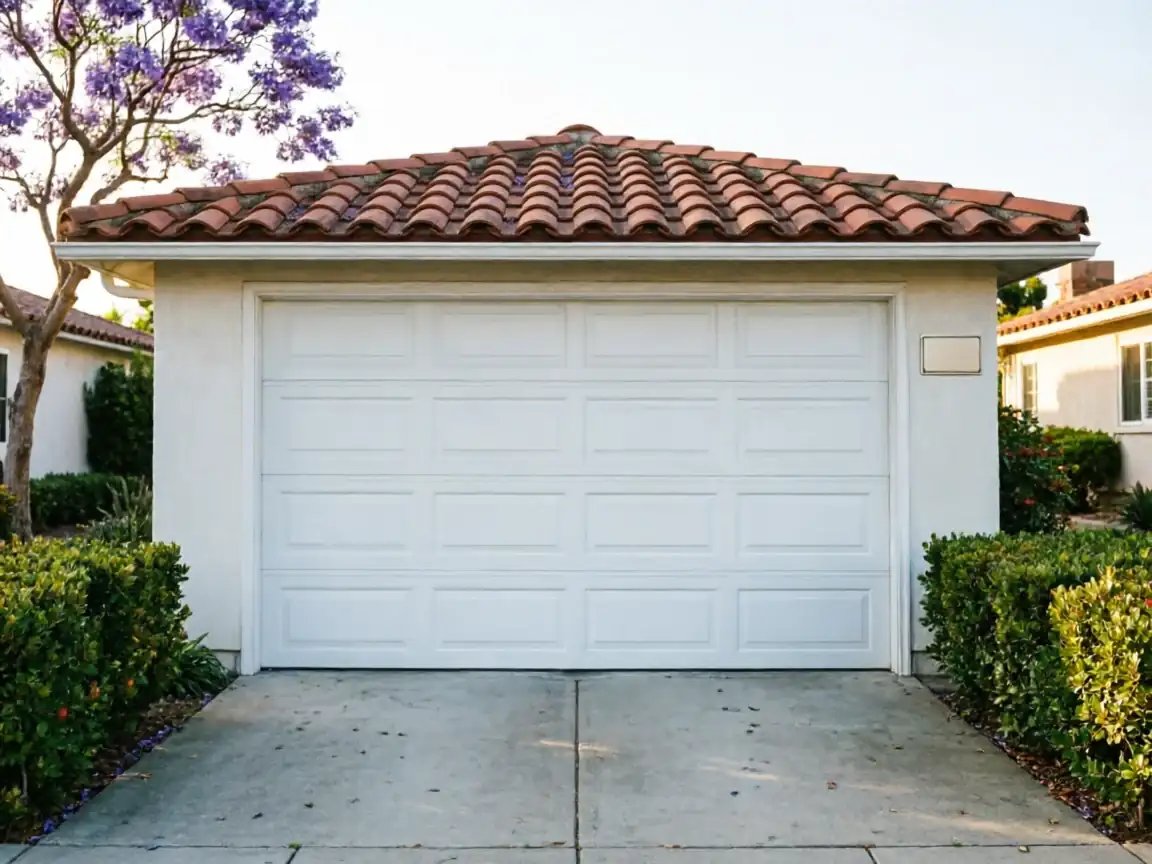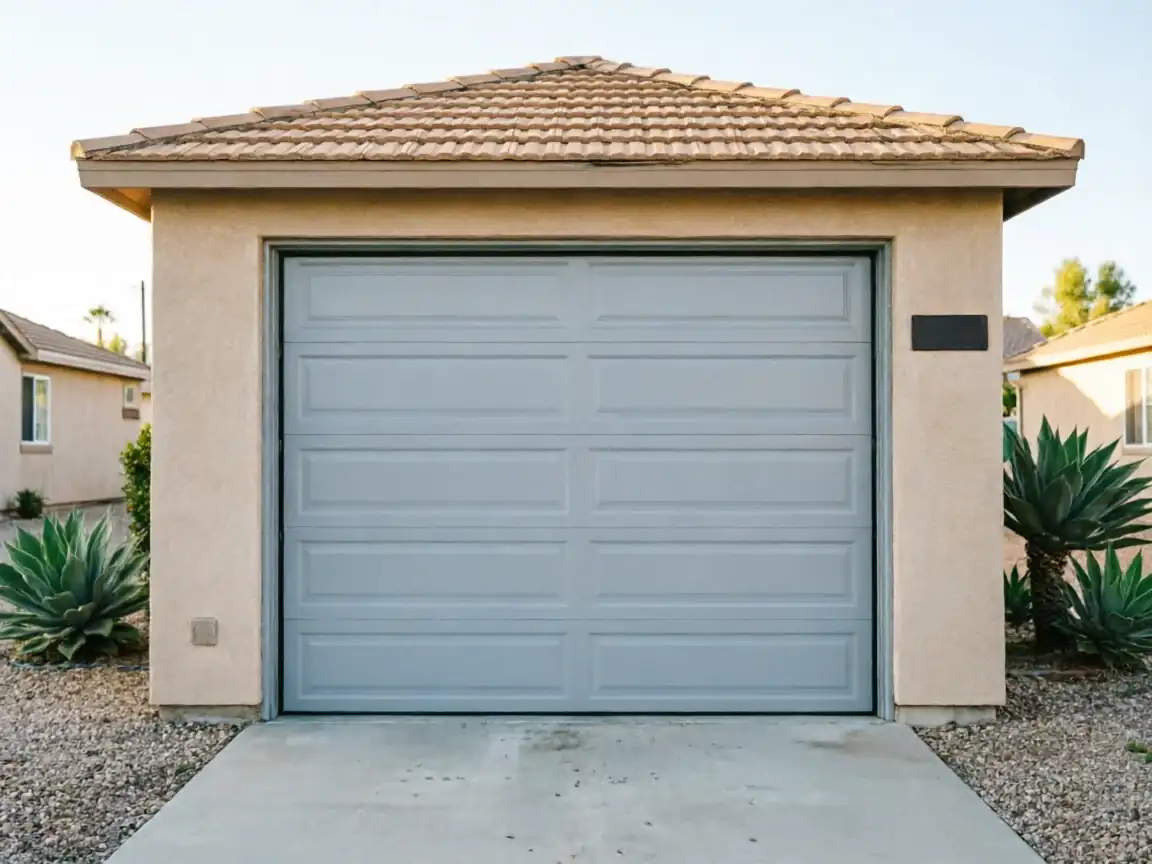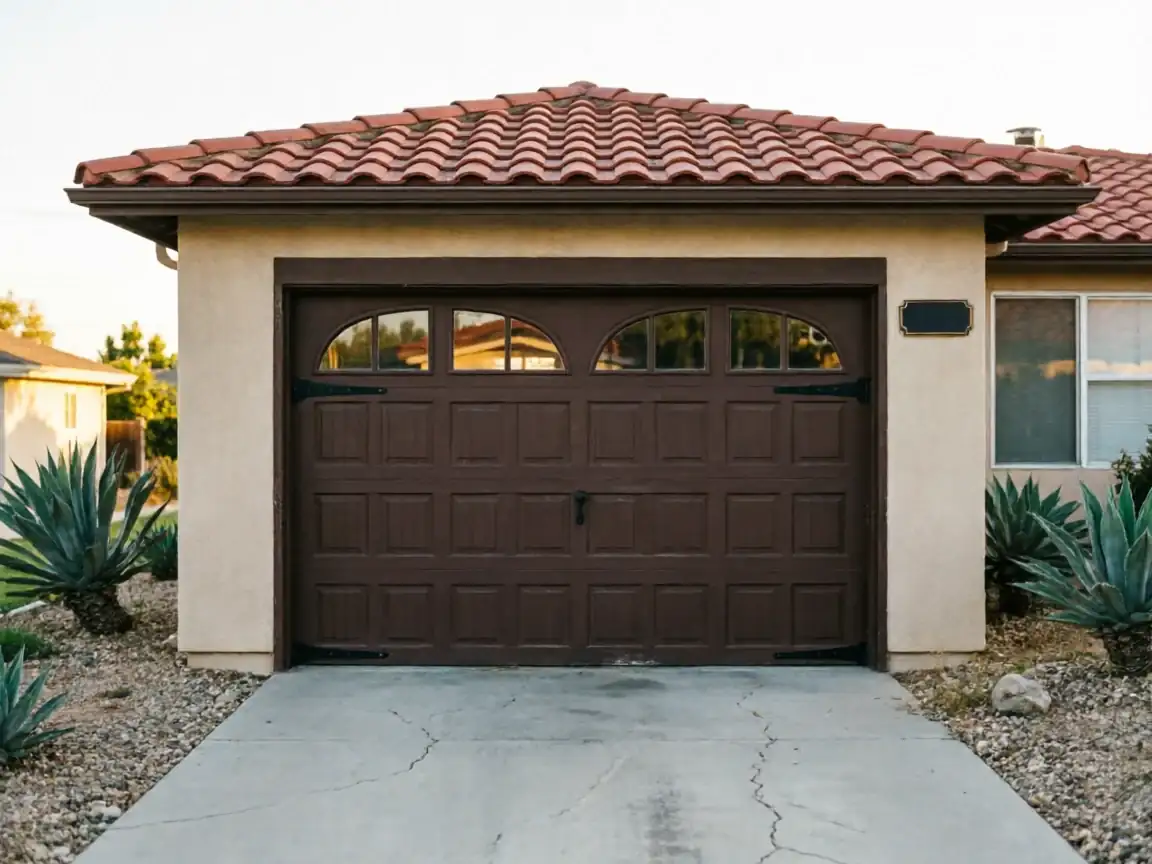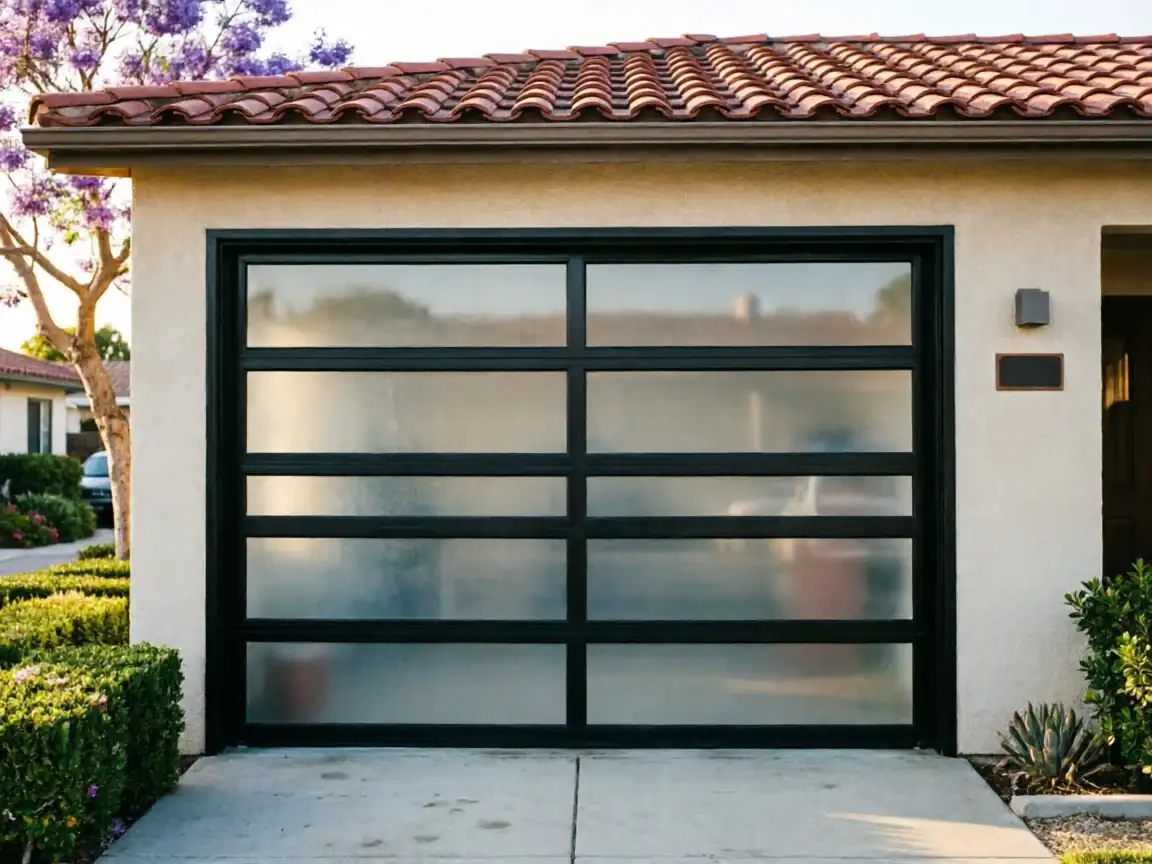
The Symptom
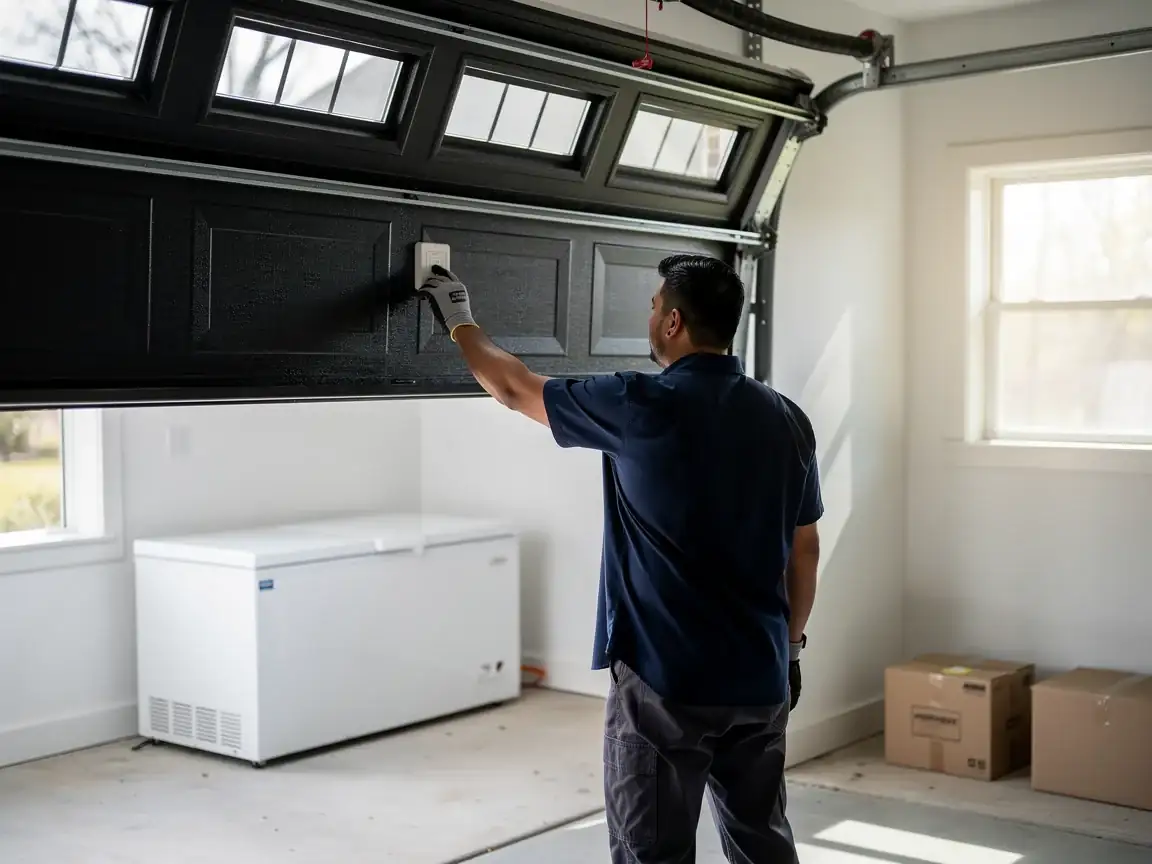
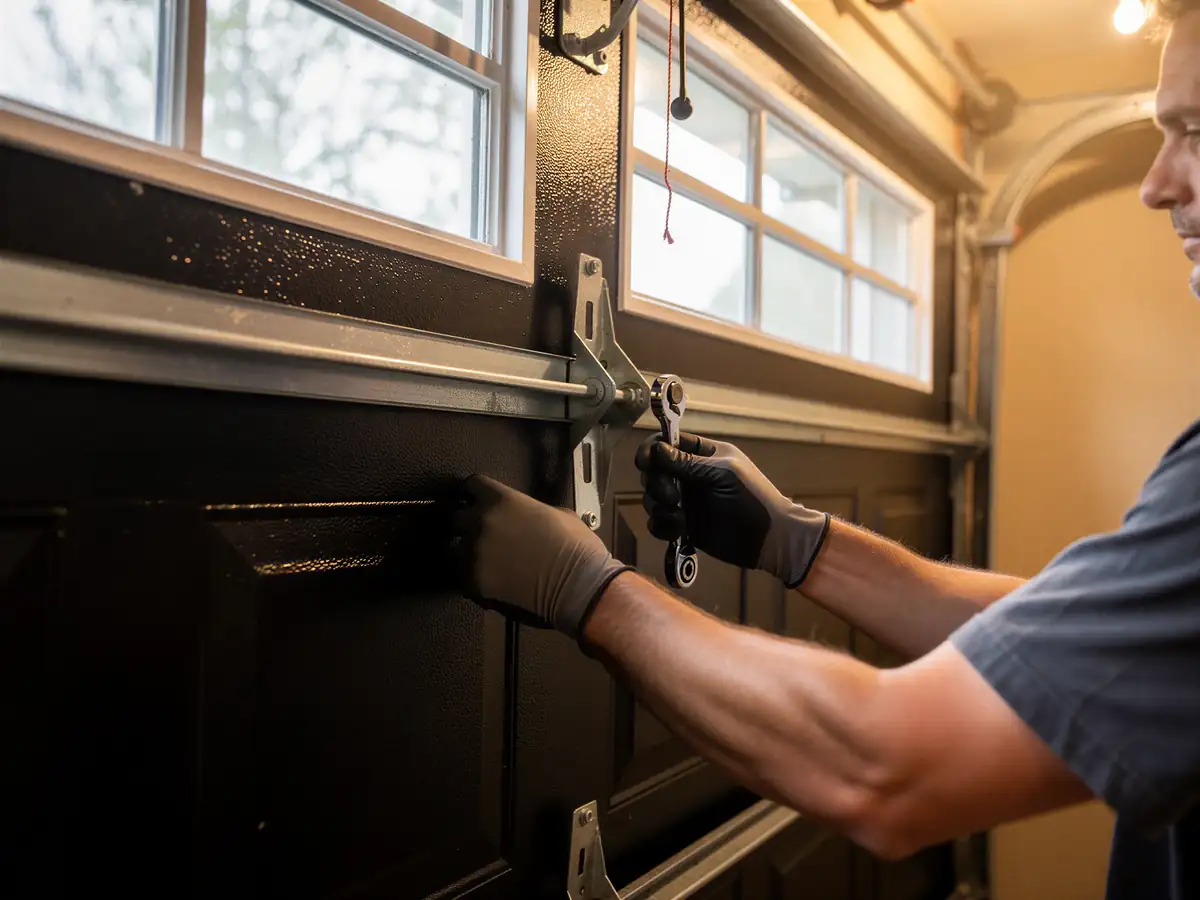
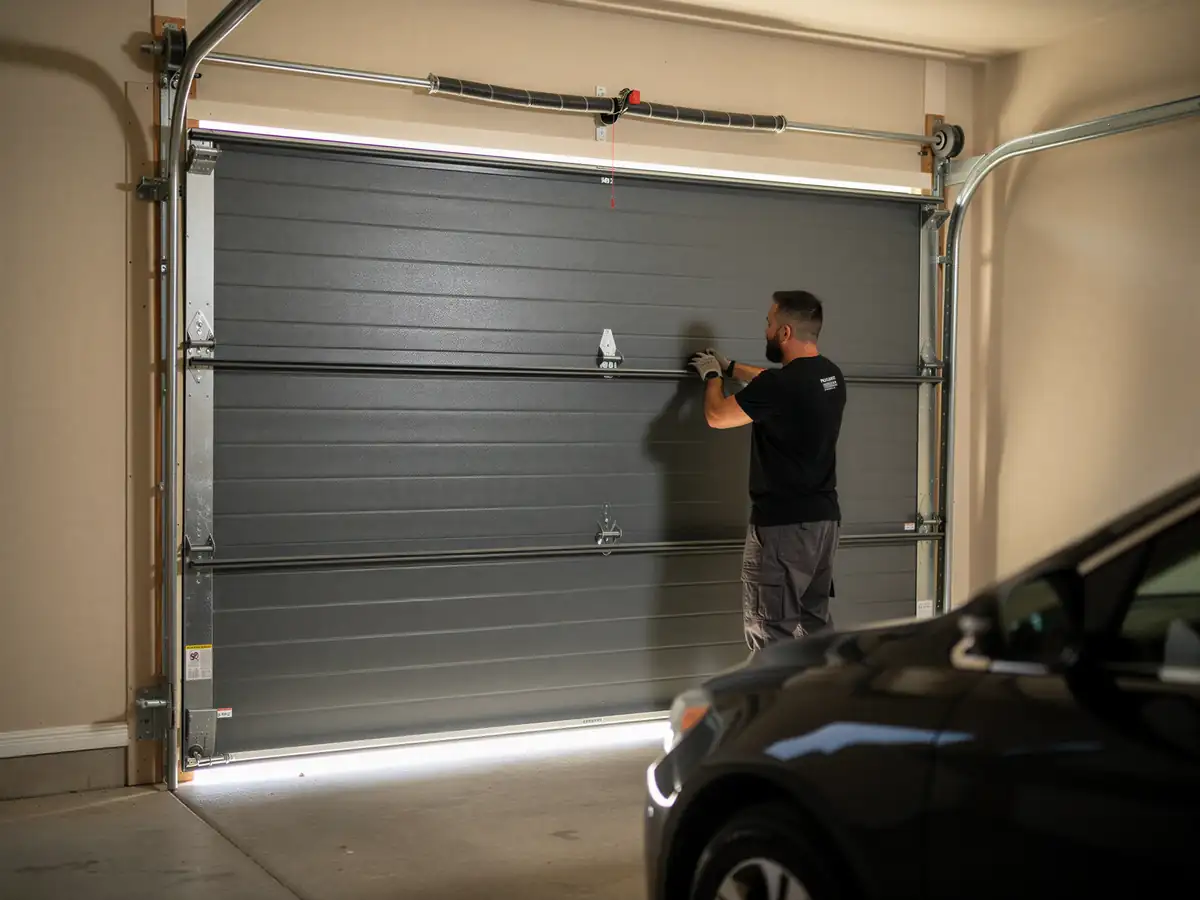
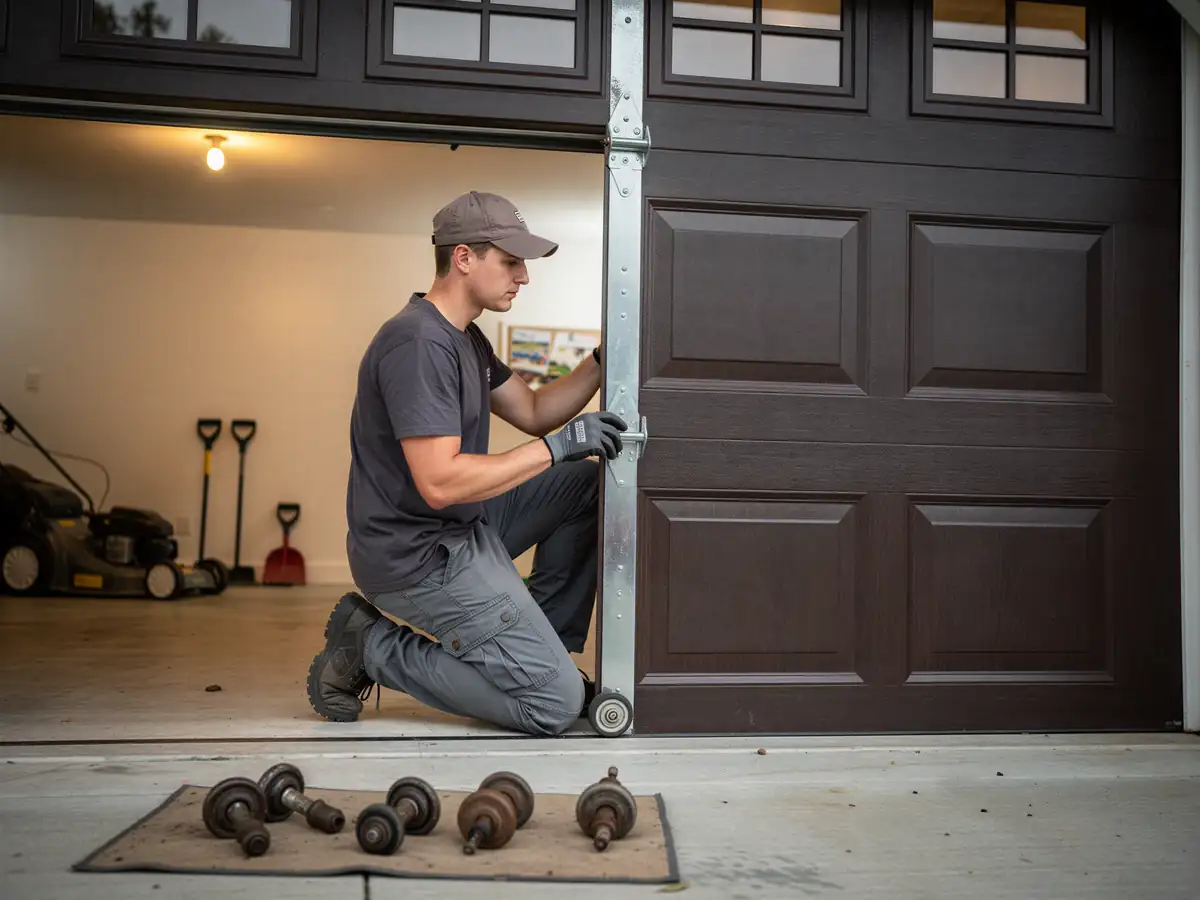
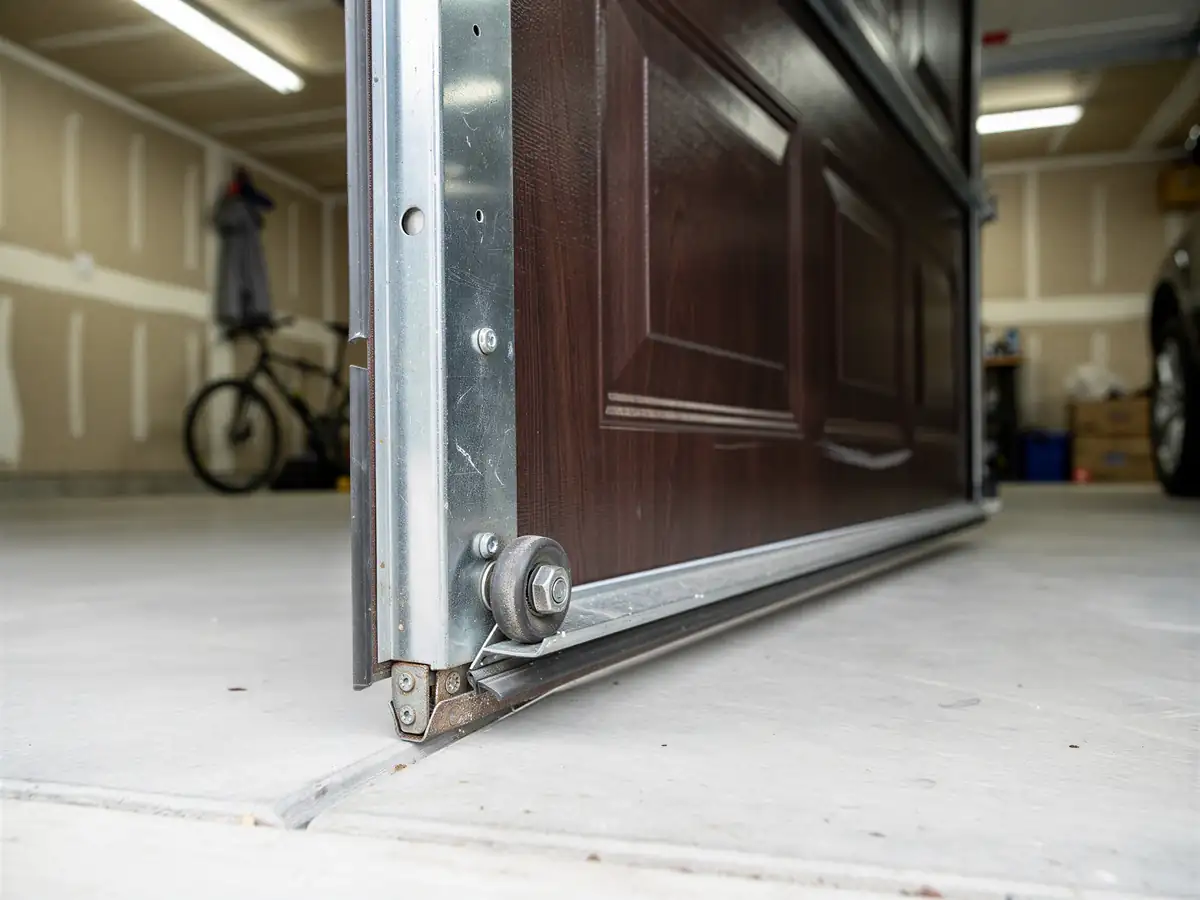
Lake Wildwood is a small place as these things go - about 1,966 households, most of them built out around 1983. That matters more than it sounds like it should. When a community goes up in a tight window, the doors go up in a tight window too, and they start failing in a tight window. We see the same complaint from one end of the area to the other: the door looks fine sitting shut, but the second it starts moving it leans, binds, or drops a wheel clean out of the track. Sometimes it's a cable that jumped a drum. Sometimes a roller finally gave out after forty-some years and let the panel swing wide. Either way, the door isn't riding straight anymore, and forcing the opener to keep pulling on it just tears up the track, the hinges, or the opener itself. If yours is doing this, stop running it and call before the next cycle does more damage.
What Is on the Truck
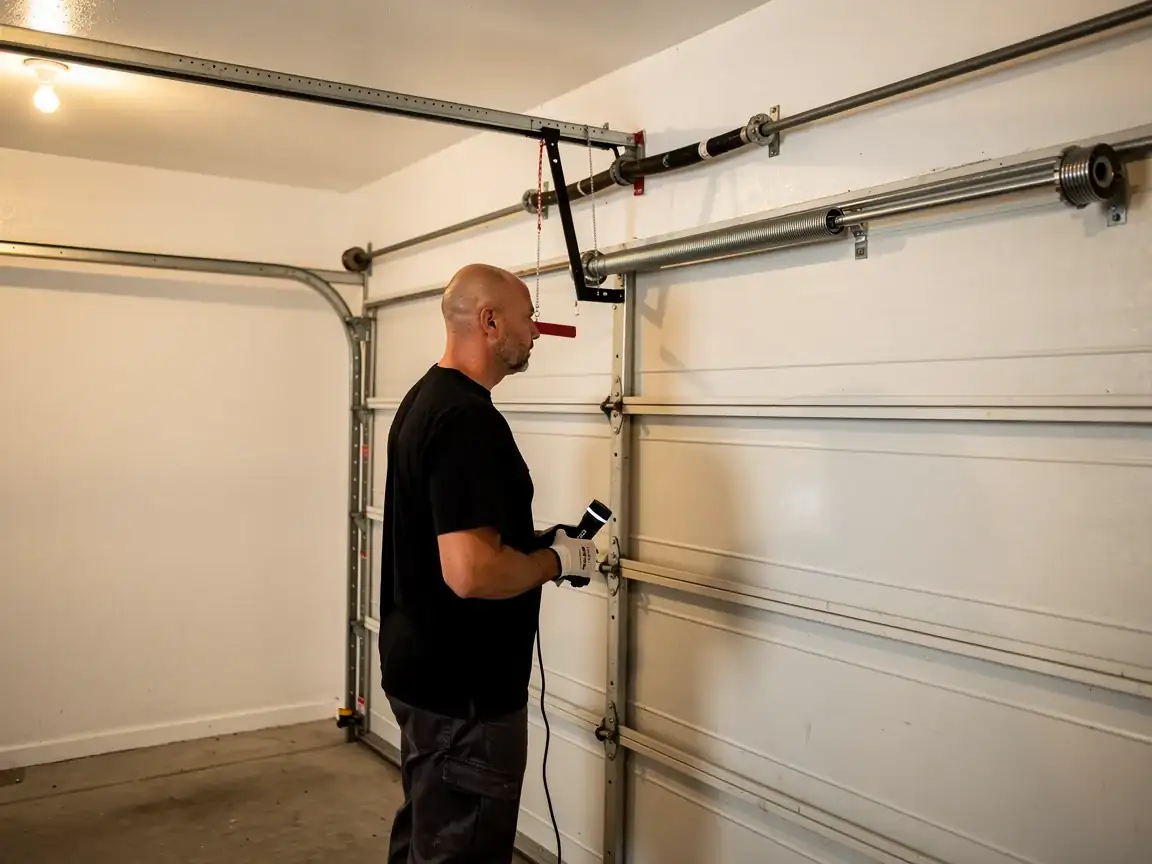
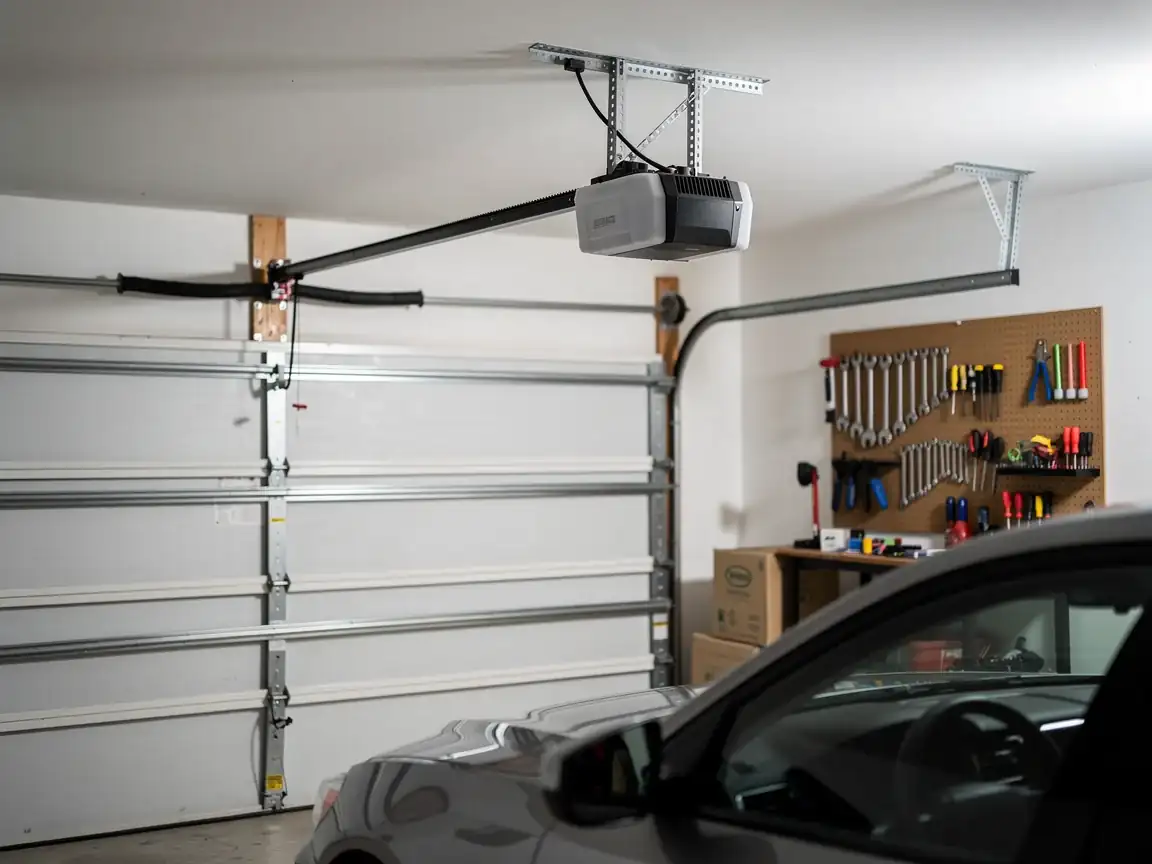
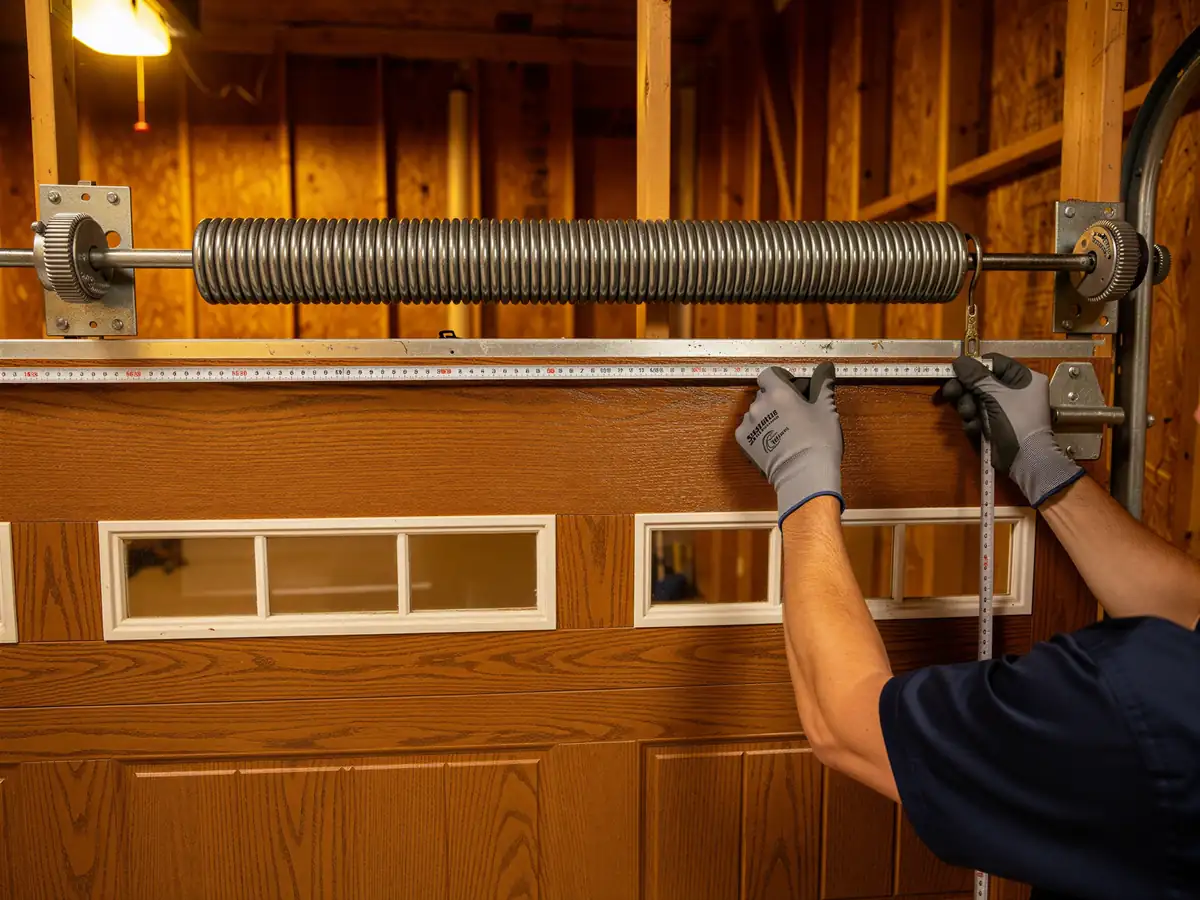
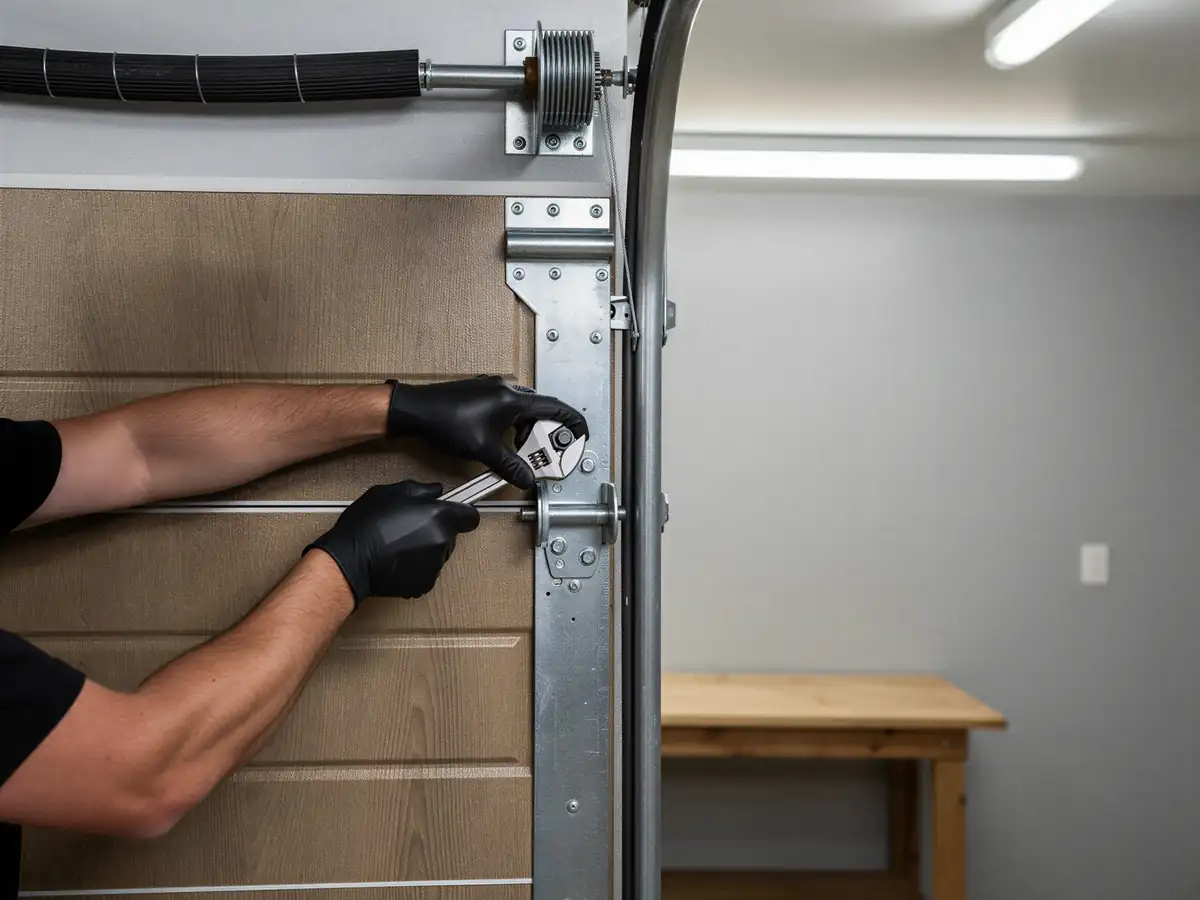
We come out of Grass Valley with the rollers, track sections, and cable that fit doors from Lake Wildwood's era - late-70s through mid-80s builds, mostly steel sectional doors on extension springs rather than the torsion setups you'd expect on newer construction. That distinction matters for an off-track repair: extension spring systems route cable differently, and a door that's jumped track on one of these older setups often needs the safety cables checked too, since early-80s installs didn't always have them. The climate here is mild with only occasional freeze, so we're not chasing ice-cracked track like a shop further up the mountain might - the wear here comes from age and cycle count, not weather. One honest limit: if a track section or hinge is a discontinued size from that era, we may need to order it rather than finish same-day. We'll tell you up front if that's the case rather than guess.
The Complications
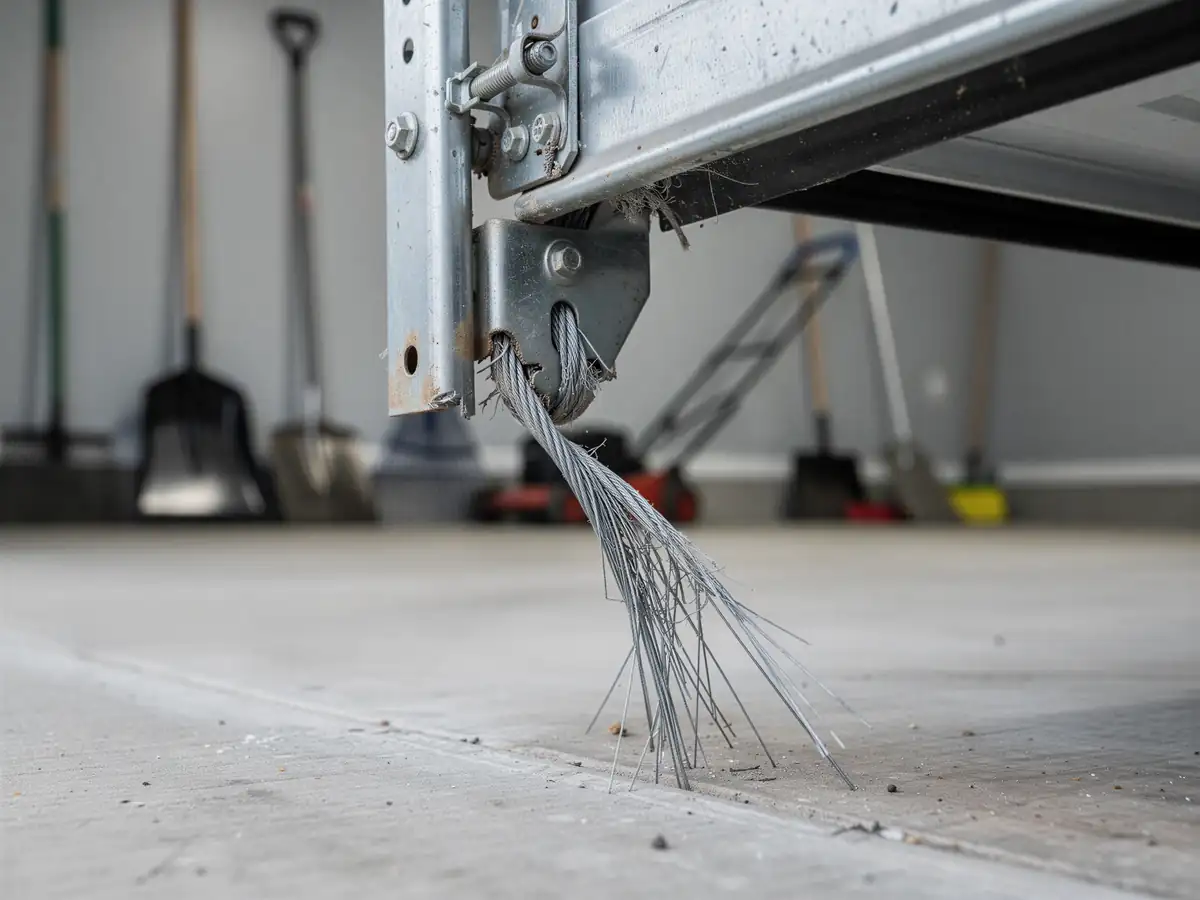
The thing that catches people off guard with 1983-era doors is how differently they were built compared to what's sold today. Lighter gauge steel, narrower track channel, and in a lot of cases, extension springs mounted above the horizontal track instead of a torsion bar over the opening. When one of these doors comes off track, the fix depends on which side failed and why. A bent track section from one bad roller is a straightforward swap. A cable that's frayed and jumped its drum means checking the whole extension spring assembly, because if one side let go under tension, the other side is usually close behind. We've also found, more than once, that what looks like a track problem is actually a slab that's settled slightly over forty years, throwing the whole frame out of square by a fraction of an inch - enough to walk a door off its rail slowly, call after call, until somebody finally gets it checked.
What It Costs
We don't have a flat number to quote here because an off-track repair on a door this age can mean anything from re-seating a roller to replacing a section of bent track and a frayed cable together. What we can tell you is that the age of the hardware is the bigger cost driver than the drive out - a door on original 1983 rollers and cable usually needs more replaced than one where somebody's already upgraded the hardware. We'll look at it, tell you what's actually worn versus what's just cosmetic, and quote before we touch anything.