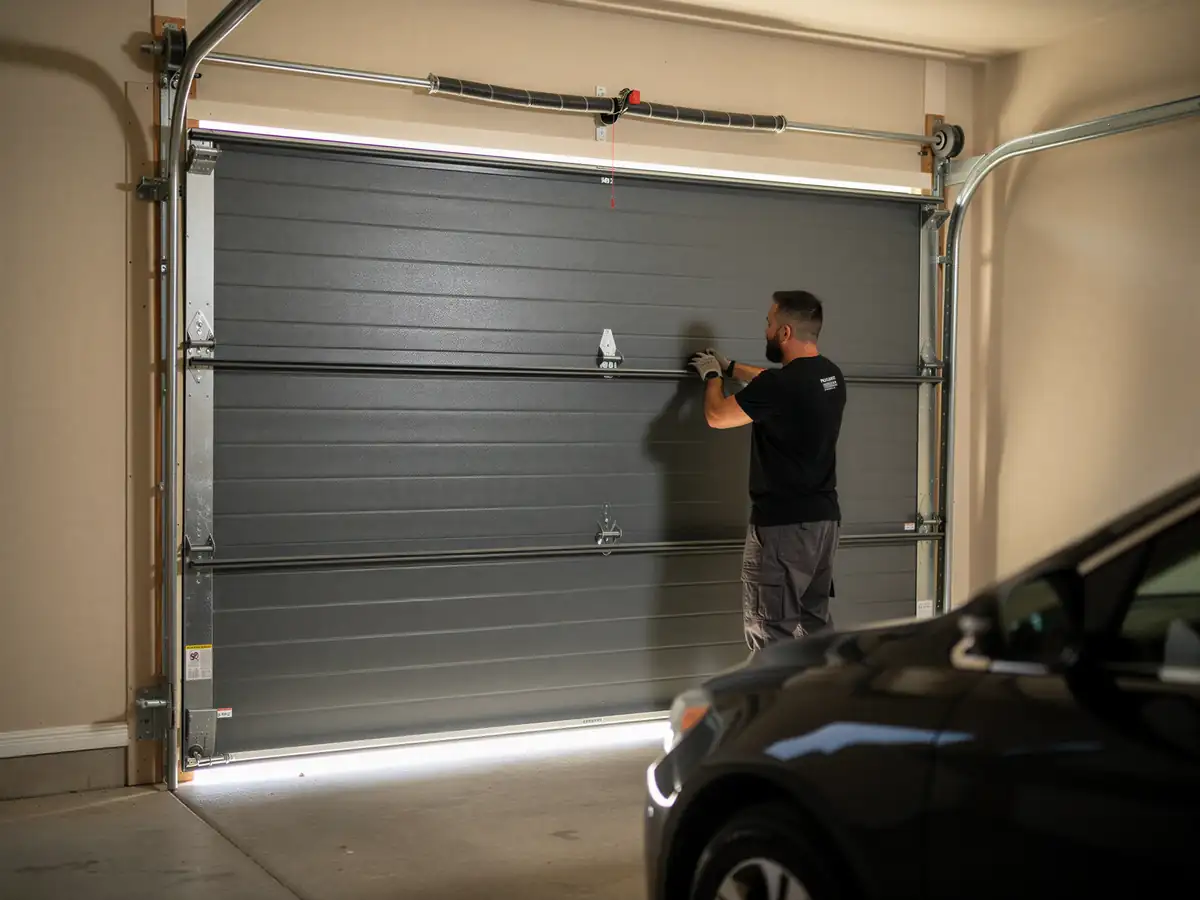
The Symptom
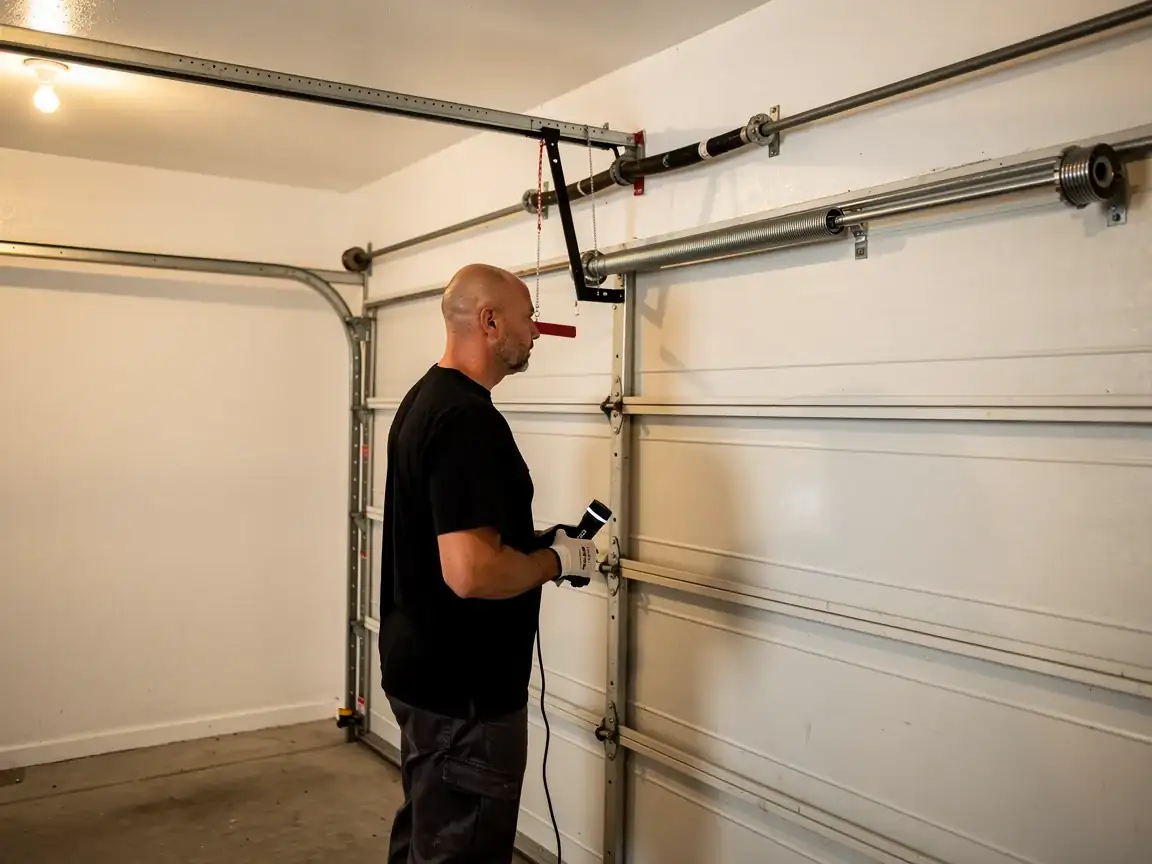
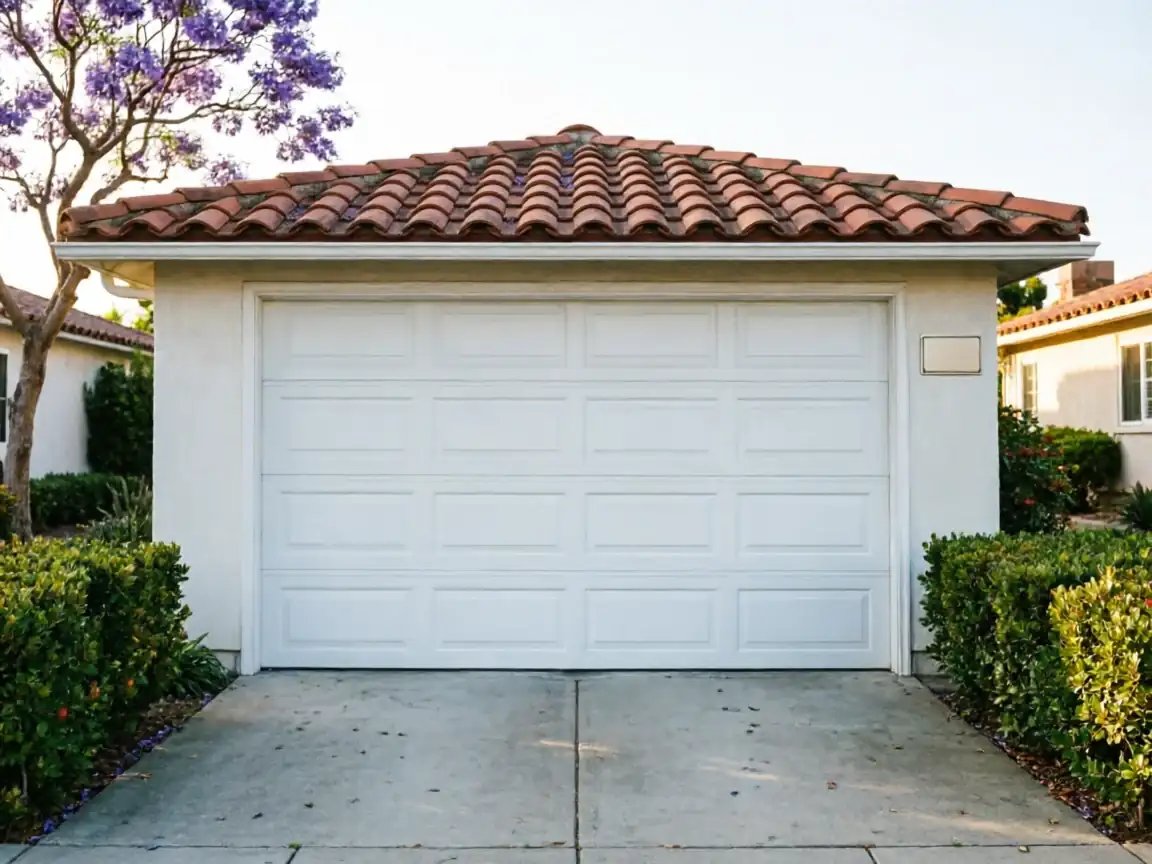
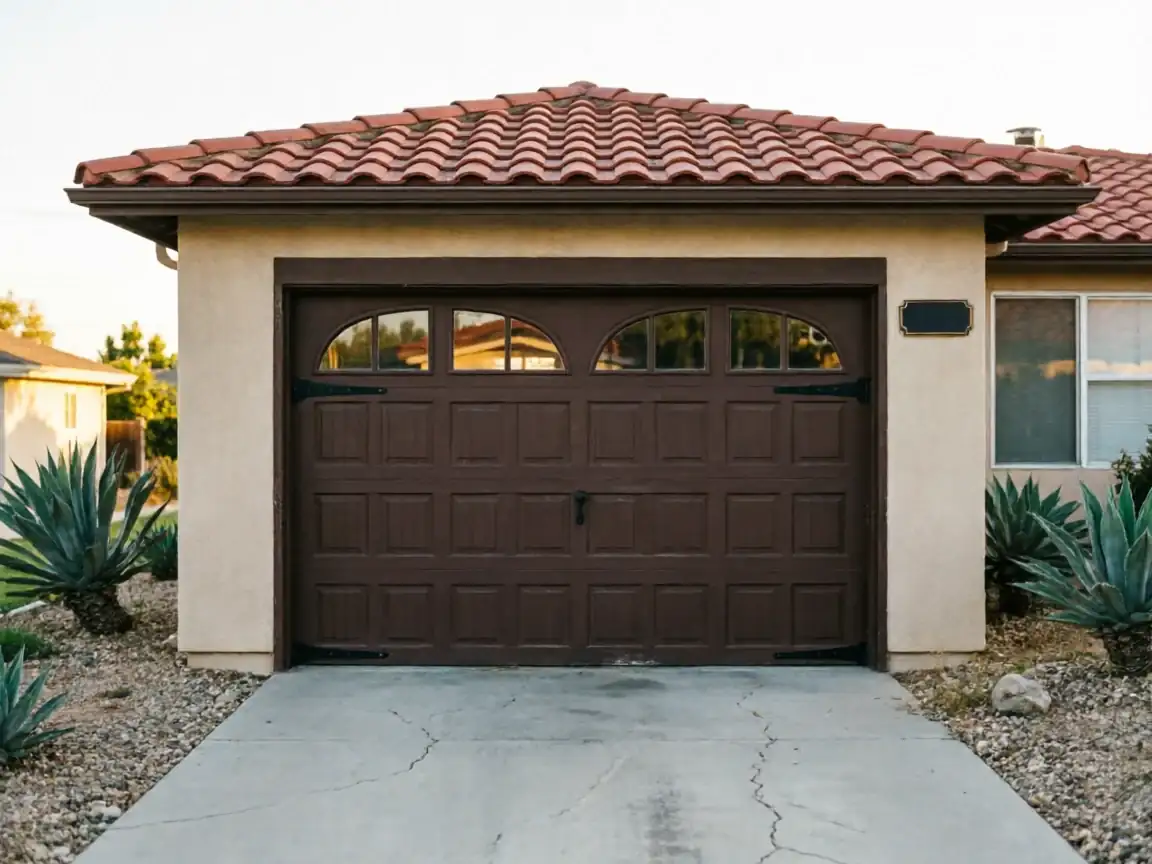
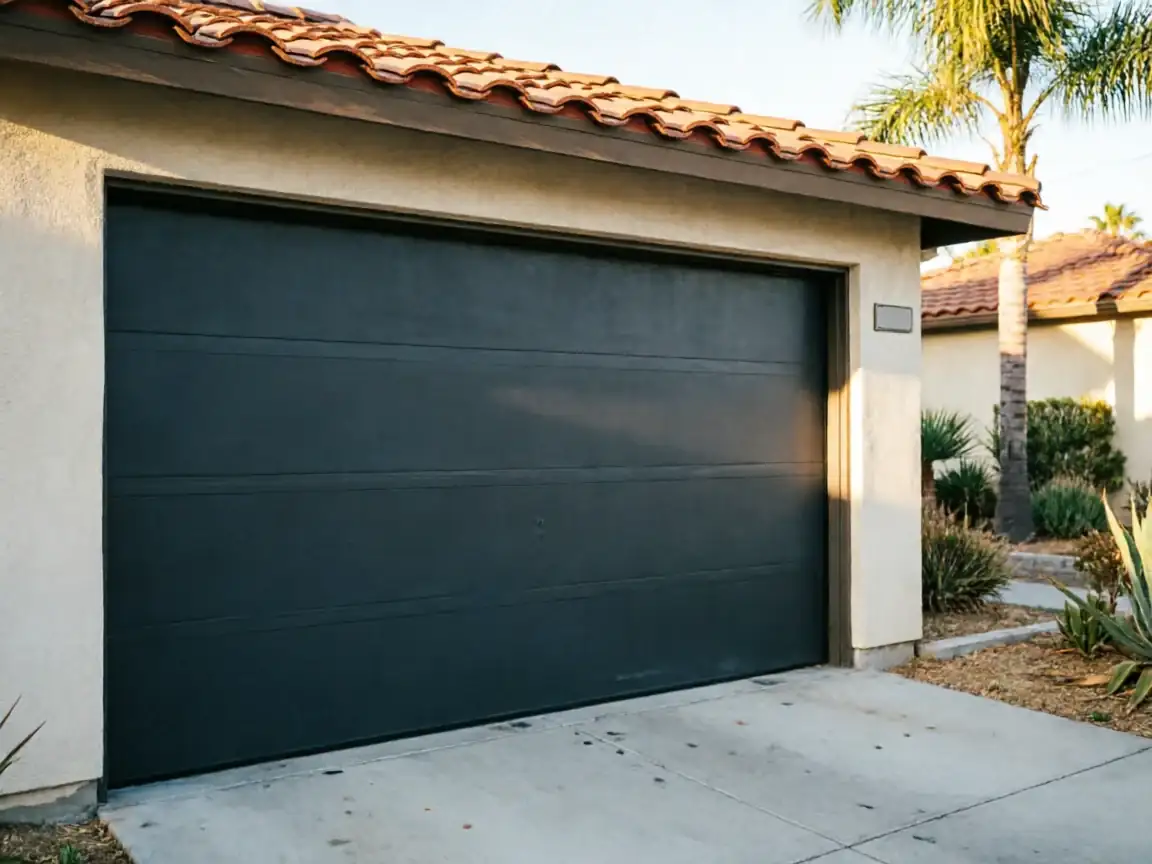
Most houses around Lake Wildwood went up in the early 1980s, with the typical build year landing at 1983. That puts the original door on a lot of these garages squarely in the first generation of roll-formed steel sectional doors - a single layer of 24 or 25 gauge steel, no foam backing, hung on a torsion spring sized for a door with almost no insulation weight. These doors are usually 16 feet wide for double garages or a pair of 9-foot singles, and after four decades the steel has usually dented along the bottom panel where lawn equipment and bikes have knocked it, and the panel seams have loosened enough that the door racks slightly in the track instead of running square. You'll notice it as a shudder partway up, or a door that looks like it's closing crooked even though the track itself is straight. That's not a track problem most of the time - it's a door built lighter than what gets installed today, finally showing its age.
What Is on the Truck
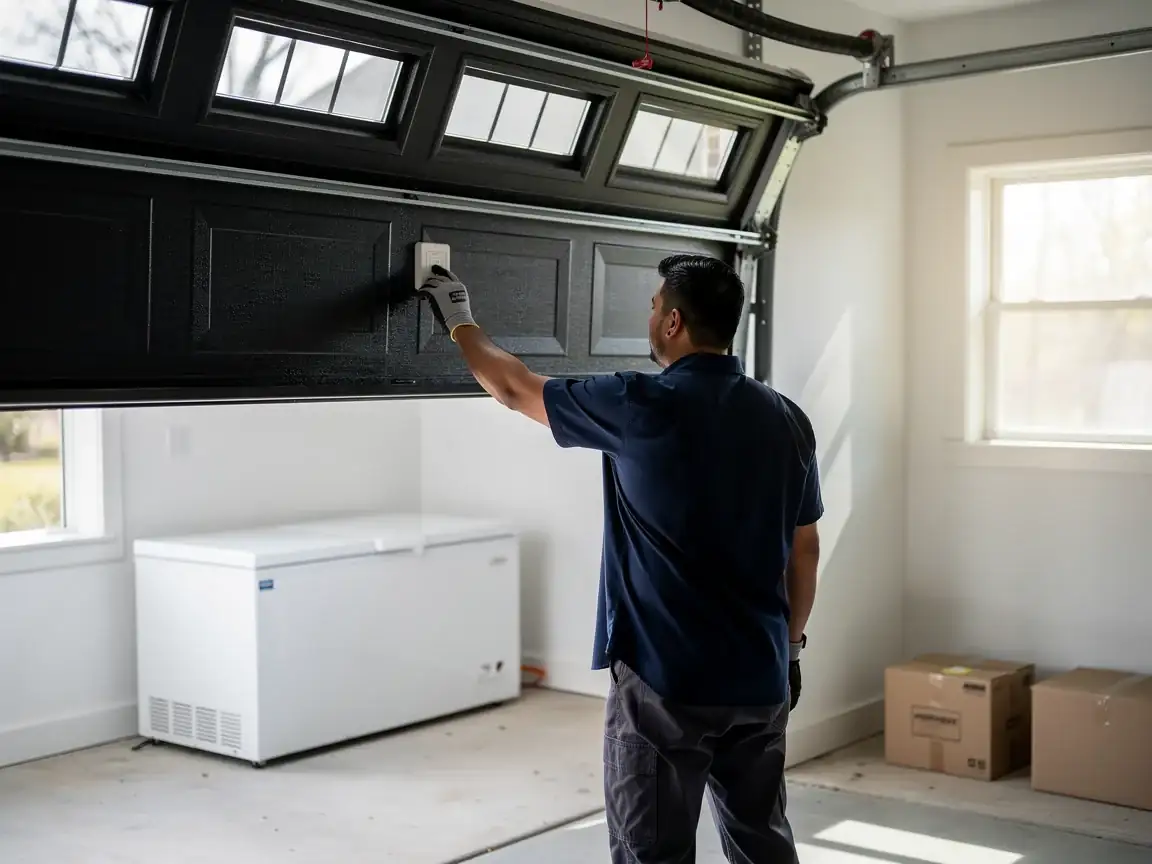
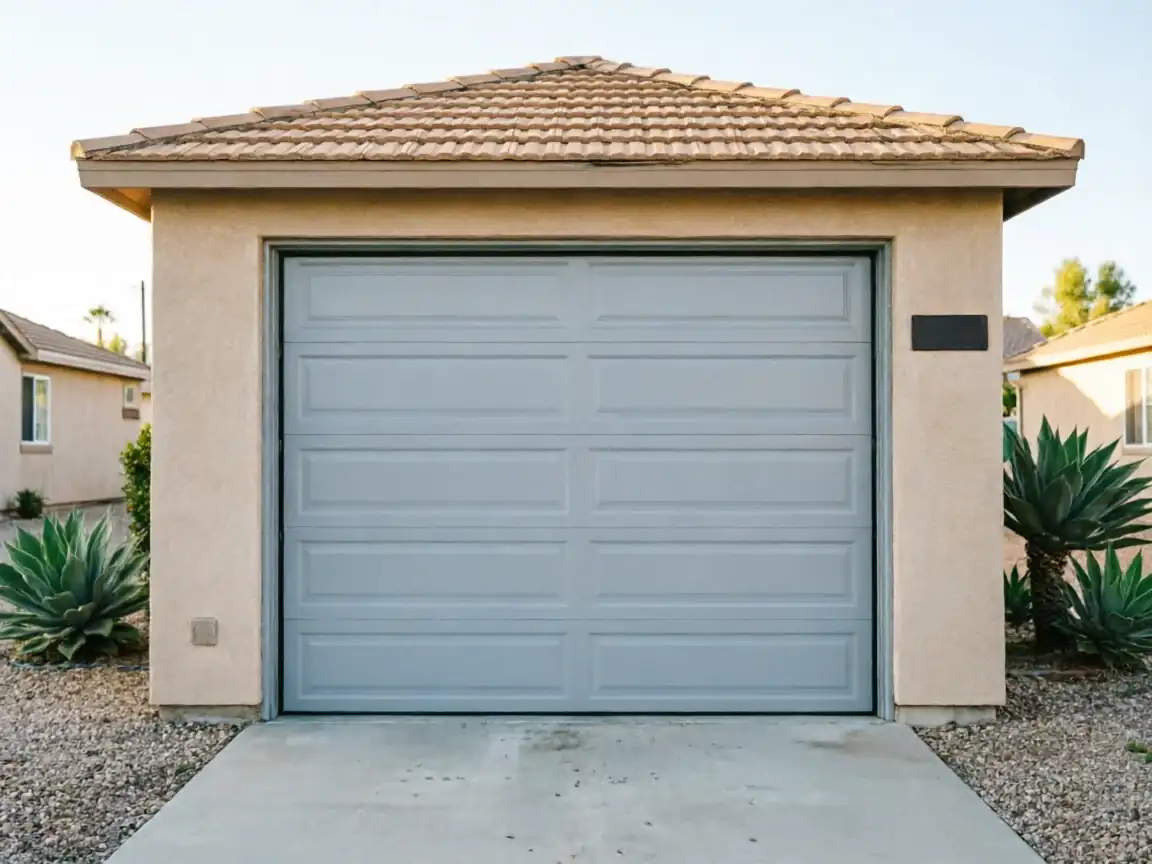
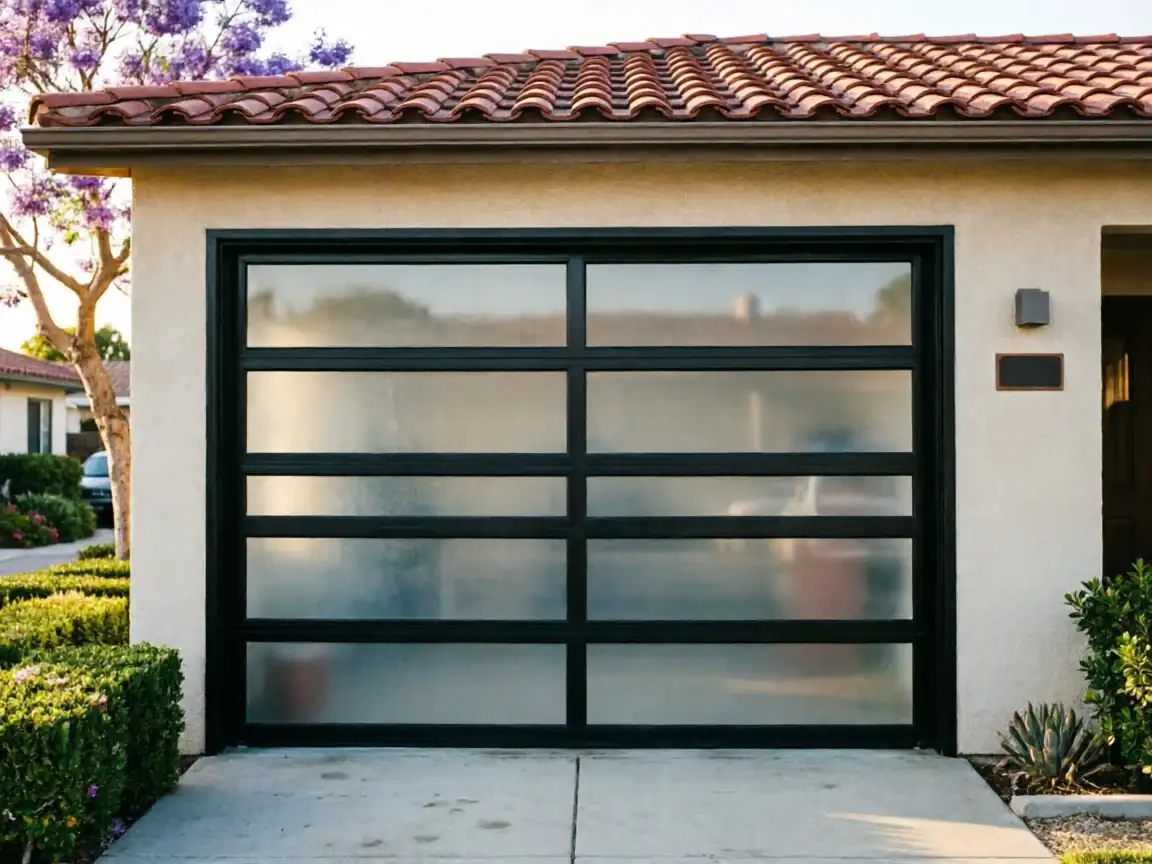
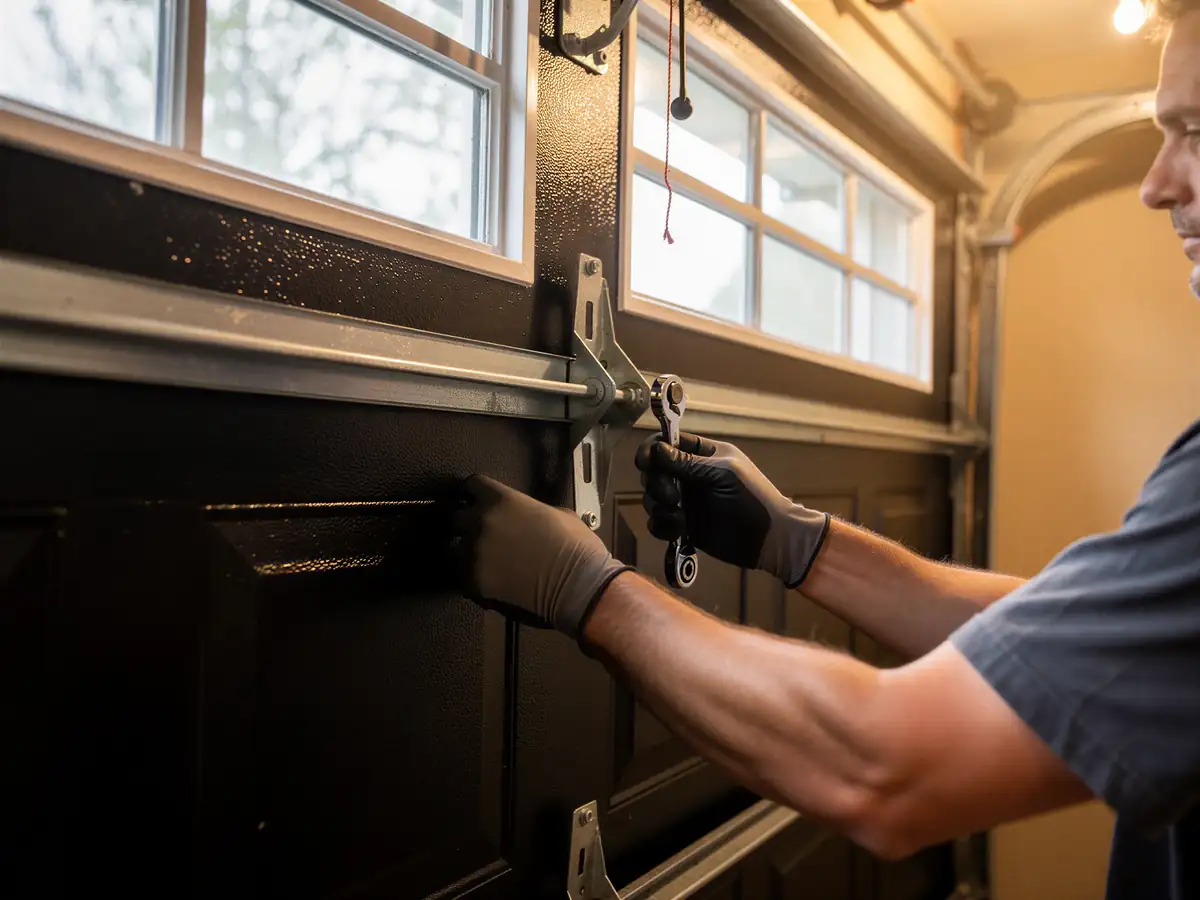
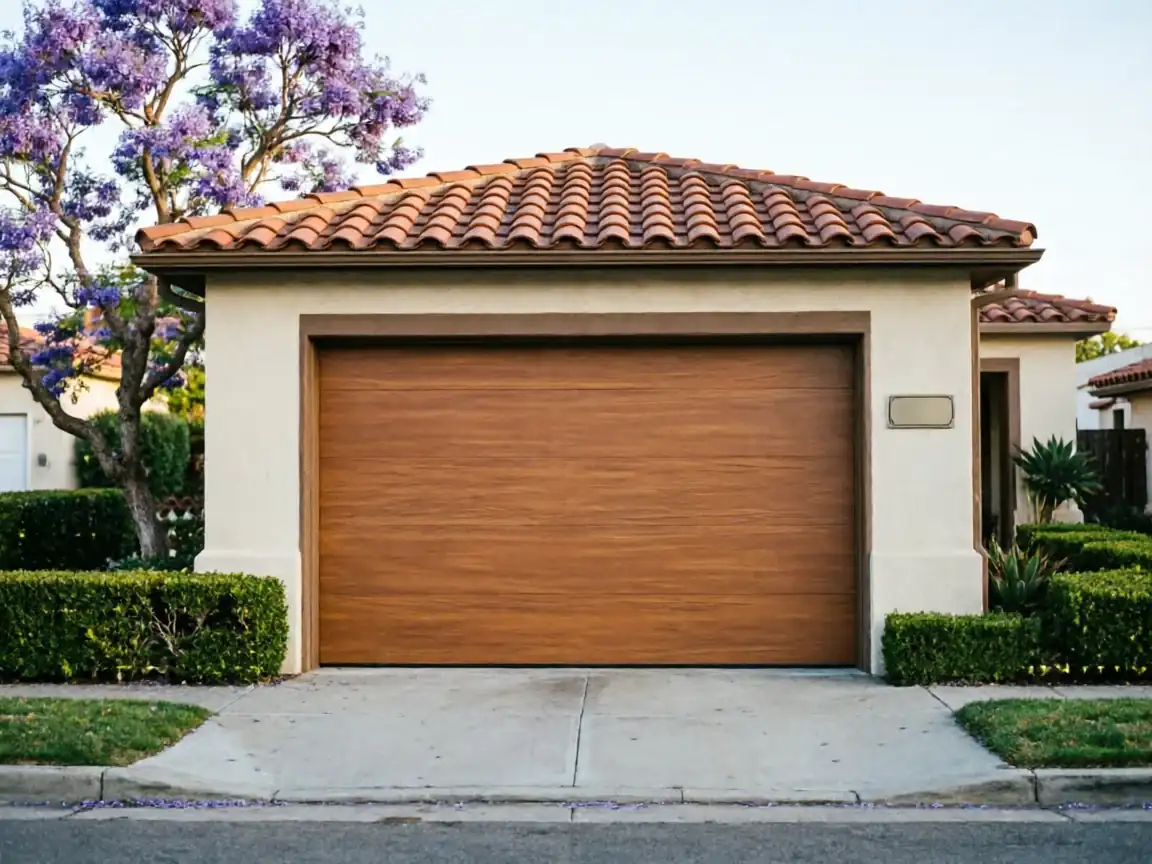
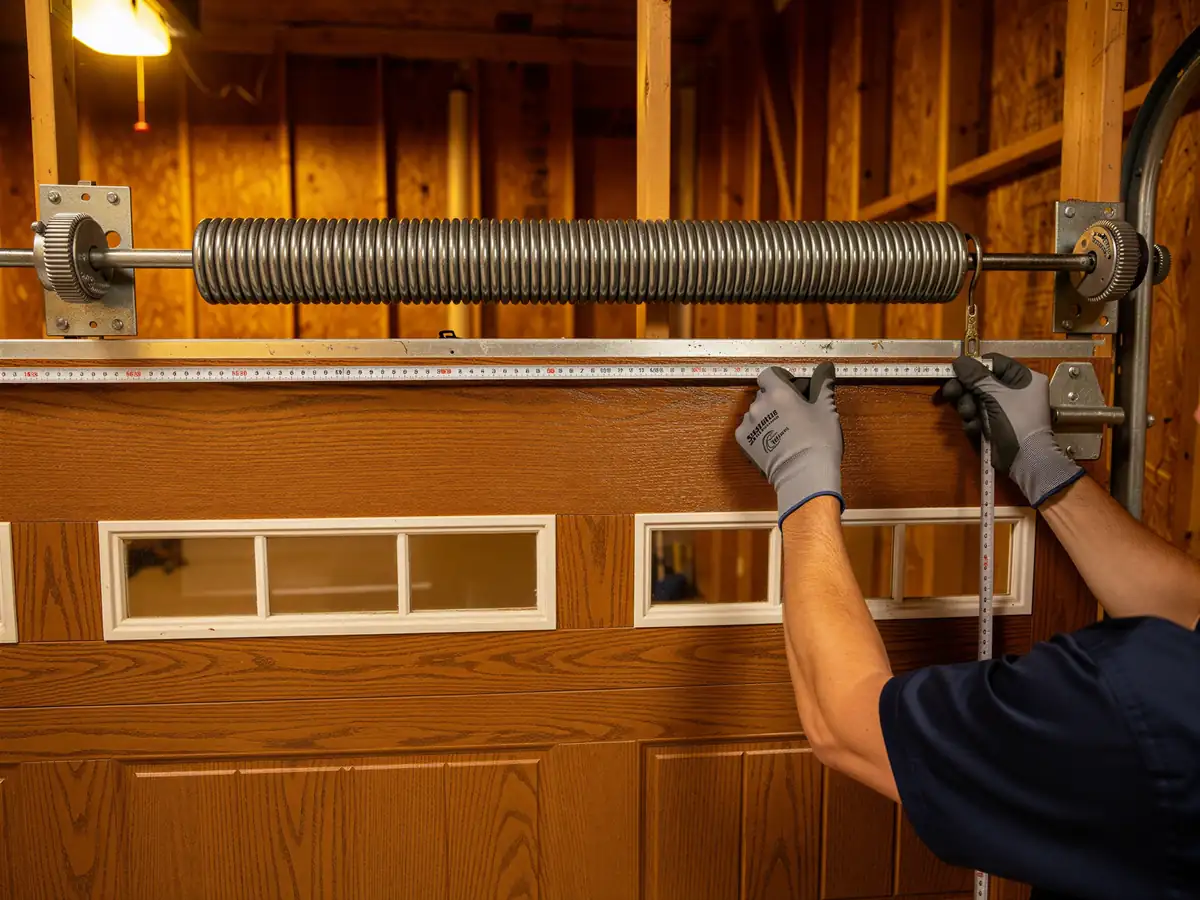
For a door built to 1983 specs, the opening is almost always a standard 16x7 or two 9x7s, which keeps stock sizing simple - we're not custom-ordering odd dimensions out here. What we carry covers steel sectional doors with a foam core, which matters more than people expect even in a mild climate band, because a garage without insulation runs noticeably colder in the months when temperatures dip toward freezing. We stock torsion springs rated for the heavier insulated panels, since swapping a 1983-era door for a modern one without upgrading the spring just means a door that won't lift evenly or will slam down. Rollers, end hinges, and a new torsion shaft come standard on a full swap. One limitation worth saying plainly: if the opening itself has settled or shifted out of square over forty years, that's carpentry work beyond a door swap, and we'll tell you that on-site rather than force a door into a frame that won't take it square.
The Complications
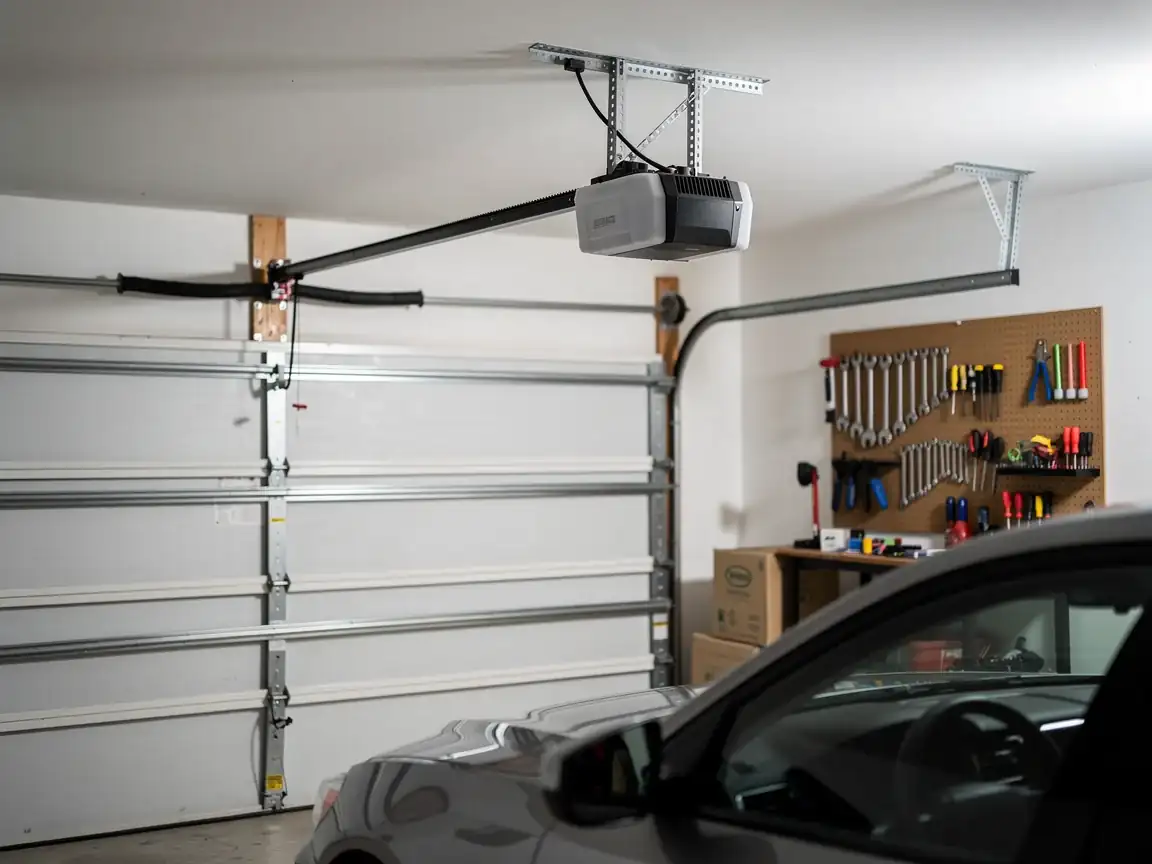
The complication with 1983-era doors isn't usually the door - it's what's behind it. Torsion hardware from that period was often undersized even for the lighter door it came with, and spring techs who haven't worked this vintage will sometimes reuse old end bearing plates that are already worn oval instead of round. That shows up a year later as a door that's suddenly loud or uneven again. The other complication is opener compatibility: a door built in 1983 almost never came with a modern opener, so if yours has been upgraded once already, the bracket and arm positions might not match a new door's top panel without some adjustment. We check that before quoting rather than after. None of this is dramatic, but it's the kind of detail that turns a one-visit job into a return trip if it's missed the first time.
What It Costs
Lake Wildwood runs close to the service area's income level - median household income here is $87,552, a bit under the wider area's $91,135 - and the roughly 1,966 households here are mostly owner-occupied houses from that same early-80s build window, not newer construction with varied door sizes. That consistency keeps pricing straightforward: a standard 16x7 insulated steel double is priced the same here as anywhere else on the route, since there's no custom opening work to price around. Where cost varies is the spring and hardware swap, since original 1983 torsion springs are almost never a match for a new insulated door's weight and get replaced as part of the job rather than left in place.