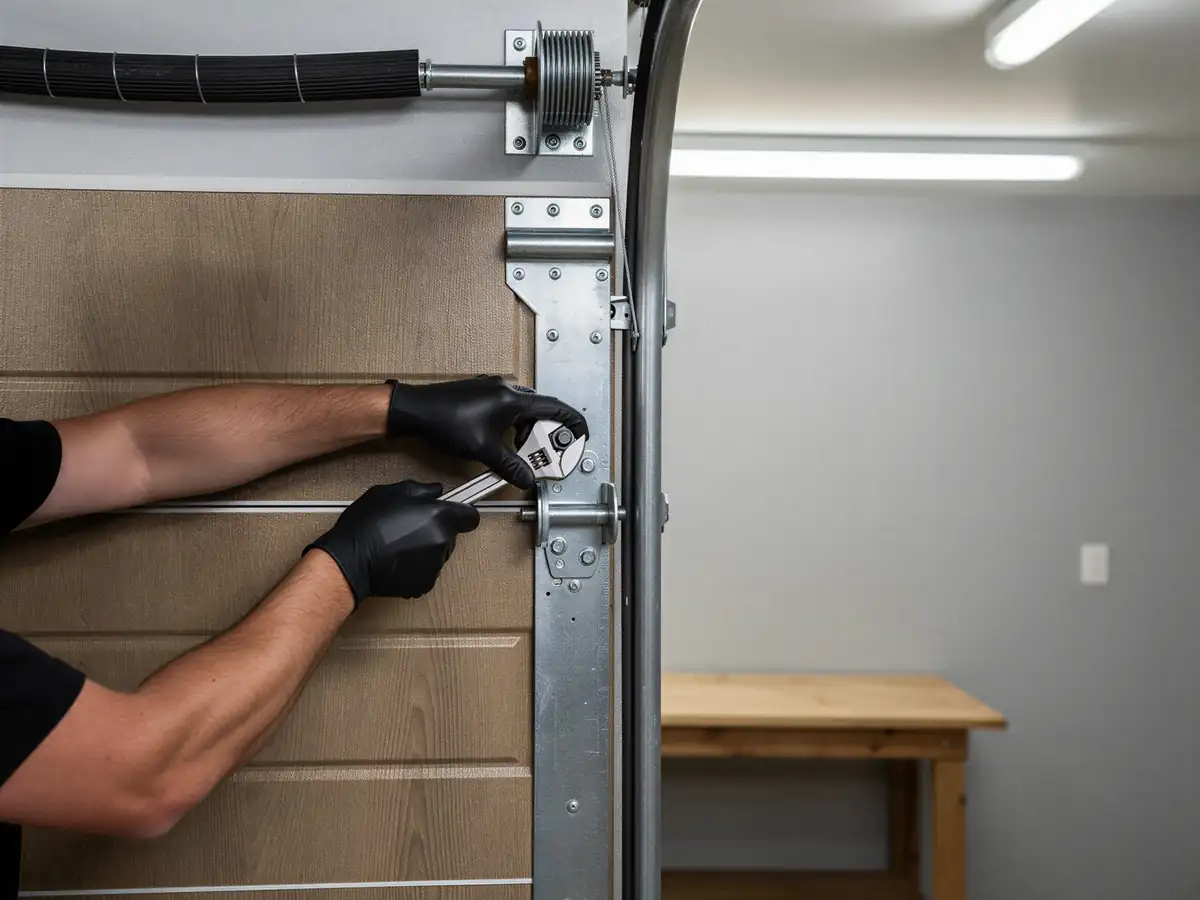
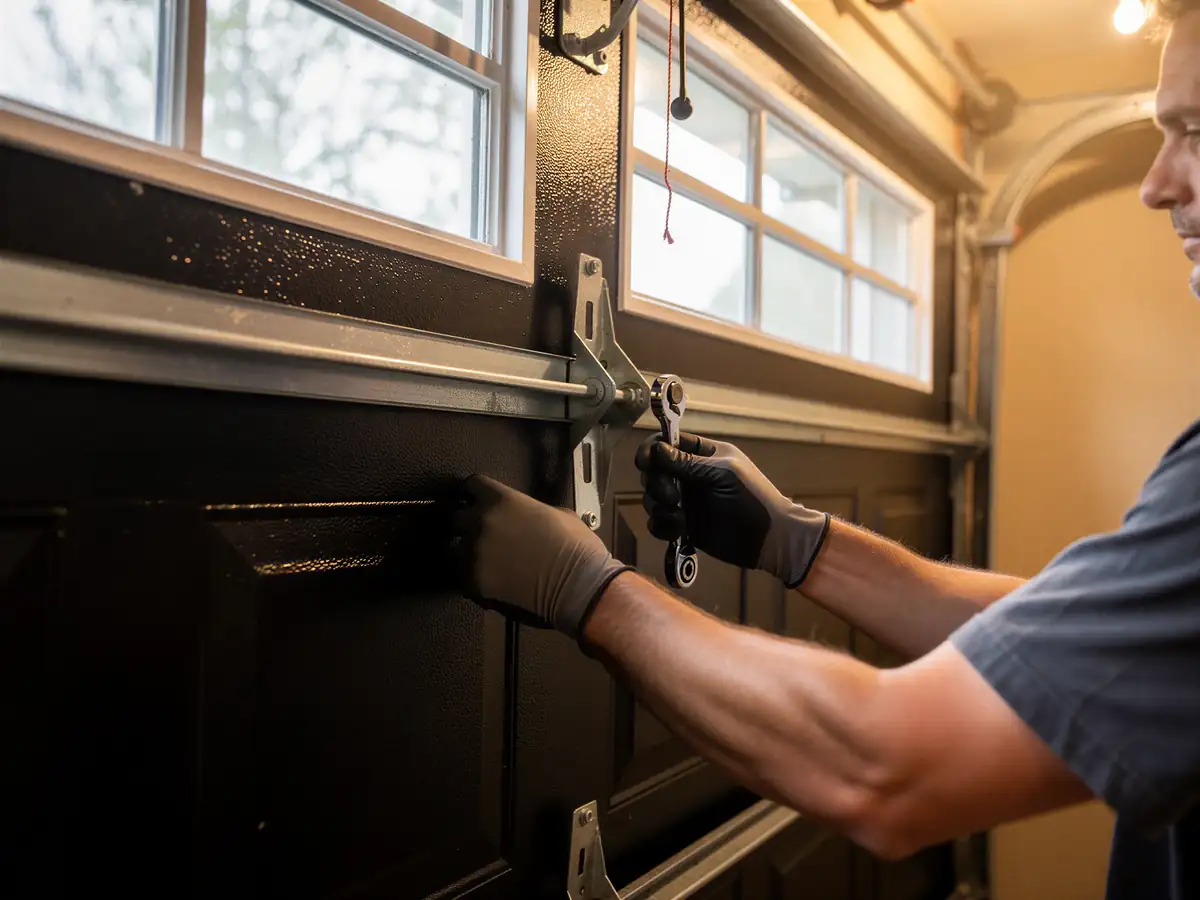
The Symptom
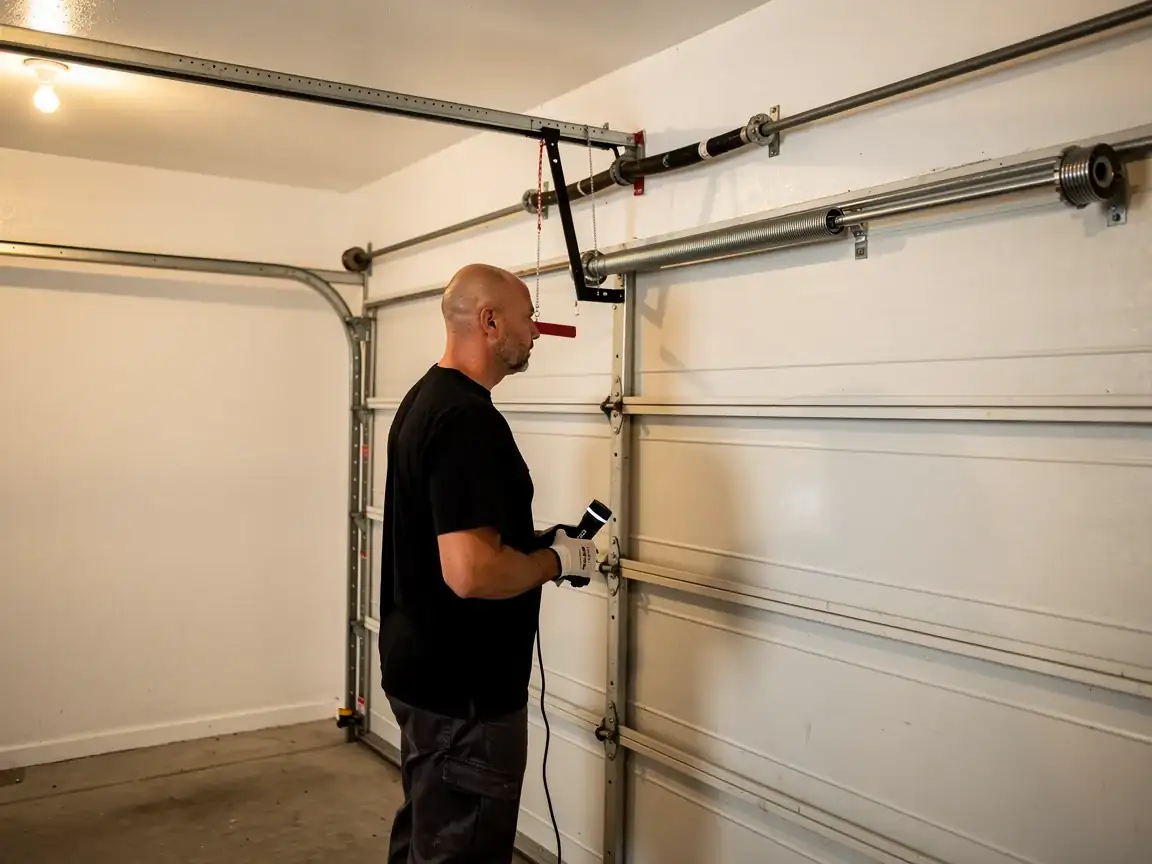
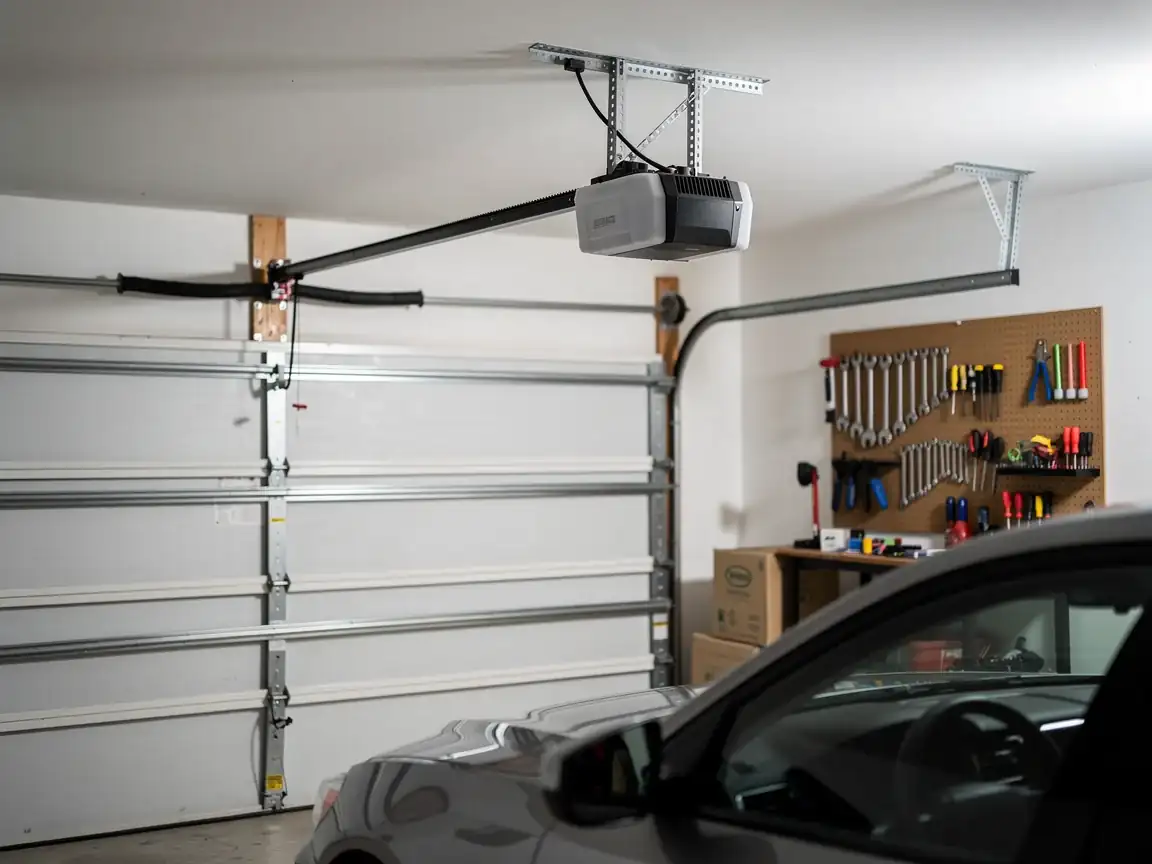
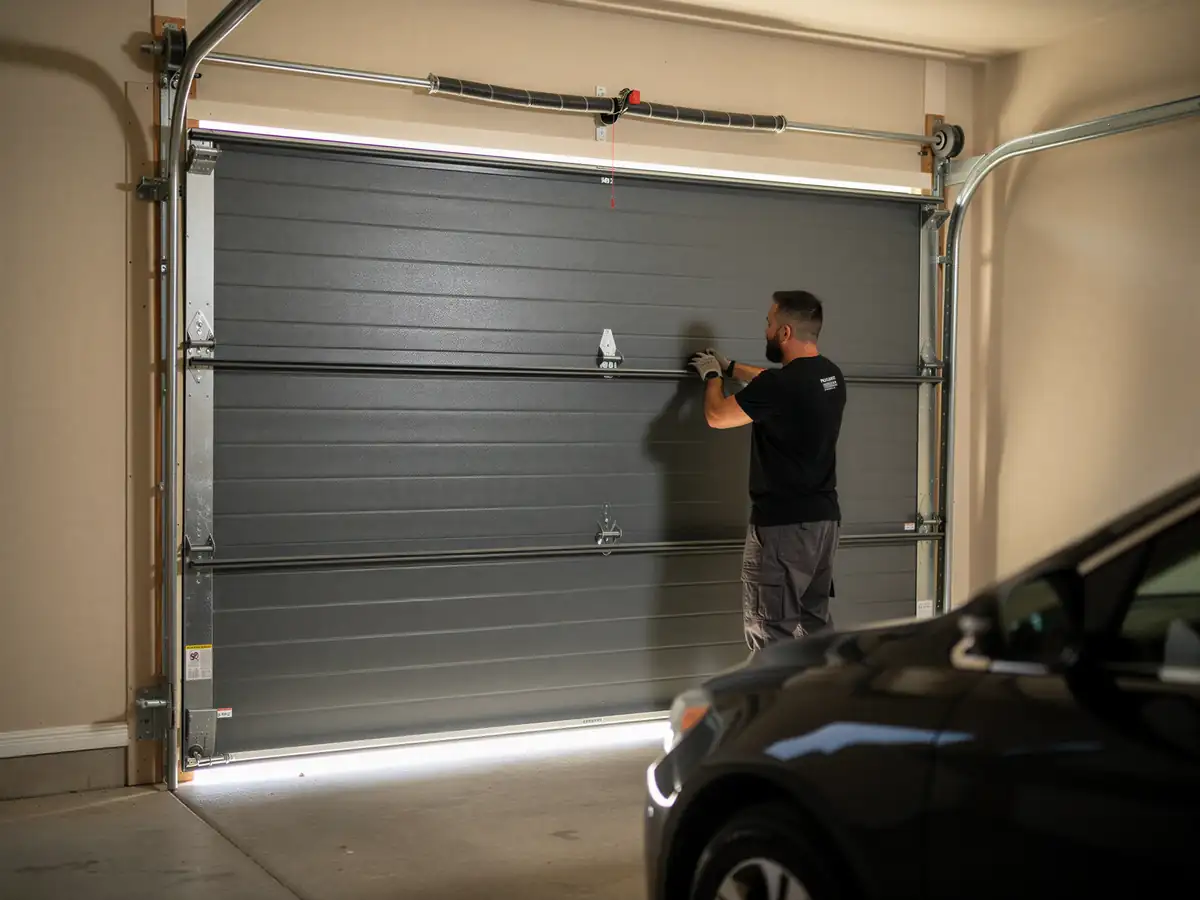
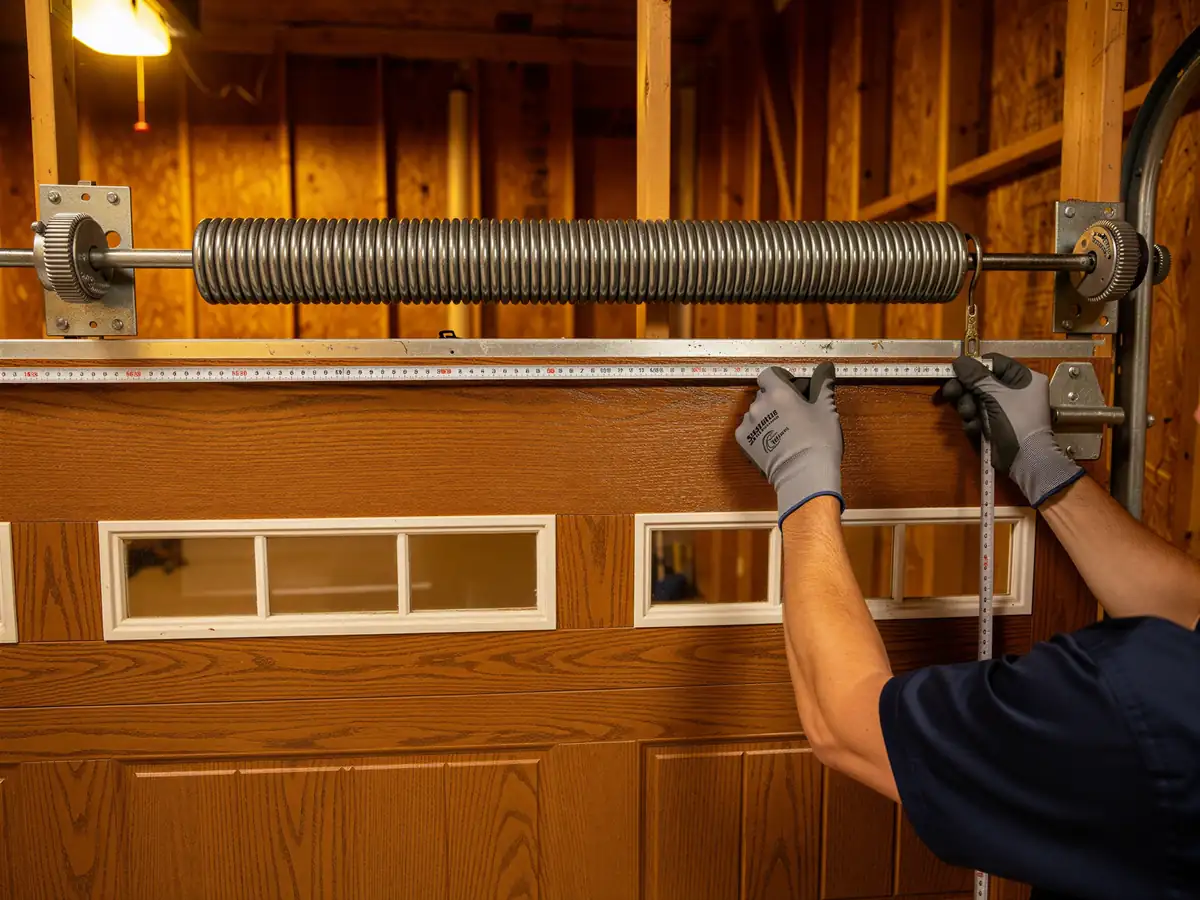
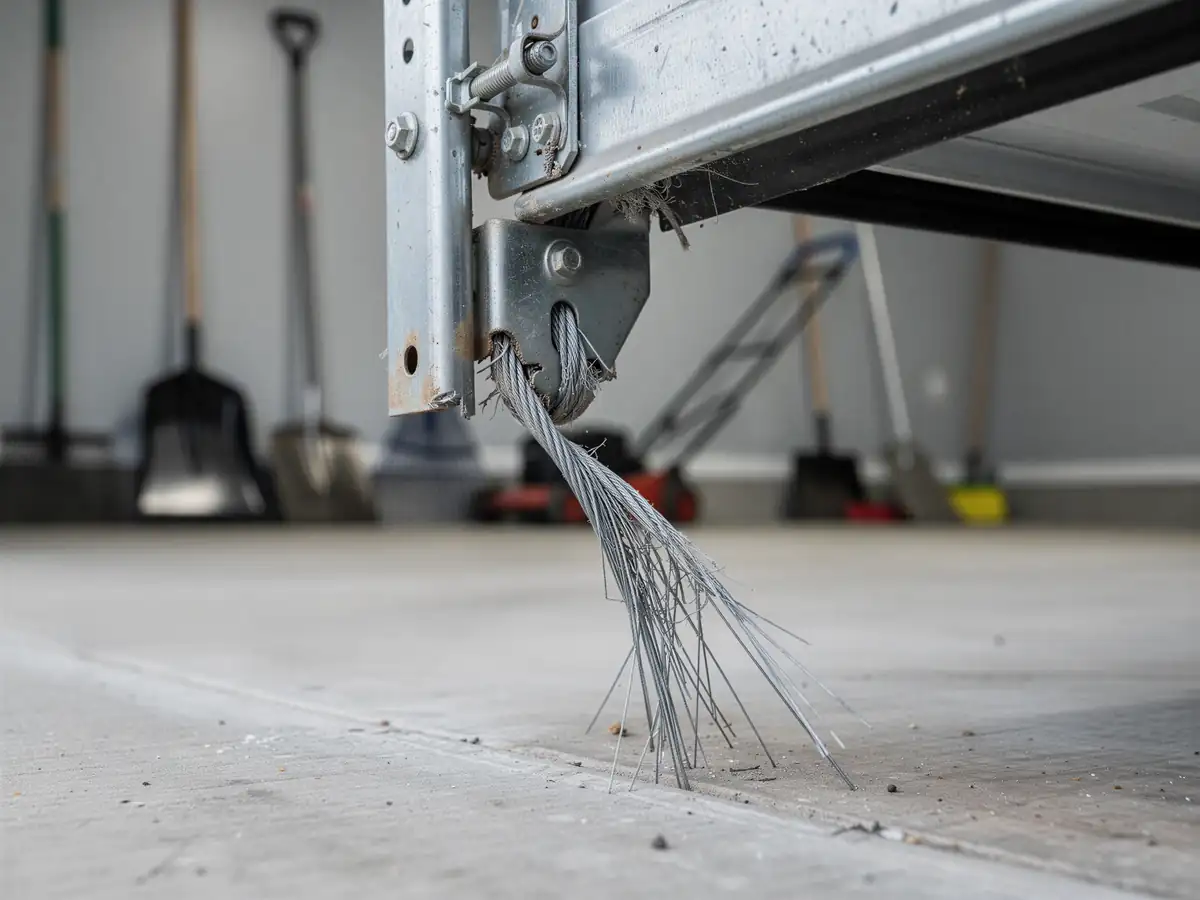
The call we get most from Lake Wildwood isn't a door that won't move at all - it's a door that groans, hesitates, or drops the last six inches before the opener gives up. That pattern points at the original hardware, not a dead opener. Lake Wildwood's housing stock has a median build year of 1983, noticeably later than the 1938-1984 range across the wider Grass Valley service area. That matters because 1983 sits right at the changeover from older extension-spring setups with exposed stretch springs over the track to the first wave of consumer torsion systems. A lot of Lake Wildwood garages still have whichever one came with the house, and both of those designs are now well past the age where you'd expect them to fail quietly. Extension springs here are more likely to have gone slack or snapped one coil at a time, which shows up as that hesitation before the door catches. Torsion units from the same era were built with thinner-gauge cable than current code calls for, and they don't give much warning before the cable frays through. Either way, the fix starts with diagnosing which generation of hardware is actually on the door, not assuming it's the same fault we'd see on a house built ten years earlier or later.
What Is on the Truck
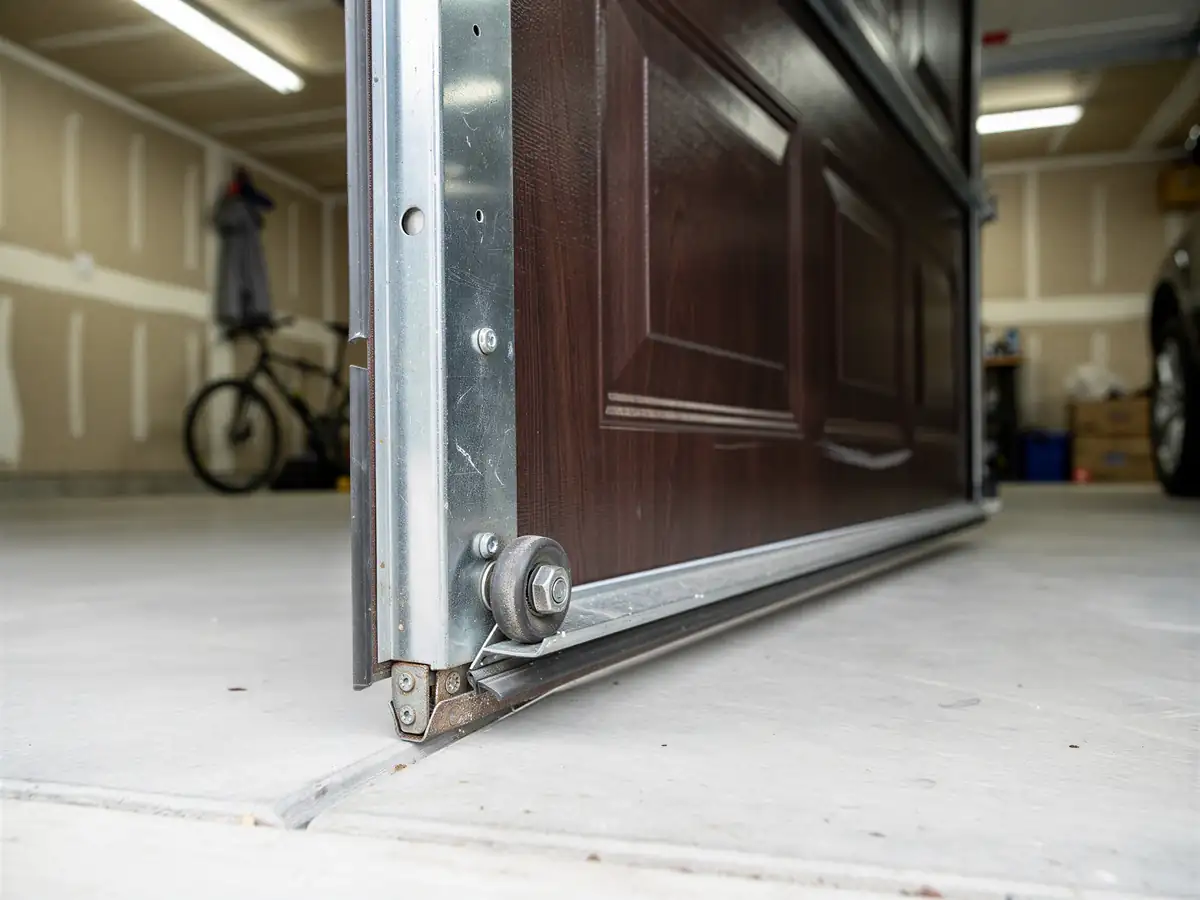
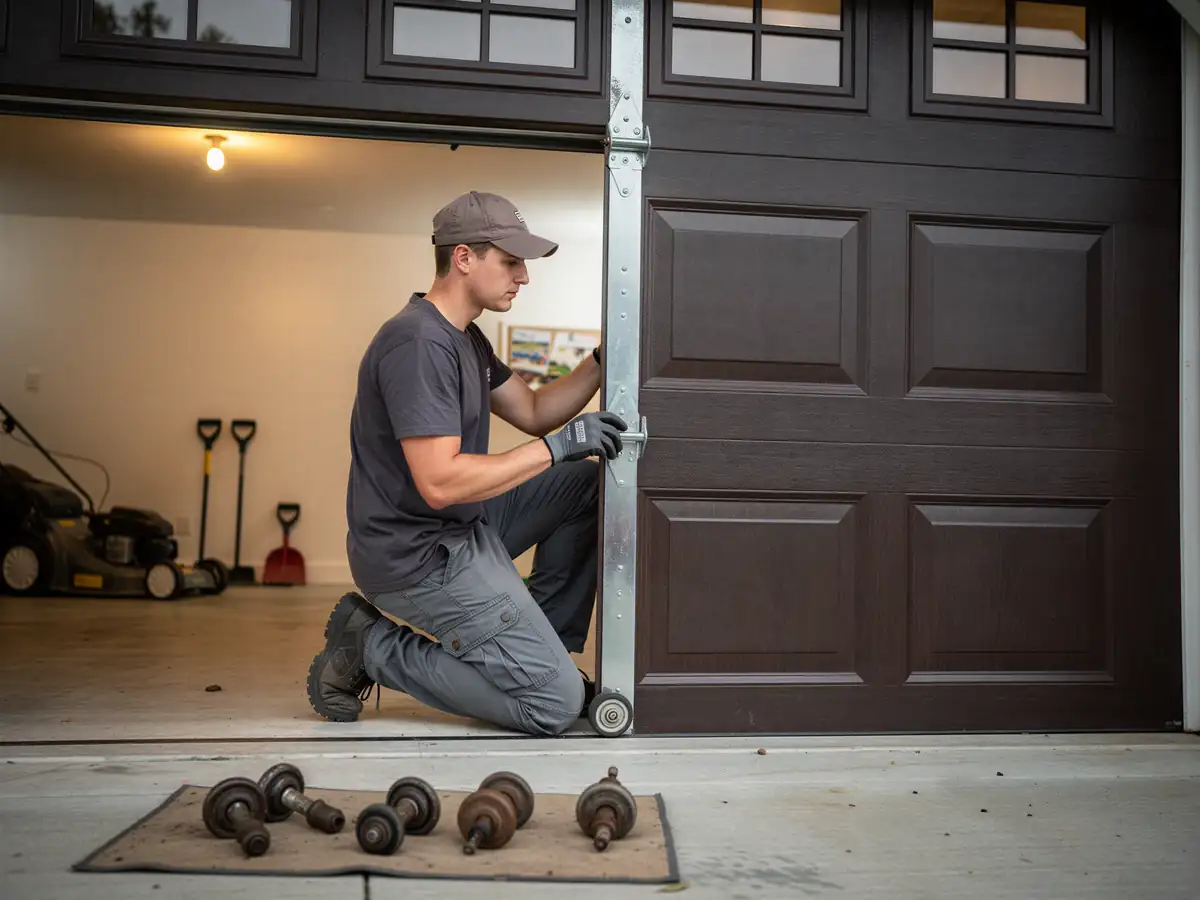
For a service area built mostly in the 1960s-70s, with Lake Wildwood's stock skewing a few years newer, we carry parts for both extension and torsion setups rather than betting on one. That means extension springs in the common cycle weights, torsion springs sized for single and double doors, galvanized lift cable, and rollers in both the older 2-inch stem size and the newer sealed-bearing style. We also stock the steel hinges and end bearing plates that fail on doors from this build era, since the original stamped steel hinges on 1980s doors wear out at the pivot point long before the panel itself gives out. What we don't carry on the truck is replacement wood panels or custom-width sections - if a door from this era needs a specific discontinued panel, that's a special order, and we'll tell you that up front rather than make you wait at the curb while we pretend otherwise.
The Complications
The complication specific to this neighborhood is hardware mismatch. Because Lake Wildwood's homes cluster tightly around that 1983 build year, a lot of garages have been through exactly one opener replacement since the house was built - usually a chain-drive unit bolted onto brackets sized for the original hardware, not the newer track. When the spring or cable fails on one of these doors, the opener motor is often fine, but the mounting and safety sensor wiring from whichever decade they were installed in doesn't match current code. We'll flag that during the repair rather than just swapping the broken part and leaving a mismatched safety setup in place. The other complication is cosmetic: steel doors from this era were painted, not powder-coated, so a repaired panel next to 40 years of fading paint will show a seam even with a close color match.
What It Costs
We don't have a Lake Wildwood-specific price list to quote here, and giving you a number without seeing the door and the hardware generation would be a guess dressed up as a fact. What we can tell you is that the repair cost on a 1983-era door depends heavily on whether it's still running extension springs (generally the cheaper fix) or an early torsion system (more parts, more labor to set tension safely). Ask for a number when you call - we price the job after we know which hardware is actually on your garage, not before.